








How much does a diesel stop solenoid cost for excavator models?
- How much does a diesel stop solenoid cost for mini, midi and large excavator models (OEM vs aftermarket)?
- What step-by-step diagnostic checks confirm the diesel stop solenoid is failing before ordering a replacement?
- Can I replace a diesel stop solenoid on popular excavator models (e.g., CAT 320, Komatsu PC200) myself? Tools, steps and common installation mistakes
- How do voltage and coil resistance values differ between 12V and 24V diesel stop solenoids, and how should I match a replacement?
- What aftermarket vs OEM warranty, expected lifespan and failure modes should I expect in dusty or salt‑air environments?
- How much will workshop labor add to the total cost to replace a diesel stop solenoid on common excavator models, and can the replacement be done roadside?
How much does a diesel stop solenoid cost for mini, midi and large excavator models (OEM vs aftermarket)?
Short answer: it varies by machine size, brand (OEM vs aftermarket) and voltage. Typical market ranges (USD, approximate): mini excavators (1–5 t) $30–$120; midi/small operating class (5–20 t) $60–$180; large excavators (20 t+) $120–$350. OEM branded units from manufacturers such as Caterpillar, Komatsu or Hitachi regularly sit at the higher end of these ranges; genuine OEM pumps and stop solenoid valves often command a High Quality due to part-number matching and quality assurance. Quality aftermarket or remanufactured diesel fuel shutoff solenoids and electromechanical actuators can be 20–60% lower, but ensure matching specs (voltage, thread, connector, mounting) and a minimum 6–12 month warranty. These ranges reflect common market pricing observed across global parts distributors and rebuild shops as of 2024; for an exact price, identify the excavator model, engine serial number and OEM part number and request a quote.
What step-by-step diagnostic checks confirm the diesel stop solenoid is failing before ordering a replacement?
Before buying a replacement diesel stop solenoid, verify these failures through diagnostics to avoid unnecessary parts purchases:
- Visual & connector check: Inspect the solenoid body for corrosion, fuel leakage, cracked housing or stuck plunger and check the connector and harness for burnt pins or water ingress (common in dusty or marine environments).
- Listen & observe: When the ignition is turned off, a functioning fuel cut-off solenoid should click and stop fuel flow, allowing the engine to shut down. Intermittent clicking, no click or delayed shutdown suggests coil or actuator trouble.
- Voltage check at harness: With a multimeter, measure DC voltage at the solenoid plug while attempting shutdown. For 12V systems you should see near-battery voltage when energized; for 24V systems you should see near 24V. No voltage indicates wiring/ECU/relay issue, not necessarily the solenoid itself.
- Resistance (coil) test: Measure coil resistance with the solenoid disconnected. Values vary by design (see next section), but an open circuit (infinite ohms) or short (near 0 ohms) indicates coil failure.
- Bench activation test: Remove the solenoid and briefly apply the correct rated voltage directly (use jumper leads, fuse inline to be safe). The plunger should move freely. Do not hold voltage for long periods—solenoids heat up quickly. If the plunger is stuck or there is no movement, the solenoid is bad.
- Functional test on vehicle: If coil and voltage look good but the engine still won’t stop/start properly, perform a controlled in-situ test by momentarily energizing/disenergizing the solenoid (observe safety protocols). If energizing does not change fuel flow, investigate fuel return lines, valve seats or internal contamination.
Document results with photos and voltage/resistance readings—parts suppliers often ask for these to speed accurate replacement selection.
Can I replace a diesel stop solenoid on popular excavator models (e.g., CAT 320, Komatsu PC200) myself? Tools, steps and common installation mistakes
Yes, many field technicians can replace a diesel stop solenoid, but follow safety, torque and verification steps. Typical tools: metric socket set, torque wrench, insulated pliers, multimeter, dielectric grease, thread sealant where specified, and a clean rag. General procedure:
- Identify and isolate: Turn off engine, remove key, disconnect battery negative to avoid accidental crank or short during work.
- Relieve pressure and clean: Wipe the area to avoid contaminating the fuel system, and if the service manual requires, relieve any fuel system pressure per the OEM procedure.
- Disconnect electrical connector: Unclip harness and inspect pins for corrosion; clean or replace harness if needed.
- Remove mounting hardware: Unbolt the solenoid from its bracket—keep bolts and note orientation. Keep a drain pan for minimal fuel spillage.
- Install replacement: Fit new solenoid, torquing bolts to OEM spec in the service manual (do not over-torque; over-torquing can crack housings or strip threads). Connect electrical plug and apply dielectric grease sparingly to prevent moisture intrusion if recommended by supplier.
- Verify operation: Reconnect battery, start engine and perform the bench/vehicle functional test to confirm proper shutoff behavior and listen for correct operation.
Common mistakes to avoid: ordering wrong voltage (12V vs 24V), mismatched coil resistance, ignoring harness damage, overtorquing fasteners, failing to clean mating surfaces, or not following OEM torque specs and sealing procedures. When in doubt, consult the excavator service manual or request a fitted part number from a supplier like www.jbpartsgz.com.
How do voltage and coil resistance values differ between 12V and 24V diesel stop solenoids, and how should I match a replacement?
Voltage and resistance specs are critical for correct operation. General guidelines:
- Voltage: Most small/utility excavators use 12V solenoids; larger machines or those with 24V electrical systems (heavy-duty excavators, some tracked units) will require 24V solenoids. Never fit a 12V coil into a 24V circuit or vice versa.
- Resistance: Coil resistance depends on coil design. Typical ranges are: 12V coils — roughly 1–30 ohms; 24V coils — often higher, roughly 10–100 ohms. These are broad ranges because manufacturers design coils to draw a specific current (I = V/R). What matters is matching the OEM resistance and rated current to avoid coil overheating or weak pull.
- How to match: Use the OEM part number or the service manual specification. If you only have the old unit, measure the coil resistance at room temperature and note the stamped voltage. Match those values with the replacement spec sheet. Also confirm connector type, mounting flange and thread pitch.
Incorrect voltage or resistance will cause improper plunger pull, intermittent operation, overheating and early failure. If uncertain, send OEM part number and a photo to a parts specialist to confirm compatibility.
What aftermarket vs OEM warranty, expected lifespan and failure modes should I expect in dusty or salt‑air environments?
Environmental exposure shortens lifespan. Typical expectations:
- Warranty: OEM parts commonly offer 6–12 months standard warranty through dealers; some manufacturers or refurbished suppliers extend to 12 months. Quality aftermarket vendors may provide 6–24 months depending on brand and whether the part is new or remanufactured.
- Lifespan: Under normal conditions, a well-made stop solenoid can last 3–7 years. In harsh conditions (abrasive dust, high humidity, corrosive/sea-spray), effective lifespan can drop to 1–3 years unless protected by sealed connectors, conformal coatings or stainless fasteners.
- Common failure modes: coil burnout (electrical overload or corrosion), stuck plunger (contamination or rust), connector corrosion causing intermittent voltage, or mechanical wear of the valve seat causing improper fuel shutoff. IP-rated (water/dust-proof) housings and sealed connectors help mitigate these failures.
Mitigation: install sealed connectors, use dielectric grease, mount solenoids away from direct road spray where possible, and schedule inspection as part of routine preventive maintenance. Ask suppliers for IP rating data and corrosion-resistant finishes if your fleet operates in coastal or mining environments.
How much will workshop labor add to the total cost to replace a diesel stop solenoid on common excavator models, and can the replacement be done roadside?
Labor costs depend on access and local rates. Typical labor time:
- Easy-access installations (solenoid on external pump body or accessible bracket): 0.25–1.0 hour.
- Moderate installations (requires partial panel removal, confined spaces): 1.0–2.5 hours.
- Complex or remote-mounted solenoids (inside engine bay requiring removal of components): 2.5–5+ hours.
With labor rates ranging widely (e.g., $50–$150/hour depending on country and workshop), typical labor add-on can be $25–$750. Roadside or on-site replacement is often feasible for easy-access units and is a common field service: mobile technicians typically carry common 12V/24V solenoids, test equipment and spares. However, if the problem is wiring, ECU/relay or requires fuel system depressurization in a confined area, workshop facilities are safer. Always perform battery isolation and contain fuel drips; mobile repairs should still follow OEM safety steps.
Contact for a precise quote: For an exact part match and current price tailored to your excavator model and engine serial number, contact us at www.jbpartsgz.com or email jbparts@aliyun.com.
Note: The price ranges and service guidance above reflect typical market behavior and industry best practices through mid-2024. Always confirm part numbers, voltage and torque values with the OEM parts book or the excavator service manual before purchase and installation.
Contact us for a quote: www.jbpartsgz.com • jbparts@aliyun.com

Isuzu SP 4JG1 4JG2 4JG3 Cylinder Liner 1876182070 1-87618207-0 1876182080 1-87618208-0 1876182100 1-87618210-0

4BG1 6BG1 Liner Set 1878141050 1-87814105-0 1878141060 1-87814106-0 1878141070 1-87814107-0 Genuine Engine Parts
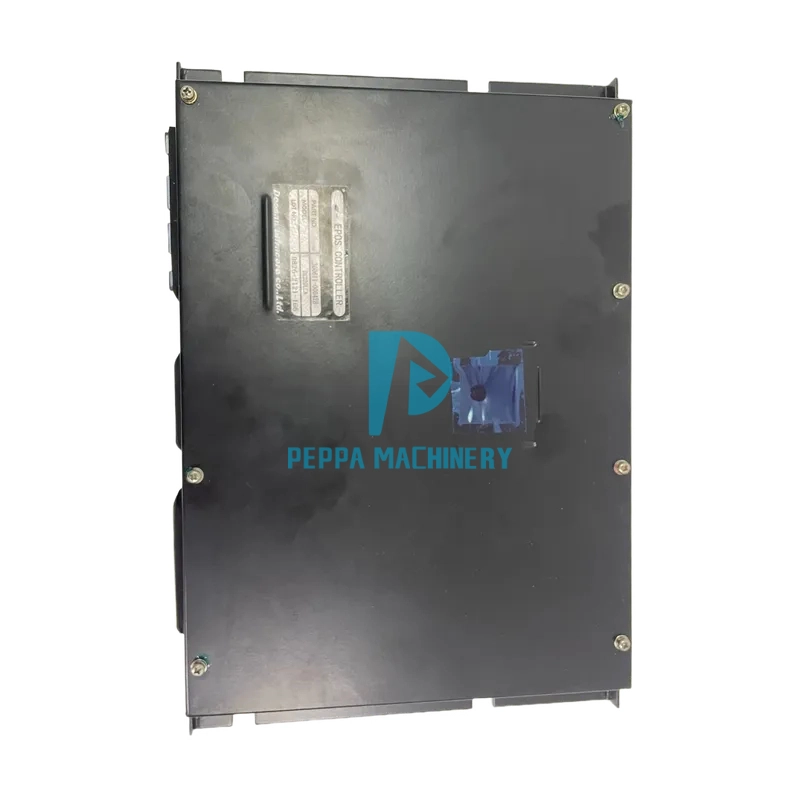
Direct-Injection Engine ECU Electric Controller 300611-00042B New Condition Iron Material for DX220LCA Excavator
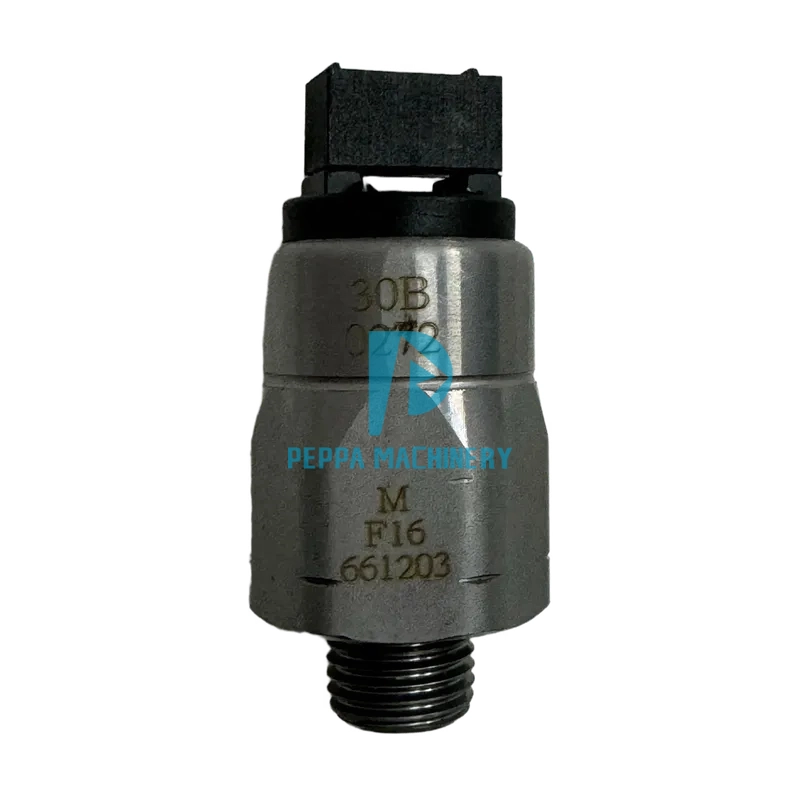
Sany Excavator Electric Oil Pressure Switch Hydraulic Oil Pressure Sensor for Engine Model 661203 661204 660404
Excavator Parts
What brands of excavator parts do you supply?
We supply a full range of parts compatible with major international and Chinese brands, including Caterpillar, Komatsu, Hitachi, Volvo, Doosan, Hyundai, Sany, Liugong, XCMG, Zoomlion, and more.
Do you provide technical support or installation guidance?
While we do not offer on-site installation, we can provide basic technical advice, diagrams, or documentation to assist your technicians with installation and troubleshooting.
How can I verify compatibility before placing an order?
Please provide us with your machine brand, model number, and the part number (if available). Our team will double-check the compatibility to ensure you receive the correct parts.
Are your parts genuine or OEM?
We offer both genuine parts and high-quality OEM alternatives. You can choose according to your budget and application needs. All OEM products are tested to meet or exceed original specifications.
Can I get help choosing the right parts for my machine?
Yes. Our experienced sales team is here to provide professional recommendations and solutions based on your excavator model, part number, or specific requirements.
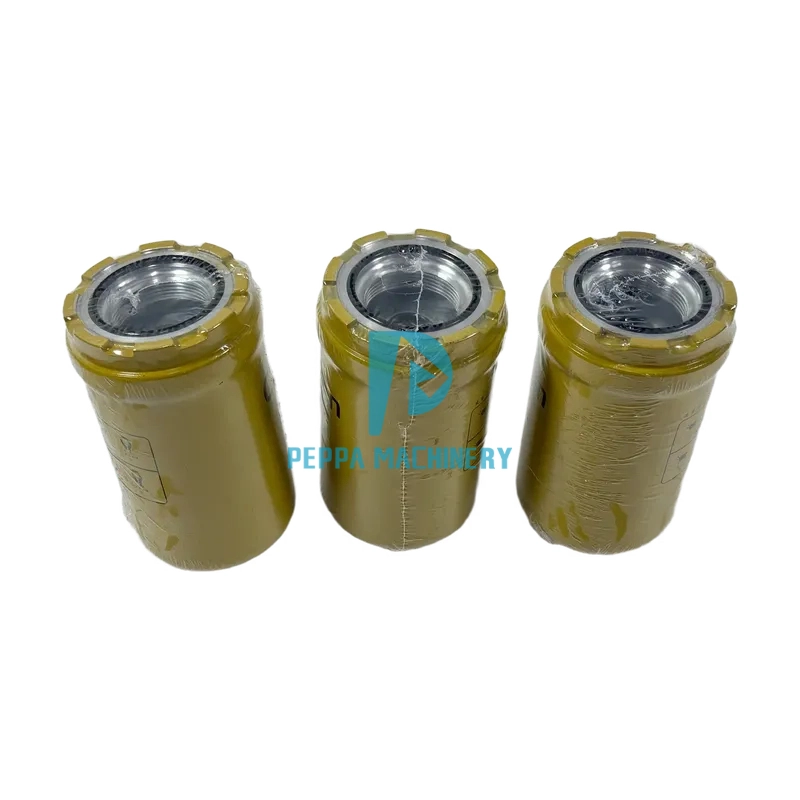
51-8670 Hydraulic Filter Applicable to HF35519 518670 2897836 518670X 1588987 Compatible with Caterpillar 352FVG 325CL
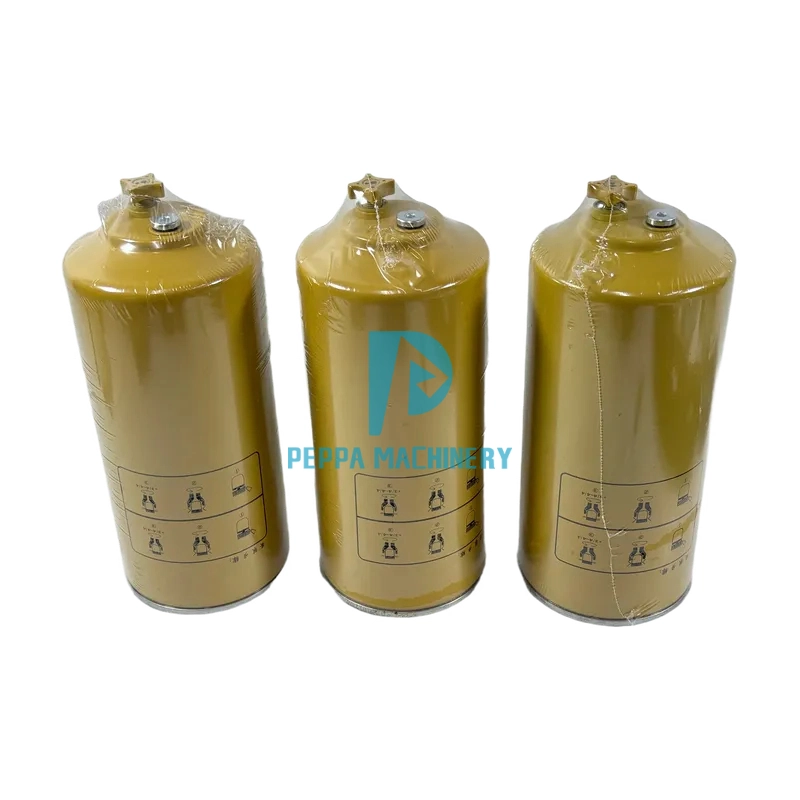
4385386 Fuel Water Separator Fuel Filter 382-0664 Oil-water Separator Hydraulic Oil Filter for CAT 312D2 320D2
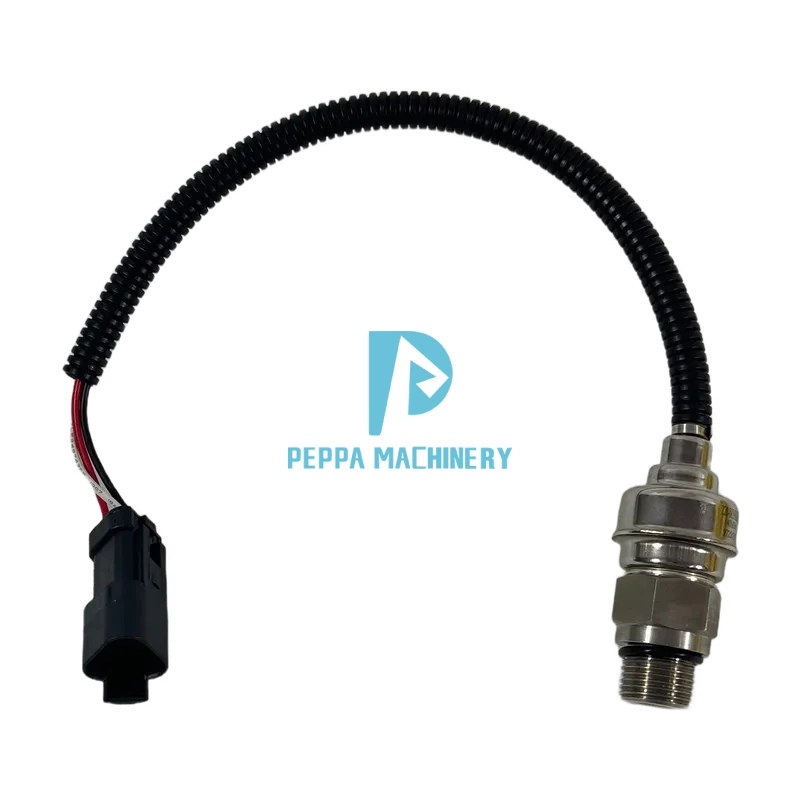
Pressure Sensor 221-8859 106-0178 for Caterpillar CAT 311B 311C 312C 314D 315B 320C 323D 324D 330C 336D 345B 385C
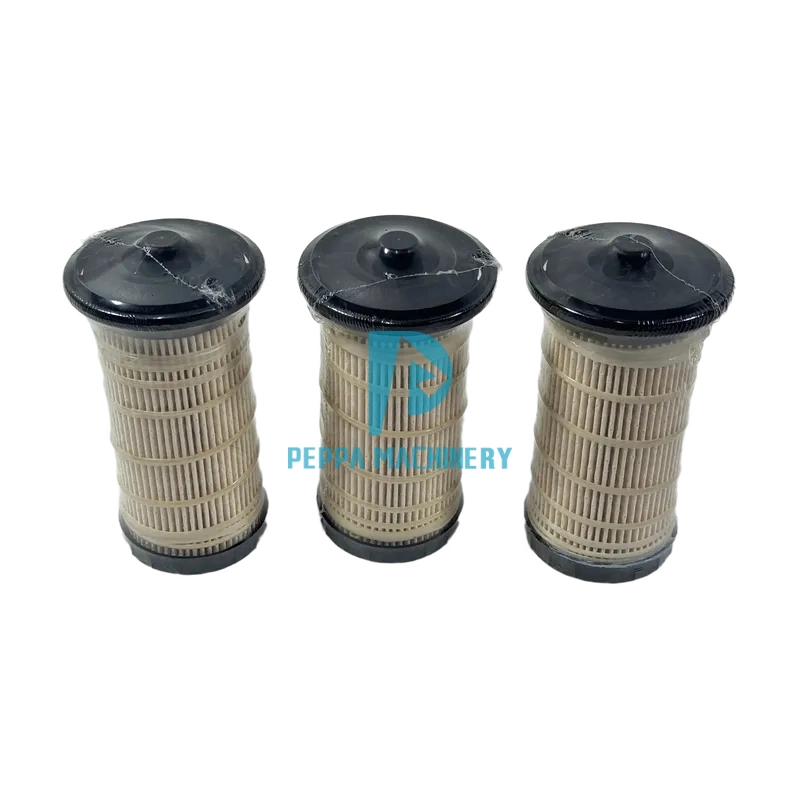
360-8960 Fuel Filter Element for Caterpillar C4.4 & C7.1 Engines | Fits 312D, 320D, 312E, 320E, 326D2, 336D2 Excavators
Get more information
Want to know more? Contact us today to get detailed product specifications, customized solutions, and a free consultation tailored to your needs.
Rest assured that your privacy is important to us, and all information provided will be handled with the utmost confidentiality.

Reliable Source for Quality Excavator Components.
Follow Us
Our Partners


Our Payment Methods


 High Quality
 7/24 Service
 Guaranteed Warranty
 Scan QR Code
Facebook
TikTok
YouTube
Pinterest
Twitter