








OEM vs aftermarket diesel stop solenoid: which is better to buy?
- 1) How can I verify an excavator diesel stop solenoid's exact voltage, stroke length, and mounting dimensions when seller listings lack detailed specs?
- 2) What bench-testing steps and electrical pass/fail values should I use to diagnose a stuck or intermittently working diesel stop solenoid?
- 3) What are the most common failure modes of excavator diesel stop solenoids in high-vibration, dusty environments and how can I distinguish electrical vs mechanical failure on-site?
- 4) When repairing an old excavator, how to decide between buying an OEM diesel stop solenoid or a low-cost aftermarket unit to minimize lifetime cost and downtime?
- 5) Which aftermarket diesel stop solenoid specifications (coil material, insulation class, IP rating, plunger finish) matter most for excavators operating in extreme climates?
- 6) How to authenticate aftermarket solenoids labeled 'OEM compatible' and what documentation or tests should suppliers provide to meet procurement audits?
1) How can I verify an excavator diesel stop solenoid's exact voltage, stroke length, and mounting dimensions when seller listings lack detailed specs?
Problem: many online listings omit critical parameters (voltage, stroke, flange holes, plug type), causing misfits and failed installs.
Step-by-step verification:
- Ask for the manufacturer's datasheet or part drawing first — this should list coil voltage (12V or 24V are most common), current draw, stroke (plunger travel), mounting flange dimensions, and connector/pinout. Reputable suppliers provide a PDF.
- Cross-reference OEM part numbers. Use the excavator serial number + OEM part lookup (OEM catalogs or dealer portals) to find the original stop solenoid part code; then confirm cross-reference with the seller.
- If no datasheet is available, request high-resolution photos showing label text, connector face, and all dimensions with a ruler. Verify plug type (AMP, Deutsch, spade) and pin count.
- For used units, measure directly: use a caliper to record flange hole spacing, total length, and stroke by energizing briefly with a fused bench supply at the rated voltage and measuring plunger travel. Take photos of measurement points for buyer-seller agreement.
- Confirm polarity and grounding requirement — some solenoids use positive switching, others negative; wrong wiring can cause intermittent operation.
Why this matters: mismatched voltage or insufficient stroke can leave the engine unable to shut off (safety risk) or cause slow response; incorrect mounting holes or connector type leads to long delays and extra costs for adapters.
2) What bench-testing steps and electrical pass/fail values should I use to diagnose a stuck or intermittently working diesel stop solenoid?
Problem: On-site “it works sometimes” symptoms need reproducible bench checks to isolate electrical vs mechanical faults.
Bench-test procedure (safe, practical):
- Visual inspection: check plunger movement free by hand (when de-energized), look for rust, scoring, or debris inside the bore.
- Measure coil resistance with a digital multimeter (DMM). Typical ranges vary by design: many 12V shutoff solenoids read between 1–50 Ω; 24V types commonly read higher (several ohms to hundreds). Use the supplier datasheet for exact spec. An open circuit (infinite Ω) or near-zero (short) indicates coil failure.
- Apply the rated voltage via a fused, current-limited bench supply. Observe actuation: the plunger should move smoothly and fully within ~0.1–0.5 s. If sluggish, check supply voltage under load (voltage drop can imply internal short or high resistance). Measure steady-state current — if it's significantly above the datasheet rating, coil overheating is likely.
- Measure inrush vs holding current: many solenoids have higher inrush then a lower holding current. Compare to datasheet. If holding current is much lower than expected, the coil may be partially open or thermally damaged.
- Insulation / leakage: for units exposed to moisture, an insulation resistance check (megger) can detect moisture or insulation breakdown before further use.
- Functional load test: install in a mock assembly (or at vehicle) and confirm the solenoid actually closes/shuts off the fuel linkage under normal fuel return pressures. Electrical actuation alone is not enough if mechanical linkage geometry is wrong.
Pass/fail guidance: absence of rated movement under correct voltage or coil resistance outside the manufacturer's tolerance = fail. If exact ohms/current specs are unavailable, compare readings to an identical known-good unit.
3) What are the most common failure modes of excavator diesel stop solenoids in high-vibration, dusty environments and how can I distinguish electrical vs mechanical failure on-site?
Failure modes common on excavators operating in mines, quarries, or construction sites:
- Mechanical seizure from dust, carbon, or varnish buildup in the plunger bore.
- Plunger/armature wear or scoring that increases friction and prevents full travel.
- Connector corrosion, broken wires, or crimp fatigue from vibration causing intermittent electrical contact.
- Coil short/open due to heat cycling, oil ingress, or poor winding insulation (especially on older/unsealed units).
- Spring fatigue (weakened return spring) causing slow or incomplete return.
How to distinguish on-site:
- Electrical check first: with the key OFF, measure voltage at the solenoid plug while the stop command is issued. If rated voltage is absent at the connector, troubleshoot wiring/switches/fuse first — this is an electrical supply issue, not the solenoid itself.
- If rated voltage is present but the solenoid does not move, check for audible click or vibration. No click + correct voltage often equals coil open or short; use a DMM to measure coil resistance.
- If you hear a faint click but travel is limited, likely mechanical friction or weak spring. Remove the solenoid and manually actuate the plunger — if movement is stiff or sticky, clean or replace. If free when removed but sticky when installed, check alignment and linkage binding.
- Intermittent operation that improves after tapping the solenoid body points to loose connector/wire or internal intermittent coil connection (vibration-induced). Secure connectors, re-crimp/replace harness as needed.
4) When repairing an old excavator, how to decide between buying an OEM diesel stop solenoid or a low-cost aftermarket unit to minimize lifetime cost and downtime?
Decision factors to analyze (practical checklist):
- Criticality of the machine: high-risk operations (open-pit mining, rental fleets, emergency equipment) demand reliability — favor OEM or High Quality aftermarket with proven field data.
- Downtime cost vs part price: compute machine-hour cost. If a single day of downtime costs more than the OEM High Quality, choose the faster available option that guarantees fit/function and returns — sometimes reputable aftermarket with local stock wins.
- Availability and lead time: OEM parts can have long lead times. If OEM not available and downtime is urgent, select a tested aftermarket with dimensional match, datasheet, and return policy.
- Warranty and support: OEMs typically offer longer fitment assurance and strict traceability. High-quality aftermarket suppliers often provide 6–12 month warranties; insist on a written warranty and batch traceability.
- Long-term total cost: consider expected lifetime cycles. If OEM coil materials and sealing are superior (stainless plunger, IP-rated coil potting), that reduces replacement frequency in harsh environments, lowering life-cycle cost even if initial price is higher.
- Compatibility risks: cheaper aftermarket units sometimes change stroke, mounting, or electrical characteristics—ask for dimensional drawings, coil resistance, and test reports before purchase.
Practical guidance: for production fleets and critical use, favor OEM or High Quality aftermarket with full documentation and local stock. For older machines out of warranty or low-usage units, a well-documented aftermarket unit can be the cost-effective choice.
5) Which aftermarket diesel stop solenoid specifications (coil material, insulation class, IP rating, plunger finish) matter most for excavators operating in extreme climates?
Key specifications to insist on when buying aftermarket for extreme conditions:
- IP rating and sealing: look for IP67 or better for protection against dust ingress and temporary immersion. Good potting and sealed connectors reduce moisture-related coil failures.
- Coil insulation class & temperature rating: insulation class (e.g., Class F = 155°C, Class H = 180°C) indicates thermal durability under continuous/high-heat cycles. Higher classes increase lifespan in hot engines.
- Plunger/armature material and finish: stainless or hardened, chrome-plated plungers resist corrosion and scoring. A smooth, hard-finished bore reduces sticking from abrasive dust.
- Spring quality and set tolerance: fatigue-resistant alloys maintain return force over millions of cycles; cheap springs lose tension and cause slow return.
- Connector type & sealing boot: Deutsch or sealed AMP connectors are preferred over open spades in wet/dusty conditions. Wiring strain relief reduces vibration failures.
- Vibration and shock testing: supplier test certificates showing compliance with vibration (e.g., IEC 60068-2 series) or equivalent confirm suitability for excavator mounting points.
Ask suppliers for test reports, material certificates, and operating temperature ranges. If documentation is not available, budget for more frequent preventive replacement.
6) How to authenticate aftermarket solenoids labeled 'OEM compatible' and what documentation or tests should suppliers provide to meet procurement audits?
Procurement checklist to validate OEM compatible claims:
- Datasheet with dimensional drawing: must match OEM flange, hole spacing, connector, and stroke.
- Electrical specs: coil voltage, resistance, rated current, inrush vs holding current, rated duty cycle (continuous/intermittent), and insulation class.
- Material and finishing specs: plunger material, body material, plating, seals (material type), and IP rating.
- Certificates: ISO 9001 (supplier quality management), product test reports (functional test, vibration, salt spray if relevant), and batch traceability (lot number linked to test data).
- Warranty & returns policy: documented warranty terms and easy RMA process are essential for procurement controls.
- Sample testing: for large orders, require supplier-provided samples for validation testing on a representative machine. Run bench tests and a short operational test under load before releasing the full lot.
- Cross-reference documentation: show how the aftermarket part maps to the OEM part number (explicit cross-reference tables or OEM approval if available).
For audit-ready purchasing, collect PDFs of the above, maintain a technical file per part in the procurement system, and record acceptance test results (date, tester, bench readings) before deployment.
Concluding summary — Advantages of OEM vs aftermarket
OEM solenoids: provide guaranteed fit, full OEM dimensional/spec match, often longer support and traceability — best where reliability and strict interchangeability are critical. Aftermarket solenoids: can be cost-effective and available faster; the best aftermarket vendors offer equal durability if they provide datasheets, IP-rated sealing, high-class coil insulation, and vibration-tested reports. For excavators in extreme environments, prioritize documented material and test data over price alone.
If you need a verified replacement or batch quote with datasheets and test certificates, contact us for a quote at www.jbpartsgz.com or jbparts@aliyun.com.

Isuzu SP 4JG1 4JG2 4JG3 Cylinder Liner 1876182070 1-87618207-0 1876182080 1-87618208-0 1876182100 1-87618210-0

4BG1 6BG1 Liner Set 1878141050 1-87814105-0 1878141060 1-87814106-0 1878141070 1-87814107-0 Genuine Engine Parts
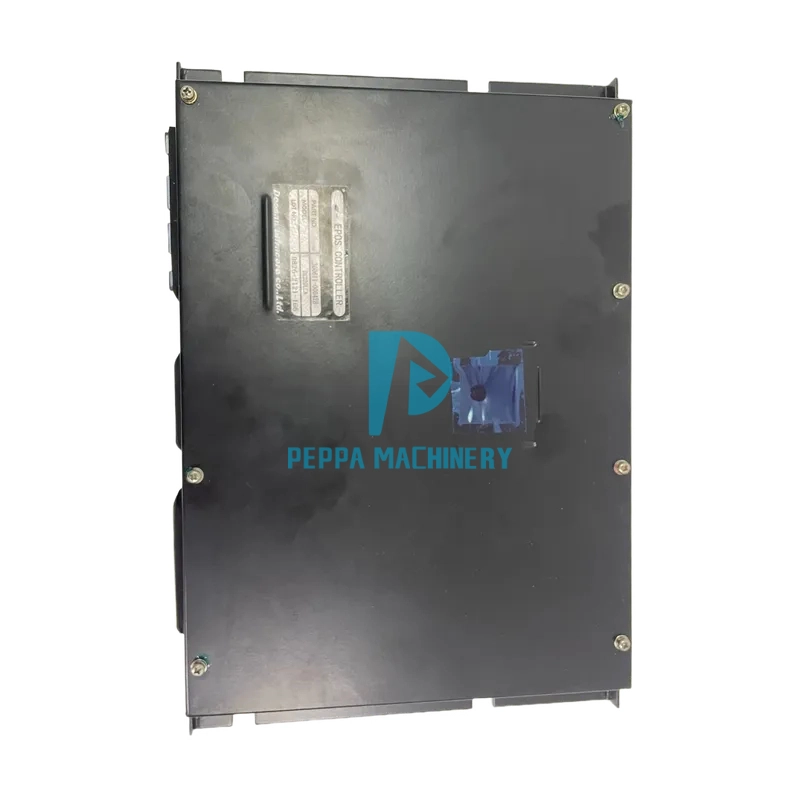
Direct-Injection Engine ECU Electric Controller 300611-00042B New Condition Iron Material for DX220LCA Excavator
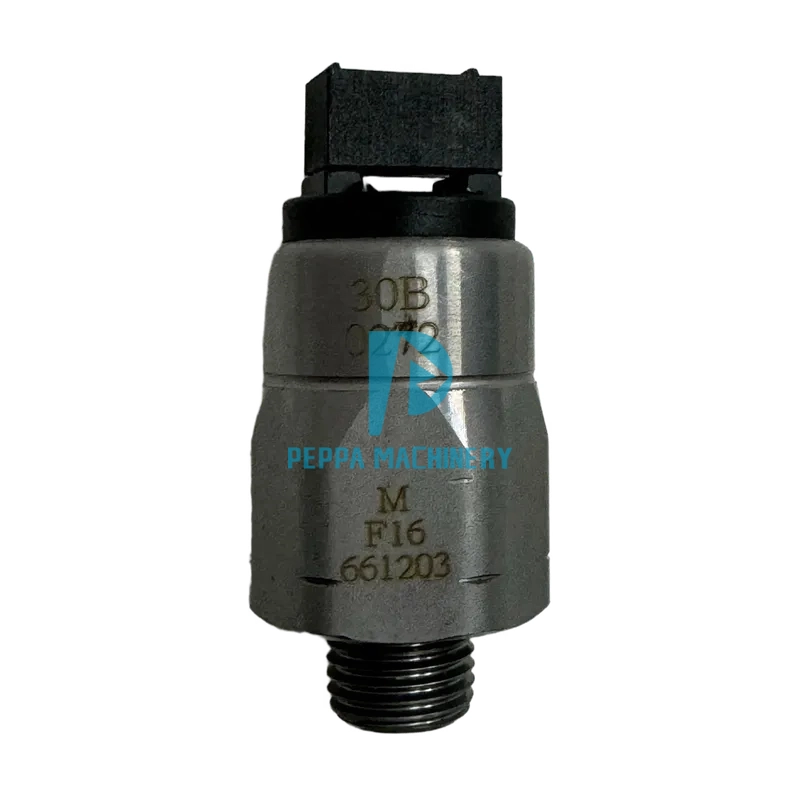
Sany Excavator Electric Oil Pressure Switch Hydraulic Oil Pressure Sensor for Engine Model 661203 661204 660404
Excavator Parts
Do you provide technical support or installation guidance?
While we do not offer on-site installation, we can provide basic technical advice, diagrams, or documentation to assist your technicians with installation and troubleshooting.
How can I verify compatibility before placing an order?
Please provide us with your machine brand, model number, and the part number (if available). Our team will double-check the compatibility to ensure you receive the correct parts.
What types of parts do you mainly offer?
Our main product categories include:
• Engine parts (liner kits, crankshafts, water/oil pumps, etc.)
• Electrical parts (sensors, monitors, throttle motors, wiring harnesses)
• Hydraulic parts (pumps, valves, cylinders)
• Sealing kits (NOK, SKF, PQ brands, floating seals, O-rings)
Are your parts genuine or OEM?
We offer both genuine parts and high-quality OEM alternatives. You can choose according to your budget and application needs. All OEM products are tested to meet or exceed original specifications.
Can I get help choosing the right parts for my machine?
Yes. Our experienced sales team is here to provide professional recommendations and solutions based on your excavator model, part number, or specific requirements.
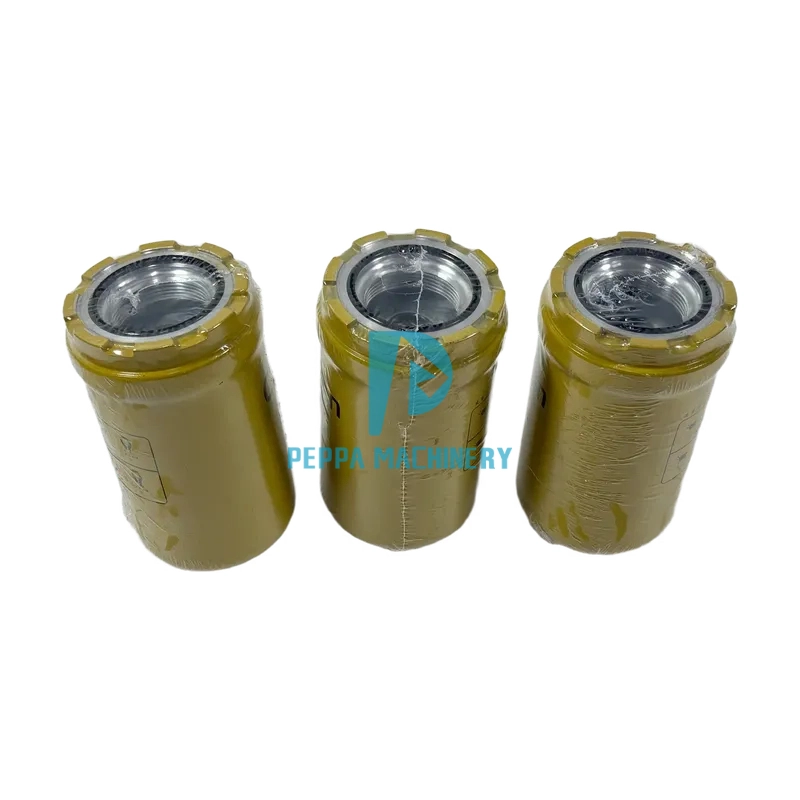
51-8670 Hydraulic Filter Applicable to HF35519 518670 2897836 518670X 1588987 Compatible with Caterpillar 352FVG 325CL
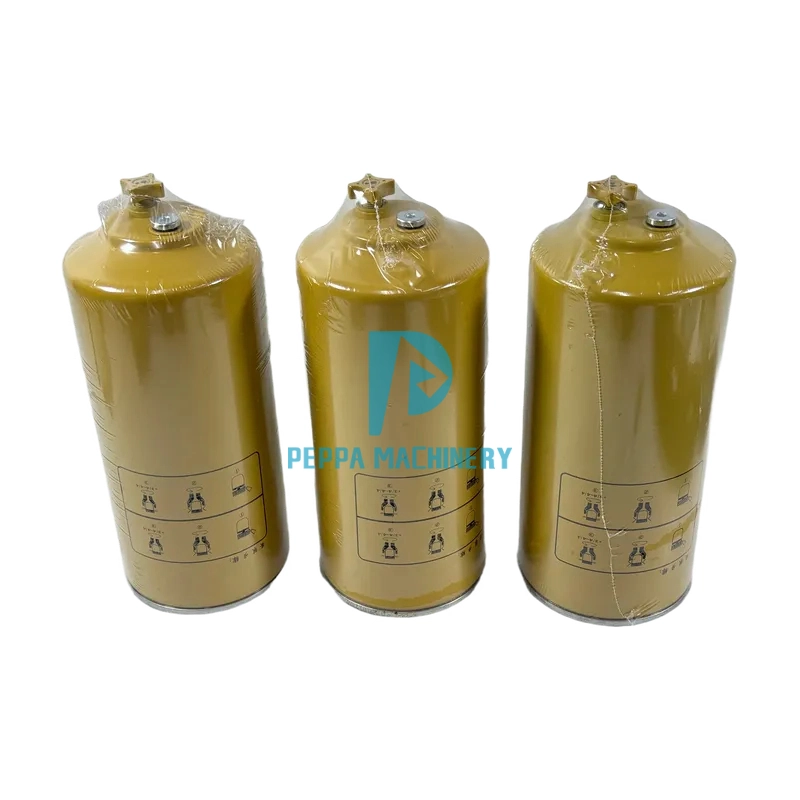
4385386 Fuel Water Separator Fuel Filter 382-0664 Oil-water Separator Hydraulic Oil Filter for CAT 312D2 320D2
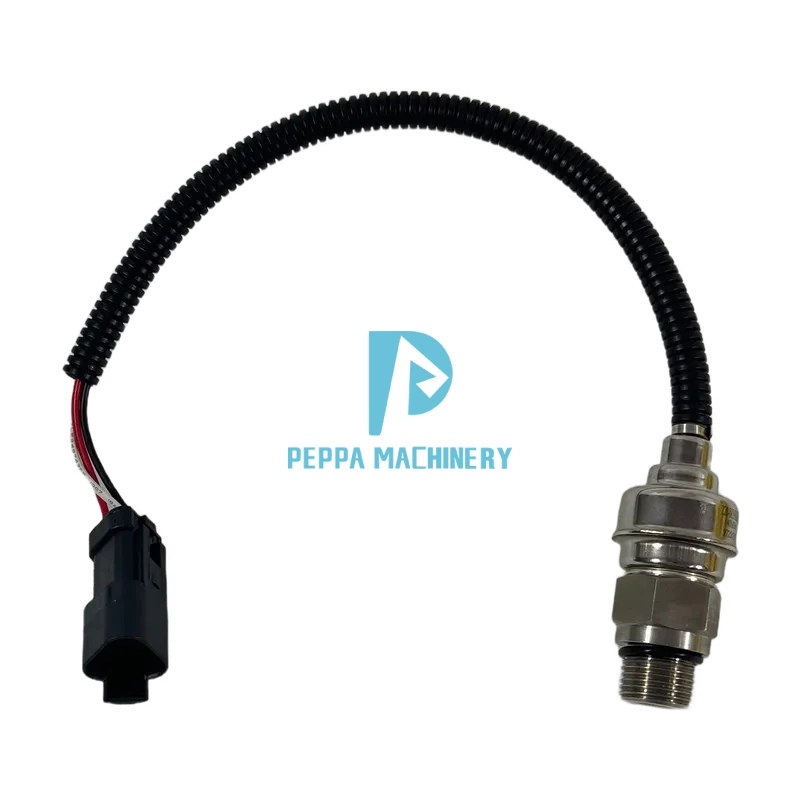
Pressure Sensor 221-8859 106-0178 for Caterpillar CAT 311B 311C 312C 314D 315B 320C 323D 324D 330C 336D 345B 385C
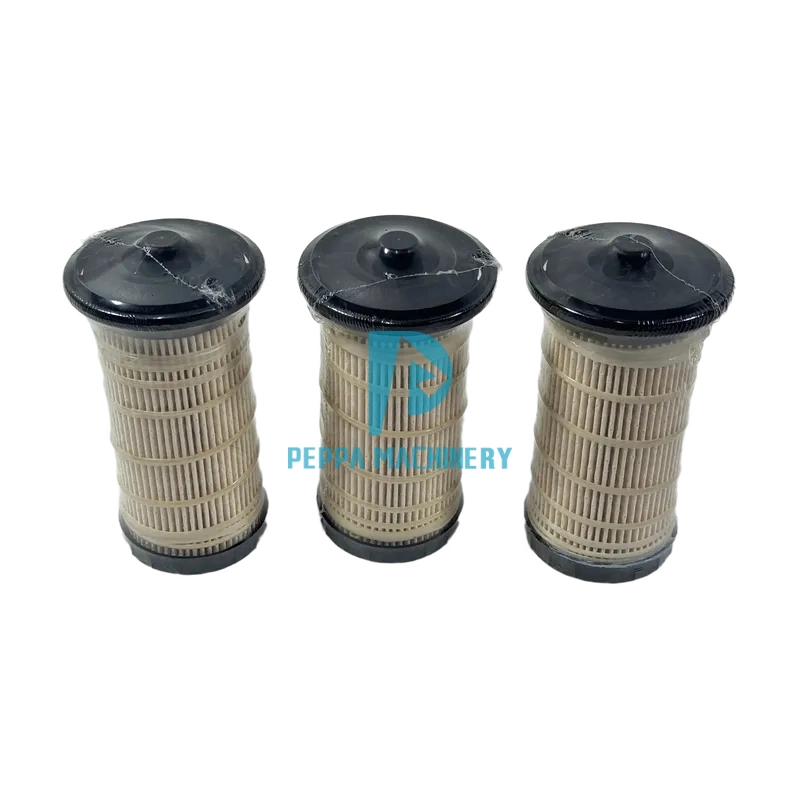
360-8960 Fuel Filter Element for Caterpillar C4.4 & C7.1 Engines | Fits 312D, 320D, 312E, 320E, 326D2, 336D2 Excavators
Get more information
Want to know more? Contact us today to get detailed product specifications, customized solutions, and a free consultation tailored to your needs.
Rest assured that your privacy is important to us, and all information provided will be handled with the utmost confidentiality.

Reliable Source for Quality Excavator Components.
Follow Us
Our Partners


Our Payment Methods


 High Quality
 7/24 Service
 Guaranteed Warranty
 Scan QR Code
Facebook
TikTok
YouTube
Pinterest
Twitter