








How to choose the right diesel stop solenoid for your excavator?
- 1. How do I verify electrical compatibility (voltage, coil resistance, and connectors) of a replacement diesel stop solenoid for my Komatsu/CAT/Hitachi excavator?
- 2. What exact mechanical dimensions (stroke length, plunger diameter, mounting bolt pattern) must match when replacing a diesel stop solenoid to avoid an engine that won't stop or a sticking valve?
- 3. How can I test a suspected faulty diesel stop solenoid on-site safely without removing the entire fuel system?
- 4. Which durability and environmental specs (IP rating, vibration tolerance, temperature range) matter most for excavator diesel stop solenoids used in extreme conditions?
- 5. Are aftermarket diesel stop solenoids compatible with modern engine control modules (ECMs), and do I need suppression diodes, relays, or special harnesses?
- 6. How do I cross-reference OEM part numbers and identify counterfeit or low-quality diesel stop solenoids when buying online?
- Concluding summary: Advantages of choosing the correct diesel stop solenoid
How to Choose the Right Diesel Stop Solenoid for Your Excavator
Choosing the correct diesel stop solenoid (fuel shutoff solenoid / engine stop solenoid) for an excavator requires more than matching a name — it requires checks on voltage, coil characteristics, stroke and mount geometry, environmental protection, and electronic compatibility. Below are six specific, pain-point-oriented questions that beginners frequently search for but rarely find complete answers to. Each answer gives step-by-step checks and buyer guidance you can use on-site or when ordering parts.
1. How do I verify electrical compatibility (voltage, coil resistance, and connectors) of a replacement diesel stop solenoid for my Komatsu/CAT/Hitachi excavator?
Why it matters: Wrong voltage or coil impedance can leave the engine unable to stop or can burn out the coil. Modern excavators commonly use 12V or 24V DC systems; matching this exactly is mandatory.
Step-by-step verification:
- Confirm system voltage at the battery with a multimeter (engine off). Excavators typically are 12V (small/medium) or 24V (larger machines).
- Obtain the OEM part number or the service manual spec for the original solenoid. OEM specs list coil voltage, coil resistance, and connector type — always prefer these values over assumptions.
- Measure the coil resistance of the installed solenoid (if accessible) with a cold multimeter. Compare to the replacement spec. Large discrepancies indicate a mismatch. If you don’t have the spec, measure the original and match the new one closely.
- Check connector type and pinout. Use the same weatherproof plug (AMP/Deutsch types are common) or adapt with a harness that preserves polarity and waterproofing. Avoid jury-rigged connections that expose pins to moisture.
- Confirm whether the solenoid needs a suppression diode or external driver. Some engine control modules (ECMs) switch solenoids directly; others use relays. If the ECM documentation calls for suppression, use a solenoid with internal suppression or add a diode/transient suppressor to protect electronics.
Practical tip: If your machine’s charging voltage under load drops or spikes, consider a solenoid rated for a wider voltage tolerance and check for corroded ground/positive connections contributing to voltage issues.
2. What exact mechanical dimensions (stroke length, plunger diameter, mounting bolt pattern) must match when replacing a diesel stop solenoid to avoid an engine that won't stop or a sticking valve?
Why it matters: Even a small mismatch in stroke or plunger geometry can leave the fuel shutoff valve partially open or cause mechanical binding, resulting in poor shutoff or permanent engine-on conditions.
Dimension checklist:
- Stroke length (travel): Measure the free stroke of the original solenoid plunger and match within ±1–2 mm. Too short = valve won't close; too long = mechanical interference or premature wear.
- Plunger/shaft diameter and tip form: The plunger diameter and tip profile must seat correctly in the actuator or valve. Many manufacturers use tapered or flat tips; match the contact shape.
- Mounting interface: Note flange shape, bolt hole pattern, and bolt hole diameter. Replace with unit that uses identical mounting to avoid stress or misalignment.
- Overall length and body clearance: Ensure the solenoid body will clear surrounding components. Excavator engine compartments are tight; a longer body can rub, causing wear.
- Return spring force and preload: Confirm the spring rating or the effective return force is comparable—if too weak the valve may not close reliably, if too strong the coil may fail to actuate.
How to measure in-field: Remove the solenoid from its mounting, secure the body, measure full extension and full retraction positions, and record bolt centers and plug orientation. Take photos and dimensions and use them when ordering replacements.
3. How can I test a suspected faulty diesel stop solenoid on-site safely without removing the entire fuel system?
Why it matters: Quick, safe diagnostics reduce down-time. Many beginners remove fuel lines unnecessarily instead of performing electrical and mechanical checks first.
On-site test procedure:
- Safety first: Ensure the machine is in neutral, parking brake applied, and battery master switch off when connecting or disconnecting. Use PPE.
- Visual inspection: Check wiring harness, connector pins for corrosion, broken wires, and melted insulation. Check for oil/fuel contamination on the coil body.
- Multimeter checks: With connectors disconnected, measure coil continuity. A completely open coil (infinite resistance) indicates a broken coil. Very high or very low resistance vs. OEM spec suggests a problem.
- Bench supply pull test: Remove the solenoid if accessible and apply correct voltage briefly (use leads rated for battery voltage). Observe plunger movement and listen for a clear click. If it does not move, suspect internal seizure or failed coil. Use caution—do not energize the solenoid for prolonged periods without a load or proper duty cycle.
- On-machine actuation: With an assistant and safety precautions, momentarily apply voltage to the solenoid via a fused jumper from the battery to observe mechanical operation and engine response. If engine doesn’t stop when solenoid is energized, check linkage and valve seating after confirming solenoid movement.
- Voltage drop under load: Measure voltage at the solenoid while attempting to energize it. Substantial voltage drop indicates poor wiring, corroded connectors, or insufficient supply (fuse/relay/ground issue), not necessarily a bad solenoid.
When to replace immediately: If the solenoid is noisy (grinding), shows intermittent movement, has burned coil smells, or is physically corroded in the plunger bore, replace rather than repair on-site.
4. Which durability and environmental specs (IP rating, vibration tolerance, temperature range) matter most for excavator diesel stop solenoids used in extreme conditions?
Why it matters: Excavators operate in dust, mud, salt spray, and severe vibration. Choosing a solenoid with appropriate ingress protection, corrosion resistance, and vibration design extends service life.
Key specs to require from suppliers:
- Ingress protection (IP) rating: IP67 or higher is preferred for outdoor engines (water immersion protection + dust-tight). An IP65 rating can be sufficient for protected engine bays but is less tolerant to immersion or pressure-wash conditions.
- Temperature range: Specify continuous operation temperature range that covers ambient extremes (-40°C to +85°C is typical for heavy-equipment-rated coils). High-temp coils and heat-resistant insulation are important near hot exhausts.
- Vibration and shock rating: Look for solenoids tested to IEC/ISO vibration standards or advertising “vibration resistant” design; heavy equipment sees high-frequency vibration that loosens internal parts over time.
- Corrosion-resistant materials: Stainless or coated plungers and housings, and gold/nickel-plated terminals reduce galvanic corrosion in marine or salted-road environments.
- Duty cycle rating: Ensure the solenoid is specified for intermittent duty appropriate to stop solenoid use (frequent actuation during testing and maintenance is common).
Procurement note: Ask suppliers for data sheets that list IP rating, operating temperature, and vibration test results. If the vendor cannot supply these, request alternative parts that meet heavy-equipment specifications.
5. Are aftermarket diesel stop solenoids compatible with modern engine control modules (ECMs), and do I need suppression diodes, relays, or special harnesses?
Why it matters: Modern ECMs may drive solenoids directly or via drivers that expect certain coil inductance; incorrect replacements can cause back-EMF, false ECM errors, or ECM driver damage.
Compatibility checklist:
- Match electrical characteristics: Coil voltage and impedance should match OEM specs so the ECM driver sees the expected current draw and inductive signature.
- Suppression and polarity: Some aftermarket solenoids include internal suppression (RC snubber or diode). Confirm whether your ECM requires a particular polarity or suppression strategy. If the ECM documentation specifies external suppression, follow that guidance; otherwise choose a solenoid with proven compatibility for your make/model.
- Use relays if required: If the ECM lacks sufficient current capacity or to isolate the ECM from inductive spikes, fit a relay driven by the ECM and have the relay switch battery power to the solenoid (with appropriate fuse and flyback suppression).
- ECM error codes: After replacement, monitor ECM fault codes for short-to-ground, open circuit, or unexpected current draw. Successful replacements will not create new faults when wiring and specs match.
Best practice: If unsure, consult the machine’s electrical schematics or OEM dealer tech; when ordering, request a solenoid model specified as “ECM-compatible” or sold as direct drop-in for your engine model.
6. How do I cross-reference OEM part numbers and identify counterfeit or low-quality diesel stop solenoids when buying online?
Why it matters: Counterfeit or low-quality solenoids can fail quickly, damaging engines or causing safety incidents. Online listings often omit critical specs or have misleading photos.
Cross-referencing and anti-counterfeit steps:
- Start with the OEM part number stamped on the original solenoid or from the parts manual. Use that number when searching supplier catalogs and cross-reference lists.
- Request full datasheets: Reputable suppliers provide coil specs, mechanical drawings, IP rating, certifications (ISO 9001), and manufacturer part numbers. Compare these to OEM documentation.
- Compare photos carefully: Look at connector shape, body casting marks, and label printing. Counterfeits often have sloppy casting, missing part numbers, or inaccurate connectors.
- Check supplier credibility: Prefer suppliers with heavy-equipment pedigree, visible warranties, and verifiable business information. JB Parts (www.jbpartsgz.com) lists contact and can provide cross-reference help and batch traceability on request.
- Inspect packaging and labeling: Genuine parts will often include manufacturer labels, lot codes, and anti-counterfeit markings. Verify serial numbers with manufacturer portals if available.
- Ask for test reports or photos of the actual item you will receive, not stock images. Request a short video of the solenoid operating under bench test if buying expensive units in bulk.
Procurement tip: When in doubt about aftermarket claims, order one unit first and perform the bench and on-machine tests outlined earlier before committing to larger quantities.
Concluding summary: Advantages of choosing the correct diesel stop solenoid
Selecting the proper diesel stop solenoid for your excavator reduces downtime, avoids electrical or mechanical failures, preserves engine and ECM health, increases safety during shutdowns, and extends component life in harsh environments. By verifying voltage and coil specs, matching mechanical dimensions and stroke, testing on-site, specifying appropriate IP/vibration ratings, ensuring ECM compatibility, and using OEM cross-reference checks, you minimize risk and ensure reliable fuel shutoff performance.
If you need help identifying the right diesel stop solenoid, cross-referencing OEM part numbers, or obtaining data sheets and pricing, contact JB Parts for a quote at www.jbpartsgz.com or email jbparts@aliyun.com.

Isuzu SP 4JG1 4JG2 4JG3 Cylinder Liner 1876182070 1-87618207-0 1876182080 1-87618208-0 1876182100 1-87618210-0

4BG1 6BG1 Liner Set 1878141050 1-87814105-0 1878141060 1-87814106-0 1878141070 1-87814107-0 Genuine Engine Parts
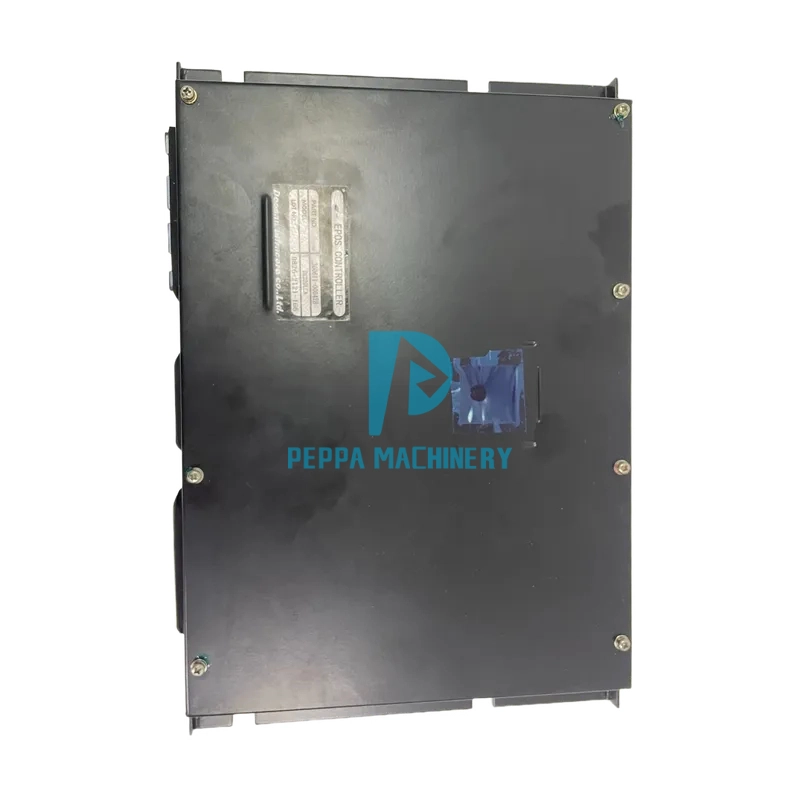
Direct-Injection Engine ECU Electric Controller 300611-00042B New Condition Iron Material for DX220LCA Excavator
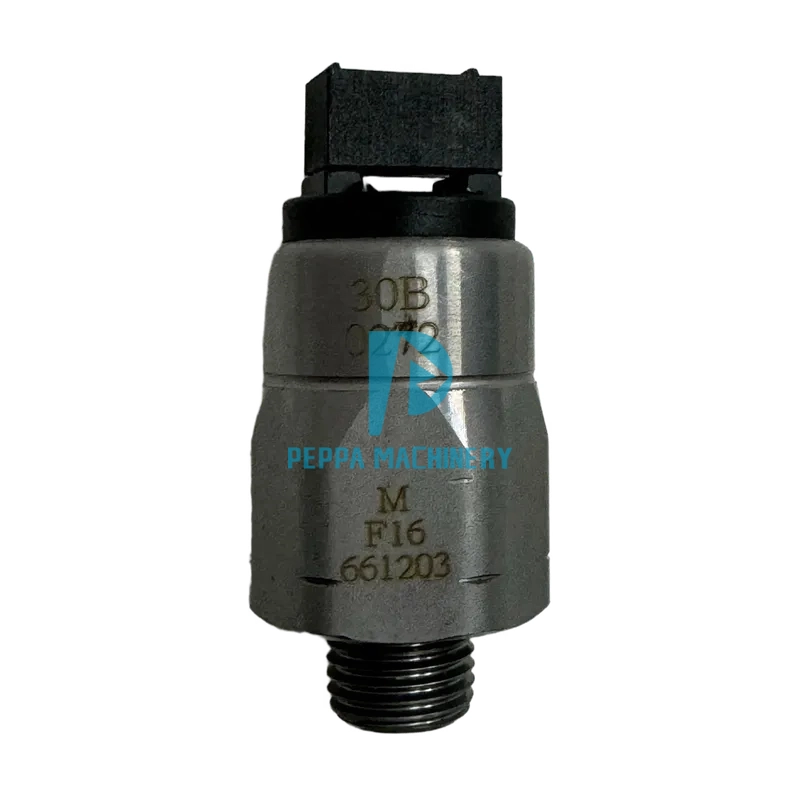
Sany Excavator Electric Oil Pressure Switch Hydraulic Oil Pressure Sensor for Engine Model 661203 661204 660404
Excavator Parts
How can I verify compatibility before placing an order?
Please provide us with your machine brand, model number, and the part number (if available). Our team will double-check the compatibility to ensure you receive the correct parts.
What brands of excavator parts do you supply?
We supply a full range of parts compatible with major international and Chinese brands, including Caterpillar, Komatsu, Hitachi, Volvo, Doosan, Hyundai, Sany, Liugong, XCMG, Zoomlion, and more.
Are your parts genuine or OEM?
We offer both genuine parts and high-quality OEM alternatives. You can choose according to your budget and application needs. All OEM products are tested to meet or exceed original specifications.
What types of parts do you mainly offer?
Our main product categories include:
• Engine parts (liner kits, crankshafts, water/oil pumps, etc.)
• Electrical parts (sensors, monitors, throttle motors, wiring harnesses)
• Hydraulic parts (pumps, valves, cylinders)
• Sealing kits (NOK, SKF, PQ brands, floating seals, O-rings)
Can I get help choosing the right parts for my machine?
Yes. Our experienced sales team is here to provide professional recommendations and solutions based on your excavator model, part number, or specific requirements.
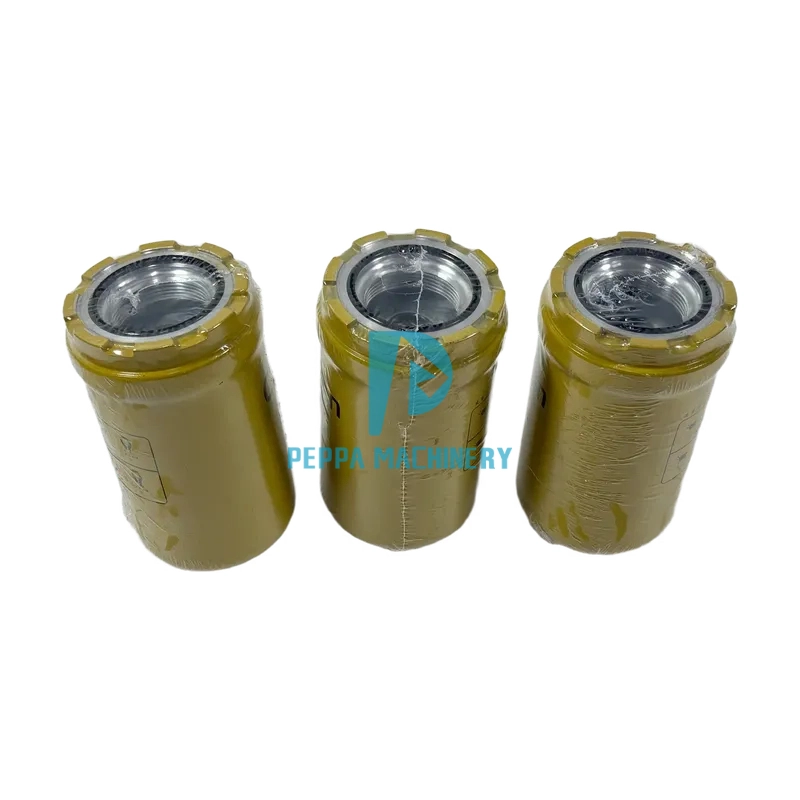
51-8670 Hydraulic Filter Applicable to HF35519 518670 2897836 518670X 1588987 Compatible with Caterpillar 352FVG 325CL
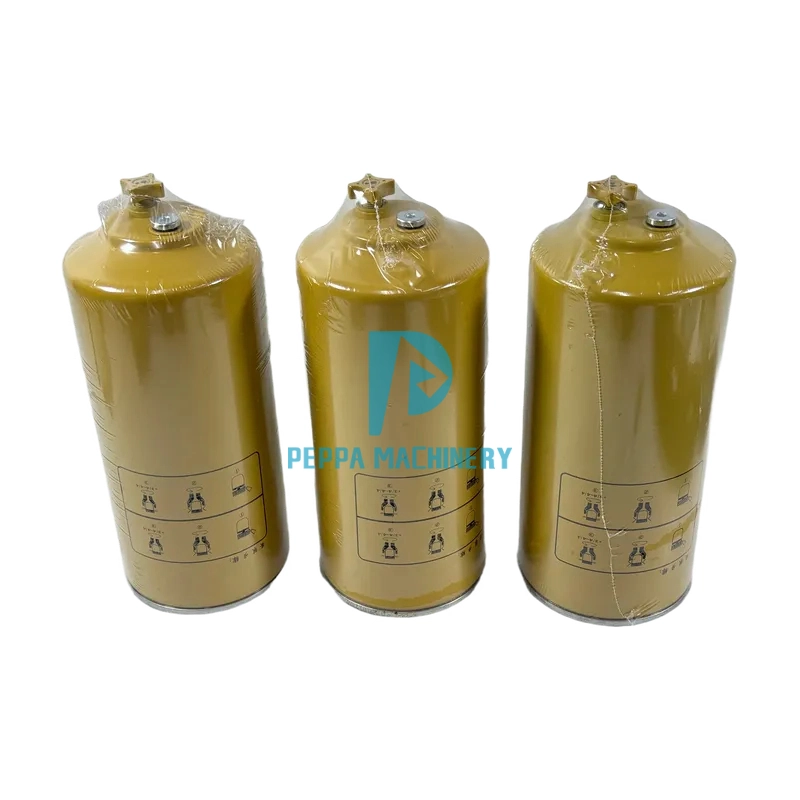
4385386 Fuel Water Separator Fuel Filter 382-0664 Oil-water Separator Hydraulic Oil Filter for CAT 312D2 320D2
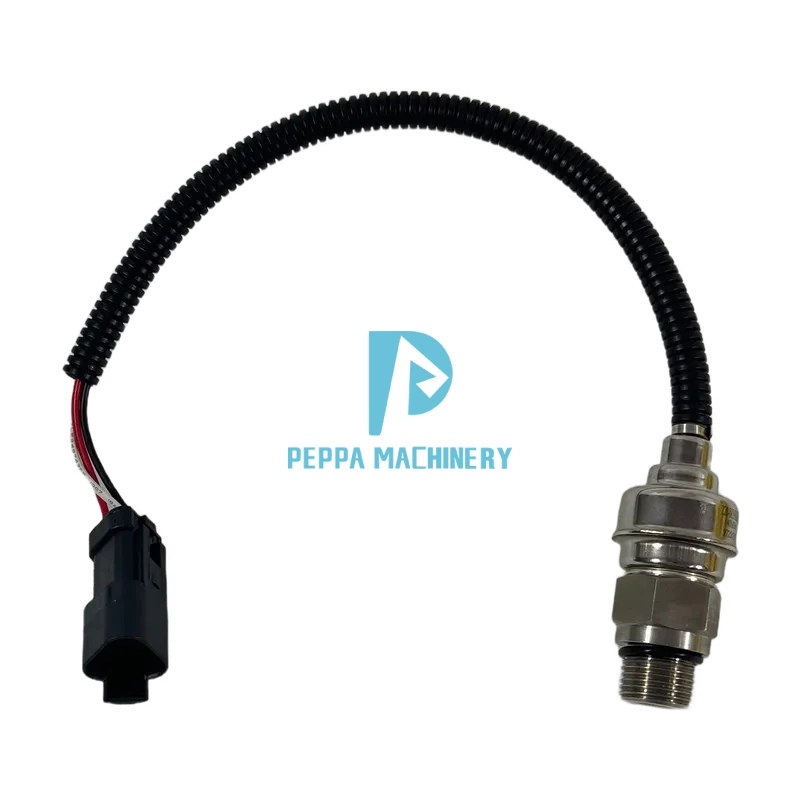
Pressure Sensor 221-8859 106-0178 for Caterpillar CAT 311B 311C 312C 314D 315B 320C 323D 324D 330C 336D 345B 385C
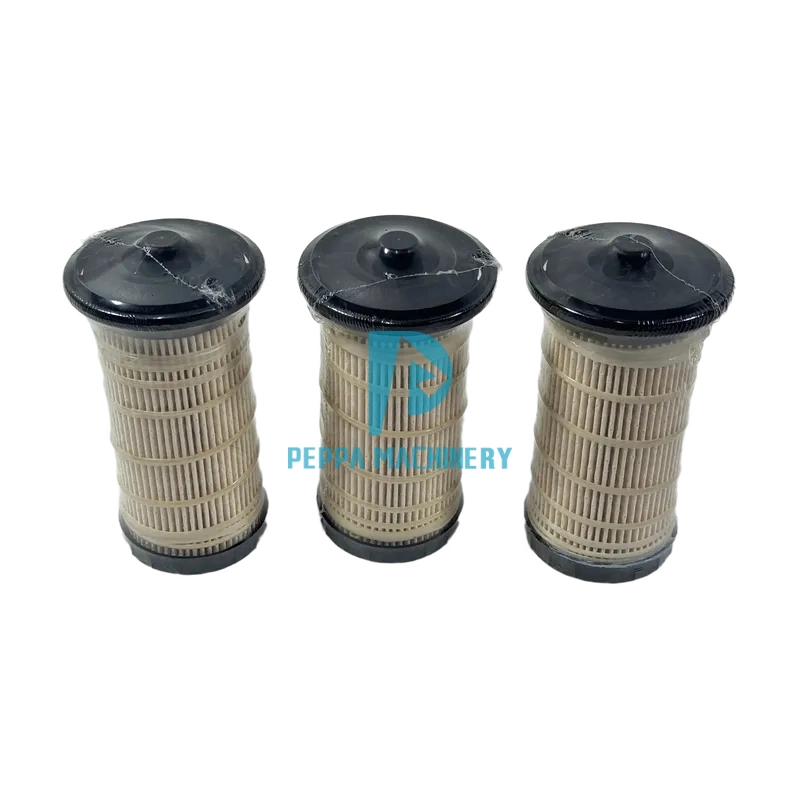
360-8960 Fuel Filter Element for Caterpillar C4.4 & C7.1 Engines | Fits 312D, 320D, 312E, 320E, 326D2, 336D2 Excavators
Get more information
Want to know more? Contact us today to get detailed product specifications, customized solutions, and a free consultation tailored to your needs.
Rest assured that your privacy is important to us, and all information provided will be handled with the utmost confidentiality.

Reliable Source for Quality Excavator Components.
Follow Us
Our Partners


Our Payment Methods


 High Quality
 7/24 Service
 Guaranteed Warranty
 Scan QR Code
Facebook
TikTok
YouTube
Pinterest
Twitter