








The Ultimate High Output Alternator Guide: When to Upgrade and How Many Amps You Need
- Introduction
- What is a high output alternator?
- When should you upgrade to a high output alternator?
- How many amps do you need from a high output alternator?
- What are the advantages and disadvantages of a high output alternator?
- Can a high output alternator damage your battery or electrical system?
- Do you need a larger charge wire for a high output alternator?
- Why is the pulley on a high output alternator smaller than stock?
- Do you need a smaller belt when installing a high amp alternator?
- Conclusion
- Call to Action
Introduction
Modern vehicles are packed with electronics, but when you start adding high-demand upgrades, your factory electrical system can quickly fall behind. Whether you are experiencing dimming headlights when the bass drops, or you're outfitting an off-road rig with heavy-duty winches, upgrading your power source is critical. This guide covers everything you need to know about high output alternators, when to upgrade, and how to properly calculate your vehicle's power needs.
What is a high output alternator?
To understand the high output version, you first need to know how a standard unit works. An automotive alternator is a type of electric generator used in modern automobiles to charge the battery and power the electrical system when the engine is running. It converts mechanical energy from the engine's crankshaft into alternating current (AC), which is then rectified into direct current (DC).
A high output alternator takes this fundamental design and upgrades the internal components to generate significantly more electricity. While a stock alternator might produce between 80 and 130 amps, a high output model can push anywhere from 200 to nearly 400 amps.
These upgraded units typically feature heavier-duty copper windings, hairpin stators, enhanced rectifiers with extra diodes, and robust internal cooling fans to handle the increased heat that comes with a greater amperage output capacity.
When should you upgrade to a high output alternator?
You should upgrade to a high output alternator when your vehicle's electrical demand exceeds the supply capabilities of your factory charging system. The most obvious symptom of a strained system is voltage drop. If your dashboard lights flicker, your headlights dim when your subwoofer hits a low note, or your power windows roll up sluggishly, your stock alternator is struggling to keep up.
Another clear indicator is the addition of high-draw aftermarket electrical components. If you are installing a high-wattage sound system, air suspension compressors, off-road light bars, or a heavy-duty winch, your factory unit will not be able to replenish the battery fast enough.
Additionally, if you find yourself constantly replacing prematurely worn-out batteries, it might be because they are being deeply discharged during your drive. Upgrading your vehicle charging system ensures a steady flow of power, preventing deep cycling and extending the lifespan of your electrical components.
How many amps do you need from a high output alternator?
Determining the right amperage for your needs requires some basic math to calculate your total electrical draw. Start by figuring out the baseline consumption of your vehicle. Most modern cars need around 60 to 80 amps just to run factory equipment like the engine computer, fuel pump, HVAC blower, and standard lighting.
Next, add the maximum current draw of all your aftermarket accessories. For car audio power consumption, you can estimate the required amperage by dividing the total RMS wattage of your amplifiers by your vehicle's voltage (typically 13.8 to 14.4 volts). For example, a 2,000-watt RMS system will draw roughly 140 to 145 amps at full tilt. Add this to your 80-amp factory baseline, and you are looking at a peak draw of 225 amps.
As a general rule of thumb, you always want to leave a 20% to 30% overhead buffer. In the example above, a 250-amp to 270-amp high output alternator would be the perfect fit. This buffer ensures the alternator isn't running at maximum capacity 100% of the time, which dramatically improves its reliability and lifespan.
What are the advantages and disadvantages of a high output alternator?
Advantages:The primary advantage of a high-amp alternator is voltage stability. You will eliminate annoying headlight dimming, experience stronger performance from your aftermarket accessories, and enjoy a faster recharge rate for your battery. For audiophiles, stable voltage means cleaner power to your amplifiers, resulting in better sound quality and less risk of clipping. Furthermore, it protects your battery from deep discharges, ultimately saving you money on replacement parts.
Disadvantages:On the flip side, high output alternators do come with a few drawbacks. The most obvious is the upfront cost, as premium units can be a significant investment. Additionally, because they are generating more electrical energy, they create a slightly higher mechanical load on your engine. While the horsepower loss is negligible for daily driving, it is a physical reality of energy conversion. Finally, installing one isn't always a simple "plug-and-play" affair; it almost always requires upgrading your factory wiring to handle the extra current.
Can a high output alternator damage your battery or electrical system?
A very common myth in the automotive world is that a high output alternator will "overcharge" your battery or fry your car's sensitive electronics. This is entirely false. Alternators operate on a principle of supply and demand, governed by an internal or external voltage regulator.
Your vehicle's electrical system and battery only draw as much amperage as they need at any given moment. If you install a 300-amp alternator but your car only requires 60 amps to run the lights and radio, the alternator will safely supply exactly 60 amps. It does not force unused current into your system.
The only way an alternator can damage your battery or electrical system is if the voltage regulator fails and allows the voltage to dangerously spike. However, as long as the voltage regulator is functioning correctly and maintaining a safe 13.8 to 14.4 volts, having a massive reserve of available amperage is completely harmless to your vehicle.
Do you need a larger charge wire for a high output alternator?
Yes, absolutely. Installing a high-amp alternator without upgrading your vehicle's wiring is like attaching a fire hose to your home's standard plumbing—it creates a massive bottleneck and can be highly dangerous. Your factory charge wire was only sized to carry the 80 to 130 amps your stock alternator produced. Forcing 250+ amps through it will cause the wire to overheat, melt its insulation, and potentially start an engine fire.
To safely transfer this new power, you must perform what is commonly called the Big Three wiring upgrade. This involves adding larger, thicker cables to three key areas: the alternator positive to the battery positive, the battery negative to the chassis, and the engine block to the chassis.
When choosing your wire, you need to understand the American Wire Gauge (AWG) system, which is the standard method used to denote wire size in North America. In the AWG system, the larger the number, the smaller the wire diameter. For high output applications over 200 amps, upgrading to 1/0 AWG (zero gauge) oxygen-free copper (OFC) wire is highly recommended to minimize resistance and safely carry the maximum current.
Why is the pulley on a high output alternator smaller than stock?
If you look closely at a high output alternator, you will likely notice that the grooved pulley on the front is smaller in diameter than the one on your factory unit. This is an intentional engineering choice designed to boost power generation at low engine speeds.
Alternators produce more current the faster their internal rotor spins. Because high-amp stators and heavier rotors require more kinetic energy to generate their rated output, they can sometimes suffer from lower output when the engine is merely idling.
By installing a smaller pulley, the ratio between the engine's crankshaft pulley and the alternator pulley is altered. This "overdrives" the alternator, forcing it to spin faster than it normally would at idle. This ensures that even when you are sitting at a red light, your vehicle charging system is still generating enough juice to power your heavy accessories without draining the battery.
Do you need a smaller belt when installing a high amp alternator?
In many cases, yes. Because high output alternators typically utilize a smaller overdrive pulley, the total circumference of your belt path is slightly reduced. If you try to reuse your factory serpentine belt, you might find that it has too much slack.
While your vehicle's automatic belt tensioner can sometimes take up this extra slack, it's often not enough to provide the tight grip needed. A loose belt will slip against the smaller pulley, especially when the alternator is under heavy electrical load and the mechanical resistance is highest. This belt slip not only causes an annoying squealing sound but also drastically reduces the alternator's output and generates excessive heat that can ruin the belt.
To prevent this, it is generally recommended to swap your stock serpentine belt for one that is 0.5 to 1 inch shorter. This guarantees proper tension, maximizing power transfer from the engine to the alternator.
Conclusion
Upgrading to a high output alternator is one of the best investments you can make when pushing your vehicle's electrical boundaries. By understanding how to calculate your power needs, the importance of wiring upgrades, and the mechanical nuances like pulley size and belt tension, you can build a robust electrical foundation. A properly spec'd charging system will breathe new life into your aftermarket components, preserve your battery, and give you peace of mind on the road.
Call to Action
If you're ready to upgrade your vehicle's charging system and need expert advice on choosing the perfect high output alternator, contact us today for a personalized consultation!

Isuzu SP 4JG1 4JG2 4JG3 Cylinder Liner 1876182070 1-87618207-0 1876182080 1-87618208-0 1876182100 1-87618210-0

4BG1 6BG1 Liner Set 1878141050 1-87814105-0 1878141060 1-87814106-0 1878141070 1-87814107-0 Genuine Engine Parts
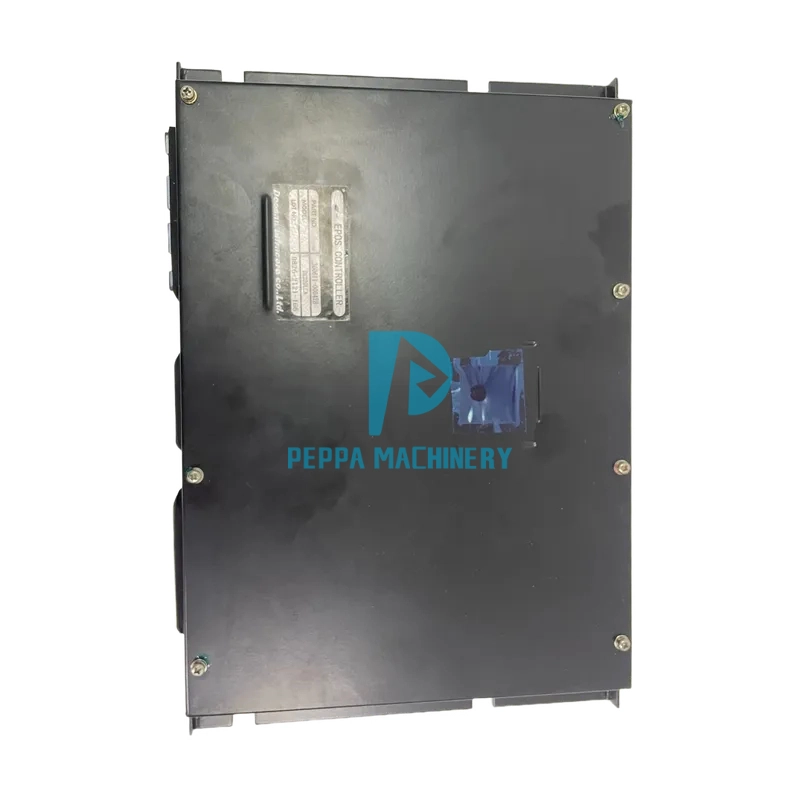
Direct-Injection Engine ECU Electric Controller 300611-00042B New Condition Iron Material for DX220LCA Excavator
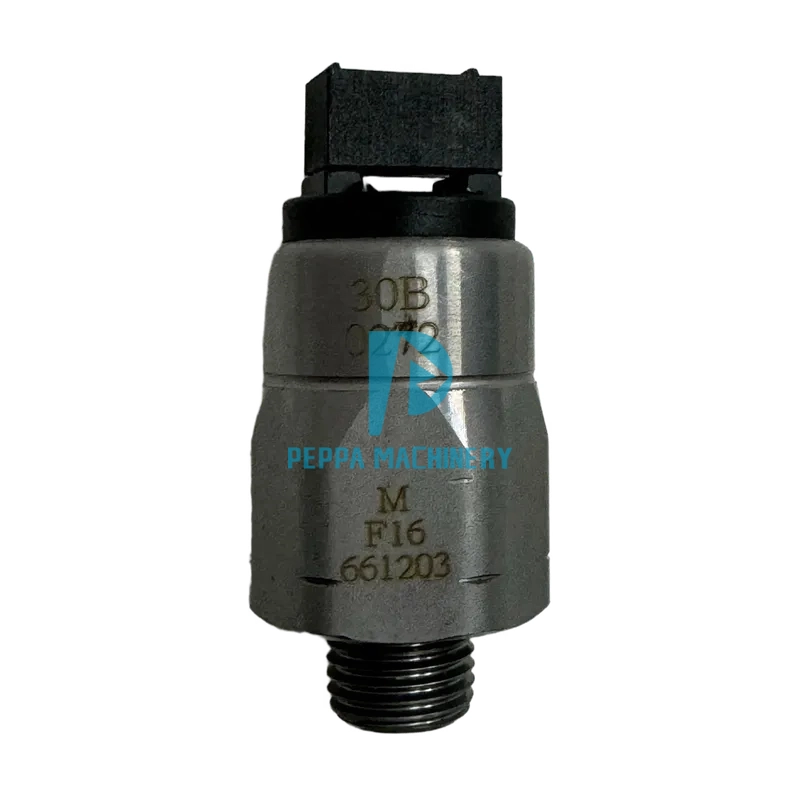
Sany Excavator Electric Oil Pressure Switch Hydraulic Oil Pressure Sensor for Engine Model 661203 661204 660404
Excavator Parts
How can I verify compatibility before placing an order?
Please provide us with your machine brand, model number, and the part number (if available). Our team will double-check the compatibility to ensure you receive the correct parts.
Do you provide technical support or installation guidance?
While we do not offer on-site installation, we can provide basic technical advice, diagrams, or documentation to assist your technicians with installation and troubleshooting.
What brands of excavator parts do you supply?
We supply a full range of parts compatible with major international and Chinese brands, including Caterpillar, Komatsu, Hitachi, Volvo, Doosan, Hyundai, Sany, Liugong, XCMG, Zoomlion, and more.
What types of parts do you mainly offer?
Our main product categories include:
• Engine parts (liner kits, crankshafts, water/oil pumps, etc.)
• Electrical parts (sensors, monitors, throttle motors, wiring harnesses)
• Hydraulic parts (pumps, valves, cylinders)
• Sealing kits (NOK, SKF, PQ brands, floating seals, O-rings)
Can I get help choosing the right parts for my machine?
Yes. Our experienced sales team is here to provide professional recommendations and solutions based on your excavator model, part number, or specific requirements.
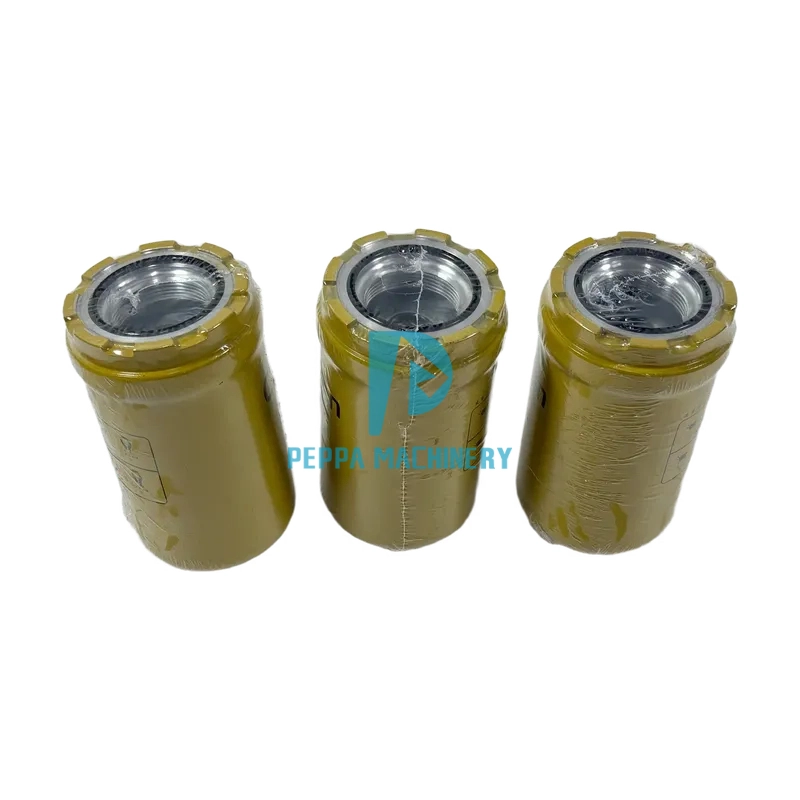
51-8670 Hydraulic Filter Applicable to HF35519 518670 2897836 518670X 1588987 Compatible with Caterpillar 352FVG 325CL
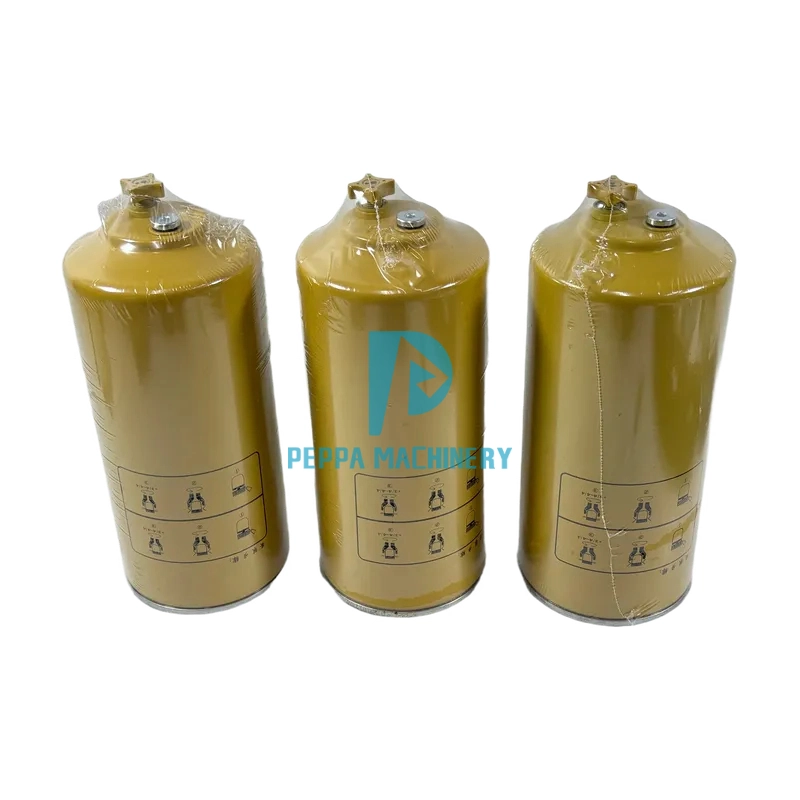
4385386 Fuel Water Separator Fuel Filter 382-0664 Oil-water Separator Hydraulic Oil Filter for CAT 312D2 320D2
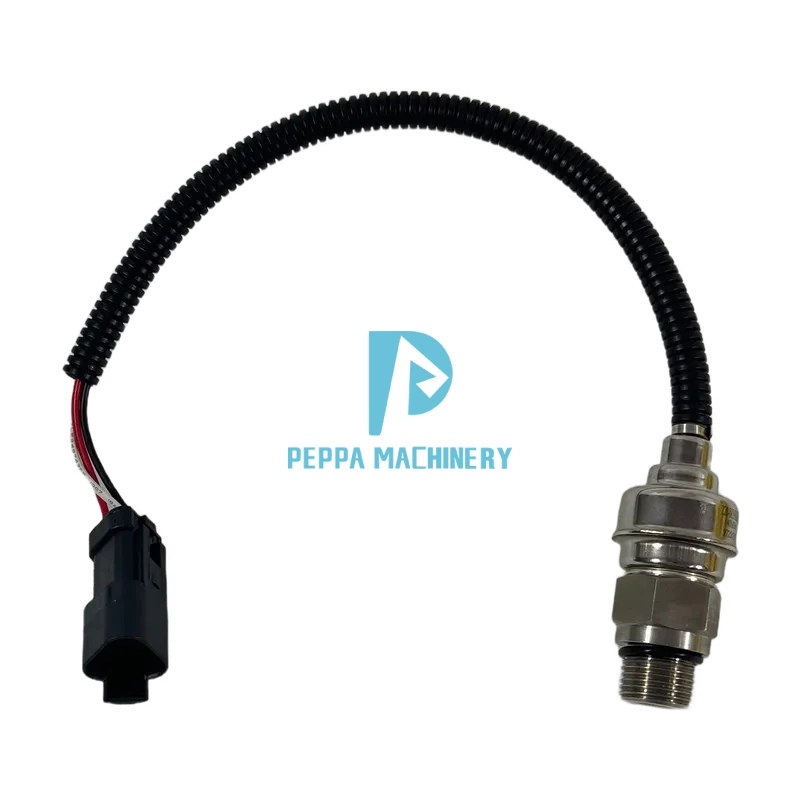
Pressure Sensor 221-8859 106-0178 for Caterpillar CAT 311B 311C 312C 314D 315B 320C 323D 324D 330C 336D 345B 385C
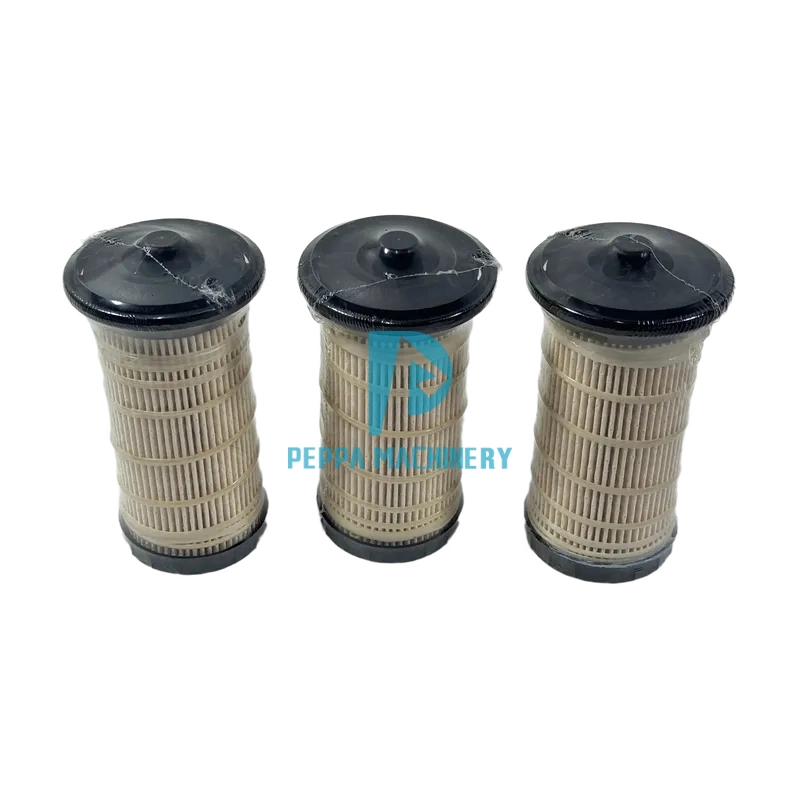
360-8960 Fuel Filter Element for Caterpillar C4.4 & C7.1 Engines | Fits 312D, 320D, 312E, 320E, 326D2, 336D2 Excavators
Get more information
Want to know more? Contact us today to get detailed product specifications, customized solutions, and a free consultation tailored to your needs.
Rest assured that your privacy is important to us, and all information provided will be handled with the utmost confidentiality.

Reliable Source for Quality Excavator Components.
Follow Us
Our Partners


Our Payment Methods


 High Quality
 7/24 Service
 Guaranteed Warranty
 Scan QR Code
Facebook
TikTok
YouTube
Pinterest
Twitter