








Can rebuilding a hydraulic pump motor save costs for buyers?
- 1) Can rebuilding a hydraulic pump motor save costs for buyers compared to buying an OEM replacement for a mid‑size excavator?
- 2) How do I accurately diagnose a failing excavator hydraulic pump motor to know if rebuilding is viable?
- 3) What critical measurements and OEM specifications must be matched when rebuilding a hydraulic pump motor to maintain excavator performance?
- 4) Which components usually require replacement in an excavator pump rebuild, and how do I estimate parts and labor cost realistically?
- 5) What testing and warranty differences should I expect between remanufactured hydraulic pump motors and new OEM units?
- 6) Are there environmental or operational risks that can make rebuilding a hydraulic pump motor a short‑term fix rather than a long‑term solution?
1) Can rebuilding a hydraulic pump motor save costs for buyers compared to buying an OEM replacement for a mid‑size excavator?
Rebuilding a hydraulic pump motor can save buyers significant money when done correctly, but savings vary by machine class, pump type (axial piston, gear, vane), and availability of quality remanufacturing. Typical market patterns show rebuilt or remanufactured pumps often cost 30–60% less than new OEM units for comparable service life and performance when the rebuild includes replacement of high‑wear components and precision machining where required.
Why savings occur:
- Parts-focused approach: rebuilds replace pistons, valve plates, seals, bearings and worn shafts rather than the entire assembly.
- Shorter lead times and lower markup for remanufacturers vs OEM distribution.
- Reduction in freight/packaging costs when core exchange programs are used.
Key buyer precautions to ensure realized savings:
- Verify the remanufacturer provides a detailed parts list and photos before/after work, and confirm critical parts replaced (pistons, swashplate components, valve plate, sealing kit, bearings).
- Require bench test data: flow vs RPM curve, pressure vs flow, and leakage/efficiency numbers that align to near‑OEM performance.
- Compare warranty terms and expected life: cheaper upfront costs are only savings if service life is adequate (expect reman life restored to ~80–95% of new when fully remanufactured using OEM tolerances).
Bottom line: Rebuilding usually saves money, but the buyer must validate replacement of wear items, testing, and reman warranty; otherwise initial savings can evaporate through early failure or lost machine uptime.
2) How do I accurately diagnose a failing excavator hydraulic pump motor to know if rebuilding is viable?
Diagnosis is the essential first step to determine whether a rebuild is appropriate or a full replacement is necessary. Follow a systematic approach combining symptom assessment, fluid analysis, and basic on‑machine tests:
Symptom checklist (what to observe on the machine):
- Loss of machine speed under load (reduced flow or displacement)
- Intermittent or sustained low pressure, or pressure spikes
- Excessive pump noise (growl, knocking) under operation
- Overheating of hydraulic oil or the pump housing
- Excessive internal leakage (slow actuator return, drift)
Fluid and contamination checks:
- Perform hydraulic oil analysis: look for elevated ferrous particle count (indicator of metal wear), contamination levels (ISO 4406), and viscosity or additive depletion.
- Presence of fine metallic dust suggests internal scoring of pistons/valve plate or bearing failure—these typically justify a full tear‑down.
On‑machine tests:
- Measure relief valve pressure setting and actual pump delivery pressure using a calibrated gauge; compare to OEM spec.
- Measure flow rate at known RPM (use a flow meter) and compare with expected displacement; significant flow loss indicates internal wear.
- Check shaft radial/axial play and coupling alignment; excessive shaft runout can mask as pump failure but may be external.
Decision rules for rebuild viability:
- If failure is primarily seals, bearings, and small surface scoring, rebuild is usually viable.
- If the valve plate, cylinder block, or swashplate is deeply scored or geometric tolerances are out of spec, and machining cannot restore OEM tolerances economically, replacement could be better.
- Core condition matters: a clean core with intact mounting, shaft, and porting is the best candidate for cost‑effective rebuild.
Document all findings and request a teardown report from any remanufacturer prior to authorizing work.
3) What critical measurements and OEM specifications must be matched when rebuilding a hydraulic pump motor to maintain excavator performance?
Matching OEM specifications is the single most important factor to ensure a rebuilt hydraulic pump motor performs like the original. Key specs and measurements buyers and technicians should verify:
Essential dimensional and performance specs:
- Displacement (cc/rev) and maximum continuous flow at rated RPM — these determine machine speed and must match.
- Maximum allowable pressure and relief valve settings — exceeding rated pressure risks premature failure.
- Rotation direction and shaft configuration (splined vs keyed, shaft diameter and length) to ensure fitment.
- Mounting flange pattern and port orientation (ISO or manufacturer standard) to avoid rework.
Critical internal tolerances and functional measurements:
- Volumetric leakage (backflow) and volumetric efficiency at rated pressure; remanufactured pumps should demonstrate near‑OEM volumetric efficiency curves on bench testing.
- Axial and radial clearances for bearing journals and shaft—these influence vibration and premature wear.
- Surface finish of valve plate porting and cylinder bores—roughness or machining errors causes accelerated leakage and loss of pressure capability.
Required documentation to request from the reman supplier:
- Bench test charts (flow vs pressure/ RPM), acceptance criteria, and pre‑/post‑rebuilt inspection photos.
- Parts replaced list with part numbers and material grades (for example, piston material and heat treatment where applicable).
- Calibration and test equipment traceability for pressure and flow measurements.
Matching these specs avoids underperformance, reduces risk of rapid re‑failure, and preserves excavator productivity after installation.
4) Which components usually require replacement in an excavator pump rebuild, and how do I estimate parts and labor cost realistically?
Common component wear items and replacement priorities:
- Sealing kits: O‑rings, lip seals, and face seals — always replace; inexpensive but critical for sealing and contamination exclusion.
- Pistons and piston shoes (axial piston pumps): replace if scored or undersized; these are wear‑critical.
- Valve plate and cylinder block: skim or replace if port faces or bores are scored beyond service limits.
- Swashplate or slipper shoes: wear here changes displacement and causes noise.
- Bearings and shaft: replace bearings and resurface or replace shafts with excessive runout or corrosion.
Estimating parts and labor costs (practical approach):
- Ask the remanufacturer for a line‑item quote that separates consumables (seals, gaskets), wear parts (pistons, shoes), machining (grinding, honing), and testing (bench test time). This breakdown helps attribute cost to what matters for future failures.
- For mid‑size excavators, a typical full rebuild parts cost can range from a few hundred dollars for small gear pumps up to several thousand for large axial piston pumps; labor and machining add additional cost. Exact figures vary by model.
- Factor in core deposit or credit; core exchange programs reduce upfront cost but require a usable core.
Buyer checklist to avoid hidden costs:
- Require a pre‑rebuilt inspection so you know which parts will definitely be replaced versus contingent items.
- Confirm whether balancing, dynamic testing, and final run‑in are included.
- Ask about turnaround time options and expedited fees that affect total cost to get a machine back online quickly.
5) What testing and warranty differences should I expect between remanufactured hydraulic pump motors and new OEM units?
Testing differences to request and verify:
- Bench performance curves: reman units should provide flow vs RPM and pressure vs flow graphs comparable to OEM curves.
- Leakage and volumetric efficiency tests at multiple pressures: these indicate how much useful flow is retained under load.
- Noise and vibration (NVH) checks under simulated load where possible; abnormal NVH is an early warning of misalignment or internal imbalance.
Warranty and service differences:
- New OEM pumps commonly carry 12–24 month warranties depending on manufacturer and application. Remanufactured pumps typically offer 6–12 month warranties, though reputable remanufacturers may match or approach OEM warranty lengths if full component replacements and precision machining were performed.
- Warranties often have conditions: installation by qualified technicians, use of clean oil and proper filtration, and no external causes such as contamination or overpressure.
What to require from reman suppliers:
- A written warranty that specifies coverage period, what is covered (parts vs labor), and return logistics (core exchange, RMA process).
- A bench test report signed and dated showing the pump met agreed acceptance criteria.
- Post‑repair support: technical contact for troubleshooting after installation and clear instructions for oil cleanliness and start‑up procedures.
Practical advice: cheaper reman offers with minimal testing and short or vague warranties are higher risk; prioritize reman providers who perform full tear‑down, precision machining, and documented bench testing even if their price is slightly higher.
6) Are there environmental or operational risks that can make rebuilding a hydraulic pump motor a short‑term fix rather than a long‑term solution?
Yes—several environmental and operational factors can undermine a rebuild if not addressed concurrently. Consider these risk vectors and mitigation steps:
Contamination and oil cleanliness:
- Continuing to run a rebuilt pump on contaminated oil will quickly re‑wear new seals, pistons, and valve plates.
- Mitigation: implement proper filtration (verify microns and beta ratios), replace fluid if contamination is severe, and confirm reservoir breathers and suction strainers are clean.
Overheating and thermal degradation:
- Pumps that have been overheated may have altered material properties (heat‑affected regions), causing accelerated wear even after parts replacement.
- Mitigation: confirm operating temps and cooling systems; address hydraulic cooling and correct fluid viscosity.
Misapplication and duty cycle:
- A pump designed for intermittent duty may not survive continuous high‑load operations; rebuilding to the original spec won’t fix wrong sizing.
- Mitigation: reassess pump displacement, relief settings, and machine application; consider uprating or changing pump type if operating profile changed.
Previous repairs or poor core condition:
- Cores with hidden cracks, corrosion or improper prior repairs can fail early post‑rebuild.
- Mitigation: insist on crack testing (dye penetrant or magnetic particle where applicable) and full core inspection.
Conclusion: Rebuilds are great value when environmental and operational root causes of failure are identified and corrected. If contamination, overheating, or application mismatch remains, a rebuild may be only a temporary fix.
Concluding paragraph — Advantages of rebuilding a hydraulic pump motor
When executed to OEM tolerances with proper teardown, precision machining, replacement of wear parts (pistons, valve plate, bearings, seals), and documented bench testing, rebuilding a hydraulic pump motor offers clear advantages: lower capital outlay (often 30–60% savings versus new), shorter lead times through core exchange, reduced environmental impact by reusing the core, and the ability to customize or uprate components for specific excavator duty cycles. The greatest benefits come to buyers who demand transparent parts lists, performance curves, and appropriate warranty coverage, and who address system‑level issues like contamination and cooling at the same time. For a precise assessment, teardown report, or competitive quote, contact us for a tailored estimate and core evaluation. Visit www.jbpartsgz.com or email jbparts@aliyun.com for a quote.

Isuzu SP 4JG1 4JG2 4JG3 Cylinder Liner 1876182070 1-87618207-0 1876182080 1-87618208-0 1876182100 1-87618210-0
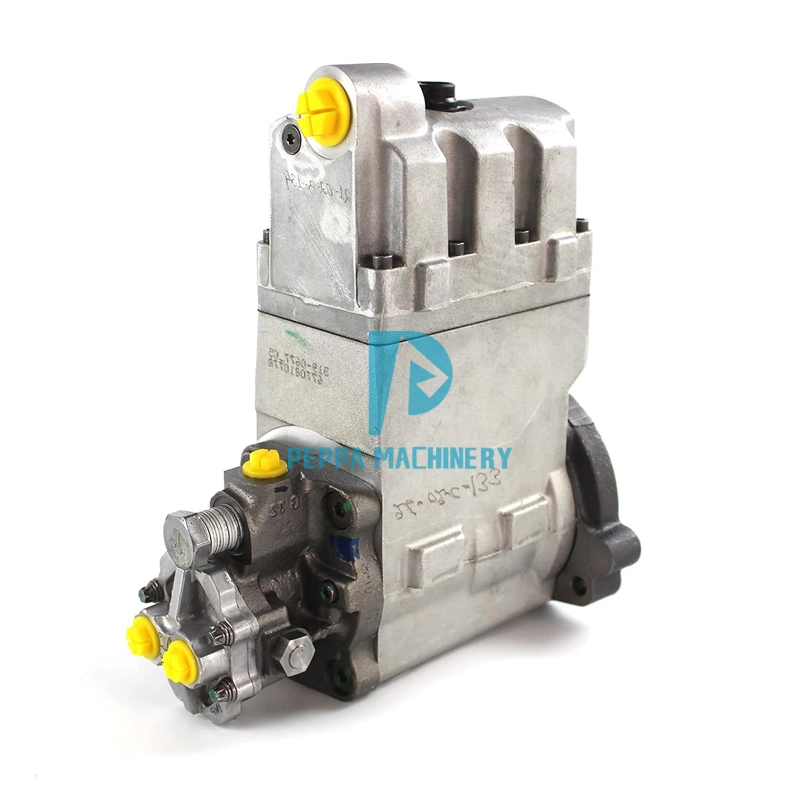
Fuel Feed / Transfer Pump Assembly for Caterpillar C7 & C9 Engines | Direct Replacement for OEM Parts #319-0678, 254-4358, 304-0678, 295-4778, 228-589
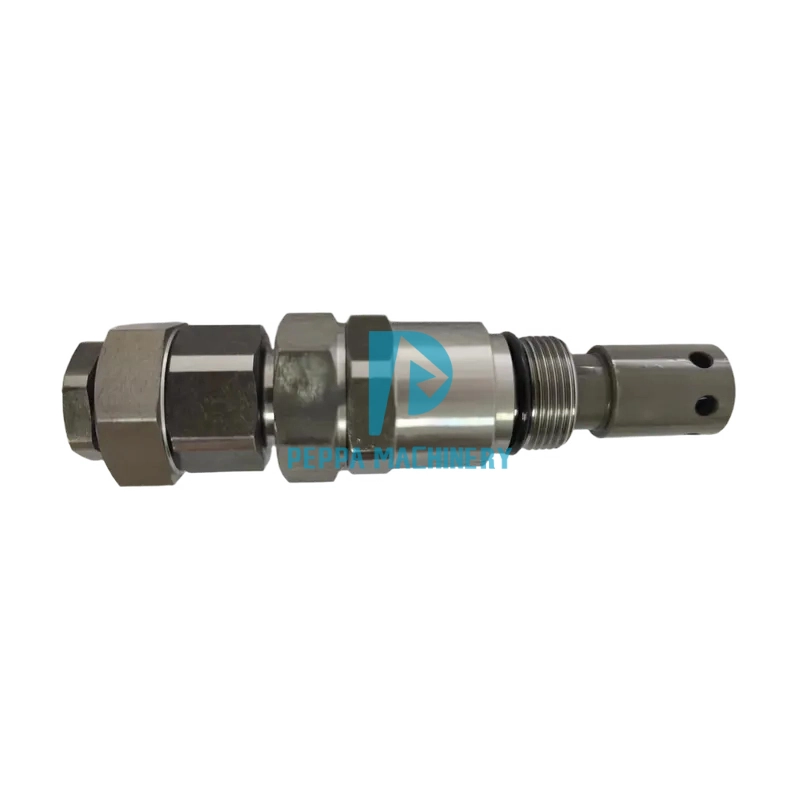
DH220-5 Main Control Valve Relief Valve 2420-1225 for Daewoo Doosan Excavator Solenoid Valve Hydraulic Accessories
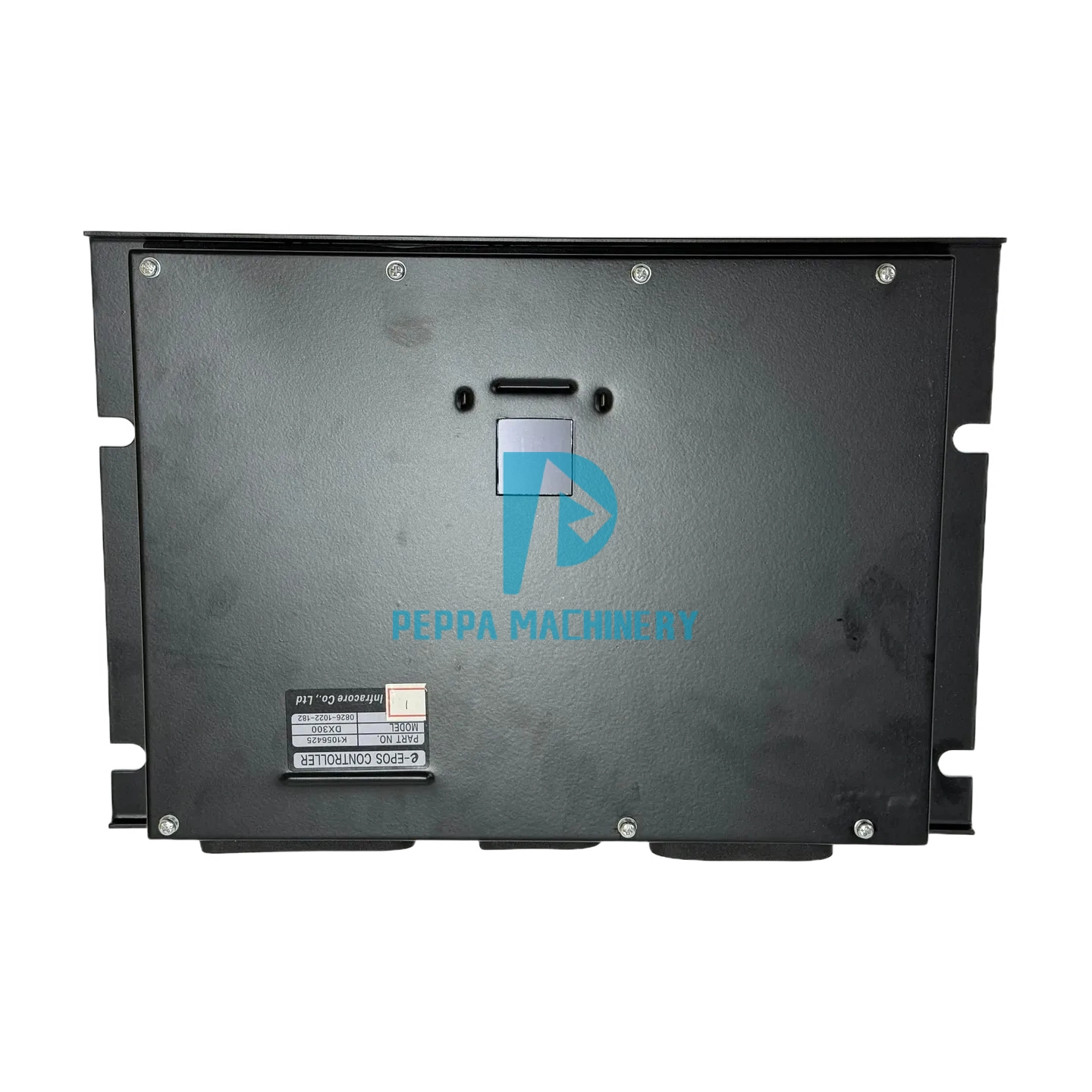
Excavator Control Unit Computer Board K1056425 0826-1022-182 New for Retail Construction Machinery Repair Shops DX300
Excavator Parts
What types of parts do you mainly offer?
Our main product categories include:
• Engine parts (liner kits, crankshafts, water/oil pumps, etc.)
• Electrical parts (sensors, monitors, throttle motors, wiring harnesses)
• Hydraulic parts (pumps, valves, cylinders)
• Sealing kits (NOK, SKF, PQ brands, floating seals, O-rings)
How can I verify compatibility before placing an order?
Please provide us with your machine brand, model number, and the part number (if available). Our team will double-check the compatibility to ensure you receive the correct parts.
Do you provide technical support or installation guidance?
While we do not offer on-site installation, we can provide basic technical advice, diagrams, or documentation to assist your technicians with installation and troubleshooting.
What brands of excavator parts do you supply?
We supply a full range of parts compatible with major international and Chinese brands, including Caterpillar, Komatsu, Hitachi, Volvo, Doosan, Hyundai, Sany, Liugong, XCMG, Zoomlion, and more.
Can I get help choosing the right parts for my machine?
Yes. Our experienced sales team is here to provide professional recommendations and solutions based on your excavator model, part number, or specific requirements.
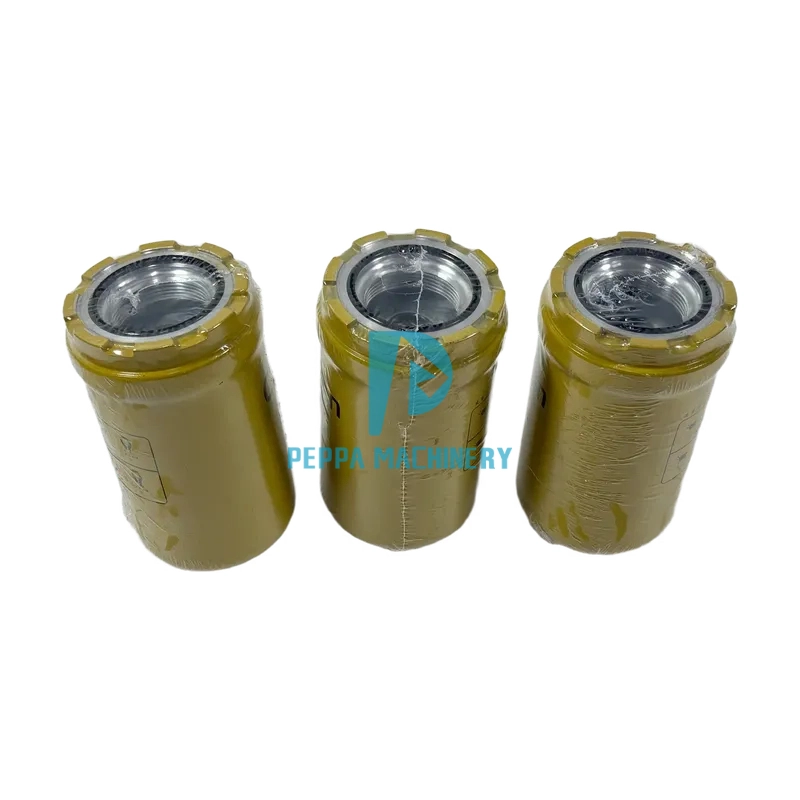
51-8670 Hydraulic Filter Applicable to HF35519 518670 2897836 518670X 1588987 Compatible with Caterpillar 352FVG 325CL
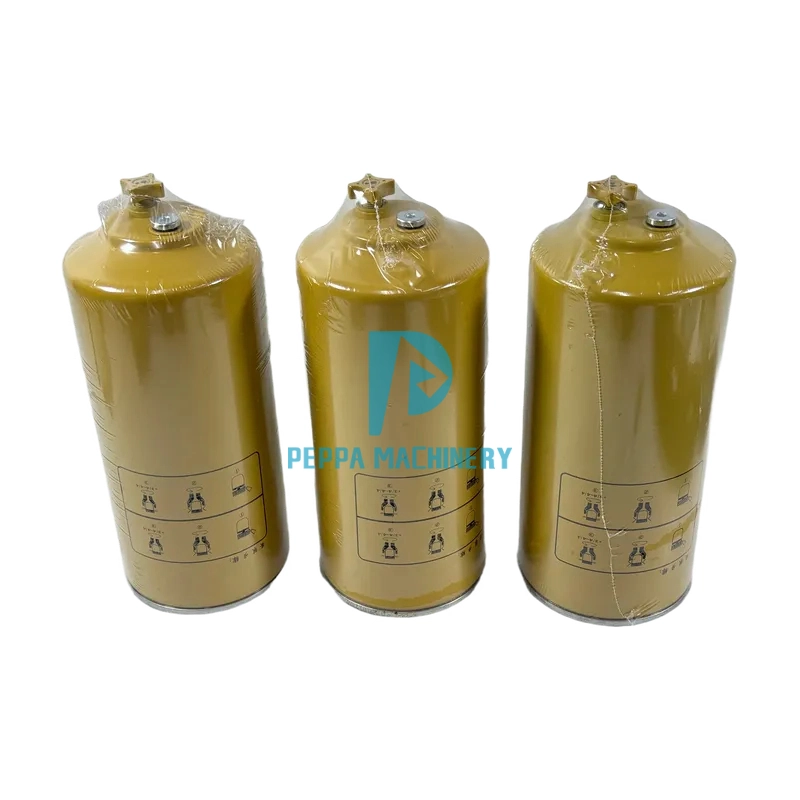
4385386 Fuel Water Separator Fuel Filter 382-0664 Oil-water Separator Hydraulic Oil Filter for CAT 312D2 320D2
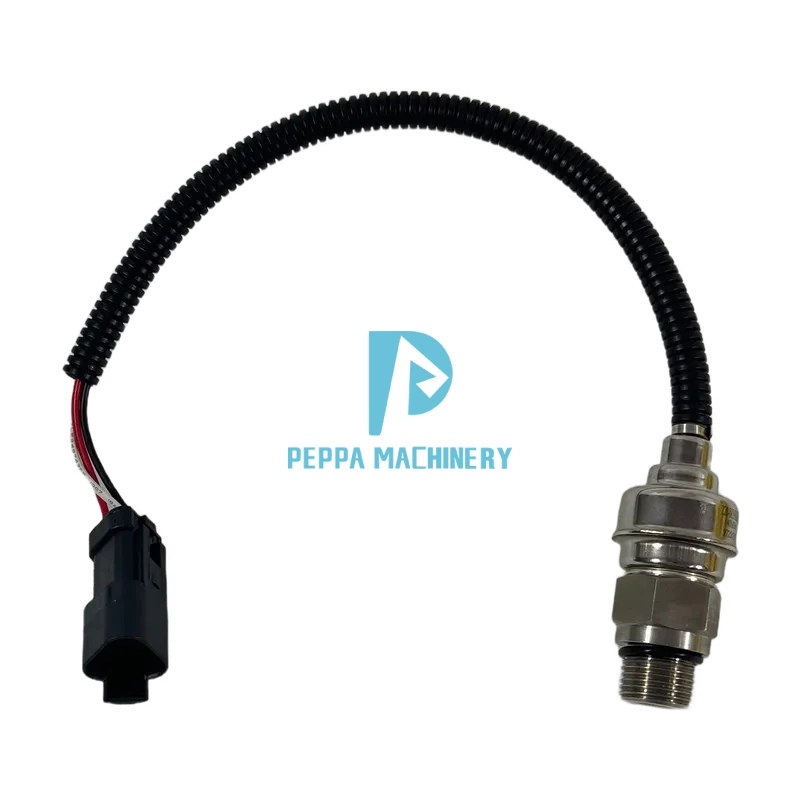
Pressure Sensor 221-8859 106-0178 for Caterpillar CAT 311B 311C 312C 314D 315B 320C 323D 324D 330C 336D 345B 385C
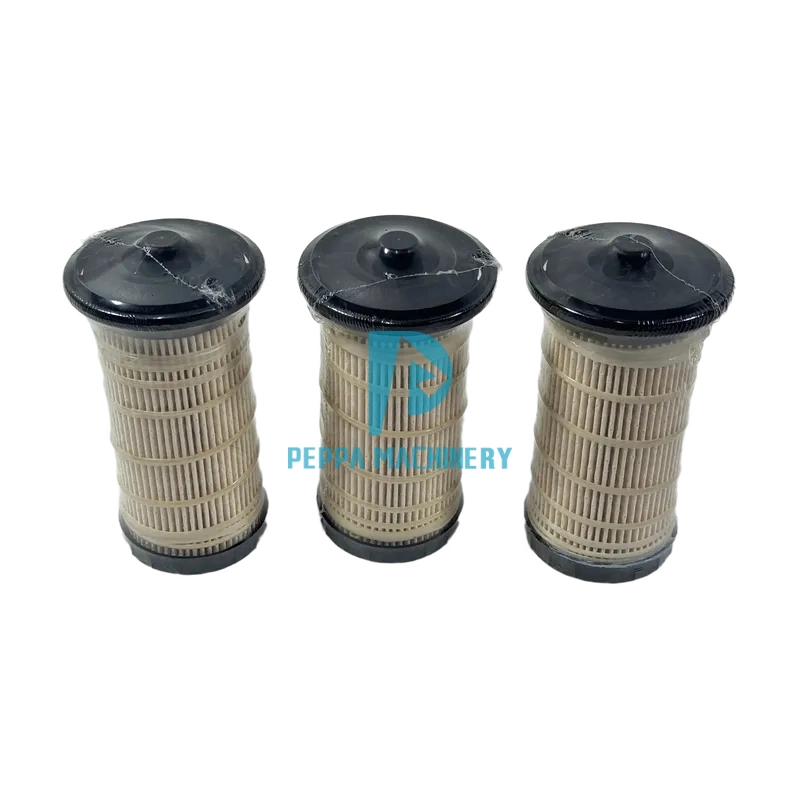
360-8960 Fuel Filter Element for Caterpillar C4.4 & C7.1 Engines | Fits 312D, 320D, 312E, 320E, 326D2, 336D2 Excavators
Get more information
Want to know more? Contact us today to get detailed product specifications, customized solutions, and a free consultation tailored to your needs.
Rest assured that your privacy is important to us, and all information provided will be handled with the utmost confidentiality.

Reliable Source for Quality Excavator Components.
Follow Us
Our Partners


Our Payment Methods


 High Quality
 7/24 Service
 Guaranteed Warranty
 Scan QR Code
Facebook
TikTok
YouTube
Pinterest
Twitter