








How to match hydraulic pump motor specifications to your excavator?
- 1. How do I determine the exact displacement and flow requirements of a replacement hydraulic pump motor for my used excavator when the nameplate is missing?
- 2. Can I replace an OEM axial piston pump with a different brand (Bosch Rexroth, Kawasaki, Daikin) on my Komatsu/Cat/Hitachi without changing the control valves?
- 3. What shaft spline, mounting flange, and rotation direction details must match when swapping a hydraulic travel motor on a mini excavator?
- 4. How to calculate required torque and power rating for a hydraulic motor to achieve a specific bucket digging force or travel speed?
- 5. How to verify hydraulic oil viscosity and filtration compatibility when upgrading to a higher-flow pump motor?
- 6. How to interpret the pump/motor curve and test-bench data to detect internal wear and decide between repair or replacement?
Authoritative guidance for operators, fleet managers, and parts buyers on matching and specifying a hydraulic pump motor for excavators. Answers are based on OEM manuals, ISO standards (e.g., ISO 4406), and common industry bench-test practices.
1. How do I determine the exact displacement and flow requirements of a replacement hydraulic pump motor for my used excavator when the nameplate is missing?
Pain point: no nameplate, unknown pump model, risk of ordering the wrong displacement (cc/rev) or flow (L/min).
Step-by-step method:
- Locate OEM documentation first: operator or service manual usually lists pump type, displacement, and max system pressure. If you know machine model/year (e.g., Komatsu PC200-8), search OEM parts or service docs for pump references.
- If documentation is unavailable, measure and calculate: identify pump style (axial piston, bent-axis, gear). For axial piston pumps the displacement is often cast or stamped on the housing — check all surfaces and inside any removed covers.
- Direct measurement method (field-proven): install a calibrated flow meter on the pump outlet or perform the timed-bucket method. With the machine engine at a known engine rpm or pump drive rpm, and with the pump supplying unloaded flow (electric/proportional control open), collect output into a graduated container for a measured time. Flow (L/min) = volume (L) ÷ time (min). Then convert to displacement: displacement (cc/rev) = (Flow L/min * 1000) ÷ pump rpm.
- If pump rpm is not equal to engine rpm (e.g., gear reduction), determine shaft rpm from drive ratio or measure with a tachometer at the pump shaft. Many excavators use direct-coupled pumps driven by the engine via transfer gearbox; consult machine driveline diagrams.
- Verify required pressure: measure system working pressure at full load with a pressure gauge. Excavator hydraulic systems typically operate between ~200–350 bar depending on size; confirm to match max pressure rating of the replacement pump motor.
- Safety checks: ensure suction conditions are adequate. If flow measurement shows cavitation (noise, foaming), check suction strainer and reservoir level before concluding pump specs.
Why this works: flow measurement gives an objective L/min value to match pump displacement and confirm required volumetric capacity. Matching pump displacement and max pressure ensures correct torque and power compatibility with your travel motors and work circuits.
2. Can I replace an OEM axial piston pump with a different brand (Bosch Rexroth, Kawasaki, Daikin) on my Komatsu/Cat/Hitachi without changing the control valves?
Pain point: cross-brand swaps sound cheaper, but risks include poor control, pressure spikes, or incompatibility with meter-in/meter-out circuits.
Compatibility checklist before swapping brands:
- Displacement and max pressure — the replacement pump must match the original displacement (cc/rev) within a small tolerance and have an equal or higher rated maximum working pressure.
- Control type — identify whether the original pump is a pressure-compensated, load-sensing (LS), or electro-hydraulic variable displacement pump. Load-sensing pumps interface with pilot lines and demand signals; replacing with a non-LS pump changes system balance and can cause control issues.
- Control behavior and spool characteristics — many control valves are tuned for the original pump’s flow/pressure reaction; differences in transient response and flow ramping can cause jerkiness. If the new pump has an electronic displacement control (ECU-driven), ensure ECU mapping and pilot pressures are compatible or programmable.
- Hydraulic oil and filtration compatibility — different designs may have stricter cleanliness needs (ISO 4406 targets). Verify filtration micron ratings and change filters if upgrading to a higher-performance pump.
- Mounting, shaft and rotation — ensure flange, shaft spline, and rotation match (see Q3).
When can you swap without valve changes? If the replacement pump matches displacement, working pressure, and control type (e.g., both are LS variable displacement pumps) and you keep pilot connections and valve spools identical, a direct swap is usually feasible. When in doubt, run bench and field tests for spool response, pressure spikes, and implement small adjustments to pilot pressures.
Recommendation: work with a rebuilder or technical rep who can provide pump control curve data and confirm the replacement pump’s flow-frequency response matches the machine’s hydraulic control valve curves.
3. What shaft spline, mounting flange, and rotation direction details must match when swapping a hydraulic travel motor on a mini excavator?
Pain point: even with correct displacement and pressure ratings, mechanical mismatch (incorrect spline, flange or rotation) can make a part unusable.
Critical fit criteria:
- Shaft spline details — count the spline teeth, measure major diameter and pressure angle if possible. Common travel motor splines are splined drives to planetary carriers; different manufacturers use different spline standards. If you can’t measure, use the OEM part number to cross-reference exact spline spec.
- Mounting flange and bolt pattern — travel motors use SAE or manufacturer-specific flange patterns. Measure bolt circle diameter (BCD), bolt size, and thread pitch or use OEM cross-reference.
- Rotation direction — determine whether motor is CW or CCW under rated flow. Using a motor with the opposite rotation can reverse track drive direction or require changing hydraulic lines and directional boxes.
- Port orientation and SAE port size — port location may interfere with the undercarriage or hoses. Make sure inlet/outlet port locations and sizes match hose routing or plan adapters.
- Integrated parking brake — some travel motors include an integrated hydraulic or mechanical parking brake. Replacements must match brake type and mountings, especially for safety-critical components.
Best practice: order by OEM part number where possible. If aftermarket, provide clear photos of shaft ends, bolt patterns, and port locations to the supplier. For mini excavators (compact class), small differences matter — measuring and confirming spline and flange details prevents costly returns and downtime.
4. How to calculate required torque and power rating for a hydraulic motor to achieve a specific bucket digging force or travel speed?
Pain point: buyers pick motors by model name, not by the torque and power needed for the task, leading to underperformance or premature failure.
Formulas and steps (field-proven):
- Torque from pressure & displacement: Torque (Nm) = (Pressure (bar) × Displacement (cc/rev) × 0.0159155) • ηm, where ηm is mechanical efficiency (use 0.85–0.95 for new motors, lower for worn ones). The constant 0.0159155 converts bar and cc/rev into Nm using T = P × Vd / (2π).
- Example: at 250 bar and a 160 cc/rev motor, ideal torque = 0.0159155 × 250 × 160 = ~636.6 Nm (before mechanical losses). With 90% efficiency, available torque ≈ 573 Nm.
- Power (kW): PkW = (Pressure (bar) × Flow (L/min)) / 600. If you need a travel speed from track rpm and sprocket diameter, determine motor rpm then calculate required flow: Flow (L/min) = Displacement (cc/rev) × rpm / 1000.
- To size for digging force: convert required ground or link forces into equivalent torque at the hydraulic motor, accounting for gearbox reductions and mechanical linkages. Example: if the final drive gear reduction is 30:1, required motor torque = wheel/gear torque ÷ reduction ratio, adjusting for gearbox efficiency (~0.9).
- Include safety margin: size motors and pumps with at least 10–20% margin above calculated continuous torque/power to accommodate shock loads and overheating prevention.
Use motor torque curves and the pump’s flow/pressure curve when selecting equipment. If an electronic pump is used, ensure engine power and torque curves support required hydraulic power at expected RPMs.
5. How to verify hydraulic oil viscosity and filtration compatibility when upgrading to a higher-flow pump motor?
Pain point: higher-flow pumps increase return velocity and potential for contamination and cavitation; wrong oil or filtration reduces life drastically.
Checklist and actionable steps:
- Check OEM oil viscosity spec: most excavators use ISO VG46 or VG68 at operating temp; confirm with service manual. Upgrading to higher flow may increase shear and temperature; maintain oil viscosity at operating temperature to avoid loss of film strength.
- Cleanliness target: modern variable-displacement pumps and servo valves often require ISO 4406 cleanliness codes of 16/14/11 or better. Conservative fleets use 15/13/10 for high-performance systems. Increase filter bypass rating if necessary and use a high-quality return-line filter (10–25 μm for pumps, 3–6 μm for servo circuits).
- Suction filtration: ensure suction strainer micron rating and screen area support increased flow. A clogged or undersized suction screen causes cavitation. Keep suction velocity low (<1.5 m/s recommended) and use larger reservoir baffling or increase reservoir size if flow is significantly higher.
- Add cooling and monitoring: higher flow raises heat. Consider upgrading oil cooler capacity, install temperature and particle counters (inline or offline) and schedule oil analysis (Viscosity, RPVOT, elemental analysis) every 250–500 hours after upgrade.
These measures reduce internal leakage, extend volumetric efficiency, and protect precision components like swashplates and servo pistons.
6. How to interpret the pump/motor curve and test-bench data to detect internal wear and decide between repair or replacement?
Pain point: ambiguous test results and inconsistent guidance on when to repair vs replace.
How to read and apply bench-test data:
- Key curves: Flow vs Pressure (Q-P curve), volumetric efficiency vs pressure, mechanical efficiency vs speed, torque vs speed. A healthy pump has a relatively flat Q-P at rated displacement for given swashplate angle and high volumetric efficiency (often >88–95% at low pressures).
- Volumetric efficiency check: measure output flow at a given pump rpm and pressure and compare to nameplate displacement. Volumetric efficiency drop below ~80% (depending on pump type and age) often indicates substantial internal leakage and warrants rebuild or replacement. New/overhauled pumps typically show volumetric efficiency in the high 80s to mid 90s under low-pressure conditions.
- Pressure test: apply rated pressure and verify the pump holds pressure without excessive leakage or pressure drop. Intermittent pressure collapse or inability to sustain rated pressure points to worn piston shoes, seals, or valve plate damage.
- Temperature and noise: excessive heat rise or metallic noise during bench run suggests mechanical wear; high internal friction lowers mechanical efficiency and indicates gearbox or bearing issues.
- Accept/reject guidelines: if volumetric efficiency is reduced by >10–15% from expected new values, or mechanical efficiency is low and noise/metallic wear is present, prioritize rebuild or replacement. If only minor leakage and seals are failing, a targeted overhaul with OEM parts can be cost-effective.
Always use OEM test procedures where available. Document test conditions (oil viscosity, temperature, rpm, and bench instrumentation) because efficiency numbers are temperature-dependent. When in doubt, consult pump manufacturers’ bench-test standards or a certified rebuilder for a formal evaluation and written report.
Conclusion: choosing the correct hydraulic pump motor and related travel motors requires combining measured system data (flow, pressure, rpm), mechanical fit parameters (shaft spline, flange, rotation), and fluid/filtration compatibility. Correct matching reduces downtime, increases volumetric/mechanical efficiency, and extends component life—delivering fuel savings, predictable performance, and lower total cost of ownership.
Advantages of selecting the right hydraulic pump motor: improved efficiency and system response, longer component life due to correct oil viscosity and filtration, reduced cavitation and overheating risk, fewer emergency replacements, and optimized machine productivity—particularly important when working with precision axial piston pumps, swashplate controls, and travel motors.
For an accurate parts quote, model-specific cross-reference, or test-bench evaluation, contact JBParts: visit www.jbpartsgz.com or email jbparts@aliyun.com. Contact us now for a quote and model verification.

Isuzu SP 4JG1 4JG2 4JG3 Cylinder Liner 1876182070 1-87618207-0 1876182080 1-87618208-0 1876182100 1-87618210-0
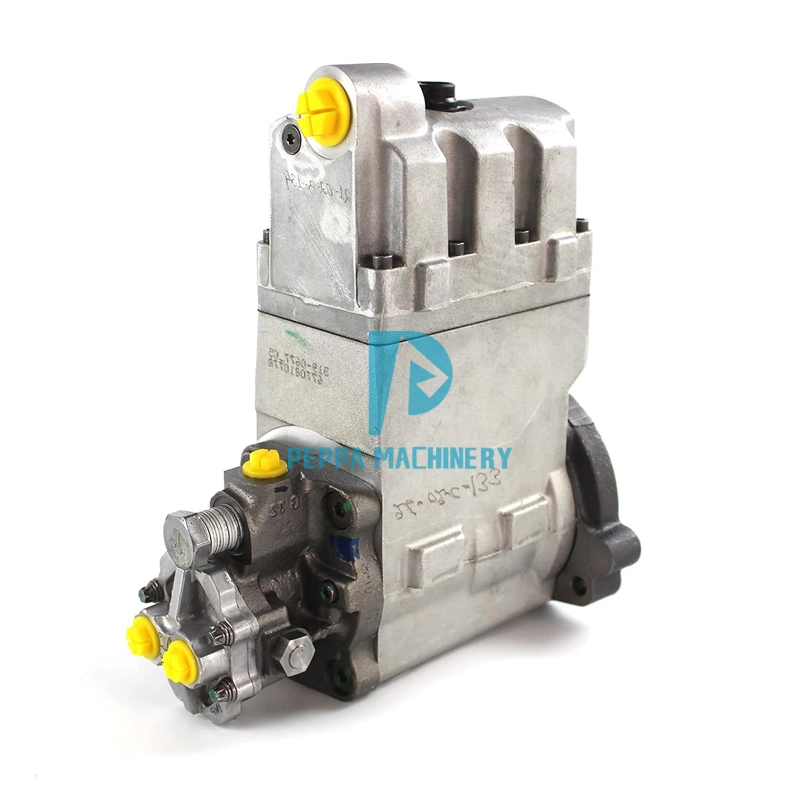
Fuel Feed / Transfer Pump Assembly for Caterpillar C7 & C9 Engines | Direct Replacement for OEM Parts #319-0678, 254-4358, 304-0678, 295-4778, 228-589
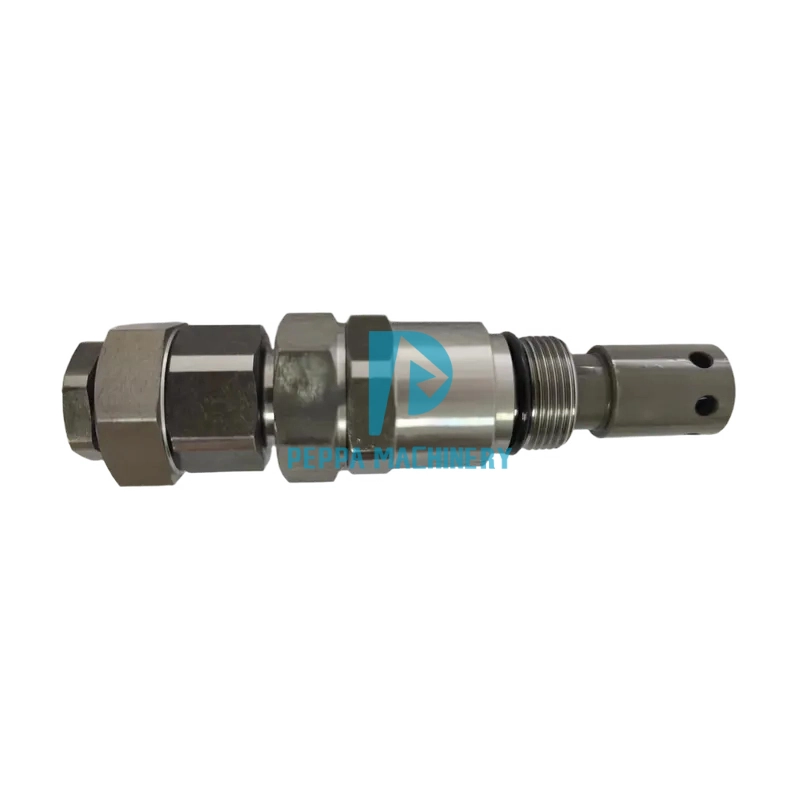
DH220-5 Main Control Valve Relief Valve 2420-1225 for Daewoo Doosan Excavator Solenoid Valve Hydraulic Accessories
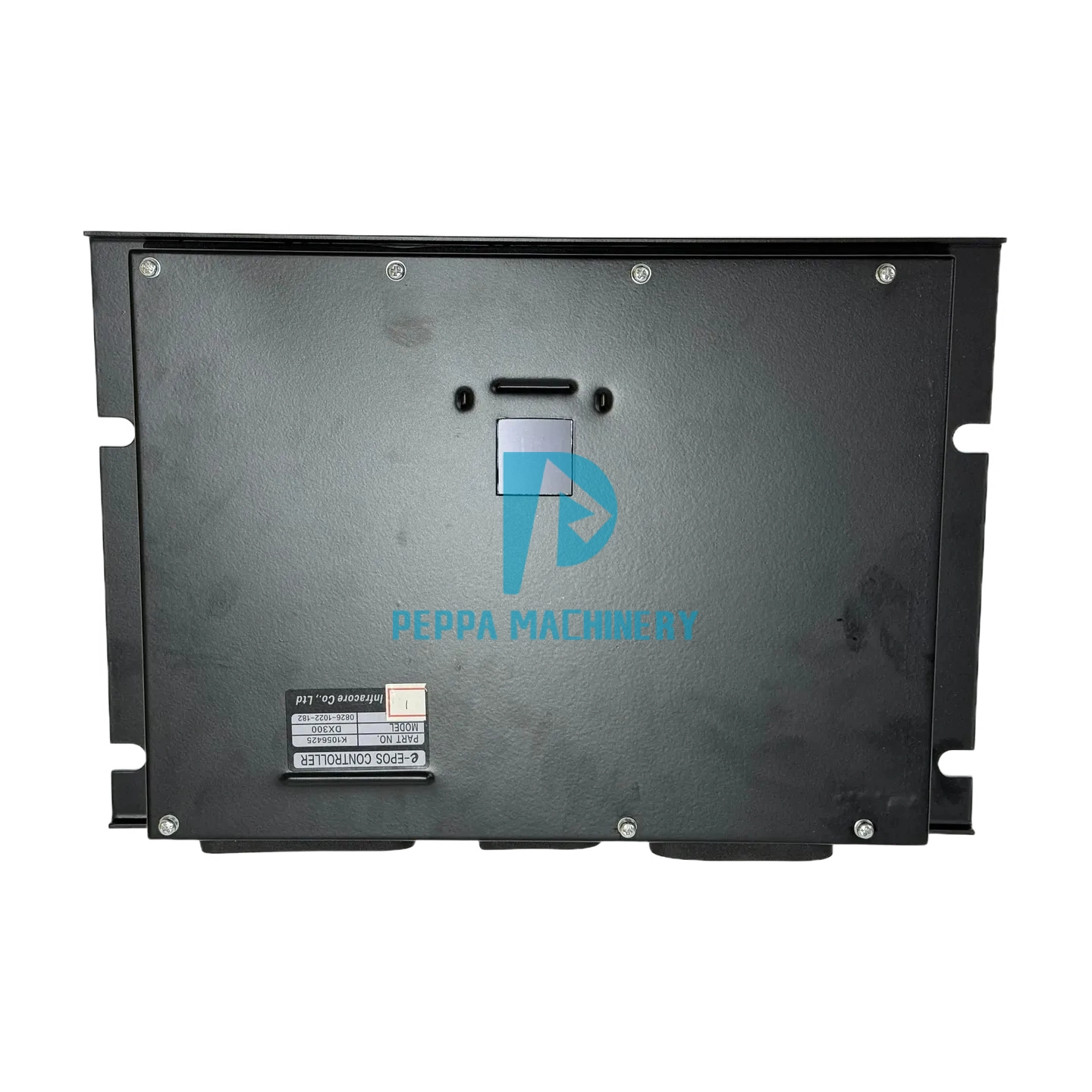
Excavator Control Unit Computer Board K1056425 0826-1022-182 New for Retail Construction Machinery Repair Shops DX300
Excavator Parts
What types of parts do you mainly offer?
Our main product categories include:
• Engine parts (liner kits, crankshafts, water/oil pumps, etc.)
• Electrical parts (sensors, monitors, throttle motors, wiring harnesses)
• Hydraulic parts (pumps, valves, cylinders)
• Sealing kits (NOK, SKF, PQ brands, floating seals, O-rings)
Can I get help choosing the right parts for my machine?
Yes. Our experienced sales team is here to provide professional recommendations and solutions based on your excavator model, part number, or specific requirements.
Are your parts genuine or OEM?
We offer both genuine parts and high-quality OEM alternatives. You can choose according to your budget and application needs. All OEM products are tested to meet or exceed original specifications.
How can I verify compatibility before placing an order?
Please provide us with your machine brand, model number, and the part number (if available). Our team will double-check the compatibility to ensure you receive the correct parts.
Do you provide technical support or installation guidance?
While we do not offer on-site installation, we can provide basic technical advice, diagrams, or documentation to assist your technicians with installation and troubleshooting.
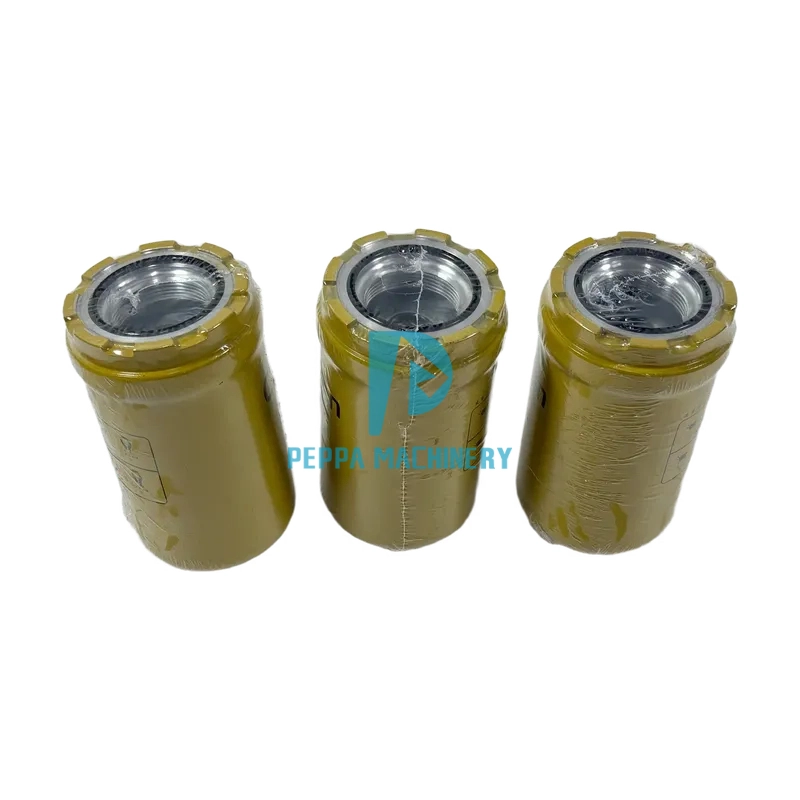
51-8670 Hydraulic Filter Applicable to HF35519 518670 2897836 518670X 1588987 Compatible with Caterpillar 352FVG 325CL
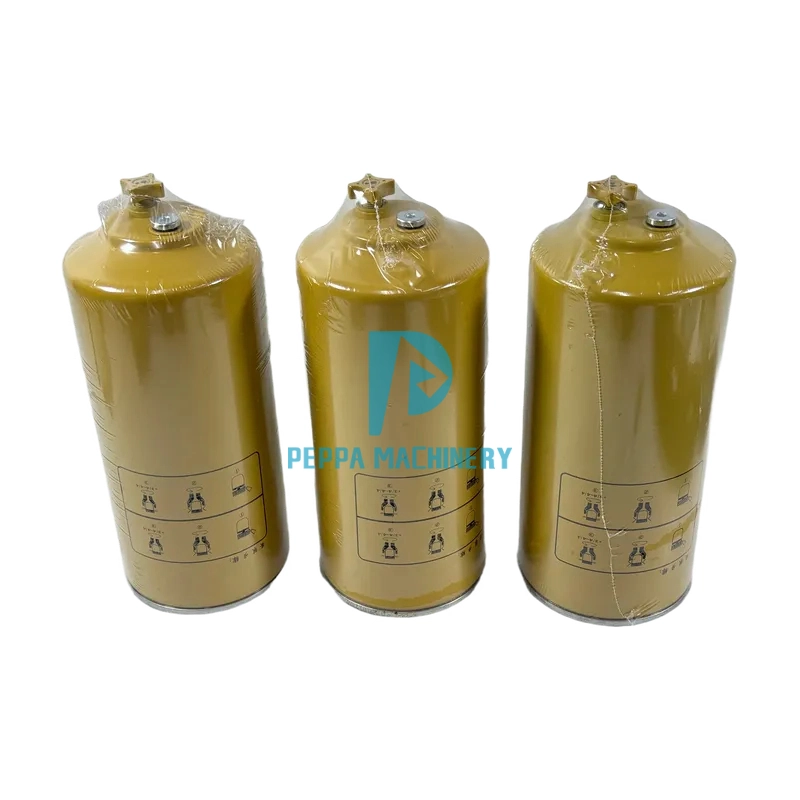
4385386 Fuel Water Separator Fuel Filter 382-0664 Oil-water Separator Hydraulic Oil Filter for CAT 312D2 320D2
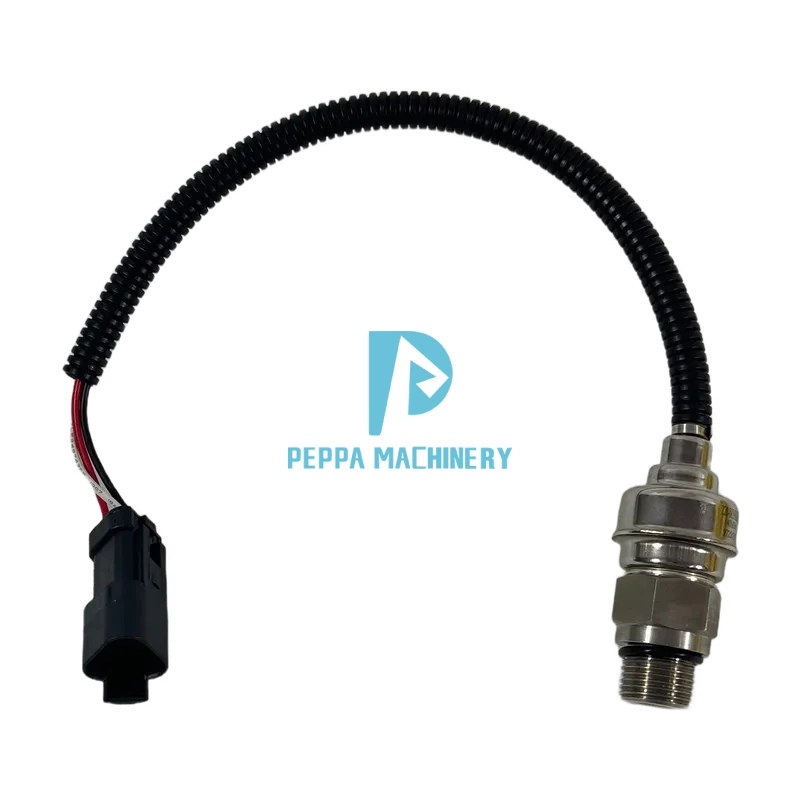
Pressure Sensor 221-8859 106-0178 for Caterpillar CAT 311B 311C 312C 314D 315B 320C 323D 324D 330C 336D 345B 385C
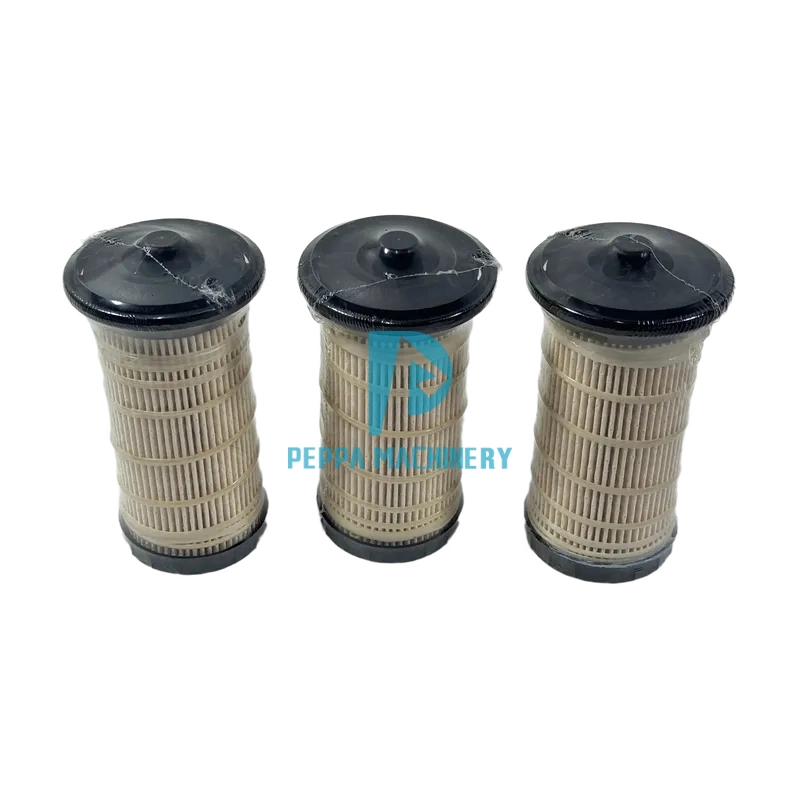
360-8960 Fuel Filter Element for Caterpillar C4.4 & C7.1 Engines | Fits 312D, 320D, 312E, 320E, 326D2, 336D2 Excavators
Get more information
Want to know more? Contact us today to get detailed product specifications, customized solutions, and a free consultation tailored to your needs.
Rest assured that your privacy is important to us, and all information provided will be handled with the utmost confidentiality.

Reliable Source for Quality Excavator Components.
Follow Us
Our Partners


Our Payment Methods


 High Quality
 7/24 Service
 Guaranteed Warranty
 Scan QR Code
Facebook
TikTok
YouTube
Pinterest
Twitter