








How much does a quality hydraulic pump motor for excavators cost?
- 1) How do I match a replacement hydraulic pump motor to my excavator when the OEM part number is obsolete or unavailable?
- 2) What on-site diagnostic tests will reliably tell me whether low lifting/slow response is due to the hydraulic pump motor or another component?
- 3) How much should I budget for a quality hydraulic pump motor for a mid-size (approximately 20-ton) excavator, including options for OEM, aftermarket, and remanufactured units with installation?
- 4) Which hydraulic pump/motor failure modes reduce service life the most, and what targeted maintenance stops them?
- 5) Can I upgrade to a higher-flow hydraulic pump motor to improve cycle times, and what system changes are necessary to avoid damage?
- 6) What warranty, testing documentation, and certifications should I demand from suppliers to ensure a trustworthy hydraulic pump motor purchase?
- Conclusion — Advantages of choosing a quality hydraulic pump motor
How Much Does a Quality Hydraulic Pump Motor for Excavators Cost? A Buyer’s Guide
This guide answers six specific, technical buyer questions about excavator hydraulic pump motors — including matching replacements, on-site diagnostics, realistic cost ranges for OEM and remanufactured units, upgrade compatibility, failure-mode priorities, and the testing/warranty evidence to insist on before purchase. The content uses industry terms such as axial piston pump, variable displacement pump, flow rate, maximum operating pressure, remanufactured pump, OEM hydraulic pump and service life hours, so you can act confidently when evaluating parts, vendors and quotes.
1) How do I match a replacement hydraulic pump motor to my excavator when the OEM part number is obsolete or unavailable?
Problem: Buyers receive parts that fit physically but don’t deliver correct flow, pressure or control response. The result can be poor digging power, slow cycle times, or premature failure.
Step-by-step matching checklist (use this on-site or when talking to suppliers):
- Record the exact machine model, year and serial number. Many OEMs revise pump specs across model years.
- Measure or record the original pump’s key specs: displacement (cc/rev), maximum operating pressure (bar or psi), rated flow at prime engine rpm (L/min), rotation (clockwise/anticlockwise looking at shaft), shaft type and spline count, mounting flange type, and port sizes (SAE/metric).
- Identify pump type: excavators almost always use axial piston variable displacement pumps for work functions and axial piston motors for travel — confirm whether you need a variable displacement pump (with a swashplate and pressure compensator) or a fixed/gear pump.
- Check control interface: is the pump electro-hydraulic with electronic control, pilot-operated, or purely mechanical? The pilot pressure and pilot flow values are critical for compatibility with the machine’s valve blocks and controls.
- Cross-reference part numbers using OEM catalogs and third-party cross-reference databases, but validate with specs — part numbers can be superseded while spec remains the same (or vice versa).
- Ask the supplier for a datasheet and a dimensional drawing. Don’t rely on photos alone; confirm port orientation and shaft engagement dimensions before purchase.
Why this avoids mistakes: matching displacement, pressure rating and control types ensures the pump will deliver the correct torque and flow characteristics and won’t overheat or cause the hydraulic system to run outside safe relief settings.
2) What on-site diagnostic tests will reliably tell me whether low lifting/slow response is due to the hydraulic pump motor or another component?
Problem: Technicians often replace pumps unnecessarily because symptoms (slow cycle, loss of power) are similar for valves, contamination, or hydraulic motor failure.
Quick on-site diagnostic workflow:
- Check hydraulic oil condition and level first. Dark, foamy oil or a strong smell indicates contamination or overheating — both common root causes.
- Measure system pressure with a calibrated gauge at the pump outlet under no-load and full-load conditions. Compare to OEM rated maximum operating pressure (typical excavator main pumps 250–350 bar / 3,600–5,075 psi). Significant pressure loss at the pump outlet under load points to internal pump leakage or relief-valve dumping.
- Measure flow (if you have a flow meter) at rated engine rpm. Low flow with normal pressure suggests internal leakage or worn pistons/swashplate; low pressure with normal/no flow can indicate relief-valve issues or blocked pilot lines.
- Perform a stall/torque check on travel motors and attachments: if the pump maintains pressure but a cylinder or final drive slips, suspect the valve block, diverter valve, hoses, or motor, not the pump.
- Listen for cavitation (distinct knocking) at the suction side; this indicates suction restriction, low reservoir level, or deteriorated pump inlet components — cavitation rapidly destroys pumps.
- Perform a temperature profile: a pump that runs excessively hot while downstream components remain cool usually points to internal inefficiency or over-dimensioned relief setting.
Document measured values (pressure, flow, temperature) and provide them to your parts supplier — this greatly improves the accuracy of replacement recommendations.
3) How much should I budget for a quality hydraulic pump motor for a mid-size (approximately 20-ton) excavator, including options for OEM, aftermarket, and remanufactured units with installation?
Problem: Online answers often give a single price or wildly outdated figures. You need realistic current market ranges to plan repairs and purchase decisions.
Typical market ranges (based on OEM catalogs, remanufacturers and market pricing surveys up to mid-2024):
- OEM new axial piston main pump for mid-size excavator (20-ton class): roughly US$2,000–US$6,000 for the part alone. Larger machines (30t+) or high-flow variants can exceed US$8,000–$12,000.
- Aftermarket new equivalent (non-OEM but new): roughly 60–85% of OEM price — quality varies widely; verify supplier testing and warranty.
- Remanufactured (bench-tested and rebuilt) pump or motor: typically US$600–US$2,500 depending on core condition, bearings, and replacement of wear parts. Well-documented remans with dyno test reports sit at the higher end.
- Labor and shop fees for replacement: often US$300–US$1,500 depending on machine accessibility, hydraulic line flushing, and whether other components (valves, hoses) are replaced concurrently.
- Additional recommended items: hydraulic oil change and filtration replacement (ISO cleanliness target per OEM), new suction strainers and return filters — budget another US$150–$600.
Total installed cost estimate for a mid-size excavator: about US$1,200–US$9,000 depending on OEM vs reman, complexity, and regional labor rates. Reman + installation is often the best cost/benefit for fleet owners when the machine is not a mission-critical high-hour asset.
Note: Always request a line-item quote showing part number, reman/serial info, dyno test results, and warranty terms before committing.
4) Which hydraulic pump/motor failure modes reduce service life the most, and what targeted maintenance stops them?
Problem: Owners replace pumps prematurely because root causes (contamination, cavitation, overheating) are not addressed.
Top failure modes and preventive actions:
- Cavitation (suction-side vapor formation): caused by low tank level, suction restrictions, or high inlet temperatures. Prevention: maintain correct oil level, clean/replace suction strainers, use correct hose diameters and avoid excessive suction lifts.
- Hydraulic oil contamination (abrasive particles): causes piston scoring and wear. Prevention: enforce oil cleanliness per OEM (aim for ISO 4406 contamination levels recommended by the machine maker), install and service high-efficiency return filters, and follow proper fill/vent procedures.
- Overheating and thermal breakdown: causes varnish and accelerated wear. Prevention: ensure correct cooler function, maintain proper relief settings, and avoid continuous high-load duty cycles without cool-downs.
- Bearing and shaft seal failure: often traced to misalignment or contamination. Prevention: proper mounting, torque to specified values, and using correct seals and shaft couplings.
- Wear from incorrect fluid (viscosity or additive incompatibility): Prevention: use OEM-specified hydraulic fluids and maintain viscosity within recommended temperature ranges.
Maintenance actions to extend service life: scheduled oil analysis, strict filter-change intervals, periodic suction-strainer inspection, verifying relief and pilot pressures, and using dyno-tested reman parts when replacing pumps.
5) Can I upgrade to a higher-flow hydraulic pump motor to improve cycle times, and what system changes are necessary to avoid damage?
Problem: Site managers want faster cycle times and consider upsizing the pump, but mismatched pumps cause overheating, cavitation, or premature wear.
What to evaluate before upgrading:
- System compatibility: confirm that the machine’s hydraulic circuits (valve block, hoses, cooler, reservoir capacity) can accept the higher flow and increased thermal load. Many valves and pilot circuits are sized for OEM pump flow; excess flow can cause valve instability or overflow.
- Pressure and relief settings: higher-flow pumps may require adjusted relief/compensator settings. Ensure relief valves and backup protection are re-calibrated by a hydraulic technician.
- Heat management: higher flow typically means more heat. You may need larger coolers, upgraded transmission oil coolers, or increased reservoir capacity to maintain oil temperature and viscosity.
- Pilot and control compatibility: electro-hydraulic controls or ECUs may limit pump displacement or have valve timing that assumes OEM flow curves. Check the control logic and pilot pressure sources.
- Structural and drivetrain torque: higher flow can increase hydraulic torque on swing and travel motors; ensure gearboxes and final drives can tolerate increased input without overload.
Conclusion: Upgrading is feasible but must be undertaken as a system-level modification with matched valve tuning, cooling upgrades and possible gearbox checks. Work with an experienced hydraulic systems engineer and insist on dyno validation of the upgraded pump in the intended application.
6) What warranty, testing documentation, and certifications should I demand from suppliers to ensure a trustworthy hydraulic pump motor purchase?
Problem: Buyers accept minimal warranties or no test evidence and then face early failures with no recourse.
Must-have evidence and standards:
- Dyno test report: for both new and reman pumps, insist on a bench/dyno test certificate showing rated flow, maximum pressure hold test, internal leakage values, and torque/efficiency curves at specified rpm points.
- Core traceability: for reman units, a documented core record that lists replaced wear parts, bearing replacements, and whether critical bores were machined/refinished.
- Cleanliness and assembly standards: supplier should follow cleanliness protocols (clean room assembly or defined contamination control) and provide final cleanliness verification when requested. Compliance to ISO 4406 cleanliness recommendations or OEM requirements is a plus.
- Dimensional and materials validation: material certificates for critical components (shafts, bearings) and a dimensional drawing that matches your machine’s mounting interface.
- Warranty terms: minimum 6–12 months or specified hours (e.g., 1,000–2,000 hrs) for reman units; OEM new pumps often carry 12–24 months depending on manufacturer. Ensure warranty covers both parts and labor for a defined period and specifies return/repair process and who pays shipping.
- Compliance and certifications: supplier accreditation (ISO 9001 for quality management) and documented test benches calibrated to recognized standards boosts confidence. For exports, confirm RoHS/REACH compliance where applicable and any regional homologation required.
Red flags: sellers who won’t provide dyno reports, refuse to accept cores, or offer very short, limited warranties. A reputable supplier should provide part numbers, test results and an explicit, written warranty covering performance metrics.
How JB Parts applies this: We provide detailed datasheets, dyno test certificates for reman products, clear warranty terms, and cross-reference support for OEM and aftermarket axial piston pumps, variable displacement pumps and travel motors. Request the test PDF with every quote.
Conclusion — Advantages of choosing a quality hydraulic pump motor
Investing in a correctly specified, tested and warranted hydraulic pump motor delivers: greater reliability and fewer unscheduled downtimes; better fuel and hydraulic efficiency (lower operating costs); predictable performance when matched exactly to displacement, pressure and control characteristics; and longer service life when paired with proper filtration and thermal management. Remanufactured pumps with full dyno documentation often provide the best balance of cost and reliability for fleet machines, while OEM units give maximum assurance for mission-critical equipment.
Contact us for a fast, written quote and dyno test reports: visit www.jbpartsgz.com or email jbparts@aliyun.com. We can cross-reference OEM numbers, supply datasheets and provide turnkey installation quotes.

Isuzu SP 4JG1 4JG2 4JG3 Cylinder Liner 1876182070 1-87618207-0 1876182080 1-87618208-0 1876182100 1-87618210-0
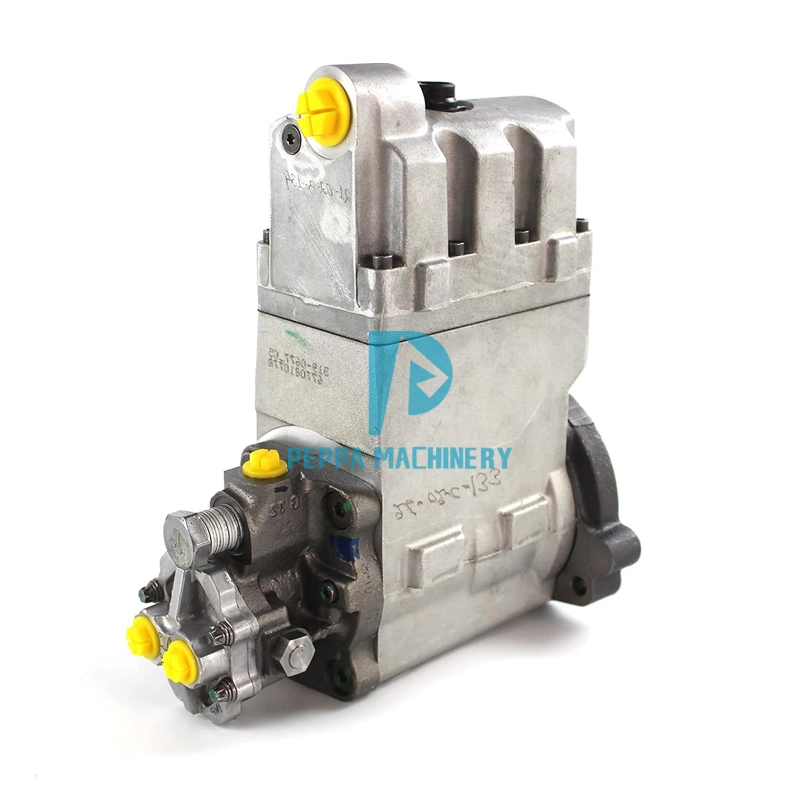
Fuel Feed / Transfer Pump Assembly for Caterpillar C7 & C9 Engines | Direct Replacement for OEM Parts #319-0678, 254-4358, 304-0678, 295-4778, 228-589
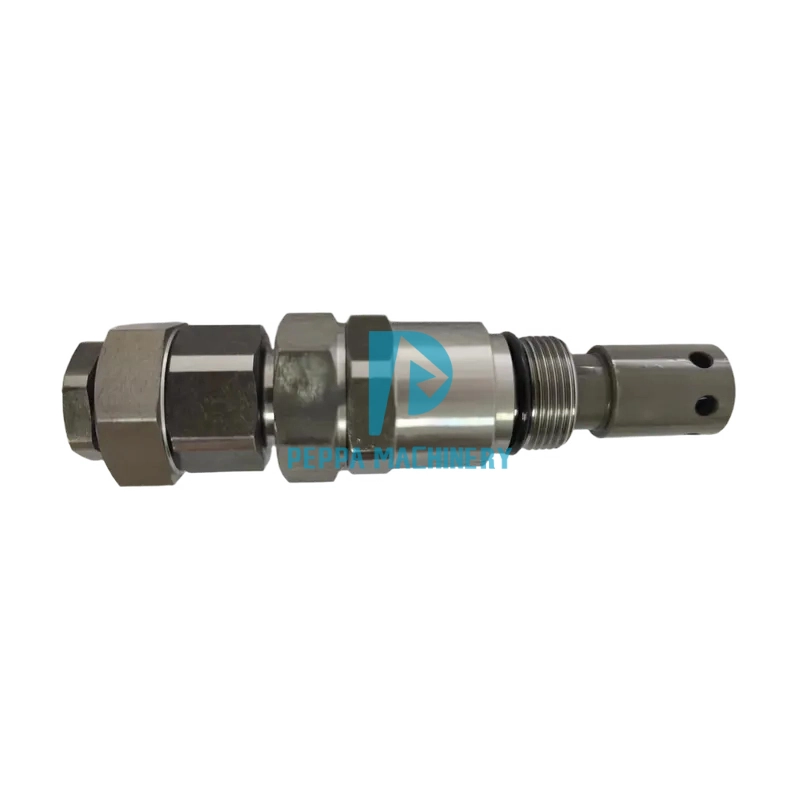
DH220-5 Main Control Valve Relief Valve 2420-1225 for Daewoo Doosan Excavator Solenoid Valve Hydraulic Accessories
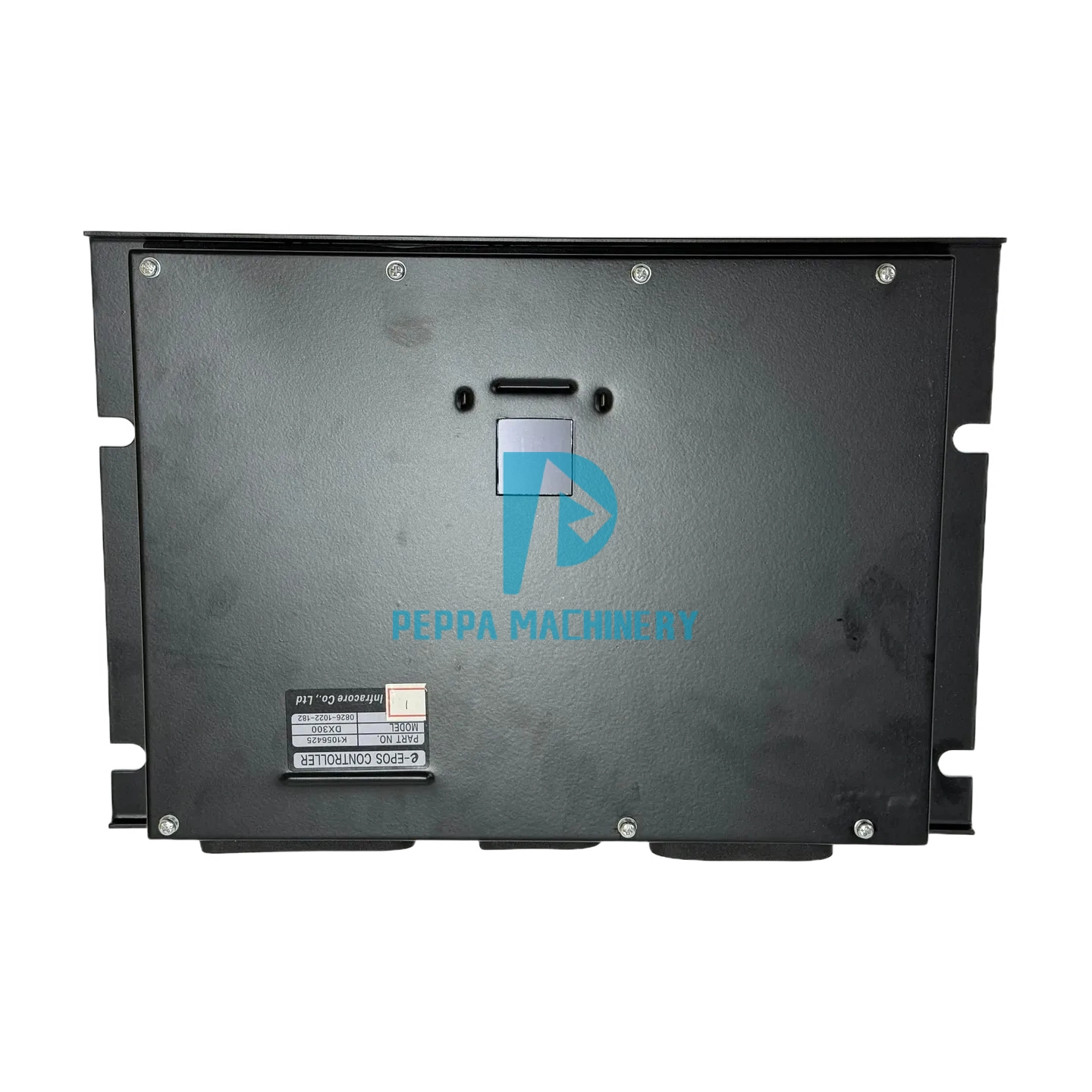
Excavator Control Unit Computer Board K1056425 0826-1022-182 New for Retail Construction Machinery Repair Shops DX300
Excavator Parts
How can I verify compatibility before placing an order?
Please provide us with your machine brand, model number, and the part number (if available). Our team will double-check the compatibility to ensure you receive the correct parts.
What brands of excavator parts do you supply?
We supply a full range of parts compatible with major international and Chinese brands, including Caterpillar, Komatsu, Hitachi, Volvo, Doosan, Hyundai, Sany, Liugong, XCMG, Zoomlion, and more.
Do you provide technical support or installation guidance?
While we do not offer on-site installation, we can provide basic technical advice, diagrams, or documentation to assist your technicians with installation and troubleshooting.
Are your parts genuine or OEM?
We offer both genuine parts and high-quality OEM alternatives. You can choose according to your budget and application needs. All OEM products are tested to meet or exceed original specifications.
What types of parts do you mainly offer?
Our main product categories include:
• Engine parts (liner kits, crankshafts, water/oil pumps, etc.)
• Electrical parts (sensors, monitors, throttle motors, wiring harnesses)
• Hydraulic parts (pumps, valves, cylinders)
• Sealing kits (NOK, SKF, PQ brands, floating seals, O-rings)
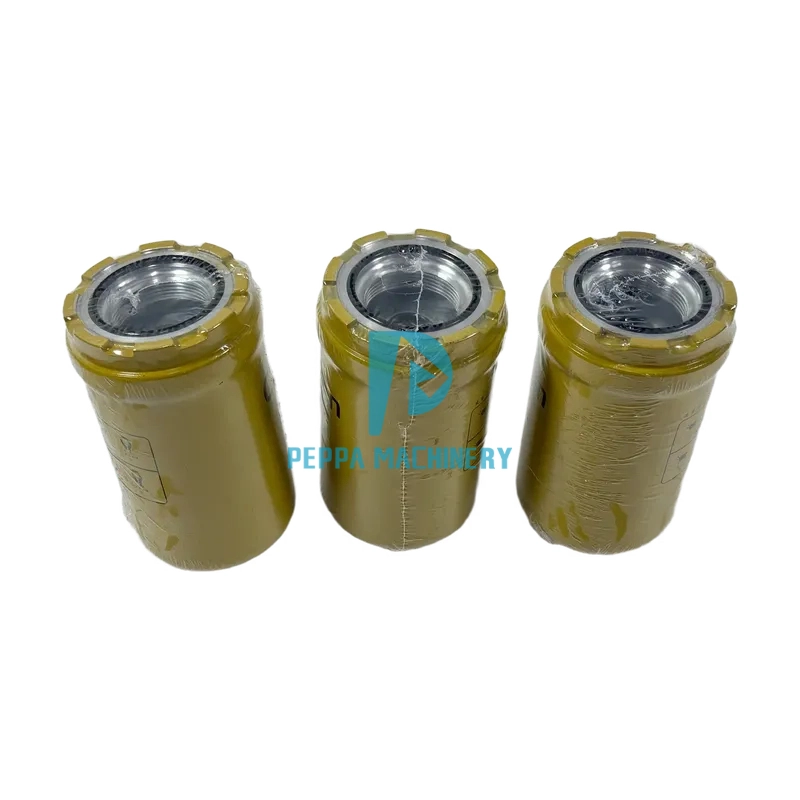
51-8670 Hydraulic Filter Applicable to HF35519 518670 2897836 518670X 1588987 Compatible with Caterpillar 352FVG 325CL
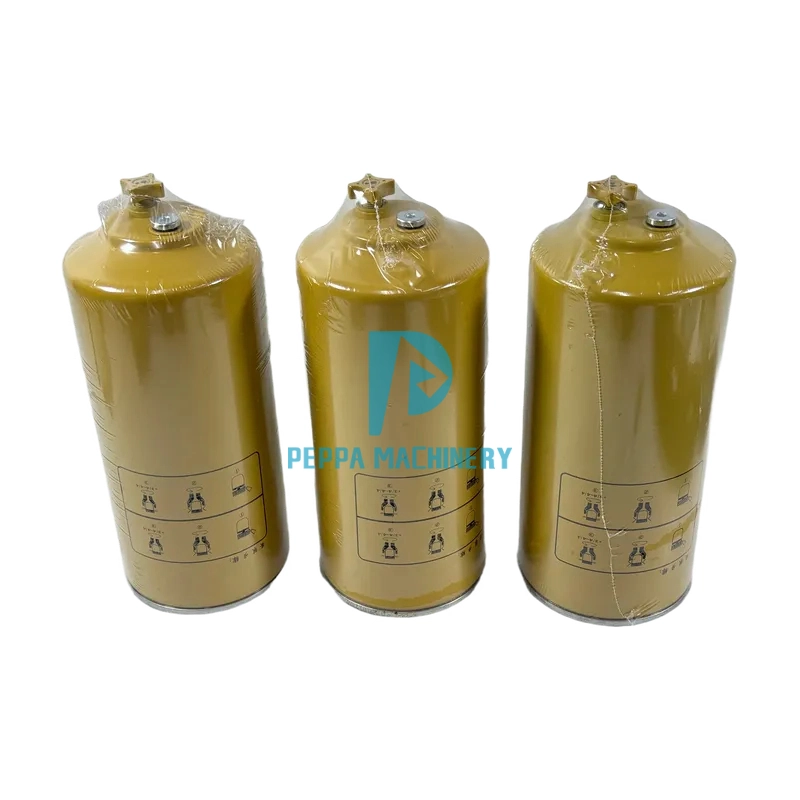
4385386 Fuel Water Separator Fuel Filter 382-0664 Oil-water Separator Hydraulic Oil Filter for CAT 312D2 320D2
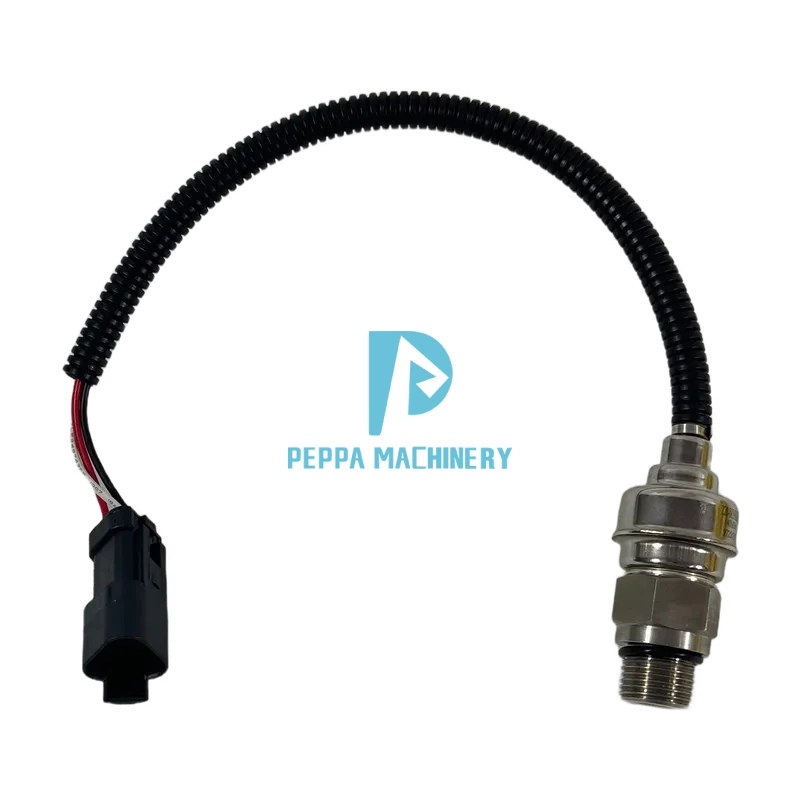
Pressure Sensor 221-8859 106-0178 for Caterpillar CAT 311B 311C 312C 314D 315B 320C 323D 324D 330C 336D 345B 385C
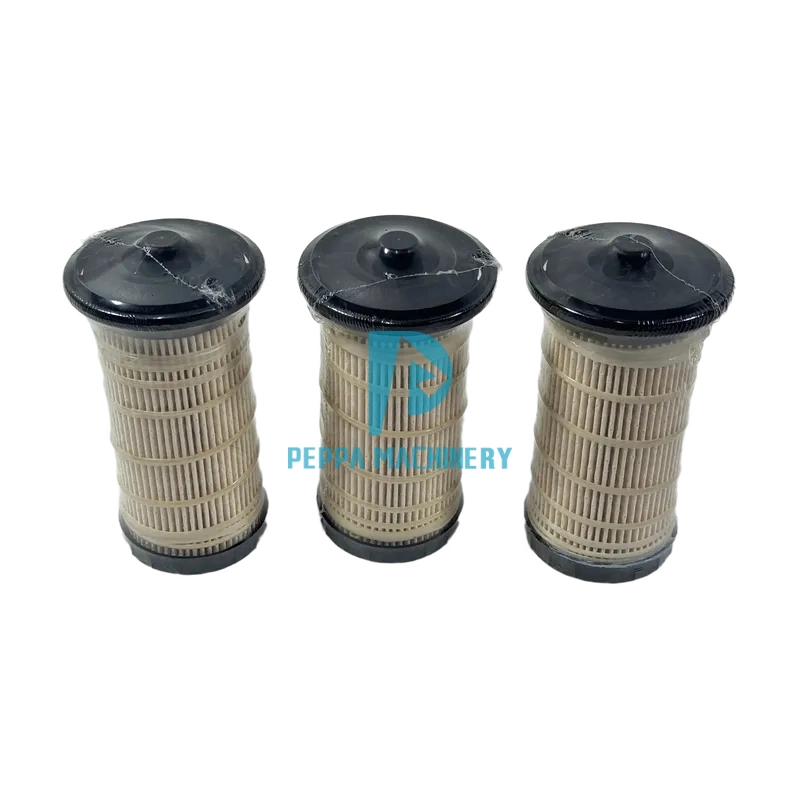
360-8960 Fuel Filter Element for Caterpillar C4.4 & C7.1 Engines | Fits 312D, 320D, 312E, 320E, 326D2, 336D2 Excavators
Get more information
Want to know more? Contact us today to get detailed product specifications, customized solutions, and a free consultation tailored to your needs.
Rest assured that your privacy is important to us, and all information provided will be handled with the utmost confidentiality.

Reliable Source for Quality Excavator Components.
Follow Us
Our Partners


Our Payment Methods


 High Quality
 7/24 Service
 Guaranteed Warranty
 Scan QR Code
Facebook
TikTok
YouTube
Pinterest
Twitter