








How to choose the right hydraulic pump motor for your excavator?
- 1. How do I calculate the exact pump flow and pressure required for my excavator's boom and swing cycle to avoid cavitation and overheating?
- 2. What displacement (cc/rev) and pressure rating should I choose for a replacement hydraulic motor on a 10‑ton excavator travel drive?
- 3. How to match a remanufactured axial piston pump to OEM specs when the part number is missing?
- 4. Which hydraulic oil viscosity and filtration level will maximize the lifespan of high‑pressure piston pumps and motors in dusty construction sites?
- 5. When is it better to replace a pump vs rebuild the control valve and swashplate assembly to fix slipping and low efficiency?
- 6. How to read test bench data (flow curve, efficiency curve, leakage) to choose between two aftermarket hydraulic pumps?
1. How do I calculate the exact pump flow and pressure required for my excavator's boom and swing cycle to avoid cavitation and overheating?
Start with measured cycle requirements rather than general rules. Record maximum boom/swing speeds (deg/sec or m/sec), load mass, and cycle time under working conditions. Use hydraulic power and flow relationships to translate machine motion into pump demand:
- Hydraulic power (kW) = Pressure (bar) × Flow (L/min) / 600. This is an industry-standard conversion used for sizing pumps.
- Estimate the actuator volume flow needed: Flow (L/min) = (Actuator displacement volume (L) × required cycles/min). For cylinders, compute displacement = piston area × stroke. For swing motors calculate based on motor displacement (L/rev) and required rev/min.
Example: a boom cylinder requiring 0.06 m3 (60 L) per full stroke, with 2 full strokes per minute, needs ~120 L/min. If the working pressure during lift is 220 bar, instantaneous hydraulic power = 220 × 120 / 600 = 44 kW. Add a safety margin (25–35%) for losses, acceleration peaks and simultaneous functions: choose pump capacity ~55–60 kW equivalent flow at that pressure.
To avoid cavitation and overheating:
- Check Net Positive Suction Head available (NPSHa) at the pump inlet; ensure it exceeds NPSH required by the pump to prevent cavitation. For excavator systems, maintain low suction line restrictions and use correct suction filters.
- Match pump displacement to system control: if the machine uses variable-displacement load-sensing pumps, ensure the pump’s minimum flow and control characteristics match the valve block and load-sensing pilot pressure.
- Ensure cooling capacity: pumps that run above 70% rated flow continuously need adequate oil coolers; monitor oil temperature and keep it below typical limits (generally <80°C for most oils).
2. What displacement (cc/rev) and pressure rating should I choose for a replacement hydraulic motor on a 10‑ton excavator travel drive?
Travel motors on a 10-ton excavator are sized for torque and speed required by the undercarriage and tracks. Use this procedure:
- Determine required track torque from machine specs or calculate from drawbar pull. For a 10‑ton machine typical maximum travel torque demand is often in the 3,000–7,000 Nm range depending on gearing and ground conditions (consult your machine’s OEM data when possible).
- Choose motor displacement and pressure to meet torque using the hydraulic torque relation: Torque (Nm) ≈ Pressure (bar) × Displacement (cm³/rev) × 0.015915. This comes directly from P×V per radian (P in bar, V in cm³/rev).
Example: if gear reduction yields a required motor shaft torque of 3,500 Nm and your hydraulic system can provide 200 bar continuous, required displacement ≈ 3,500 / (200 × 0.015915) ≈ 1,099 cm³/rev (~1100 cc/rev). If the system can handle 250 bar continuous, displacement drops proportionally to ~880 cc/rev. Choose a motor whose continuous pressure rating equals or exceeds system continuous pressure (commonly 210–350 bar for excavator travel motors) and check peak pressure rating for short stalls.
Also verify speed: Motor speed (rev/min) = Flow (L/min) / Displacement (L/rev). Ensure chosen displacement gives the correct no-load travel speed at your pump flow while remaining in the motor’s efficient rpm range.
3. How to match a remanufactured axial piston pump to OEM specs when the part number is missing?
Missing part numbers are common in field repairs. Use this step-by-step verification checklist to ensure compatibility:
- Collect physical dimensions: flange type (SAE mounting), bolt pattern, shaft type (splined or keyed), shaft diameter, overall length, and port positions. OEM drawings or a caliper measurement will prevent costly mismatches.
- Identify hydraulic parameters: displacement (cc/rev), maximum continuous and peak pressure ratings (bar/psi), swashplate type (fixed vs. variable-displacement), control type (load-sensing or pressure-compensated), and required pilot pressures for control valves.
- Request remanufacturer test curves: volumetric efficiency (%) at multiple speeds and pressures, flow vs. speed (L/min at rpm), and leakage numbers. Good remanufacturers supply bench test certificates showing flow, internal leakage, and pressure tests.
- Confirm port thread sizes and O-ring types (metric vs. BSPP/UN) to avoid retrofitting mistakes.
When in doubt, cross-reference pump displacement and performance curves to the OEM hydraulic power and flow requirements. If exact OEM controls are critical (load-sensing behavior), only match to a pump with the identical control architecture; otherwise you risk oscillation or loss of proportional control.
4. Which hydraulic oil viscosity and filtration level will maximize the lifespan of high‑pressure piston pumps and motors in dusty construction sites?
Hydraulic pumps and motors are highly sensitive to viscosity and particulate contamination. Follow these evidence-based best practices:
- Viscosity: Use the OEM-recommended ISO VG grade. For many excavators with high-pressure piston pumps ISO VG 46 is a common choice at normal operating temperatures. At low ambient temperatures consider ISO VG 32 for cold starts, but ensure the viscosity at operating temperature remains within OEM limits.
- Temperature control: Maintain oil operating temperature ideally between 40–60°C; continuous temperatures above 80°C accelerate wear and reduce viscosity leading to increased leakage and lower volumetric efficiency.
- Filtration: Pressure-line filters should target 10 µm absolute or better for high-pressure circuits feeding piston pumps and motors. Return-line filtration at 25 µm is common, but for critical machines and long pump life use 10–16 µm on the return too and consider offline filtration to achieve ISO cleanliness targets.
- Cleanliness targets: Aim for ISO 4406 cleanliness codes consistent with OEM guidance. Practically, keeping particle size below 10–15 µm and using beta-rated filters (β10 ≥ 200) significantly reduces wear of high-pressure components.
- Fluid contamination control: Use sealed breathers, ensure quick-fill contamination control (filters on new oil), and schedule oil sampling and particle counts every 250 operating hours or per fleet program.
Real-world data from fleet maintenance programs shows that improving cleanliness by one ISO code can extend pump life by 20–40% depending on load and duty cycle.
5. When is it better to replace a pump vs rebuild the control valve and swashplate assembly to fix slipping and low efficiency?
Deciding repair vs replace requires objective diagnostics:
- Run bench tests: measure volumetric efficiency (flow at set rpm and pressure) and mechanical leakage. If volumetric efficiency is above ~85–90% for a piston pump and mechanical leakage is within OEM tolerances, the pump body may be reusable; the problem could be the swashplate control, compensator valve, or external control block.
- Inspect wear patterns: heavy scoring on pistons, barrel, or housing indicates irreversible wear and compromised tolerances—replacement is usually best.
- Cost vs warranty: a qualified remanufacture that replaces pressure plates, pistons, swashplate bearings, and seals often offers a cost-of-repair at 40–60% of new OEM price with similar warranty. If downtime cost is high, replacement with a new OEM pump (higher cost) might be preferable for guaranteed life and performance.
- Root cause: if contamination, high operating temperature, or wrong viscosity caused the damage, merely rebuilding without addressing systemic issues will lead to repeat failure. Combine repair/replacement with contamination and cooling fixes.
In short: rebuild when bench numbers are close to spec, wear is moderate, and you can correct root causes; replace when volumetric efficiency is poor, internal wear is severe, or when warranty and uptime economics justify new equipment.
6. How to read test bench data (flow curve, efficiency curve, leakage) to choose between two aftermarket hydraulic pumps?
When comparing test bench certificates, focus on three key datasets and standardized test conditions (speed, temperature, test pressure):
- Flow vs Pressure curve: shows how flow drops as pressure rises. Favor pumps that maintain rated flow close to nominal across your operating pressure range. If two pumps have identical displacement but one shows 5–8% lower flow at working pressure, that pump will produce less hydraulic power in the machine.
- Efficiency curves: volumetric efficiency (%) and mechanical efficiency (%) across pressure and speed. Higher volumetric efficiency means less internal leakage and better low-end torque. Mechanical efficiency loss increases with bearing and frictional losses; combined efficiency determines overall pump losses. Prefer pumps with higher combined efficiency in your expected speed/pressure band.
- Internal leakage (cm³/min or L/min at specified differential pressure): high leakage reduces effective flow and causes heat. Bench data typically reports leakage at set pressures and rpm—lower leakage at rated conditions is preferable.
Also check run-in and thermal behavior: a good test report includes thermal rise for a given continuous flow and whether the pump maintains performance after thermal stabilization. Ask for repeatability data and the calibration certificate of the test bench to ensure results are comparable.
Decision matrix example: If Pump A has 3% higher volumetric efficiency and 20% lower leakage at 200 bar than Pump B, choose Pump A even if the sticker price is 10–15% higher—fuel consumption, heat rejection and component life improvements justify the High Quality.
Concluding summary: Correctly matching hydraulic pump and motor displacement, pressure rating, control type, and mounting interface—while ensuring proper oil viscosity and filtration—reduces downtime, increases component life, and improves machine productivity. Prioritize measured bench data (flow, efficiency, leakage), OEM-compatible controls for load-sensing or proportional systems, and contamination control. Choosing remanufactured units is cost-effective when bench test values are near OEM specs and root causes are addressed; choose new OEM or high-quality aftermarket pumps when continuous heavy-duty duty, warranty, and minimal downtime are decisive.
Advantages of choosing the right hydraulic pump motor: lower fuel consumption, reduced heat generation, fewer failures, extended service life of pumps and motors, predictable machine performance, and lower total cost of ownership.
For a precise match, parts availability, or to get a competitive quote on OEM, remanufactured or aftermarket hydraulic pump motors for excavators, contact us for a quote. Visit www.jbpartsgz.com or email jbparts@aliyun.com.

Isuzu SP 4JG1 4JG2 4JG3 Cylinder Liner 1876182070 1-87618207-0 1876182080 1-87618208-0 1876182100 1-87618210-0
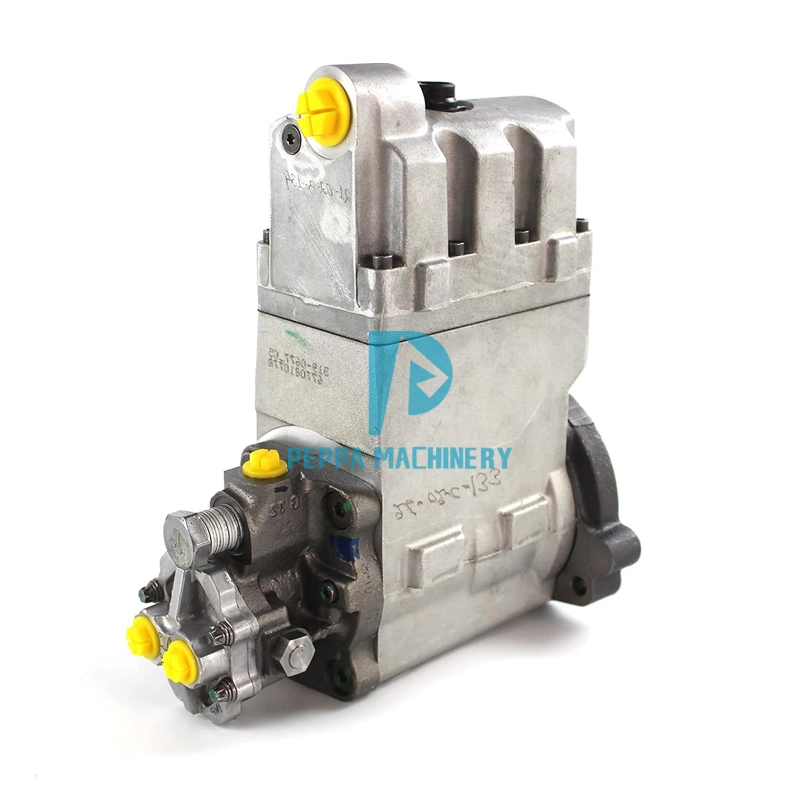
Fuel Feed / Transfer Pump Assembly for Caterpillar C7 & C9 Engines | Direct Replacement for OEM Parts #319-0678, 254-4358, 304-0678, 295-4778, 228-589
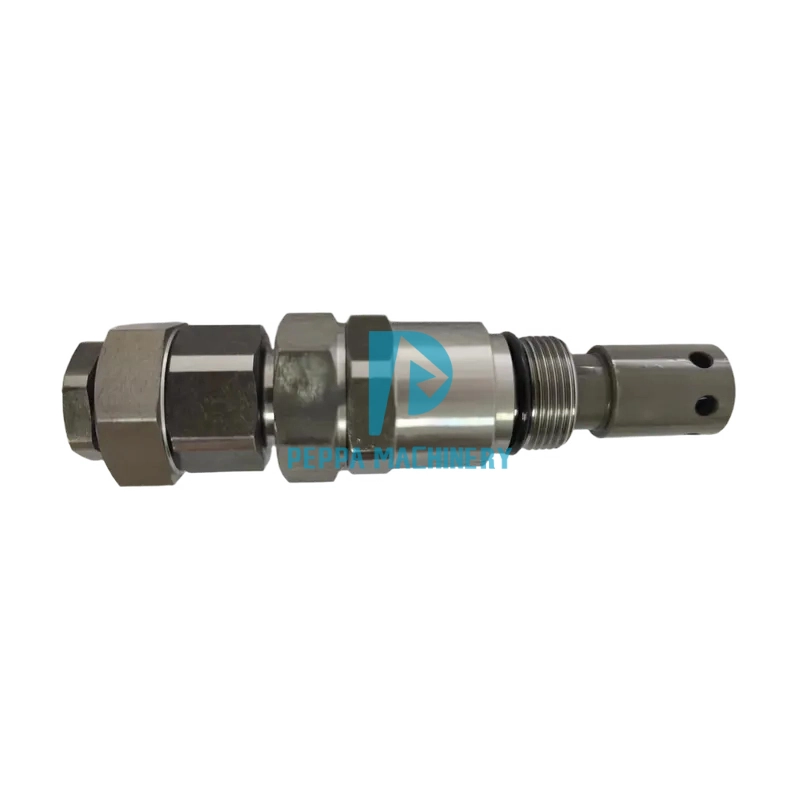
DH220-5 Main Control Valve Relief Valve 2420-1225 for Daewoo Doosan Excavator Solenoid Valve Hydraulic Accessories
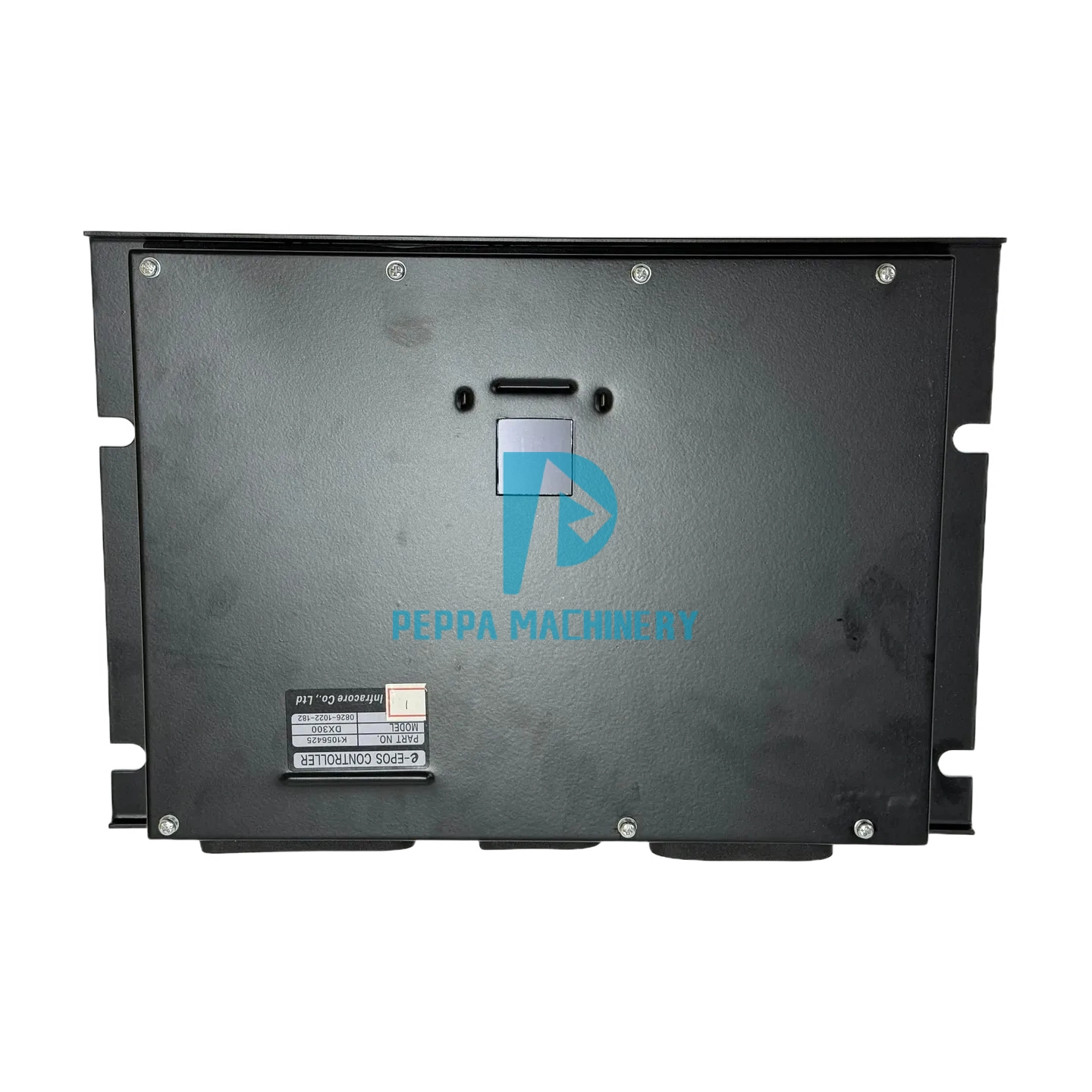
Excavator Control Unit Computer Board K1056425 0826-1022-182 New for Retail Construction Machinery Repair Shops DX300
Excavator Parts
Can I get help choosing the right parts for my machine?
Yes. Our experienced sales team is here to provide professional recommendations and solutions based on your excavator model, part number, or specific requirements.
What brands of excavator parts do you supply?
We supply a full range of parts compatible with major international and Chinese brands, including Caterpillar, Komatsu, Hitachi, Volvo, Doosan, Hyundai, Sany, Liugong, XCMG, Zoomlion, and more.
Do you provide technical support or installation guidance?
While we do not offer on-site installation, we can provide basic technical advice, diagrams, or documentation to assist your technicians with installation and troubleshooting.
Are your parts genuine or OEM?
We offer both genuine parts and high-quality OEM alternatives. You can choose according to your budget and application needs. All OEM products are tested to meet or exceed original specifications.
What types of parts do you mainly offer?
Our main product categories include:
• Engine parts (liner kits, crankshafts, water/oil pumps, etc.)
• Electrical parts (sensors, monitors, throttle motors, wiring harnesses)
• Hydraulic parts (pumps, valves, cylinders)
• Sealing kits (NOK, SKF, PQ brands, floating seals, O-rings)
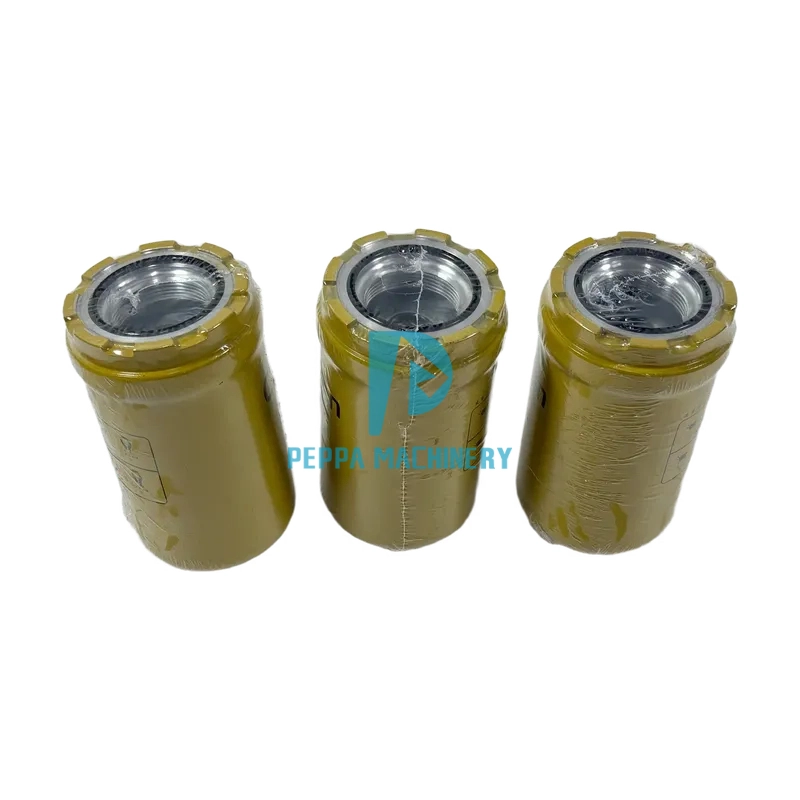
51-8670 Hydraulic Filter Applicable to HF35519 518670 2897836 518670X 1588987 Compatible with Caterpillar 352FVG 325CL
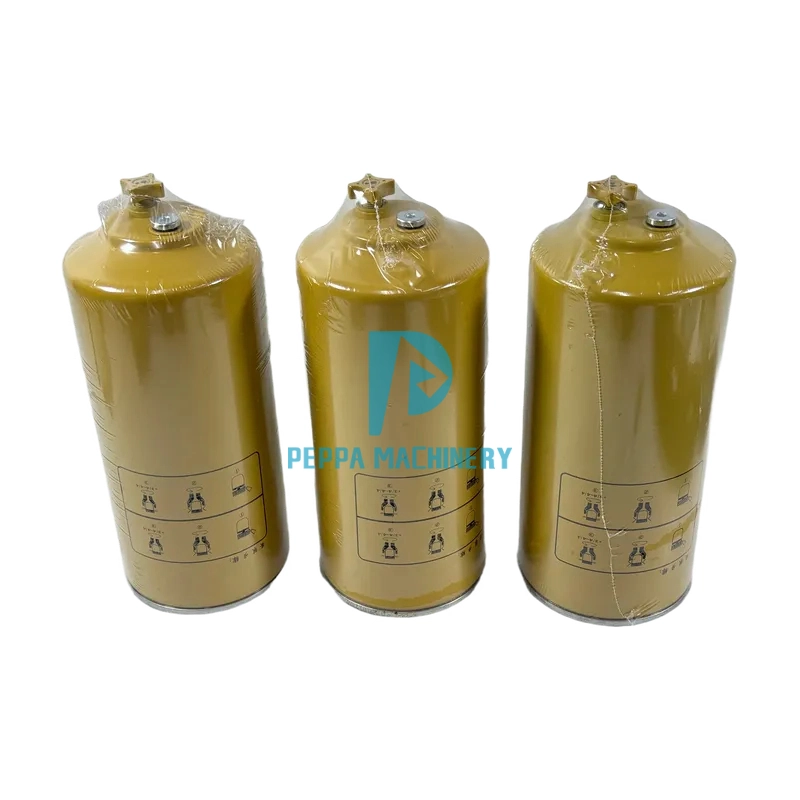
4385386 Fuel Water Separator Fuel Filter 382-0664 Oil-water Separator Hydraulic Oil Filter for CAT 312D2 320D2
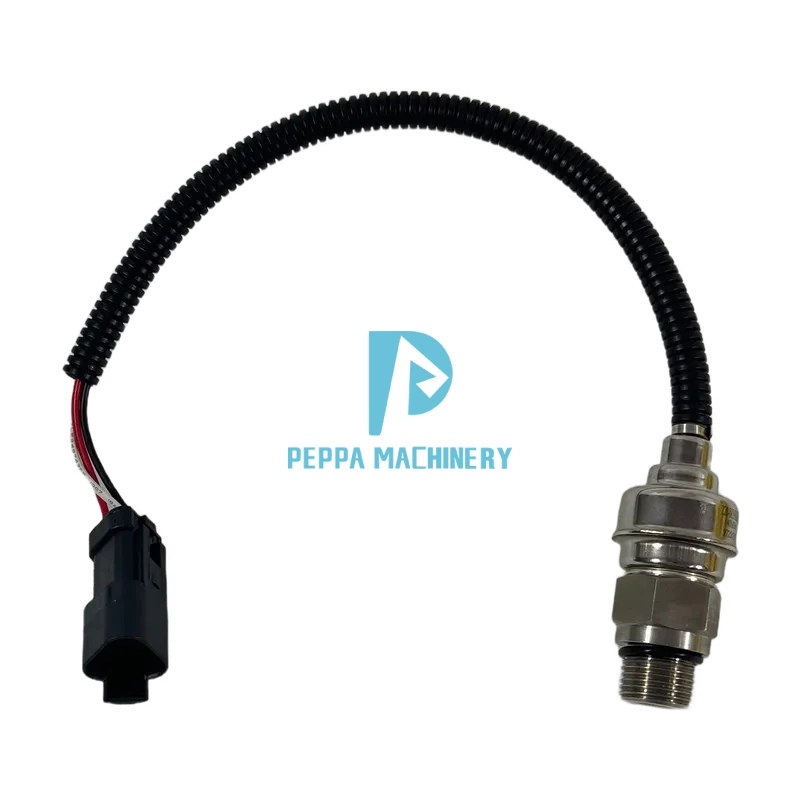
Pressure Sensor 221-8859 106-0178 for Caterpillar CAT 311B 311C 312C 314D 315B 320C 323D 324D 330C 336D 345B 385C
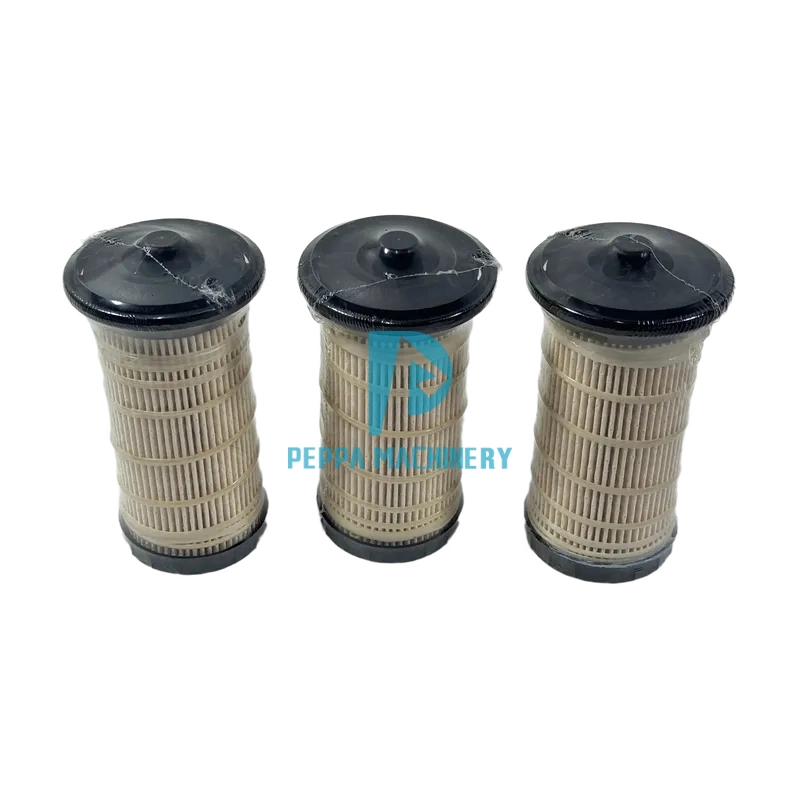
360-8960 Fuel Filter Element for Caterpillar C4.4 & C7.1 Engines | Fits 312D, 320D, 312E, 320E, 326D2, 336D2 Excavators
Get more information
Want to know more? Contact us today to get detailed product specifications, customized solutions, and a free consultation tailored to your needs.
Rest assured that your privacy is important to us, and all information provided will be handled with the utmost confidentiality.

Reliable Source for Quality Excavator Components.
Follow Us
Our Partners


Our Payment Methods


 High Quality
 7/24 Service
 Guaranteed Warranty
 Scan QR Code
Facebook
TikTok
YouTube
Pinterest
Twitter