








How to Verify Excavator Alternator Compatibility with Models?
- Introduction
- Q1: How can I confirm a replacement alternator's OEM part number matches my excavator when the tag is missing?
- Q2: What electrical tests and voltage readings definitively prove alternator compatibility for a 12V vs 24V excavator charging system?
- Q3: How to verify mechanical fitment: pulley type, rotation direction, and mounting flange alignment for retrofit alternators?
- Q4: Can I use an internal-regulator alternator to replace an external-regulator unit on my Komatsu/Hitachi/CAT excavator, and what wiring changes are needed?
- Q5: How to assess alternator amperage capacity vs accessory load (lights, HVAC fans, hydraulic clutches) to prevent undersized alternators?
- Q6: What common pinout wiring adaptations and harness solutions allow upgrading older excavators to modern alternators without cutting OEM wiring?
- Conclusion — Advantages of Thorough Compatibility Verification
Introduction
When purchasing or replacing an excavator alternator, model compatibility errors cause most field failures: wrong voltage, incorrect rotation, mismatched pulley, or regulator wiring conflicts. This guide—based on OEM service practices, electrical test standards, and real-world retrofit experience—answers six specific, high-value questions beginners and fleet managers often face.
Q1: How can I confirm a replacement alternator's OEM part number matches my excavator when the tag is missing?
Problem: Tags get corroded, painted over or torn off in service. A wrong part number substitution often leads to fitment or charging-system failures.
Step-by-step verification:
- Locate the alternator mounting pattern and physical tag area. Measure bolt-circle diameter (BCD), bolt spacing, and bolt diameter — record to the millimeter. Many OEMs (Caterpillar, Komatsu, Hitachi) reuse bolt templates across families.
- Measure pulley details: diameter, number of grooves, groove pitch (for V-belts) or rib count (for serpentine). Record pulley width and hub type (press-fit, taper). Mismatch in pulley pitch is a common cause of belt slippage.
- Count electrical terminals and note connector types (blade, ring, multi-pin, single B+ stud). Note presence of exciter, lamp/indicator, sense, and ground terminals. Photograph both sides of the alternator and harness connectors at 300–600 DPI for supplier verification.
- Open the alternator end-cap (if you can safely) and read rotor/stator stampings; sometimes internal plates have part numbers or casting numbers that cross-reference to OEM catalogs.
- Use the excavator model and serial number to query an OEM parts catalog or vertical parts database. Cross-match the measured physical attributes with part drawings. If the tag is gone, a match requires at least three identical attributes: mounting bolt pattern, electrical connector set, and pulley type.
- If you still lack confidence, request a bench-fit sample or ask your supplier for a core-exchange unit with a clear compatibility guarantee and return policy.
Why this works: OEM part-number equivalence depends more on mechanical interface and electrical interface than on cosmetic appearance. Documenting physical attributes reduces guesswork and prevents costly returns.
Q2: What electrical tests and voltage readings definitively prove alternator compatibility for a 12V vs 24V excavator charging system?
Problem: Installing a 12V alternator on a 24V system (or vice versa) is catastrophic. Confusion also arises with alternators that have internal vs external regulators.
Tests and expected results:
- Open-circuit voltage check (engine off): Measure battery voltage across the battery terminals. For a 12V system the resting battery should read 12.0–12.8 V; for 24V it will read 24.0–25.6 V (two 12V batteries in series). This confirms system nominal voltage before touching the alternator.
- Charging voltage check (engine at ~1500–2000 rpm): With the alternator connected and engine running, measure at the battery positive terminal. Acceptable regulated voltage for 12V systems: 13.8–14.8 V. For 24V systems: 27.6–29.6 V. If the reading is in those ranges, the alternator and regulator are producing the correct nominal output.
- Diode/rectifier test (engine off): Use a digital multimeter's diode function across the alternator’s diode pack or across the B+ and case. Forward direction should show a diode drop (~0.4–0.8 V per diode path). Reverse should be open (OL). A shorted diode will bleed battery voltage or create excessive ripple.
- Ripple test: With engine running, use an oscilloscope or AC millivolt measurement across the battery terminals. Acceptable ripple for a healthy alternator is <100–200 mV AC for most field machines; high ripple indicates rectifier or stator damage and can disrupt sensitive electronics.
- Load test: With engine at rated rpm, turn on electrical loads (lights, blower, heater fans). Voltage should remain within regulated range. A drop below ~13.5 V (12V system) under typical loads suggests insufficient amperage capacity.
Special note: If your alternator has an external regulator, the alternator may produce uncontrolled voltage without the regulator connected—do not run it like that. Always test with the correct regulator connected or bench-test according to the OEM bench procedure.
Q3: How to verify mechanical fitment: pulley type, rotation direction, and mounting flange alignment for retrofit alternators?
Problem: Alternators that look similar may fail to align belts or rotate in the wrong direction (some marine or foreign-sourced alternators have CCW rotation). Mechanical mismatches are the most immediate cause of retrofit failures.
Checklist and measurements:
- Rotation: Identify rotation direction of the original alternator (clockwise or counterclockwise when viewed from the pulley side). The replacement must match rotation; reversing rotation affects internal fan cooling, brush wear, and sometimes diode performance. If the OEM manual does not state rotation, spin the engine by hand or look for directional arrows on the housing.
- Pulley type: Determine belt style — V-belt (number of ribs/grooves matters), or serpentine (multi-rib). Count grooves and measure groove width and pitch. Replace or adapt pulley only if the alternator’s shaft and taper match local machining standards (e.g., 1/2 1/2 tapered vs metric).
- Mounting flange: Measure center-to-center of mounting bolt holes, bolt diameters, and thickness. Confirm the replacement’s shroud clearance and idler positioning. Even 2–3 mm offset can cause idler misalignment and premature belt wear.
- Shaft length and keyway: Measure shaft projection and keyway size; many aftermarket alternators use different shaft lengths that can affect pulley clamping and fan placement.
- Accessory interference: Check for interference with adjacent components (hoses, hydraulic lines) by simulating installed position using photos or a template.
If mechanical modifications are required (adapter brackets, different pulley), document torque specs and balancing requirements. Ideally, avoid modifying the alternator housing unless performed by an experienced shop, because altering rotor alignment or fan placement increases vibration and shortens bearing life.
Q4: Can I use an internal-regulator alternator to replace an external-regulator unit on my Komatsu/Hitachi/CAT excavator, and what wiring changes are needed?
Problem: Internal vs external regulator differences confuse installers. Swapping types without addressing excitation and sensing circuits leads to over/undercharging or no charge at all.
Key considerations and wiring changes:
- Identify the regulator type: An external-regulator alternator will have a simpler stator/regulator interface and typically a single B+ stud plus exciter terminal. Internal-regulator alternators integrate the regulator on the end frame and usually require power to a small control terminal (D+, L, or IG).
- Excitation and indicator lamp wiring: External regulator systems may use an exciter wire and a warning lamp in series to provide initial rotor excitation. Internal-regulator alternators usually include an internal excitation circuit and expect a switched ignition feed on the D+ or IG terminal. To retrofit, rewire the ignition-switched feed to the internal regulator terminal and install a lamp or emulator if required for ECU or lamp logic.
- Sensing: Ensure the replacement alternator senses voltage at the correct point. Some systems use a sense wire located at the dash or battery; internal regulators often assume sensing at the alternator B+ terminal. If the sense point differs, you must move the sense lead or use an external sense wire to the regulator to avoid inaccurate voltage regulation under line loss.
- Fusing and current path: Internal regulators typically route high current from B+ directly to the battery; ensure the main battery cable gauge is adequate and main fuse/CB is rated for the alternator’s max amperage. Install a proper fusible link or high-current fuse if not present.
- ECU interactions: Modern excavators may monitor Alternator Lamp (L) and D+ signals. If you change regulator type, confirm with the machine’s electrical schematic whether the engine ECU or instrument cluster needs a dummy resistor or signal conditioner to properly detect alternator health.
Recommendation: When changing regulator type, request wiring diagrams for both original and replacement units and, if possible, a wiring adapter harness from a reputable supplier to preserve OEM connectors and avoid cutting factory wiring.
Q5: How to assess alternator amperage capacity vs accessory load (lights, HVAC fans, hydraulic clutches) to prevent undersized alternators?
Problem: Many failures are due to alternators that cannot sustain peak accessory loads, causing battery drain, heat, and premature alternator wear.
How to calculate required amperage:
- List all continuous and peak electrical loads with amperage or watt values: headlights, work lights, cab heaters/blowers, hydraulic fans, control valves, glow plugs (if applicable), ECU and sensors, radio, and any aftermarket accessories.
- Measure or look up current draw: If only wattage is listed, convert to amps: amps = watts / system voltage (e.g., a 144 W heater on 12V draws 12 A).
- Identify duty cycle: Some loads operate intermittently (starter motor is not alternator-fed but affects battery state). Include continuous and likely simultaneous loads to find a realistic peak continuous demand.
- Add a safety margin: Industry practice is to choose an alternator with rated continuous output at least 20–30% above the calculated peak continuous load to avoid running at 100% rating. Example: Calculated peak of 95 A -> choose alternator ≥120 A continuous.
- Consider inrush currents and heater/AC compressors: Device start-up currents are higher than running currents. Ensure alternator/regulator can manage these transients without triggering low-voltage conditions; a larger alternator or soft-start components can help.
Note on derating: Alternators produce their nameplate amperage at a specified rpm and ambient temperature. In heavy dust/high-temperature environments typical for excavators, alternators can derate; therefore, choose an alternator with extra capacity or one specified for heavy-duty duty cycles.
Q6: What common pinout wiring adaptations and harness solutions allow upgrading older excavators to modern alternators without cutting OEM wiring?
Problem: Cutting factory harnesses voids warranties and complicates future service. Fleet managers need reversible, OEM-friendly harness adapters.
Practical adapter strategies:
- Use OEM connector swap kits: Many alternator-to-harness conversion kits exist that use OEM-style plugs and pigtails to adapt alternate regulator signals (D+, L, sense) without splicing. Specify your excavator model and serial range to the supplier so they supply the correct mating connector.
- Install inline harness adapters: Fabricate or order an inline adapter harness that plugs into the machine’s original connector and provides the correct terminal layout for the new alternator. Keep the adapter harness length minimal to prevent voltage drop and bundle it with protective loom and labels.
- Employ fuse/relay modules: Instead of re-wiring the sense or IG feed directly, use a relay triggered by an ignition-switched fuse to provide regulated 12V to the new alternator’s control terminal. This keeps OEM wiring intact and isolates alternator high-current paths to new appropriately sized cables.
- Document pinouts and label both connector halves: Use heat-shrink labels and photograph connections. Future maintenance is greatly simplified and reduces diagnostic time.
- Scope and test after adaptation: After installing the adapter, verify voltage at the battery under load, check that the alternator warning lamp behaves properly, and that diagnostic trouble codes are not triggered in the ECU. If the machine uses CAN-bus charging data, ensure no error states are introduced by the adapter.
When in doubt, purchase a pre-engineered harness from a reputable parts supplier or ask for a harness that includes a return policy and certification (ISO9001, CE) where applicable.
Conclusion — Advantages of Thorough Compatibility Verification
Verifying alternator compatibility thoroughly—measuring mechanical fitment, confirming voltage/regulator type, performing electrical tests (diode, ripple, load), and sizing amperage for real accessory loads—reduces field failures, shortens downtime, and protects sensitive electronics. A correct installation improves battery life, reduces heat and vibration stress on the rotor and bearings, and preserves warranty coverage.
For parts, core exchanges, OEM cross-references, or a custom harness, contact JB Parts. We provide alternator compatibility charts, bench-tested units, and harness solutions tailored to excavator models. Visit www.jbpartsgz.com or email jbparts@aliyun.com to request a quote.
Authoritative note: This guidance follows standard OEM service manual practices and electrical testing norms used across Caterpillar, Komatsu, Hitachi and other heavy-equipment manufacturers. Always consult the machine-specific service manual and parts catalog for final verification before installation.

Isuzu SP 4JG1 4JG2 4JG3 Cylinder Liner 1876182070 1-87618207-0 1876182080 1-87618208-0 1876182100 1-87618210-0
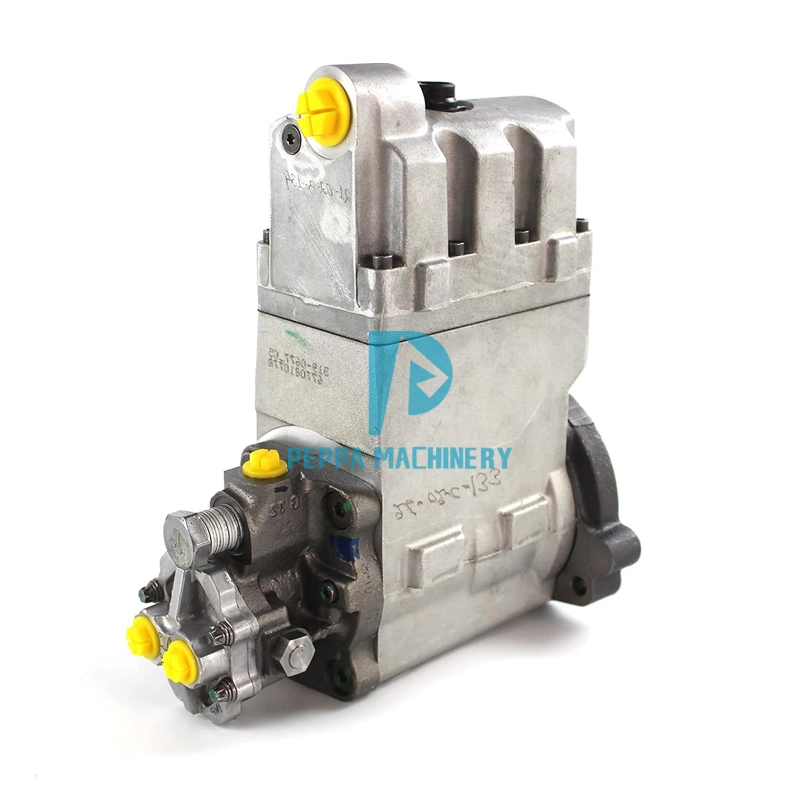
Fuel Feed / Transfer Pump Assembly for Caterpillar C7 & C9 Engines | Direct Replacement for OEM Parts #319-0678, 254-4358, 304-0678, 295-4778, 228-589
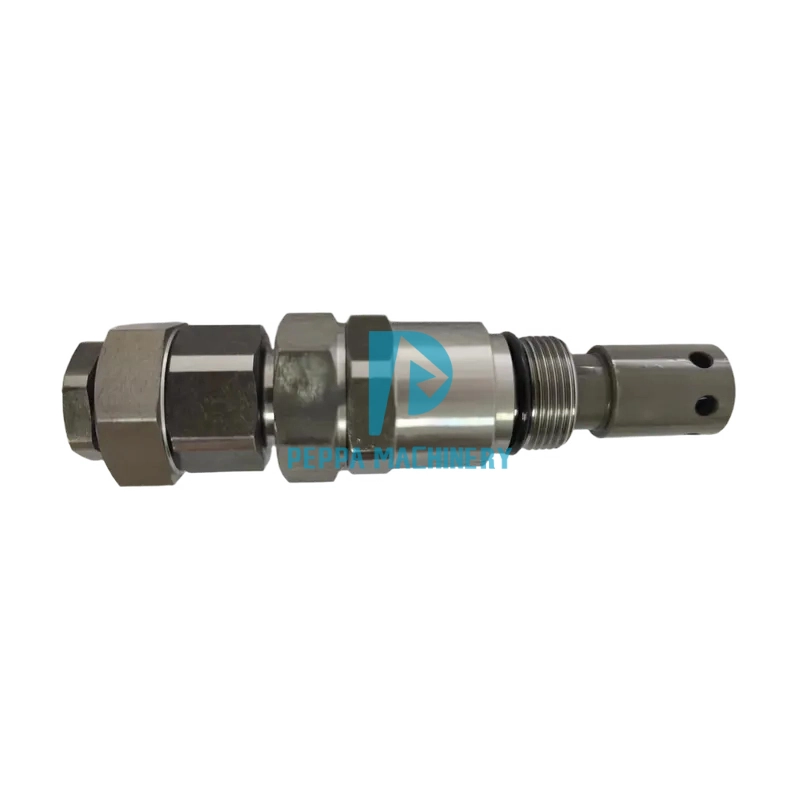
DH220-5 Main Control Valve Relief Valve 2420-1225 for Daewoo Doosan Excavator Solenoid Valve Hydraulic Accessories
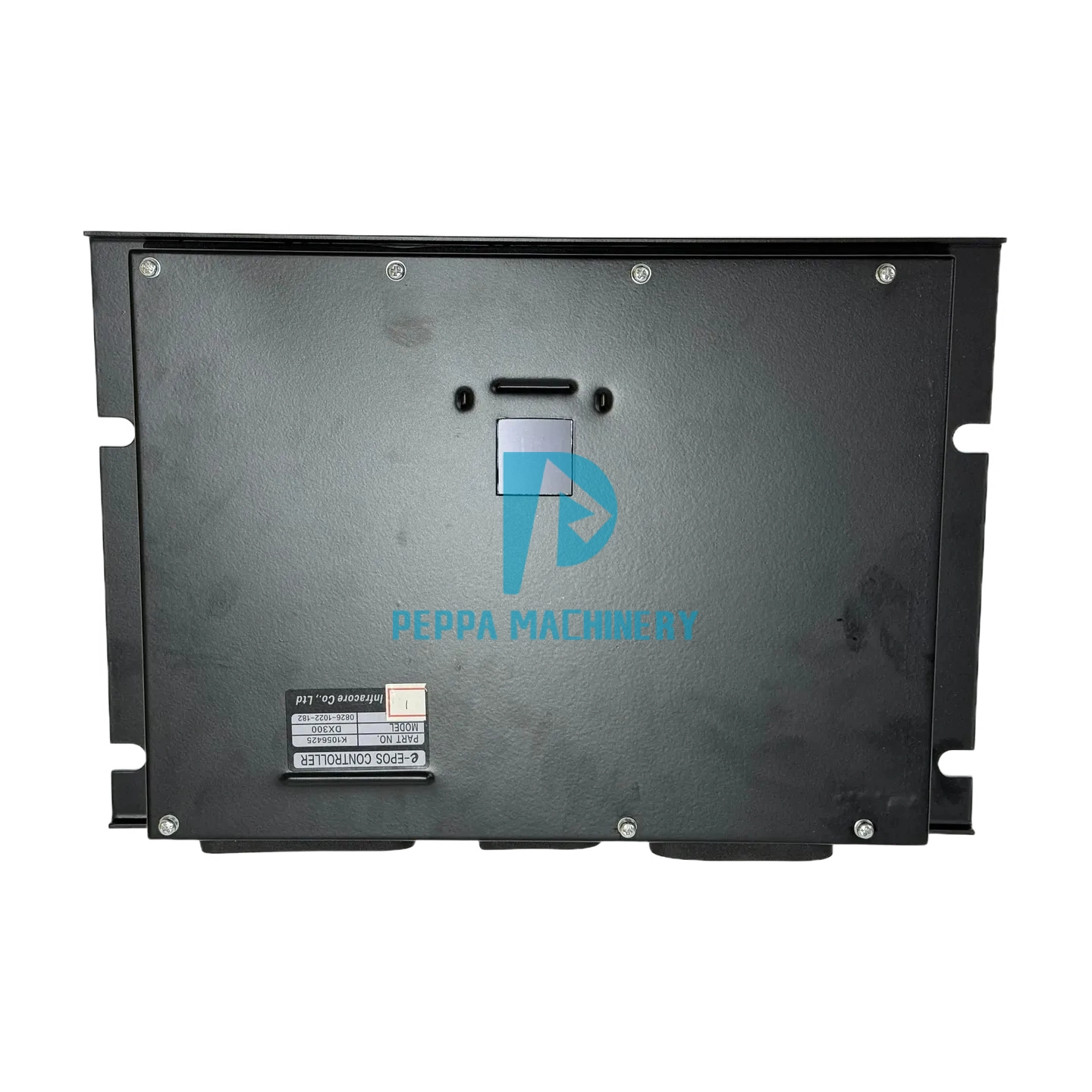
Excavator Control Unit Computer Board K1056425 0826-1022-182 New for Retail Construction Machinery Repair Shops DX300
Excavator Parts
Can I get help choosing the right parts for my machine?
Yes. Our experienced sales team is here to provide professional recommendations and solutions based on your excavator model, part number, or specific requirements.
Are your parts genuine or OEM?
We offer both genuine parts and high-quality OEM alternatives. You can choose according to your budget and application needs. All OEM products are tested to meet or exceed original specifications.
Do you provide technical support or installation guidance?
While we do not offer on-site installation, we can provide basic technical advice, diagrams, or documentation to assist your technicians with installation and troubleshooting.
How can I verify compatibility before placing an order?
Please provide us with your machine brand, model number, and the part number (if available). Our team will double-check the compatibility to ensure you receive the correct parts.
What types of parts do you mainly offer?
Our main product categories include:
• Engine parts (liner kits, crankshafts, water/oil pumps, etc.)
• Electrical parts (sensors, monitors, throttle motors, wiring harnesses)
• Hydraulic parts (pumps, valves, cylinders)
• Sealing kits (NOK, SKF, PQ brands, floating seals, O-rings)
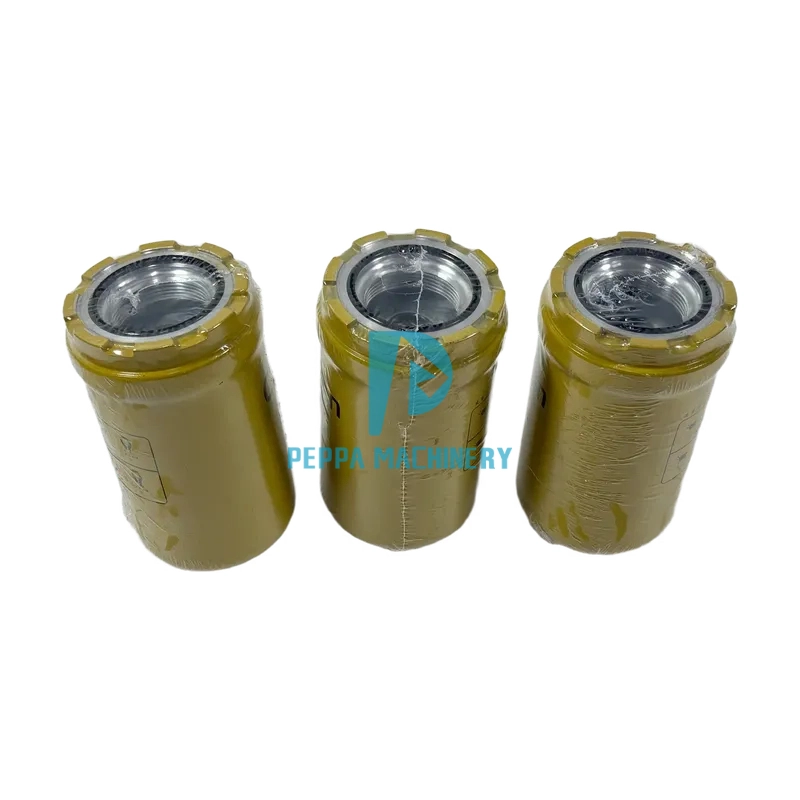
51-8670 Hydraulic Filter Applicable to HF35519 518670 2897836 518670X 1588987 Compatible with Caterpillar 352FVG 325CL
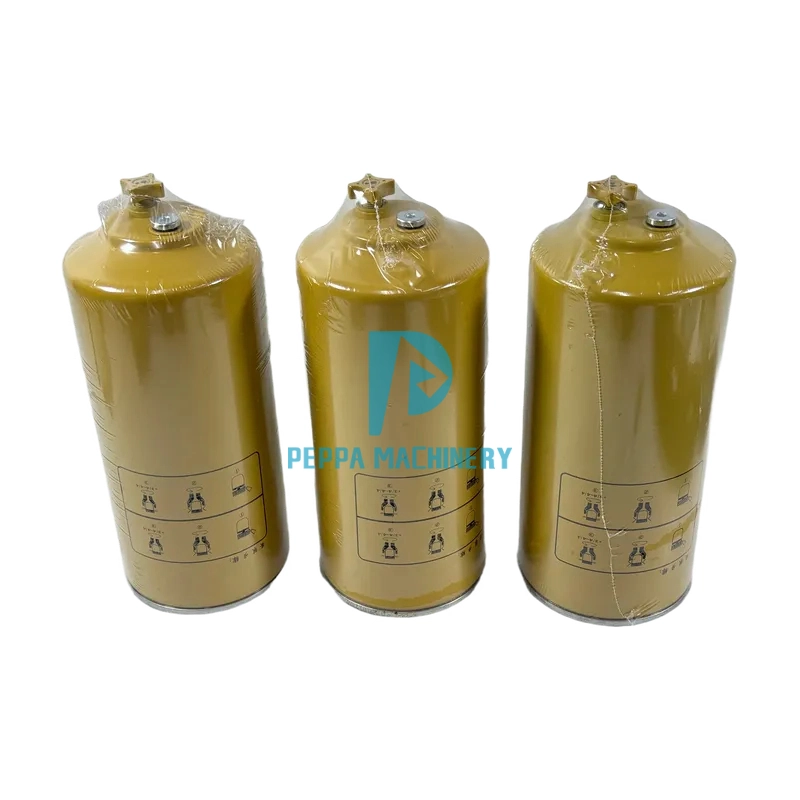
4385386 Fuel Water Separator Fuel Filter 382-0664 Oil-water Separator Hydraulic Oil Filter for CAT 312D2 320D2
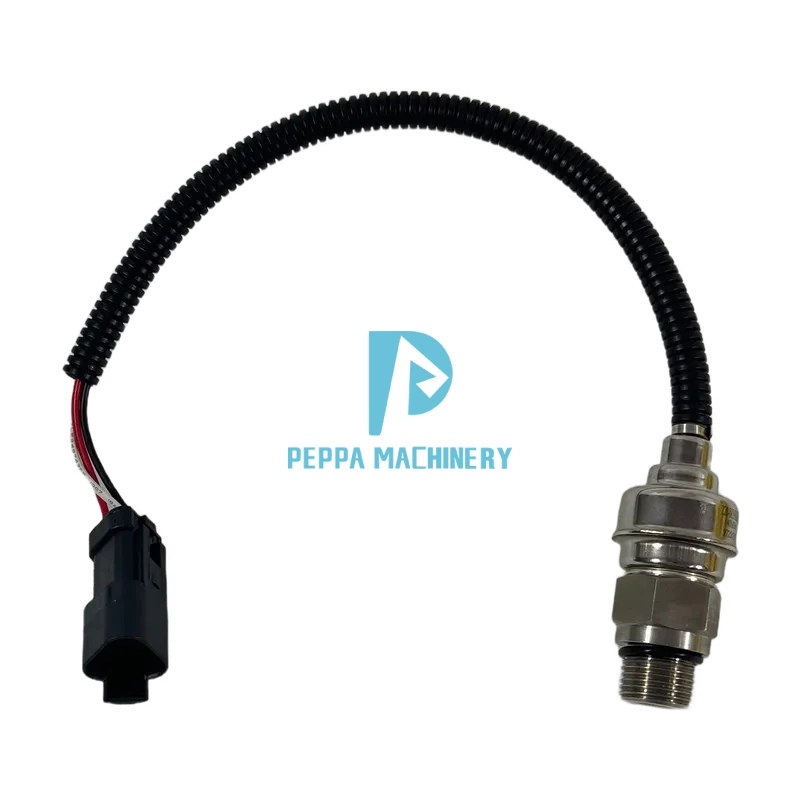
Pressure Sensor 221-8859 106-0178 for Caterpillar CAT 311B 311C 312C 314D 315B 320C 323D 324D 330C 336D 345B 385C
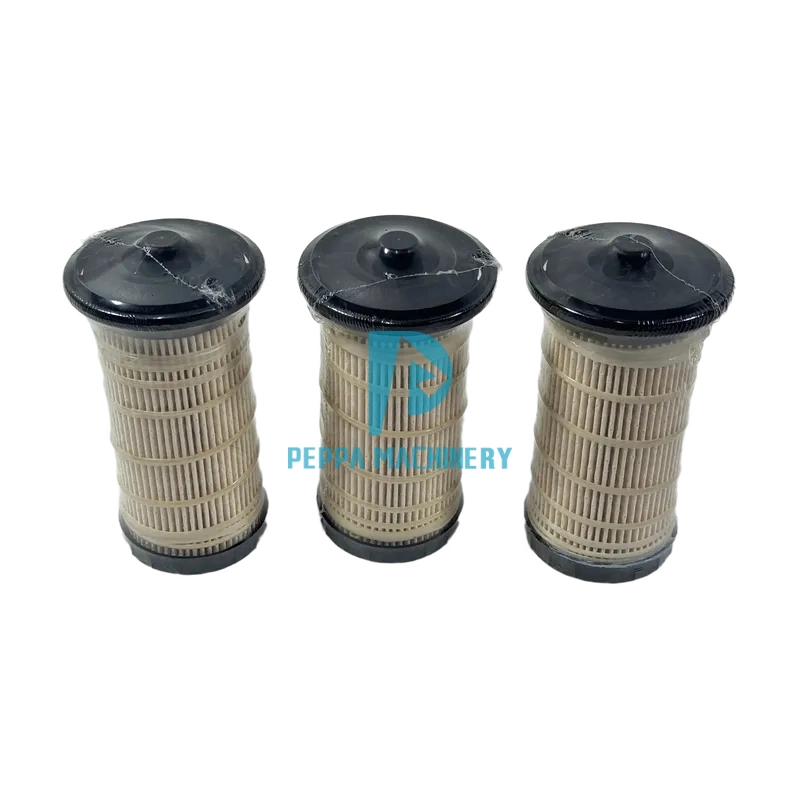
360-8960 Fuel Filter Element for Caterpillar C4.4 & C7.1 Engines | Fits 312D, 320D, 312E, 320E, 326D2, 336D2 Excavators
Get more information
Want to know more? Contact us today to get detailed product specifications, customized solutions, and a free consultation tailored to your needs.
Rest assured that your privacy is important to us, and all information provided will be handled with the utmost confidentiality.

Reliable Source for Quality Excavator Components.
Follow Us
Our Partners


Our Payment Methods


 High Quality
 7/24 Service
 Guaranteed Warranty
 Scan QR Code
Facebook
TikTok
YouTube
Pinterest
Twitter