








OEM or Aftermarket Excavator Alternator: Which Should You Buy?
- 1. How do I determine the correct alternator voltage and amperage for my excavator when the OEM part number is missing?
- 2. Can I safely fit a higher-amperage aftermarket alternator to increase charging capacity?
- 3. How can I test an excavator alternator under load on-site without a bench tester?
- 4. For coastal or saltwater-exposed excavators, are remanufactured OEM alternators better than new aftermarket units?
- 5. When buying online, what specific part markings and seller documentation prove an excavator alternator is genuine OEM and not counterfeit?
- 6. For fleet procurement: how do warranty, core charges, and lifecycle cost compare between OEM, remanufactured, and aftermarket alternators?
As a parts specialist with hands-on excavator charging-system experience, this guide addresses six long-tail, pain-point questions that beginners and fleet techs repeatedly encounter but rarely find fully answered online. Embedded here are practical steps, measurable thresholds, and procurement checks you can use today when sourcing an excavator alternator—whether OEM, remanufactured, or aftermarket. Semantic terms used include alternator amperage, alternator voltage, regulator/rectifier, rotor, stator, remanufactured cores, IP rating, and wiring harness upgrades.
1. How do I determine the correct alternator voltage and amperage for my excavator when the OEM part number is missing?
Why this matters: Installing an undersized alternator causes chronic battery drain and overloaded electrical systems; oversizing without adjustments can overheat wiring or stress belts.
Step-by-step method:
- Confirm system nominal voltage: measure battery open-circuit voltage. ~12.6V = 12V system; ~25.2V = 24V system. Many compact machines are 12V; medium-to-large excavators are typically 24V.
- List electrical loads (amps): compile all continuous and peak consumers—ECU/ECM accessories, heater blowers, lighting (work + beacon), hydraulic valve solenoids, cooling fans, radio/telematics and heated cabs. Use equipment wiring diagram or measure with a clamp meter. Example typical loads: cab heater fan 8–20 A, LED work light 3–6 A each, ECU/telemetry 2–5 A, hydraulic control solenoids 5–25 A intermittently.
- Calculate required charging capacity: add continuous loads + a margin for transient starts and battery recharge. Rule of thumb: required alternator output at idle = continuous load + 20–30% margin. Example: continuous 60 A => target alternator output 75–90 A at service rpm.
- Reference machine class typical outputs: small 12V excavators 50–80 A; mid-size 24V machines 70–120 A; large mining/350+ ton class 24V 150–200+ A. These are industry-typical ranges, not substitutes for measured load.
- Check mechanical fit: pulley diameter vs engine idle rpm must keep alternator RPM in the manufacturer’s working range (consult alternator spec sheet — typically 2000–6000 RPM). Incorrect pulley ratio reduces output at idle.
- Confirm regulator type: internal vs external. External regulators require wiring compatibility and control signals; select a unit matching the machine’s regulator arrangement.
- Benefits: Increased reserve capacity reduces battery discharge under heavy electrical load, improves recharge after extended idling, and supports accessory retrofits.
- Risks: Existing harness, fusible links, and connector ampacity may be undersized; alternator may overheat if duty cycle exceeds cooling capability; mechanical loads through belt and mounting can increase wear.
- Wiring and fuses: Upgrade main output cables to meet the higher continuous current (use copper conductor sizing tables). For example, for continuous 120 A in a 24V system, use cables rated for 150–200 A with low voltage drop. Replace fusible links or circuit breakers to match higher ampacity.
- Battery bank: Ensure battery capacity (Ah) and terminal hardware can accept higher charge rates. Batteries typically accept 0.2C to 0.5C charging; 200 Ah battery at 0.3C accepts 60 A continuously.
- Voltage regulator compatibility: Match regulator setpoints (e.g., 14.2–14.8 V nominal for 12V systems; 28.4–29.6 V for 24V). If the alternator has an internal regulator, ensure the alternator’s setpoint aligns with the machine’s charging strategy (some machines use ECU-controlled charging curves).
- Pulley and belt system: Check that alternator RPM at idle and high engine speeds will keep the alternator within its rated RPM window. Confirm belt load and tension; upgrade belt or tensioners if required.
- Cooling & duty cycle: Higher output alternators produce more heat — ensure adequate airflow, consider additional ventilation, or choose an alternator with improved thermal design and higher IP/ingress protection.
- Measure existing cable cross-section and temperature under high load.
- Confirm overload protection ratings and replace with appropriately sized breakers/fuses.
- Validate regulator setpoint or reprogram external regulator/ECU if needed.
- Document changes and update maintenance records for future troubleshooting.
- Safety first: isolate machine and disable starter circuit if you will work on cables. Observe 24V hazards for large machines.
- Battery baseline: With engine off, measure battery voltage: 12V system fully charged ~12.6–12.8 V; 24V ~25.2–25.6 V. If below these values, charge or replace battery first — a weak battery can mask alternator performance.
- No-load charging voltage: Start engine and bring to typical working idle (refer to service RPM). Measure DC at battery terminals. Expected: 13.8–14.6 V (12V system) or 27.6–29.6 V (24V system). If outside this range, check regulator and wiring.
- Load test: Turn on high-draw accessories (headlights, heater fan, blower, additional lights) and observe voltage at the battery. Acceptable voltage drop under load: usually no more than 0.5–1.0 V from no-load charging voltage. If voltage collapses below ~13.2 V (12V system), alternator not meeting demand.
- Measure output current: Use a DC clamp meter on the alternator output lead if available. Compare measured current to alternator nameplate rating and your load estimation. Continuous outputs near the alternator rating at low speeds indicate marginal capacity.
- Ripple (AC) test: Set multimeter to AC volts and measure across battery terminals while engine runs. Excessive AC ripple (>0.5 VAC on 12V, >1.0 VAC on 24V) suggests diode/rectifier failure or failed stator winding insulation.
- Voltage drop test across harness: With engine running and under load, measure voltage at alternator housing output terminal and at battery terminal; voltage drop should be <0.2–0.3 V ideally. Higher drop indicates undersized or corroded cables/connectors.
- Low charging voltage with minimal ripple: likely regulator or wiring problem.
- Low voltage with high AC ripple: rectifier/diodes or stator damage—replace alternator or rebuild.
- Charging voltage normal but high voltage drop at battery under load: poor cabling/terminals—repair harness before replacing alternator.
- Sealing and ingress protection: IP65–IP67-rated housings and sealed bearings limit salt infiltration.
- Corrosion-resistant hardware: stainless or zinc-plated fasteners, treated castings, and anti-corrosion coatings.
- Conformal coating/varnish: stator and rotor windings treated with marine-grade varnish to prevent moisture intrusion.
- Rectifier/regulator potting: potted or sealed rectifier/regulator assemblies reduce electrical shorts from salt spray.
- Remanufactured OEM (high-quality rebuilds): If performed by reputable remanufacturers who replace bearings, rectifiers, and apply marine-grade varnish and corrosion protection, these units can equal or exceed new aftermarket alternatives in coastal durability. Ask for rebuild specifications (bearing grade, seal type, varnish/impregnation process) and warranty.
- New aftermarket: Quality varies widely. Some High Quality aftermarket manufacturers design improved thermal and corrosion resistance; many budget units skimp on coatings, use lower-grade diodes/rectifiers, or non-sealed bearings. Look for units with explicit IP ratings, stainless hardware, and ISO9001/CE manufacturing documentation.
- OEM part number and cross-reference: Verify the number against the OEM parts catalog using the machine model and VIN/serial number. Genuine parts match application-specific part numbers, not generic alternator numbers.
- Nameplate and serial numbers: Genuine alternators have factory nameplates or stamped castings with consistent font, location, and serial numbering conventions. Ask seller for clear high-resolution photos of the nameplate.
- Weight and dimensions: Compare unit weight to OEM spec sheet—counterfeits often weigh less because of lighter internals.
- Packaging and labels: OEM packaging usually includes branded boxes, barcodes, and part stickers. Counterfeiters commonly rebox cheaper units in fake packaging; professional photos of unopened packaging or verified distributor invoices are helpful.
- Seller credentials: Purchase from authorized dealers, remanufacturers with traceable test reports, or sellers who provide certificates of conformity and test logs (insulation resistance, diode forward drop). Avoid private listings with stock photos only.
- Core and warranty policy: OEM parts typically have clear warranty terms and core return procedures. If the seller offers unusually long warranties or ambiguous core returns, ask for written warranty terms.
- New OEM alternator: $800–$2,500+ per unit (depending on machine and output). Warranty: usually 12–24 months or aligned with machine parts policy.
- New aftermarket alternator: $400–$1,500 per unit. Warranty: commonly 6–12 months; High Quality branded aftermarket parts may offer 12–18 months.
- Remanufactured OEM core: $200–$900 per unit (core charge included/adjusted). Warranty: 6–12 months typically; reputable remanufacturers may offer 12 months with documented rebuild standards.
- Core charge ranges: $50–$300 depending on unit size. Returning a serviceable core reduces replacement cost and supports reman supply chains.
- Ensure core return policies are clear: condition requirements, return window, and refund process to avoid unexpected costs.
- Estimate hourly downtime cost of the machine (variable by fleet and job site: often $100–$2,000/hour). Even a single unscheduled replacement can exceed savings from a cheaper part.
- Model example: If an OEM alternator costs $1,200 with 18-month average life and aftermarket costs $600 with 9-month average life, over 36 months you’d replace aftermarket 4 times vs OEM 2 times. Raw parts cost: OEM $2,400 vs aftermarket $2,400 — parity on parts alone, but differences emerge in failure mode (e.g., sudden failure vs predictable wear), warranty labor coverage, and downtime impact.
- Maintenance and predictability: Remanufactured OEMs with documented rebuild specs can offer the best balance of cost and reliability for fleets if sourced from certified rebuilders.
- Quantify your average downtime cost and typical alternator failure causes (vibration, heat, corrosion). If downtime cost is high, prefer OEM or High Quality reman with longer warranty.
- Standardize parts where possible: pick one supplier with consistent quality, keep a small stock of critical alternators, and track failure modes to inform future purchasing decisions.
- Negotiate core pricing and a warranty that covers both parts and labor for a minimum useful life period aligned to your duty cycle.
Practical tip: If you cannot measure loads immediately, use the battery CCA and engine electrical demands as proxies and choose an alternator rated ~25–40% above the battery recharge current required to keep SOC high under typical duty cycles. Always verify final selection against the machine’s electrical schematic or consult your dealer parts manual.
2. Can I safely fit a higher-amperage aftermarket alternator to increase charging capacity?
Why this matters: Fleets often consider higher-amperage retrofits to support added accessories (telemetry, winches, extra lights), but doing so without system upgrades can cause wiring failures or thermal issues.
Benefits and risks:
Requirements to upgrade safely:
Practical checklist before retrofit:
3. How can I test an excavator alternator under load on-site without a bench tester?
Why this matters: Many shops and field techs must diagnose alternators on-site with limited tools. You can get conclusive results with a multimeter, clamp ammeter, and a systematic procedure.
Tools required: digital multimeter (DC and AC), clamp ammeter (DC capable), basic hand tools, and personal protective equipment (PPE) for 24V systems.
Step-by-step field test:
Interpreting results:
4. For coastal or saltwater-exposed excavators, are remanufactured OEM alternators better than new aftermarket units?
Why this matters: Corrosion accelerates alternator failure—salt, humidity and vibration attack bearings, diodes, and connections.
Key durability factors for coastal use:
Remanufactured OEM vs new aftermarket:
Recommendation: For coastal duty, prioritize construction and protection features over new/reman status. Require documentation: IP rating, seal type, bearing spec, and a test report showing diode leakage and insulation resistance. If buying remanufactured, prefer rebuilders that adhere to OEM rotor/stator tolerances and use marine-grade corrosion protection.
5. When buying online, what specific part markings and seller documentation prove an excavator alternator is genuine OEM and not counterfeit?
Why this matters: Counterfeits can be physically similar but use substandard internals—leading to early failures and warranty headaches.
Definitive verification checklist:
Red flags: mismatched connector orientations in photos, absence of stamped part numbers, unusual weight, poor or generic packaging, reluctance to provide test reports or machine-specific fitment confirmation.
6. For fleet procurement: how do warranty, core charges, and lifecycle cost compare between OEM, remanufactured, and aftermarket alternators?
Why this matters: Lower upfront price can be negated by higher failure frequency and downtime cost—understanding total cost of ownership (TCO) is essential.
Typical price and warranty ranges (industry-typical estimates):
Core charges and returns:
Incorporating downtime into TCO:
Recommendation for fleet managers:
Concluding paragraph summarizing the advantages of each option:
OEM alternators: highest fit-and-forget confidence, original mounting and regulator compatibility, and often superior sealing and thermal designs—best for high-value machines and when minimizing downtime is critical. Remanufactured OEM cores: cost-effective balance—when rebuilt to strict standards they deliver near-OEM reliability with lower upfront cost and environmental benefit. Aftermarket alternators: viable for budget-conscious repairs or when reputable, high-quality aftermarket brands are chosen; however, quality varies, so verify IP ratings, materials, and warranty terms. For coastal or high-vibration environments prioritize sealed construction, corrosion-resistant hardware, and documented test results irrespective of source.
If you need a verified alternator quote, compatibility check, or a fleet procurement plan, contact us for a quote: www.jbpartsgz.com or email jbparts@aliyun.com.

Isuzu SP 4JG1 4JG2 4JG3 Cylinder Liner 1876182070 1-87618207-0 1876182080 1-87618208-0 1876182100 1-87618210-0
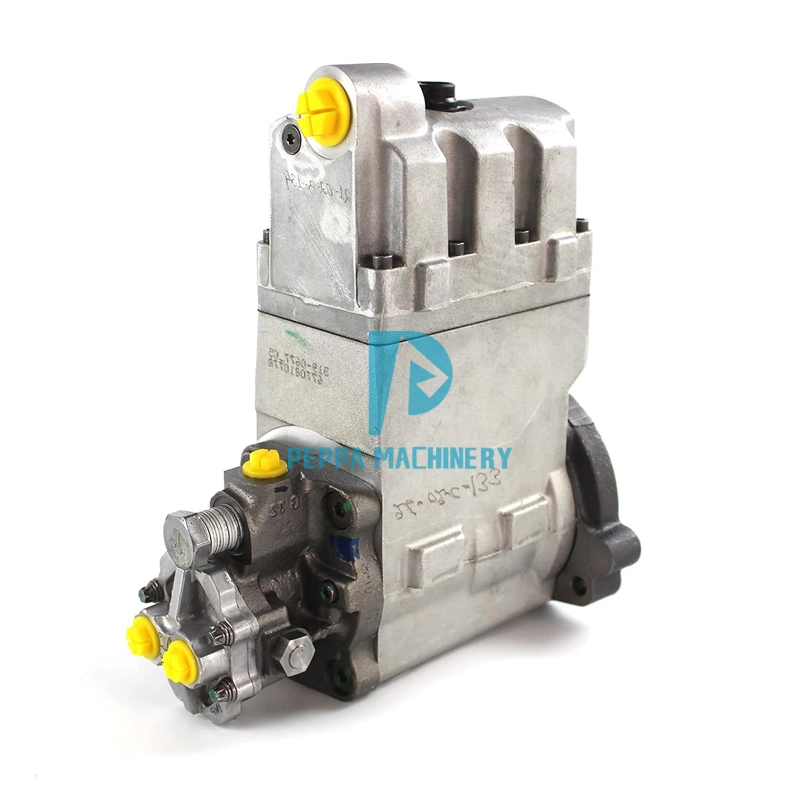
Fuel Feed / Transfer Pump Assembly for Caterpillar C7 & C9 Engines | Direct Replacement for OEM Parts #319-0678, 254-4358, 304-0678, 295-4778, 228-589
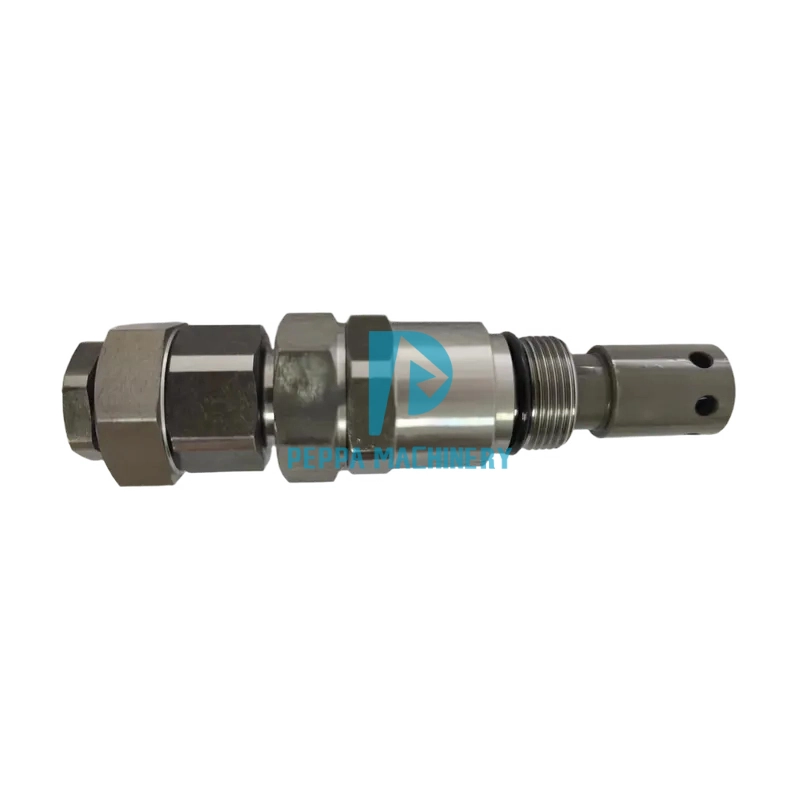
DH220-5 Main Control Valve Relief Valve 2420-1225 for Daewoo Doosan Excavator Solenoid Valve Hydraulic Accessories
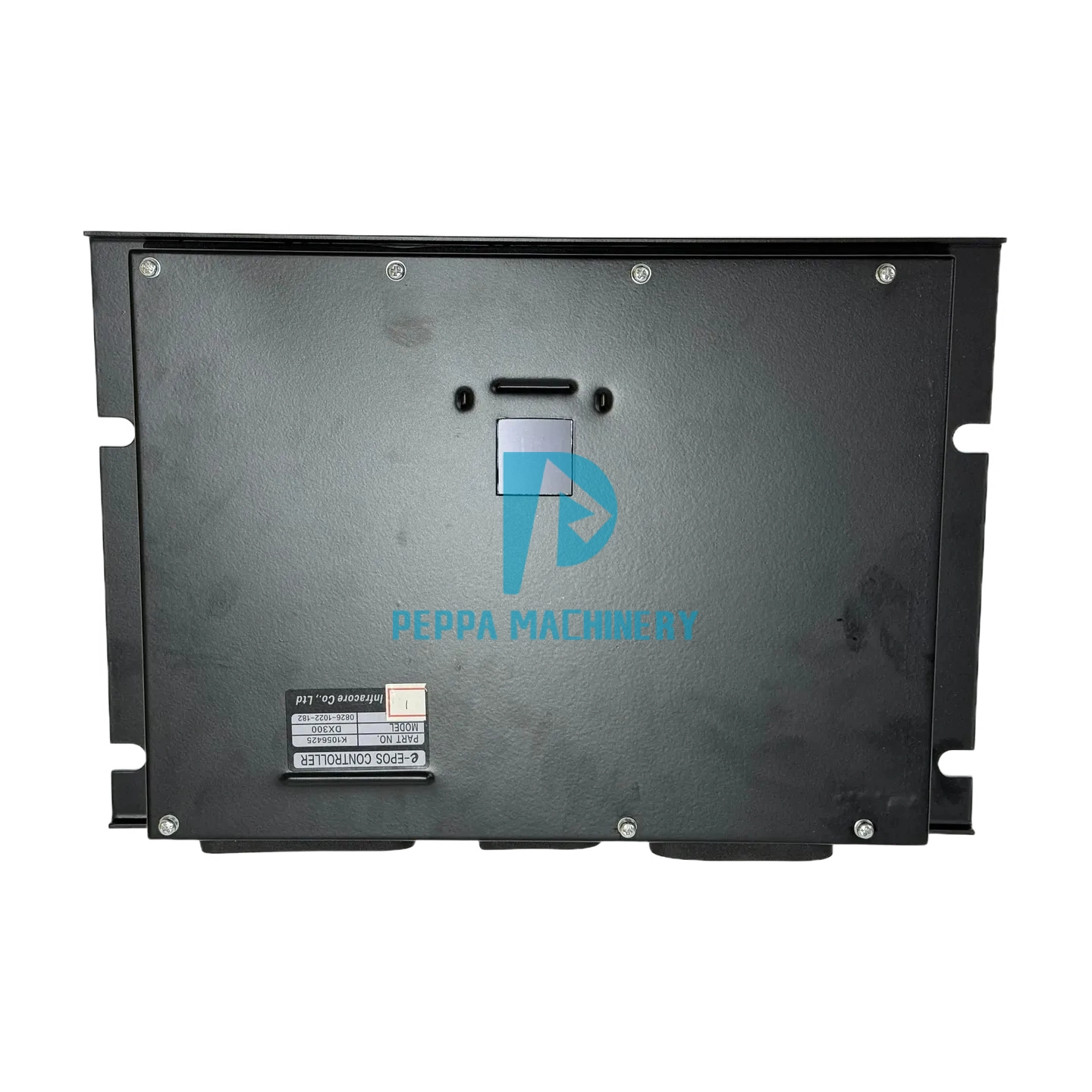
Excavator Control Unit Computer Board K1056425 0826-1022-182 New for Retail Construction Machinery Repair Shops DX300
Excavator Parts
What types of parts do you mainly offer?
Our main product categories include:
• Engine parts (liner kits, crankshafts, water/oil pumps, etc.)
• Electrical parts (sensors, monitors, throttle motors, wiring harnesses)
• Hydraulic parts (pumps, valves, cylinders)
• Sealing kits (NOK, SKF, PQ brands, floating seals, O-rings)
What brands of excavator parts do you supply?
We supply a full range of parts compatible with major international and Chinese brands, including Caterpillar, Komatsu, Hitachi, Volvo, Doosan, Hyundai, Sany, Liugong, XCMG, Zoomlion, and more.
How can I verify compatibility before placing an order?
Please provide us with your machine brand, model number, and the part number (if available). Our team will double-check the compatibility to ensure you receive the correct parts.
Are your parts genuine or OEM?
We offer both genuine parts and high-quality OEM alternatives. You can choose according to your budget and application needs. All OEM products are tested to meet or exceed original specifications.
Do you provide technical support or installation guidance?
While we do not offer on-site installation, we can provide basic technical advice, diagrams, or documentation to assist your technicians with installation and troubleshooting.
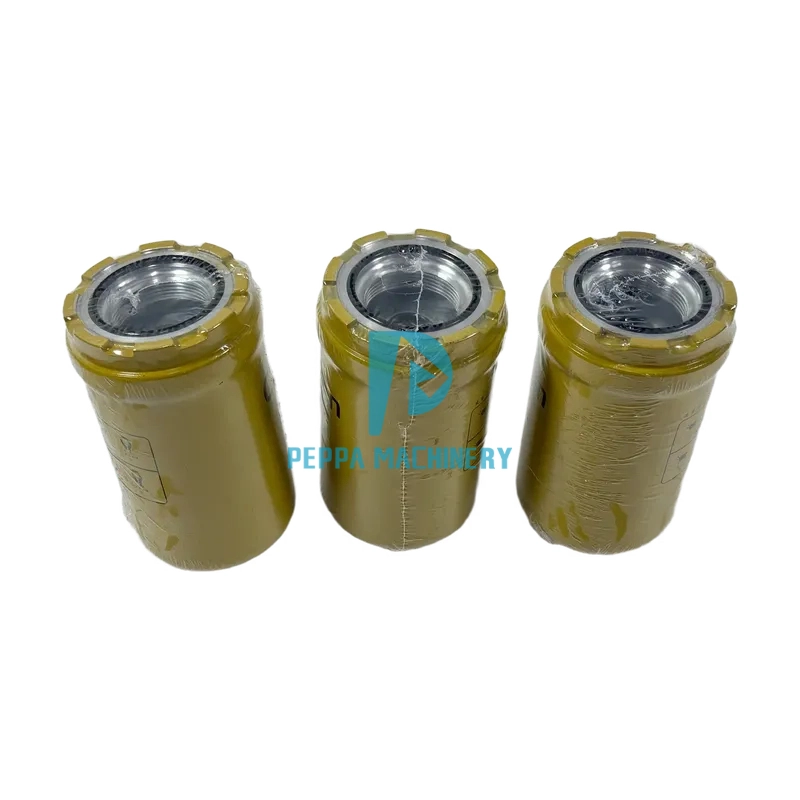
51-8670 Hydraulic Filter Applicable to HF35519 518670 2897836 518670X 1588987 Compatible with Caterpillar 352FVG 325CL
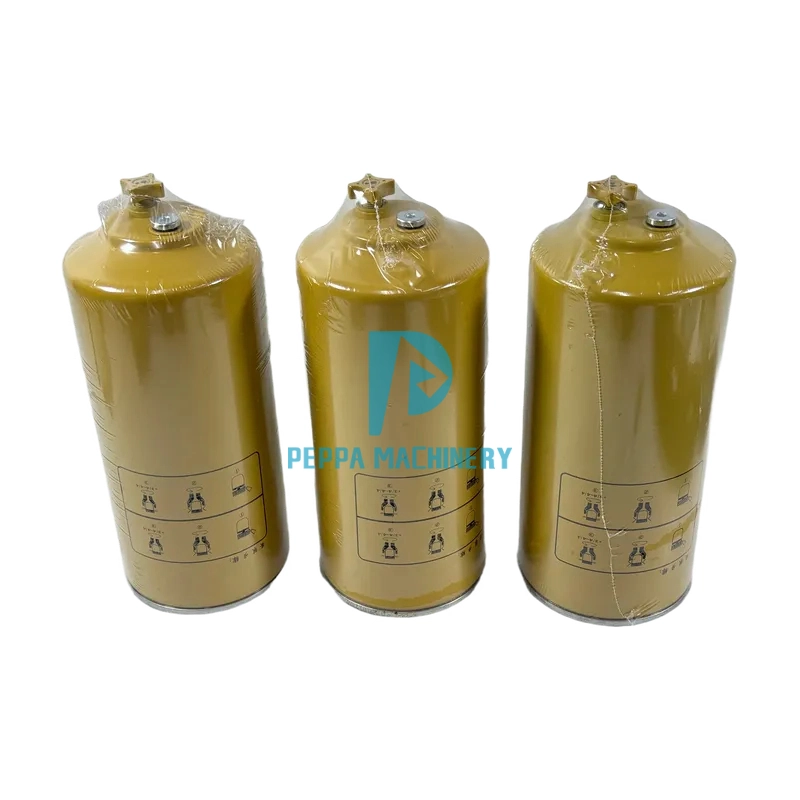
4385386 Fuel Water Separator Fuel Filter 382-0664 Oil-water Separator Hydraulic Oil Filter for CAT 312D2 320D2
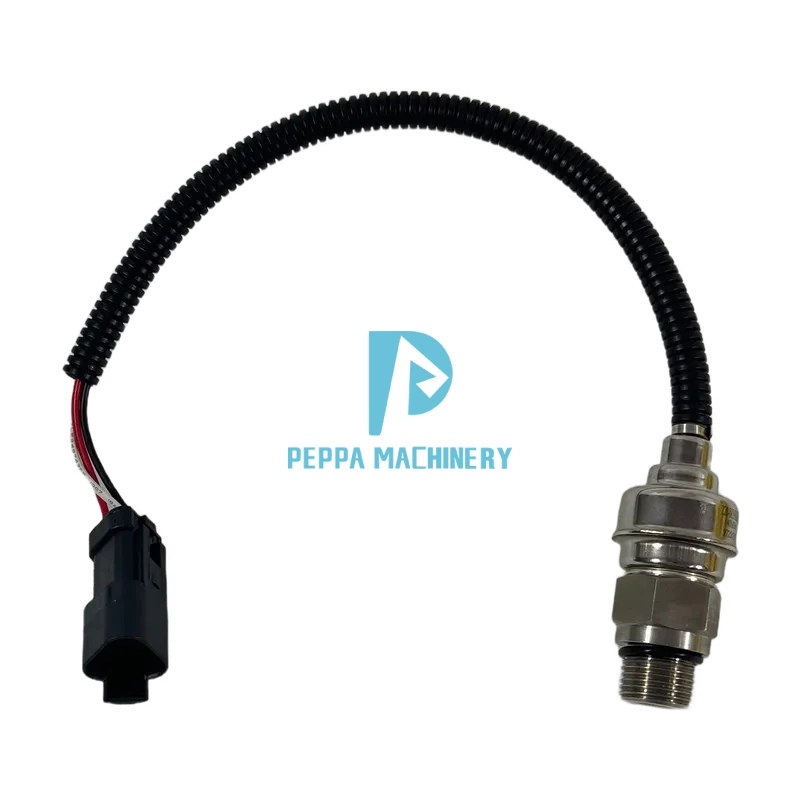
Pressure Sensor 221-8859 106-0178 for Caterpillar CAT 311B 311C 312C 314D 315B 320C 323D 324D 330C 336D 345B 385C
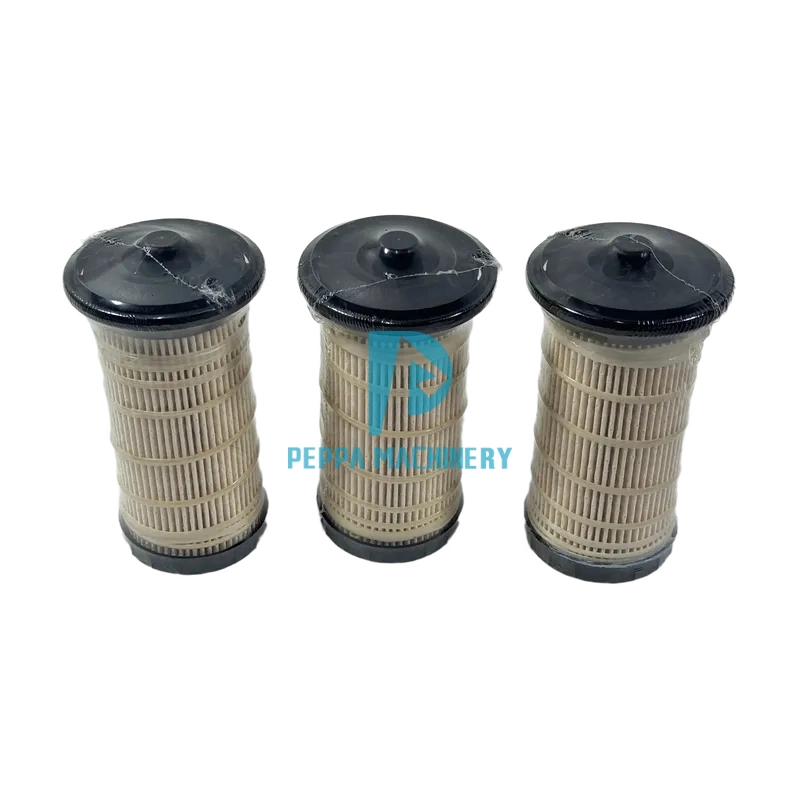
360-8960 Fuel Filter Element for Caterpillar C4.4 & C7.1 Engines | Fits 312D, 320D, 312E, 320E, 326D2, 336D2 Excavators
Get more information
Want to know more? Contact us today to get detailed product specifications, customized solutions, and a free consultation tailored to your needs.
Rest assured that your privacy is important to us, and all information provided will be handled with the utmost confidentiality.

Reliable Source for Quality Excavator Components.
Follow Us
Our Partners


Our Payment Methods


 High Quality
 7/24 Service
 Guaranteed Warranty
 Scan QR Code
Facebook
TikTok
YouTube
Pinterest
Twitter