








How to maintain your excavator alternator to extend lifespan?
- 1. Why does my excavator alternator charge intermittently after long idling in dusty, high-temperature sites?
- 2. How can I test an excavator alternator diode rectifier on-site without removing the alternator?
- 3. What belt tension, alignment tolerances, and pulley checks prevent premature alternator bearing failure on 20-ton excavators?
- 4. How to determine if a charging fault is caused by the voltage regulator versus stator/rotor mechanical failures?
- 5. What exact inspection intervals and measurable thresholds (brush length, pulley play, output voltage) should rental fleets use to schedule alternator servicing?
- 6. How to select a compatible replacement alternator (OEM vs aftermarket) for older Komatsu/Cat/Hitachi excavators to avoid ECU charging errors?
As a parts supplier and maintenance advisor working with heavy equipment fleets, in this guide we answer six specific, high-value questions that beginners (and busy technicians) often search for but rarely find in depth online. Embedded here are practical test procedures (multimeter and clamp meter), service intervals, and part-selection advice so you can diagnose charging faults, extend alternator life, and choose compatible replacement alternators for excavators. For parts and replacements see www.jbpartsgz.com or contact jbparts@aliyun.com.
1. Why does my excavator alternator charge intermittently after long idling in dusty, high-temperature sites?
Symptoms: alternator charges normally after cold start but charging drops intermittently after prolonged idling, especially in dusty or hot environments.
Primary causes and how to confirm:
- Thermal cycling and regulator heat-saturation: Many alternator voltage regulators (internal or external) are sensitive to sustained high housing temperatures. When the regulator or internal electronic components overheat they may reduce excitation current, causing intermittent charge. Confirm by measuring charging voltage before and after a prolonged idle and when engine bay is cooler. For 12V systems expect 13.8–14.6V (24V systems: 27.6–29.2V). If voltage falls after extended idling and returns after cooldown, suspect thermal/regulator issue.
- Dust/clogged cooling passages: Dust and grit reduce alternator cooling. Visual inspection: remove cover (if accessible) and check cooling fins/air paths. Use compressed air to blow out debris. Repeat test under the same idle conditions to see if cooling restoration stabilizes charging.
- Slip-ring or brush heating from poor contact: Poor brush contact increases local heating. With engine idling, measure the voltage at the alternator output and the exciter (field) lead. If field voltage collapses under heat, brushes or slip rings may be worn/dirty. Inspect brush length and slip-ring surface for scoring or pitting.
- Battery or harness heating causing voltage-sensing error: Voltage sense wires routed near hot manifolds can present false readings to the regulator. Trace sense wire routing; temporarily move sense point to battery positive and re-check charging behavior.
Quick fixes and preventive steps:
- Clean alternator cooling fins and surrounding area; maintain engine bay airflow.
- Inspect and, if necessary, replace brushes and clean slip rings (replace if grooved or pitted deeper than ~0.3 mm).
- Relocate or shield voltage sense wiring away from heat sources; use high-temperature sleeving.
- If regulator overheating is confirmed, replace the regulator or alternator with a unit rated for heavy-duty/high-temperature duty cycles (verify OEM spec or heavy-duty aftermarket ratings).
2. How can I test an excavator alternator diode rectifier on-site without removing the alternator?
Faulty diodes cause battery drain, AC ripple, or reduced charging. You can perform effective on-site checks using a digital multimeter with DC and diode-test functions and an AC clamp if available.
Step-by-step on-site diode test:
- Safety: Park on level ground, set parking brake, switch off engine. Disconnect battery negative if you will remove connectors; many on-site tests below do not require removal but be cautious to avoid shorts.
- DC output ripple test: With engine running at ~1500–2000 rpm, set multimeter to AC mV. Measure AC voltage at the battery terminals. For a healthy alternator the AC ripple should be low—typically below 100 mV AC (0.1 V AC) on most 12V systems. Values higher indicate bad diodes or rectifier issues.
- Battery voltage under load: With engine running and electrical loads on (lights, HVAC blower), measure DC voltage at battery. Voltage should remain within charging spec (12V system: 13.6–14.6V). If voltage drops and ripple is high, suspect rectifier diodes.
- Diode forward/reverse check via alternator connector (engine off): With the alternator isolated by its connector (do not unplug battery), use diode mode at the alternator output terminals accessible on the housing or via the plug. A good diode shows ~0.5–0.8V forward drop and open or very high resistance in reverse. If both directions show conduction or no direction conducts, diodes are suspect. If access to individual diode terminals is not possible on-site, rely on AC ripple and charging behavior tests as above.
- Confirm with clamp meter: With engine at working rpm and lights on, measure output current with clamp meter at output lead. Compare to expected alternator capacity (nameplate). Low output plus high AC ripple = rectifier/diode failure probable.
If you confirm diode failure, replacement of the rectifier pack or the entire alternator (depending on model availability and cost) is recommended—do not attempt solder repairs in the field for heavy-equipment alternators.
3. What belt tension, alignment tolerances, and pulley checks prevent premature alternator bearing failure on 20-ton excavators?
Pulleys and belt alignment impose side loads on alternator bearings. On heavy excavators (approx. 20-ton class), correct drive geometry and belt condition are critical to avoid bearing failures that present as growling or play.
Practical tolerances and checks:
- Belt type: Many large excavators use v-belts or serpentine belts rated for heavy duty. Always replace with OEM-specified belt type (not generic light-duty belts).
- Tension (deflection method): With the belt cold, apply moderate thumb pressure at midpoint of the longest run. Target deflection is typically 10–15 mm (0.4–0.6 in) for most heavy-equipment belts—refer to OEM spec for exact value. Excessive tension (>15 mm stiffness) increases bearing load; too loose (>15 mm deflection) causes slippage and heat.
- Alignment tolerance: Pulley centerlines should be colinear within 1–2 mm across the span. Use a straightedge or laser alignment tool. Misalignment increases radial loads and shortens bearing life.
- Pulley inspection: Check for scoring, corrosion, or loose set screws on the alternator pulley. Pulley wobble more than 0.5 mm runout at the rim indicates replacement or re-machining is needed.
- Mounting brackets: Ensure alternator bracket bolts are torqued to spec and that tensioner arm bushings are not worn. Worn tensioner pivots allow belt slip and fluctuating loads on bearings.
Maintenance routine: check belt condition, deflection, and pulley alignment every 250 engine hours or during every scheduled engine service. Replace belts on visible cracking, glazing, or if age exceeds OEM interval.
4. How to determine if a charging fault is caused by the voltage regulator versus stator/rotor mechanical failures?
Charging faults can originate from regulator electronics or from the electromechanical components (stator/rotor windings, slip rings, brushes, rectifier). Distinguishing them quickly saves downtime.
Diagnostic workflow (ordered to minimize disassembly):
- Baseline voltage measurement: With engine running at working rpm, measure battery voltage. For 12V systems, 13.8–14.6V indicates regulator and alternator are likely working. A voltage significantly higher than 15V suggests regulator overcharging. A voltage below 13.2V suggests undercharging or mechanical fault.
- Field excitation check: Locate the alternator field/indicator connector. With engine running, measure voltage on the field terminal relative to alternator case (or battery negative). Presence of appropriate field voltage while output is low suggests rotor or rectifier/stator issue. Absence of field voltage suggests regulator or wiring fault.
- Brush and slip-ring inspection: Remove small access covers where available. Worn brushes (remaining length below 3–4 mm depending on design) or heavily scored slip rings cause intermittent or no excitation even with a functioning regulator.
- Diode/rectifier quick test: Use the AC ripple test (see Q2). High ripple with low DC output indicates rectifier/stator issues; regulator may still be fine.
- Regulator bench isolation: If the alternator is removable and you have a bench tester, run the alternator with an external regulated field supply. If alternator outputs correctly under bench excitation, original regulator is likely faulty.
- Substitute test: Where practical, swap with a known-good alternator/regulator assembly of matching voltage/spec (on rental or fleet units) to isolate the bad component quickly.
Notes: Many modern excavators use alternators with integrated regulators; replacement is often more practical than repairing internal electronics. Always follow OEM resistance and voltage specs for field excitation when bench-testing.
5. What exact inspection intervals and measurable thresholds (brush length, pulley play, output voltage) should rental fleets use to schedule alternator servicing?
Rental fleets need predictable maintenance intervals to avoid unexpected failures. Use both time/usage and measurable thresholds to trigger service.
Recommended schedule and thresholds:
- Basic visual/operational check: every 250 engine hours or monthly (whichever comes first). Check belt condition, connectors, and charging voltage at idle and at working rpm.
- Intermediate inspection: every 500 engine hours. Remove covers, inspect brushes, slip rings, rectifier cooling, bearing play, and clean debris. Replace belts if worn.
- Brush length threshold: replace brushes when remaining carbon is less than 3–4 mm (or per OEM spec). New brush lengths vary by alternator model—record new length at install for fleet tracking.
- Pulley/bearing play threshold: axial or radial play >0.5 mm at pulley rim or noticeable growl under load = service/replace alternator.
- Voltage thresholds: 12V systems should charge between 13.8–14.6V at 1500–2000 rpm. If resting battery voltage (engine off) is below 12.4V after a working shift, investigate charging. Under-load voltage dip below 13.2V indicates reduced alternator capacity—schedule immediate inspection.
- Record keeping: log alternator output voltage, brush replacement dates/lengths, and belt replacements. Use these records to shift from calendar maintenance to condition-based maintenance when patterns emerge.
For high-utilization rental fleets, shorten inspection intervals to every 200–300 hours for units operating in harsh environments (coastal, dust, high heat).
6. How to select a compatible replacement alternator (OEM vs aftermarket) for older Komatsu/Cat/Hitachi excavators to avoid ECU charging errors?
Compatibility goes beyond simple voltage: modern excavators' ECUs may expect specific alternator waveform characteristics, CAN/diagnostic communications, or sense-wire configurations. For older models without ECU communication, mechanical and electrical specs are still critical.
Selection checklist (practical steps):
- Identify exact OEM part number and alternator specifications from the machine plate or parts manual (voltage, amp rating, mounting type, pulley type, connector pinout). If the plate is missing, document physical measurements and electrical connector pinout carefully.
- Match electrical specs: voltage (12V vs 24V), rated output amps at specified rpm, and charging regulator type (built-in or external). The replacement must meet or exceed the original amp rating to avoid overheating or underperforming.
- Verify mechanical fit: mounting bolt pattern, pulley diameter/spline, shaft diameter, and overall envelope must match. Even small differences in pulley diameter change charging rpm and output.
- Connector and sense wiring: Confirm pinout for sense, lamp, and field connections. Some aftermarket units use different pin assignments; miswired sense leads can produce over/undercharging or ECU fault codes.
- ECU compatibility: For machines with charging system monitoring, choose a replacement proven in your model line or consult the machine's dealer. If the alternator communicates with the ECU, verify any required CAN interface or pulsed outputs are supported by the replacement part.
- OEM vs aftermarket decision: Use OEM parts when machine-specific electronic behavior matters (ECU interactions) or when fitment is critical. High-quality aftermarket options can be acceptable if they provide exact electrical/mechanical matches and a proven warranty. Request datasheets from suppliers showing voltage curves, internal regulator specs, and pinouts.
- Testing after fitment: After installation, validate charging voltage, AC ripple, and ECU fault codes (if applicable) under working loads. Road-test or operate hydraulic systems to simulate real electrical demand.
If you need help cross-referencing part numbers or verifying pinouts for Komatsu, Caterpillar, Hitachi, or other brands, suppliers such as JB Parts can provide cross-reference assistance and compatibility confirmation. Contact www.jbpartsgz.com or jbparts@aliyun.com for verified replacements and technical datasheets.
Safety and best-practice reminders: always disconnect batteries before major work, avoid shorting alternator terminals, replace belts with OEM-recommended types, and keep electrical connectors clean with dielectric grease to prevent corrosion.
Concluding summary: Regular inspection (250–500 hours), correct belt tension and alignment, brush/slip-ring checks, diode/ripple tests, and matching replacement alternator electrical/mechanical specs are the most effective measures to extend alternator lifespan and reduce unplanned excavator downtime. Choosing quality replacements (OEM or proven aftermarket) and creating a fleet service log yields predictable life-cycle costs and fewer roadside failures. Advantages of following these steps include reduced repair cost per hour, improved uptime, and extended battery and starter life when the charging system is stable.
Contact us for a quote: visit www.jbpartsgz.com or email jbparts@aliyun.com.

Isuzu SP 4JG1 4JG2 4JG3 Cylinder Liner 1876182070 1-87618207-0 1876182080 1-87618208-0 1876182100 1-87618210-0
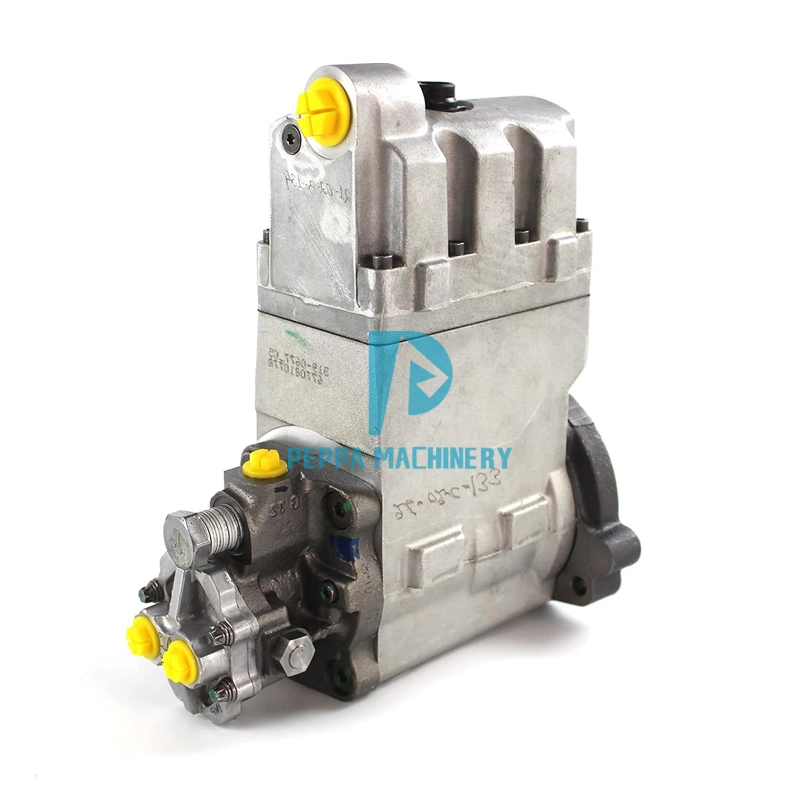
Fuel Feed / Transfer Pump Assembly for Caterpillar C7 & C9 Engines | Direct Replacement for OEM Parts #319-0678, 254-4358, 304-0678, 295-4778, 228-589
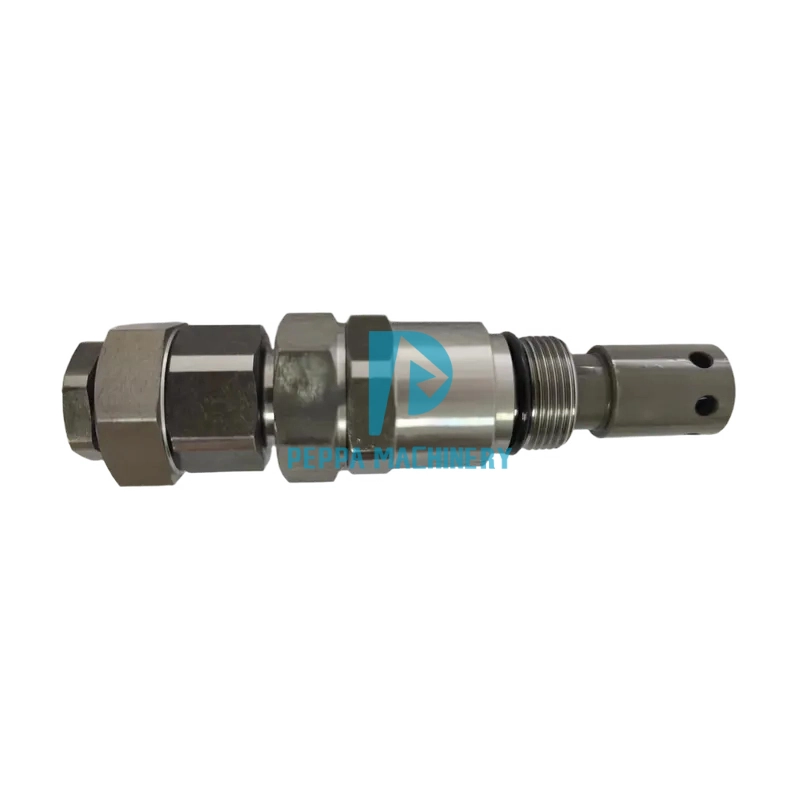
DH220-5 Main Control Valve Relief Valve 2420-1225 for Daewoo Doosan Excavator Solenoid Valve Hydraulic Accessories
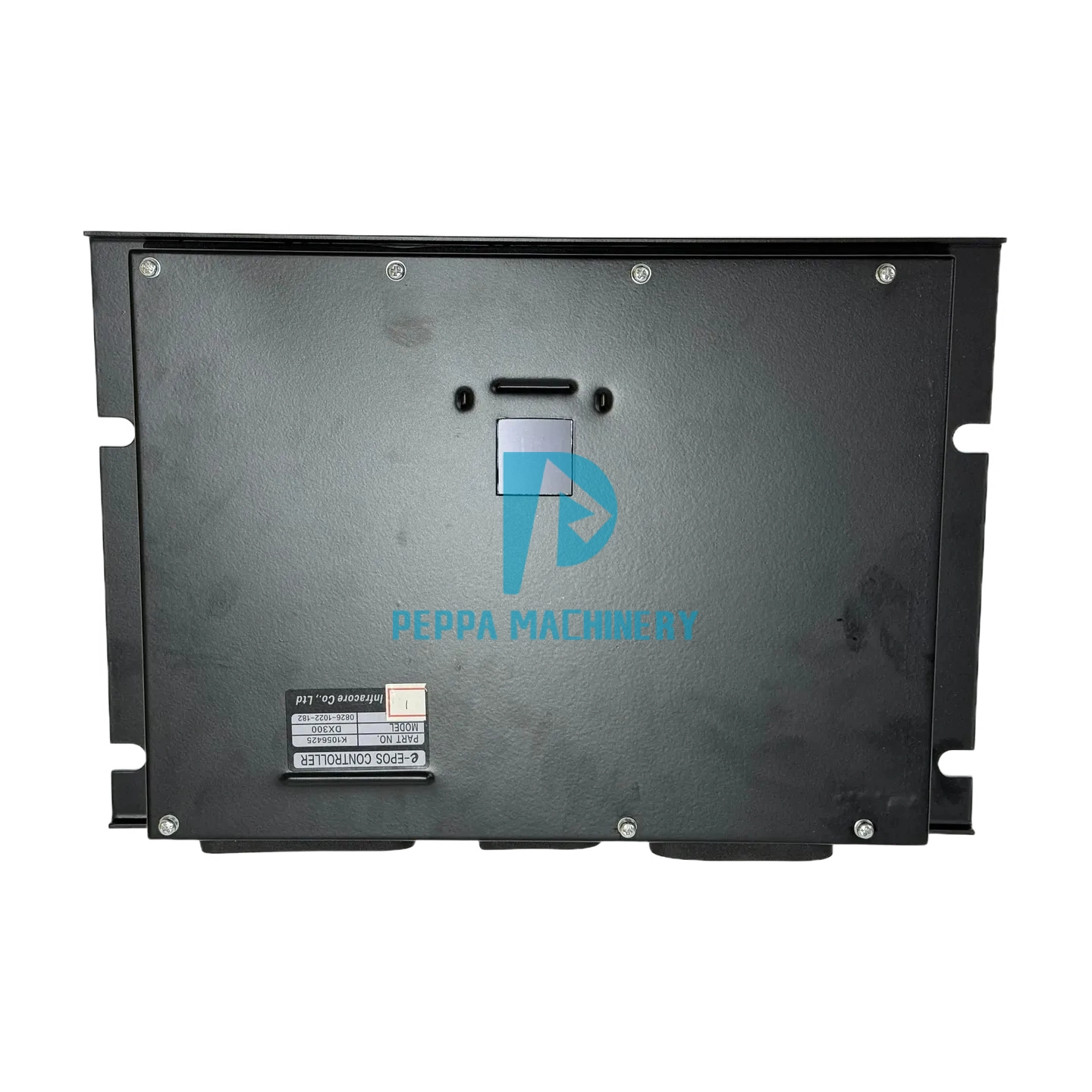
Excavator Control Unit Computer Board K1056425 0826-1022-182 New for Retail Construction Machinery Repair Shops DX300
Excavator Parts
What types of parts do you mainly offer?
Our main product categories include:
• Engine parts (liner kits, crankshafts, water/oil pumps, etc.)
• Electrical parts (sensors, monitors, throttle motors, wiring harnesses)
• Hydraulic parts (pumps, valves, cylinders)
• Sealing kits (NOK, SKF, PQ brands, floating seals, O-rings)
Are your parts genuine or OEM?
We offer both genuine parts and high-quality OEM alternatives. You can choose according to your budget and application needs. All OEM products are tested to meet or exceed original specifications.
How can I verify compatibility before placing an order?
Please provide us with your machine brand, model number, and the part number (if available). Our team will double-check the compatibility to ensure you receive the correct parts.
Can I get help choosing the right parts for my machine?
Yes. Our experienced sales team is here to provide professional recommendations and solutions based on your excavator model, part number, or specific requirements.
What brands of excavator parts do you supply?
We supply a full range of parts compatible with major international and Chinese brands, including Caterpillar, Komatsu, Hitachi, Volvo, Doosan, Hyundai, Sany, Liugong, XCMG, Zoomlion, and more.
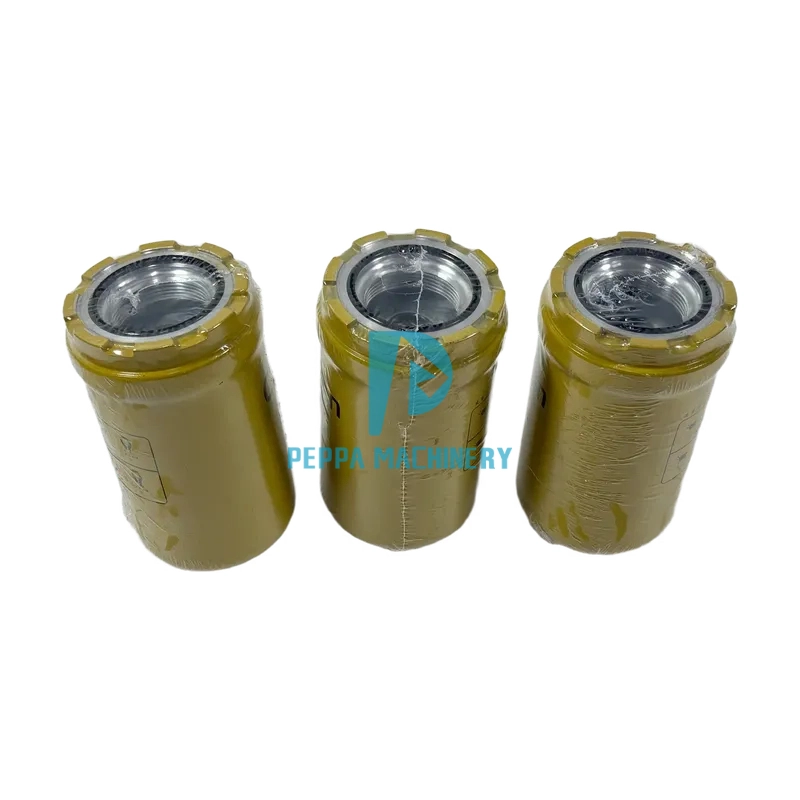
51-8670 Hydraulic Filter Applicable to HF35519 518670 2897836 518670X 1588987 Compatible with Caterpillar 352FVG 325CL
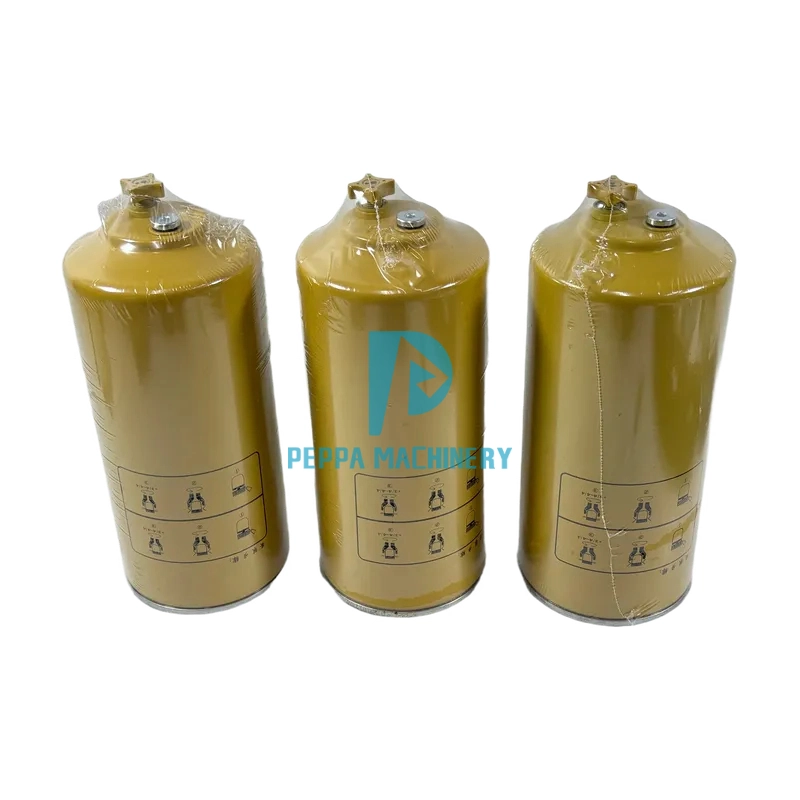
4385386 Fuel Water Separator Fuel Filter 382-0664 Oil-water Separator Hydraulic Oil Filter for CAT 312D2 320D2
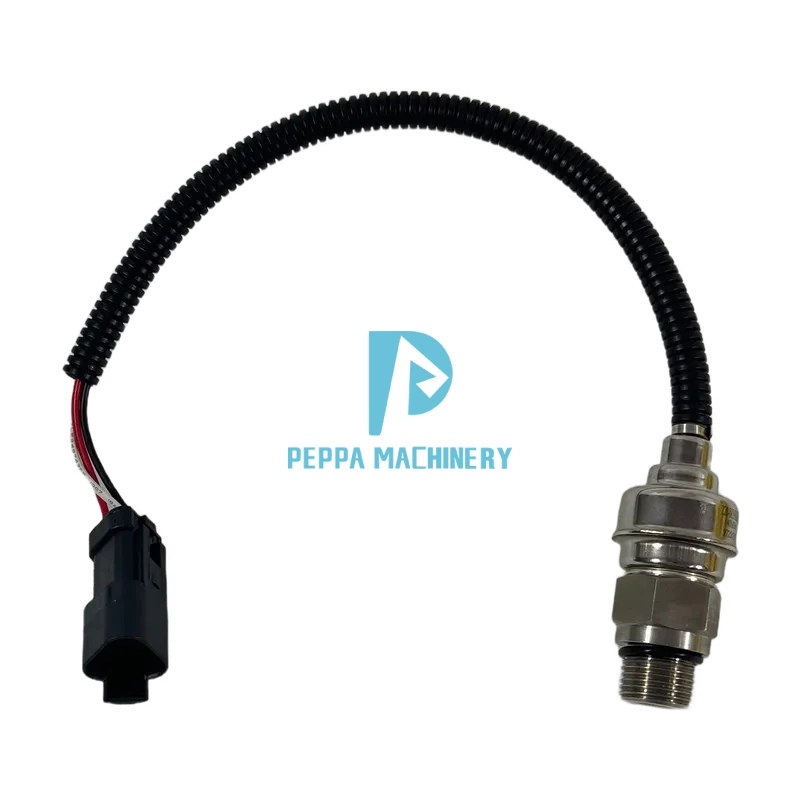
Pressure Sensor 221-8859 106-0178 for Caterpillar CAT 311B 311C 312C 314D 315B 320C 323D 324D 330C 336D 345B 385C
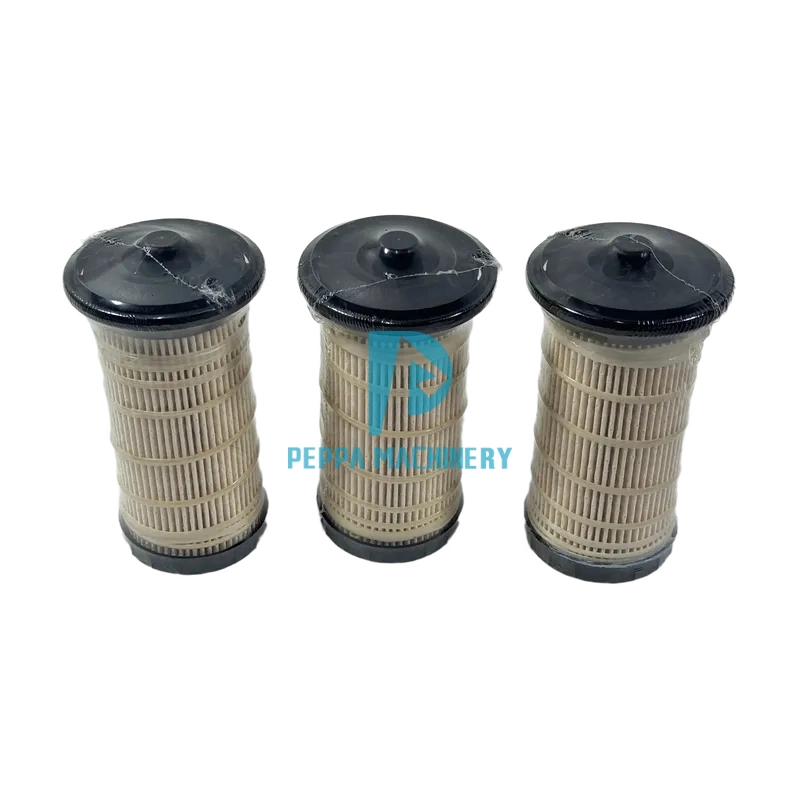
360-8960 Fuel Filter Element for Caterpillar C4.4 & C7.1 Engines | Fits 312D, 320D, 312E, 320E, 326D2, 336D2 Excavators
Get more information
Want to know more? Contact us today to get detailed product specifications, customized solutions, and a free consultation tailored to your needs.
Rest assured that your privacy is important to us, and all information provided will be handled with the utmost confidentiality.

Reliable Source for Quality Excavator Components.
Follow Us
Our Partners


Our Payment Methods


 High Quality
 7/24 Service
 Guaranteed Warranty
 Scan QR Code
Facebook
TikTok
YouTube
Pinterest
Twitter