








What warranty and support should excavator alternator buyers expect?
- 1. How do I confirm an excavator alternator's electrical compatibility beyond a part number?
- 2. What specific warranty durations, hour limits, and core charge policies should I demand when buying a remanufactured or aftermarket excavator alternator?
- 3. What documentation and diagnostic evidence will suppliers require to process an excavator alternator warranty claim?
- 4. Which installation, commissioning, and maintenance mistakes most commonly void alternator warranties and how to avoid them?
- 5. For critical jobsite failures, what on-site support, emergency exchange, and lead-times should buyers realistically expect?
- 6. How do I evaluate remanufactured vs OEM alternator warranties and detect red flags in remanufactured units?
Contact us for a fast quote: www.jbpartsgz.com • jbparts@aliyun.com
1. How do I confirm an excavator alternator's electrical compatibility beyond a part number?
Beginners often assume matching part numbers are enough. For heavy equipment alternators (OEM alternator, remanufactured alternator or aftermarket alternator) you must verify electrical and mechanical specs to avoid immediate failure on installation:
- Voltage system: Confirm whether the machine is 12V or 24V. Many mid-to-large excavators use 24V systems; installing a 12V alternator on a 24V system will destroy it. Measure battery bus voltage with a digital multimeter before purchase.
- Rated output (amps): Match the alternator output amperage to or above the original rating at typical engine idle and rated RPM (e.g., rated amperage at 1,800–2,200 rpm depending on model). Underrating causes overheating and shortened life.
- Regulator type: Internal vs external voltage regulator—pinout and control signals differ. Verify regulator wiring (sense, exciter, field, L-term) against the machine’s electrical schematic or ECM wiring harness.
- Pinout and connector: Confirm the physical connector and pin assignment. Mismatched pinouts can damage ECMs or the alternator regulator.
- Pulley fitment and belt type: Check pulley diameter, groove type (serpentine vs V-belt), and shaft taper. Incorrect pulley changes charging rpm and bearing loads.
- Polarity and grounding: Ensure the alternator’s case/ground methods match the chassis. Some excavators use isolated charging circuits.
- Ask supplier for stamped electrical datasheet or the alternator nameplate specs (voltage, max amps, excitation voltage, idle output).
- Compare OEM service manual pinout and alternator wiring diagram to the supplier’s plug diagram.
- Request a bench test report or alternator dynamometer curve showing voltage stabilization and max amperage under load.
- If you have the old alternator, record its part number, serial, pulley size, and take photos of connector and mounting flange for supplier cross-check.
- Warranty length: Typical aftermarket/remanufactured alternator warranties range from 6 to 24 months. A common, trustworthy baseline is 12 months or a pro-rated 12 months/2,000 operating hours clause for heavy equipment. OEM new alternators often carry 12 months or manufacturer-specific warranties.
- Hour limits vs time: For mobile heavy equipment, some suppliers cap coverage by operating hours (e.g., 1,000–2,000 hours). Get the warranty expressed as either calendar months or hours—whichever is longer—if possible.
- Coverage scope: Confirm whether the warranty covers parts, labor, and shipping. Many suppliers cover only parts; labor and on-site diagnostics are often excluded unless an extended SLA is purchased.
- Core charge and core policy: Expect a core charge on remanufactured alternators—commonly $50–$300 depending on model size and market. Ensure the core return window, acceptable core condition (no cracked housings, intact rotors), and whether the supplier provides prepaid return labels or deducts core value for unacceptable cores.
- Pro-rata and exclusions: Check for pro-rata clauses (reduced refund over time) and explicit exclusions such as damage from improper installation, overvoltage, contaminated cooling, or use with a faulty battery/rectifier.
- Request a written warranty statement before purchase showing length, hour limits, exclusions, RMA process, and core procedure.
- Ask for an upgrade (e.g., 18 months) if you can supply vehicle serial numbers or commit to professional installation by certified techs.
- Keep invoices and installation records; many suppliers require proof of professional installation to honor full warranty.
- Proof of purchase: Invoice with date, part number, and serial/core number.
- Machine identification: Make, model, VIN or serial number, engine model, and hours at installation and failure.
- Failure description: Exact symptoms (no charge, overcharge, noise, smoke) and timestamped photos/videos of the failed unit installed and removed.
- Electrical tests: Multimeter readings of battery voltage (engine off), charging voltage at idle and under load, and clamp-ammeter readings showing alternator current output. For example, measure charging voltage: 12V systems should be ~13.8–14.6V; 24V systems ~27.6–29.2V when charging properly.
- Bench test or workshop report: If possible, have the alternator bench-tested and provide the dynamometer or regulator output curve. Many suppliers accept vendor intake test reports showing diode, rotor, and regulator integrity.
- Installation documentation: Copy of the technician’s installation notes, torque specs used, belt tension verification, and any replaced ancillary parts (rectifier, regulator, harness repairs).
- Poor electrical diagnosis: Installing a new alternator without checking batteries, starter draw, or corroded ground straps. A shorted battery or poor ground causes excessive heat and immediate failure. Always confirm battery condition (specific gravity or voltage) and system ground continuity.
- Incorrect voltage/regulator mismatch: Putting a 12V unit into a 24V system or vice versa. Verify system bus voltage and connector pinouts first.
- Improper belt tension or wrong pulley: Too tight increases bearing load; too loose causes slip and over-temp. Use OEM belt tension tools and adhere to service manual specs for pulley torque.
- Using improper mounting hardware or failing to torque to spec: This can misalign the shaft and cause bearing or seal failure. Always follow OEM torque values and use threadlocker when specified.
- Contaminants and cooling restriction: Applying sealants that block ventilation or letting coolant/oil contaminate bearings. Keep the alternator clean and use recommended protective covers when operating in dusty environments.
- Third-party repairs during warranty: Many warranties exclude failures after unauthorized repairs or opening the alternator assembly. Use approved service centers or get pre-authorization before any disassembly.
- Standard shipping: 3–7 business days for common alternator models depending on regional stock and freight method.
- Emergency exchange/service: Reputable suppliers offer 24–72 hour exchange for common models if they stock a local pool of core-exchange units (reman alternator exchange programs). Ask if same-day pickup or courier dispatch is possible for urgent jobs in your region.
- On-site technician support: Some vendors or dealer networks provide on-site diagnostic assistance within 24–48 hours for additional fees; ask if labor and travel are included in the SLA.
- Pre-positioned spares: For critical fleets, negotiate a consignment spare alternator or a guaranteed stock buffer at your depot to minimize downtime—this often reduces per-unit cost over time.
- Tracking and escalation: Expect an RMA turnaround promise (initial response within 24 hours, replacement authorization within 48–72 hours). Get these timeframes in writing for urgent purchases.
- Parts replaced: Good remanufacturers replace bearings, brushes, diodes/rectifiers, voltage regulator, rotor/stator rewind inspection, and balance the rotor. If the supplier won’t state what components are replaced, that’s a red flag.
- Test procedures: Reliable shops run diode/continuity tests, insulation resistance tests, dynamic load bench tests, and vibration balancing. Require a test sheet showing pass/fail measurements for each unit.
- Core sourcing and machining: Ask whether housings and rotors are inspected for cracks and whether shafts are reground or replaced. Poor quality remans may reuse worn shafts and housings—shortening life.
- Warranty parity: OEM new alternators usually have more consistent warranties on parts (and in some cases labor via dealer networks). A reman with a 12–18 month warranty and full parts-and-labor support is often as cost-effective as new when backed by a documented remanufacturing process.
- Red flags: missing serial numbers, no bench test reports, unclear core return instructions, and unusually low core charges combined with short warranties. Also beware suppliers who cannot show a documented remanufacturing checklist.
- Request itemized remanufacturing records and bench-test sheets for the specific alternator you will receive.
- Confirm warranty length and whether labor is included or available as an add-on.
- Match physical inspection: ensure connector, pulley, and mounting configuration are correct before installation.
- Prefer suppliers who provide an alternating exchange program with clear core credits and show photographic evidence of the remanufacture steps.
How to validate before buying:
2. What specific warranty durations, hour limits, and core charge policies should I demand when buying a remanufactured or aftermarket excavator alternator?
Online answers are often vague. In the excavator parts market, warranty terms vary—know the practical expectations and negotiate accordingly:
Negotiation tips:
3. What documentation and diagnostic evidence will suppliers require to process an excavator alternator warranty claim?
Suppliers reject claims frequently because buyers lack standardized diagnostic records. To ensure an approved claim, present this packet:
RMA logistics: expect an RMA form, a diagnostic lead time (24–72 hours), and return instructions. Faster approvals occur when you supply step-by-step electrical logs and photos rather than verbal descriptions.
4. Which installation, commissioning, and maintenance mistakes most commonly void alternator warranties and how to avoid them?
Warranties are frequently voided by preventable errors. Common voiding causes and preventive steps:
Best practices: document installation with photos, record torque and belt tension values, and use a certified technician. Keep a digital folder (invoice, photos, test logs) linked to the alternator serial number for any future claim.
5. For critical jobsite failures, what on-site support, emergency exchange, and lead-times should buyers realistically expect?
When an alternator fails on a busy jobsite, downtime is costly. Realistic expectations and SLA options include:
Action plan for reduced downtime: maintain a failure kit (multimeter, spare belts, common alternator models), pre-approved RMA terms with your supplier, and a local network of installation technicians to get machines back on line fast.
6. How do I evaluate remanufactured vs OEM alternator warranties and detect red flags in remanufactured units?
Buyers need clear criteria to compare warranties and life expectancy:
Practical purchase checklist:
Choosing between OEM alternator and reman alternator depends on budget, downtime tolerance, and availability. A certified reman from a reputable supplier with a 12–18 month warranty and full bench-test documentation is often the best balance of cost and reliability.
Conclusion — Advantages of choosing quality excavator alternators and working with a trusted supplier
Purchasing a properly specified OEM or remanufactured excavator alternator with clear warranty terms, documented bench testing, transparent core policies, and accessible technical support minimizes downtime and total cost of ownership. Proper compatibility checks (voltage, amperage, regulator type, pinout, and pulley fit) plus documented installation procedures help preserve warranty coverage and extend service life. Suppliers offering emergency exchange, on‑site support options, and clear RMA processes provide the best protection for fleet uptime.
For a fast quote and documented reman/OEM options with warranties and core policies, contact us: www.jbpartsgz.com • jbparts@aliyun.com

Isuzu SP 4JG1 4JG2 4JG3 Cylinder Liner 1876182070 1-87618207-0 1876182080 1-87618208-0 1876182100 1-87618210-0
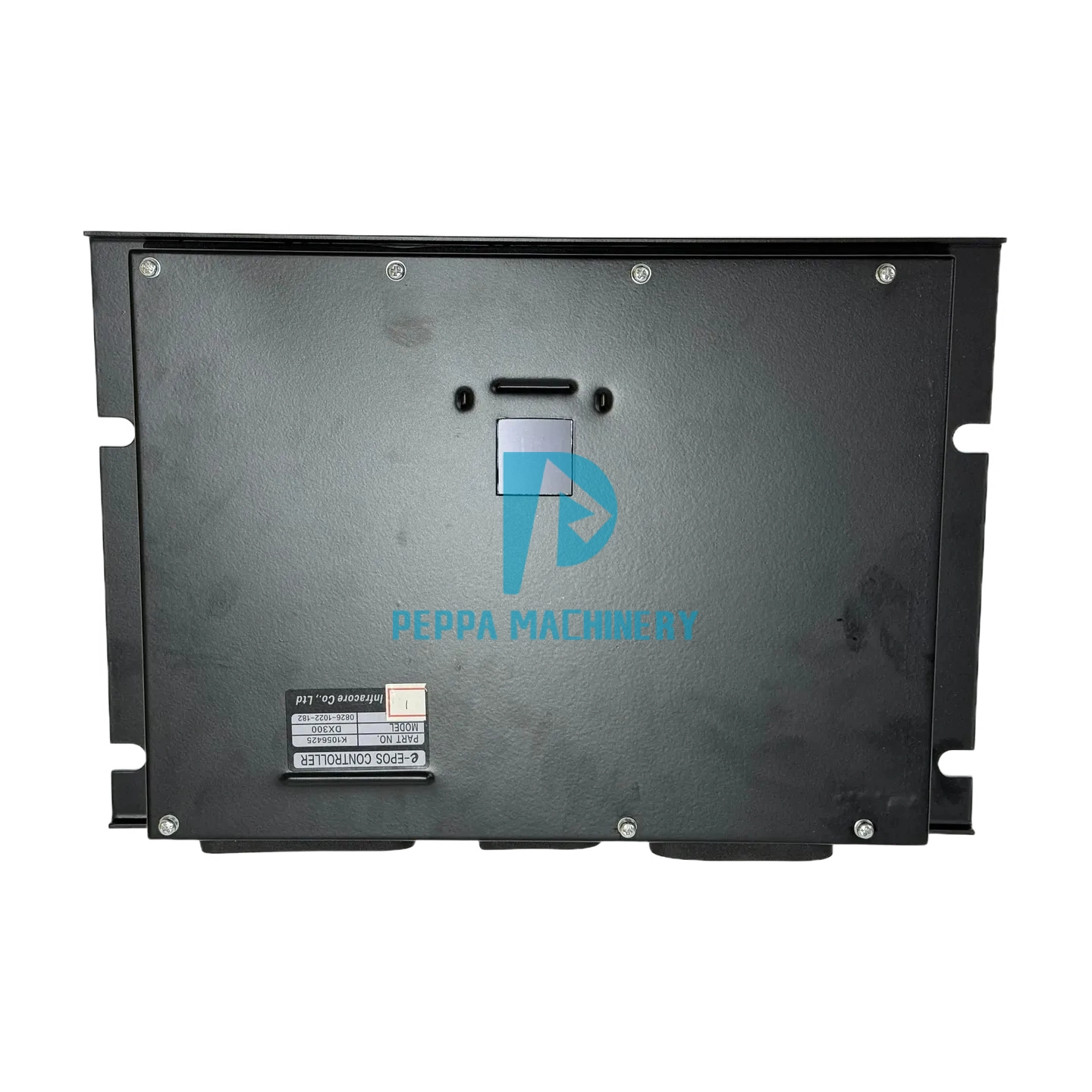
Excavator Control Unit Computer Board K1056425 0826-1022-182 New for Retail Construction Machinery Repair Shops DX300
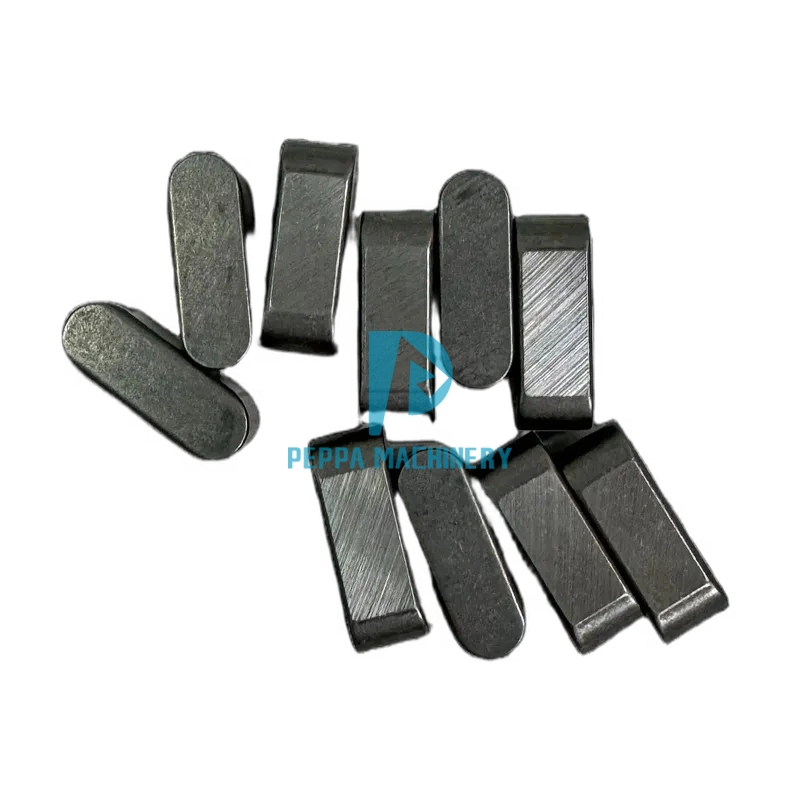
9080107200 9-08010720-0 9-08010-720-0 Camkshaft Feather Key
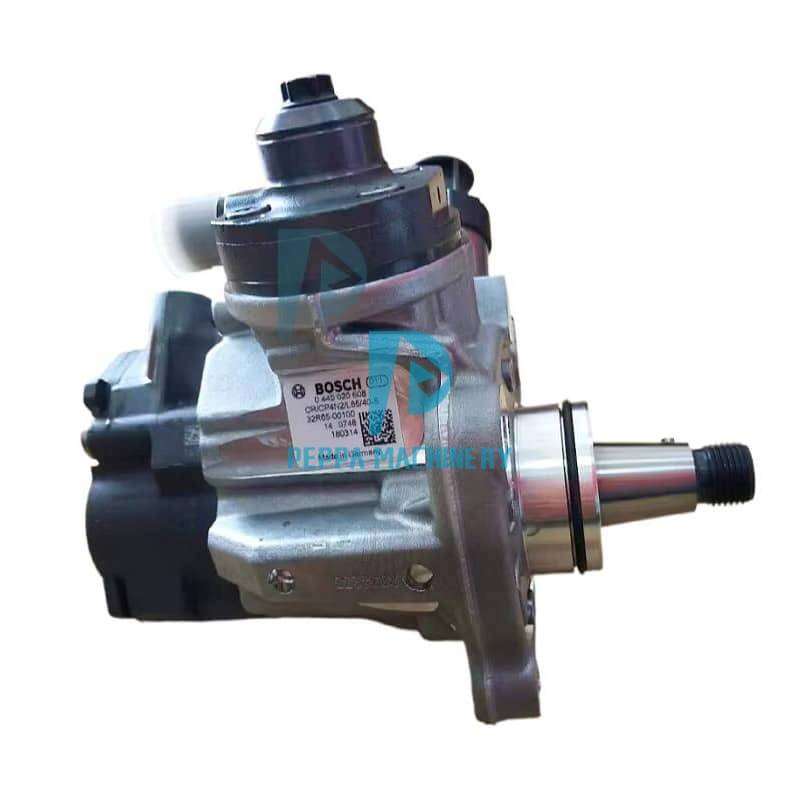
Diesel Fuel Injection Pump Assy 0445020608 32R65-00100 for BOSCH for Mitsubishi Engine in Construction Machinery Parts
Excavator Parts
What brands of excavator parts do you supply?
We supply a full range of parts compatible with major international and Chinese brands, including Caterpillar, Komatsu, Hitachi, Volvo, Doosan, Hyundai, Sany, Liugong, XCMG, Zoomlion, and more.
How can I verify compatibility before placing an order?
Please provide us with your machine brand, model number, and the part number (if available). Our team will double-check the compatibility to ensure you receive the correct parts.
Can I get help choosing the right parts for my machine?
Yes. Our experienced sales team is here to provide professional recommendations and solutions based on your excavator model, part number, or specific requirements.
Do you provide technical support or installation guidance?
While we do not offer on-site installation, we can provide basic technical advice, diagrams, or documentation to assist your technicians with installation and troubleshooting.
Are your parts genuine or OEM?
We offer both genuine parts and high-quality OEM alternatives. You can choose according to your budget and application needs. All OEM products are tested to meet or exceed original specifications.
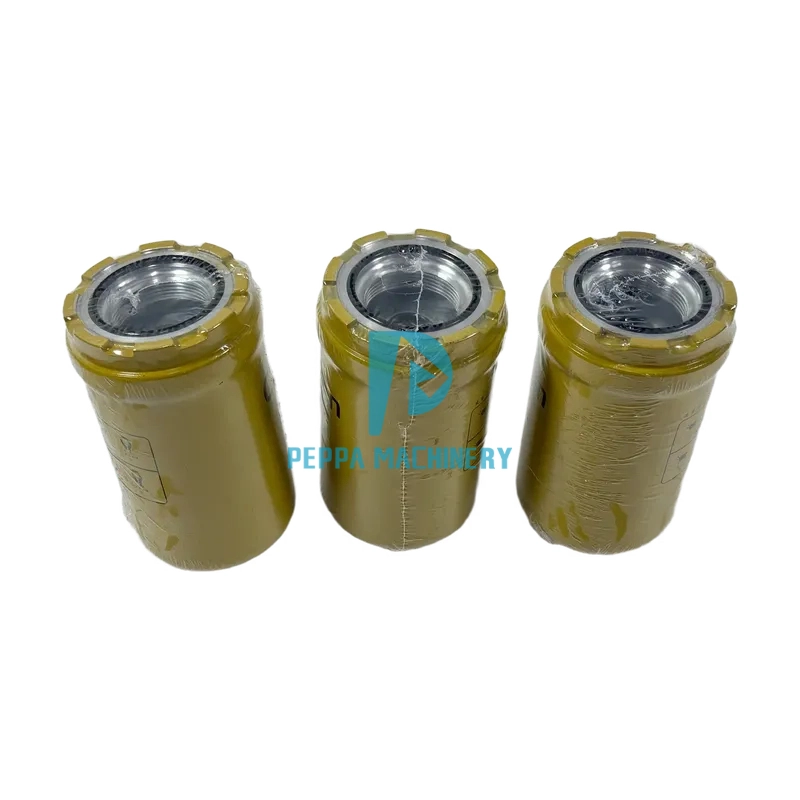
51-8670 Hydraulic Filter Applicable to HF35519 518670 2897836 518670X 1588987 Compatible with Caterpillar 352FVG 325CL
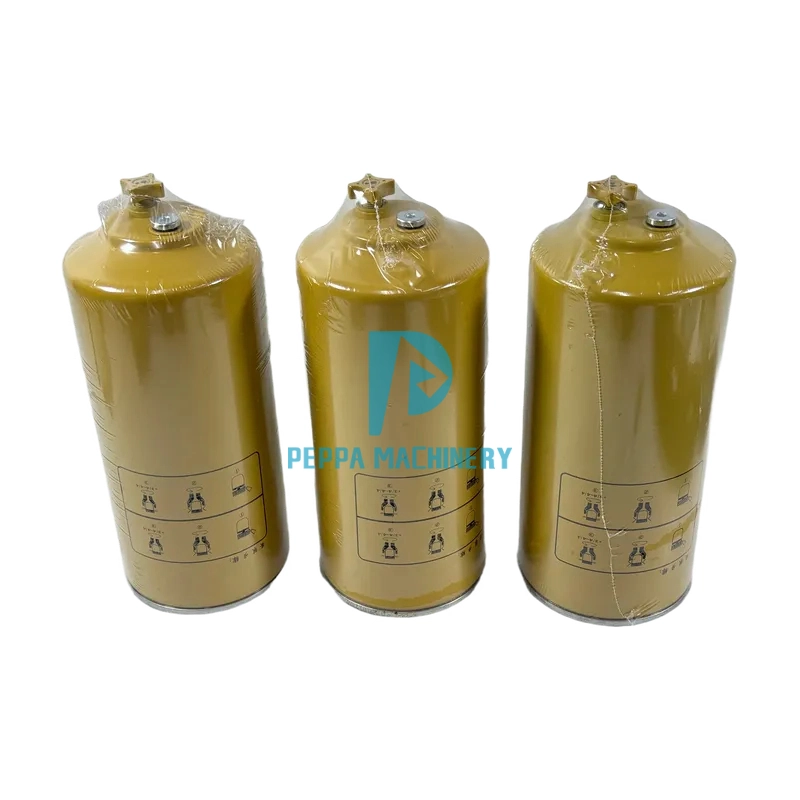
4385386 Fuel Water Separator Fuel Filter 382-0664 Oil-water Separator Hydraulic Oil Filter for CAT 312D2 320D2
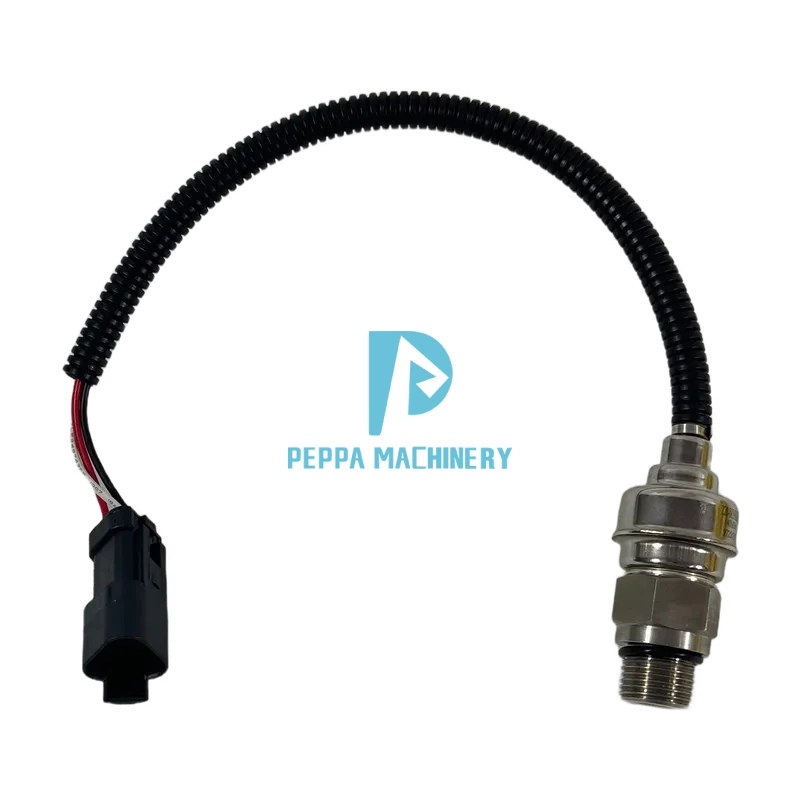
Pressure Sensor 221-8859 106-0178 for Caterpillar CAT 311B 311C 312C 314D 315B 320C 323D 324D 330C 336D 345B 385C
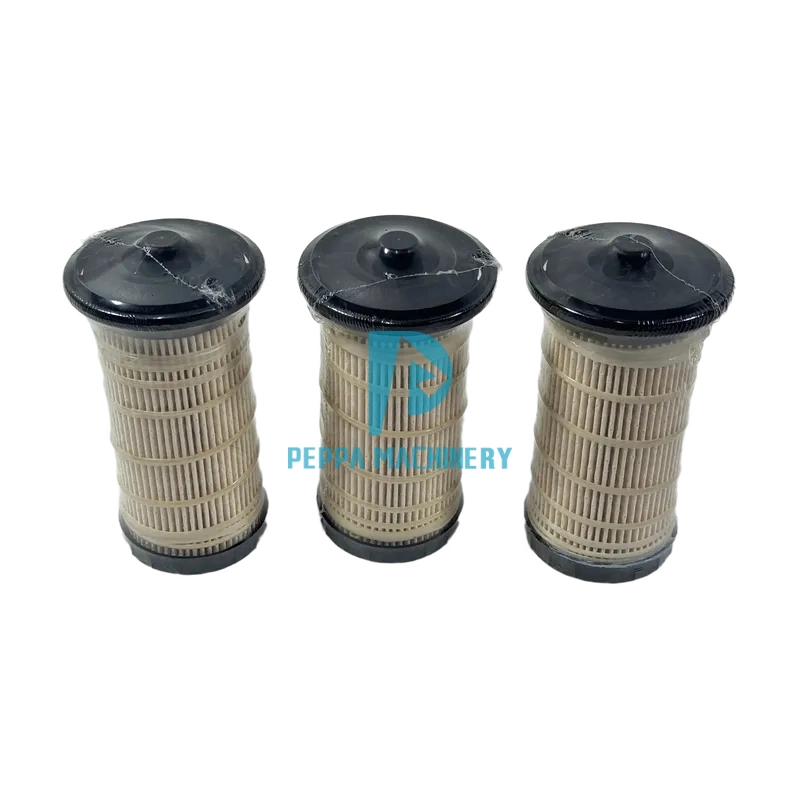
360-8960 Fuel Filter Element for Caterpillar C4.4 & C7.1 Engines | Fits 312D, 320D, 312E, 320E, 326D2, 336D2 Excavators
Get more information
Want to know more? Contact us today to get detailed product specifications, customized solutions, and a free consultation tailored to your needs.
Rest assured that your privacy is important to us, and all information provided will be handled with the utmost confidentiality.

Reliable Source for Quality Excavator Components.
Follow Us
Our Partners


Our Payment Methods


 High Quality
 7/24 Service
 Guaranteed Warranty
 Scan QR Code
Facebook
TikTok
YouTube
Pinterest
Twitter