








Can aftermarket excavator alternators match OEM performance?
- 1. Can an aftermarket excavator alternator sustain rated amperage during prolonged low-RPM, high-hydraulics workloads?
- 2. How do aftermarket voltage regulators compare to OEM ones, especially in machines with ECU-managed charging?
- 3. Are remanufactured excavator alternators that replace rectifier diodes, bearings and brushes reliable for extended field service?
- 4. How can I verify plug-and-play compatibility of an aftermarket alternator with proprietary connector harnesses and ECU signals?
- 5. Will an aftermarket alternator's electrical noise or ripple affect telematics, GPS, or ECM systems on an excavator?
- 6. What bench and field tests should I request from a supplier to confirm an aftermarket alternator meets OEM performance (waveform, insulation, temperature rise, vibration)?
Can Aftermarket Excavator Alternators Match OEM Performance? 6 Deep FAQs
Buying an excavator alternator is more than picking amperage and a plug — it’s about thermal duty, voltage regulation under low-rpm hydraulics, EMI/ripple that can upset telematics, and proper bench testing. Below are six specific, pain-point-focused questions beginners and fleet managers often ask but rarely find thorough answers to. Each answer references realistic test criteria, engineering tolerances and procurement checks you can use when evaluating aftermarket or remanufactured alternators.
1. Can an aftermarket excavator alternator sustain rated amperage during prolonged low-RPM, high-hydraulics workloads?
Why this matters: Excavators frequently operate under heavy hydraulic load while the engine idles or runs at low rpm. Some alternators are rated at a peak amperage at high rpm but derate significantly at idle — causing battery drain and ECU/telemetry failures.
What to verify:
- Rated output curve: Request the alternator’s amperage-vs-rpm curve from the supplier. A credible datasheet will show continuous-rated current at typical idle rpm (often 700–1000 rpm for many diesel excavators) and rated at 2000–2400 rpm.
- Thermal derating and cooling spec: Alternator continuous output is limited by thermal rise. Ask for thermal-rise charts and whether the unit has active cooling fins, oil/dust seals, or a higher thermal class insulation (e.g., Class H vs Class F). Units with better heat dissipation sustain higher continuous output.
- Field-proven duty-cycle examples: Request field test reports showing continuous charging during typical hydraulic cycles (e.g., repetitive swing, crowd and boom work). Suppliers should produce load-bank logs demonstrating sustained current at the engine idle point.
Practical guidance: For heavy-duty excavators, target aftermarket alternators whose continuous-duty amperage at idle is within 10–15% of OEM spec. If the supplier cannot provide idle-rated output curves or thermal-rise data, treat the claim of “same amperage” skeptically.
2. How do aftermarket voltage regulators compare to OEM ones, especially in machines with ECU-managed charging?
Why this matters: Modern excavators often rely on coordinated charging strategies between the alternator regulator and the machine ECU to protect batteries and meet emission/idle-control profiles. Replacing the alternator with a unit that has a different regulator behavior can trigger fault codes or under/overcharge the battery.
Key verification steps:
- Regulator type: Determine if the alternator uses an internal fixed regulator, an externally adjustable regulator, or is ECU-controlled. Many OEMs use externally-managed or CAN-communicating regulators.
- Voltage setpoint and response rate: Ask for the regulator’s setpoint accuracy (typical ±0.1–0.2 V) and transient response time. OEM systems often demand tight regulation to protect telematics and sensitive controls.
- CAN or signal compatibility: If the OEM alternator sends load or status signals to the ECU, confirm pinout and signal protocol compatibility. Some aftermarket units offer adapter harnesses or programmable regulators to match OEM behavior.
Practical guidance: If your excavator relies on ECU-managed charging, prefer aftermarket alternators that document exact regulator behavior and provide a plug-and-play harness or programmable regulator. Otherwise, budget for integration work or OEM-level alternators.
3. Are remanufactured excavator alternators that replace rectifier diodes, bearings and brushes reliable for extended field service?
Why this matters: Remanufactured alternators can be cost-effective, but the long-term reliability depends on which components were replaced and to what standard. Poor-quality diodes or bearings will fail sooner and may cause catastrophic electrical faults.
What to look for in remanufacturing quality:
- Component list: A trustworthy remanufacturer will list replaced parts — at minimum bearings, rectifier diodes, brushes/brush-holder (if applicable), voltage regulator and seals. Ask whether the rotor/stator windings were tested for insulation and not just visually inspected.
- Testing standards: Ensure the unit has undergone high-potential (Hi-Pot) insulation testing, a full load-bank test, voltage ripple and diode leakage testing, and a dynamic balance check for the rotor.
- Materials and upgrades: Some remanufactured units upgrade to higher-spec diodes, sealed long-life bearings, and improved sealing (e.g., better gaskets or IP-rated housings). These upgrades materially extend field life.
- Warranty and core acceptance: A reputable supplier offers a clear warranty (12 months minimum is common) and accepts cores. Warranty terms often indicate confidence in remanufacture quality.
Practical guidance: Avoid remanufactured alternators where only cosmetic parts were replaced. Require documentation of replaced subcomponents and test reports (insulation resistance, diode forward drop, load output). Prefer remanufactures that use OEM-equivalent or better rectifiers and bearings.
4. How can I verify plug-and-play compatibility of an aftermarket alternator with proprietary connector harnesses and ECU signals?
Why this matters: Physical fit doesn’t guarantee electrical compatibility. A mismatched pinout, reversed sense lines, or lack of proper shielding can create intermittent faults or fail to charge correctly.
Compatibility checklist:
- Compare pinouts: Obtain the OEM alternator connector pinout (field-service manual or OEM datasheet) and match it with the aftermarket unit. Check for battery positive, sense line, warning lamp/charge indicator, field-excitation, and any CAN or data lines.
- Confirm mechanical fit: Verify mounting ear locations, pulley diameter and keyway, belt type (serpentine vs V), and rotation direction. Pulley mismatch alters charging rpm and belt life.
- Check harness and shield: Ask whether the supplier provides a harness adapter and whether the signal lines are shielded to prevent EMI. For units that output a tach or status signal, ensure timing and voltage levels match the ECU expectations.
- Software/ECM interaction: For machines where the ECU actively controls charging, request proof that the alternator’s regulator supports the required control signals or that a compatible external regulator is available.
Practical guidance: If you cannot match pinouts and regulator signaling on paper, insist on a trial install or supplier-supported bench simulation showing correct ECU responses to alternator load changes.
5. Will an aftermarket alternator's electrical noise or ripple affect telematics, GPS, or ECM systems on an excavator?
Why this matters: Excavators increasingly carry sensitive electronics (telemetry, GPS, cameras, PLCs). Excessive electrical noise, voltage ripple or poor grounding from a substandard alternator can corrupt data, cause resets or shorten component lifetimes.
How to assess electrical noise:
- Ripple and harmonic specs: Request the alternator’s voltage ripple (mVrms) and harmonic distortion data, especially under load. OEM alternators typically meet tighter ripple specs to avoid disturbing sensitive electronics.
- EMI/EMC compliance: Ask whether the alternator has been tested to relevant EMI/EMC standards (e.g., CISPR or similar industry standards). Shielding, proper grounding points and filtered outputs reduce interference.
- Grounding and cable routes: Confirm that the alternator’s grounding point and harness design complement the excavator’s ground scheme. Poor grounding is a frequent cause of noise issues after replacement.
- Field mitigation: If an alternator shows borderline ripple, add external filtering (e.g., DC filters, transient voltage suppressors) and ensure battery interconnects are robust to smooth voltage supply to telematics boxes.
Practical guidance: If your fleet uses sensitive telematics, insist on ripple and EMC test data. Consider alternators marketed as “telemetry-safe” or ask your supplier to provide additional filtering solutions as needed.
6. What bench and field tests should I request from a supplier to confirm an aftermarket alternator meets OEM performance (waveform, insulation, temperature rise, vibration)?
Why this matters: Acceptance should be evidence-based. A supplier claim isn’t enough — documented tests show the unit will survive real-world duty cycles.
Essential test checklist to request:
- Load-bank test at multiple rpms: Full-load and continuous-load tests at idle rpm, nominal working rpm and rated rpm, with amperage and voltage logged over time.
- Voltage regulation test: Show setpoint accuracy, transient response and recovery when load steps change (e.g., sudden 0–100 A step).
- Ripple and harmonic analysis: mVrms measurements and harmonic content across typical loads. Include oscilloscope traces if possible.
- Insulation and Hi-Pot test: Insulation resistance and high-potential testing on stator/rotor windings to confirm dielectric integrity.
- Thermal-rise and temperature profiling: Thermal imaging or probe-based charts showing temperature rise under continuous load, plus bearing temp and sealing performance (ingress protection where specified).
- Dynamic balance and vibration: Rotor dynamic balance to reduce vibration and premature bearing wear; vibration test reports where available.
- Diode leakage and forward voltage: Verify rectifier bridge health and low leakage under reverse bias.
- Endurance/soak test: Multi-hour or multi-day soak under cyclical load representing real jobsite duty cycles.
Practical guidance: Acceptance should include a package of test logs and parameter comparisons against OEM specs. If the supplier cannot provide these, require a documented field trial with a fallback return/warranty arrangement.
Concluding summary:
Well-built aftermarket and remanufactured excavator alternators can match OEM performance — but only when vendors provide full electrical/mechanical datasheets, load/thermal and ripple test reports, correct regulator behavior (or programmable/regulator-matching options), and documented compatibility with harnesses and ECU signals. Advantages of choosing a qualified aftermarket/rebuilt alternator include cost savings, upgraded components (high-spec diodes, sealed bearings), and faster availability; disadvantages arise when vendors cannot document idle-rated output, thermal derating, EMI/ripple specs or pinout compatibility. Use the testing checklist above, insist on warranty and core-return policies, and prioritize suppliers that supply full bench reports and integration support.
For an inspection-ready quotation or to request test reports and compatibility verification, contact us for a quote at www.jbpartsgz.com or email jbparts@aliyun.com.

Isuzu SP 4JG1 4JG2 4JG3 Cylinder Liner 1876182070 1-87618207-0 1876182080 1-87618208-0 1876182100 1-87618210-0
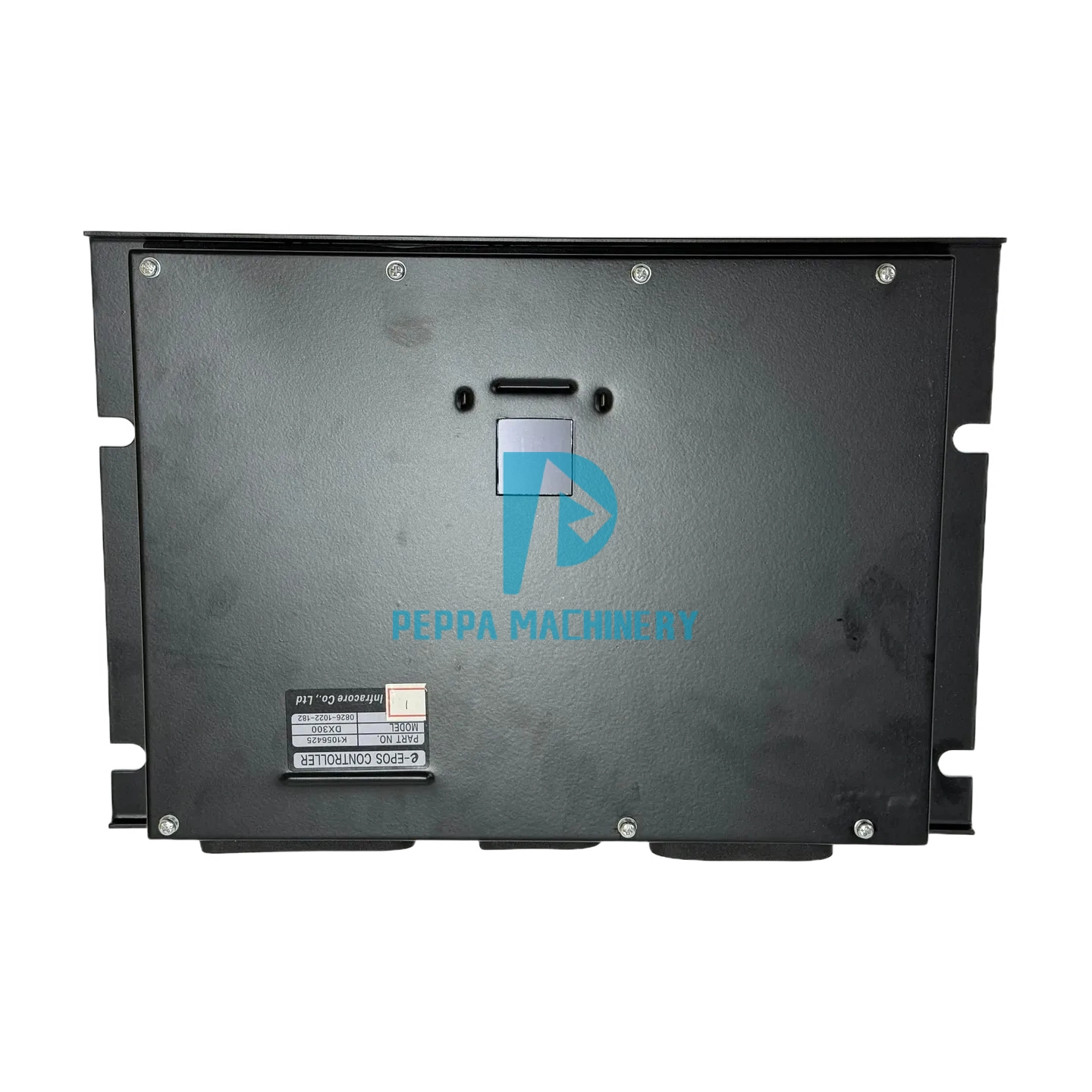
Excavator Control Unit Computer Board K1056425 0826-1022-182 New for Retail Construction Machinery Repair Shops DX300
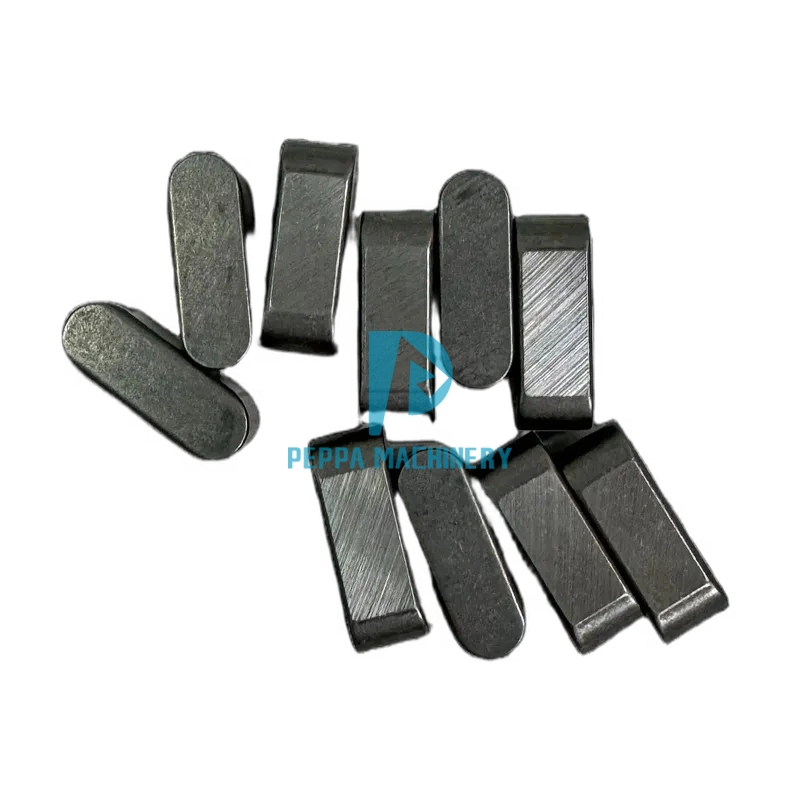
9080107200 9-08010720-0 9-08010-720-0 Camkshaft Feather Key
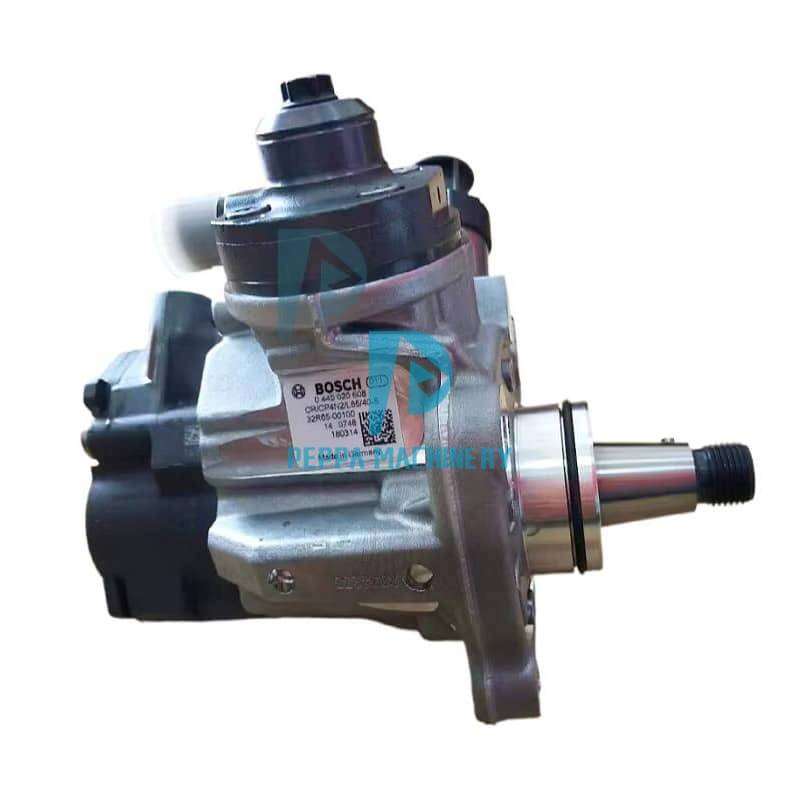
Diesel Fuel Injection Pump Assy 0445020608 32R65-00100 for BOSCH for Mitsubishi Engine in Construction Machinery Parts
Excavator Parts
Do you provide technical support or installation guidance?
While we do not offer on-site installation, we can provide basic technical advice, diagrams, or documentation to assist your technicians with installation and troubleshooting.
Can I get help choosing the right parts for my machine?
Yes. Our experienced sales team is here to provide professional recommendations and solutions based on your excavator model, part number, or specific requirements.
How can I verify compatibility before placing an order?
Please provide us with your machine brand, model number, and the part number (if available). Our team will double-check the compatibility to ensure you receive the correct parts.
What brands of excavator parts do you supply?
We supply a full range of parts compatible with major international and Chinese brands, including Caterpillar, Komatsu, Hitachi, Volvo, Doosan, Hyundai, Sany, Liugong, XCMG, Zoomlion, and more.
Are your parts genuine or OEM?
We offer both genuine parts and high-quality OEM alternatives. You can choose according to your budget and application needs. All OEM products are tested to meet or exceed original specifications.
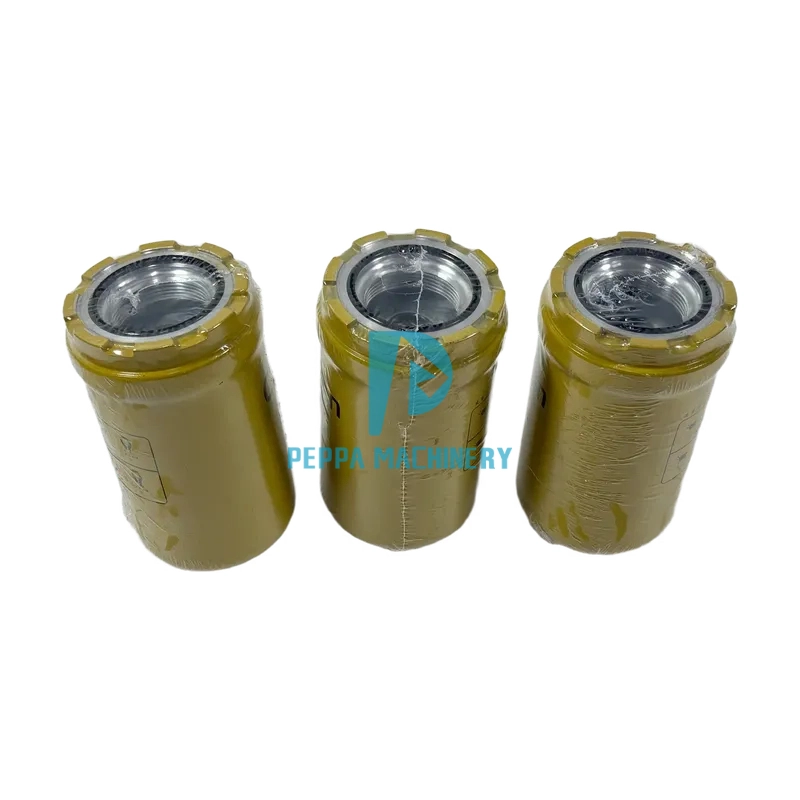
51-8670 Hydraulic Filter Applicable to HF35519 518670 2897836 518670X 1588987 Compatible with Caterpillar 352FVG 325CL
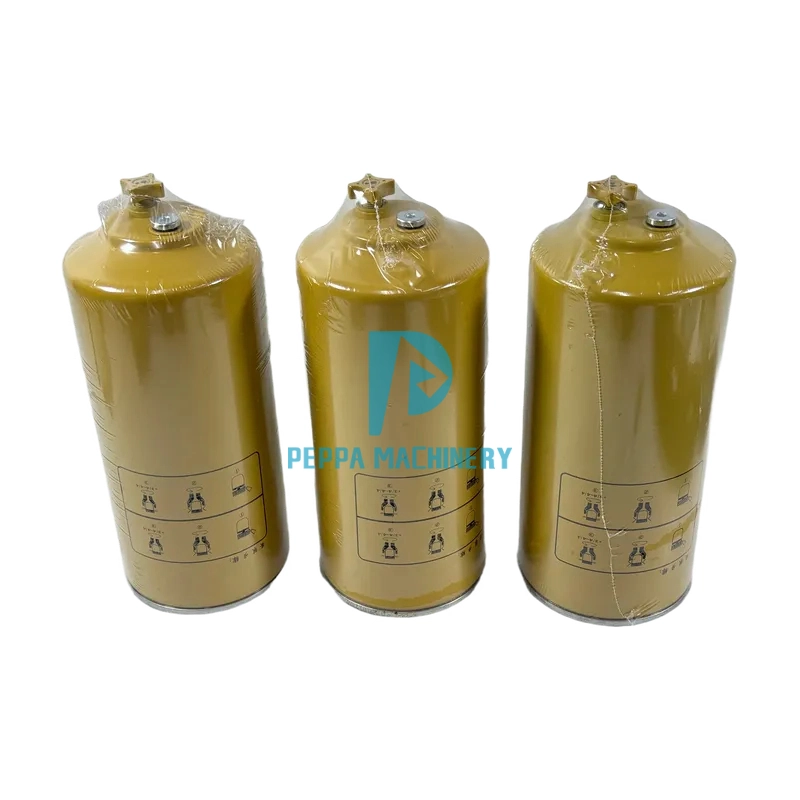
4385386 Fuel Water Separator Fuel Filter 382-0664 Oil-water Separator Hydraulic Oil Filter for CAT 312D2 320D2
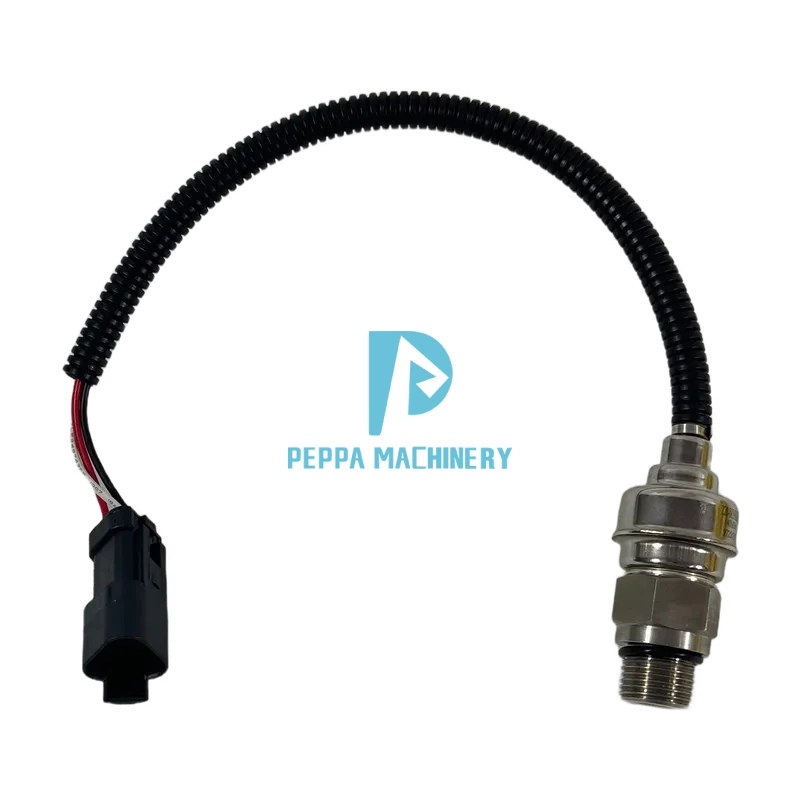
Pressure Sensor 221-8859 106-0178 for Caterpillar CAT 311B 311C 312C 314D 315B 320C 323D 324D 330C 336D 345B 385C
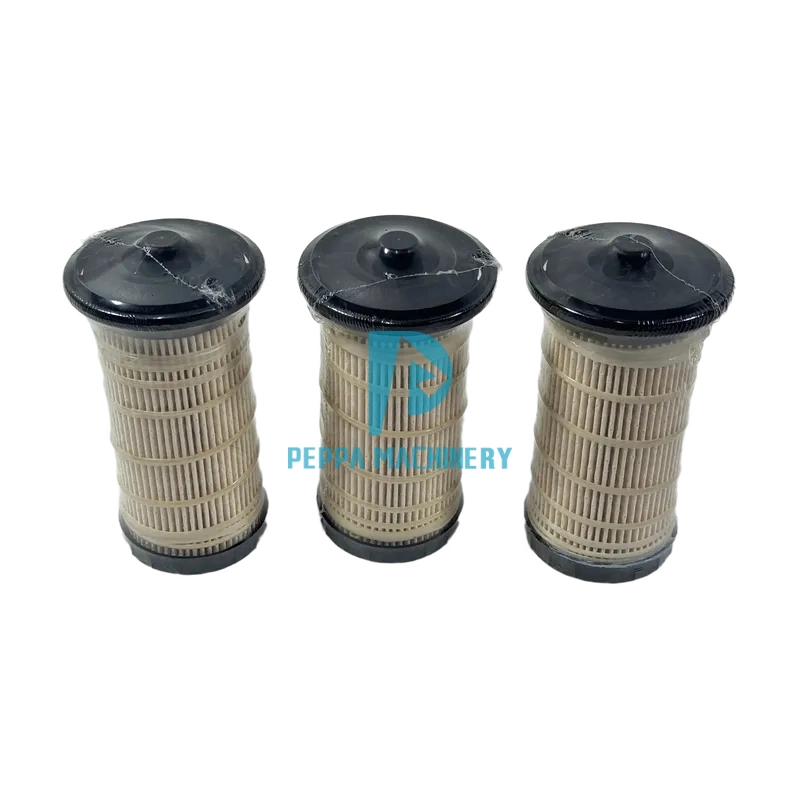
360-8960 Fuel Filter Element for Caterpillar C4.4 & C7.1 Engines | Fits 312D, 320D, 312E, 320E, 326D2, 336D2 Excavators
Get more information
Want to know more? Contact us today to get detailed product specifications, customized solutions, and a free consultation tailored to your needs.
Rest assured that your privacy is important to us, and all information provided will be handled with the utmost confidentiality.

Reliable Source for Quality Excavator Components.
Follow Us
Our Partners


Our Payment Methods


 High Quality
 7/24 Service
 Guaranteed Warranty
 Scan QR Code
Facebook
TikTok
YouTube
Pinterest
Twitter