








Which excavator alternator brands offer best value for buyers?
- 1. For a 20-ton excavator running lights, HVAC and fuel heaters, what alternator voltage and amperage should I choose to avoid charging shortfalls?
- 2. Are remanufactured Delco Remy alternators as reliable as new OEM Caterpillar alternators for heavy excavators?
- 3. Which alternator brands reliably offer plug-and-play replacements (mounting, connector, pulley) for a Komatsu PC200-series excavator?
- 4. How can I verify a used excavator alternator is functional before buying online—what bench and on-machine checks should I insist upon?
- 5. When buying aftermarket alternators (Bosch, Denso or lower-cost suppliers), what warranty and testing standards should I insist on to ensure best value?
- 6. How do voltage regulator failures differ by design, and should I choose an alternator with a serviceable regulator to reduce downtime?
Which Excavator Alternator Brands Offer Best Value for Buyers? In-Depth Guide
This article answers six specific, pain-point questions beginner buyers ask when selecting an excavator alternator. It covers alternator amperage/voltage selection, OEM vs reman reliability, brand compatibility for common models, bench and on-machine tests, warranty and testing standards, and voltage regulator failure modes. The guidance is focused on excavator alternator replacement, charging system troubleshooting, and selecting OEM, remanufactured, or aftermarket alternators with the best value.
1. For a 20-ton excavator running lights, HVAC and fuel heaters, what alternator voltage and amperage should I choose to avoid charging shortfalls?
Answer:
Start by determining the machine's electrical system voltage (most medium-to-large excavators use 24V; small compact units often use 12V). Confirm this in the operator manual or on the machine’s plate. Next, build a simple load inventory: list continuous loads (engine control modules, HVAC blowers, fuel heaters) and peak loads (starter engagement, lights). For practical sizing:
- 12V systems on compact excavators commonly require 70–140 A alternators depending on accessories.
- 24V systems on 15–30 ton excavators commonly require 80–200 A alternators.
Calculate required alternator output as: estimated continuous electrical load + 20–30% reserve for battery charging and transient spikes. Example: if continuous loads on a 24V machine total 80 A, choose an alternator rated ~100–110 A to ensure healthy charging while the machine is idling or during low-rpm operation.
Also consider alternator characteristics: rated amperage at idle and at nominal RPM. Spec sheets often list maximum output at rated RPM (e.g., 2000 rpm); for excavator alternator replacement, seek units with good low-RPM charging curves or a higher cold-idle output if your machine frequently idles.
Practical tips: verify alternator amperage and voltage on the nameplate, match pulley ratios if applicable, and confirm the voltage regulator (internal or external) is compatible with your machine’s electrical architecture to protect sensitive electronics.
2. Are remanufactured Delco Remy alternators as reliable as new OEM Caterpillar alternators for heavy excavators?
Answer:
Remanufactured alternators (Remy, reputable remanufacturers) can provide strong value for buyers when the reman program adheres to rigorous testing and parts replacement standards. Key differences to evaluate:
- Core process and rebuild standards: High-quality remanufacturers replace wear parts (bearings, brushes, diodes, regulators) and dynamically test every unit under load. Delco Remy has a long history in heavy-duty reman; many OEM fleets use reman units successfully when they meet OEM specifications.
- New OEM units (e.g., Caterpillar-sourced alternators) generally offer the highest initial reliability because they use all-new components and are designed and tested to the OEM’s environmental and electrical standards for that excavator model.
- Cost vs lifecycle: Remanufactured alternators often cost 30–60% less than new OEMs. If reman units include a robust warranty (minimum 12 months) and a core exchange policy, their total cost of ownership can be lower, especially for older machines.
When to choose reman: older machines out of full OEM support, fleet replacements where budget matters, or when reman units come with guaranteed dynamic testing and bearing/brush replacement. When to choose new OEM: machines under warranty, late-model equipment with sensitive electronics, or when maximum uptime and minimum troubleshooting downtime are critical.
Always verify: reman testing certificates, warranty terms, and compliance to SAE/ISO or OEM test procedures. If possible, buy reman units from suppliers with documented quality controls (e.g., 100% dynamic load testing and thermal cycling).
3. Which alternator brands reliably offer plug-and-play replacements (mounting, connector, pulley) for a Komatsu PC200-series excavator?
Answer:
Komatsu and other major OEMs commonly source alternators from established electrical manufacturers such as Denso, Mitsubishi Electric, Bosch and sometimes OEM-branded units manufactured to Komatsu specifications. For plug-and-play compatibility, consider these steps rather than relying on brand alone:
- Cross-reference the Komatsu part number in the parts manual and confirm the supplier/manufacturer stamped on the original alternator (Denso/Mitsubishi/Bosch are common).
- Check mechanical mounting points, shaft diameter and pulley type (serpentine vs V-belt), and electrical connector pinout. Even the same manufacturer can produce alternators with different connectors.
- Look for aftermarket brands that explicitly list Komatsu PC200-series fitment and include photos, connector details, and OEM-equivalent part numbers. Brands with documented fitment (and a no-questions warranty/return policy) reduce risk.
Practical checklist for plug-and-play replacement: match system voltage, confirm mounting hole orientation and bracket compatibility, verify pulley and belt type, and ensure the alternator regulator wiring harness matches the machine connector. If a supplier provides a guarantee of direct fit or a well-defined return policy, that brand offers real value even if it’s aftermarket.
4. How can I verify a used excavator alternator is functional before buying online—what bench and on-machine checks should I insist upon?
Answer:
A pre-purchase verification protocol reduces the risk of buying a failing unit. Ask the seller to perform and document the following or do it yourself on delivery:
- Visual inspection: check for oil contamination, corrosion on terminals, broken mounting ears, worn pulley, or damaged connectors. Oil-soaked alternators often indicate engine seal leaks and shortened life.
- Free-spin and bearing check: spin the rotor by hand (with pulley removed if necessary) to detect roughness or play—bearing noise or slop is a fail.
- Static diode and winding check: measure resistance across stator windings (manufacturer specs vary) and perform a diode test with a multimeter to ensure no shorted diodes.
- Output/load test: use a bench tester or an alternator load tester to verify output under load at low RPMs (or ask seller for a recorded test sheet showing amperage at specified RPM). A functional alternator should provide rated amperage and stable voltage regulation under load.
- Regulator and brush condition: confirm brush length and spring tension; some sellers include photos of internal components. If brushes are near end-of-life, factor in replacement cost.
- On-machine acceptance test: after installation, measure battery voltage at idle and at higher RPM. For a 24V system, expect battery voltage to rise to ~27–28 V under charge (consult OEM). Monitor for voltage fluctuations or warning lights.
Require documented test results and a short warranty (30–90 days) when buying used; lack of testing data is a significant red flag.
5. When buying aftermarket alternators (Bosch, Denso or lower-cost suppliers), what warranty and testing standards should I insist on to ensure best value?
Answer:
Value is not just price—warranty, testing, and traceability matter. Insist on the following minimums from any aftermarket brand:
- Warranty: at least 12 months or a minimum number of operating hours; for fleet purchases, seek extended terms with defined replacement SLAs.
- Testing documentation: 100% dynamic load testing, voltage regulation verification, and high-temperature soak or thermal cycling if possible. Reputable suppliers can supply test sheets for each unit.
- Manufacturing standards: ISO 9001 production controls and adherence to relevant SAE/ISO guidelines for heavy-duty electrical components. While suppliers may not publish all internal standards, ask for quality certificates or factory audit summaries.
- Core exchange and returns policy: transparent core charges and an easy return process if the unit fails on arrival or within a short test window.
- Parts traceability: clear labeling of rotor/stator supplier, diode/regulator part numbers, and bearing brands. This helps maintenance planning.
Brands like Denso and Bosch typically have higher OEM-level quality and better testing; lower-cost suppliers can be acceptable if they provide documented testing, genuine component sources, and a robust warranty. For critical machines, prioritize documented testing and warranty over the lowest price.
6. How do voltage regulator failures differ by design, and should I choose an alternator with a serviceable regulator to reduce downtime?
Answer:
Alternator voltage regulation can be internal or external. Understanding design and serviceability helps long-term maintenance:
- Internal regulators: integrated into the alternator housing. Pros: compact, fewer external parts. Cons: when the regulator fails, often the entire alternator must be removed and serviced or replaced—leading to longer downtime. Many modern excavator alternators use internal regulators.
- External regulators: mounted separately on the machine. Pros: easier to replace without removing the alternator, which can reduce downtime and cost for regulator-only failures. Cons: adds harness complexity and potential for additional failure points.
Symptoms of regulator failure include unstable charging voltage (overcharging or undercharging), dashboard warning lights, battery boil or swelling (overcharge), and rapid battery discharge. These symptoms are similar across brands, but detection speed and failure modes can vary based on regulator design and quality of components (e.g., diode pack, thermal management).
Recommendation: for fleet owners who prioritize quick repairs, choose alternators or systems that allow regulator replacement without complete alternator swap—either a model with a removable regulator module or a known external regulator configuration. If selecting an alternator with an internal regulator, ensure the supplier offers a tested replacement module or a fast-exchange program to limit downtime.
Conclusion:
Choosing the best-value excavator alternator is a balance of correct technical fit (voltage, amperage, mounting, and connector), quality standards (testing, ISO/SaaE-adjacent practices), and commercial protections (warranty, core policies, documented test results). Reputable brands such as OEM-sourced units (Caterpillar, Komatsu, Volvo originals) and established alternator manufacturers (Denso, Bosch, Delco Remy) are strong starting points. Remanufactured units can offer excellent value when supplied with full dynamic testing and a solid warranty, while some lower-cost aftermarket suppliers can be cost-effective if they provide traceability and test data. Prioritize measured output at low RPM, confirmed fitment, and a clear warranty to minimize downtime and total ownership cost.
Advantages of choosing best-value alternator brands and properly matching parts include improved uptime, predictable lifecycle costs, reduced on-site troubleshooting, and simpler maintenance (serviceable regulators, available spare modules). Always verify alternator amperage, voltage, connector compatibility and insist on documented testing and a clear warranty before purchase.
For a quote or specific part cross-reference for your excavator model, contact us at www.jbpartsgz.com or email jbparts@aliyun.com — we can provide tested OEM, remanufactured and aftermarket alternator options and competitive pricing.

Isuzu SP 4JG1 4JG2 4JG3 Cylinder Liner 1876182070 1-87618207-0 1876182080 1-87618208-0 1876182100 1-87618210-0
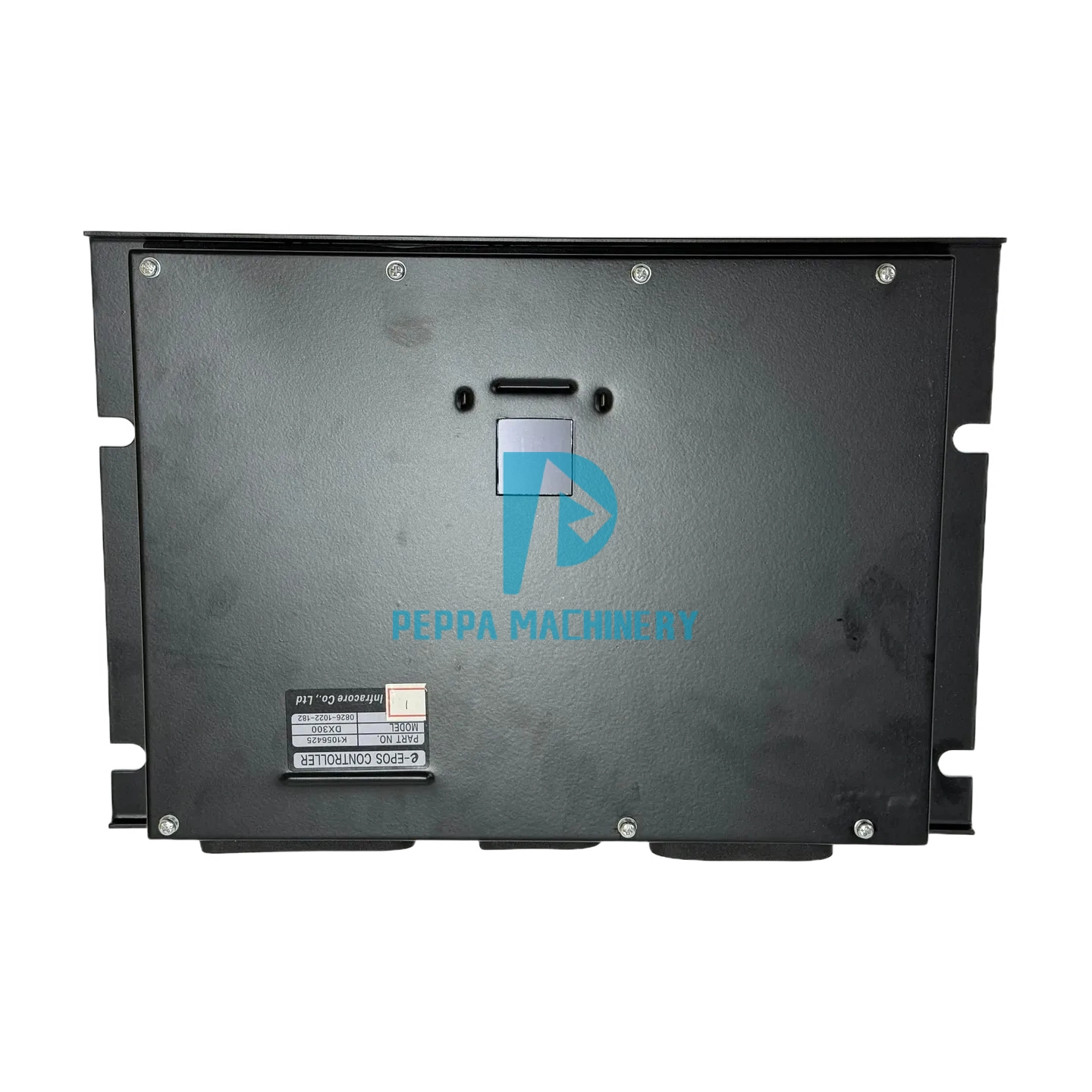
Excavator Control Unit Computer Board K1056425 0826-1022-182 New for Retail Construction Machinery Repair Shops DX300
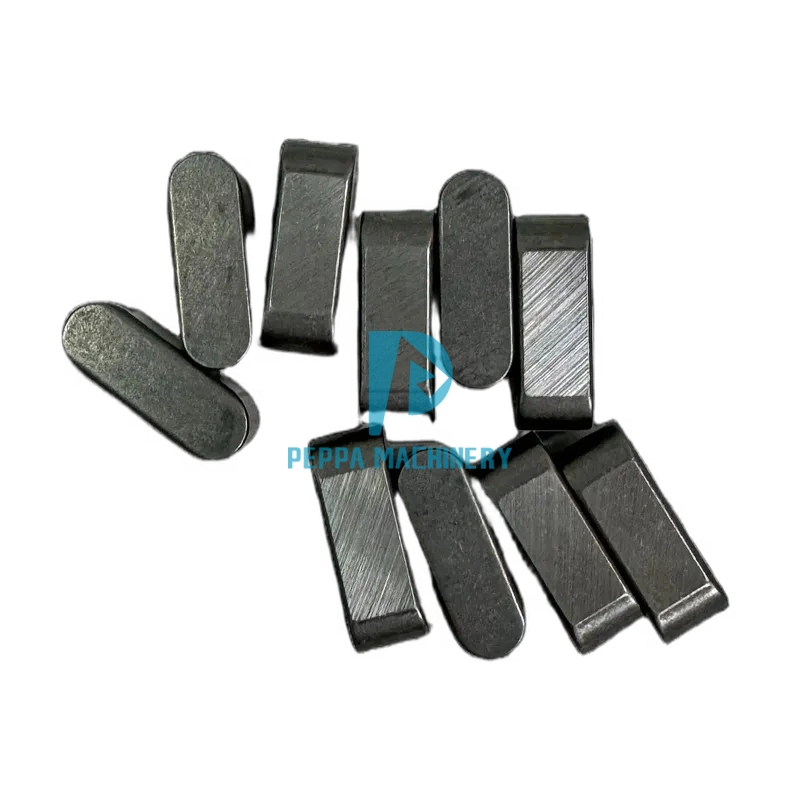
9080107200 9-08010720-0 9-08010-720-0 Camkshaft Feather Key
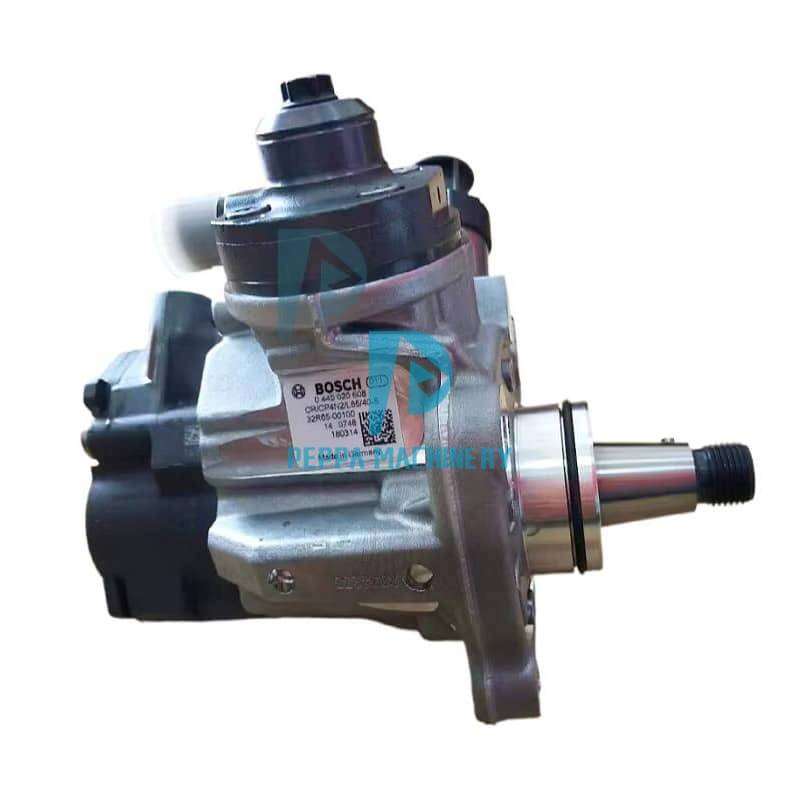
Diesel Fuel Injection Pump Assy 0445020608 32R65-00100 for BOSCH for Mitsubishi Engine in Construction Machinery Parts
Excavator Parts
How can I verify compatibility before placing an order?
Please provide us with your machine brand, model number, and the part number (if available). Our team will double-check the compatibility to ensure you receive the correct parts.
Do you provide technical support or installation guidance?
While we do not offer on-site installation, we can provide basic technical advice, diagrams, or documentation to assist your technicians with installation and troubleshooting.
What brands of excavator parts do you supply?
We supply a full range of parts compatible with major international and Chinese brands, including Caterpillar, Komatsu, Hitachi, Volvo, Doosan, Hyundai, Sany, Liugong, XCMG, Zoomlion, and more.
Can I get help choosing the right parts for my machine?
Yes. Our experienced sales team is here to provide professional recommendations and solutions based on your excavator model, part number, or specific requirements.
What types of parts do you mainly offer?
Our main product categories include:
• Engine parts (liner kits, crankshafts, water/oil pumps, etc.)
• Electrical parts (sensors, monitors, throttle motors, wiring harnesses)
• Hydraulic parts (pumps, valves, cylinders)
• Sealing kits (NOK, SKF, PQ brands, floating seals, O-rings)
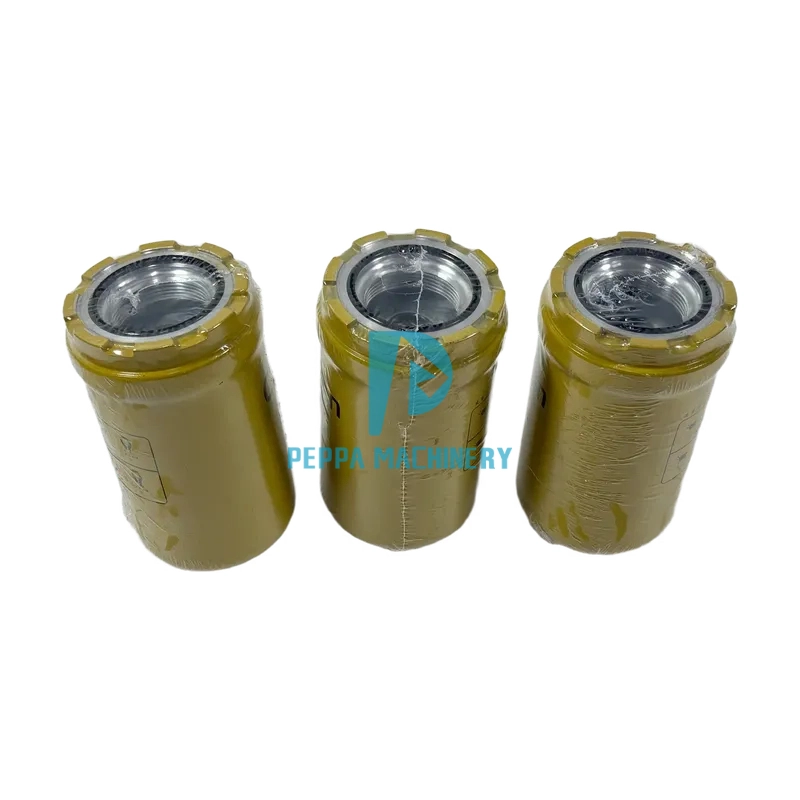
51-8670 Hydraulic Filter Applicable to HF35519 518670 2897836 518670X 1588987 Compatible with Caterpillar 352FVG 325CL
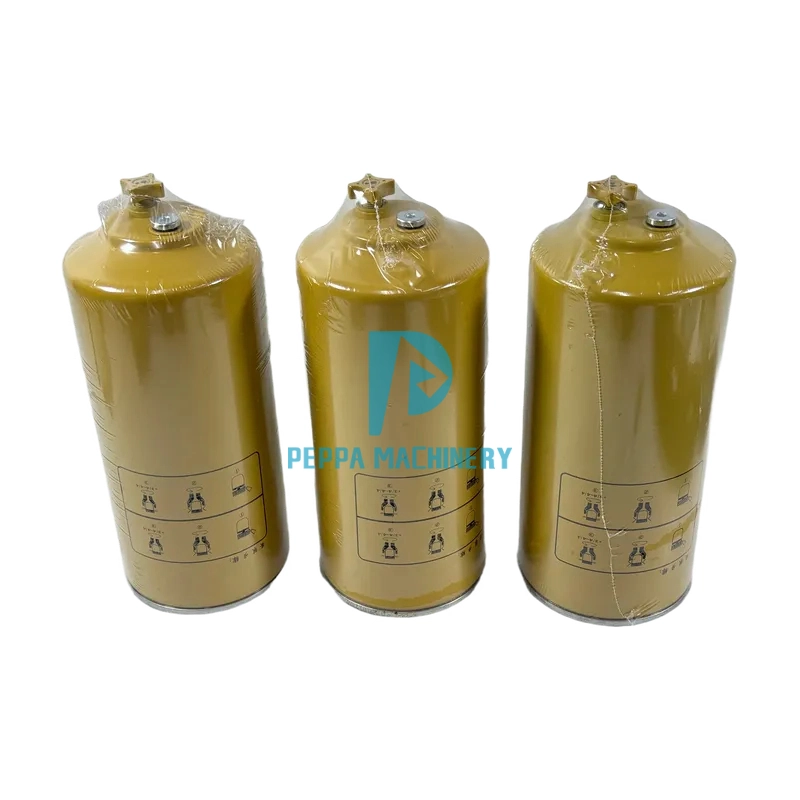
4385386 Fuel Water Separator Fuel Filter 382-0664 Oil-water Separator Hydraulic Oil Filter for CAT 312D2 320D2
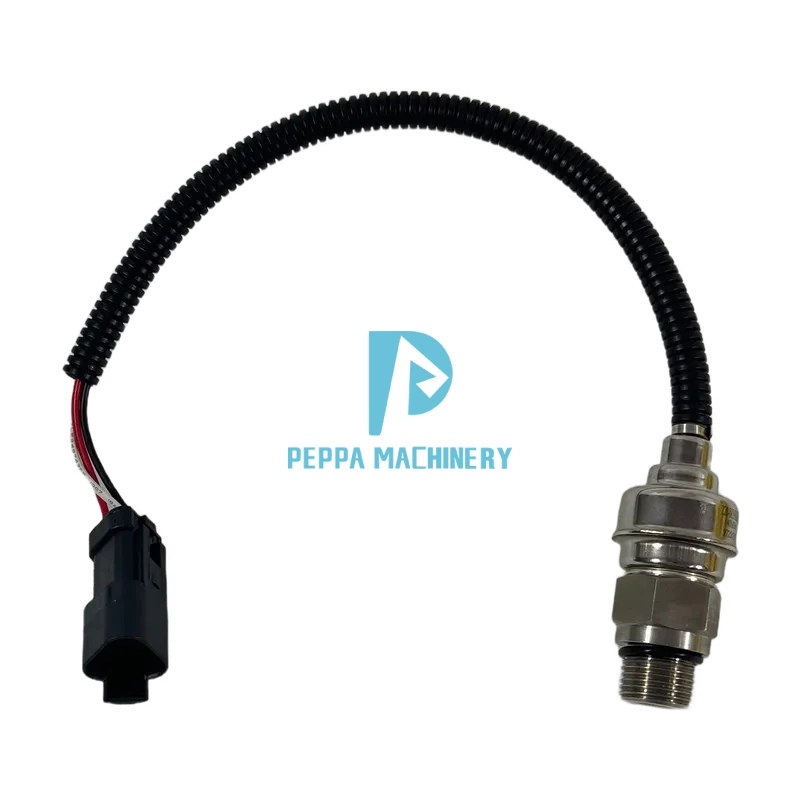
Pressure Sensor 221-8859 106-0178 for Caterpillar CAT 311B 311C 312C 314D 315B 320C 323D 324D 330C 336D 345B 385C
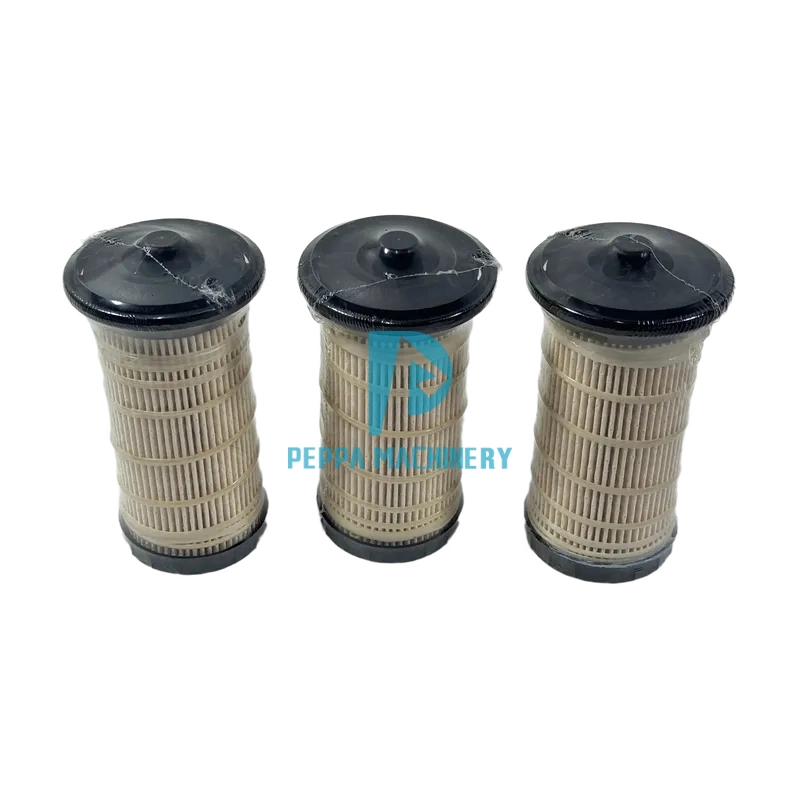
360-8960 Fuel Filter Element for Caterpillar C4.4 & C7.1 Engines | Fits 312D, 320D, 312E, 320E, 326D2, 336D2 Excavators
Get more information
Want to know more? Contact us today to get detailed product specifications, customized solutions, and a free consultation tailored to your needs.
Rest assured that your privacy is important to us, and all information provided will be handled with the utmost confidentiality.

Reliable Source for Quality Excavator Components.
Follow Us
Our Partners


Our Payment Methods


 High Quality
 7/24 Service
 Guaranteed Warranty
 Scan QR Code
Facebook
TikTok
YouTube
Pinterest
Twitter