








How to choose the best hydraulic pump motor for your excavator?
- 1. How do I calculate required displacement and flow for a replacement hydraulic pump motor when the OEM part number is missing?
- 2. How can I match a replacement pump motor to my excavator’s pressure and flow without overloading the engine or causing cavitation?
- 3. What inlet/suction and filtration requirements will prevent cavitation and premature pump/motor failure?
- 4. How do I verify mechanical and hydraulic compatibility (shaft, flange, ports, pilot control) before ordering a replacement?
- 5. When is a remanufactured or overhauled hydraulic pump motor acceptable versus buying a new OEM unit?
- 6. How can I optimize hydraulic motor selection for travel and swing to improve fuel efficiency and cycle times on my excavator?
- Conclusion — Advantages of choosing the right hydraulic pump motor for your excavator
How to Choose the Best Hydraulic Pump Motor for Your Excavator — Detailed Answers
As JBPartsGZ technical specialists, we answer six high-value, often-misunderstood questions about selecting a hydraulic pump motor for excavators. These long-tail, problem-oriented FAQs include calculations, verification checklists, contamination and cavitation controls, mounting compatibility, remanufactured vs OEM trade-offs, and efficiency tips. We reference industry norms such as ISO 4406 contamination codes, ISO VG viscosity guidance and common excavator pressure/flow ranges.
1. How do I calculate required displacement and flow for a replacement hydraulic pump motor when the OEM part number is missing?
Problem: You have a failed pump/motor with no readable tag. You need to size a replacement that matches system demands.
Step-by-step method:
- Identify system maximum working pressure (P): check system relief valve setting or service manual. Typical modern excavators operate between 320–350 bar (32–35 MPa) for main functions; use the measured relief pressure as P.
- Measure or estimate working flow (Q): if you know engine RPM and pump shaft RPM, you can back-calculate. Use hydraulic power relationships (see formula below) or measure flow with a flow meter. Typical mid/large excavators: Q ranges widely (100–400 L/min) depending on size and combined functions.
- Use the hydraulic power formula to cross-check:
Hydraulic power (kW) = P (bar) × Q (L/min) / 600 (theoretical)
Including efficiency: Required mechanical power ≈ (P × Q) / (600 × η_total). For pumps, assume η_total (volumetric × mechanical) ≈ 0.85–0.93 for new axial-piston types; remanufactured or worn units may be lower.
Example: If the system relief is 350 bar and the function requires a flow of 200 L/min, hydraulic power = 350 × 200 / 600 = 116.7 kW. Accounting for pump efficiency (η = 0.90), input shaft power ≈ 116.7 / 0.90 ≈ 129.7 kW. Use this to verify the pump displacement at chosen shaft rpm.
To get pump displacement (cc/rev) from flow:
Q (L/min) = Displacement (cc/rev) × RPM / 1000
Re-arranged: Displacement (cc/rev) = Q × 1000 / RPM
Example calculation: If the engine-driven pump operates at 1,800 rpm and needed flow Q = 200 L/min,
Displacement = 200 × 1000 / 1800 ≈ 111.1 cc/rev.
Checklist when OEM tag is missing:
- Confirm relief pressure from the relief valve.
- Measure system flow or estimate by function cycle times and actuator sizes.
- Check available engine power and allowable shaft rpm—don’t size a pump that requires more input power than the engine can provide.
- When in doubt, consult JBPartsGZ with photos of the pump/motor body and serial casting marks — our technicians can often identify displacement ranges from model families.
2. How can I match a replacement pump motor to my excavator’s pressure and flow without overloading the engine or causing cavitation?
Key pain points: Oversized pumps overload engines; undersized pumps reduce performance and overheat. Cavitation can destroy a pump quickly.
Principles to follow:
- Match maximum pressure rating: replacement pump/motor must have a rated working pressure at or above the system relief setting (e.g., 350 bar rating for a 350 bar system). Never install a pump with a lower maximum working pressure than the relief valve is set to.
- Match flow vs engine capacity: Calculate hydraulic power needed (see Q1) and compare with engine available power at the drive rpm. Allow margins for drivetrain losses — ensure the engine can supply the required kW continuously without exceeding rated load or causing slip in torque converters.
- Suction and cavitation margin: Ensure net positive inlet pressure (NPIP) stays positive. For axial piston pumps, maintain at least 0.03–0.1 MPa (0.3–1.0 bar) positive inlet pressure under full flow; consult pump OEM for specific NPSHr. Short, straight suction lines with large diameter and proper fittings reduce pressure drop.
- Ensure oil viscosity & temperature are within pump OEM limits (commonly ISO VG 32–46 for excavators). Cold thick oil raises suction losses and cavitation risk.
Practical steps:
- Identify relief valve setting and engine power curve at operational RPM.
- Calculate hydraulic power and required pump displacement at nominal shaft RPM as shown in Q1.
- Select a pump with rated maximum pressure ≥ system relief and displacement that yields the desired flow at installed RPM, while ensuring input power <= 85–90% of engine continuous output to preserve reliability.
3. What inlet/suction and filtration requirements will prevent cavitation and premature pump/motor failure?
Beginners often overlook contamination and suction design. Real-world failures are commonly caused by dirt ingestion and cavitation.
Filtration and contamination:
- Target cleanliness: For high-pressure axial piston pumps and servo valves, aim for ISO 4406:2017 codes of 16/13/11 or better. For general hydraulic pumps on excavators, 18/15/12 is a common minimum. Finer filtration improves component life but increases pressure drop—design the strainer and filters accordingly.
- Use full-flow filtration on the return and a high-quality suction strainer (mesh 60–120 depending on pump OEM) in the reservoir. Maintain filter change intervals per operating hours and environment.
Suction plumbing and cavitation control:
- Minimize suction line length and bends. Use at least one size larger ID than the pump inlet recommendation to lower velocity and pressure drop.
- Avoid high points and entrained air; ensure reservoir level meets OEM minimums and include anti-foam and de-aeration features where possible.
- Maintain oil viscosity within the pump’s recommended ISO VG range; very cold oil increases dynamic viscosity and suction losses—consider oil pre-heaters in cold climates.
- Observe pump inlet pressure: a negative inlet (vacuum) indicates risk—use pressure gauges or a duplex pressure sensor during commissioning.
Inspection tips: check for shiny metal flakes in filters (bearing wear), foamy oil (air entrainment), or rapid filter clogging (contamination source). Address contamination sources: worn hoses, gearbox breathers, welding/maintenance debris.
4. How do I verify mechanical and hydraulic compatibility (shaft, flange, ports, pilot control) before ordering a replacement?
Ordering the wrong mounting or port configuration is a frequent beginner mistake leading to downtime.
What to verify and how:
- Shaft type and size: Measure shaft diameter, spline count/size or keyway dimensions. Common shaft standards include SAE splines or keyed shafts. Match coupling or coupling adaptor accordingly.
- Mounting flange: Identify the pump/motor mounting pattern—SAE B/C flange, DIN, or manufacturer-specific. Measure hole circle diameter and bolt patterns.
- Port types and threads: Record port thread types (SAE O-ring Boss, BSPP, BSPT, NPT) and port sizes (e.g., 1/2, 3/4, 1 etc.). Verify orientation and location to ensure hoses/lines will fit without interference.
- Pilot and control ports: For variable displacement pumps, confirm the pilot pressure range and control port threading. Electronic-controlled pumps need compatible ECU/pulse-width signals and electrical connectors—match the control protocol (manufacturer proprietary vs. CANbus).
- Shaft rotation and displacement direction: Confirm rotation (clockwise/anticlockwise viewed from shaft) and displacement direction for reversible motors.
Documentation and photos: Supply JBPartsGZ with clear photos of the pump nameplate, shaft end, flange face, and port markings. Include measurements noted above. We cross-check against manufacturer drawings to ensure a fit-for-purpose replacement.
5. When is a remanufactured or overhauled hydraulic pump motor acceptable versus buying a new OEM unit?
Cost pressure drives many to remanufactured units, but quality and warranty matters especially for critical excavator functions.
Considerations:
- Application severity: For primary main pumps driving boom/arm at full load on high-hour machines, preference for new OEM is common for maximum reliability. For secondary functions or older machines with limited remaining service life, high-quality reman can be cost-effective.
- Inspection and core checks: Accept only reman units with documented reconditioning procedures: component replacement (spools, pistons, shoes, seals), measured tolerances, new bearings and shafts where necessary, and dynamic testing (pressure, flow, noise) to OEM-equivalent specs.
- Warranty and traceability: Prefer vendors who provide a minimum 6–12 month warranty and test reports. Verify serial number traceability and record of replaced parts.
- Cost vs downtime: New OEM often has higher upfront cost but lower risk of early failure. Reman typically offers 30–60% cost saving but requires trust in the remanufacturer's QA.
Checklist before buying remanufactured:
- Ask for test curves and leak/flow data for the unit supplied.
- Verify cleanliness, new seals, and balanced rotating assemblies.
- Confirm compatibility of mounting, ports, and control features to avoid retrofitting surprises.
6. How can I optimize hydraulic motor selection for travel and swing to improve fuel efficiency and cycle times on my excavator?
Choice of hydraulic motors and associated control strategy has a direct effect on fuel consumption, cycle times and operator experience.
Key strategies:
- Use variable-displacement pumps with load-sensing (LS) or pressure-compensated flow-sharing controls. These systems direct only the required flow to functions, reducing parasitic losses and improving fuel economy during partial-load operation.
- Match motor characteristics: For high torque at low speed (travel motors), select motors with high displacement and high volumetric efficiency (axial-piston or heavy-duty gerotor depending on torque needs). Swing motors often use piston motors for smooth torque and speed control under high loads.
- Hydrostatic drive sizing: Optimize motor displacement vs gearbox reduction to keep motor speed in its efficient band. Running a motor at very low rpm with high displacement can reduce volumetric efficiency and increase leakage losses.
- Flow-sharing and priority valves: Implement flow-sharing valves or electronic load-sensing to maintain stable performance when multiple actuators operate simultaneously, preventing loss of flow to travel/swing when other functions demand peak flow.
Operational tips:
- Tune relief and pilot pressures to match component ratings while minimizing excess system pressure — every 10 bar of unnecessary pressure raises power losses.
- Monitor return-line temperatures—excessive heat indicates wasted energy and viscous losses; consider larger coolers or improved heat exchangers if temperatures exceed OEM guidelines.
Conclusion — Advantages of choosing the right hydraulic pump motor for your excavator
Selecting the correct hydraulic pump motor and properly matching displacement, pressure rating, inlet design, filtration, and control architecture yields longer component life, fewer breakdowns, better fuel efficiency, and improved cycle times. Proper mechanical compatibility checks reduce installation time and prevent field retrofits. Choosing quality remanufactured parts can lower cost with acceptable trade-offs when supported by test data and warranty; for critical main pumps, OEM or thoroughly tested equivalents remain the safest long-term choice.
JBPartsGZ provides technical identification, testing, and supply of new and remanufactured hydraulic pumps and motors for excavators. Contact us for a quote and supply assistance at www.jbpartsgz.com or jbparts@aliyun.com.

Isuzu SP 4JG1 4JG2 4JG3 Cylinder Liner 1876182070 1-87618207-0 1876182080 1-87618208-0 1876182100 1-87618210-0
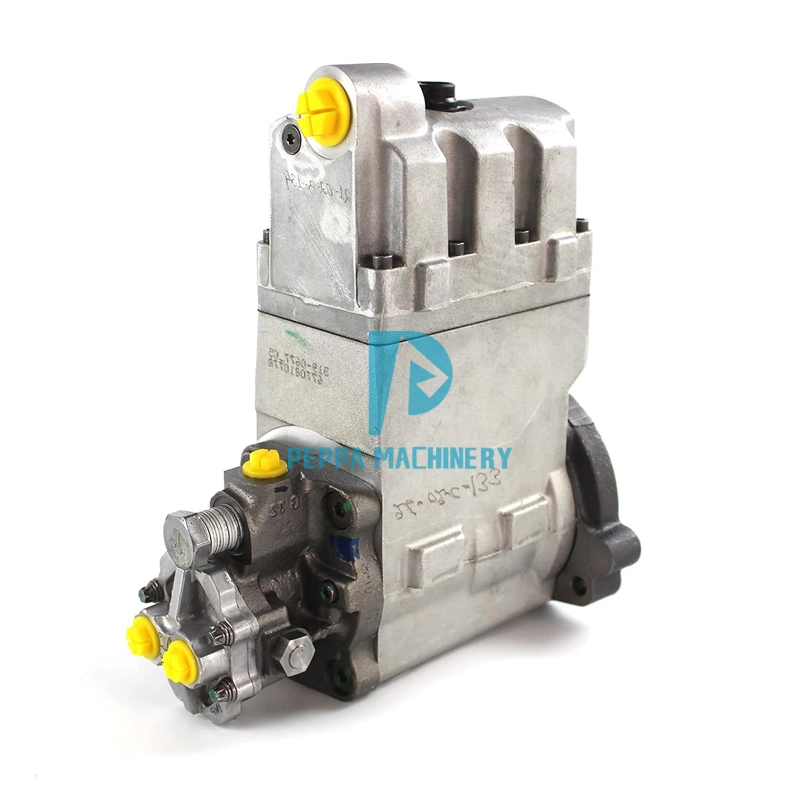
Fuel Feed / Transfer Pump Assembly for Caterpillar C7 & C9 Engines | Direct Replacement for OEM Parts #319-0678, 254-4358, 304-0678, 295-4778, 228-589
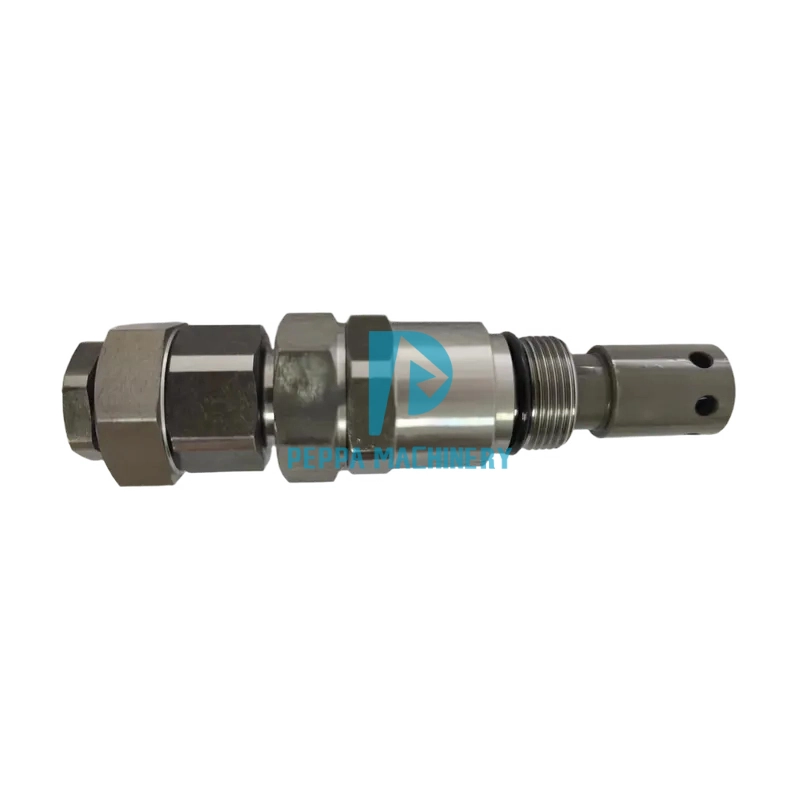
DH220-5 Main Control Valve Relief Valve 2420-1225 for Daewoo Doosan Excavator Solenoid Valve Hydraulic Accessories
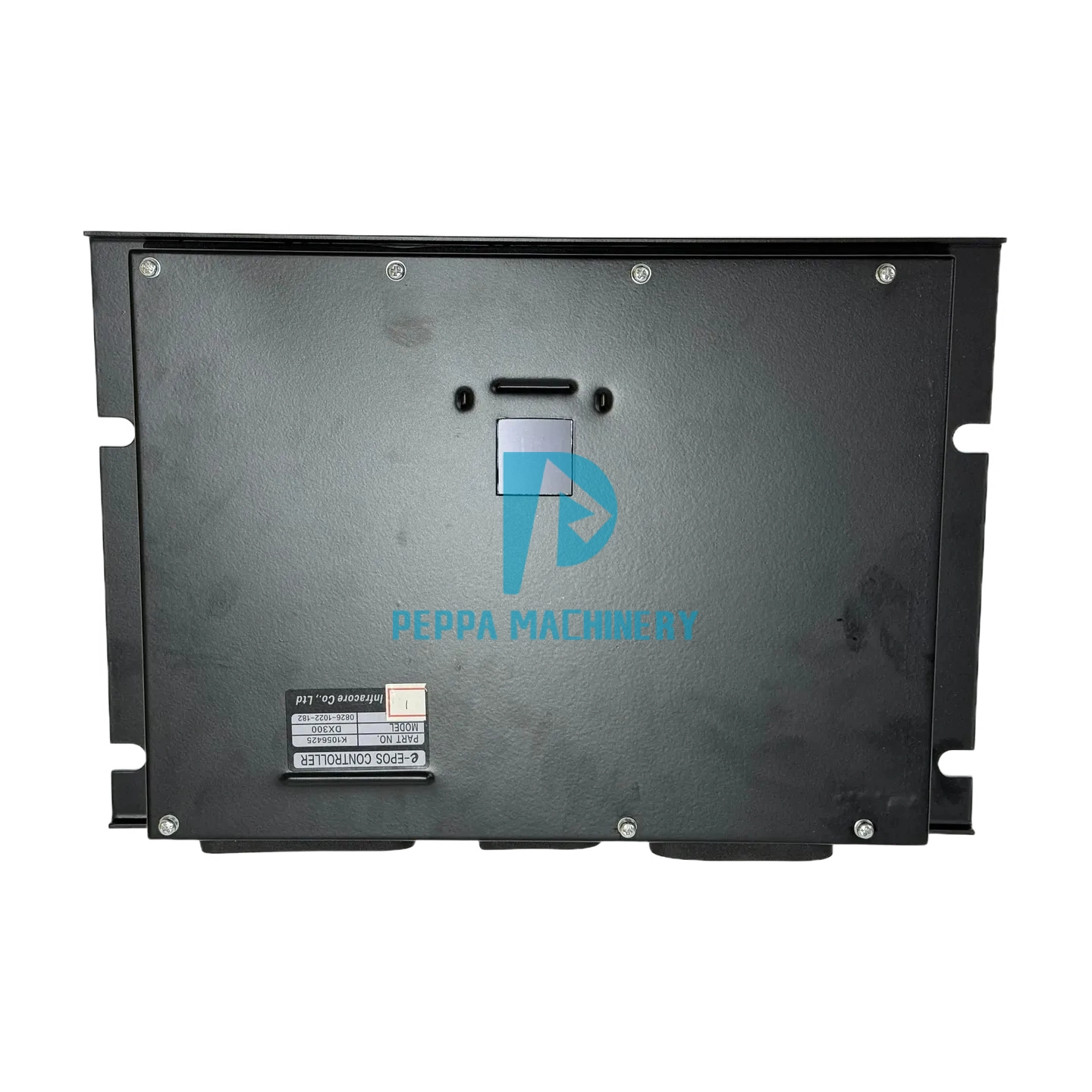
Excavator Control Unit Computer Board K1056425 0826-1022-182 New for Retail Construction Machinery Repair Shops DX300
Excavator Parts
Can I get help choosing the right parts for my machine?
Yes. Our experienced sales team is here to provide professional recommendations and solutions based on your excavator model, part number, or specific requirements.
Do you provide technical support or installation guidance?
While we do not offer on-site installation, we can provide basic technical advice, diagrams, or documentation to assist your technicians with installation and troubleshooting.
How can I verify compatibility before placing an order?
Please provide us with your machine brand, model number, and the part number (if available). Our team will double-check the compatibility to ensure you receive the correct parts.
What types of parts do you mainly offer?
Our main product categories include:
• Engine parts (liner kits, crankshafts, water/oil pumps, etc.)
• Electrical parts (sensors, monitors, throttle motors, wiring harnesses)
• Hydraulic parts (pumps, valves, cylinders)
• Sealing kits (NOK, SKF, PQ brands, floating seals, O-rings)
Are your parts genuine or OEM?
We offer both genuine parts and high-quality OEM alternatives. You can choose according to your budget and application needs. All OEM products are tested to meet or exceed original specifications.
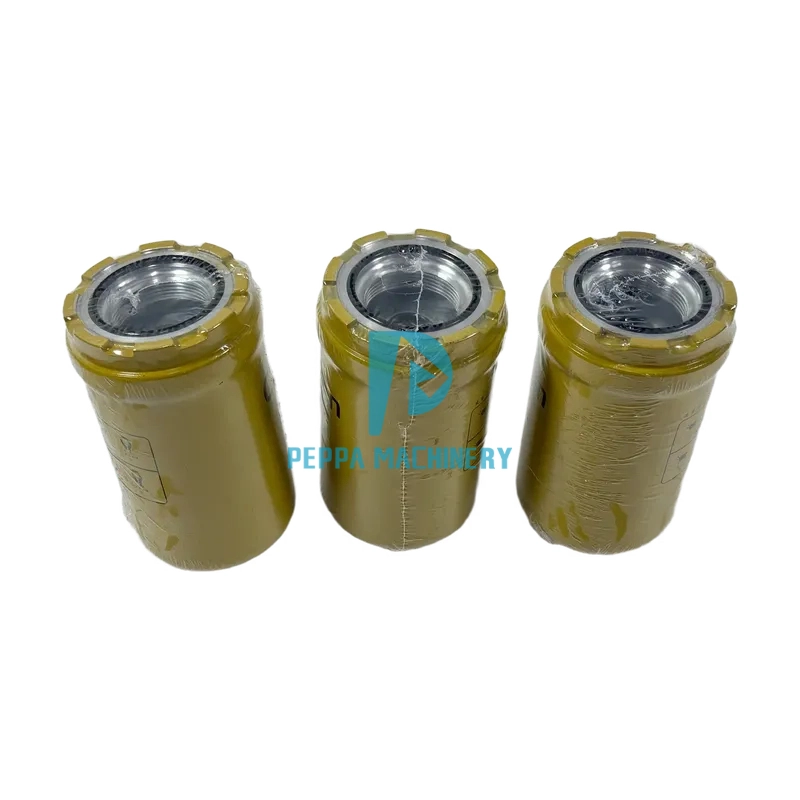
51-8670 Hydraulic Filter Applicable to HF35519 518670 2897836 518670X 1588987 Compatible with Caterpillar 352FVG 325CL
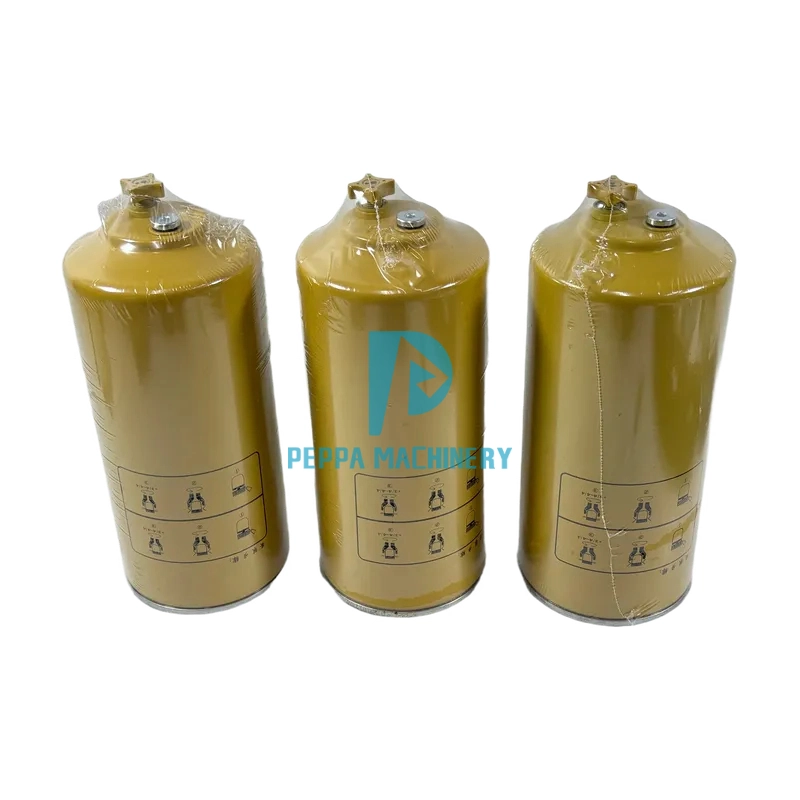
4385386 Fuel Water Separator Fuel Filter 382-0664 Oil-water Separator Hydraulic Oil Filter for CAT 312D2 320D2
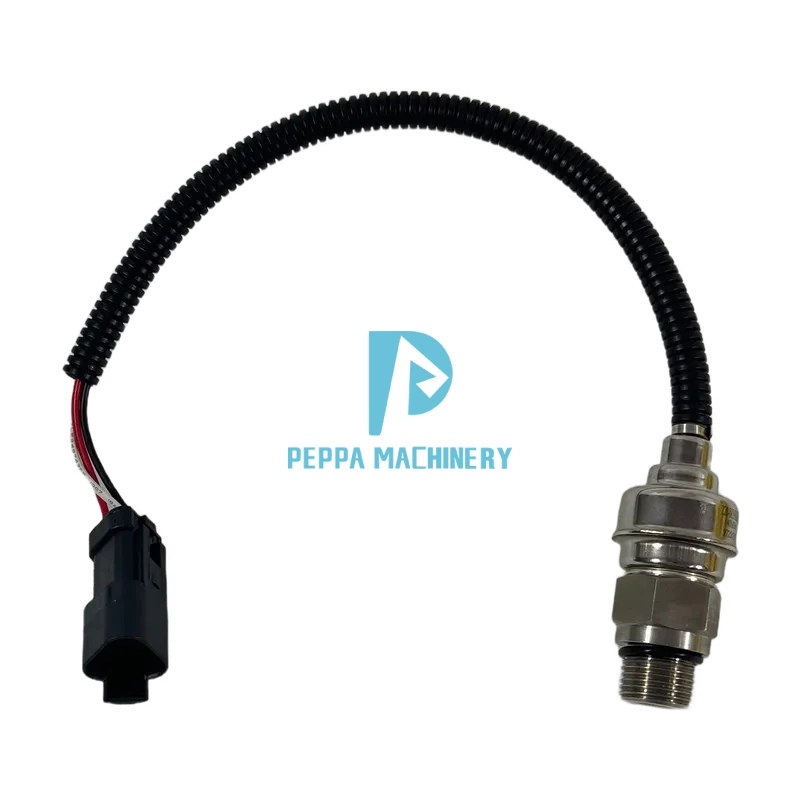
Pressure Sensor 221-8859 106-0178 for Caterpillar CAT 311B 311C 312C 314D 315B 320C 323D 324D 330C 336D 345B 385C
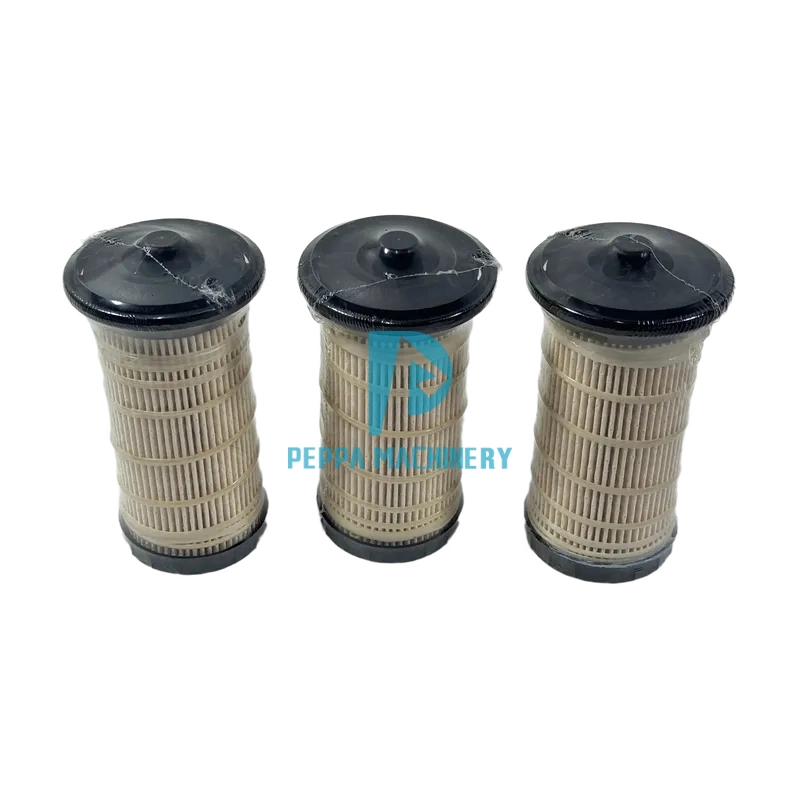
360-8960 Fuel Filter Element for Caterpillar C4.4 & C7.1 Engines | Fits 312D, 320D, 312E, 320E, 326D2, 336D2 Excavators
Get more information
Want to know more? Contact us today to get detailed product specifications, customized solutions, and a free consultation tailored to your needs.
Rest assured that your privacy is important to us, and all information provided will be handled with the utmost confidentiality.

Reliable Source for Quality Excavator Components.
Follow Us
Our Partners


Our Payment Methods


 High Quality
 7/24 Service
 Guaranteed Warranty
 Scan QR Code
Facebook
TikTok
YouTube
Pinterest
Twitter