








OEM vs aftermarket injector nozzles: which should buyers choose?
- 1. How can I verify injector nozzle compatibility when the stamped part code is missing or worn?
- 2. What specific bench tests and acceptance criteria should I demand before buying used or aftermarket injector nozzles?
- 3. How does biodiesel or poor fuel quality change my choice of injector nozzle materials, coatings or maintenance intervals?
- 4. My excavator produces black smoke at low RPM and a rough idle. How can I tell if the injector nozzles are the cause without removing them?
- 5. For high-hour excavators (10,000+ hours), what are realistic nozzle lifespan expectations and the limits for reconditioning versus replacement?
- 6. What warranty, traceability and quality documentation should I require from aftermarket nozzle suppliers to meet fleet compliance and emissions audits?
- Concluding guidance — Advantages of OEM vs Aftermarket Injector Nozzles
Injector Nozzles — OEM vs Aftermarket: Which Should Buyers Choose?
Choosing the right injector nozzles for excavators affects fuel atomization, emissions, engine efficiency and downtime. Below are six specific, pain-point-focused questions beginners often ask but rarely find up-to-date, practical answers for. Each section explains what to measure, what to demand from suppliers, and how to decide between OEM, remanufactured, and aftermarket injector nozzles.
1. How can I verify injector nozzle compatibility when the stamped part code is missing or worn?
Problem: Many excavator injectors are decades old and part codes are corroded or gone. Buyers who only rely on model/year cross-references risk ordering an incompatible nozzle (wrong spray angle, thread, seat diameter or nozzle hole count).
Practical verification steps:
- Visual and dimensional checks: measure nozzle overall length, thread pitch and diameter, nozzle-seat diameter (seat OD), nozzle tip external diameter, and mounting flange / shank features. Carry calipers and identify thread spec (e.g., M14x1.25, 9/16-18 UNF — actual standard varies by OEM).
- Nozzle hole count and pattern: inspect the tip under 10–20x magnification to count holes and note spray orientation (axial, radial, multi-hole). Spray hole geometry drives atomization and idle stability.
- Measure nozzle opening pressure (NOP) and flow on a test bench: ask the seller to provide a bench test certificate showing nozzle opening pressure and flow rate at the OEM-specified reference pressure. If bench testing is not practical onsite, remove one injector and send to a certified test center.
- Cross-reference injector body and pump/rail specs: match the injector body serial number and pump/rail system type (common-rail, unit injector, PFI). A common-rail injector nozzle from a high-pressure system (1000–2500 bar) will not function correctly in an older mechanical pump-line-injector system.
- Ask for OEM-equivalent dimensions or 3rd-party datasheet: reputable suppliers will provide a dimensional drawing and tolerance data. Require ± tolerance ranges for critical dimensions (seat diameter, spray-hole diameter) rather than just part numbers.
Red flags: sellers who cannot provide dimensional data, flow/spray images, or a secure return policy. If you can’t confirm dimensions or bench tests, insist on returning rights and/or buy only from sources that will test and certify the nozzle for your machine model.
2. What specific bench tests and acceptance criteria should I demand before buying used or aftermarket injector nozzles?
Problem: Many listings claim “tested” or “reconditioned” without standardized documentation. Without clear acceptance criteria, you risk reduced performance, excess smoke, or premature wear.
Minimum bench tests and documentation to require from any vendor (OEM, reman, or aftermarket):
- Flow-rate test: measured flow at the manufacturer’s specified test pressure. Require the actual test pressure used and a flow tolerance. For practical fleet use, accept no more than ±3–5% deviation from OEM flow spec per nozzle. Larger deviations cause cylinder imbalance and poor idle.
- Spray-pattern test: a photo or video of the spray pattern taken on the test bench using the stated pressure. The pattern must be symmetrical and match the OEM reference image for that nozzle code.
- Nozzle opening pressure (NOP): measured opening pressure and repeatability across multiple cycles (showing stable NOP within tolerance). NOP drift causes timing and dose inconsistency.
- Leak and return-flow test: show that there is no internal leakage and that the return flow (if applicable) is within OEM allowance. Excess return flow indicates worn internal clearances.
- Material and hardening confirmation: a declaration or certificate that critical surfaces (needle, seat, tip) meet specified hardness/material criteria—especially important if fuel types include biodiesel or high-sulfur blends.
- Traceability and serial number: each nozzle/injector should carry an identifiable serial or batch number on the certificate to track warranty and future reman cycles.
How to interpret results:
- If flow deviation exceeds ±5%, reject or negotiate price. Unbalanced flow causes rough running and higher cylinder wear.
- Asymmetrical spray patterns or satellite spray indicates tip damage or wrong hole geometry—do not install.
- NOP variability >10% cycle-to-cycle indicates internal wear or sticking; reject or recondition.
3. How does biodiesel or poor fuel quality change my choice of injector nozzle materials, coatings or maintenance intervals?
Problem: Fleets switching to biodiesel blends or operating in regions with inconsistent fuel quality see accelerated nozzle tip erosion, deposits, and sealing failures. Many online answers are generic and do not address material selections and test data.
Real effects and practical mitigation:
- Deposit formation: biodiesel (FAME) typically increases organic deposits on the nozzle tip and sac volume. That degrades spray pattern and increases emissions. More frequent tip inspections and cleaning cycles are required.
- Material compatibility: some aftermarket nozzles use steels or plating that are less compatible with FAME and corrosive compounds. For fuels with higher FAME content or known sulfur/contaminant issues, demand nozzles with corrosion-resistant coatings and documented material certificates for needle and seat (e.g., nitrided or hardened stainless surface treatments).
- Filtration and water separation: strict fuel filtration (≤10 µm absolute) and water separators are essential. Ask vendors for guidance on filter micron ratings and recommended service intervals when using biodiesel blends.
- Maintenance cadence: expect more frequent bench checks—every 500–1,000 operating hours under poor fuel conditions versus longer intervals for well-filtered ULSD. Track return flow and idle quality; those are early indicators of deposit build-up.
- Choice of nozzle: where biodiesel is used regularly, prefer OEM or high-quality remanufactured nozzles with documented corrosion-resistant finishes and explicit compatibility statements. Cheaper, untested aftermarket tips are higher risk in aggressive fuel environments.
4. My excavator produces black smoke at low RPM and a rough idle. How can I tell if the injector nozzles are the cause without removing them?
Problem: Black smoke and roughness have many causes (turbocharger, air intake restriction, EGR faults, fuel pump irregularities). Beginners often replace nozzles unnecessarily.
Stepwise diagnostic approach (non-invasive first):
- Check air-side: inspect air filters, turbocharger shaft play, and intercooler for restriction. A lack of air causes black smoke. Air-side faults must be ruled out first.
- Fuel pressure and pump health: measure rail pressure drop under load or use diagnostic tools to read rail pressure (common-rail) or pump delivery curves. Significant pressure deviation points to fuel pump or rail leaks rather than nozzle faults.
- Cylinder cut-out / balance test: on many diagnostic tools you can pulse or shut down individual injectors (or use an engine analyzer). If disabling one injector significantly changes smoke/roughness, that indicates injector/nozzle imbalance.
- Return-flow measurement: measure fuel returned from each injector (if system design allows). Excessive return on one cylinder suggests internal leakage in that injector.
- Compression and valves: do a quick compression/leak-down test to exclude air-side sealing problems that can mimic injector faults.
- OBD and fault codes: review fault memory for misfire, rail pressure, or injector-specific codes.
When to remove injectors for bench testing:
- If cylinder balance tests, return flow or rail pressure checks point to a specific injector, remove and send it for flow and spray testing.
- If multiple cylinders show similar symptoms and air/fuel pump checks are OK, bench test a sample set of injectors to confirm uniformity (and diagnose contamination or systemic wear).
5. For high-hour excavators (10,000+ hours), what are realistic nozzle lifespan expectations and the limits for reconditioning versus replacement?
Problem: Many fleet managers ask for a single lifespan number. Reality varies with system type (mechanical vs common-rail), fuel quality, maintenance, and operating conditions.
Guidance based on real-world industry practice:
- Lifespan ranges: modern common-rail injectors in well-maintained fleets often last thousands to several thousands of hours; some fleets get 3,000–10,000 hours depending on environment and servicing. Mechanical injectors in low-load conditions can last longer but are more sensitive to contamination. Use these as ranges, not guarantees.
- Signs that reconditioning is still viable: nozzle tip geometry is within dimensional tolerance, needle seating surfaces are not pitted beyond OEM tolerance, and internal clearances (as revealed by bench tests) are repairable. Bench tests should confirm flow and NOP can be brought within spec after reconditioning.
- When to replace instead of recondition: irreparable tip erosion, metallurgical damage, or damaged injector bodies where reman costs approach the price of new OEM. Also replace when the engine emission standard requires certified new parts to meet compliance (e.g., certain Tier/Stage retrofits).
- Statistically prudent approach: for mission-critical machines, replace injectors when reconditioned parts cannot be certified to within ±3% flow and matching NOP. For non-critical machines, high-quality remanufactured injectors with full bench certificates are a cost-effective choice.
Record-keeping: track injector serials, hours at installation, bench test results, and fuel history. That dataset helps predict realistic life expectancy for your fleet and justifies procurement choices.
6. What warranty, traceability and quality documentation should I require from aftermarket nozzle suppliers to meet fleet compliance and emissions audits?
Problem: Aftermarket nozzles often lack traceability and standardized testing documentation. For fleets facing emissions audits or requiring fleet-level warranties, documentation matters.
Minimum documentation and assurances to demand:
- Flow and spray pattern certificate: per-nozzle bench test results showing test pressure, flow (ml/stroke or cc/min), NOP, and a spray-photo. These certificates should be stamped and dated.
- Batch and serial traceability: each nozzle (or nozzle set) must have a serial or batch ID linked to the bench test certificate and supplier invoice.
- Material and process declaration: statement of materials, heat treatment/hardening process for critical surfaces and any coatings used (e.g., nitriding, chrome-free corrosion coatings).
- Quality system proof: supplier ISO or equivalent quality management certification (ISO 9001 or similar). For reman facilities, ask about their test-bench calibration standards and intervals, and whether they use OEM-equivalent test benches (Bosch/Delphi style references are common in industry).
- Warranty terms: minimum 6–12 months is common for good aftermarket/reman parts; OEM warranties are typically longer for new parts. Confirm whether warranty covers bench-tested parameters (flow/spray) and consequential damages to the engine.
- Emissions compliance statement: if operating in regulated jurisdictions (EPA Tier, EU Stage), ask for documentation that the nozzle will not cause the engine to fail emission standards — for some fleets this requires OEM-specified parts or certified equivalents.
Red flags: verbal promises without stamped certificates, lack of serial tracing, or vague warranty clauses. If a supplier declines to provide per-unit bench data and traceability, treat that as a quality-risk signal.
Concluding guidance — Advantages of OEM vs Aftermarket Injector Nozzles
When deciding between OEM and aftermarket injector nozzles, weigh the following practical advantages:
- OEM advantages: Exact dimensional and material match to the original design; formal traceability and manufacturer-backed warranty; often longer product support and certified compliance with emission standards. Best choice for warranty-covered machines, emissions-sensitive fleets, and mission-critical applications.
- High-quality remanufactured advantages: Cost-effective with good environmental profile; can meet OEM-equivalent performance when reconditioned by certified shops that provide per-unit bench certificates. Viable for older machines or fleets that keep cores for future cycles.
- Aftermarket advantages: Lower upfront cost and rapid availability. Good aftermarket nozzles from reputable vendors that provide test certificates, material declarations, and warranties can be suitable for non-critical applications or for older equipment where OEM parts are obsolete or very expensive.
Decision framework:
- Prioritize OEM or certified reman for machines under warranty, in emission-controlled zones, or where downtime is unacceptable.
- Use certified reman with per-unit bench tests for high-hour or older excavators to balance cost and reliability.
- Only purchase aftermarket nozzles when the vendor provides full test documentation, traceability and a transparent warranty. Avoid anonymous or uncertified nozzles for fleets operating on biodiesel or under emissions audit.
For a reliable quote, per-unit bench test data, or help choosing the correct injector nozzle spec for your excavator model, contact JB Parts. Visit www.jbpartsgz.com or email jbparts@aliyun.com to request a quote and provide your machine serials and fuel history.

Isuzu SP 4JG1 4JG2 4JG3 Cylinder Liner 1876182070 1-87618207-0 1876182080 1-87618208-0 1876182100 1-87618210-0
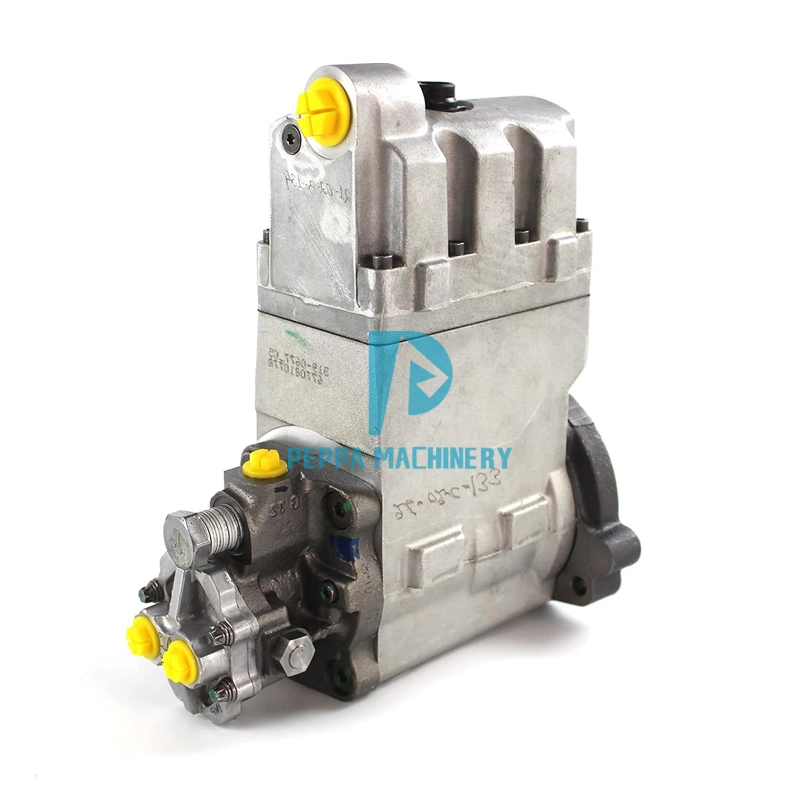
Fuel Feed / Transfer Pump Assembly for Caterpillar C7 & C9 Engines | Direct Replacement for OEM Parts #319-0678, 254-4358, 304-0678, 295-4778, 228-589
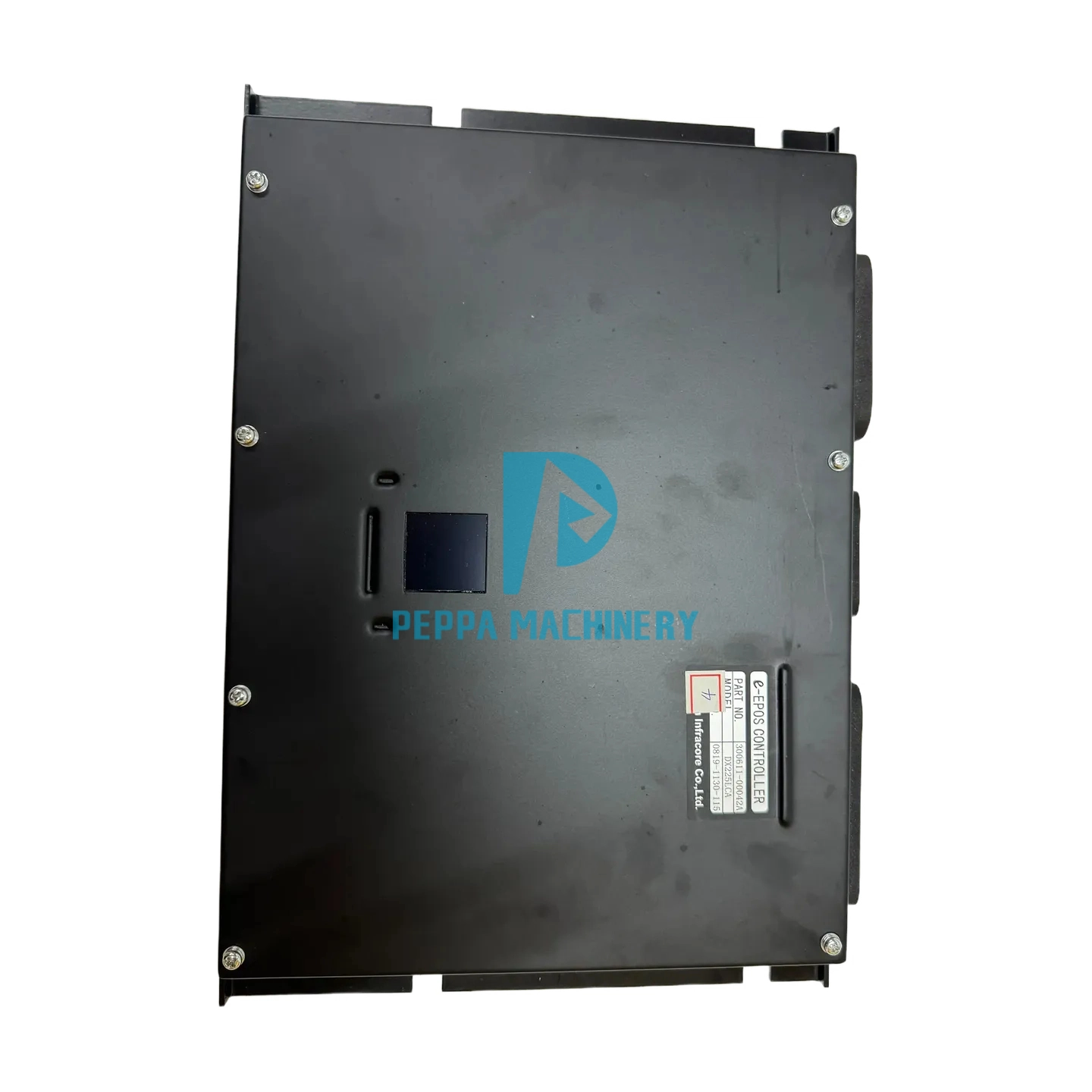
Excavator Accessories Excavator Controller DX225 DX225LCA E-EPOS Controller Computer Board 300611-00042 K1026740 K1001369C K1056425 ECU ECM

Isuzu Engine 6WG1 Turbo 1876183290 1-87618329-0 8981921861 8-98192186-1 14400-4441 1144004370 114400-4370 49188-018312 49188-11940
Excavator Parts
What types of parts do you mainly offer?
Our main product categories include:
• Engine parts (liner kits, crankshafts, water/oil pumps, etc.)
• Electrical parts (sensors, monitors, throttle motors, wiring harnesses)
• Hydraulic parts (pumps, valves, cylinders)
• Sealing kits (NOK, SKF, PQ brands, floating seals, O-rings)
Are your parts genuine or OEM?
We offer both genuine parts and high-quality OEM alternatives. You can choose according to your budget and application needs. All OEM products are tested to meet or exceed original specifications.
How can I verify compatibility before placing an order?
Please provide us with your machine brand, model number, and the part number (if available). Our team will double-check the compatibility to ensure you receive the correct parts.
What brands of excavator parts do you supply?
We supply a full range of parts compatible with major international and Chinese brands, including Caterpillar, Komatsu, Hitachi, Volvo, Doosan, Hyundai, Sany, Liugong, XCMG, Zoomlion, and more.
Do you provide technical support or installation guidance?
While we do not offer on-site installation, we can provide basic technical advice, diagrams, or documentation to assist your technicians with installation and troubleshooting.
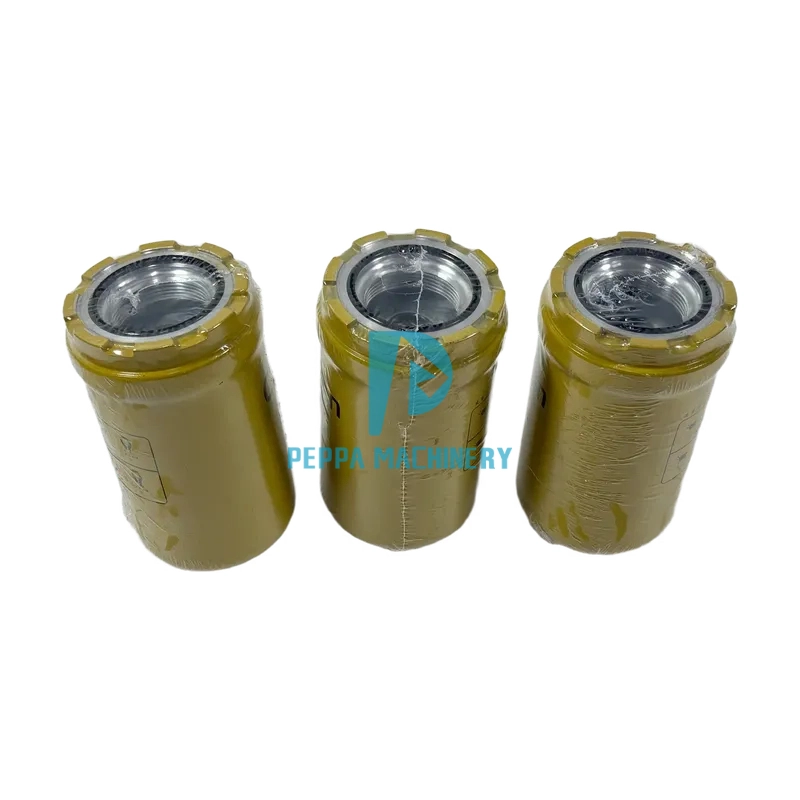
51-8670 Hydraulic Filter Applicable to HF35519 518670 2897836 518670X 1588987 Compatible with Caterpillar 352FVG 325CL
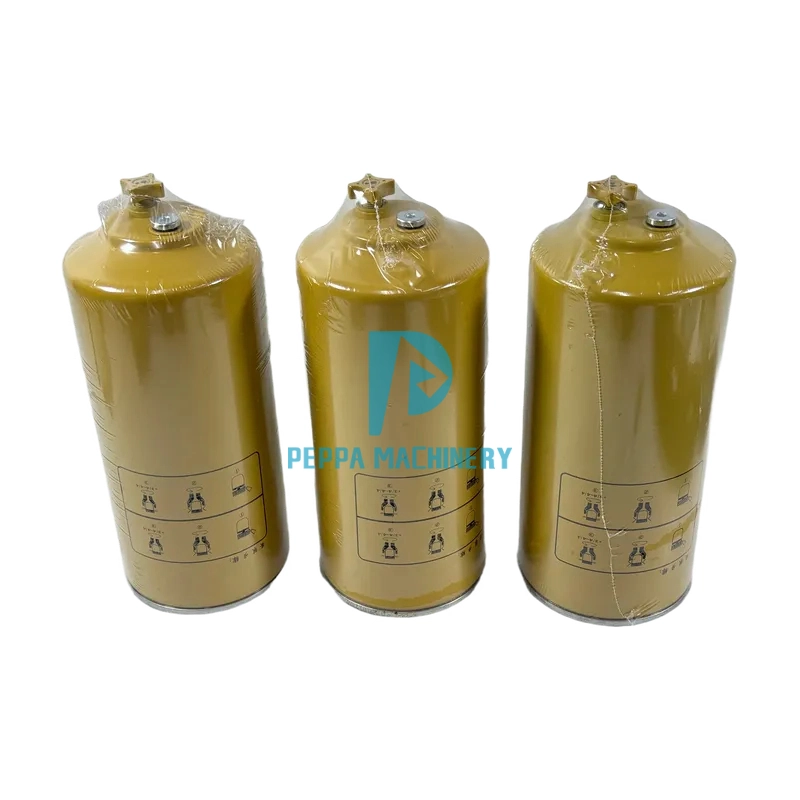
4385386 Fuel Water Separator Fuel Filter 382-0664 Oil-water Separator Hydraulic Oil Filter for CAT 312D2 320D2
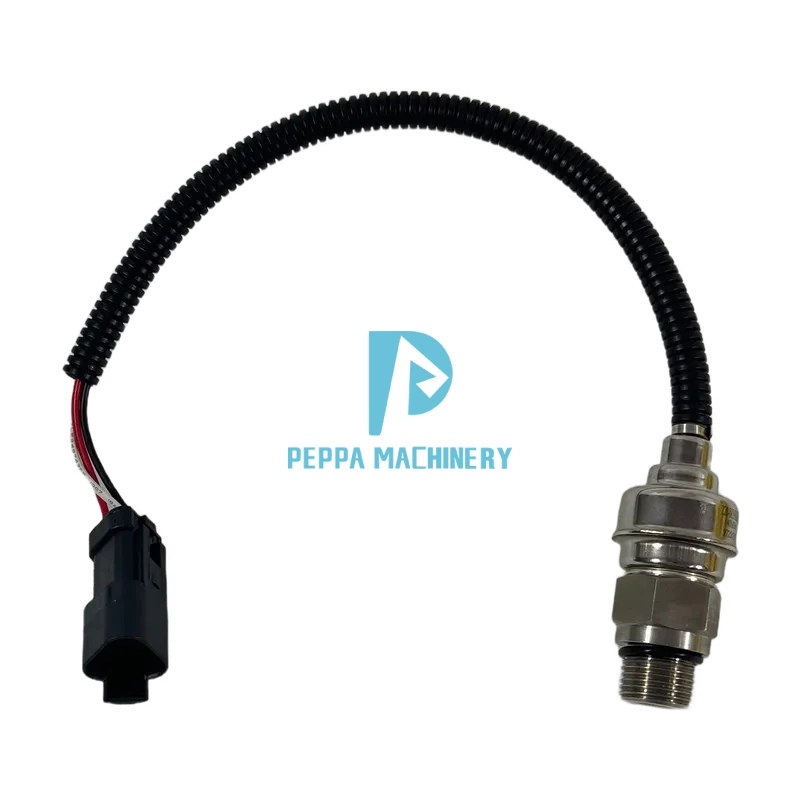
Pressure Sensor 221-8859 106-0178 for Caterpillar CAT 311B 311C 312C 314D 315B 320C 323D 324D 330C 336D 345B 385C
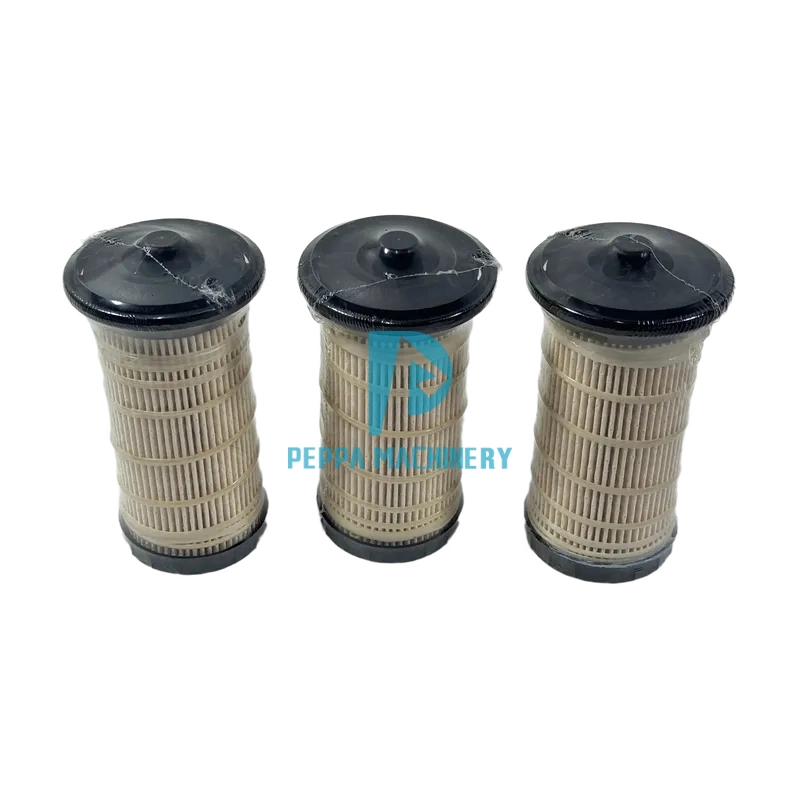
360-8960 Fuel Filter Element for Caterpillar C4.4 & C7.1 Engines | Fits 312D, 320D, 312E, 320E, 326D2, 336D2 Excavators
Get more information
Want to know more? Contact us today to get detailed product specifications, customized solutions, and a free consultation tailored to your needs.
Rest assured that your privacy is important to us, and all information provided will be handled with the utmost confidentiality.

Reliable Source for Quality Excavator Components.
Follow Us
Our Partners


Our Payment Methods


 High Quality
 7/24 Service
 Guaranteed Warranty
 Scan QR Code
Facebook
TikTok
YouTube
Pinterest
Twitter