








How long do excavator injector nozzles typically last?
- 1) How long do excavator injector nozzles typically last under real operating conditions (fuel quality, duty cycle, and idling)?
- 2) I see smoke and power loss—how do I tell if the nozzle (spray tip) is worn or the injector pump/ECU/lines are the problem?
- 3) Are there reliable on-site cleaning or regeneration options to extend nozzle life safely without full replacement?
- 4) How do nozzle materials and coatings (hardening, nitriding, special coatings) affect life and spray quality—are aftermarket coated nozzles worth it?
- 5) When buying replacement injector nozzles online, how do I verify compatibility and avoid receiving the wrong nozzle (part codes, spray angle, opening pressure, calibration)?
- 6) For an excavator fleet, what is the real cost comparison and ROI between replacing nozzles with new OEM parts vs reconditioning used nozzles?
- Concluding summary: advantages of choosing quality, bench-tested injector nozzles and disciplined maintenance
How Long Do Excavator Injector Nozzles Typically Last? In-Depth Guide for Buyers
This article answers six specific, under-covered beginner questions about excavator injector nozzles—covering real-world lifespan expectations, diagnostics to distinguish nozzle wear from other injector problems, safe on-site cleaning, material and coating impacts, precise compatibility checks when buying replacements online, and cost vs. reconditioning decisions for fleets. Practical maintenance intervals, test methods, and procurement checks are included so you can buy the right nozzle and avoid unnecessary downtime.
1) How long do excavator injector nozzles typically last under real operating conditions (fuel quality, duty cycle, and idling)?
Real-world lifespan for injector nozzles depends on three main variables: injector technology, fuel cleanliness, and duty profile.
- Injector technology: mechanical nozzles (older-style rotary or inline pumps) typically show nozzle tip wear earlier than modern common-rail solenoid/piezo systems. Typical observed service life ranges are: mechanical systems often 2,000–4,000 engine hours; modern common-rail/CR systems typically 5,000–10,000 hours under good maintenance. These ranges are industry-observed, not absolute guarantees—manufacturer service manuals give final guidance per engine family.
- Fuel contamination: water, particulates and biological growth shorten life rapidly. With poor fuel or ineffective filtration, nozzles can fail in under 1,000 hours. With correct filtration (including a water separator and a final filter rated for fine particles) and clean fuel, you push toward the upper end of the lifespan range.
- Duty cycle and idling: frequent low-load idling produces soot and deposits that clog nozzle holes and alter spray pattern; heavy continuous loads accelerate mechanical erosion. Fleets that combine high-load operation with strict filter discipline get the best nozzle longevity.
Practical recommendation: treat the quoted ranges as planning guidance, inspect spray pattern and leakage every 500–1,000 hours, and follow the OEM service manual for mandatory overhaul intervals. For critical applications, set a preventive replacement window well before the expected end-of-life to avoid unscheduled downtime.
2) I see smoke and power loss—how do I tell if the nozzle (spray tip) is worn or the injector pump/ECU/lines are the problem?
Symptoms overlap (smoke, rough idle, higher fuel use), so use targeted diagnostics in this order to isolate nozzle wear from system faults:
- Visual and history check: confirm recent fuel changes, filter service, or water contamination. Sudden failure after a bad batch of fuel suggests contamination-related clogging.
- Smoke character: white smoke at cold start often indicates poor atomization (nozzle problem) or timing; black smoke under load is often rich mixture due to leaking nozzles or incorrect injection duration. Blue smoke means oil burning and usually points elsewhere.
- Injector linkage and wiring: for common-rail unit injectors, check electrical connectors and solenoids with a diagnostic scanner—no electrical signal or fault codes mean the nozzle may be fine but the control is not working.
- Nozzle spray pattern test: remove the injector nozzle assembly and test on a bench or with a temporary pressurized pump to observe spray pattern and distribution. A distorted or hollow pattern indicates nozzle erosion or blocked holes. This is the most direct check.
- Leak-off and opening pressure test: measure nozzle cracking/opening pressure with a calibrated pressure gauge or bench tester. Deviations from the OEM spec indicate worn or damaged nozzle/needle-seat assembly.
- Cylinder cutout or balance test: sequentially disable injectors (or use a cylinder cutout test) to see which cylinder causes the biggest loss—helps identify injector-specific faults.
Only after isolating a faulty injector/nozzle should you replace the nozzle. If electrical or pump control faults are present, repairing the nozzle alone will not resolve the symptom.
3) Are there reliable on-site cleaning or regeneration options to extend nozzle life safely without full replacement?
On-site cleaning can help in certain cases (soft deposits) but is risky for hardened wear or internal erosion. Safe options and limits:
- Ultrasonic cleaning + bench flow test: effective for soot and varnish on external surfaces and nozzle holes. Always follow with a flow and spray-pattern test on a bench to confirm restoration. Do not return a nozzle to service if flow/spray is out of spec.
- High-pressure back-flush systems: can clear soft blockages but may damage delicate nozzle holes and seating if pressure pulses are uncontrolled. Use only purpose-built equipment and trained technicians.
- Chemical soak: solvent-based cleaners remove deposits but do not restore eroded seats or worn needle tips. After chemical cleaning, perform bench calibration and leakage tests before reuse.
- When not to clean: visible nozzle tip erosion, widened nozzle holes, permanent changes to spray cone, or persistent leakage. In these cases, replacement or reconditioning (professional regrinding + calibration on a test bench) is the correct action.
Operational rule: if the nozzle can be restored to OEM flow and spray spec (bench-verified) it’s acceptable to reuse; otherwise replace. For high-availability excavators, factor in that reconditioned nozzles should come with calibration certificates and a limited warranty.
4) How do nozzle materials and coatings (hardening, nitriding, special coatings) affect life and spray quality—are aftermarket coated nozzles worth it?
Nozzle durability depends on metallurgy, surface hardness, and manufacturing tolerances:
- Base material: high-grade alloy steels with precision machining hold tolerances longer. Low-cost cast or softer steels wear faster under abrasive particles and high-pressure flows.
- Surface hardening (nitriding, induction hardening): increases resistance to mechanical erosion and micro-abrasion at the seat and needle tip. This helps maintain the nozzle's opening pressure and spray geometry longer.
- Advanced coatings (e.g., DLC or ceramic-like coatings) can reduce adherence of deposits and thermal wear on some models; however, coatings must be applied to OEM tolerances—poor coating can alter clearances and cause malfunction.
- Aftermarket variability: some aftermarket nozzles use equivalent materials and post-process coatings that match OEM performance and cost less. Others cut corners—poor machining or inconsistent coatings change spray patterns or cracking pressure. Always require manufacturing data, material certificates, and bench test reports from the seller.
Buyers’ checklist when evaluating coated/aftermarket nozzles: request metallurgical specs, coating type and thickness, dimensional tolerances, and a flow/cracking pressure test report. If the supplier offers a warranty and return/testing documentation, aftermarket alternatives can be cost-effective. If not, stick to OEM or certified remanufactured nozzles.
5) When buying replacement injector nozzles online, how do I verify compatibility and avoid receiving the wrong nozzle (part codes, spray angle, opening pressure, calibration)?
Online listings can be ambiguous. Use this concrete procurement process to avoid mistakes:
- Capture OEM identifiers: engine model, serial/VIN, injector assembly part number, nozzle sub-number stamped on the injector (often a 6–12 digit code). Take a clear photo of the existing nozzle and injector body and any stamped numbers.
- Confirm nozzle type: single-hole vs multi-hole, hole diameter/count, spray cone angle, and nozzle seat style. These are critical for correct atomization.
- Request cracking/opening pressure and flow rate charts: a legitimate seller should provide bench-tested data (flow at X bar, opening pressure spec). Ask for a signed calibration certificate for each nozzle or batch.
- Check electrical/mechanical interface: for unit injectors or common-rail injectors, confirm the nozzle assembly mates to your injector body and actuator. Some nozzles look similar but differ in seat geometry or needle profile.
- Warranty and reman/aftermarket status: OEM new, OEM remanufactured, or aftermarket—each has different return and warranty terms. Prefer suppliers with at least 6 months warranty for heavy equipment parts and documented test reports.
- Ask for cross-reference confirmation: reputable suppliers can cross-reference OEM part numbers and provide equivalence lists. If a seller cannot confirm exact matches, don’t buy for critical units.
Tip: when in doubt, order one nozzle first and bench-test it in your service shop before buying multiples for a fleet.
6) For an excavator fleet, what is the real cost comparison and ROI between replacing nozzles with new OEM parts vs reconditioning used nozzles?
Cost vs. ROI depends on part cost, reconditioning quality, downtime costs, and remaining engine life:
- Unit economics: new OEM nozzles deliver the highest reliability and consistent calibration but cost more up-front. Reconditioning (professional bench service that includes replacement needles/seats, regrinding, and flow calibration) typically costs a fraction of a new part but quality varies with the reman shop.
- Hidden costs: downtime, extra fuel usage from marginal nozzles, increased piston/cylinder wear from poor atomization, and extra emissions/control compliance risk. These can outweigh initial savings from cheap reconditioning if the shop cannot restore OEM specs.
- Recommended fleet policy: implement a test-before-fit policy—only return reconditioned nozzles to service if the test bench certifies flow and opening pressure within OEM tolerances. Maintain a pool of calibrated spare injectors/nozzles so you can do scheduled swaps rather than emergency replacements.
- Decision framework: for older machines near end of life, high-quality reconditioning gives best ROI. For critical machines or machines under warranty/emissions requirements, prefer OEM or certified remanufactured nozzles with traceable calibration certificates.
Practical numeric planning (example logic): estimate nozzle replacement cost + labor vs. reconditioning cost + re-test. Factor in 1–3% fuel savings and reduced downtime for properly calibrated new nozzles. When fleet uptime value is high, paying more up-front for OEM or certified reman often yields better lifecycle ROI.
Concluding summary: advantages of choosing quality, bench-tested injector nozzles and disciplined maintenance
Using properly specified, bench-tested injector nozzles (OEM or certified reman) and maintaining fuel cleanliness delivers clear advantages: consistent spray pattern and combustion, improved fuel economy, reduced smoke and emissions, longer engine life, fewer unexpected failures, and lower total cost of ownership. For excavator fleets, pairing preventive replacement windows with strict filtration and bench testing of any cleaned or remanufactured nozzles minimizes downtime and financial risk.
For procurement: always verify OEM numbers, request calibration certificates, and prioritize vendors who provide test reports, traceability, and warranty. If you need help matching part numbers or want a quote for new or reman injector nozzles with bench-tested certification, contact us for a tailored quote.
Contact: www.jbpartsgz.com · Email: jbparts@aliyun.com

Isuzu SP 4JG1 4JG2 4JG3 Cylinder Liner 1876182070 1-87618207-0 1876182080 1-87618208-0 1876182100 1-87618210-0
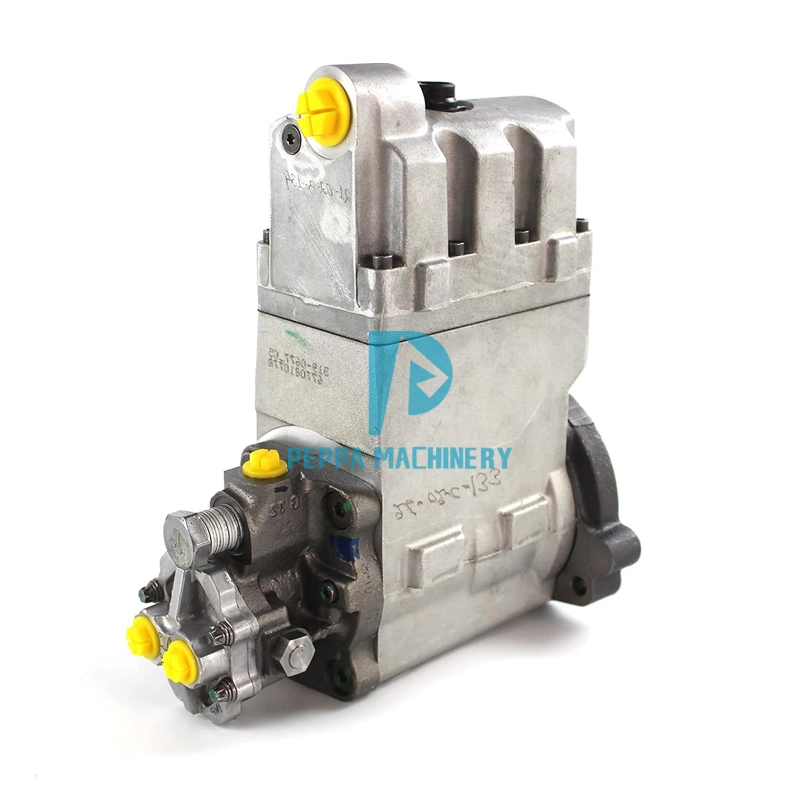
Fuel Feed / Transfer Pump Assembly for Caterpillar C7 & C9 Engines | Direct Replacement for OEM Parts #319-0678, 254-4358, 304-0678, 295-4778, 228-589
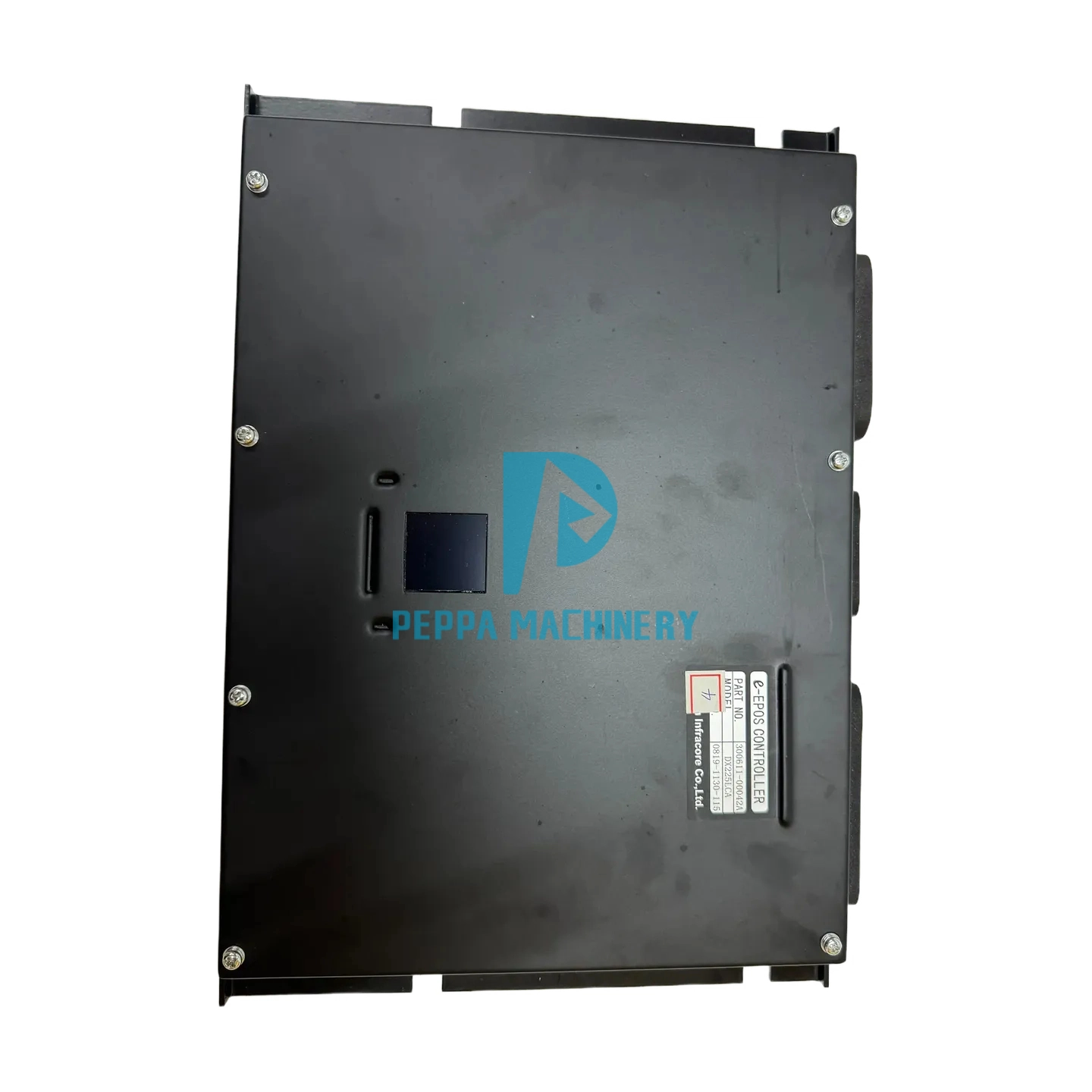
Excavator Accessories Excavator Controller DX225 DX225LCA E-EPOS Controller Computer Board 300611-00042 K1026740 K1001369C K1056425 ECU ECM

Isuzu Engine 6WG1 Turbo 1876183290 1-87618329-0 8981921861 8-98192186-1 14400-4441 1144004370 114400-4370 49188-018312 49188-11940
Excavator Parts
Do you provide technical support or installation guidance?
While we do not offer on-site installation, we can provide basic technical advice, diagrams, or documentation to assist your technicians with installation and troubleshooting.
What brands of excavator parts do you supply?
We supply a full range of parts compatible with major international and Chinese brands, including Caterpillar, Komatsu, Hitachi, Volvo, Doosan, Hyundai, Sany, Liugong, XCMG, Zoomlion, and more.
How can I verify compatibility before placing an order?
Please provide us with your machine brand, model number, and the part number (if available). Our team will double-check the compatibility to ensure you receive the correct parts.
Are your parts genuine or OEM?
We offer both genuine parts and high-quality OEM alternatives. You can choose according to your budget and application needs. All OEM products are tested to meet or exceed original specifications.
What types of parts do you mainly offer?
Our main product categories include:
• Engine parts (liner kits, crankshafts, water/oil pumps, etc.)
• Electrical parts (sensors, monitors, throttle motors, wiring harnesses)
• Hydraulic parts (pumps, valves, cylinders)
• Sealing kits (NOK, SKF, PQ brands, floating seals, O-rings)
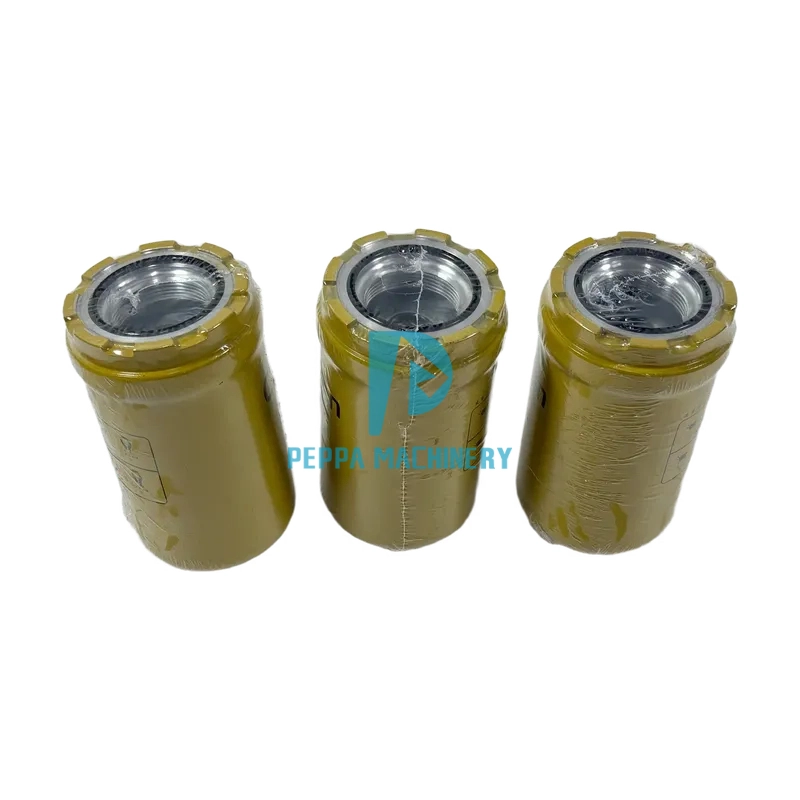
51-8670 Hydraulic Filter Applicable to HF35519 518670 2897836 518670X 1588987 Compatible with Caterpillar 352FVG 325CL
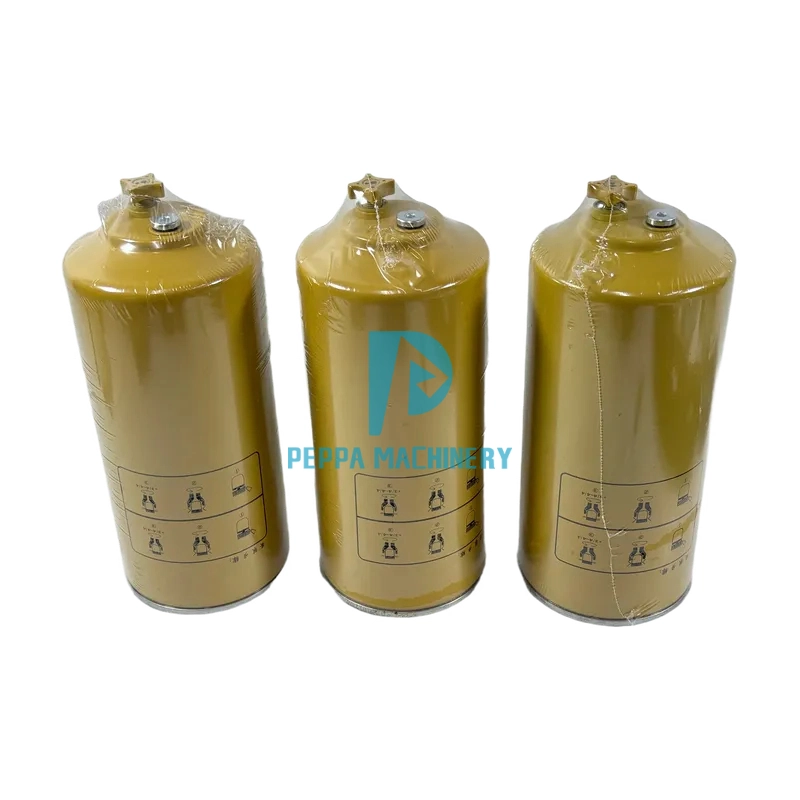
4385386 Fuel Water Separator Fuel Filter 382-0664 Oil-water Separator Hydraulic Oil Filter for CAT 312D2 320D2
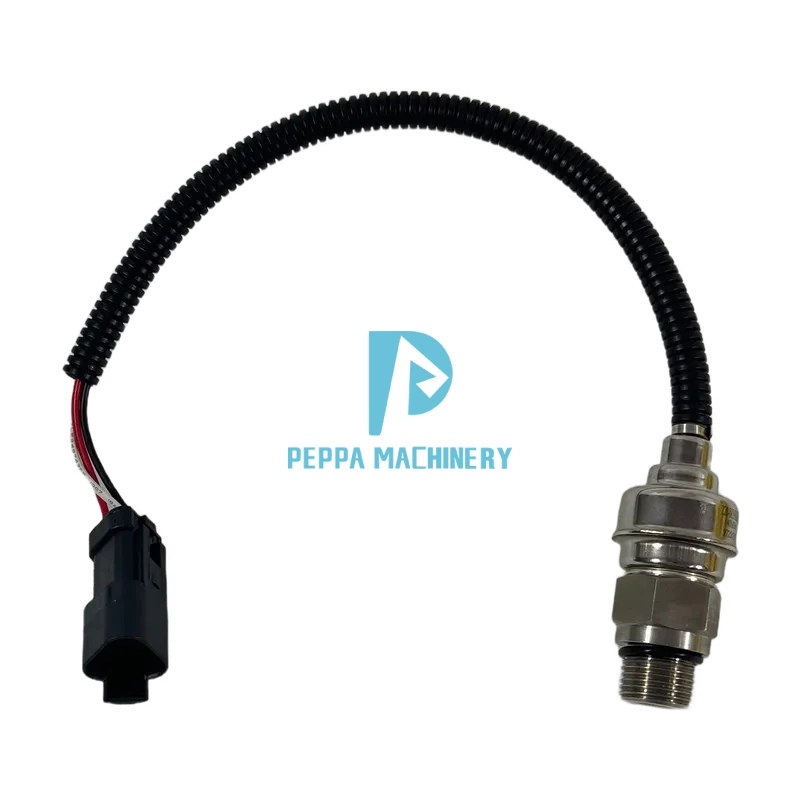
Pressure Sensor 221-8859 106-0178 for Caterpillar CAT 311B 311C 312C 314D 315B 320C 323D 324D 330C 336D 345B 385C
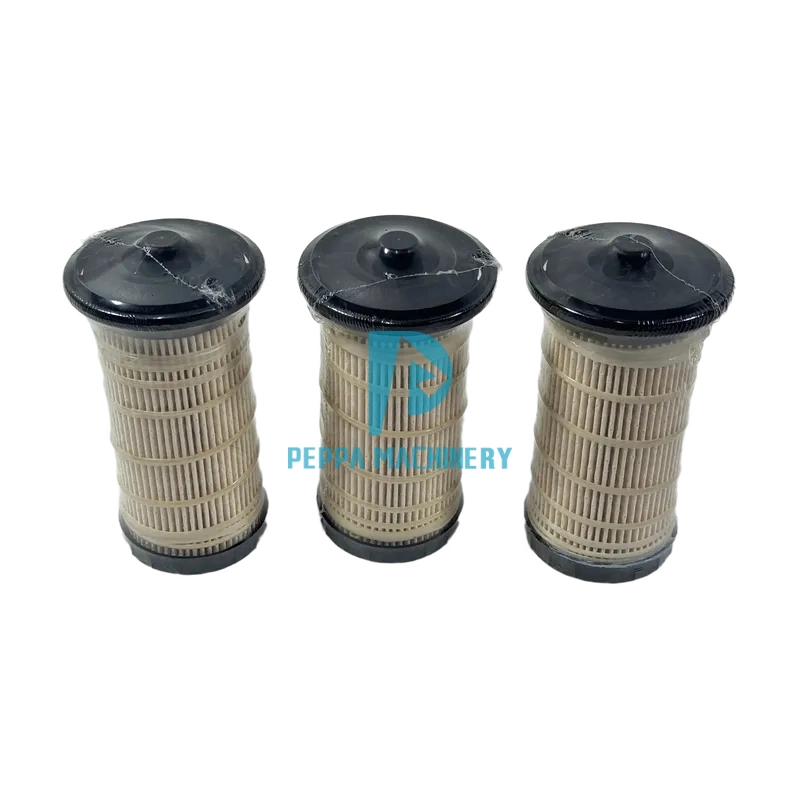
360-8960 Fuel Filter Element for Caterpillar C4.4 & C7.1 Engines | Fits 312D, 320D, 312E, 320E, 326D2, 336D2 Excavators
Get more information
Want to know more? Contact us today to get detailed product specifications, customized solutions, and a free consultation tailored to your needs.
Rest assured that your privacy is important to us, and all information provided will be handled with the utmost confidentiality.

Reliable Source for Quality Excavator Components.
Follow Us
Our Partners


Our Payment Methods


 High Quality
 7/24 Service
 Guaranteed Warranty
 Scan QR Code
Facebook
TikTok
YouTube
Pinterest
Twitter