








Which injector nozzles are compatible with major excavator models?
- 1. How can I verify cross-compatibility of injector nozzles between major excavator brands (e.g., Caterpillar, Komatsu, Hitachi) when online part lists conflict?
- 2. What measurable nozzle parameters must match before installing an aftermarket injector nozzle on an excavator engine?
- 3. Are Bosch/Denso/Delphi style nozzles broadly interchangeable with OEM excavator injectors, and what are the risks of using them?
- 4. How do I decode nozzle stamping/coding to ensure proper fitment for engines like Hyundai R-series or Hitachi EX-series?
- 5. What bench-testing and cleaning procedures should be performed on used injector nozzles before reuse to prevent combustion problems in excavator engines?
- 6. When sourcing aftermarket or remanufactured injector nozzles, what warranty, material and quality certifications should I require to avoid premature wear on high‑hour machines?
- Which injector nozzles are compatible with major excavator models?
Injector Nozzles: Which injector nozzles are compatible with major excavator models?
Choosing the correct fuel injector nozzle for excavators (fuel injector nozzle, injector tip, nozzle orifice, spray pattern, nozzle flow rate) is critical to engine performance, emissions, and longevity. Below are six specific, commonly asked long-tail questions from beginners that often have incomplete or outdated answers online — each followed by an in-depth, practical answer aimed at procurement and maintenance decisions for CAT, Komatsu, Hitachi, Volvo, Kobelco, Hyundai and other major excavator platforms.
1. How can I verify cross-compatibility of injector nozzles between major excavator brands (e.g., Caterpillar, Komatsu, Hitachi) when online part lists conflict?
Why this is painful: aftermarket lists often show apparent cross-fits that ignore injection-system differences (common-rail vs. unit-pump vs. pump-line-nozzle), nozzle seat geometry, thread/connector types, and electronic driver compatibility — installing the wrong nozzle can cause poor combustion, injector leakage, or engine derating.
Practical verification steps:
- Start with the engine chassis and engine serial number (not just the excavator model). OEM parts catalogs (CAT ET, Komatsu EPC, Volvo parts catalog) map nozzle part numbers to engine serial ranges — this is the authoritative source.
- Identify the injection system: common‑rail (CR), unit pump (single‑plunger pump-integrated), or pump‑line‑nozzle. Nozzles for CR systems (solenoid or piezo actuated) are not interchangeable with mechanical unit-pump style nozzles.
- Compare physical and functional specs: nozzle seat diameter and angle, thread pitch and length, connector/electrical interface (for CR injectors), nozzle orifice pattern/type, and required nozzle flow rate at the OEM test pressure. Mismatches in any of these cause leaks or misfires.
- Request a flow‑test certificate and a photographic comparison if using aftermarket or reman nozzles. Real, traceable test data (bench flow, spray pattern images) provides objective confirmation when catalogs disagree.
- If you cannot confirm with OEM catalogs, consult a verified injector remanufacturer or use the engine manufacturer’s service manual. When in doubt, choose a nozzle explicitly listed for your engine serial range.
Key takeaway: cross‑compatibility is not brand-to-brand but engine-and-system specific. Always validate by engine serial number, injection system type and documented test results rather than relying solely on generic online cross-reference tables.
2. What measurable nozzle parameters must match before installing an aftermarket injector nozzle on an excavator engine?
Why this is painful: aftermarket nozzles with the right thread can still produce wrong fuel delivery if flow rate, orifice size, or spray pattern differ. That leads to black smoke, loss of power, or excessive soot and EGTs.
Essential measurable parameters and how to confirm them:
- Nozzle flow rate — The most critical spec. OEMs specify a target flow (and allowable tolerance) at a defined test pressure. Ask suppliers for the flow certificate showing the tested flow and test pressure. Matching within OEM tolerance is required to maintain fuel mapping and emissions.
- Spray pattern and atomization — Different nozzle tip geometries create distinct spray cones and penetration. Spray images from a calibrated bench test or OEM spec sheet should match your original nozzle type (e.g., 4‑hole vs multi‑hole designs, spray angle).
- Orifice size and number — These determine droplet size and combustion stability. Verify the orifice count/diameter or the OEM nozzle code.
- Seat diameter and angle, thread/form factor — Mechanical sealing and mounting depend on exact seat geometry and thread length. Physical measurement or specification sheet comparison is required.
- Electrical/connector compatibility (for CR injectors) — Solenoid or piezo type, connector pinout, and actuator response must match the engine’s ECU expectations.
- Needle lift and control characteristics — For advanced CR injectors, the dynamic response (needle opening/closing) affects injection timing and multi‑injection strategies. This is often encoded in the injector calibration and is not visible from simple specs—require the manufacturer’s calibration data.
How to confirm practically:
- Request the nozzle’s test certificate and spray pattern photos from the supplier.
- Insist on bench testing at OEM test pressures or have the injector bench‑tested after installation to confirm performance under load.
- For critical fleets, use traceable remanufactured or OEM nozzles whose flow/certificates can be audited.
3. Are Bosch/Denso/Delphi style nozzles broadly interchangeable with OEM excavator injectors, and what are the risks of using them?
Why this is painful: buyers see brand names (Bosch, Denso) and assume interchangeability. Differences in design philosophy, manufacturing tolerances, and calibration mean not all branded nozzles fit or behave identically in a given engine.
Reality and risk factors:
- Many engine manufacturers source injectors from major OEM suppliers (Bosch, Denso, Delphi), but the same supplier may produce different nozzle variants for different engine makers. A Bosch physical‑style nozzle may fit a given engine mechanically but its flow, spray pattern, or needle spring rates may still differ unless it’s the exact OEM-coded variant.
- Using a nozzle from the same supplier but wrong calibration can change combustion timing and fuel delivery, increasing soot, fuel consumption, and wear on pistons and turbochargers.
- Piezo vs. solenoid designs are not interchangeable; ensure actuator type matches the engine ECU control method.
Safe approach:
- Confirm the exact OEM part number or OEM-specified supplier part number. A Bosch/Denso/Delphi catalog search using the engine serial number will show the correct variant where applicable.
- When using branded aftermarket or reman parts, insist on an exact OEM cross‑reference and test paperwork showing spray and flow conformity.
4. How do I decode nozzle stamping/coding to ensure proper fitment for engines like Hyundai R-series or Hitachi EX-series?
Why this is painful: nozzle and injector bodies often carry short alphanumeric codes that are misinterpreted online. Buyers may change a nozzle that visually matches but carries a different spray code.
How to decode and use codes correctly:
- Nozzle codes typically reference the supplier part number and a spray/flow variant. For example, manufacturers stamp identifiers that correspond to a detailed parts catalogue entry (part number + spray code). These codes are meaningful only when looked up in the engine maker’s parts catalog or the injector supplier’s datasheet.
- Do not rely on a single partial code — cross‑reference the full stamp (all digits and letters) and match it to the engine/chassis serial and engine model in the OEM parts system.
- If catalog lookup is not available, request the supplier’s datasheet showing the code mapped to the nozzle’s flow and spray specs and compare to your old part’s documented specs.
- When servicing in the field, tag each nozzle/injector and record its code, bench flow and spray results before removal to maintain traceability and correct reassembly.
Bottom line: decoding is only reliable when validated against OEM or supplier documentation. Partial or informal code matches are a frequent source of incorrect fitment.
5. What bench-testing and cleaning procedures should be performed on used injector nozzles before reuse to prevent combustion problems in excavator engines?
Why this is painful: reusing partially cleaned nozzles can cause inconsistent spray patterns, clogged orifices, varnish/coke-related restrictions, or internal leakage — all leading to rough idle, loss of power, or engine damage.
Recommended bench sequence (industry standard best practice):
- Initial inspection: Visual and microscopic inspection of nozzle tip for erosion, pitting, or damaged orifices. Inspect nozzle seat and threads for damage.
- Ultrasonic cleaning: Use a purpose‑designed ultrasonic bath with an approved diesel injector cleaning solvent to remove varnish and deposits. Follow solvent manufacturer safety data sheets.
- Leak and spray test: Bench test for leakage past the needle (static leak test) and capture spray pattern images. Compare to OEM pattern standards. Replace any nozzle that leaks or shows inconsistent sprays.
- Flow metering: Measure flow at OEM specified test pressure and temperature, and compare against the original nozzle’s flow or OEM tolerance band. Keep a flow certificate with part history.
- Replace wear items: Replace nozzle seals, crush washers, and where applicable, the nozzle needle/seat assembly if wear is detected. Do not attempt to regrind worn seat surfaces unless performed by a qualified reman facility with the correct tooling.
- Calibration and balancing: For multi‑cylinder engines, balance flow rates between cylinders by selecting matched nozzles or re‑balancing per OEM guidelines to prevent cylinder-to-cylinder imbalances.
- Final documentation: Record bench test results, reassembly torque values, and part codes for traceability.
Important note: Some modern common‑rail injectors require specialized diagnostic and calibration steps after installation (electronic coding, ECU adaptations). Use an authorized service tool or qualified injector reman house when required.
6. When sourcing aftermarket or remanufactured injector nozzles, what warranty, material and quality certifications should I require to avoid premature wear on high‑hour machines?
Why this is painful: fleets that cut cost on parts without quality data commonly see shortened nozzle life, accelerated fuel system wear, and warranty disputes.
Minimum procurement checklist for aftermarket/reman nozzles:
- Traceability: Each nozzle must have a lot/serial number and delivery certificate. Traceability supports recalls and warranty claims.
- Flow and spray certificates: Require independent bench flow test and spray pattern photos for the delivered parts. Certificates should include test pressure and ambient conditions.
- Quality management systems: Prefer suppliers certified to ISO 9001 and (for automotive suppliers) IATF 16949 or equivalent. These show controlled manufacturing and quality processes.
- Material and hardness data: Ask for metallurgical process verification especially for the nozzle tip (hardened steel), needle, and seat. These items must meet OEM hardness and surface finish parameters to avoid rapid erosion.
- Warranty and replacement policy: Minimum 6–12 months warranty on parts and performance. Clarify return and replacement processes, and who covers labor for premature failures.
- Remanufacturing standards: When buying reman parts, require the reman supplier’s process documentation: disassembly, non‑destructive inspection, replacement of wear parts, ultrasonic cleaning, calibrated flow testing and final stamping/serialization.
For high‑hour machines, investing slightly more in certified OEM or high‑quality reman nozzles with full test documentation usually reduces lifecycle cost by avoiding repeated failures and unplanned downtime.
Which injector nozzles are compatible with major excavator models?
Short, actionable guidance:
- Compatibility is defined by the engine family, fuel injection system (CR, unit pump, pump‑line‑nozzle), and engine serial number — not by excavator model name alone. Use the engine serial number to query OEM parts catalogs.
- Modern excavators from major brands use mixtures of supplier injectors (Bosch, Denso, Delphi etc.). The same supplier may produce different variants; therefore, identify the exact supplier part number mapped to your engine serial range.
- Examples of what to check (do not use as definitive cross‑fit lists): verify whether your excavator engine is common-rail (will require CR injectors with electrical connectors and calibration) or mechanical (will require precisely matched nozzle seat geometry and orifice specs). Always confirm via the OEM parts catalog or verified supplier data.
If you provide your excavator model, engine serial number and the OEM/nozzle stamping found on the injector nozzle or injector body, we can run a confirmed compatibility check and provide the exact compatible nozzle part numbers and tested aftermarket/reman options.
Conclusion — Advantages of using correctly matched, certified injector nozzles:
Using the correct nozzle (matched by engine serial, injection system and tested flow/spray specs) improves combustion efficiency, reduces soot and emissions, stabilizes fuel consumption, reduces cylinder wear and extends turbocharger life. Purchasing certified OEM or properly remanufactured nozzles with traceable flow/spray certificates and warranties minimizes downtime, lowers lifecycle cost, and preserves engine warranties. Proper bench-testing, cleaning and calibration before re-use prevents common faults such as nozzle coking, leakage and uneven cylinder performance.
For a verified compatibility check and a competitive quote on OEM or remanufactured injector nozzles — submit your excavator model, engine serial number, and the nozzle stamping to us. Contact: www.jbpartsgz.com or jbparts@aliyun.com. Contact us for a quote.

Isuzu SP 4JG1 4JG2 4JG3 Cylinder Liner 1876182070 1-87618207-0 1876182080 1-87618208-0 1876182100 1-87618210-0
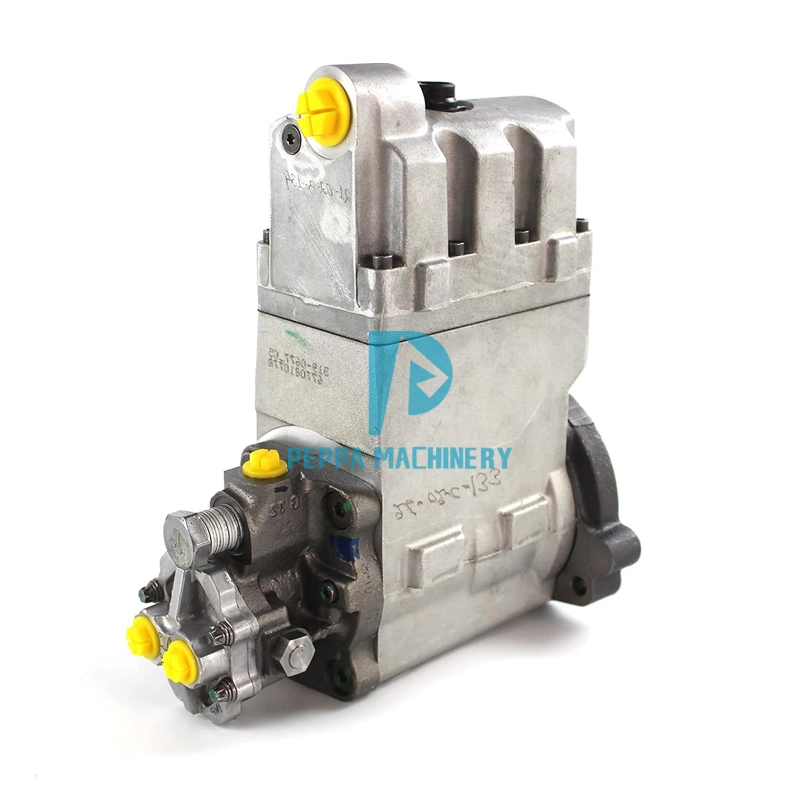
Fuel Feed / Transfer Pump Assembly for Caterpillar C7 & C9 Engines | Direct Replacement for OEM Parts #319-0678, 254-4358, 304-0678, 295-4778, 228-589
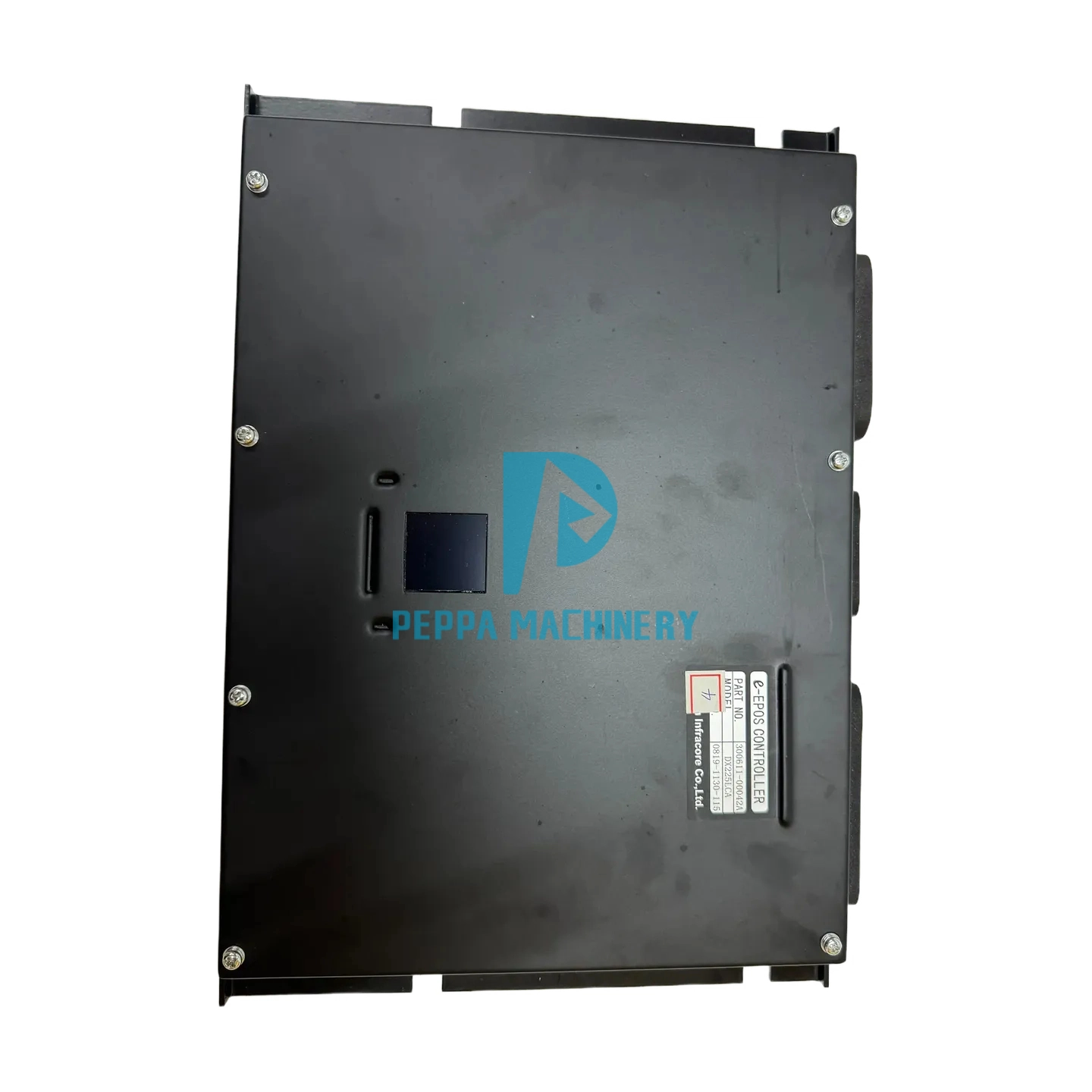
Excavator Accessories Excavator Controller DX225 DX225LCA E-EPOS Controller Computer Board 300611-00042 K1026740 K1001369C K1056425 ECU ECM

Isuzu Engine 6WG1 Turbo 1876183290 1-87618329-0 8981921861 8-98192186-1 14400-4441 1144004370 114400-4370 49188-018312 49188-11940
Excavator Parts
How can I verify compatibility before placing an order?
Please provide us with your machine brand, model number, and the part number (if available). Our team will double-check the compatibility to ensure you receive the correct parts.
Can I get help choosing the right parts for my machine?
Yes. Our experienced sales team is here to provide professional recommendations and solutions based on your excavator model, part number, or specific requirements.
What types of parts do you mainly offer?
Our main product categories include:
• Engine parts (liner kits, crankshafts, water/oil pumps, etc.)
• Electrical parts (sensors, monitors, throttle motors, wiring harnesses)
• Hydraulic parts (pumps, valves, cylinders)
• Sealing kits (NOK, SKF, PQ brands, floating seals, O-rings)
What brands of excavator parts do you supply?
We supply a full range of parts compatible with major international and Chinese brands, including Caterpillar, Komatsu, Hitachi, Volvo, Doosan, Hyundai, Sany, Liugong, XCMG, Zoomlion, and more.
Are your parts genuine or OEM?
We offer both genuine parts and high-quality OEM alternatives. You can choose according to your budget and application needs. All OEM products are tested to meet or exceed original specifications.
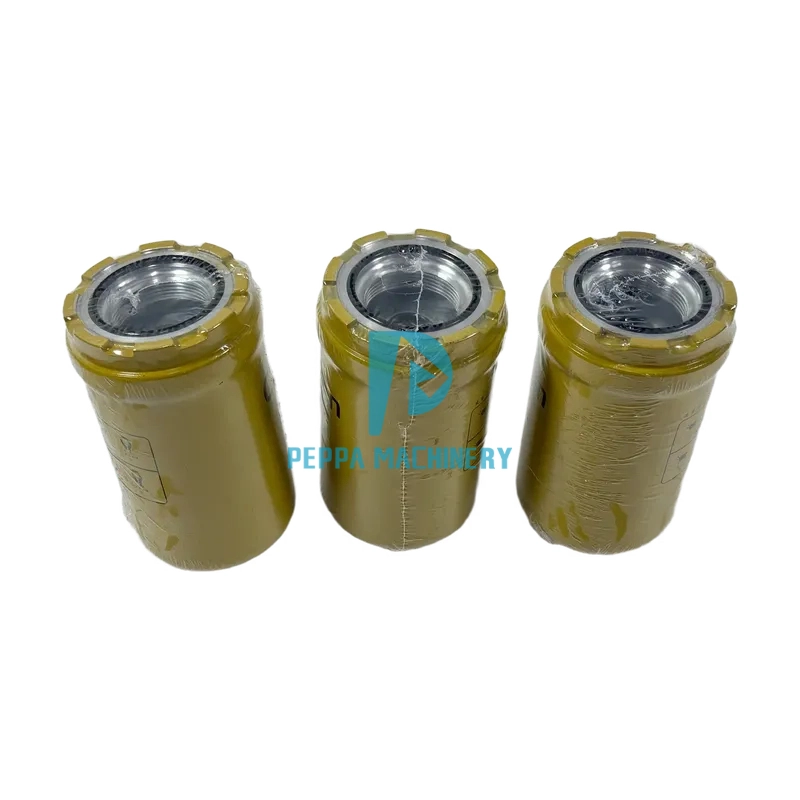
51-8670 Hydraulic Filter Applicable to HF35519 518670 2897836 518670X 1588987 Compatible with Caterpillar 352FVG 325CL
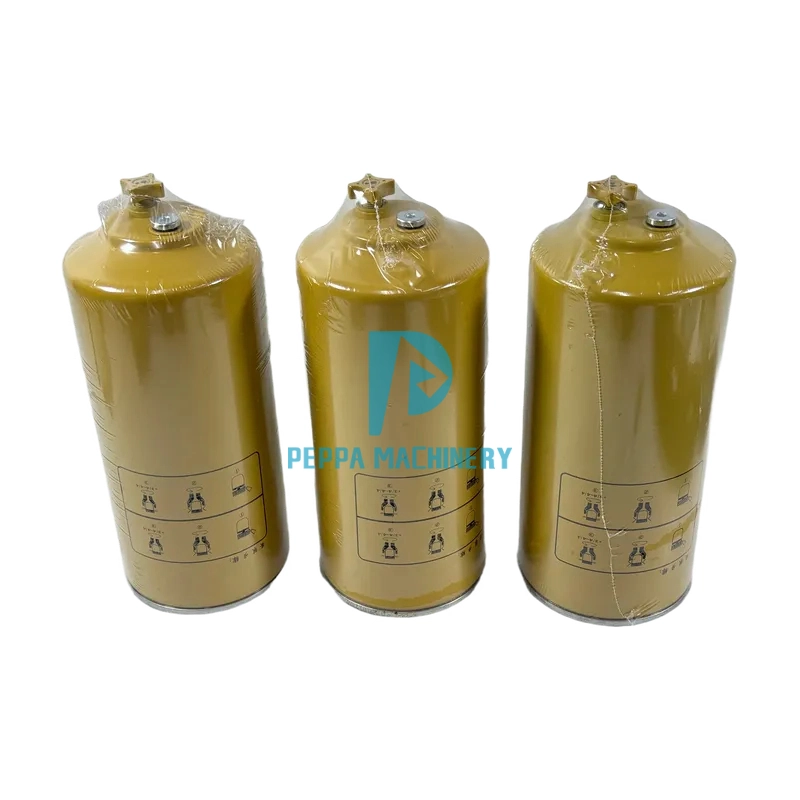
4385386 Fuel Water Separator Fuel Filter 382-0664 Oil-water Separator Hydraulic Oil Filter for CAT 312D2 320D2
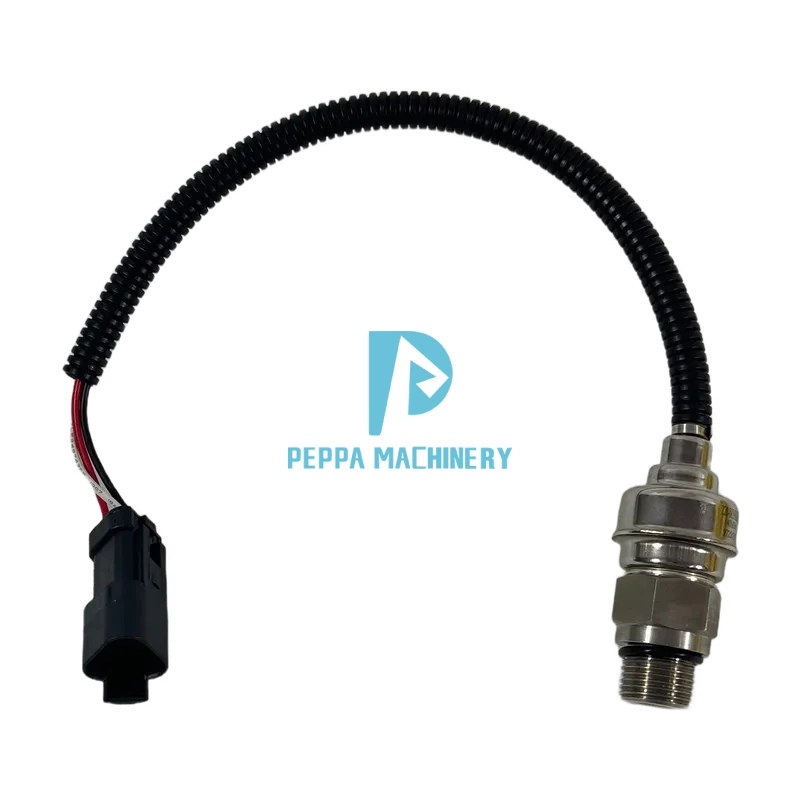
Pressure Sensor 221-8859 106-0178 for Caterpillar CAT 311B 311C 312C 314D 315B 320C 323D 324D 330C 336D 345B 385C
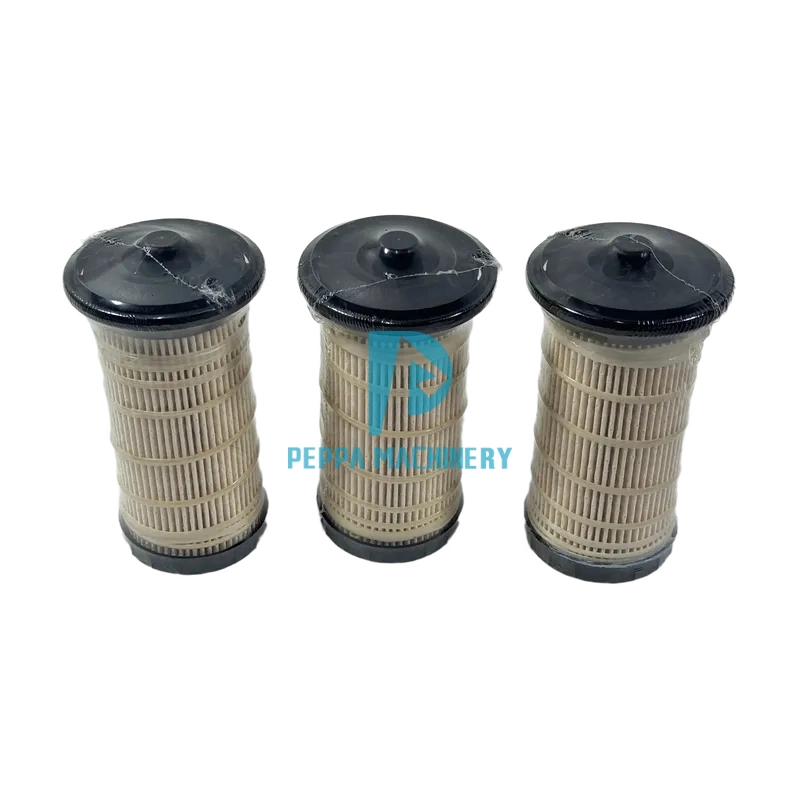
360-8960 Fuel Filter Element for Caterpillar C4.4 & C7.1 Engines | Fits 312D, 320D, 312E, 320E, 326D2, 336D2 Excavators
Get more information
Want to know more? Contact us today to get detailed product specifications, customized solutions, and a free consultation tailored to your needs.
Rest assured that your privacy is important to us, and all information provided will be handled with the utmost confidentiality.

Reliable Source for Quality Excavator Components.
Follow Us
Our Partners


Our Payment Methods


 High Quality
 7/24 Service
 Guaranteed Warranty
 Scan QR Code
Facebook
TikTok
YouTube
Pinterest
Twitter