








How to find compatible injectors for different excavator models?
- 1. How do I determine whether a replacement excavator injector matches my engine when the OEM part number is missing?
- 2. Can I use a common-rail injector from a newer excavator model on an older electronic-controlled engine?
- 3. How can I verify injector flow rate and nozzle type on-site without a factory test bench?
- 4. What are the risks of using remanufactured or aftermarket injectors with different calibration in electronic-controlled excavators?
- 5. How do I decode injector nozzle codes and ECU maps to find compatible injectors across brands?
- 6. How to choose injectors for excavators operating in high-altitude or extreme-temperature environments?
- Concluding summary
How to Find Compatible Excavator Injectors: 6 Beginner Pain-Point Questions Answered
Replacing or sourcing excavator injectors for diesel engines involves more than matching a visible part number. This guide answers six specific long-tail questions beginners often face — with practical, industry-grounded steps that technicians, fleet managers, and buyers can apply immediately.
1. How do I determine whether a replacement excavator injector matches my engine when the OEM part number is missing?
Pain point: many machines have worn or missing injector stamps, and online listings often omit critical cross-reference details.
Step-by-step approach:
- Record the engine serial number, engine model, and machine VIN. The injector must match the engine family first — not just the excavator model.
- Remove the injector and photograph any legible stamping on the injector body, nozzle, and electrical connector. Even partial digits help cross-reference catalogs.
- Identify the injector type: common rail, unit injector, or mechanical (inline). The connector style, presence of a high-pressure line, and physical form factor reveal the type.
- Consult the OEM parts catalog or authorized dealer portal with the engine serial number. Dealers and official catalogs can map injectors to specific engine serial ranges and production dates.
- If OEM data is unavailable, use a reputable injector remanufacturer or specialist who can match by nozzle seat diameter, mounting pitch, and injector datum dimensions. This mechanical matching prevents seal and cup mismatches.
Why this works: engine serial numbers and injector part numbers are the authoritative source. Mechanical dimensions and injector type provide a reliable secondary check when markings are missing.
2. Can I use a common-rail injector from a newer excavator model on an older electronic-controlled engine?
Pain point: operators see cheaper or available injectors from newer models and assume interchangeability.
Short answer: not without verification — and sometimes not at all. Detailed considerations:
- Electrical and hydraulic interfaces must match. Modern common-rail injectors include specific solenoid/ piezo characteristics, connector pinouts, and internal control orifices sized for the ECU's commanded pulse width range.
- Injector calibration codes: many common-rail injectors are manufactured with individual calibration or nozzle codes. The engine ECU may expect those codes to be programmed (written) into the ECU or ECU module; using a physically identical injector without matching calibration can cause poor idle, increased emissions, or limp-home modes.
- Pressure and flow matching: later-model injectors may operate at higher injection pressures or different flow rates engineered to met new emission targets. That can alter combustion timing and stress the turbo/aftertreatment system if mismatched.
- Action steps: confirm physical fit, then verify that the ECU can accept the injector’s calibration code (some ECUs allow manual coding; others require dealer tools). If ECU reprogramming isn't possible, source injectors with the exact calibration or a reman part validated for your ECU.
Bottom line: compatibility is a combination of mechanical fit, hydraulic performance, and ECU/software alignment.
3. How can I verify injector flow rate and nozzle type on-site without a factory test bench?
Pain point: shops and field technicians often lack access to a calibrated injector test bench but need to decide whether an injector is failing or mismatched.
On-site diagnostics (triage-level, not a substitute for bench tests):
- Cylinder cut-out test (one-by-one): briefly disable fuel to each cylinder per the engine service manual and compare RPM loss or smoothness. A weaker injector typically causes a smaller RPM drop and roughness.
- Smoke and exhaust observation: a rich injector often produces black smoke under load; a lean or no-spray injector may produce white smoke or misfire indications. Assess under consistent load conditions only.
- Electrical checks: inspect wiring, connectors, and measure injector coil continuity per the OEM manual. Corrosion or open windings indicate replacement.
- Fuel return and pressure observations: an abnormal fuel return quantity or rail pressure irregularities point to injector internal leakage or wrong flow characteristics.
- Collect comparative samples: if removing injectors, capture a measured quantity of fuel from each during cranking using the same short-duration method and compare volumes — this provides relative flow differences. Note: this is imprecise and only for preliminary decision-making.
Recommendation: these field checks help prioritize injectors for bench testing or remanufacturing. For purchase decisions or warranty claims, insist on calibrated bench flow and spray-pattern reports.
4. What are the risks of using remanufactured or aftermarket injectors with different calibration in electronic-controlled excavators?
Pain point: lower-cost reman or aftermarket parts may be advertised as compatible but lack calibration matching or warranty assurances.
Key risks and mitigations:
- Risk — ECU mismatch: If injectors have different internal orifice sizes or solenoid response, the ECU’s fuel metering will be off. Mitigation: buy reman injectors that either come pre-coded or supply calibration tables that can be entered into the ECU by a dealer or qualified technician.
- Risk — premature DPF/aftertreatment damage: incorrect injection timing/quantity can increase particulate or unburned hydrocarbons, fouling the DPF and increasing maintenance costs. Mitigation: choose suppliers who test for spray pattern, flow, and return leakage, and who guarantee emissions compliance.
- Risk — reduced engine life and warranty issues: poor spray atomization causes hotter or cooler combustion zones and can accelerate wear. Mitigation: prefer remanufacturers that follow OEM protocols and use matched nozzle tips and calibrated control valves.
- Risk — insufficient documentation: aftermarket parts without traceable test reports complicate troubleshooting. Mitigation: require bench-tested flow curves, nozzle images, and serial-traceable paperwork when purchasing.
Practical advice: accept remanufactured or aftermarket injectors only from suppliers that provide per-injector test certificates and explicit compatibility statements for your engine serial or ECU part number.
5. How do I decode injector nozzle codes and ECU maps to find compatible injectors across brands?
Pain point: buyers see nozzle codes and ECU map numbers but don't know how to match across brands like Caterpillar, Komatsu, Hitachi, Volvo, or Doosan.
Decoding approach:
- Nozzle codes are short identifiers stamped on the nozzle or injector body that represent internal orifice geometry and flow characteristics. Record these exactly.
- Use OEM parts catalogs and cross-reference databases. Many parts platforms and authorized dealers maintain cross-reference tables that map nozzle codes and injector part numbers to engine models and ECU software versions. Always confirm using the engine serial number.
- ECU mapping: some ECUs carry injector offsets or a table of injector codes. With dealer-level diagnostic tools, technicians can read the injector code table and verify that the installed code matches the injector’s stamped code. If codes differ, the ECU may accept re-coding or require software updates.
- Cross-brand matching: direct interchange across brands is uncommon. Instead, find injectors with matching flow/pressure/nozzle geometry and ensure ECU calibration compatibility. Use trusted remanufacturers who publish cross-compatibility lists validated by test data.
Actionable step: when in doubt, ask the supplier to provide the injector test certificate plus written confirmation that the supplied part has identical nozzle code or calibrated flow profile for your specific engine serial and ECU map.
6. How to choose injectors for excavators operating in high-altitude or extreme-temperature environments?
Pain point: engines deployed in mountains, deserts, or arctic conditions show different combustion behaviors; standard injectors may not deliver optimal performance.
Environmental considerations:
- High altitude: lower intake air density changes fuel-air ratio. Some engines use altitude-compensating ECU maps; others benefit from injectors with slightly lower flow or different spray patterns to maintain ideal combustion. Confirm whether the engine control software supports altitude adaptation.
- Extreme cold: fuel viscosity increases, and atomization worsens. Nozzles with finer spray patterns and injectors that maintain reliable solenoid response at low temperatures are preferred. Confirm that injector seals and electrical connectors are rated for low temperatures.
- High heat/desert: high ambient temperatures can increase fuel vapor pressure and affect return flow; choose injectors with reliable thermal stability and ensure fuel-system cooling/venting is adequate.
- Operational mitigation: use the OEM-specified fuel grades and preheating or filtration as recommended. When sourcing injectors, request data that demonstrates performance across the expected temperature and altitude range.
Purchase tip: suppliers who can provide climate-specific testing data (cold-start performance, flow curves at varied temperatures) give you a measurable advantage for extreme-environment deployments.
Concluding summary
Selecting the right excavator injector requires matching mechanical fit, hydraulic flow characteristics, nozzle geometry, and ECU/software compatibility. Using properly matched, high-quality injectors improves fuel economy, reduces emissions and DPF maintenance, lowers the risk of engine damage, and minimizes unplanned downtime. Always demand per-injector test certificates, confirm engine serial-to-part cross-references, and validate whether ECU coding or reprogramming is needed.
For reliable supply and verified test reports, contact JB Parts Global. We provide OEM and remanufactured excavator injectors with traceable bench tests and compatibility verification for major brands. Visit www.jbpartsgz.com or email jbparts@aliyun.com for a quote.

Isuzu SP 4JG1 4JG2 4JG3 Cylinder Liner 1876182070 1-87618207-0 1876182080 1-87618208-0 1876182100 1-87618210-0
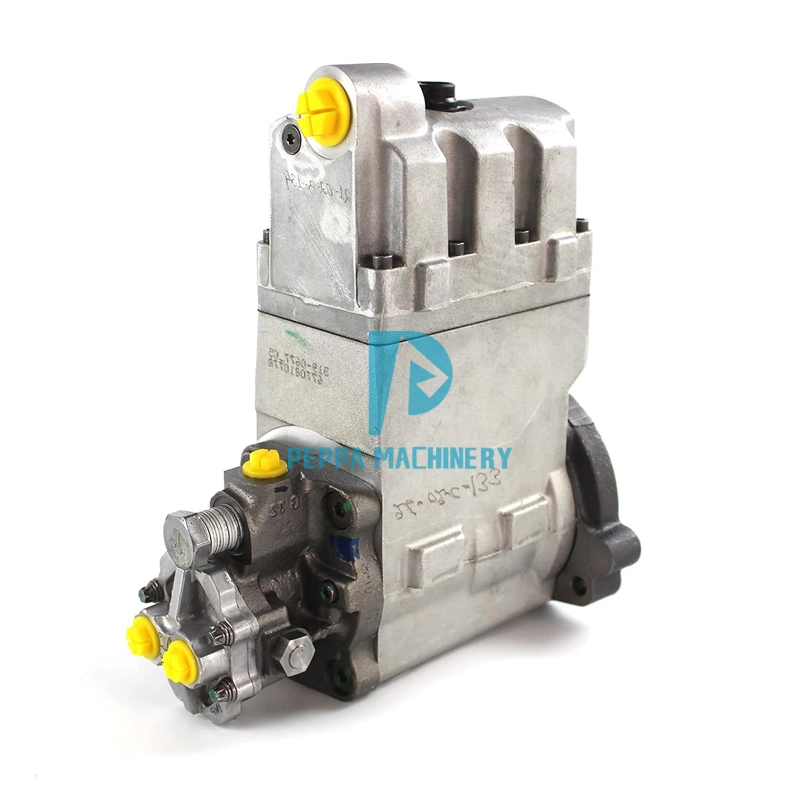
Fuel Feed / Transfer Pump Assembly for Caterpillar C7 & C9 Engines | Direct Replacement for OEM Parts #319-0678, 254-4358, 304-0678, 295-4778, 228-589
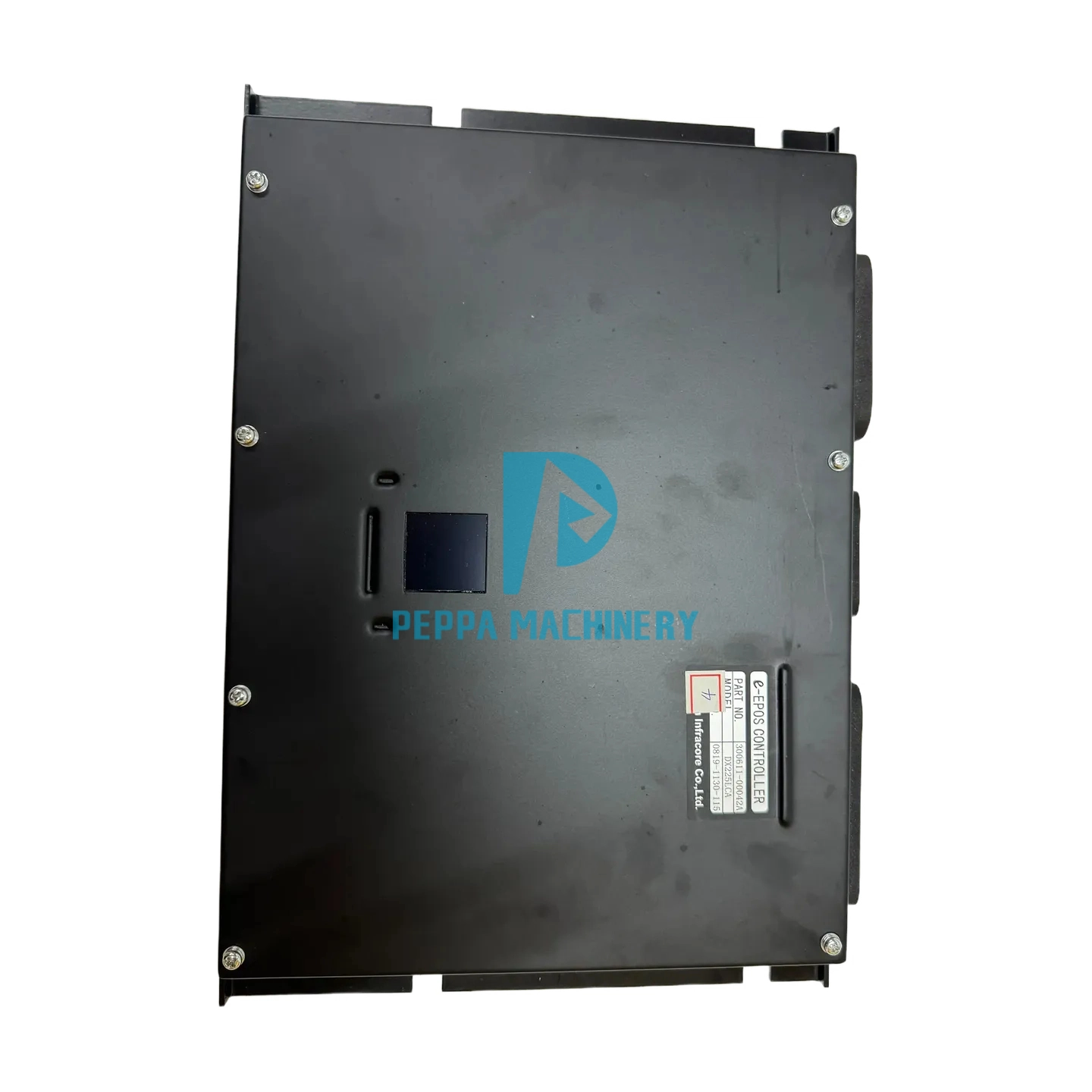
Excavator Accessories Excavator Controller DX225 DX225LCA E-EPOS Controller Computer Board 300611-00042 K1026740 K1001369C K1056425 ECU ECM

Isuzu Engine 6WG1 Turbo 1876183290 1-87618329-0 8981921861 8-98192186-1 14400-4441 1144004370 114400-4370 49188-018312 49188-11940
Excavator Parts
Are your parts genuine or OEM?
We offer both genuine parts and high-quality OEM alternatives. You can choose according to your budget and application needs. All OEM products are tested to meet or exceed original specifications.
Can I get help choosing the right parts for my machine?
Yes. Our experienced sales team is here to provide professional recommendations and solutions based on your excavator model, part number, or specific requirements.
Do you provide technical support or installation guidance?
While we do not offer on-site installation, we can provide basic technical advice, diagrams, or documentation to assist your technicians with installation and troubleshooting.
How can I verify compatibility before placing an order?
Please provide us with your machine brand, model number, and the part number (if available). Our team will double-check the compatibility to ensure you receive the correct parts.
What brands of excavator parts do you supply?
We supply a full range of parts compatible with major international and Chinese brands, including Caterpillar, Komatsu, Hitachi, Volvo, Doosan, Hyundai, Sany, Liugong, XCMG, Zoomlion, and more.
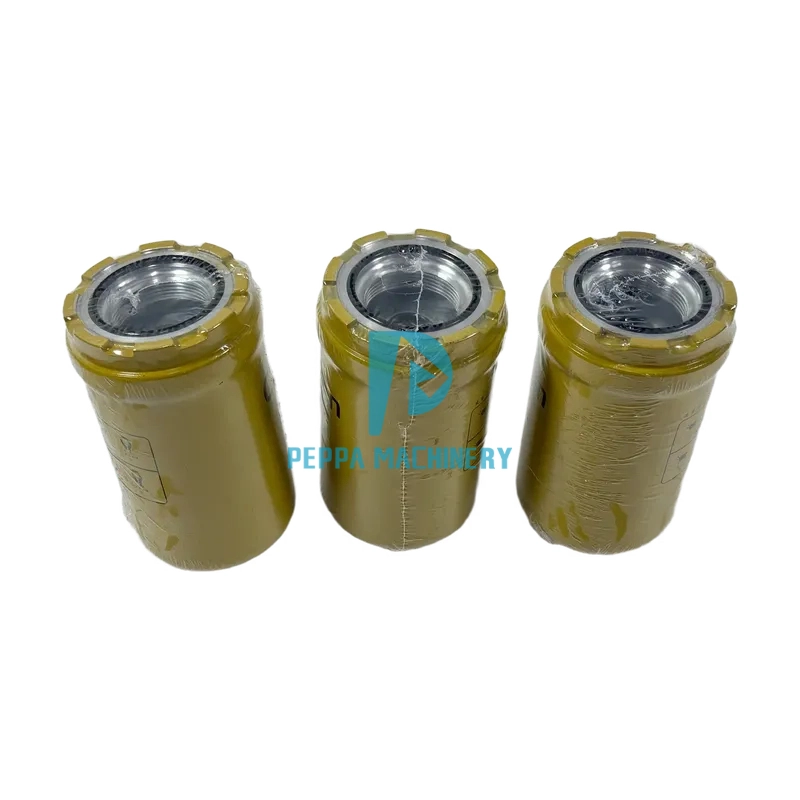
51-8670 Hydraulic Filter Applicable to HF35519 518670 2897836 518670X 1588987 Compatible with Caterpillar 352FVG 325CL
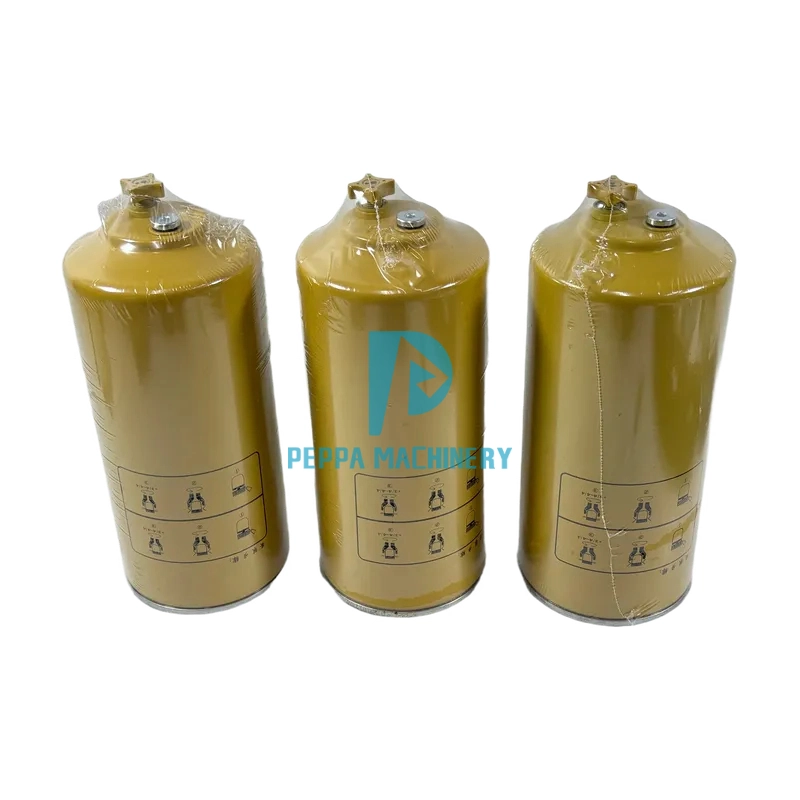
4385386 Fuel Water Separator Fuel Filter 382-0664 Oil-water Separator Hydraulic Oil Filter for CAT 312D2 320D2
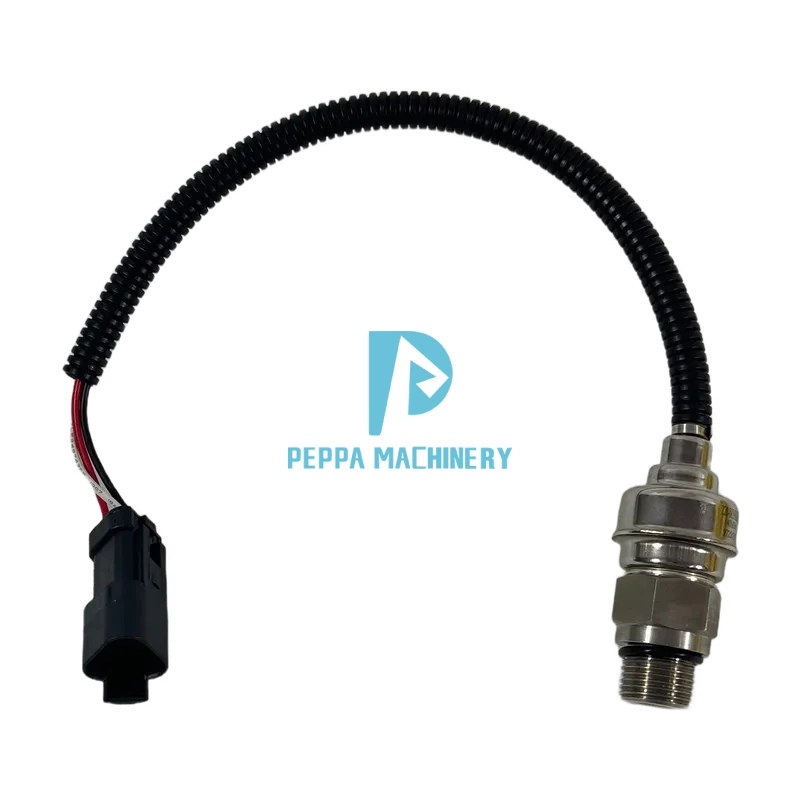
Pressure Sensor 221-8859 106-0178 for Caterpillar CAT 311B 311C 312C 314D 315B 320C 323D 324D 330C 336D 345B 385C
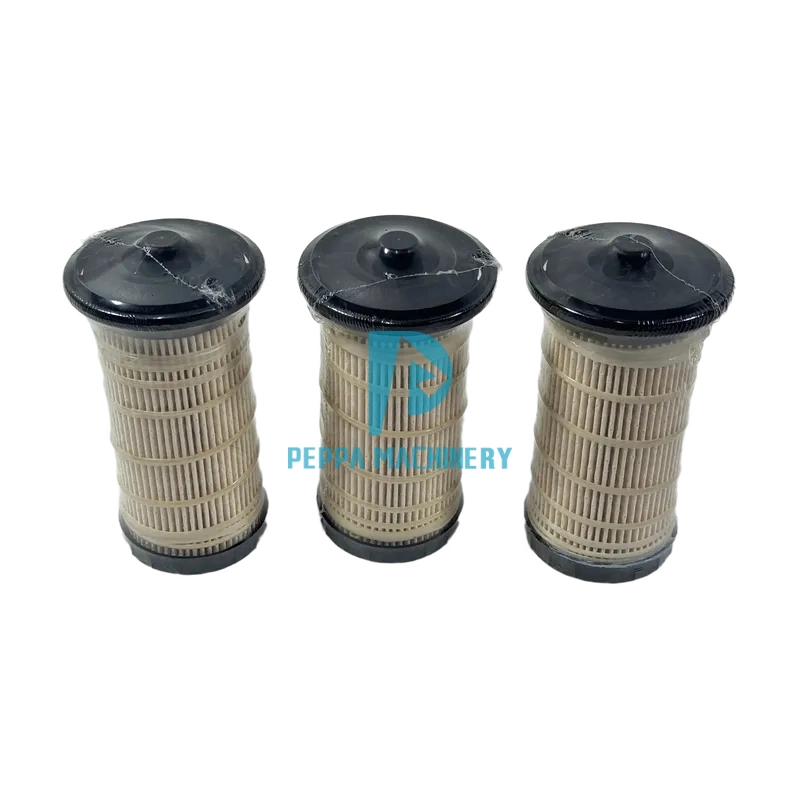
360-8960 Fuel Filter Element for Caterpillar C4.4 & C7.1 Engines | Fits 312D, 320D, 312E, 320E, 326D2, 336D2 Excavators
Get more information
Want to know more? Contact us today to get detailed product specifications, customized solutions, and a free consultation tailored to your needs.
Rest assured that your privacy is important to us, and all information provided will be handled with the utmost confidentiality.

Reliable Source for Quality Excavator Components.
Follow Us
Our Partners


Our Payment Methods


 High Quality
 7/24 Service
 Guaranteed Warranty
 Scan QR Code
Facebook
TikTok
YouTube
Pinterest
Twitter