








Which excavator injector brands are best for heavy use?
- 1. How can I diagnose early-stage nozzle erosion and spray-pattern degradation on high-hour excavator diesel injectors before power loss or smoke appears?
- 2. Which excavator injector brands and remanufacturers are safest for continuous heavy-duty 24/7 operation, and what specification checks should I require?
- 3. How should I measure and correct injector flow imbalance across cylinders on common-rail excavator engines to prevent cylinder knock and torque loss under heavy load?
- 4. What are the real failure modes of excavator injectors when using biodiesel blends or poor fuel, and how can fleet managers extend injector life under these conditions?
- 5. What measurable bench tests and field diagnostics reliably distinguish an injector that needs replacement from one that only needs professional cleaning and recalibration?
- 6. Which excavator injector brands are best for heavy use?
1. How can I diagnose early-stage nozzle erosion and spray-pattern degradation on high-hour excavator diesel injectors before power loss or smoke appears?
Early nozzle erosion and degraded fuel atomization are common root causes of poor combustion in excavators. Detecting these problems early prevents lost production and expensive engine repairs. Use a combined approach of visual, bench and field diagnostics:
- Visual and symptom checks: watch for subtle rises in fuel consumption, slightly rough idle under load, intermittent white or black smoke on heavy lifts, and higher exhaust temperatures. These often precede dramatic failures.
- Injector return-flow and leakage checks: measure return flow at idle and under governed RPM. Increased return flow or internal leakage indicates nozzle/seat wear or stuck needles.
- Nozzle spray-pattern test on a calibrated bench: a cracked or eroded nozzle tip will show an irregular spray or poor cone angle, visible under magnification. Spray breakup and large droplets correlate with poor atomization and increased particulate.
- Flow (delivery) balance test: on a common-rail or pump-line-assembly system, compare each injector’s delivered volume under the same test pressure. Industry practice is to flag injectors that deviate more than about ±3–5% from the group average for heavy-duty machines; even smaller deviations matter under high loads.
- Resistance and response (electronic injectors): for solenoid or piezo drivers, check coil resistance and driver response with a scope. Slow or inconsistent electrical response can mimic nozzle problems.
- Oil and combustion inspection: look for soot deposits and oil dilution in the crankcase — both can be downstream effects of worn injectors.
Action tip: If spray-pattern irregularities or excess return flow are found, do not rely on a single cleaning cycle. Send the injector to a qualified reman/test facility with OEM-level calibration equipment. For field triage, swap suspected injectors with a known-good cylinder to confirm whether symptoms move with the injector.
2. Which excavator injector brands and remanufacturers are safest for continuous heavy-duty 24/7 operation, and what specification checks should I require?
For continuous heavy use, brand selection should prioritize proven high-pressure technology, OEM compatibility, local support, and documented reman/test procedures. Brands commonly used in heavy-duty excavators include OEMs (Caterpillar, Komatsu), major injection manufacturers (Bosch, Denso, Delphi/Delphi Technologies reman), and authorized remanufacturers (Bosch Reman, Delphi Reman).
When selecting a brand or reman supplier, require these specification checks and guarantees:
- Bench calibration certificates: flow rate (ml/min) at specified pressure, opening pressure, spray pattern acceptance, and return-flow limits. A certificate demonstrating the injector passes the original equipment manufacturer (OEM) tolerance is crucial.
- Flow matching tolerance: injectors should be matched as a set; for heavy continuous-duty work request matching within ±3–5% or better depending on OEM guidance.
- Material and coating specs: hardening or anti-wear coatings on needle/nozzle to resist cavitation and erosion; these details matter for high-hour cycles.
- Warranty and field support: ask for heavy-use warranty terms and fast replacement logistics. Local parts availability cuts downtime for 24/7 fleets.
- Aftermarket vs. OEM reman tradeoffs: high-quality OEM or OEM-approved reman injectors typically offer the best reliability and calibration traceability. High Quality aftermarket parts can be cost-effective if they supply data sheets, calibration, and a robust warranty.
Recommendation: For mining or continuous-excavation applications, start with OEM or established OEM-approved reman suppliers (Bosch Reman, Delphi Reman, or machine OEM reman centers) and insist on bench certificates and matched sets. Use known-brand new injectors (Bosch, Denso, Delphi) if OEM new parts are unavailable, but validate calibration.
3. How should I measure and correct injector flow imbalance across cylinders on common-rail excavator engines to prevent cylinder knock and torque loss under heavy load?
Flow imbalance causes uneven cylinder pressure, leading to knock, vibration, and reduced torque. Correct measurement and correction steps are:
- Record baseline data: capture RPM, rail pressure, fuel temperature, and engine load during tests. Environmental conditions affect results.
- Use a calibrated flow bench or in-line flow meter: test each injector at the engine’s specified test pressure and temperature. For field checks, a professional injector-shop return-flow bench provides reliable numbers.
- Compare to OEM flow curve: each injector has an expected delivery vs. pressure curve. Identify outliers rather than absolute values alone.
- Match as a set: replace or remanufacture out-of-spec injectors so the set is matched. Heavy-use fleets should require matched sets within ±3% for critical operations.
- Re-calibrate the ECU if needed: after replacing or rematching injectors, clear adaptive trims in the ECM/ECU and perform any manufacturer-specified injector learning procedures so timing and delivery balance are restored under load.
- Verify under load: perform a load test on the machine and monitor cylinder-specific parameters if available (combustion pressure sensors where equipped, or torque and smoke checks under rated loads).
Note: For unit-injector systems (pump-line assembly), adjustments may require replacing the entire injector-pump module or using OEM-specified service kits. Always follow the engine OEM procedures for calibration steps to prevent damage.
4. What are the real failure modes of excavator injectors when using biodiesel blends or poor fuel, and how can fleet managers extend injector life under these conditions?
Biodiesel and contaminated diesel can accelerate injector wear and clogging through these mechanisms:
- Fouling and varnish: biodiesel (FAME) and older fuels can form deposits in the nozzle sac and needle seat, degrading atomization.
- Solvency and seal swelling: biodiesel can swell some elastomers and degrade seals not rated for FAME, causing leaks and internal return flow.
- Microbial growth and water content: biodiesel is more hygroscopic, increasing water in fuel tanks; microbial growth and corrosion accelerate clogging.
- Increased corrosive wear: poor filtration and abrasive particulates cause accelerated nozzle and needle wear.
Mitigation and extension strategies:
- Fuel quality control: source diesel that meets EN 590 or your engine OEM spec and certified biodiesel blending standards (e.g., B5, B20 with OEM approval). Install and maintain water separators and coalescing filters.
- Filtration to OEM specs: use the OEM-recommended primary and secondary filters; change filter elements at specified intervals. For critical machines, consider finer filtration and regular particle counting audits where feasible.
- Seal and material compatibility: confirm injectors and O-rings are FAME-compatible if using biodiesel blends. Replace seals with FAME-rated kits when required.
- Scheduled fuel system cleaning: periodic professional ultrasonic cleaning and bench testing help remove varnish before performance degrades. Do not rely solely on solvent additives—use proper shop procedures.
- Monitor return flow and fuel dilution: higher return flow or signs of fuel in crankcase oil can be early indicators to service injectors.
Bottom line: if you must run biodiesel blends, validate OEM approval for the blend level, upgrade seals where needed, boost filtration, and set a stricter maintenance interval for injector inspection and bench testing.
5. What measurable bench tests and field diagnostics reliably distinguish an injector that needs replacement from one that only needs professional cleaning and recalibration?
Distinguishing repairable injectors from irreparable ones requires a combination of objective bench measurements and inspected wear criteria:
- Spray-pattern and atomization: if the nozzle produces a fragmented cone with large droplets or flow channels around the needle after a professional cleaning attempt, the nozzle tip is likely eroded and needs replacement.
- Return-flow and leakage: bench-tested internal leakage above OEM limits is often caused by seat wear; excessive leakage typically mandates replacement or nozzle change.
- Delivery/flow deviation: injectors outside the OEM flow tolerance (see service manual) after calibrated cleaning should be replaced. Small deviations that return to spec post-cleaning can be retained.
- Opening (cracking) pressure and response time: if opening pressure is incorrect or response times remain slow even after coil/driver checks and cleaning, the internal hydraulic path or needle geometry has likely worn beyond repair.
- Nozzle and seat physical inspection: pitting, cavitation erosion, or damaged spray holes mean replacement. Minor carbon deposits or varnish can often be corrected by professional ultrasonic cleaning and bench recalibration.
Field diagnostic sequence before sending to a reman shop:
- Record fault codes and perform ECU data logging for misfire, imbalance, or rail disturbances.
- Swap suspected injectors with a known-good cylinder to confirm symptoms migrate.
- Check fuel supply pressure, primary filtration, and return-line conditions to rule out system-level causes.
- If symptoms persist, send injectors to a qualified bench for spray, flow, leakage and electrical testing and demand a detailed test report.
Decision rule: if bench tests show failures in spray pattern, excessive leakage, or flow deviation beyond OEM limits that cannot be corrected by recalibration and new seals, replace or use an OEM remanufactured unit.
6. Which excavator injector brands are best for heavy use?
There is no single universal “best” brand for every excavator—best choice depends on engine platform, local support, and application—but these guidelines point to reliable options for heavy use:
- OEM injectors (Caterpillar, Komatsu, Perkins): when you operate equipment from a single manufacturer in continuous heavy-duty service, OEM injectors or OEM reman parts are hard to beat for fit, calibration, and warranty coverage.
- Bosch: Bosch produces high-pressure common-rail injectors widely used across heavy diesel markets. Bosch and Bosch Reman are reputable for test-bench traceability and durability in heavy applications.
- Denso: Denso is known for durable solenoid and piezo injectors, especially on certain diesel platforms. They offer strong OEM-level quality for continuous duty.
- Delphi / Aptiv Reman: Delphi-branded injectors and remanufactured units are used across heavy equipment; they provide balanced cost-to-performance with available reman traceability.
- Authorized reman OEM centers: machine OEM reman centers (Caterpillar Reman, Komatsu Reman) offer the best calibrated replacements for continuous heavy use because they recondition and certify to OEM standards.
Selection checklist for heavy-duty fleets:
- Confirm brand compatibility with your engine model and emissions controls.
- Require bench calibration certificates and matched set delivery.
- Prioritize vendors offering local stock, fast turnaround, and heavy-use warranty terms.
- Where fuel quality is challenging, prefer injectors with proven anti-wear coatings and OEM-recommended materials.
Practical tip: keep a small inventory of matched reman injectors from an OEM-approved supplier to minimize downtime on continuous operations.
Concluding summary
Choosing and maintaining the right excavator diesel injector—whether OEM, Bosch/Denso/Delphi, or an authorized reman—reduces downtime and improves fuel efficiency. The advantages of selecting OEM or certified remanufactured injectors for heavy use include calibrated flow matching, OEM tolerances and materials, traceable bench reports, and stronger warranties. Combined with strict fuel filtration, FAME-compatible seals if using biodiesel, routine bench testing, and matched-set replacements, fleets will see longer injector life, steadier power delivery, and lower lifecycle cost.
Contact us for a quote or matched-set reman injectors for heavy-duty excavators: www.jbpartsgz.com • jbparts@aliyun.com

Isuzu SP 4JG1 4JG2 4JG3 Cylinder Liner 1876182070 1-87618207-0 1876182080 1-87618208-0 1876182100 1-87618210-0
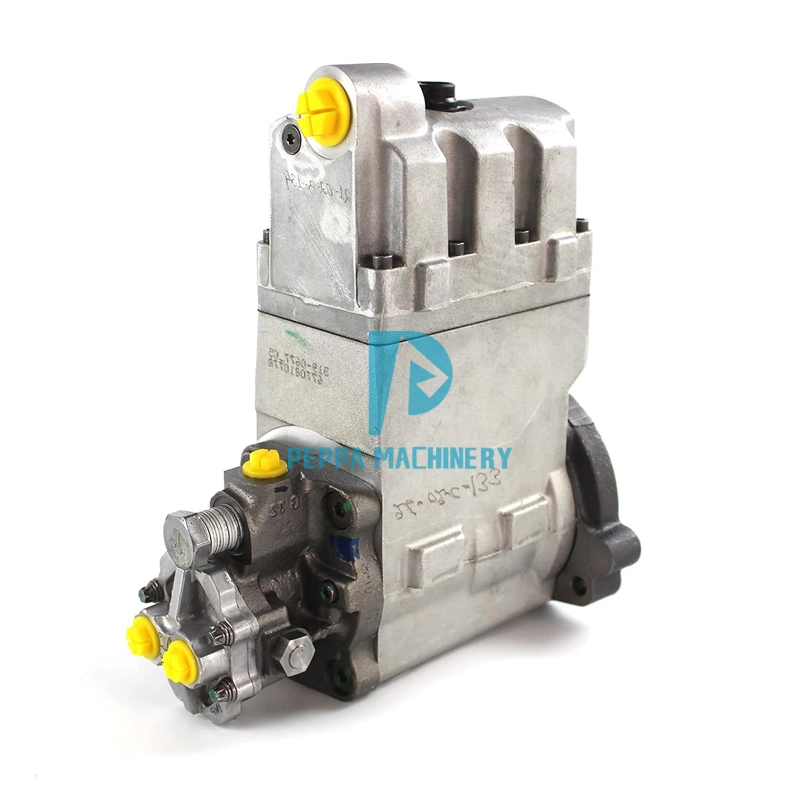
Fuel Feed / Transfer Pump Assembly for Caterpillar C7 & C9 Engines | Direct Replacement for OEM Parts #319-0678, 254-4358, 304-0678, 295-4778, 228-589
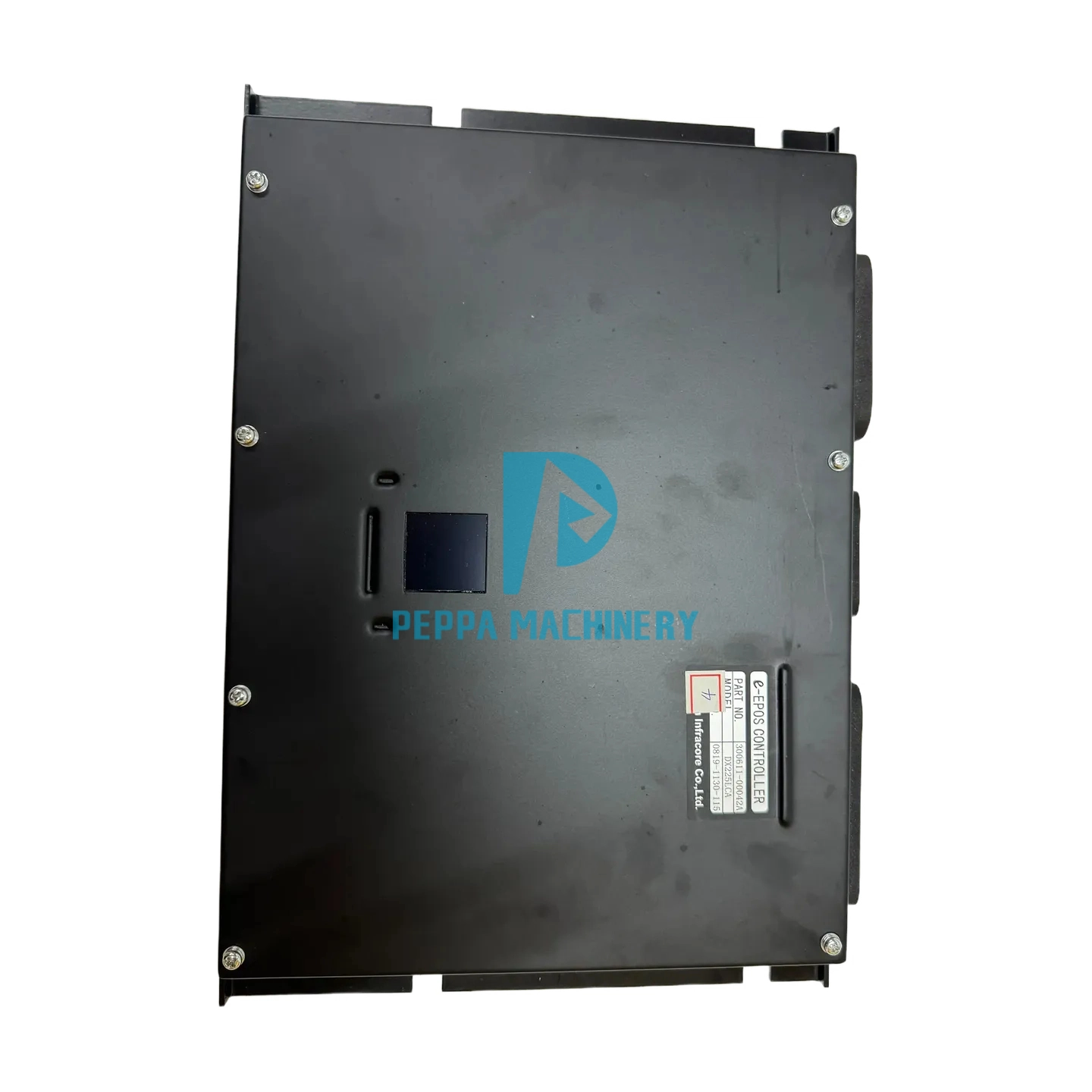
Excavator Accessories Excavator Controller DX225 DX225LCA E-EPOS Controller Computer Board 300611-00042 K1026740 K1001369C K1056425 ECU ECM

Isuzu Engine 6WG1 Turbo 1876183290 1-87618329-0 8981921861 8-98192186-1 14400-4441 1144004370 114400-4370 49188-018312 49188-11940
Excavator Parts
Can I get help choosing the right parts for my machine?
Yes. Our experienced sales team is here to provide professional recommendations and solutions based on your excavator model, part number, or specific requirements.
How can I verify compatibility before placing an order?
Please provide us with your machine brand, model number, and the part number (if available). Our team will double-check the compatibility to ensure you receive the correct parts.
What brands of excavator parts do you supply?
We supply a full range of parts compatible with major international and Chinese brands, including Caterpillar, Komatsu, Hitachi, Volvo, Doosan, Hyundai, Sany, Liugong, XCMG, Zoomlion, and more.
Are your parts genuine or OEM?
We offer both genuine parts and high-quality OEM alternatives. You can choose according to your budget and application needs. All OEM products are tested to meet or exceed original specifications.
Do you provide technical support or installation guidance?
While we do not offer on-site installation, we can provide basic technical advice, diagrams, or documentation to assist your technicians with installation and troubleshooting.
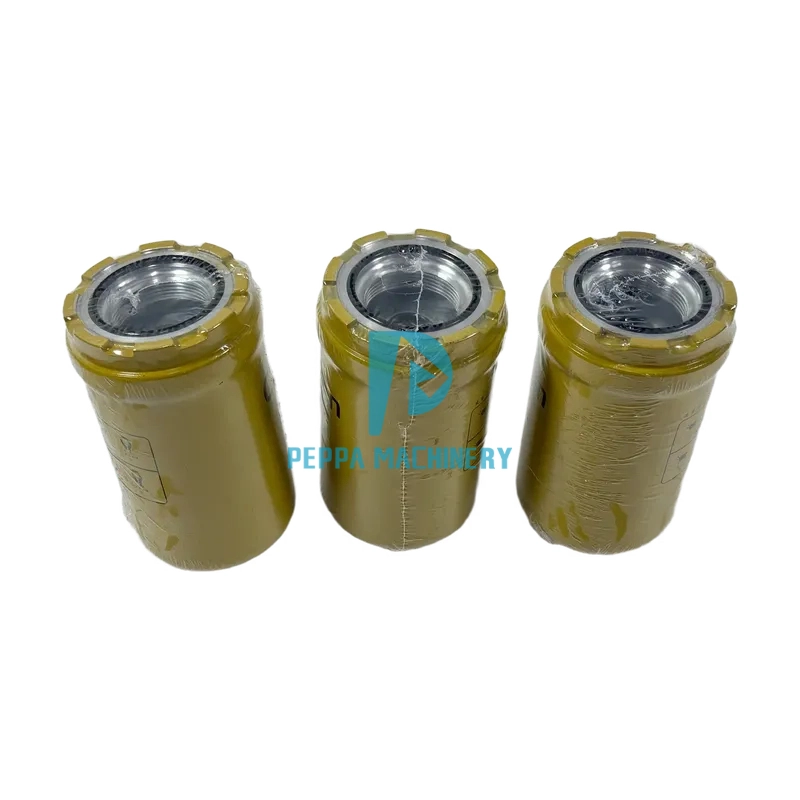
51-8670 Hydraulic Filter Applicable to HF35519 518670 2897836 518670X 1588987 Compatible with Caterpillar 352FVG 325CL
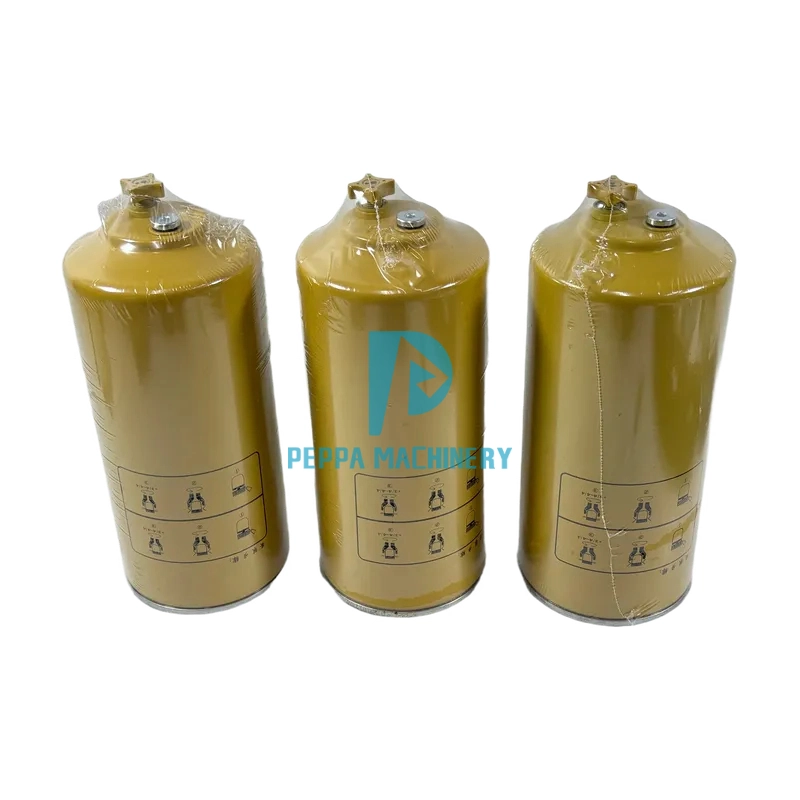
4385386 Fuel Water Separator Fuel Filter 382-0664 Oil-water Separator Hydraulic Oil Filter for CAT 312D2 320D2
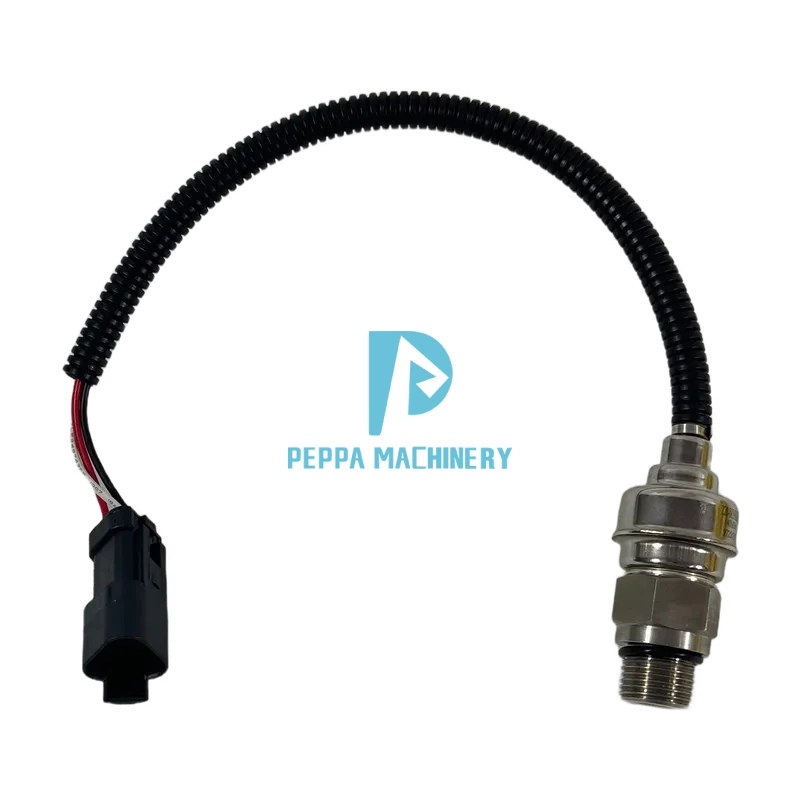
Pressure Sensor 221-8859 106-0178 for Caterpillar CAT 311B 311C 312C 314D 315B 320C 323D 324D 330C 336D 345B 385C
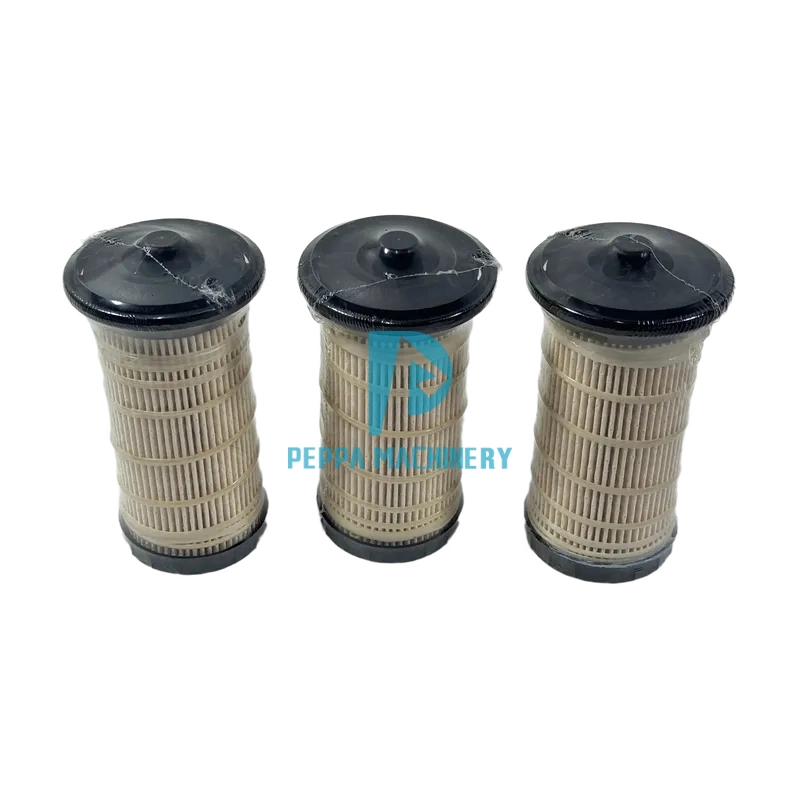
360-8960 Fuel Filter Element for Caterpillar C4.4 & C7.1 Engines | Fits 312D, 320D, 312E, 320E, 326D2, 336D2 Excavators
Get more information
Want to know more? Contact us today to get detailed product specifications, customized solutions, and a free consultation tailored to your needs.
Rest assured that your privacy is important to us, and all information provided will be handled with the utmost confidentiality.

Reliable Source for Quality Excavator Components.
Follow Us
Our Partners


Our Payment Methods


 High Quality
 7/24 Service
 Guaranteed Warranty
 Scan QR Code
Facebook
TikTok
YouTube
Pinterest
Twitter