








Are aftermarket excavator injectors reliable vs OEM?
- 1) How can I tell if poor engine performance is caused by a failing excavator injector (nozzle/electrical) vs an ECM or fuel-pump issue?
- 2) Can I fit non-OEM (aftermarket or reman) excavator injectors into modern common-rail systems without ECU remapping or coding?
- 3) What specific bench-test reports and minimum acceptance criteria should I require from an aftermarket supplier before buying excavator injectors?
- 4) How does fuel contamination quantitatively affect excavator injector lifespan, and what fuel cleanliness targets should I monitor?
- 5) If one injector in a multi-cylinder excavator fails, is it acceptable to replace just that one, or should I replace/match all injectors at once?
- 6) Are aftermarket excavator injectors reliable vs OEM? What should I expect on performance, warranty, and cost?
- Concluding summary: advantages of choosing quality aftermarket/remanufactured excavator injectors
Excavator Injector Buyer’s Guide: Are Aftermarket Injectors Reliable vs OEM?
Buying fuel system components for heavy machinery is high-stakes: downtime, fuel economy, emissions and engine life all hinge on the injector. This guide answers six detailed, buyer-focused questions beginners often struggle to find reliable answers for online. The answers integrate bench-test practice, diagnostics, warranty and procurement steps you can use when selecting aftermarket or OEM excavator injectors.
1) How can I tell if poor engine performance is caused by a failing excavator injector (nozzle/electrical) vs an ECM or fuel-pump issue?
Symptoms overlap, so targeted diagnostics are essential. Follow a stepwise approach: check codes, fuel pressure, electricals, and then perform injector-specific tests.
- Scan for fault codes: Read active and stored fault codes from the ECM. Misfires, injector circuit faults, or rail pressure codes narrow root causes. However, injector mechanical degradation often shows as poor combustion codes rather than electrical faults.
- Measure rail/fuel supply pressure: Use a calibrated gauge. If rail pressure is within OEM spec under load but cylinders still misfire, fuel delivery to the nozzle (injector) is suspect. If pressure is low, inspect lift pump, filters, pressure regulator or leaks first.
- Electrical checks: Measure injector coil resistance and signal waveform at the harness with an oscilloscope or injector tester and compare to the service manual. Open/short coils or abnormal pulse width signals indicate electrical or ECU-drive problems. Never rely only on resistance — waveforms show driver duty and saturation behavior.
- Injector bench tests: Remove suspect injector(s) and request a bench flow test and spray pattern inspection from a qualified test bench (Bosch/Delphi standard). Key bench metrics: static spray pattern, dynamic flow (ml/min at test pressure), and leakback. Mechanical nozzle wear produces elliptic or split spray and reduced flow.
- Quick field cross-check: Swap suspect injector with a known-good cylinder (when practical) and repeat engine run. If problem follows the injector, you’ve isolated it. Always document mileage/hours and bench-test results.
Why this matters: ECM faults, low rail pressure, or clogged filters often mimic injector failure. Validating both electrical drive and hydraulic performance prevents unnecessary replacement and ensures you choose either cleaning, reman, or full replacement correctly.
2) Can I fit non-OEM (aftermarket or reman) excavator injectors into modern common-rail systems without ECU remapping or coding?
Short answer: sometimes — but often no. Modern common-rail systems frequently require injector coding/programming to the vehicle ECU/engine controller. Failure to code or match injectors can cause rough idle, higher smoke, poor fuel economy and trigger DTCs.
- Why coding matters: Many OEM injectors carry serial numbers and individual flow/calibration maps. The ECM uses this data to adjust injection quantity and timing (closed-loop corrections). A new or reman injector without matching data can cause cylinder imbalance.
- When you can avoid coding: Older mechanical or unit-injector engines typically don’t require injector serial coding; matched flow characteristics are still important. For older electronic systems, if aftermarket injectors are factory-set to OEM spec and the supplier provides a documented flow match within OEM tolerance, you may avoid coding.
- When coding is mandatory: High-pressure common-rail systems on many modern excavators (late-model CAT, Komatsu, Volvo, etc.) require injector adaptation in the ECU. Check the machine’s service manual; it will state whether injector calibration or learning is required after replacement.
- Practical steps: Ask your supplier if their aftermarket/reman injectors are pre-coded or if they provide coding files. If not, budget for ECU coding using OEM diagnostic tools or authorized dealers. Some remanufacturers pre-program the injector and provide a certificate of coding.
Bottom line: confirm ECU compatibility before installing aftermarket injectors. The cheapest injector can become the most expensive if you skip coding and induce cylinder imbalance or new fault codes.
3) What specific bench-test reports and minimum acceptance criteria should I require from an aftermarket supplier before buying excavator injectors?
Ask for documented, dated bench-test reports from each injector. Reliable suppliers provide traceable test data and a warranty tied to those results. Minimum items to demand:
- Dynamic flow rate (ml/min) at specified test pressure: Each injector should be listed with measured flow and the OEM nominal flow. Require that flow deviation between cylinders be within recommended limits (industry best practice: OEM-matched within ±3% where possible; acceptable aftermarket tolerance often ±5% — ask the OEM spec for your model).
- Spray pattern/nozzle photos: High-resolution images or video of the spray pattern at test conditions. Patterns should be symmetrical without large drifts, streamers or erratic disintegration.
- Leakback test: Report leakback volume at specified conditions. Excessive leakback indicates worn internal seals or needle seating issues; bench limit should match OEM guidance (request the supplier’s threshold value and test method).
- Electrical parameters: Coil resistance and, for piezo injectors, driver capacitance/behavior. Values must be compared to the service manual.
- Serial/traceability data: Part numbers, serial numbers and a chain-of-custody showing reman steps if remanufactured (e.g., ultrasonic cleaning, nozzle replacement, flow-matching, new seals, calibration).
- Test bench type and calibration certificate: Identify the bench brand (Bosch/Delphi) and date of last calibration. Insist test benches are calibrated to recognized standards — this ensures results are comparable to OEM shop tests.
Do not accept verbal assurances. Insist on printed or PDF test reports per injector. If a supplier cannot provide documented flow-matching or bench results, treat their price as risky.
4) How does fuel contamination quantitatively affect excavator injector lifespan, and what fuel cleanliness targets should I monitor?
Fuel contamination (particles, water, microbial growth) accelerates nozzle wear, clogging and corrosion. For modern high-pressure fuel systems the sensitivity is higher than older mechanical systems.
- Particle contamination: Microscopic abrasive particles wear injector needle and seat, enlarging clearances and altering flow. For high-pressure common-rail systems, final filtration of 2–5 micron absolute is commonly recommended in the industry; check OEM manuals for exact target. Consistently operating with coarser filtration increases risk of premature injector wear.
- Water and microbial contamination: Water in fuel causes corrosion and injector sticking; microbial slimes can plug filters and lines. Regularly drain water separators and treat stored fuel per OEM fuel management guidance.
- Real-world impact: Contaminated fuel can reduce injector life from a well-maintained typical service life (several thousand hours) down to a fraction of that. While absolute hours vary by model and duty cycle, repeated exposure to poor fuel quality is a leading cause of early injector failure reported by service shops.
- Monitoring: Implement a fuel analysis program: particle counts (ISO 4406), visual water checks, and periodic lab sampling. If ISO 4406 codes trend upward or filters clog faster than recommended change intervals, investigate contamination sources (tanks, transfer, filtration). Replace final filters at recommended intervals and use high-quality water separators and micron-rated filters for common-rail systems.
Takeaway: good filtration and fuel hygiene are inexpensive relative to injector replacement. Request fuel cleanliness records or filter change intervals when auditing a machine’s history.
5) If one injector in a multi-cylinder excavator fails, is it acceptable to replace just that one, or should I replace/match all injectors at once?
Best practice depends on machine age, injector condition history and whether new injectors can be flow-matched to the remaining injectors.
- Replace one only when: The failed injector is isolated by bench test, and the remaining injectors are within OEM flow tolerance and have similar hours. If a supplier provides a flow report showing the new injector matches the existing injectors within OEM-specified cylinder balance limits, single replacement is acceptable.
- Prefer replacing in sets when: The engine has high hours (>50% of expected injector life), injectors show progressive wear in bench reports, or the ECU requires matched injection characteristics. Replacing in matched pairs or full sets reduces risk of cylinder imbalance and avoids repeat downtime.
- Reman advantage: If using reman injectors, request the supplier to balance the entire set or provide matched-pair flow reports. Many shops recommend replacing all injectors on the same service interval to keep combustion uniform and avoid staggered failures.
Financially, a single replacement may be cheaper short-term but can lead to additional diagnostic and labor costs if imbalance causes new problems. For critical fleet assets, plan injector replacement as a preventive maintenance action with documented flow-matching.
6) Are aftermarket excavator injectors reliable vs OEM? What should I expect on performance, warranty, and cost?
Aftermarket injectors span a wide range: unbranded cheap copies, high-quality remanufactured OEM cores, and new aftermarket units made to OEM tolerances. Reliability depends on manufacturing quality, materials, calibration and post-manufacture testing.
- Performance: High-quality remanufactured injectors that have been fully disassembled, ultrasonic-cleaned, fitted with new precision nozzles and seals, and flow-matched on a calibrated test bench can approach OEM performance. New aftermarket injectors from reputable manufacturers can also meet OEM specs if produced with proper metallurgy and coatings (e.g., hardened nozzle tips, anti-wear coatings).
- Warranty & traceability: OEM injectors typically come with a manufacturer warranty and traceability. Reputable aftermarket/reman suppliers often offer 12–24 month warranties and provide bench-test certificates. Always verify warranty terms (hours/miles/hours-of-operation) and whether the warranty covers consequential engine damage.
- Cost: New aftermarket injectors commonly cost 30–70% less than new OEM units. Remanufactured OEM injectors typically cost less than new OEM but more than basic aftermarket copies. The exact savings depend on brand and region.
- Risk factors: Counterfeit or poorly remanufactured injectors have higher failure rates. The principal risks are poor nozzle geometry, incorrect needle seating, inadequate materials, and lack of flow matching or coding.
- How to mitigate risk: Buy from experienced suppliers who provide per-injector bench-test reports, calibrated bench certificates, a clear warranty, and return policies. Prefer suppliers who adhere to recognized quality systems (e.g., ISO 9001) and who can demonstrate reman processes and traceability.
Conclusion on reliability: good aftermarket and reman injectors can be as reliable as OEM when supplied and tested correctly. The differentiator is documentation, testing, and chemical/metallurgical quality rather than the OEM label alone.
Concluding summary: advantages of choosing quality aftermarket/remanufactured excavator injectors
When you select injectors from a reputable supplier and demand per-unit bench-test reports, serial traceability, and proper ECU coding (where required), high-quality aftermarket or remanufactured excavator injectors offer significant advantages: cost savings versus new OEM parts, reduced lead time for fleet repairs, and comparable performance and warranty coverage. To realize these benefits, insist on flow-matching within OEM tolerances, spray-pattern verification, calibrated test-bench certificates, and clear warranty terms. Maintain strict fuel-filtration and fuel-management practices (final filtration in the 2–5 micron range for sensitive common-rail systems) to extend injector life. If uncertain, matching and replacing injectors in sets and using certified reman suppliers minimizes risk and downtime.
For a fast quote, documented bench-test reports and competitive pricing on excavator injectors — new, remanufactured or aftermarket — contact us at www.jbpartsgz.com or email jbparts@aliyun.com.

Isuzu SP 4JG1 4JG2 4JG3 Cylinder Liner 1876182070 1-87618207-0 1876182080 1-87618208-0 1876182100 1-87618210-0
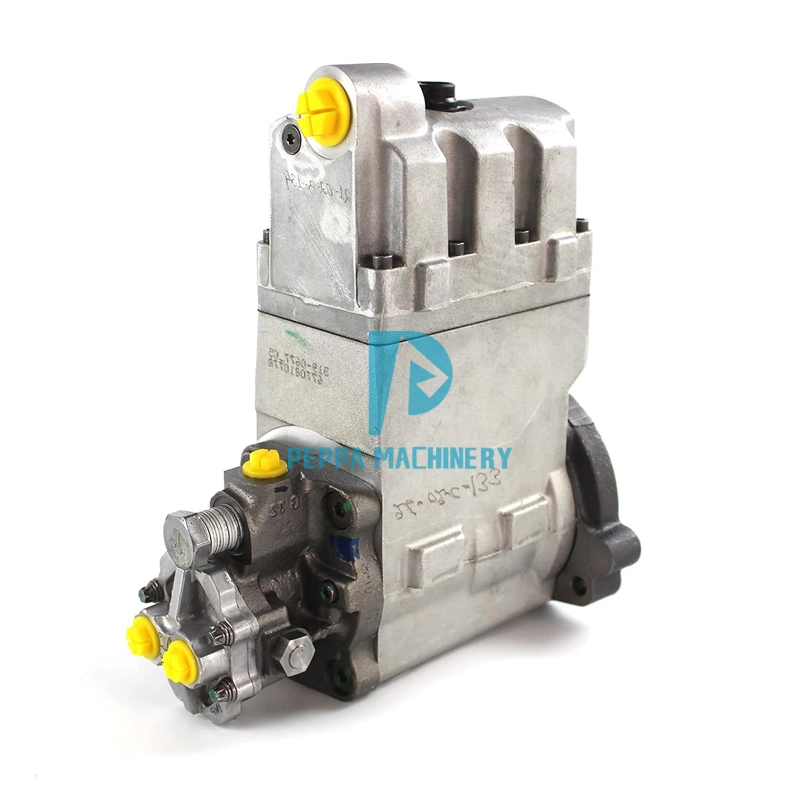
Fuel Feed / Transfer Pump Assembly for Caterpillar C7 & C9 Engines | Direct Replacement for OEM Parts #319-0678, 254-4358, 304-0678, 295-4778, 228-589
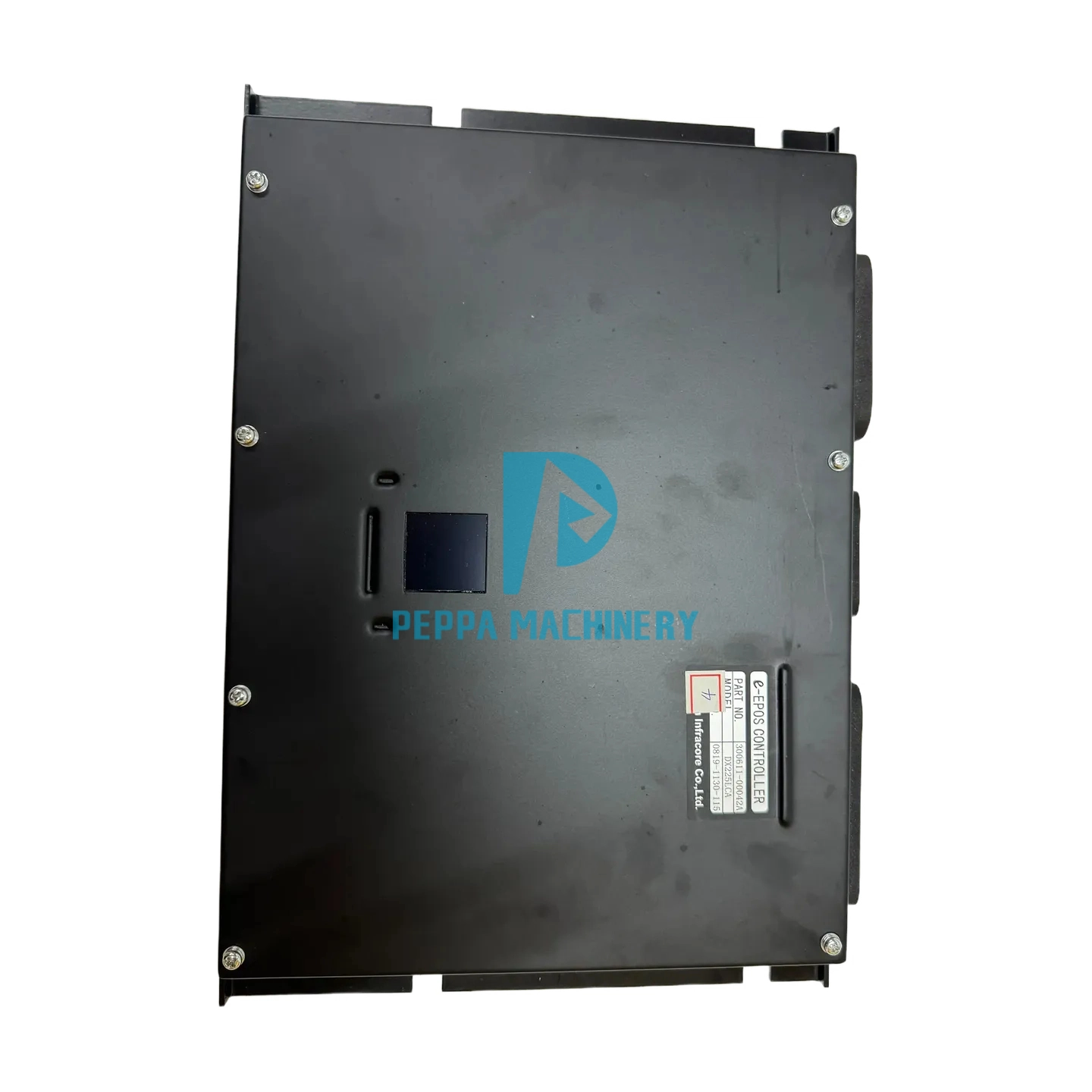
Excavator Accessories Excavator Controller DX225 DX225LCA E-EPOS Controller Computer Board 300611-00042 K1026740 K1001369C K1056425 ECU ECM

Isuzu Engine 6WG1 Turbo 1876183290 1-87618329-0 8981921861 8-98192186-1 14400-4441 1144004370 114400-4370 49188-018312 49188-11940
Excavator Parts
Can I get help choosing the right parts for my machine?
Yes. Our experienced sales team is here to provide professional recommendations and solutions based on your excavator model, part number, or specific requirements.
What types of parts do you mainly offer?
Our main product categories include:
• Engine parts (liner kits, crankshafts, water/oil pumps, etc.)
• Electrical parts (sensors, monitors, throttle motors, wiring harnesses)
• Hydraulic parts (pumps, valves, cylinders)
• Sealing kits (NOK, SKF, PQ brands, floating seals, O-rings)
Do you provide technical support or installation guidance?
While we do not offer on-site installation, we can provide basic technical advice, diagrams, or documentation to assist your technicians with installation and troubleshooting.
What brands of excavator parts do you supply?
We supply a full range of parts compatible with major international and Chinese brands, including Caterpillar, Komatsu, Hitachi, Volvo, Doosan, Hyundai, Sany, Liugong, XCMG, Zoomlion, and more.
How can I verify compatibility before placing an order?
Please provide us with your machine brand, model number, and the part number (if available). Our team will double-check the compatibility to ensure you receive the correct parts.
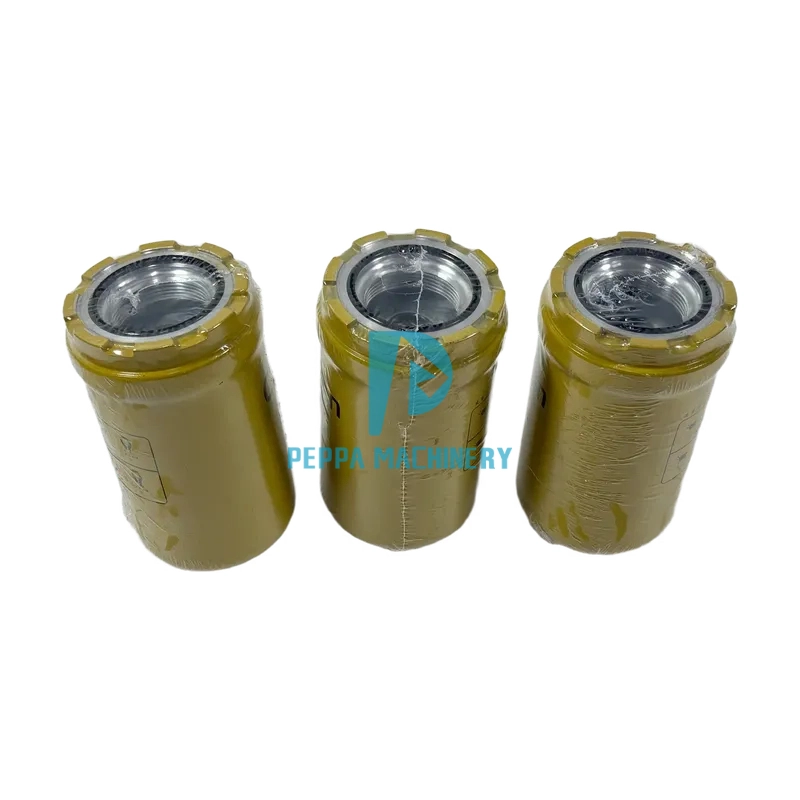
51-8670 Hydraulic Filter Applicable to HF35519 518670 2897836 518670X 1588987 Compatible with Caterpillar 352FVG 325CL
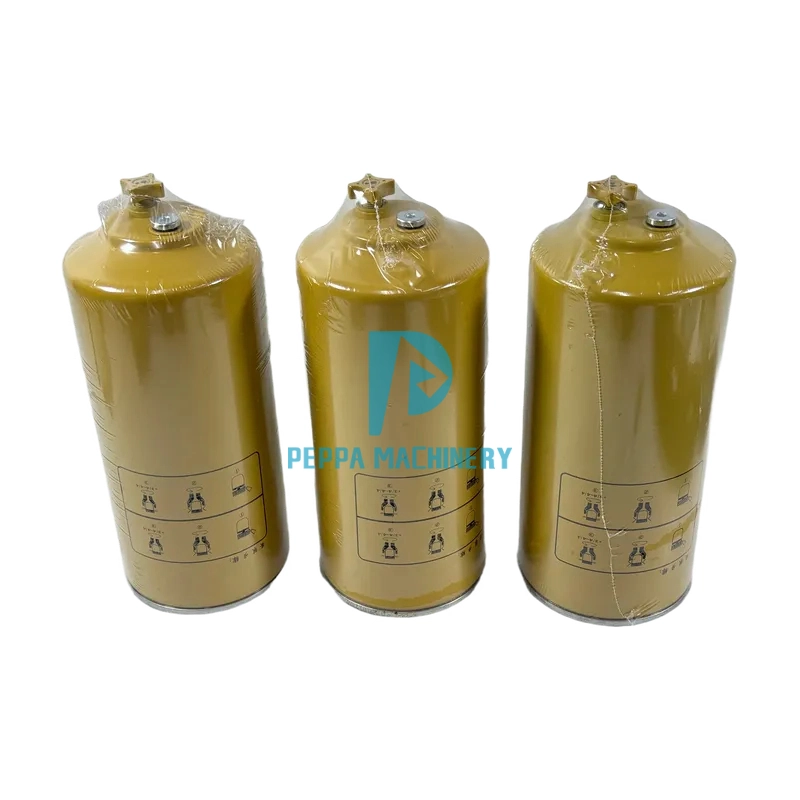
4385386 Fuel Water Separator Fuel Filter 382-0664 Oil-water Separator Hydraulic Oil Filter for CAT 312D2 320D2
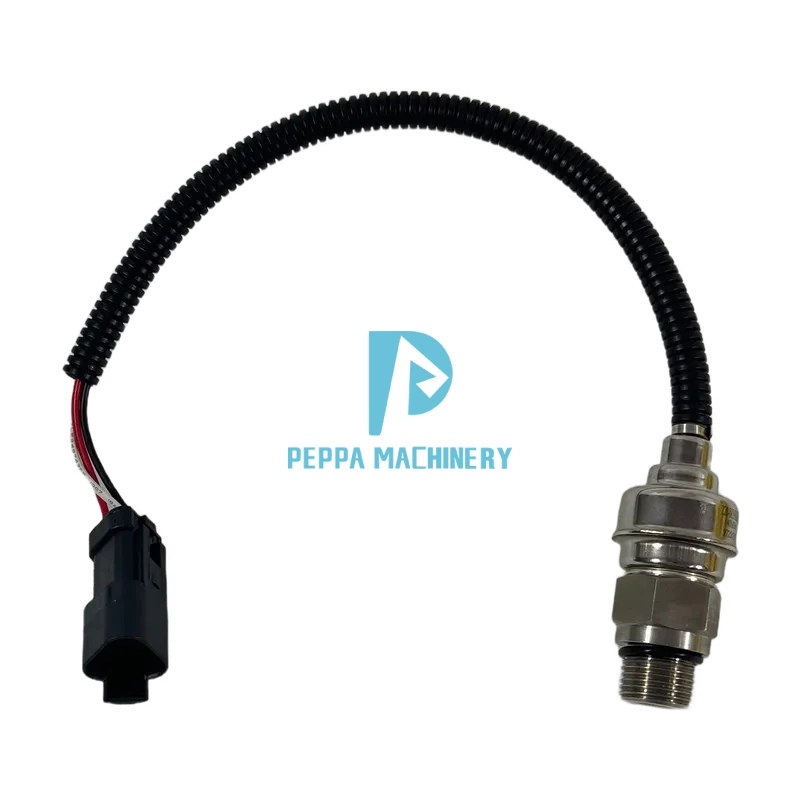
Pressure Sensor 221-8859 106-0178 for Caterpillar CAT 311B 311C 312C 314D 315B 320C 323D 324D 330C 336D 345B 385C
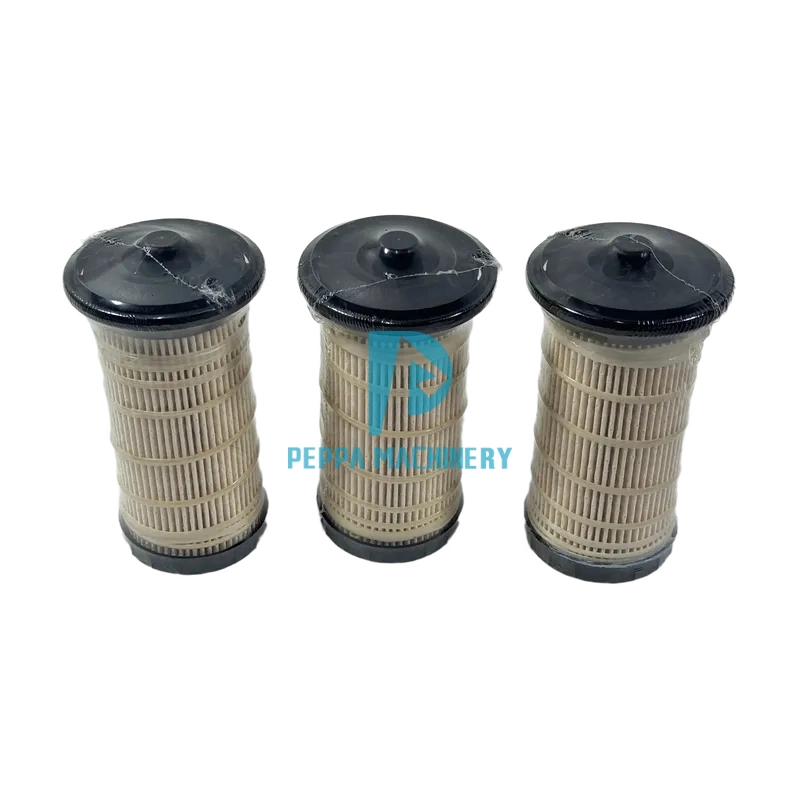
360-8960 Fuel Filter Element for Caterpillar C4.4 & C7.1 Engines | Fits 312D, 320D, 312E, 320E, 326D2, 336D2 Excavators
Get more information
Want to know more? Contact us today to get detailed product specifications, customized solutions, and a free consultation tailored to your needs.
Rest assured that your privacy is important to us, and all information provided will be handled with the utmost confidentiality.

Reliable Source for Quality Excavator Components.
Follow Us
Our Partners


Our Payment Methods


 High Quality
 7/24 Service
 Guaranteed Warranty
 Scan QR Code
Facebook
TikTok
YouTube
Pinterest
Twitter