








What Are the Signs You Need a New Excavator Injector?
- 1. What are the specific, measurable signs you need a new excavator injector?
- 2. How can I accurately test an excavator injector on-site without a flow bench?
- 3. Can one bad injector cause heavy loss of power under load but almost-normal idle? How do I confirm which injector is at fault?
- 4. How do I match replacement excavator injectors to ECU codes, pump types, and avoid limp-home mode or DPF issues?
- 5. Are remanufactured excavator injectors safe for late-model common-rail engines and what guarantees should I require from a supplier?
- 6. How can I tell if high fuel consumption is due to injectors and not turbocharger wear, EGR faults, leaks, or operator changes?
- Conclusion: Advantages of choosing quality, tested excavator injectors from a trusted supplier
What Are the Signs You Need a New Excavator Injector? 6 Deep-Dive Answers for Buyers
Contact us for a quote: visit www.jbpartsgz.com or email jbparts@aliyun.com.
1. What are the specific, measurable signs you need a new excavator injector?
Symptoms that reliably point to a failing excavator injector are not just “rough running” but observable, measurable changes under defined test conditions. Key signs to document before replacing an injector:
- Start and idle behavior: Extended cranking time (>3–5 seconds longer than normal in warm conditions) and unstable idle (RPM fluctuates >50 RPM with no electrical loads changed) often indicate poor spray/atomization or leakage.
- Loss of power under load with near-normal idle: If the machine pulls normally at idle but loses power once hydraulic load or grade increases, suspect injector flow reduction or wrong spray pattern on one or more cylinders.
- Cylinder contribution imbalance: Use a cylinder contribution test (if supported by the machine or via a diagnostic tool). A cylinder contributing >5% less torque/pressure or showing a lower injection quantity compared to the mean indicates injector degradation.
- Visible exhaust changes: Persistent dense black smoke on acceleration indicates over-fueling or poor atomization. Thin white smoke on start or under load can indicate unburned fuel from poor injection timing/penetration. Note: blue smoke usually indicates oil burning, not injector failure.
- Increased fuel consumption: If documented fuel burn rises >5–10% without operator or load changes, check injectors after ruling out leaks, turbocharger wear, and EGR faults.
- Fuel leaks and contamination evidence: External leaks at the injector-sleeve or weeping fuel in the rocker box/head area and presence of rust or black tar-like residues on the injector body indicate seal or nozzle failure.
Combine these signs with logged diagnostic trouble codes (DTCs) from the ECU (misfire, imbalance, or rail pressure anomalies) and physical checks before concluding replacement.
2. How can I accurately test an excavator injector on-site without a flow bench?
When no flow bench is available, a systematic on-site process reduces false replacement decisions:
- Fuel supply check first: Confirm correct return-line pressure, clean fuel filter, and no air ingress. Eliminating supply issues avoids misdiagnosing the injector.
- Cylinder contribution test: Use the machine’s diagnostic menu or a handheld scanner to perform cylinder cut-out tests (if supported). Loss of power when a specific cylinder is cut out vs. baseline gives relative contribution.
- Starter cranking smoke and smell: Briefly crank and observe smoke per cylinder note (with safe procedure). Excessively rich smell or opaque smoke on cranking from one cylinder correlates to an injector delivering too much fuel or poor atomization.
- Return-flow sampling: With the engine idling, isolate and measure each injector return line volume over a fixed time (e.g., ml/min). Large deviations (>5–10% from average) point to leaking/nozzle problems. This is a practical field proxy for bench flow testing.
- Electrical checks for electronic injectors: Measure solenoid resistance and check injector driver pulses with a multimeter/LAUNCH oscilloscope. No pulse or abnormal waveform indicates harness/ECU/driver issues rather than the nozzle itself.
- Compression check: Low compression on a cylinder with suspected injector problems can mimic injector symptoms—verify compression is within OEM specified range before teardown.
These tests give enough evidence to justify sending injectors for bench flow testing or ordering replacements. Always document the steps and values to compare with the supplier’s reman/bench reports.
3. Can one bad injector cause heavy loss of power under load but almost-normal idle? How do I confirm which injector is at fault?
Yes. Modern diesel engines (especially common-rail and unit injectors) can mask a weak injector at idle because lower fuel quantity and lower cylinder pressures make imbalances less apparent. Under load, required injection quantity increases and a worn injector with reduced flow or poor spray pattern cannot deliver, causing power loss and increased smoke.
To confirm a single injector:
- Perform a cylinder-by-cylinder contribution test using factory diagnostic tools or an aftermarket scanner. Look for the cylinder that drops disproportionately under load.
- Run an injector balance or cut-out test (deactivate injectors one-by-one while monitoring engine torque or fuel rail pressure response) and note which deactivation causes the smallest change—this indicates that injector was already giving less contribution.
- Check the return flow or measure injector outlet temperatures (IR gun) after a short load test—higher or cooler nozzle temperatures may indicate spray pattern problems or leakage paths.
- Swap suspected injector with another cylinder (if practical and recorded). If the problem follows the injector, it’s confirmed. When swapping in the field, always replace sealing washers and retorque per OEM specs.
This approach isolates injector failure without unnecessary replacement of multiple injectors.
4. How do I match replacement excavator injectors to ECU codes, pump types, and avoid limp-home mode or DPF issues?
Matching injectors is more than part-number swapping. Modern excavators use injector coding, matched flow characteristics, and sometimes injector-specific calibration stored in the ECU. Steps to ensure correct matching:
- Obtain the machine VIN/model, engine serial, ECU software version, and original injector part numbers before ordering. Suppliers should confirm compatibility, not just physical fit.
- Choose injectors pre-calibrated and flow-matched in sets (flow tolerance often ±3–5%). Asymmetric flow across cylinders can trigger DTCs, active regeneration, or perform poorly under emissions control strategies.
- Confirm whether the engine requires injector coding or adaptation after installation. Many systems need a serial ID programmed into the ECU (via dealer tool or approved third-party diagnostic tools). Ask your supplier if the injectors are already coded or if you'll need ECU programming services.
- For unit injector or pump-line-nozzle systems, verify injector nozzle seat geometry and sleeve length; incorrect geometry can change injection timing and smoke, and can physically interfere with the pump or rocker geometry.
- Request manufacturer or remanufacturer test certificates showing flow curves, return rates, and spray pattern results for each injector. Retain these records for warranty and future troubleshooting.
Following these steps prevents avoidable compatibility problems that can cause limp modes, excess soot, or failed emissions checks.
5. Are remanufactured excavator injectors safe for late-model common-rail engines and what guarantees should I require from a supplier?
Remanufactured injectors can be safe and cost-effective if reman facilities use modern equipment and adhere to tight quality controls. What to require from your supplier:
- Bench flow and spray-pattern reports for each injector (not just a batch certificate). The report should include flow rate at specified rail pressures and comparative curves.
- OEM-equivalent or specified replacement parts used in reman (no mix-and-match components that change nozzle geometry or atomization characteristics).
- Clear warranty terms covering failure and any ECU-related issues following installation. Typical quality suppliers offer at least 6–12 months; check exact coverage for operational hours and conditions.
- Evidence of ultrasonic cleaning, calibrated machining of seats/sleeves, and use of new seals, caps, and filters. Ask for process descriptions and photos if needed.
- Return policy and RMA terms that allow quick exchange—downtime costs often exceed the High Quality for a properly bench-tested injector.
For late-model common-rail engines, insist on injectors that have been flow-matched, bench-tested at OEM rail pressures, and encoded if required. Avoid suppliers who sell reconstructed units without supporting test documentation.
6. How can I tell if high fuel consumption is due to injectors and not turbocharger wear, EGR faults, leaks, or operator changes?
High fuel use has many causes. Use a stepwise elimination process to isolate injectors as the cause:
- Baseline logging: Record fuel consumption, load cycles, idle time, and operator habits for several shifts to ensure the increase is not operational.
- Check for obvious mechanical causes: Turbocharger axial play, damaged compressor/turbine, or intercooler leaks reduce air and mimic rich conditions. Confirm boost pressure on load matches OEM spec.
- Inspect EGR system: Sticking or clogged EGR valves can change combustion and increase fuel use. Use diagnostic tools to view EGR commanded vs actual positions and EGR differential pressure sensors.
- Fuel system integrity: Look for external fuel leaks, measure return flow at idle/load to identify leaking injectors, and ensure fuel filters and water separators are not bypassing fuel.
- Injector-specific checks: Run a return-flow test and a cylinder contribution test. If one or more injectors show significantly higher return flow (indicating leakage) or lower effective injection, they are likely contributors to increased fuel consumption.
- Emission/smoke clues: Predominantly black smoke points to over-fueling or poor atomization; this, combined with injector return/bench data, supports injector replacement as the correct fix.
Only after excluding turbo, air intake, and EGR issues should you replace injectors. When replacing, choose flow-matched injectors with bench reports to restore fuel economy reliably.
Conclusion: Advantages of choosing quality, tested excavator injectors from a trusted supplier
Choosing bench-tested, flow-matched injectors from a reputable supplier reduces downtime, prevents repeat failures, and protects engine and emissions systems. Advantages include improved fuel economy, stable power under load, fewer DTCs and regeneration events, documented test data for warranty and fleet records, and technical support for ECU coding and installation. For repairs and purchases, insist on detailed bench reports, clear warranty terms, and compatibility verification with your engine/ECU.
For fast quotes, injector matching, or reman reports, contact us at www.jbpartsgz.com or jbparts@aliyun.com — we provide flow-matched injectors, bench certificates, and installation guidance.

Isuzu SP 4JG1 4JG2 4JG3 Cylinder Liner 1876182070 1-87618207-0 1876182080 1-87618208-0 1876182100 1-87618210-0
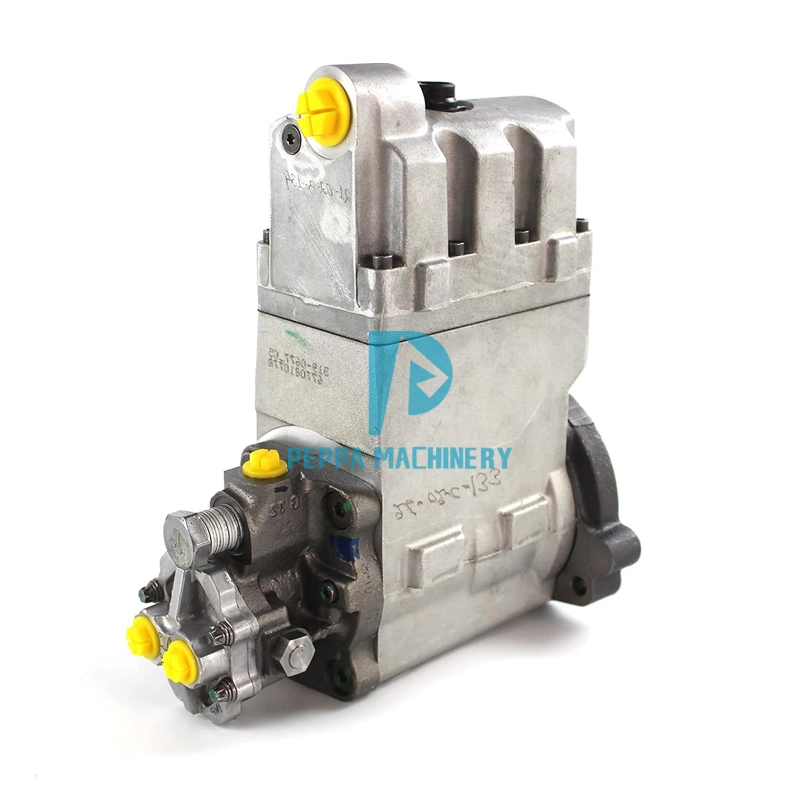
Fuel Feed / Transfer Pump Assembly for Caterpillar C7 & C9 Engines | Direct Replacement for OEM Parts #319-0678, 254-4358, 304-0678, 295-4778, 228-589
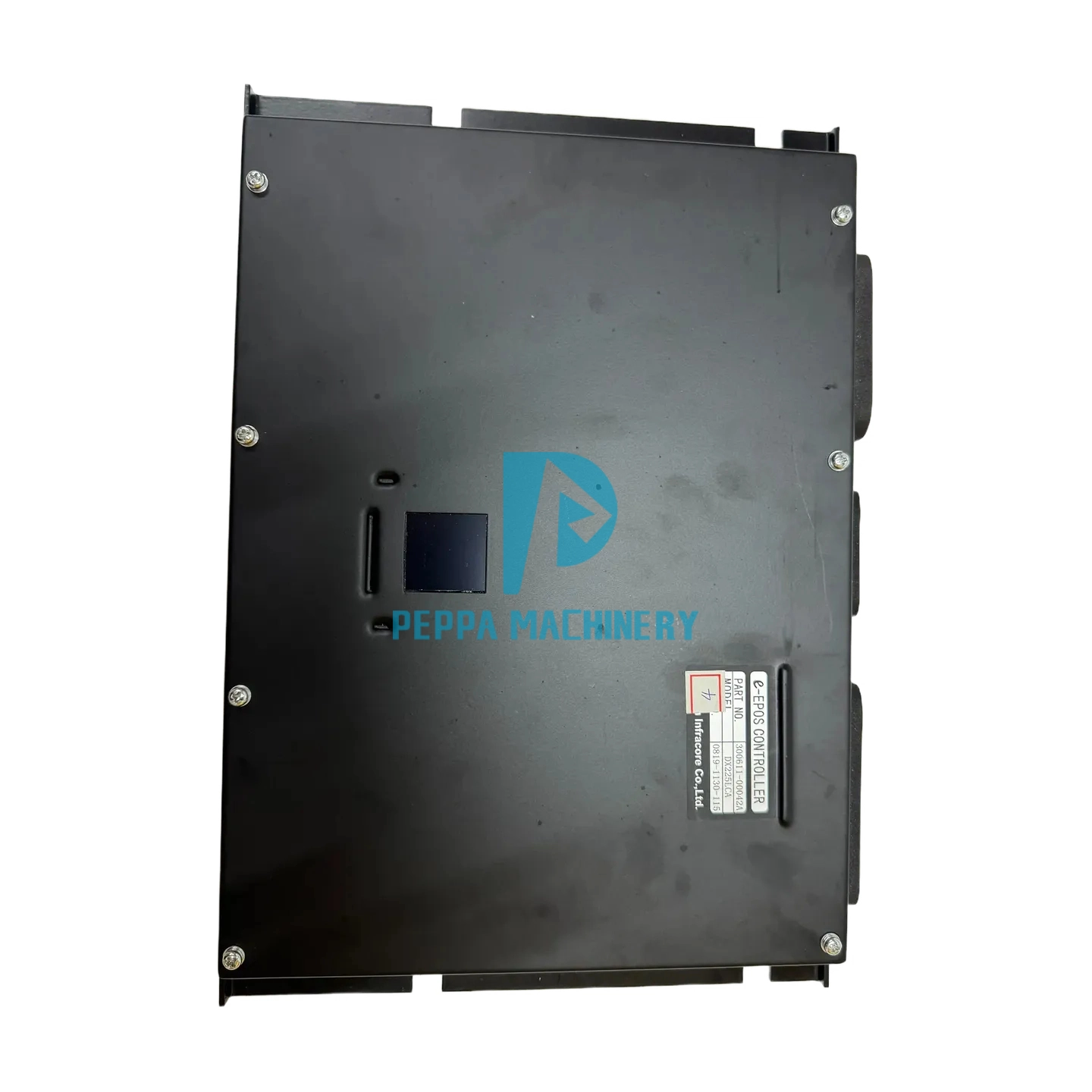
Excavator Accessories Excavator Controller DX225 DX225LCA E-EPOS Controller Computer Board 300611-00042 K1026740 K1001369C K1056425 ECU ECM

Isuzu Engine 6WG1 Turbo 1876183290 1-87618329-0 8981921861 8-98192186-1 14400-4441 1144004370 114400-4370 49188-018312 49188-11940
Excavator Parts
Do you provide technical support or installation guidance?
While we do not offer on-site installation, we can provide basic technical advice, diagrams, or documentation to assist your technicians with installation and troubleshooting.
What types of parts do you mainly offer?
Our main product categories include:
• Engine parts (liner kits, crankshafts, water/oil pumps, etc.)
• Electrical parts (sensors, monitors, throttle motors, wiring harnesses)
• Hydraulic parts (pumps, valves, cylinders)
• Sealing kits (NOK, SKF, PQ brands, floating seals, O-rings)
How can I verify compatibility before placing an order?
Please provide us with your machine brand, model number, and the part number (if available). Our team will double-check the compatibility to ensure you receive the correct parts.
What brands of excavator parts do you supply?
We supply a full range of parts compatible with major international and Chinese brands, including Caterpillar, Komatsu, Hitachi, Volvo, Doosan, Hyundai, Sany, Liugong, XCMG, Zoomlion, and more.
Can I get help choosing the right parts for my machine?
Yes. Our experienced sales team is here to provide professional recommendations and solutions based on your excavator model, part number, or specific requirements.
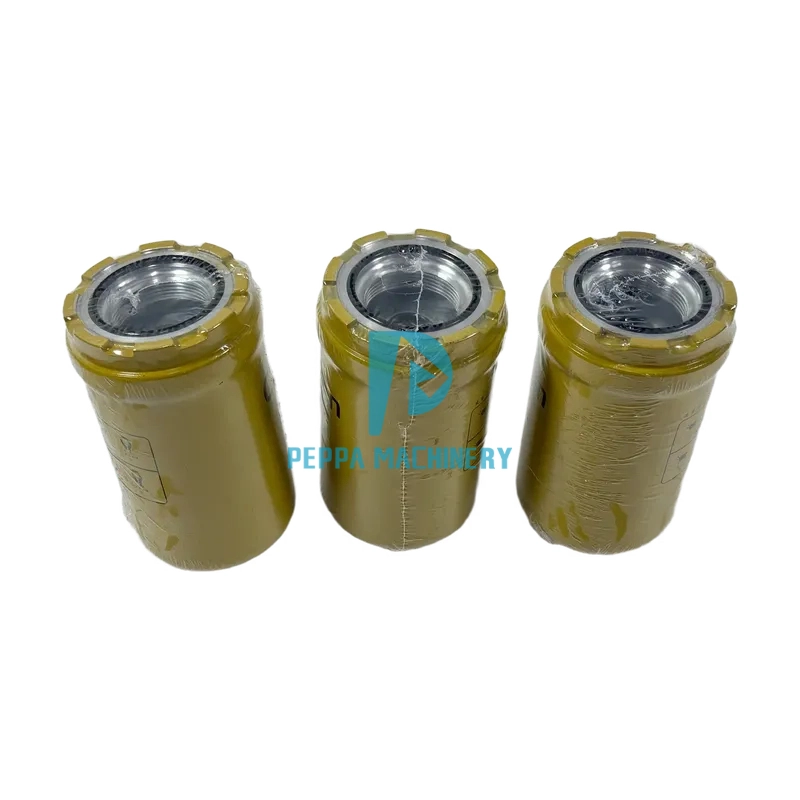
51-8670 Hydraulic Filter Applicable to HF35519 518670 2897836 518670X 1588987 Compatible with Caterpillar 352FVG 325CL
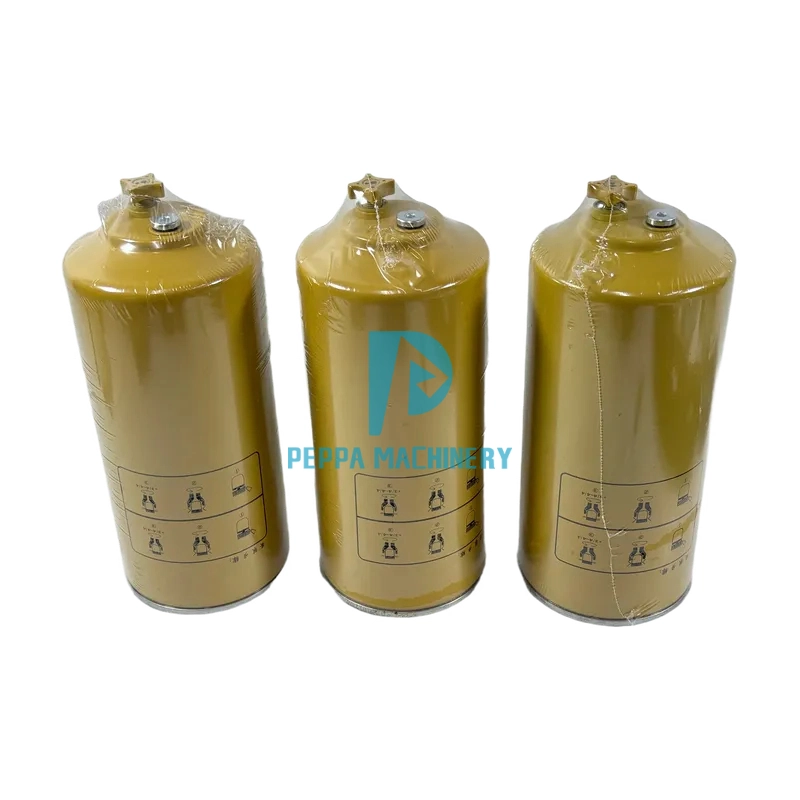
4385386 Fuel Water Separator Fuel Filter 382-0664 Oil-water Separator Hydraulic Oil Filter for CAT 312D2 320D2
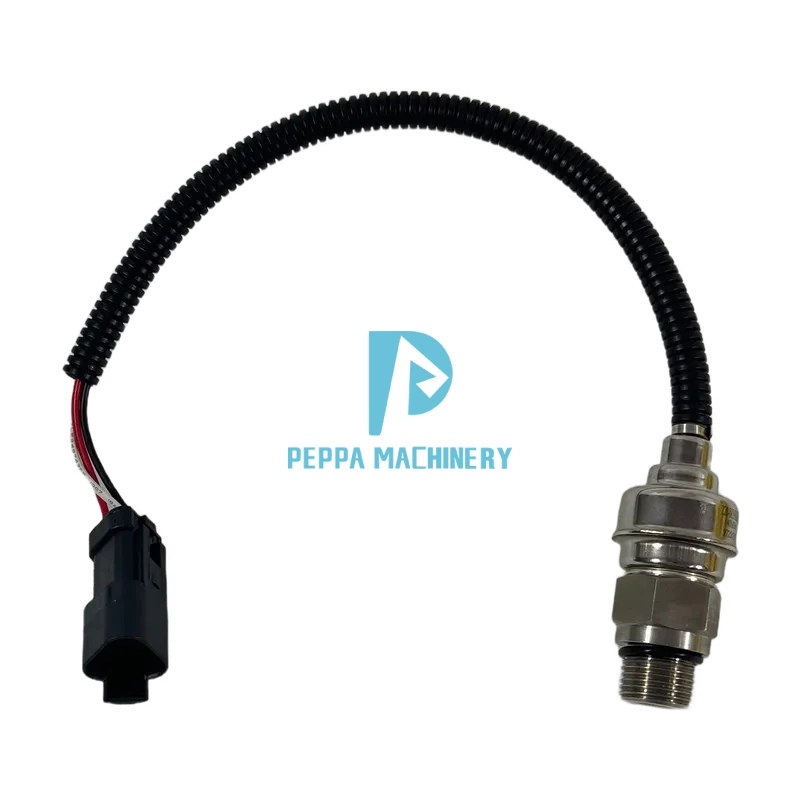
Pressure Sensor 221-8859 106-0178 for Caterpillar CAT 311B 311C 312C 314D 315B 320C 323D 324D 330C 336D 345B 385C
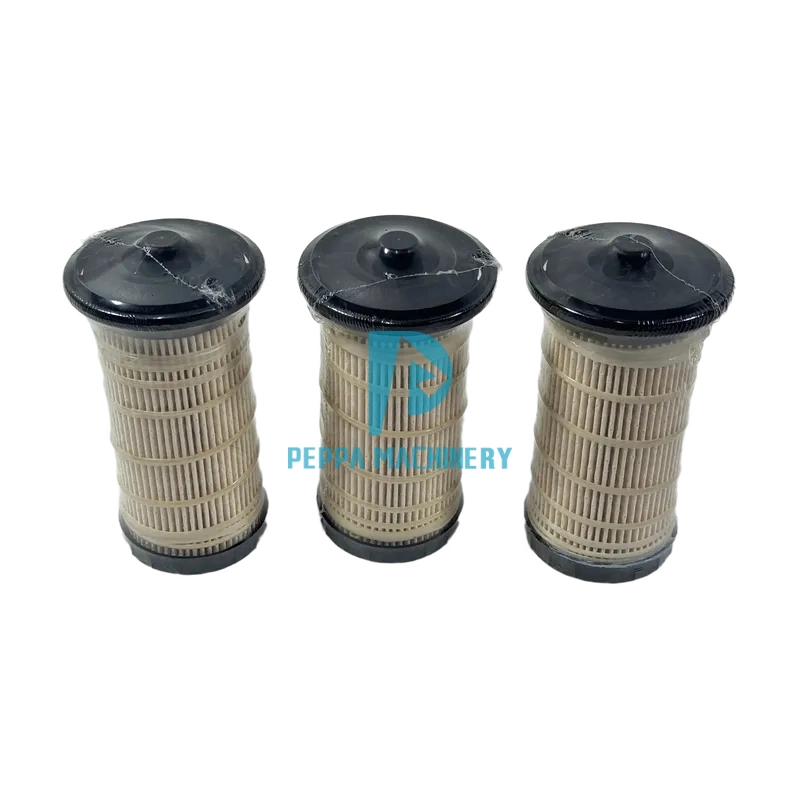
360-8960 Fuel Filter Element for Caterpillar C4.4 & C7.1 Engines | Fits 312D, 320D, 312E, 320E, 326D2, 336D2 Excavators
Get more information
Want to know more? Contact us today to get detailed product specifications, customized solutions, and a free consultation tailored to your needs.
Rest assured that your privacy is important to us, and all information provided will be handled with the utmost confidentiality.

Reliable Source for Quality Excavator Components.
Follow Us
Our Partners


Our Payment Methods


 High Quality
 7/24 Service
 Guaranteed Warranty
 Scan QR Code
Facebook
TikTok
YouTube
Pinterest
Twitter