








OEM or Aftermarket Excavator Injectors: Which Is Better?
- 1. How can I confirm a single failing injector on my PC200 or CAT machine when codes only show low power or misfire on one cylinder?
- 2. Is it safe to fit remanufactured common rail injectors with different serial numbers on a Caterpillar C7 without reprogramming the ECU?
- 3. What exact diagnostic tests should a workshop perform to distinguish nozzle clogging from return/leak issues on an excavator injector?
- 4. When operating in high-sulfur or poorly filtered fuel environments, should I choose OEM injectors, High Quality aftermarket, or reman to maximize longevity?
- 5. How necessary is injector calibration (flow matching) when replacing all six injectors on a 6-cylinder excavator, and what does it typically cost?
- 6. Can a worn injector seat, cylinder head damage or valve guide wear mimic injector failure, and what inspections prevent unnecessary injector purchases?
- Concluding summary: advantages of OEM vs aftermarket excavator injectors
For a tailored quote on excavator injectors, contact us at www.jbpartsgz.com or email jbparts@aliyun.com.
1. How can I confirm a single failing injector on my PC200 or CAT machine when codes only show low power or misfire on one cylinder?
Symptoms such as loss of power, uneven idle, black smoke from exhaust, and elevated fuel consumption can point to a single failing fuel injector, but fuel system, air intake, turbo, and compression issues can produce the same signs. To isolate one injector with confidence:
- Start with the fault codes. Use a dealer-level or high-end diagnostic scanner to read pending and historic codes — some low-pressure or return-flow faults are logged as system issues rather than cylinder-specific.
- Perform a cylinder balance (cut-out) test. Sequentially disable each injector (with the engine at normal operating temperature and using the proper diagnostic tool) and observe RPM/power drop. The cylinder whose disablement produces the smallest change is likely the impaired one.
- Measure cylinder compression and leak-down. Low compression on the suspect cylinder can mimic injector fault symptoms; rule engine mechanical issues out before replacing injectors.
- Check injector electricals. Measure solenoid/piezo resistance and connector voltage at cranking and at idle. An open or intermittent circuit suggests an electrical issue, not a hydraulic nozzle failure.
- Return-flow (leak-off) test on-run. Connect a graduated return-flow adapter to the injector return line (or measure each bank’s return) to compare ml/min between cylinders. A significantly higher or lower return flow vs the bank average indicates a nozzle leak or stuck pintle/valve.
- In-cylinder smoke/soot observation. With safe procedures, use a borescope or check cylinder head soot patterns after a short run; heavy localized carbon on one injector seat indicates spray or sealing problems.
- Trigger derate or fault codes if the ECU detects out-of-spec timing/quantity.
- Cause rough running, smoke, and reduced fuel economy if injectors are not flow-matched.
- Shorten service life if the ECU compensates incorrectly for a different injector’s characteristics.
- Prefer injectors coded to your engine’s ECU. If using reman or aftermarket injectors, insist on units that are pre-coded or provide the ability to program serials into the ECU.
- If programming is required, have a certified shop or dealer perform injector coding and a post-install flow balance check (bench or in-situ) to ensure all cylinders are within manufacturer tolerance.
- For older mechanical or non-coded unit injectors, drop-in reman units are often safe — always verify compatibility by model and part number.
- Visual & electrical inspection: look for damaged connectors, cracked housings, or oil/fuel contamination. Measure solenoid/piezo resistance and compare to manufacturer spec.
- Rail and supply pressure verification: confirm rail pressure is within spec under load. Low rail pressures can mimic nozzle issues.
- Return-flow (leak-off) measurement: measure return flow for each injector while engine is running (or using a precision adapter). Significant deviation from the bank mean indicates internal leakage or stuck valve.
- Injector removal and bench flow & spray test: on a calibrated test bench, evaluate static opening pressure (if applicable), spray pattern, atomization quality, and measured flow at specified pulse durations. Spray pattern anomalies or dribbling indicate nozzle/clog issues.
- Leakage/seat test: bench test for internal leakage past control valve/pintle. Excess leakage through the control valve will show abnormal return-flow rates even with a good spray pattern.
- Ultrasonic cleaning and re-test: if clog suspected, perform ultrasonic cleaning followed by bench flow/spray re-test to confirm improvement. If cleaning restores pattern and flow, clogging was the primary issue; if not, valve internals or control parts likely need rebuild/replacement.
- OEM new injectors: they typically use manufacturer-specified materials, coatings and tolerances optimized for that engine. If uptime is critical and budget allows, OEM units offer the highest confidence in material compatibility and warranty.
- High-quality remanufactured injectors from reputable reman shops (with documented processes: ultrasonic cleaning, replacement of critical internals, flow-matching, and a tested warranty) often offer the best cost-to-life compromise. Choose reman suppliers that replace nozzle and control-valve components and provide flow certificates.
- Low-cost aftermarket parts vary widely. Avoid unknown-brand injectors for harsh fuels. If choosing aftermarket, require material data, corrosion-resistant coatings, and a manufacturer warranty that covers premature failure due to deposits or seating wear.
- Engines rely on matched injection quantities across cylinders for smooth torque and balanced combustion. Even small flow differences increase vibration, smoke, and localized overloading.
- When replacing all injectors, bench flow-matching to a tight tolerance reduces the ECU’s need for long-term compensation and improves fuel economy and emissions.
- Injector seat sealing: a poor seal between injector and cylinder head leads to blow-by, loss of pressure at the nozzle, soot accumulation around the injector, and misfire-like symptoms. Inspect the seat surface for pitting or erosion when the injector is removed.
- Cylinder head cracks or warped surfaces: these can cause leakage around the injector, misfires, and coolant/fuel mixing. Perform a visual inspection and pressure test on the head if suspicious symptoms persist.
- Valve guide and valve seating wear: incorrect valve seating increases blow-by and reduces cylinder compression, which looks like an injector problem. Compression and leak-down tests will help identify this.
- Injector cup or sleeve corrosion: on some engines there’s a copper washer or sleeve; deterioration here causes improper sealing and false-positive injector symptoms.
- Compression/leak-down test per cylinder.
- Inspect injector bore and seat with a clean rag and borescope.
- Check for coolant or oil contamination around injector area.
- Measure return flow and bench-test suspect injectors; if bench results are within tolerance, investigate head/sealing issues.
Only after these steps — electrical, mechanical, return-flow and balance tests — should you replace an injector. This reduces unnecessary part costs and avoids overlooking fuel pump, rail pressure regulator, or turbo problems that often mimic a single-injector failure.
2. Is it safe to fit remanufactured common rail injectors with different serial numbers on a Caterpillar C7 without reprogramming the ECU?
Short answer: usually no. Long answer: modern common-rail systems (Bosch, Delphi, Denso-based, and OEM-specific systems like Cat’s MEUI/HEUI variants) use injector-specific calibration data. Injectors are often matched to the engine ECU via serial numbers and individual flow/calibration curves stored in the ECU. Replacing injectors with units of different serial numbers can:
Best practices:
Conclusion: avoid swapping in uncoded injectors on modern common-rail/CAT electronic engines without programming; the small cost of ECU coding and flow-matching is cheaper than repeat troubleshooting and downtime.
3. What exact diagnostic tests should a workshop perform to distinguish nozzle clogging from return/leak issues on an excavator injector?
A reliable diagnosis separates nozzle spray problems (clog, altered spray angle, or carbon build-up) from hydraulic leak-return problems (control valve leak, pintle seating leak). Recommended staged tests:
Document each measured value and compare to manufacturer tolerance. When absolute specs are unavailable, compare the suspect injector to a known-good unit of the same engine to spot relative deviations.
4. When operating in high-sulfur or poorly filtered fuel environments, should I choose OEM injectors, High Quality aftermarket, or reman to maximize longevity?
Fuel quality is the dominant factor in injector life. High-sulfur diesel and poor filtration accelerate nozzle seat corrosion, carbon deposits, and control-valve sticking. Selection guidance:
Operational mitigations (equally important): strict fuel filtration (secondary filters with water separators), regular fuel sampling, using fuel additives where recommended, and shortened injector service intervals. In high-sulfur conditions, plan for more frequent inspection (for example, check injectors on major service intervals rather than waiting for failure).
5. How necessary is injector calibration (flow matching) when replacing all six injectors on a 6-cylinder excavator, and what does it typically cost?
Flow matching is a best practice whenever you replace multiple injectors. Why it matters:
Manufacturer/industry guidance: aim for injectors matched within the manufacturer’s specified tolerance. In practice, shops commonly match to within ±2–3% of mean flow; if that spec isn’t available, ±5% is a reasonable maximum for older designs. After matching, record flow numbers and install injectors in the same order or code them into the ECU if required.
Cost: injector calibration/flow-matching prices vary by region and machine size. Bench testing and matching for a full set of six injectors at a reputable shop typically ranges from a few hundred to a thousand USD (commonly $150–$600 total), excluding cost of injectors themselves. OEM shops may charge more but often include flow certificates and programming. Consider the incremental cost of matching vs the risk and downtime of unbalanced injectors — matching is usually cost-effective for heavy equipment.
6. Can a worn injector seat, cylinder head damage or valve guide wear mimic injector failure, and what inspections prevent unnecessary injector purchases?
Yes. Several mechanical issues mimic injector failure. Avoid premature injector replacement by checking these items:
Inspection checklist before replacing injectors:
Following these steps protects you from replacing good injectors and prevents repeat shop visits, saving parts and downtime costs.
Concluding summary: advantages of OEM vs aftermarket excavator injectors
OEM injectors deliver the highest certainty in materials, calibration and warranty backing — they’re the top choice when uptime is critical and budget allows. High Quality remanufactured injectors offer near-OEM performance at lower cost when sourced from reputable remanufacturers that provide flow certificates, replaced critical internals, and warranties. Lower-cost aftermarket units can be cost-effective for older or low-duty machines, but quality varies; insist on testing, warranty and compatibility evidence. Across all options, avoid shortcuts: verify compatibility and coding, perform flow-matching, and pair injector replacement with fuel-system and head inspections to protect your investment.
If you need help selecting, programming or flow-testing injectors, contact JB Parts for a quote and certified support: www.jbpartsgz.com or jbparts@aliyun.com.

Isuzu SP 4JG1 4JG2 4JG3 Cylinder Liner 1876182070 1-87618207-0 1876182080 1-87618208-0 1876182100 1-87618210-0
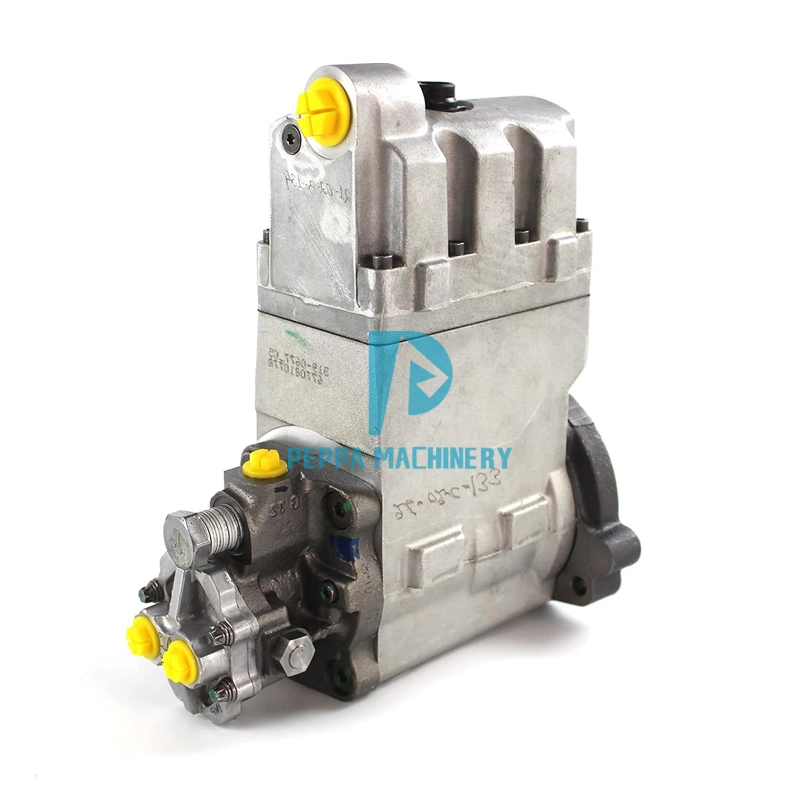
Fuel Feed / Transfer Pump Assembly for Caterpillar C7 & C9 Engines | Direct Replacement for OEM Parts #319-0678, 254-4358, 304-0678, 295-4778, 228-589
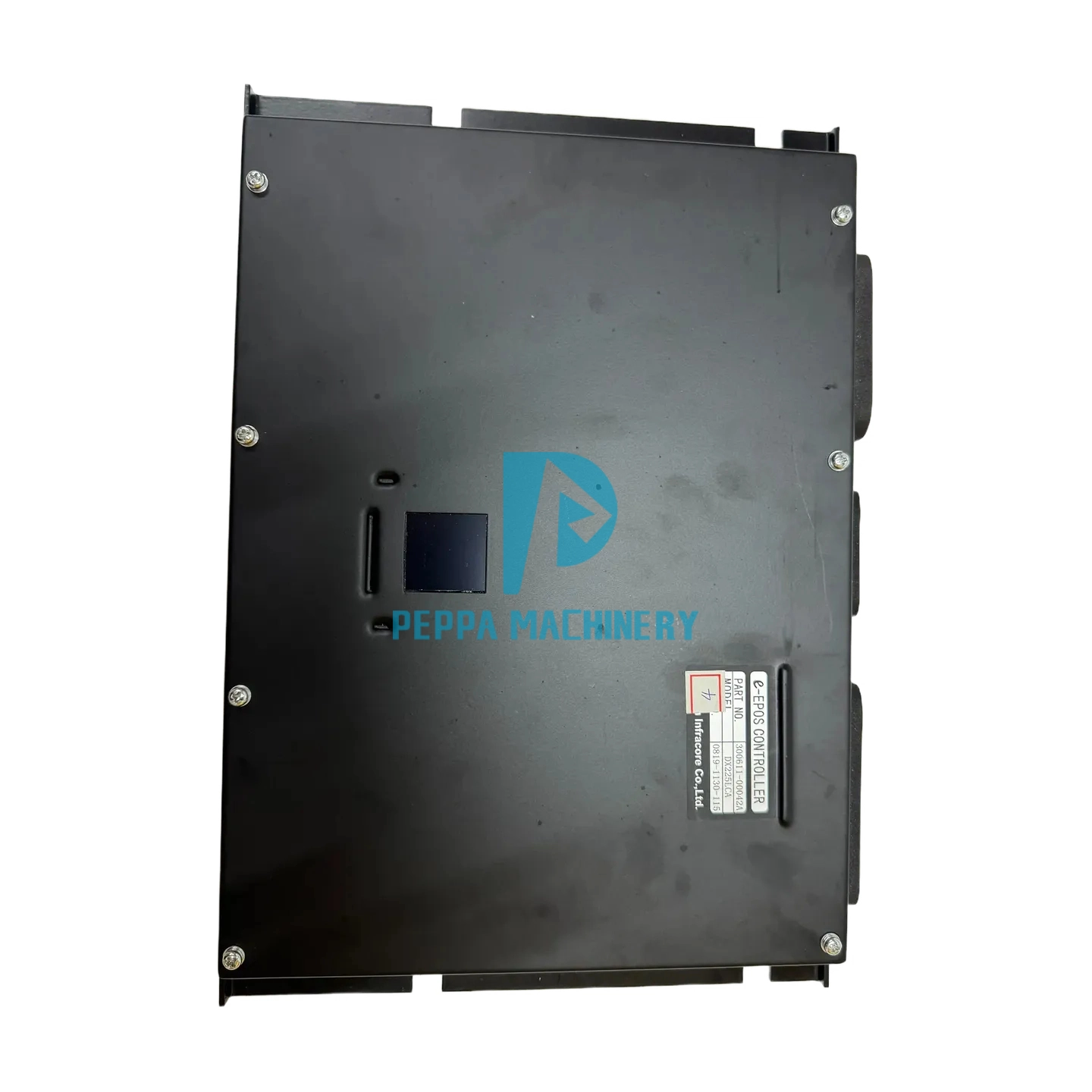
Excavator Accessories Excavator Controller DX225 DX225LCA E-EPOS Controller Computer Board 300611-00042 K1026740 K1001369C K1056425 ECU ECM

Isuzu Engine 6WG1 Turbo 1876183290 1-87618329-0 8981921861 8-98192186-1 14400-4441 1144004370 114400-4370 49188-018312 49188-11940
Excavator Parts
Can I get help choosing the right parts for my machine?
Yes. Our experienced sales team is here to provide professional recommendations and solutions based on your excavator model, part number, or specific requirements.
What brands of excavator parts do you supply?
We supply a full range of parts compatible with major international and Chinese brands, including Caterpillar, Komatsu, Hitachi, Volvo, Doosan, Hyundai, Sany, Liugong, XCMG, Zoomlion, and more.
Are your parts genuine or OEM?
We offer both genuine parts and high-quality OEM alternatives. You can choose according to your budget and application needs. All OEM products are tested to meet or exceed original specifications.
What types of parts do you mainly offer?
Our main product categories include:
• Engine parts (liner kits, crankshafts, water/oil pumps, etc.)
• Electrical parts (sensors, monitors, throttle motors, wiring harnesses)
• Hydraulic parts (pumps, valves, cylinders)
• Sealing kits (NOK, SKF, PQ brands, floating seals, O-rings)
How can I verify compatibility before placing an order?
Please provide us with your machine brand, model number, and the part number (if available). Our team will double-check the compatibility to ensure you receive the correct parts.
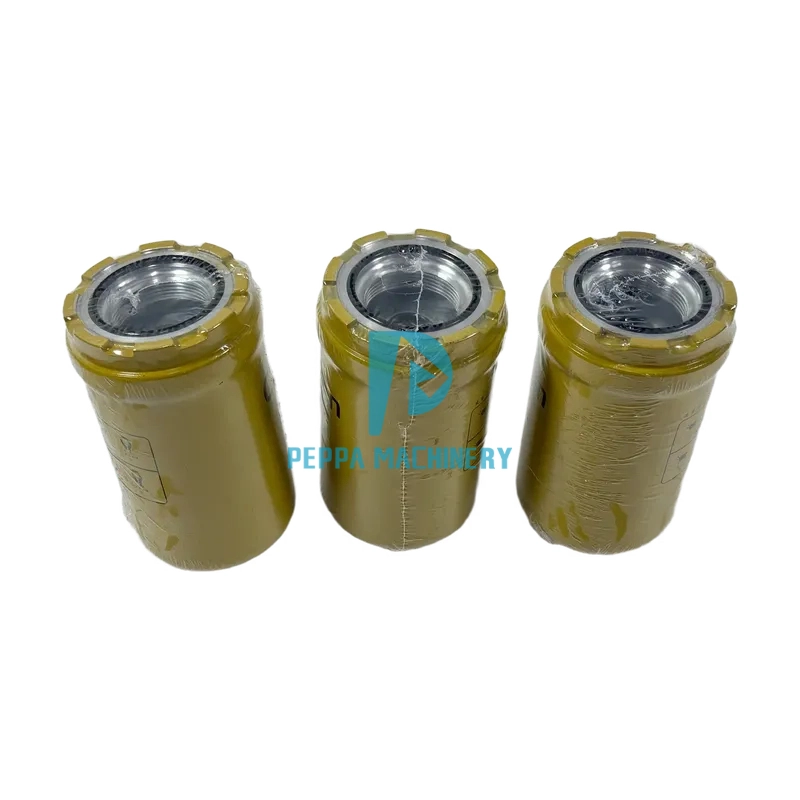
51-8670 Hydraulic Filter Applicable to HF35519 518670 2897836 518670X 1588987 Compatible with Caterpillar 352FVG 325CL
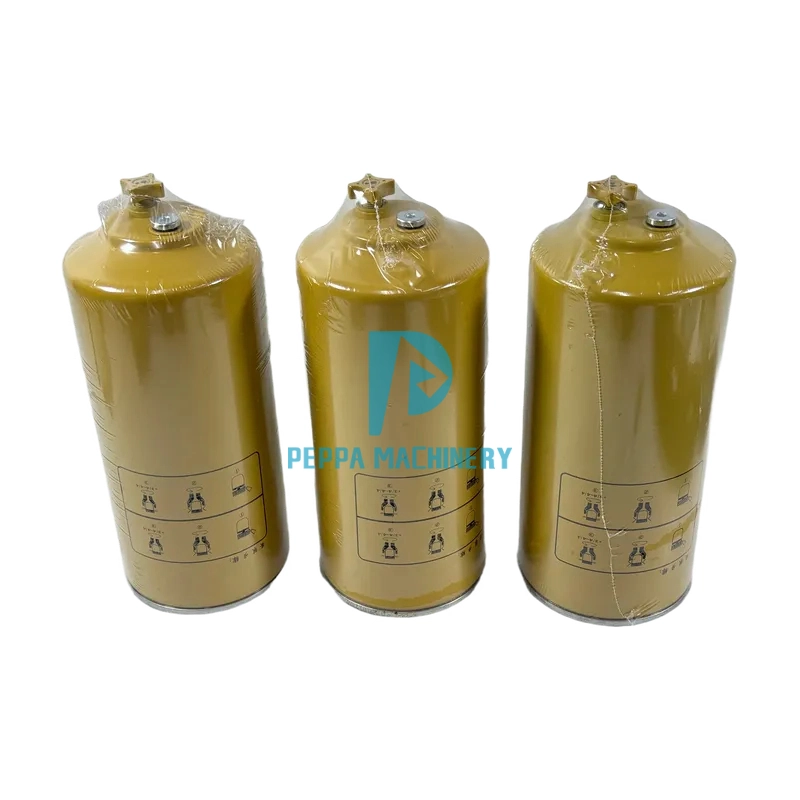
4385386 Fuel Water Separator Fuel Filter 382-0664 Oil-water Separator Hydraulic Oil Filter for CAT 312D2 320D2
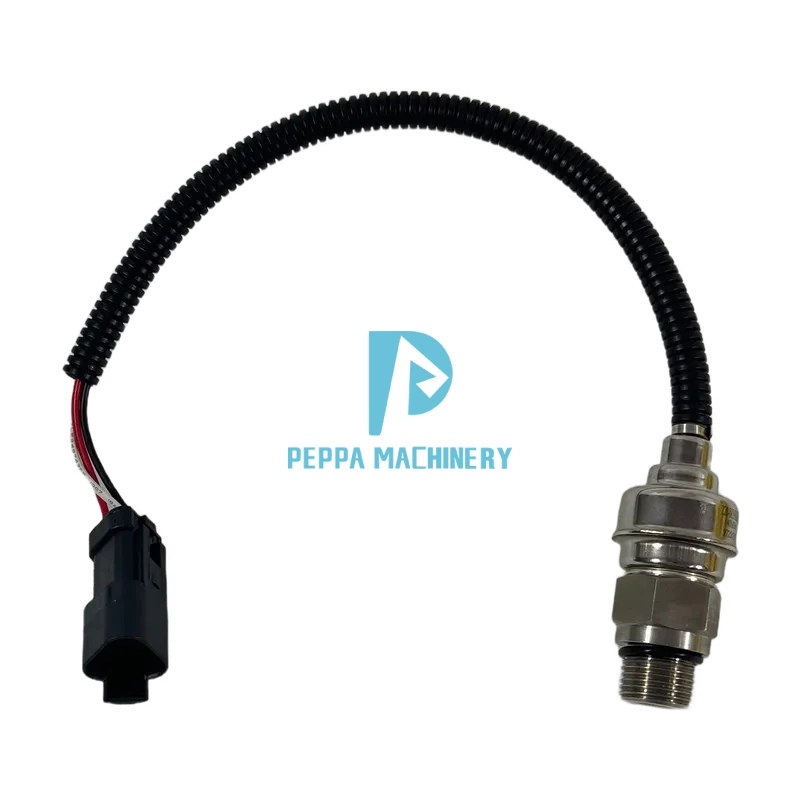
Pressure Sensor 221-8859 106-0178 for Caterpillar CAT 311B 311C 312C 314D 315B 320C 323D 324D 330C 336D 345B 385C
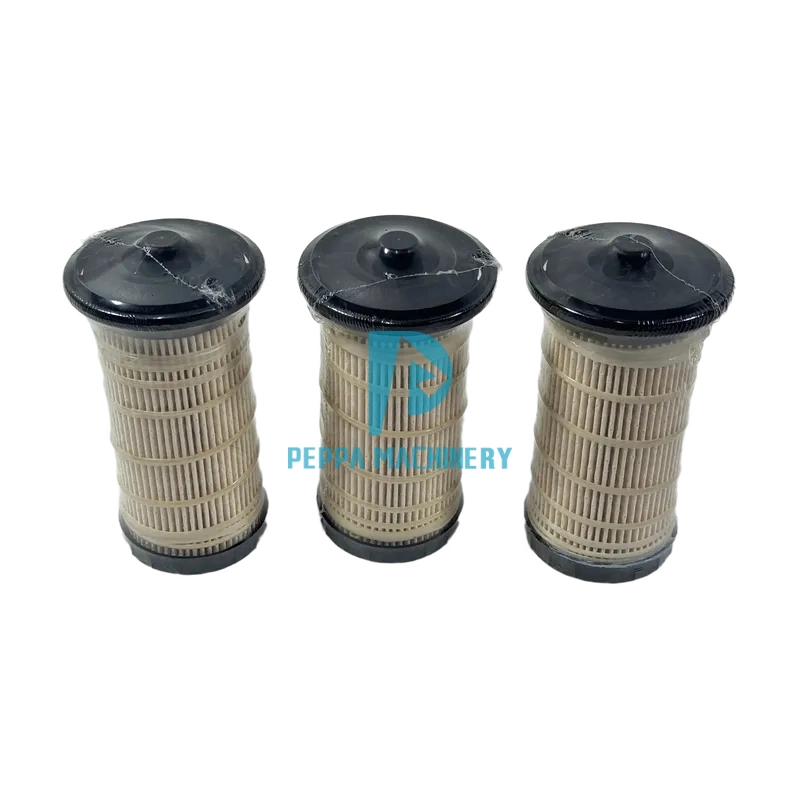
360-8960 Fuel Filter Element for Caterpillar C4.4 & C7.1 Engines | Fits 312D, 320D, 312E, 320E, 326D2, 336D2 Excavators
Get more information
Want to know more? Contact us today to get detailed product specifications, customized solutions, and a free consultation tailored to your needs.
Rest assured that your privacy is important to us, and all information provided will be handled with the utmost confidentiality.

Reliable Source for Quality Excavator Components.
Follow Us
Our Partners


Our Payment Methods


 High Quality
 7/24 Service
 Guaranteed Warranty
 Scan QR Code
Facebook
TikTok
YouTube
Pinterest
Twitter