








How to choose a high output alternator for excavators?
- 1. What exact alternator amp rating do I need for a 20-ton excavator fitted with LED lighting, heated cab, hydraulic attachments, and a winch?
- 2. How do I verify alternator compatibility with my engine pulley ratio and idle RPM so the unit delivers rated amps when idling?
- 3. Can I replace my OEM alternator with an aftermarket high output alternator without upgrading my wiring harness and batteries on a 24V excavator?
- 4. How can I test a high output alternator on-site to confirm it meets rated amperage without a specialized laboratory?
- 5. What are the most common failure modes of high output alternators on excavators working in dusty, hot, and oily environments, and how do I prevent them?
- 6. When should I choose a liquid-cooled high output alternator for an excavator and what installation challenges should I expect?
1. What exact alternator amp rating do I need for a 20-ton excavator fitted with LED lighting, heated cab, hydraulic attachments, and a winch?
Begin with a component-by-component electrical load audit. Convert each accessory’s power (watts) into amperes at your system voltage (I = P / V). For a 12V system, a 200W LED lightbar draws ~16.7A; a 500W cab heater ~41.7A; hydraulic valve solenoids typically 5–20A each when actuated; an electric winch can draw 200–400A while pulling. Add the alternator’s demand for charging depleted batteries during or after cranking and any ECU/telemetry loads.
Sample conservative estimate (12V system):
- LED lighting (200W): 16.7A
- Cab heater (500W): 41.7A
- Hydraulic solenoids (3 × 10A): 30A
- Winch (average operating draw during use): 250A (intermittent)
- ECU, pumps, lights, sensors: 25A
Continuous operating current (excluding intermittent winch peak) = 16.7 + 41.7 + 30 + 25 ≈ 114A. For continuous supply choose a high output alternator rated at least 20–30% above continuous load to avoid thermal stress and voltage drop; that implies ~140–150A. For machines using intermittent high loads (winch, heater boost, compressor), size for both continuous current and ability to handle short bursts: if frequent 250A bursts occur, specify an alternator with a stated short-term peak capability or a larger continuous rating (200–300A) or supply a dedicated battery/buffer bank sized for the peak.
Note: many excavators are 24V systems—divide wattage by 24 when calculating current. Typical small excavators may only need 80–120A; medium 120–200A; heavy machines often require 200–300A+ when additional electrified attachments are used.
2. How do I verify alternator compatibility with my engine pulley ratio and idle RPM so the unit delivers rated amps when idling?
High-output alternator ratings are specified at a defined alternator shaft RPM (commonly 2,000–3,000 RPM or stated as “rated at 2,500 RPM”). The alternator shaft RPM is driven by the engine via the belt and pulleys. Calculate alternator RPM with the formula:
alternator_RPM = engine_RPM × (engine_pulley_diameter / alternator_pulley_diameter)
Example: engine idle 800 RPM, engine pulley 200 mm, alternator pulley 60 mm → alternator_RPM ≈ 800 × (200/60) ≈ 2,667 RPM. At that alternator RPM the unit may reach near-rated output. If alternator RPM at idle is below the alternator’s required RPM for full output, you won’t get the declared amps until engine speed increases.
Options to ensure adequate output at idle:
- Choose a high-output alternator designed for low-RPM performance (alternators with optimized rotor/field design or internal gearing).
- Change pulley diameters (smaller alternator pulley or larger engine pulley) to increase alternator RPM—confirm belt alignment, tension, and mechanical clearance.
- Specify an alternator with a rated output curve and confirm the available output at your machine’s idle RPM.
- For machines that must run electrical loads while stationary at low idle, prefer alternators with strong low-RPM output curves or use a battery buffer sized for the deficit.
Always confirm the alternator’s datasheet showing “output vs RPM” and measure actual alternator shaft speed if possible before purchase/installation.
3. Can I replace my OEM alternator with an aftermarket high output alternator without upgrading my wiring harness and batteries on a 24V excavator?
Not always. A higher amp output increases the continuous and peak currents flowing through the B+ lead, ground, and associated fusing. Check three items before swapping:
- Wiring ampacity and connector ratings — higher output requires thicker cable and heavy-duty lugs. As a practical guideline, large alternators (150–200A) generally require 2/0 to 3/0 AWG for short runs; 200–300A often requires 3/0 to 4/0 AWG. Exact gauge depends on cable length and allowable voltage drop—refer to AWG ampacity tables and account for engine bay temperatures.
- Battery capacity and state — batteries must absorb charge currents and provide buffering during transient loads. Existing battery banks sized for a lower output alternator may heat or be overcharged if alternator regulation is not matched. Consider adding parallel battery capacity or an AGM/starting battery rated for higher charge acceptance.
- Fusing and connectors — main fusible links, starter relay contacts, and distribution blocks must be rated for the higher currents; undersized fuses or connectors can overheat or fail.
Also verify the charging system voltage (24V vs 12V), regulator compatibility (some high-output alternators use external regulators or CAN-controlled units), and whether the alternator’s B+ stud/terminal fits existing routing. Unless you or your shop confirms cable ampacity and upgrades where necessary, don’t assume a direct drop-in swap is safe—consult an electrical engineer or the alternator vendor.
4. How can I test a high output alternator on-site to confirm it meets rated amperage without a specialized laboratory?
You can validate alternator performance using common field tools: a clamp ammeter capable of DC measurements (200–1000A range), a quality multimeter, and a known resistive or vehicle load bank if available. Steps:
- Ensure batteries are at a known state of charge (ideally 50–75%). Fully depleted batteries distort current readings.
- Warm up the engine to normal operating temperature; stabilize RPM at the test point (idle and at working RPM). Record engine RPM.
- Measure open-circuit charging voltage at alternator B+ and battery: acceptable charging range for a 12V system is typically 13.8–14.8V (24V: ~27.6–29.6V). Large deviations indicate regulator or diode issues.
- Attach the clamp ammeter to the B+ cable to measure charging current. Turn on or add loads incrementally (lights, heater, auxiliary resistive loads, hydraulic solenoids) and observe current. Confirm alternator current grows with load and matches the expected output at the test RPM per manufacturer curves.
- For a more controlled stress test, use a portable resistive load bank sized to draw target amps (e.g., 100–300A) and monitor voltage stability and alternator temperature rise during a timed run (e.g., 10–30 minutes). Check for voltage sag under load and for regulator stability.
- Perform a diode test using multimeter or oscilloscope—DC ripple over ~1V or a noisy charge waveform indicates bad diodes or rectifier problems.
Safety: high currents can cause sparks and burns. Ensure all connections are secure, use insulated tools, and if in doubt, have a certified technician perform the test.
5. What are the most common failure modes of high output alternators on excavators working in dusty, hot, and oily environments, and how do I prevent them?
Common failure modes:
- Overheating and insulation breakdown — continuous high output in high ambient temperature shortens the life of stator winding insulation and diode assemblies.
- Diode/rectifier failure — heat and vibration cause diode cracks, leading to charge ripple and reduced output.
- Bearing wear from dust, grit, or contaminated lubricants — leads to shaft misalignment and electrical failure.
- Oil/fuel contamination — oil ingress (common on excavators) degrades seals and insulation and can clog cooling fins.
- Mechanical vibration — poor mounting or unbalanced pulleys cause fatigue failure of housings and electrical connections.
Prevention and specification guidance:
- Specify alternators with robust environmental protection: IP67/IP69K ratings where available, sealed bearings, and high-temp insulation class (Class H or at least Class F where specified).
- Choose units with improved cooling: larger cooling fans, external/larger heat-sinking surfaces, or liquid-cooled options for high ambient and continuous high-load duty.
- Ensure proper engine bay ventilation and maintain belt and pulley alignment to avoid extra mechanical stress on bearings.
- Use anti-contamination guards and install alternator inboard where feasible to reduce direct exposure to chips, gravel, and oil spray.
- Inspect electrical connections and heat-shrink or seal connectors; use vibration-resistant terminals and upgraded cable routing with strain reliefs.
- Perform scheduled thermographic checks and clamp-amp audits—early detection of hot spots or unexpected current draw prevents catastrophic failures.
6. When should I choose a liquid-cooled high output alternator for an excavator and what installation challenges should I expect?
Choose liquid-cooled alternators when the machine operates under sustained heavy electrical loads in high ambient temperatures or where packaging/space constraints limit air-cooling effectiveness. Advantages include lower operating temperature, higher continuous output capability, and longer life for diodes and windings.
Installation challenges:
- Plumbing: requires integration with the engine’s cooling loop or a separate closed loop—ensure material compatibility, routing for hoses, and secure fittings to avoid leaks.
- Mounting and clearances: liquid-cooled housings are often larger; check for interference with chassis, belts, and nearby components.
- Serviceability: coolant lines add service points and potential leak paths; design for easy hose disconnection and include isolation valves or quick-disconnects if possible.
- Weight and balance: liquid-cooled units are heavier—verify mounting strength and vibration characteristics.
- Cost and support: liquid-cooled alternators are more expensive and may have fewer aftermarket options—confirm availability of spare parts and authorized service.
Liquid-cooled alternators are best when continuous rated output above ~200–250A is needed in hot/dusty environments or when alternator airflow is impossible. Otherwise, a heavy-duty air-cooled alternator with enhanced cooling fins and proper installation often suffices.
Conclusion — Advantages of specifying the right high output alternator for your excavator
Choosing the correct high output alternator improves operational uptime, protects batteries and electronics, and supports electrified attachments without derating engine performance. A properly sized and installed alternator reduces thermal stress, avoids wiring failures, and extends system life—whether you select an air-cooled heavy-duty unit or a liquid-cooled model for extreme duty.
Contact us for a quote and tailored alternator recommendations: www.jbpartsgz.com — jbparts@aliyun.com.

Isuzu SP 4JG1 4JG2 4JG3 Cylinder Liner 1876182070 1-87618207-0 1876182080 1-87618208-0 1876182100 1-87618210-0
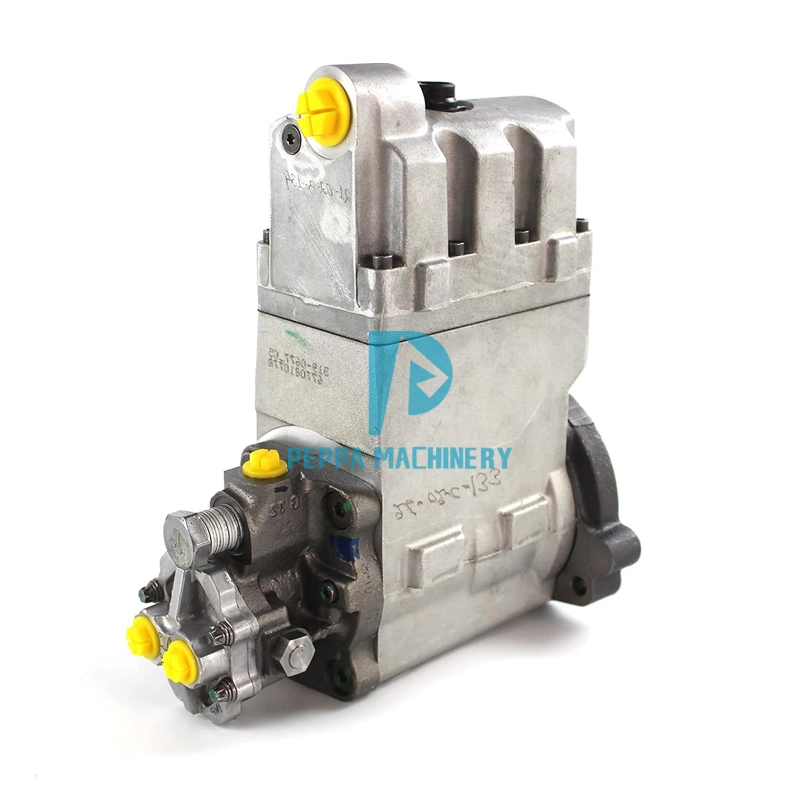
Fuel Feed / Transfer Pump Assembly for Caterpillar C7 & C9 Engines | Direct Replacement for OEM Parts #319-0678, 254-4358, 304-0678, 295-4778, 228-589
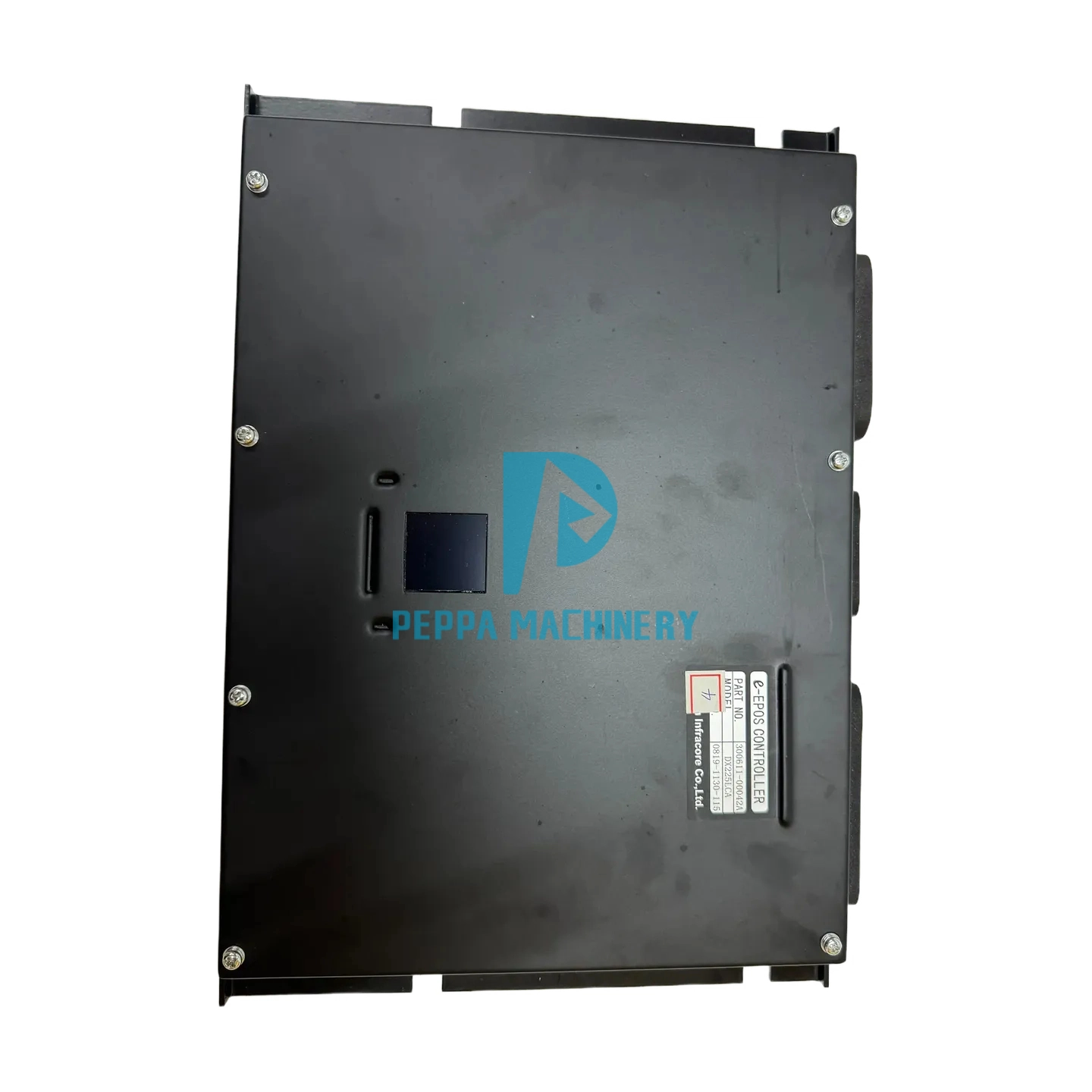
Excavator Accessories Excavator Controller DX225 DX225LCA E-EPOS Controller Computer Board 300611-00042 K1026740 K1001369C K1056425 ECU ECM

Isuzu Engine 6WG1 Turbo 1876183290 1-87618329-0 8981921861 8-98192186-1 14400-4441 1144004370 114400-4370 49188-018312 49188-11940
Excavator Parts
How can I verify compatibility before placing an order?
Please provide us with your machine brand, model number, and the part number (if available). Our team will double-check the compatibility to ensure you receive the correct parts.
What brands of excavator parts do you supply?
We supply a full range of parts compatible with major international and Chinese brands, including Caterpillar, Komatsu, Hitachi, Volvo, Doosan, Hyundai, Sany, Liugong, XCMG, Zoomlion, and more.
What types of parts do you mainly offer?
Our main product categories include:
• Engine parts (liner kits, crankshafts, water/oil pumps, etc.)
• Electrical parts (sensors, monitors, throttle motors, wiring harnesses)
• Hydraulic parts (pumps, valves, cylinders)
• Sealing kits (NOK, SKF, PQ brands, floating seals, O-rings)
Can I get help choosing the right parts for my machine?
Yes. Our experienced sales team is here to provide professional recommendations and solutions based on your excavator model, part number, or specific requirements.
Are your parts genuine or OEM?
We offer both genuine parts and high-quality OEM alternatives. You can choose according to your budget and application needs. All OEM products are tested to meet or exceed original specifications.
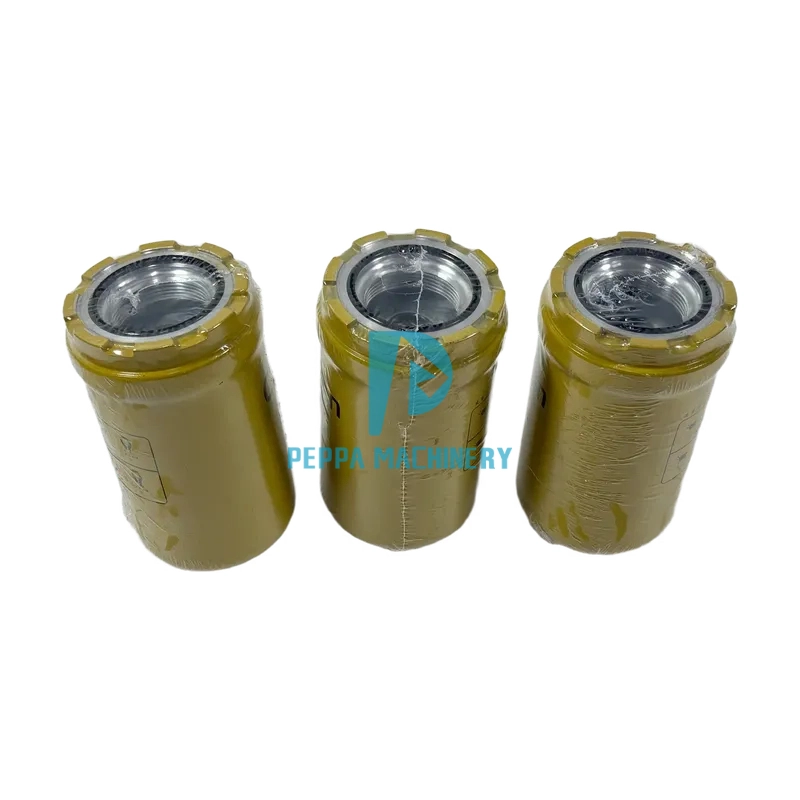
51-8670 Hydraulic Filter Applicable to HF35519 518670 2897836 518670X 1588987 Compatible with Caterpillar 352FVG 325CL
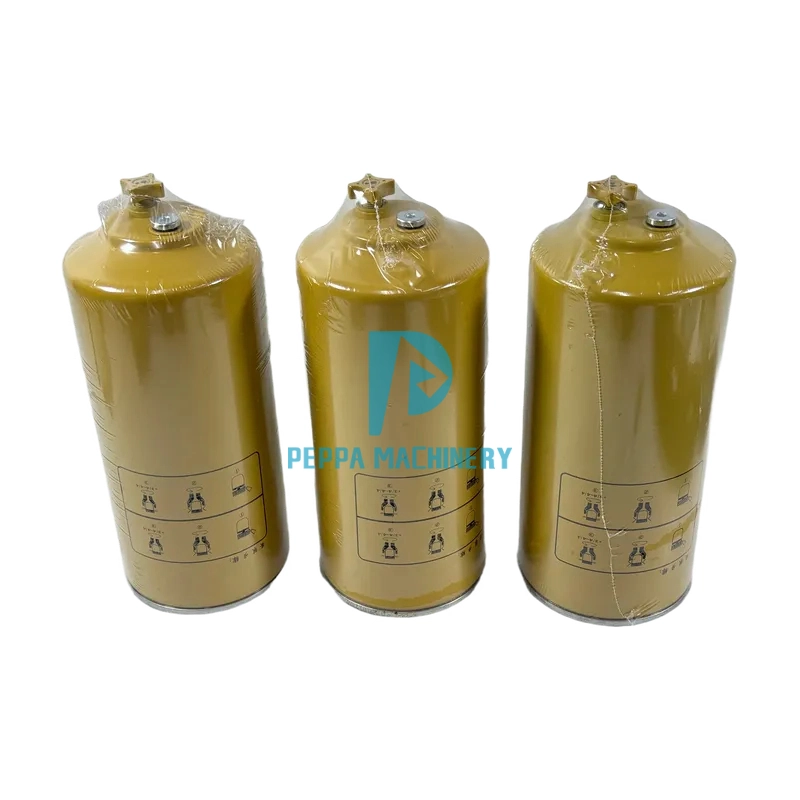
4385386 Fuel Water Separator Fuel Filter 382-0664 Oil-water Separator Hydraulic Oil Filter for CAT 312D2 320D2
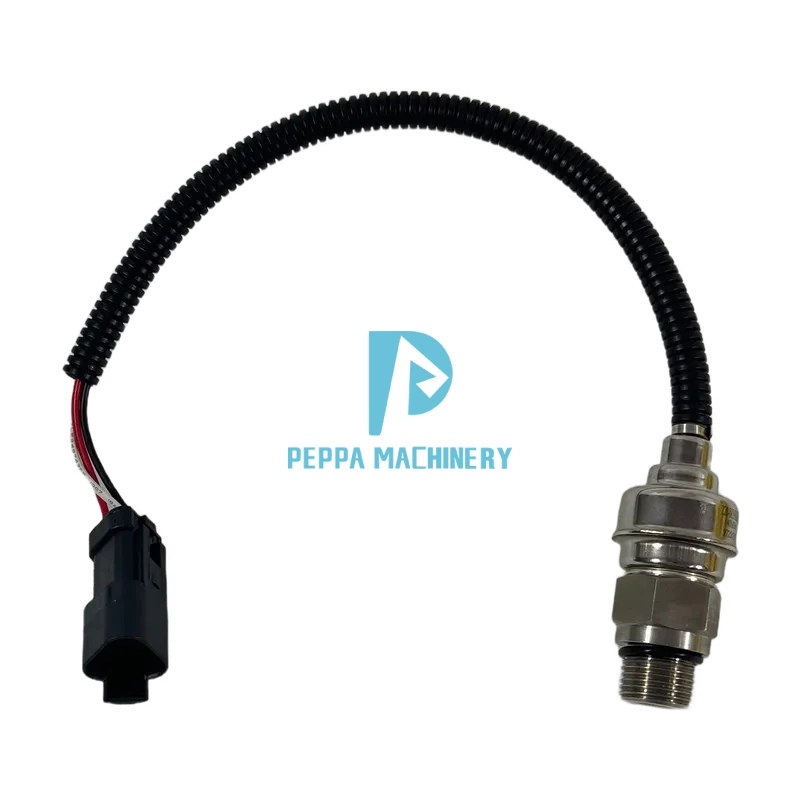
Pressure Sensor 221-8859 106-0178 for Caterpillar CAT 311B 311C 312C 314D 315B 320C 323D 324D 330C 336D 345B 385C
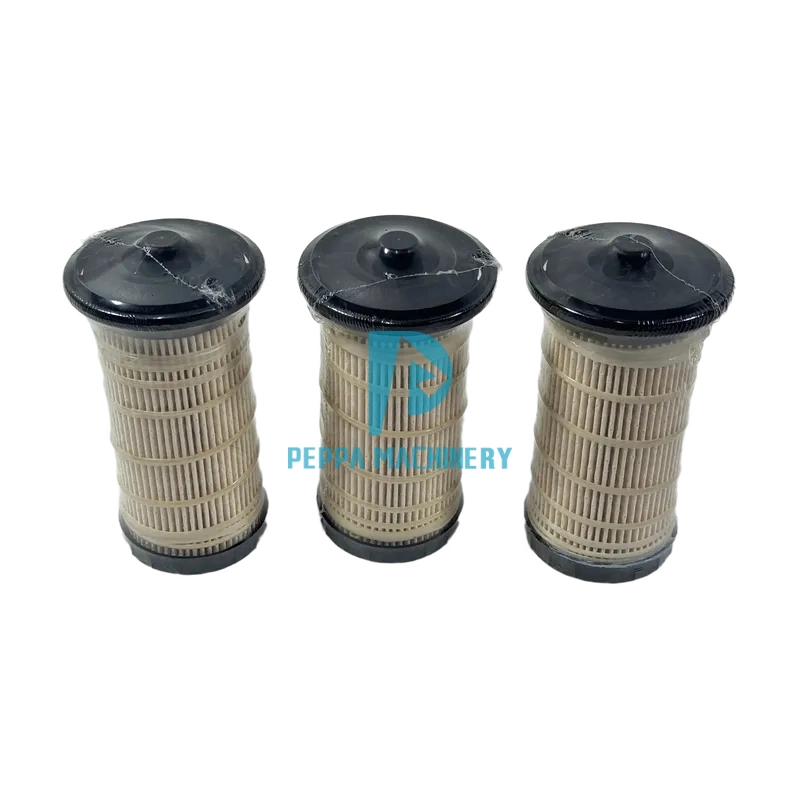
360-8960 Fuel Filter Element for Caterpillar C4.4 & C7.1 Engines | Fits 312D, 320D, 312E, 320E, 326D2, 336D2 Excavators
Get more information
Want to know more? Contact us today to get detailed product specifications, customized solutions, and a free consultation tailored to your needs.
Rest assured that your privacy is important to us, and all information provided will be handled with the utmost confidentiality.

Reliable Source for Quality Excavator Components.
Follow Us
Our Partners


Our Payment Methods


 High Quality
 7/24 Service
 Guaranteed Warranty
 Scan QR Code
Facebook
TikTok
YouTube
Pinterest
Twitter