








What are the benefits of a high output alternator for excavator parts?
- 1. How do I calculate the exact alternator amperage my excavator needs after adding LED work lights, telematics, and a heated cab?
- 2. Will a high output alternator overload my excavator’s belt, pulley, or cause premature starter stress?
- 3. How can I ensure electrical compatibility with the excavator’s ECU, CAN bus, and voltage regulation when installing an aftermarket high-amperage alternator?
- 4. What in-field tests prove a high output alternator is delivering advertised amperage under real excavator working conditions?
- 5. How does alternator thermal management affect reliability on excavators working in hot, dusty environments, and what specs should I prioritize?
- 6. What is the realistic ROI and battery-life improvement after upgrading to a high output alternator for excavator parts?
1. How do I calculate the exact alternator amperage my excavator needs after adding LED work lights, telematics, and a heated cab?
Beginners often find generic amp ratings useless because real-world electrical demand varies with accessories and duty cycles. To size a high-amperage alternator correctly, perform a load audit and follow a conservative sizing method:
- Inventory every electrical load: list each accessory (work lights, beacon, heater/blower motors, stereo, GPS/telemetry modem, auxiliary hydraulic control valves, battery charger/inverter) with its rated power in watts or amps at system voltage (12V or 24V).
- Convert watts to amps (if needed): Amps = Watts / System Voltage. For example, a 300 W inverter on a 12V system draws ~25 A continuous (300/12 = 25 A).
- Distinguish continuous loads from intermittent peak loads (starter motor draw is a peak; heater blower may be continuous during cold seasons).
- Add required battery recharge current after heavy usage: if batteries are regularly drawn down by accessory operation, include a recharge allowance (estimate battery recharge need in amp-hours divided by available recharge hours).
- Apply a safety margin of 25–30% above the summed continuous current to allow headroom for transient peaks and aging (alternator output falls with heat and wear).
Example approach (conceptual): if continuous accessories sum to 120 A on a 12V system and expected recharge need is 30 A, select an alternator rated for at least (120 + 30) × 1.25 ≈ 187.5 A — choose a common nominal rating above this (e.g., 200 A). Note: alternator outputs are typically given as maximum continuous ratings under ideal cooling; verify real-world duty curves in the datasheet.
Use this practical, arithmetic-driven process rather than relying on vague rules of thumb. For heavy accessory suites on excavators, high-amperage alternators commonly range from ~160 A to 300 A depending on system voltage and equipment package — always confirm with manufacturer specifications for your machine.
2. Will a high output alternator overload my excavator’s belt, pulley, or cause premature starter stress?
An upgrade alters mechanical and electrical loads — and mismatches are a common pain point. Key checks before installing an aftermarket or high-amperage alternator:
- Check belt load and number of ribs: higher output alternators may require more torque at low RPM. Confirm the existing serpentine or V-belt and tensioner are rated to transmit the additional torque; if not, upgrade to a higher-capacity belt or dual-belt setup per OEM guidance.
- Verify pulley diameter and ratio: alternator RPM (and thus output) depends on pulley ratio between the engine crank and alternator. Many heavy-equipment alternators are designed for lower idle speeds, but if you change pulley sizes, confirm the alternator’s rated RPM range.
- Starter motor interactions: a correctly sized alternator will reduce battery depletion and starter duty, not increase starter stress. Problems arise if alternator wiring or ground is poor, causing voltage drops and repeated hard starts. Ensure heavy-gauge battery and alternator cables and solid chassis ground.
- Inspect mounting and structural loads: higher-output units are often heavier. Confirm that mounts and vibration isolators are compatible and that cooling airflow is not compromised by the new unit’s size.
Before any mechanical change, consult belt capacity charts and the alternator manufacturer’s technical notes. If in doubt, have a technician measure belt slip and alternator shaft torque during a test run to confirm no overload at idle and high load.
3. How can I ensure electrical compatibility with the excavator’s ECU, CAN bus, and voltage regulation when installing an aftermarket high-amperage alternator?
Modern excavators integrate alternator signals with engine control and telematics. Common failure modes after swapping alternators are ECU fault codes, unpredictable charging behavior, or disabled charging. To avoid these:
- Match system voltage and regulator type: identify whether the machine uses a 12V or 24V architecture and whether the OEM alternator has an internal or external voltage regulator. Many aftermarket high output alternators have internal regulators but may not replicate the OEM control strategy.
- Retain or replicate sense and communication wires: OEM systems may use an alternator sense lead, ignition sense, and data interface (CAN or dedicated signal). Preserve these connections or use an adapter harness that maps signals correctly. Miswired sense leads cause over/under-charging.
- Check for smart alternator features: some OEMs use smart charging (dynamic voltage based on ECU input) to improve fuel economy and emissions. If your excavator uses smart charging, use either a compatible smart high-output unit or retain the OEM regulator/control module to prevent conflicts.
- Test with diagnostics: after installation, use the excavator’s service tool or OBD/CAN diagnostic to confirm no faults, that charge voltage is within expected ranges (typically 14.2–14.8V for 12V systems when charging), and that warning lamps behave correctly.
When specifying an alternator upgrade, request manufacturer documentation stating CAN compatibility, regulator type, and recommended wiring harnesses. If the alternator is to remain brushless or uses an external regulator, plan for an authorized electrician or dealer to integrate it into the machine’s network.
4. What in-field tests prove a high output alternator is delivering advertised amperage under real excavator working conditions?
Bench specs can overstate practical output. Use these field-verification steps to validate real-world performance:
- Clamp-meter load test: measure alternator output current with a Hall-effect clamp meter on the alternator output cable while the machine runs under normal accessory load (lights, heater, telemetry). Compare measured amps to expected load from your load audit.
- Voltage-and-load curve at idle and mid RPM: record system voltage and alternator current at low idle, working RPM, and high RPM. Good high-output alternators maintain near-spec current across a usable RPM window; note any steep drop-off at low idle.
- Battery-state recovery test: deplete batteries slightly (safely) by running accessories, then start the engine and measure current flowing into the battery during the recharge period. High-output units should return battery state-of-charge faster than stock alternators (quantify amp-hours recovered per hour).
- Thermal monitoring: use an infrared thermometer or thermal camera to check alternator casing temperatures after 30–60 minutes of continuous loading, and compare with datasheet allowable case temps. Excessive heating indicates cooling or duty-cycle limitations.
Document results and compare against the alternator’s continuous rating. If measured sustained output is significantly below rated, investigate pulley ratio, voltage regulator limits, or thermal derating in the datasheet.
5. How does alternator thermal management affect reliability on excavators working in hot, dusty environments, and what specs should I prioritize?
Heat, dust, and vibration shorten alternator life. When choosing a high output alternator for construction use, prioritize these features:
- Cooling design and derating curve: verify the alternator’s continuous output at operating temperature and altitude. Many units specify maximum current at 25°C — in hot climates cooling limitations can reduce output. Choose units with explicit thermal derating charts.
- Ingress protection and sealing: look for higher IP ratings (for example, IP67) or sealed housings to keep dust and water out. Brushless designs or sealed brush assemblies reduce maintenance frequency in dusty sites.
- Robust bearings and vibration tolerance: heavy-equipment duty units specify higher vibration and shock ratings. Ask for vibration test data or OEM heavy-equipment classification when available.
- Duty-cycle rating and recommended maintenance intervals: verify whether the alternator is rated for continuous heavy-duty cycling or intermittent duty. Heavy telematics and accessory loads mean you need true continuous-duty alternators designed for heavy equipment, not light-vehicle designs with similar amp ratings.
In short, don’t buy solely on amp number. Match the thermal performance, sealing, and duty rating to your climate and duty cycle. Request technical datasheets and derating charts from the supplier or manufacturer; if unavailable, prioritize products built for heavy-equipment duty with explicit environmental specs.
6. What is the realistic ROI and battery-life improvement after upgrading to a high output alternator for excavator parts?
ROI depends on fleet use, accessory load, and battery costs. Here’s how to estimate realistic gains:
- Reduced battery cycling: a properly sized alternator keeps batteries near full state-of-charge during operation, reducing depth-of-discharge events. Less cycling translates to longer battery life — typical lead-acid batteries can double cycle life if average depth-of-discharge is reduced significantly, but exact figures depend on battery chemistry (flooded, AGM, lithium).
- Downtime and productivity gains: with adequate charging, electrical failures (no-starts, telematics outages, lighting failures) fall sharply. Estimate avoided downtime costs by multiplying average hourly machine value by expected reduction in electrical-related downtime hours per year.
- Fuel and maintenance trade-offs: modern smart charging strategies sometimes reduce alternator load to improve fuel use; a higher-output but poorly integrated alternator may counteract that. Weigh increased alternator capacity and possible minor fuel penalty against reduced battery replacement and downtime costs.
- Simple ROI calculation: annual savings = (battery replacements avoided × battery cost) + (reduced downtime hours × hourly machine value) + (reduced emergency service calls × service cost). Compare to total installed cost of the alternator upgrade (unit + harness + labor). Payback periods for typical accessory-heavy excavators often range from less than a year to a few years, depending on battery costs and service-labor rates.
To make a defensible business case, gather baseline data: current battery replacement frequency and cost, historical electrical-failure downtime, average machine value per hour, and accessory electrical usage. Use measured improvements after installation (fewer battery replacements, less downtime) to validate ROI.
Concluding summary — advantages of a high output alternator for excavator parts
Upgrading to a high output alternator improves power headroom for LED lighting, telematics, cabin comfort, and hydraulic controls; reduces battery cycling and related replacements; and stabilizes voltage under heavy accessory loads when properly integrated. The true benefits depend on correct sizing, mechanical compatibility (belt/pulley/mounting), electrical integration (regulator and CAN/ECU compatibility), and thermal/dust-resistant construction. Prioritize alternators with heavy-equipment duty ratings, clear derating charts, sealed housings, and documented wiring/harness support to capture reliability and ROI.
If you need a quote or help selecting a captive, heavy-duty high output alternator matched to your excavator model and electrical load, contact us at www.jbpartsgz.com or email jbparts@aliyun.com.

Isuzu SP 4JG1 4JG2 4JG3 Cylinder Liner 1876182070 1-87618207-0 1876182080 1-87618208-0 1876182100 1-87618210-0
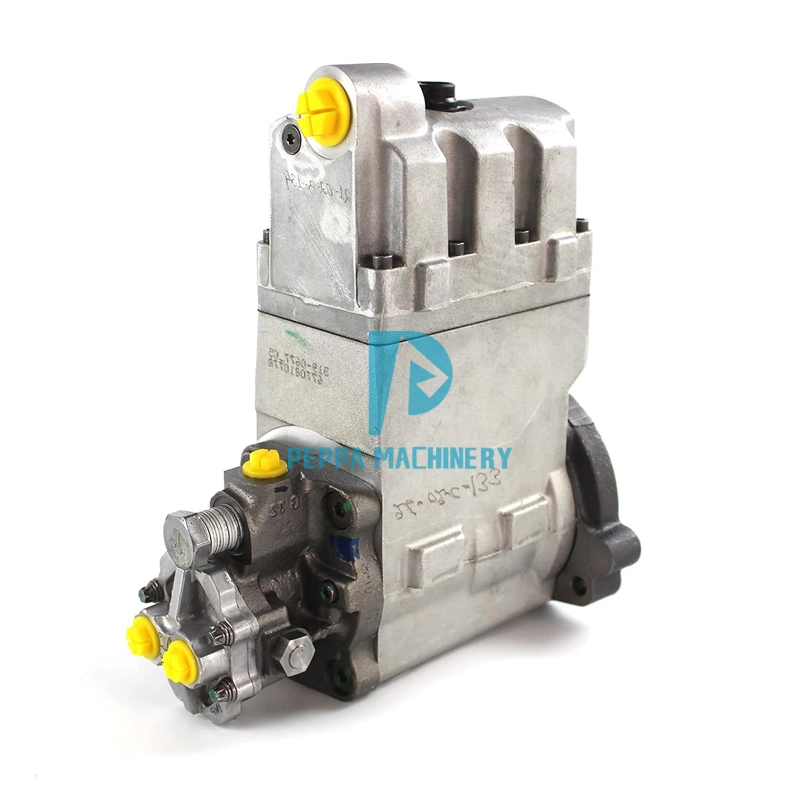
Fuel Feed / Transfer Pump Assembly for Caterpillar C7 & C9 Engines | Direct Replacement for OEM Parts #319-0678, 254-4358, 304-0678, 295-4778, 228-589
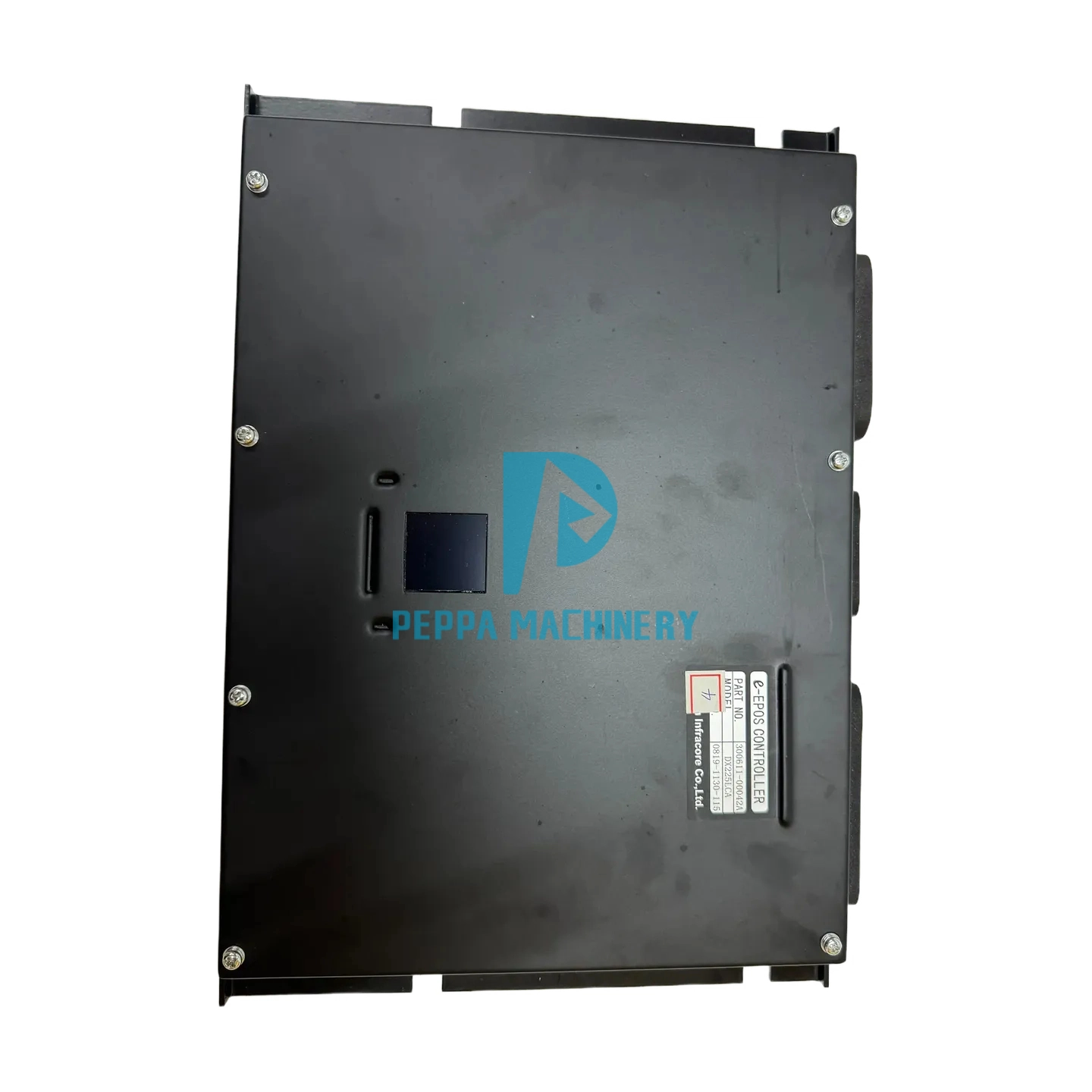
Excavator Accessories Excavator Controller DX225 DX225LCA E-EPOS Controller Computer Board 300611-00042 K1026740 K1001369C K1056425 ECU ECM

Isuzu Engine 6WG1 Turbo 1876183290 1-87618329-0 8981921861 8-98192186-1 14400-4441 1144004370 114400-4370 49188-018312 49188-11940
Excavator Parts
What types of parts do you mainly offer?
Our main product categories include:
• Engine parts (liner kits, crankshafts, water/oil pumps, etc.)
• Electrical parts (sensors, monitors, throttle motors, wiring harnesses)
• Hydraulic parts (pumps, valves, cylinders)
• Sealing kits (NOK, SKF, PQ brands, floating seals, O-rings)
What brands of excavator parts do you supply?
We supply a full range of parts compatible with major international and Chinese brands, including Caterpillar, Komatsu, Hitachi, Volvo, Doosan, Hyundai, Sany, Liugong, XCMG, Zoomlion, and more.
Are your parts genuine or OEM?
We offer both genuine parts and high-quality OEM alternatives. You can choose according to your budget and application needs. All OEM products are tested to meet or exceed original specifications.
How can I verify compatibility before placing an order?
Please provide us with your machine brand, model number, and the part number (if available). Our team will double-check the compatibility to ensure you receive the correct parts.
Can I get help choosing the right parts for my machine?
Yes. Our experienced sales team is here to provide professional recommendations and solutions based on your excavator model, part number, or specific requirements.
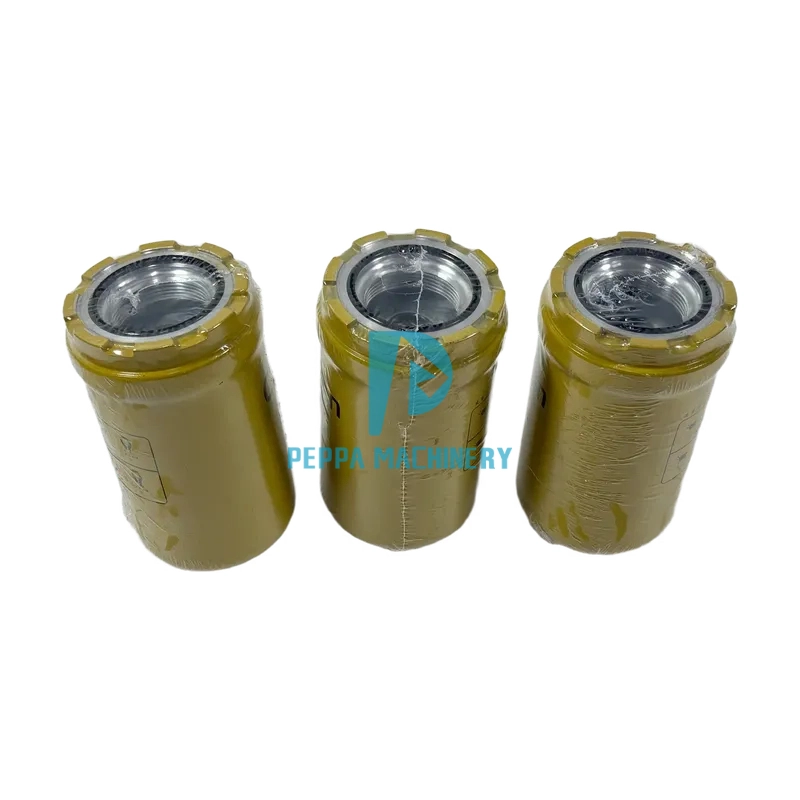
51-8670 Hydraulic Filter Applicable to HF35519 518670 2897836 518670X 1588987 Compatible with Caterpillar 352FVG 325CL
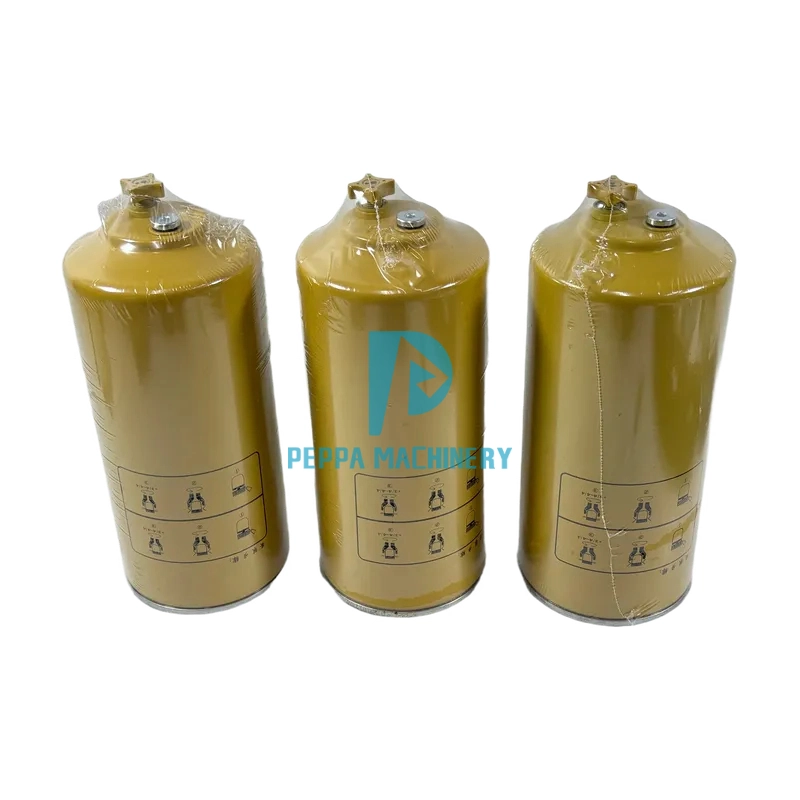
4385386 Fuel Water Separator Fuel Filter 382-0664 Oil-water Separator Hydraulic Oil Filter for CAT 312D2 320D2
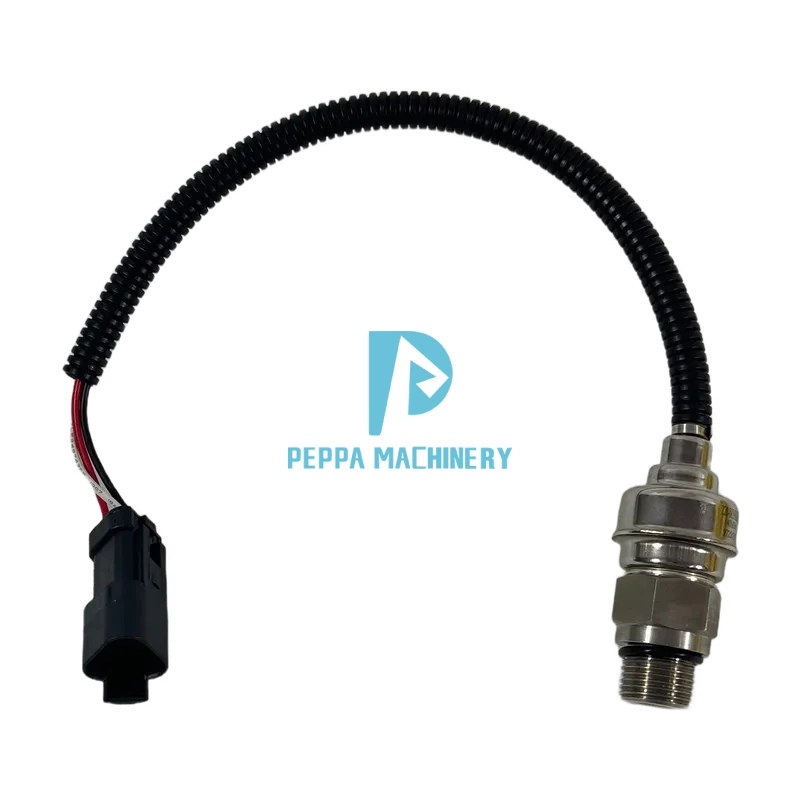
Pressure Sensor 221-8859 106-0178 for Caterpillar CAT 311B 311C 312C 314D 315B 320C 323D 324D 330C 336D 345B 385C
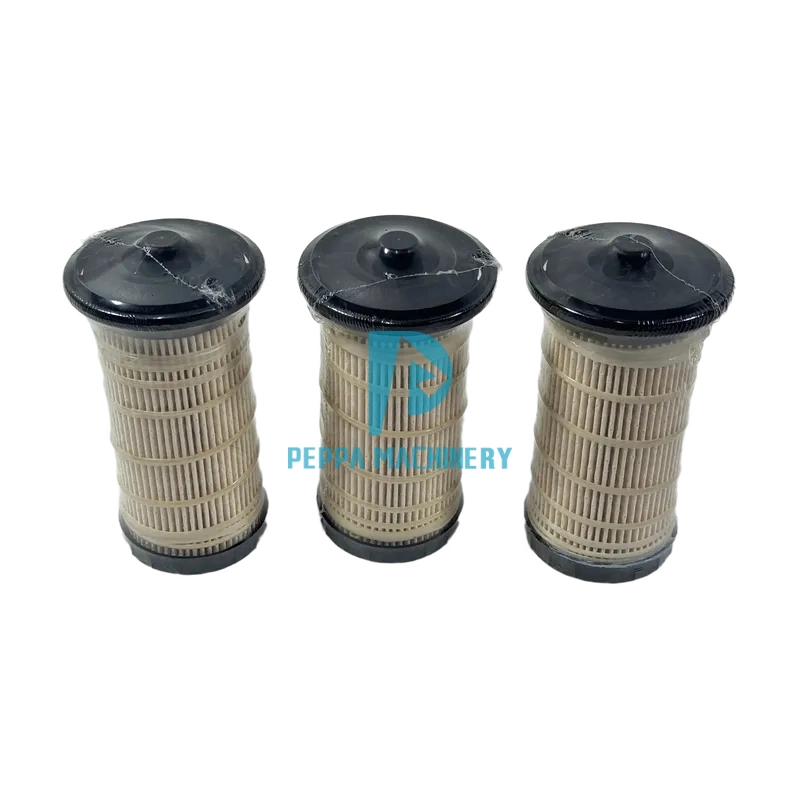
360-8960 Fuel Filter Element for Caterpillar C4.4 & C7.1 Engines | Fits 312D, 320D, 312E, 320E, 326D2, 336D2 Excavators
Get more information
Want to know more? Contact us today to get detailed product specifications, customized solutions, and a free consultation tailored to your needs.
Rest assured that your privacy is important to us, and all information provided will be handled with the utmost confidentiality.

Reliable Source for Quality Excavator Components.
Follow Us
Our Partners


Our Payment Methods


 High Quality
 7/24 Service
 Guaranteed Warranty
 Scan QR Code
Facebook
TikTok
YouTube
Pinterest
Twitter