








Are aftermarket high output alternators reliable for excavators?
- What minimum continuous amperage do I need from a high output alternator to run auxiliary hydraulics, LED work lights, and heater fans on a 20-ton excavator while idling?
- Can aftermarket high output alternators maintain rated current at excavator idle (700–900 RPM), and how do I verify that before purchase?
- Do brushless aftermarket alternators and external regulators increase reliability in dusty, high-heat excavator environments compared to OEM units?
- How does upsizing (oversizing) an alternator affect engine load, belt life, and fuel consumption on excavators?
- What certifications and tests should I demand from aftermarket suppliers to ensure alternator durability (thermal, vibration, IP, and diodes)?
- Are aftermarket high output alternators reliable for excavators? Installation, warranty, and long-term maintenance considerations
What minimum continuous amperage do I need from a high output alternator to run auxiliary hydraulics, LED work lights, and heater fans on a 20-ton excavator while idling?
First confirm the machine's electrical system voltage (most medium excavators use 12V; some larger models use 24V). List the continuous loads at typical runtime (not just peak): LED site lights (e.g., 6 × 15W = 90W), auxiliary hydraulic valve solenoids (commonly 8–20W each), cabin heater fans (50–150W), throttle ECU/controls and sensors (20–50W), battery charging margin and inrush. Convert watts to amperes (I = W / V). Example for a 12V excavator: 90W lights + 4 solenoids × 15W = 150W, heater 100W, electronics 40W → total 340W → 340W / 12V = 28.3A continuous. Add battery charging and a safety margin. Battery acceptance rate during cold charging and parallel accessory start-up requires additional current — plan for at least 1.5× continuous electrical load for reliable charging, so 28A × 1.5 ≈ 42A. However, excavator duty cycles and accessory upgrades often push requirements higher. For a 20-ton machine with multiple high-draw accessories (heater grid, hydraulic warmers, multiple LED arrays, winches) it's common to spec a high output alternator in the 120–150A class to ensure ample continuous charging at idle and to avoid deep cycling the batteries. The key metric is the alternator's continuous current rating at low RPM (see next section). Avoid sizing by peak output alone; demand continuous current at operating idle RPM and account for future accessory additions.
Can aftermarket high output alternators maintain rated current at excavator idle (700–900 RPM), and how do I verify that before purchase?
Not all alternators provide rated output at low engine speeds. Excavator engines often idle in the 700–900 RPM range where standard automotive alternators are below optimal excitation. When evaluating aftermarket high output alternators, request the manufacturer's low-speed charging curve: a graph showing output current versus engine RPM at 13.8–14.4V. Reliable units will specify continuous current at a low-speed rating (for example: 120A continuous at 1,200 RPM or 80A continuous at 800 RPM). Verification steps:- Ask for the alternator's continuous vs. RPM curve and a dynamometer test report.- Require specification of rated current at the specific idle range of your excavator (e.g., 800 RPM). If the datasheet gives only peak or maximum current without an RPM curve, treat that as inadequate.- When possible, get a bench test or vendor-supplied video showing the alternator feeding a resistive load bank at low RPM and sustaining rated output for at least 10–15 minutes while monitoring temperature rise.Practical expectation: a properly designed heavy-equipment alternator with features like a stronger field winding, improved rectifier cooling, or a low-speed charging (LSC) design should provide a substantial portion (often >60–80%) of rated output at typical excavator idle. If low-speed output is critical, specify the required continuous amperage at that RPM in the purchase order.
Do brushless aftermarket alternators and external regulators increase reliability in dusty, high-heat excavator environments compared to OEM units?
Brushless alternator designs eliminate slip rings and brushes, so they reduce mechanical wear points and improve service intervals. For excavator environments—high dust, vibration, and elevated under-hood temperatures—brushless (or sealed-brush) designs and robust external voltage regulators can offer better longevity, provided the electrical and thermal design is industrial-grade.Key attributes that improve reliability:- Brushless or sealed brush assemblies to reduce carbon dust contamination and brush wear.- Heavy-duty bearings and oversized shafts to survive vibration and shock.- High-temperature-rated diode rectifiers (silicon carbide or stud-mounted diodes) and robust heat sinks for thermal management.- IP-rated enclosures (IP55/IP67 preferred for high-dust/washdown environments) to limit particulate ingress.- External voltage regulator options that isolate control electronics from heat and vibration and allow easier replacement or software compatibility with machine ECUs.Caveats: Brushless alternators can be more tolerant of abrasive environments but must still be specified for thermal cycling and vibration. OEM units are often optimized to the machine’s packaging and CAN/ECU communications; aftermarket units that do not match ECU signaling or use lower-grade components may underperform despite being brushless. Demand test data and real-world references from similar applications when evaluating aftermarket options.
How does upsizing (oversizing) an alternator affect engine load, belt life, and fuel consumption on excavators?
Upsizing an alternator increases mechanical load on the accessory drive, which can translate to small changes in fuel consumption and belt wear, but the effects are often modest if installed and matched correctly.Quantitative guide:- Electrical power P (watts) = V × I. A 150A alternator producing 120A at 13.8V is delivering ~1,656 W (1.66 kW) to the electrical system. Accounting for internal alternator efficiency (typically 60–70% under load), mechanical input may be ~2.5–3.0 kW.- Engine load: 1–3 kW equates to only a few percent of engine gross power on medium excavators (engine power often 50–150 kW). Therefore, fuel consumption increase is usually <1–2% under heavy electrical load — negligible in most operations, but measurable under sustained high electrical load.Impacts and mitigations:- Belt and pulley: higher torque at the alternator requires a correctly sized belt (or upgraded serpentine) and possibly a different pulley ratio to maintain charging at idle without over-stressing belts. Use heavy-duty belts and proper tensioners rated for increased load.- Bearings and mounting: ensure alternator mounting brackets and accessory mounts are rated for increased mechanical load to avoid premature wear.- Alternator selection: choose alternators with higher electrical efficiency and better thermal design to reduce mechanical input for the same electrical output.Bottom line: upsizing is often necessary to meet electrical demand and maintain battery health, and the small increase in engine load and fuel use is typically worth the reliability benefits. Proper mechanical integration (belt, pulley, bracket) prevents most negative side effects.
What certifications and tests should I demand from aftermarket suppliers to ensure alternator durability (thermal, vibration, IP, and diodes)?
Ask suppliers for documented evidence of standardized testing and relevant certifications. Essential tests and verifications include:- Thermal cycling and high-temperature endurance tests (component and assembly rated to at least 125°C for rectifiers and insulators in heavy-equipment applications).- Vibration and shock testing per IEC 60068-2 or equivalent MIL-STD procedures, with documented resonant frequency scans and endurance at expected amplitudes.- Ingress protection rating (IP55 minimum for dusty environments; IP67 desirable for high-pressure washdown or water exposure).- Salt spray and corrosion resistance testing for connectors and terminals (ASTM B117 or equivalent) if used in coastal or corrosive environments.- Diode and rectifier electrical stress testing, including continuous forward current tests and transient surge tests; data on diode junction temperatures under rated load.- Low-speed charging (LSC) performance curve and continuous-current endurance test (e.g., sustained continuous load for 30–60 minutes at rated current with temperature monitoring).- EMC/EMI compliance if the alternator communicates with machine ECUs, and documentation that the alternator does not introduce unacceptable electrical noise on CAN or sensor lines.Require traceable test certificates, batch test reports, and references from OEM or heavy-equipment installations. Suppliers who cannot provide these documents are a higher reliability risk.
Are aftermarket high output alternators reliable for excavators? Installation, warranty, and long-term maintenance considerations
Short answer: aftermarket high output alternators can be reliable if you select units that meet industrial design standards, supply verifiable test data, and are installed correctly. Reliability depends on component quality, correct specification (especially low-RPM continuous output), installation quality, and maintenance.Key reliability considerations:- Match to the machine: verify system voltage (12V vs 24V), pulley ratio, mounting footprint, and electrical interface (e.g., CAN, regulator sense wires). Some excavator ECUs expect specific alternator signaling; an incompatible regulator or missing CAN interface can cause erroneous charging behavior.- Warranty and support: industry-standard aftermarket warranty ranges from 12 to 36 months depending on supplier and design grade. Prefer suppliers who offer a minimum 12–24 month warranty and clear return/repair policies. Also verify availability of replacement parts (rectifier packs, regulators, bearings) and local service options.- Installation practices: use appropriately sized positive cables and ground returns (short, low-resistance runs), install correct fusing or circuit breakers, maintain solid chassis ground, and ensure pulleys and belts are aligned and tensioned per spec. Poor wiring or undersized cables cause voltage drop, reduced charging, and overheating at connections.- Maintenance: schedule inspection intervals for connections, cooling fins, and mounting; monitor charging voltage under load; and keep records. Brushless units reduce brush service, but rectifier and bearing checks remain important. Regularly test for AC ripple (should be minimal) and measure voltage under load to detect rectifier or regulator degradation early.When to prefer OEM: on machines with integrated ECU charge management, or where space and connector footprints are unique, OEM or OEM-specified aftermarket units may be simpler. For retrofit upgrades where low-RPM charging, higher continuous current, or improved thermal design is required, high-quality aftermarket heavy-equipment alternators are often the better cost-performance choice.Practical procurement checklist:- Specify continuous amperage at the excavator's idle RPM.- Require low-speed charging curve and thermal endurance report.- Confirm physical fitment, pulley ratio, and electronic interface with your machine's control system.- Demand IP rating, vibration testing, and warranty details (12–36 months preferred).
Concluding summary of advantages: A correctly specified high output alternator for excavators provides reliable battery charging at low RPM, supports added electrical accessories, reduces battery cycling and downtime, and—when chosen from a supplier with industrial testing and warranties—matches or exceeds OEM performance. Advantages include better low-speed charging, improved thermal management, reduced maintenance (brushless designs), and the ability to future-proof electrical capacity for auxiliary equipment.
For a custom quote and to confirm fitment and specifications for your excavator model, contact us at www.jbpartsgz.com or email jbparts@aliyun.com. We can provide datasheets, low-speed charging curves, and verified test reports upon request.

Isuzu SP 4JG1 4JG2 4JG3 Cylinder Liner 1876182070 1-87618207-0 1876182080 1-87618208-0 1876182100 1-87618210-0
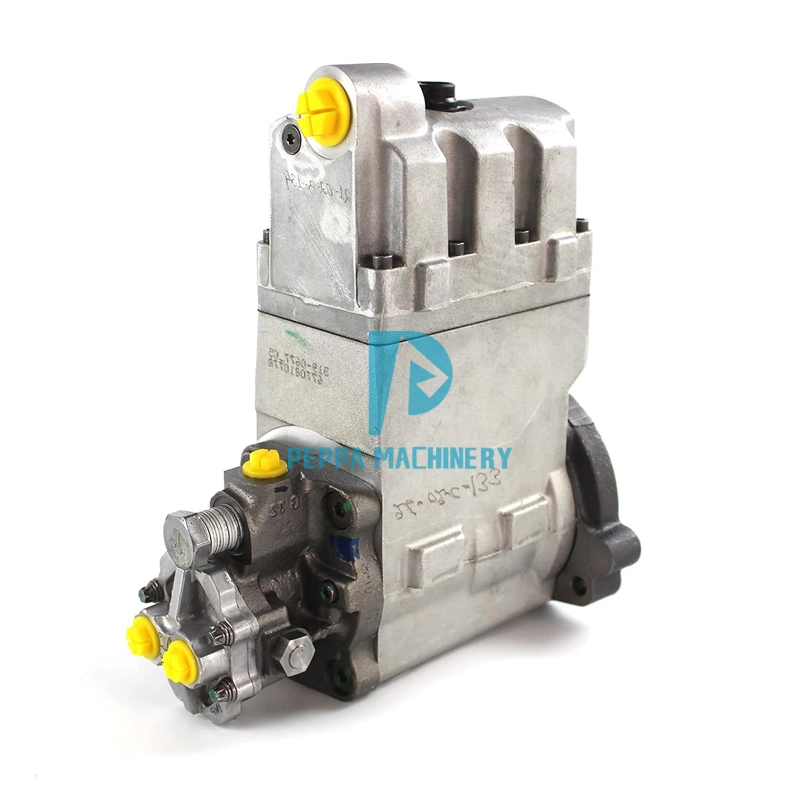
Fuel Feed / Transfer Pump Assembly for Caterpillar C7 & C9 Engines | Direct Replacement for OEM Parts #319-0678, 254-4358, 304-0678, 295-4778, 228-589
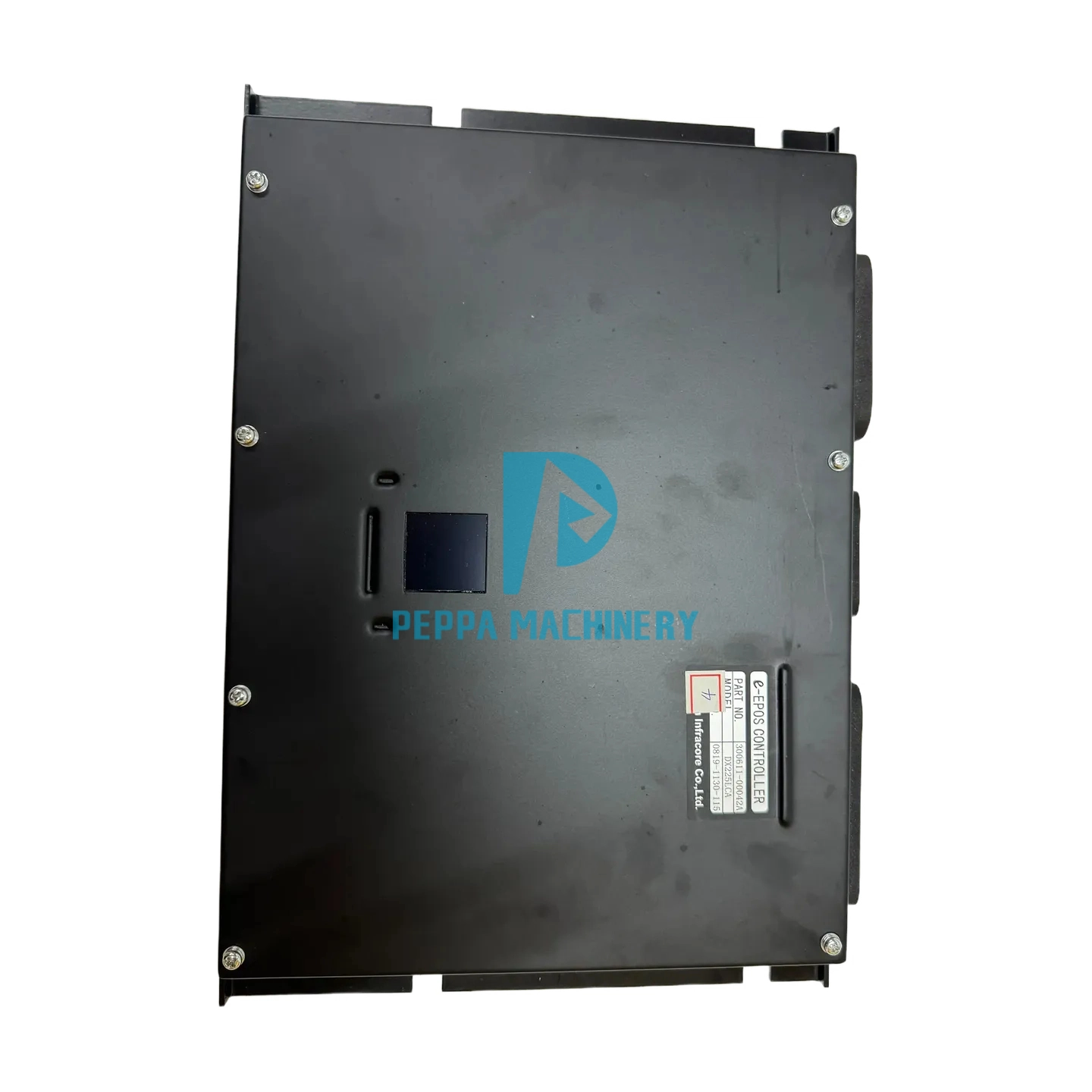
Excavator Accessories Excavator Controller DX225 DX225LCA E-EPOS Controller Computer Board 300611-00042 K1026740 K1001369C K1056425 ECU ECM

Isuzu Engine 6WG1 Turbo 1876183290 1-87618329-0 8981921861 8-98192186-1 14400-4441 1144004370 114400-4370 49188-018312 49188-11940
Excavator Parts
Do you provide technical support or installation guidance?
While we do not offer on-site installation, we can provide basic technical advice, diagrams, or documentation to assist your technicians with installation and troubleshooting.
Are your parts genuine or OEM?
We offer both genuine parts and high-quality OEM alternatives. You can choose according to your budget and application needs. All OEM products are tested to meet or exceed original specifications.
Can I get help choosing the right parts for my machine?
Yes. Our experienced sales team is here to provide professional recommendations and solutions based on your excavator model, part number, or specific requirements.
How can I verify compatibility before placing an order?
Please provide us with your machine brand, model number, and the part number (if available). Our team will double-check the compatibility to ensure you receive the correct parts.
What brands of excavator parts do you supply?
We supply a full range of parts compatible with major international and Chinese brands, including Caterpillar, Komatsu, Hitachi, Volvo, Doosan, Hyundai, Sany, Liugong, XCMG, Zoomlion, and more.
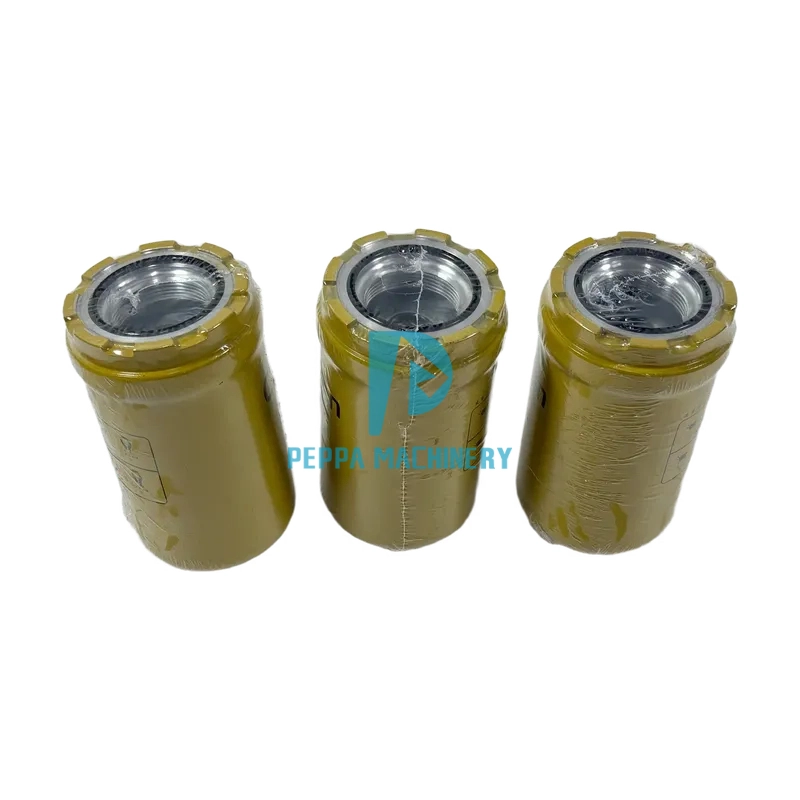
51-8670 Hydraulic Filter Applicable to HF35519 518670 2897836 518670X 1588987 Compatible with Caterpillar 352FVG 325CL
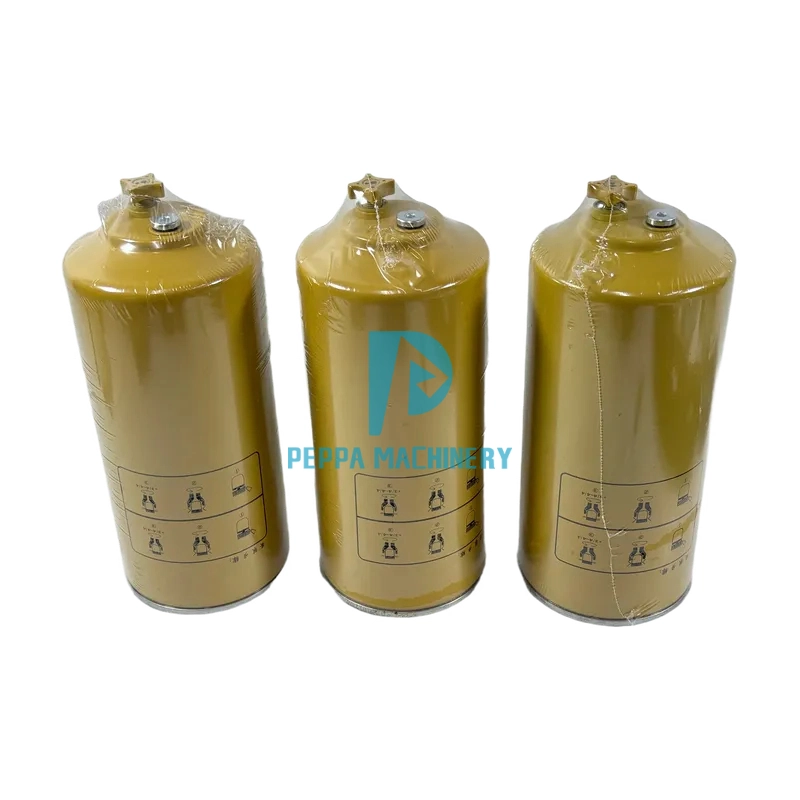
4385386 Fuel Water Separator Fuel Filter 382-0664 Oil-water Separator Hydraulic Oil Filter for CAT 312D2 320D2
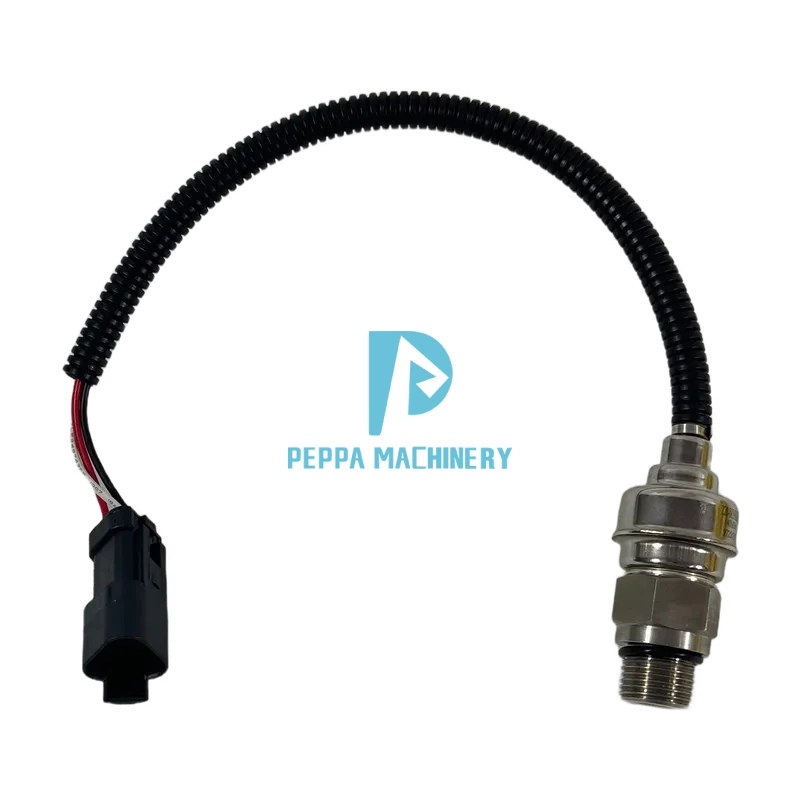
Pressure Sensor 221-8859 106-0178 for Caterpillar CAT 311B 311C 312C 314D 315B 320C 323D 324D 330C 336D 345B 385C
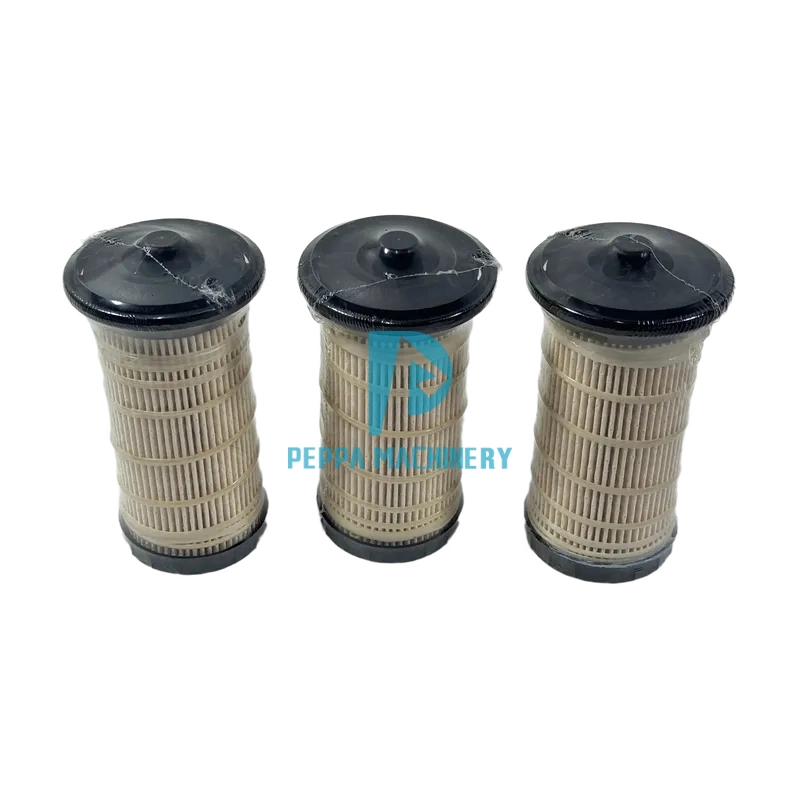
360-8960 Fuel Filter Element for Caterpillar C4.4 & C7.1 Engines | Fits 312D, 320D, 312E, 320E, 326D2, 336D2 Excavators
Get more information
Want to know more? Contact us today to get detailed product specifications, customized solutions, and a free consultation tailored to your needs.
Rest assured that your privacy is important to us, and all information provided will be handled with the utmost confidentiality.

Reliable Source for Quality Excavator Components.
Follow Us
Our Partners


Our Payment Methods


 High Quality
 7/24 Service
 Guaranteed Warranty
 Scan QR Code
Facebook
TikTok
YouTube
Pinterest
Twitter