








What warranty and after-sales should a new alternator include?
- 1. How can I verify a new alternator's amperage rating and regulator type will work with my excavator's 12V or 24V charging system before installation?
- 2. What specific warranty duration and hour‑based coverage should I demand for a new excavator alternator used in dusty, high‑vibration environments?
- 3. Which exact installation errors void a new alternator warranty and how can I document proper installation to preserve coverage?
- 4. How to bench‑test a new alternator and interpret AC ripple, diode failures and regulator response before I install it on an excavator?
- 5. What after‑sales services (core exchange, on‑site tech support, load‑testing reports) should I require from a new alternator supplier for fleet operations?
- 6. How do I confirm cross‑compatibility between OEM part numbers and aftermarket new alternators to avoid electrical faults and warranty disputes?
- Concluding summary: Why choosing the right new alternator and after‑sales package saves fleets time and money
New Alternator: Essential Warranty & After‑Sales Questions for Excavator Parts Buyers
When buying a new alternator for excavators, beginners and fleet managers often face hidden compatibility, testing and warranty pitfalls. Below are six frequent long‑tail questions that lack detailed online answers, each followed by a practical, evidence‑based answer to help you buy the right alternator and lock in meaningful after‑sales protection. (Semantic terms used: alternator replacement, alternator output, alternator warranty, OEM alternator, remanufactured alternator, alternator testing, voltage regulator, charging system, excavator alternator.)
1. How can I verify a new alternator's amperage rating and regulator type will work with my excavator's 12V or 24V charging system before installation?
Why this matters: Mismatched alternator output or regulator type can overload wiring, fail to charge batteries correctly or cause ECU errors in modern machines using CAN‑bus voltage regulation.
Step‑by‑step verification process:
- Find the OEM part number and electrical spec: consult the excavator parts manual or the engine compartment parts tag to get the OEM alternator part number and the machine's system voltage (common excavator voltages: mini excavators often 12V; many medium/large machines use 24V). Always confirm with the machine serial number (S/N).
- Compare voltage and rated output: a new alternator must match the system voltage (12V vs 24V). Expect typical charging voltages of 13.8–14.8V for 12V systems and 27.6–29.6V for 24V systems. Alternator amp ratings for excavators vary widely—small machines 50–100A; medium to large 100–250A. Choose an alternator whose continuous output rating meets or exceeds the OEM requirement; avoid undersized units.
- Confirm regulator type: alternators use either internal (integrated) or external regulators. Some modern excavators rely on engine/ECU controlled regulators or CAN‑bus smart alternators. Check whether the OEM alternator is ECU‑controlled (requires matching communications pins) or a simple internal regulator. If the OEM uses a CAN‑enabled alternator, an aftermarket new alternator must support the same CAN protocol and connector pinout.
- Check connectors, pulley and mounting: physically compare connector types (blade, multi‑pin), pulley style (serpentine vs V‑belt, freewheel pulley) and mounting flange. Differences can cause failures or premature wear even if electrical specs match.
- Ask for a datasheet/test certificate: request the new alternator's datasheet showing nominal voltage, continuous and peak amperage, ripple spec, regulator type, pinout and recommended belt torque. Reliable suppliers provide a bench test report (no‑load and loaded output curves) on request.
Red flags: units sold only by part image with no datasheet, mismatched CAN pins, or alternators rated only for automotive 12V use packaged for large excavators. When in doubt, match the OEM part number or supply the machine S/N to the supplier for cross‑reference.
2. What specific warranty duration and hour‑based coverage should I demand for a new excavator alternator used in dusty, high‑vibration environments?
Why this matters: heavy equipment operates by hours, not just calendar time. Warranties that ignore operating hours leave fleets exposed.
Recommended warranty terms for a new excavator alternator:
- Duration: minimum 12 months OR 2,000 operating hours (whichever comes first). For higher‑duty machines ask for 18 months or 3,000 hours. Many experienced fleet managers request hour‑based caps because alternator failure risk ties to operating hours and environment.
- Coverage: parts and replacement shipping for defective units. A full replacement (not repair) for manufacturing defects is standard for new alternators.
- Core policy: clear core exchange terms—either refundable core charge or free core pickup. Ensure core return window and condition requirements are explicit to avoid charge disputes.
- Exclusions and burden of proof: must be stated. Typical exclusions: physical impact, electrical overvoltage from incorrect jump‑starting, improper installation, contamination due to lack of machine seals. A fair warranty requires the supplier to provide a bench test report before denying claims.
Why these numbers? Many OEM warranties for heavy equipment components are structured around hours because alternator life in dusty/high vibration environments commonly ranges from ~2,000 to 6,000 hours depending on sealing, cooling and electrical load. Insisting on hour‑based terms aligns supplier responsibility with actual field use.
3. Which exact installation errors void a new alternator warranty and how can I document proper installation to preserve coverage?
Why this matters: buyers lose warranty claims because of avoidable installation mistakes or missing documentation.
Common installation errors that often void alternator warranties:
- Reverse polarity or incorrect battery bank wiring (especially when converting between 12V and 24V): this can burn diodes/rectifier.
- Improper belt tension or wrong pulley type causing premature bearing failure.
- Grounding issues: poor or corroded ground straps causing voltage spikes or overheating.
- Incompatible regulator wiring/CAN connections causing incorrect voltage control and ECU faulting.
- Removing required dust/water seals during installation or installing without proper machine covers.
How to document correct installation (best practices to preserve warranty):
- Take dated photos of the alternator before installation (serial number label visible), and after installation showing connector orientation, belt routing and belt tension measurement (use a belt tension gauge reading).
- Log battery voltage and state of charge before and after installation. Record battery model and voltage (single 12V battery vs two 12V in series for 24V systems).
- Use a torque wrench for mounting bolts and record torque values to the manufacturer's spec.
- Record technician credentials and job card with bench test values (see question 4 for tests) and machine S/N/ODO/hours at time of installation.
- Retain the alternator bench test/certificates provided by the supplier. If the supplier requires core return, ship core with photos and a return document showing freight tracking.
Suppliers should not reject legitimate warranty claims without providing a lab/bench test report that demonstrates manufacturing defect. Make sure this is stated in the warranty terms.
4. How to bench‑test a new alternator and interpret AC ripple, diode failures and regulator response before I install it on an excavator?
Why this matters: bench testing prevents downtime and proves a unit is factory‑sound before exposing it to field risk.
Essential bench tests to request or perform (professional tools required):
- Open‑circuit voltage: with the alternator driven at rated RPM on a bench tester, measure no‑load output voltage. For 12V units expect ~14.2V; for 24V expect ~28.4V. Values outside ±0.5V indicate regulator or winding issues.
- Loaded output/current curve: apply a resistive load to simulate battery and accessory loads. Verify the alternator can deliver its rated continuous amperage at rated RPM and that voltage regulation remains within spec under load.
- AC ripple/diode test: measure AC ripple on the DC output with a true RMS multimeter or oscilloscope. Acceptable ripple for modern equipment with sensitive electronics is typically <0.5 VRMS; many suppliers guarantee <0.2–0.5V. Elevated ripple points to damaged diodes/rectifier.
- Insulation and grounding: perform a megger test (insulation resistance) between windings and housing to detect shorts to ground—values should meet supplier specs (usually >1 MΩ but check datasheet).
Interpreting results:
- Voltage that sags significantly under moderate load indicates regulator or winding limitations.
- High AC ripple suggests diode or rectifier pack issues—return the unit immediately.
- Inconsistent voltage with RPM change can indicate regulator instability or poor brushes/commutation.
If you cannot bench test on site, request the supplier provide a signed bench test certificate showing no‑load and loaded voltages, ripple measurements, and a serial number match. Reputable suppliers include these reports with new alternators for heavy equipment.
5. What after‑sales services (core exchange, on‑site tech support, load‑testing reports) should I require from a new alternator supplier for fleet operations?
Why this matters: fleet uptime depends on rapid diagnosis, clear core flows and reliable technical support.
After‑sales services to insist on:
- Core exchange program with transparent core charge and return window. Core credits should be issued promptly on receipt and inspection; include freight terms for return cores (who pays and how long to refund).
- Technical support: 24–48 hour response SLA for warranty claims, with escalation contact for fleet customers. On‑site technician dispatch or remote troubleshooting via phone/WhatsApp/WeChat can be lifesaving during breakdowns.
- Pre‑installation bench test certificate and serial number traceability for each unit (helps expedite warranty claims and root cause analysis).
- Spare parts and accessory availability: replacement pulleys, regulator modules, or connector kits to avoid repeated down‑time.
- Training materials: short installation guides and checklists for technicians, including torque specs, belt tension ranges and wiring diagrams.
Demand clear RMA and claims procedures in writing: required documentation, photographic evidence, bench test results, time to resolution (replace or credit within X days). For fleets, negotiate priority handling and discounted emergency freight.
6. How do I confirm cross‑compatibility between OEM part numbers and aftermarket new alternators to avoid electrical faults and warranty disputes?
Why this matters: a physically similar alternator can be electrically incompatible causing ECU faults or part failure.
Compatibility checklist:
- Start with the OEM part number: use the machine parts manual or the alternator label. Many aftermarket suppliers maintain cross‑reference tables—ask them to supply the exact cross‑reference and the interchange list.
- Compare electrical diagrams: ensure pinout function (field, sense, lamp, CAN) exactly matches. A differently wired sense lead can produce over‑charging or under‑charging.
- Check mechanical fit: pulley type, mounting studs, and shaft depth must match. Even a 1–2 mm difference in mounting geometry can stress bearings.
- Validate regulator compatibility: if the OEM alternator used an ECU or smart regulator, the aftermarket unit must implement the same control protocol. Ask for a confirmation of CAN IDs or regulator part numbers where applicable.
- Request supplier supplied fitment validation: either a written fitment confirmation for the machine S/N or a sample cross‑check on a test bench.
If you cannot obtain a perfect cross‑match, insist the supplier provide a limited fitment warranty and return terms so you can test one unit before converting an entire fleet.
Concluding summary: Why choosing the right new alternator and after‑sales package saves fleets time and money
Purchasing the correct new alternator for excavators is more than a parts transaction: it requires matching electrical specs (voltage, amperage, regulator/CAN compatibility), verifying physical fit, and securing an hour‑based warranty and robust after‑sales support. Insist on bench test certificates, clear core exchange terms, documented installation procedures and a warranty covering at least 12 months or 2,000 hours. These protections reduce downtime, lower total cost of ownership and protect against hidden failures caused by environment, installation error or incompatibility.
For professional fleets and excavator operators, a supplier who provides datasheets, load tests, quick RMA turnaround and technical installation guidance is essential. JB Parts (www.jbpartsgz.com) supplies new alternators with full documentation and after‑sales assistance—contact us for a quote at jbparts@aliyun.com.

Isuzu SP 4JG1 4JG2 4JG3 Cylinder Liner 1876182070 1-87618207-0 1876182080 1-87618208-0 1876182100 1-87618210-0
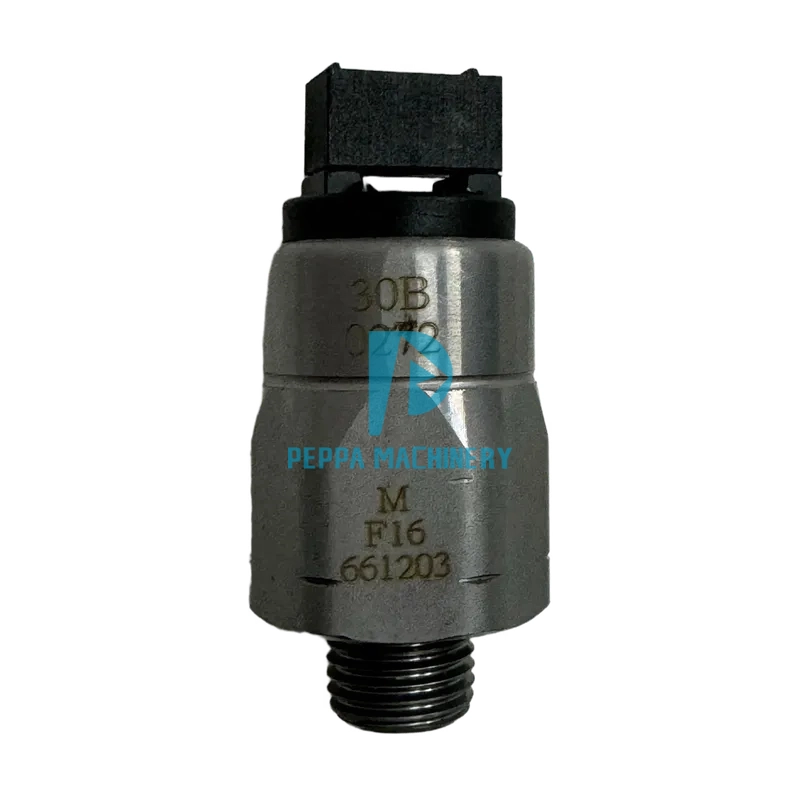
Sany Excavator Electric Oil Pressure Switch Hydraulic Oil Pressure Sensor for Engine Model 661203 661204 660404
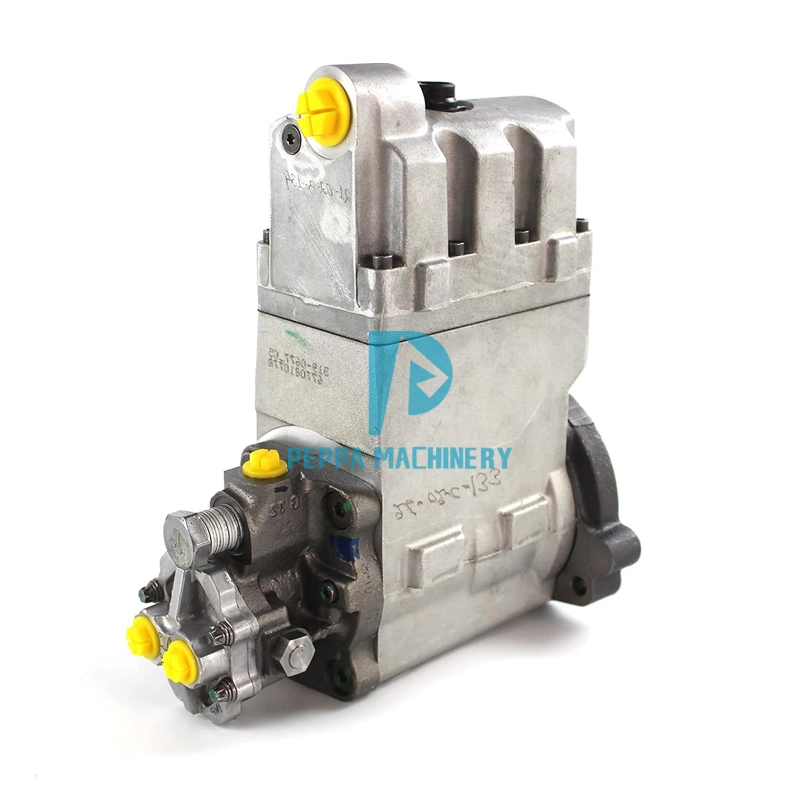
Fuel Feed / Transfer Pump Assembly for Caterpillar C7 & C9 Engines | Direct Replacement for OEM Parts #319-0678, 254-4358, 304-0678, 295-4778, 228-589
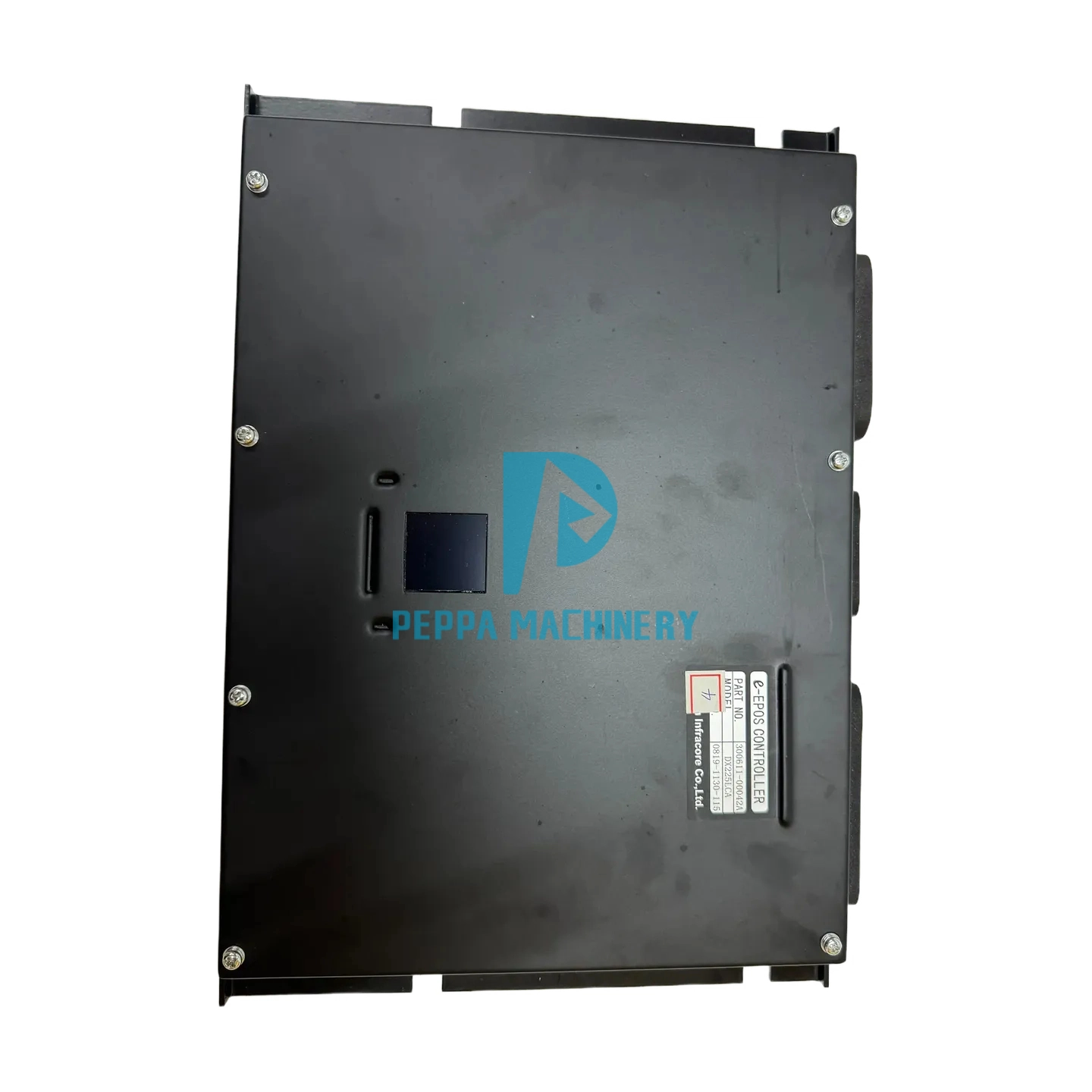
Excavator Accessories Excavator Controller DX225 DX225LCA E-EPOS Controller Computer Board 300611-00042 K1026740 K1001369C K1056425 ECU ECM
Excavator Parts
Do you provide technical support or installation guidance?
While we do not offer on-site installation, we can provide basic technical advice, diagrams, or documentation to assist your technicians with installation and troubleshooting.
Can I get help choosing the right parts for my machine?
Yes. Our experienced sales team is here to provide professional recommendations and solutions based on your excavator model, part number, or specific requirements.
What brands of excavator parts do you supply?
We supply a full range of parts compatible with major international and Chinese brands, including Caterpillar, Komatsu, Hitachi, Volvo, Doosan, Hyundai, Sany, Liugong, XCMG, Zoomlion, and more.
How can I verify compatibility before placing an order?
Please provide us with your machine brand, model number, and the part number (if available). Our team will double-check the compatibility to ensure you receive the correct parts.
Are your parts genuine or OEM?
We offer both genuine parts and high-quality OEM alternatives. You can choose according to your budget and application needs. All OEM products are tested to meet or exceed original specifications.
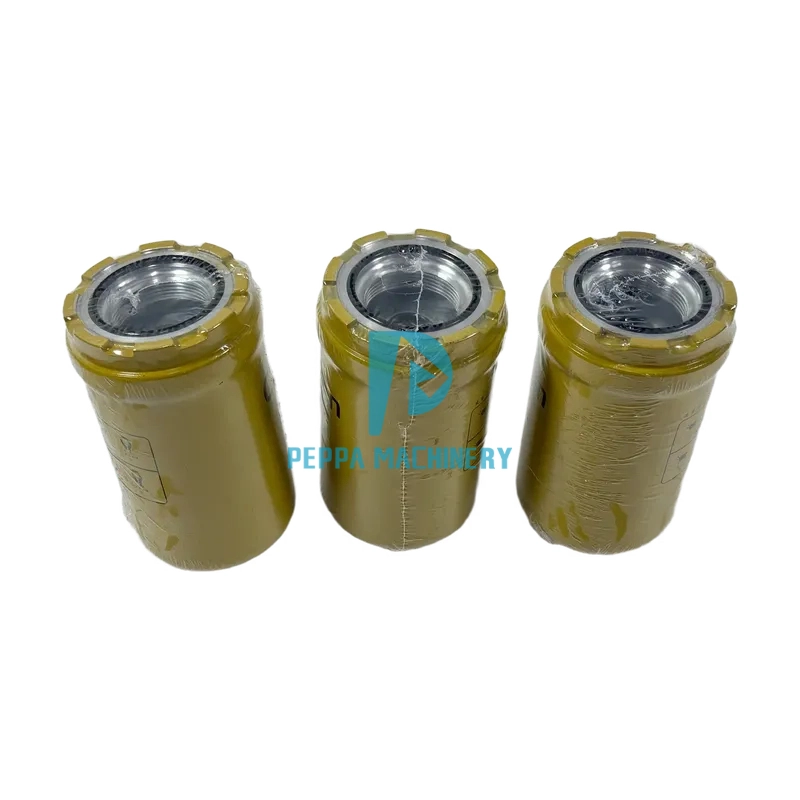
51-8670 Hydraulic Filter Applicable to HF35519 518670 2897836 518670X 1588987 Compatible with Caterpillar 352FVG 325CL
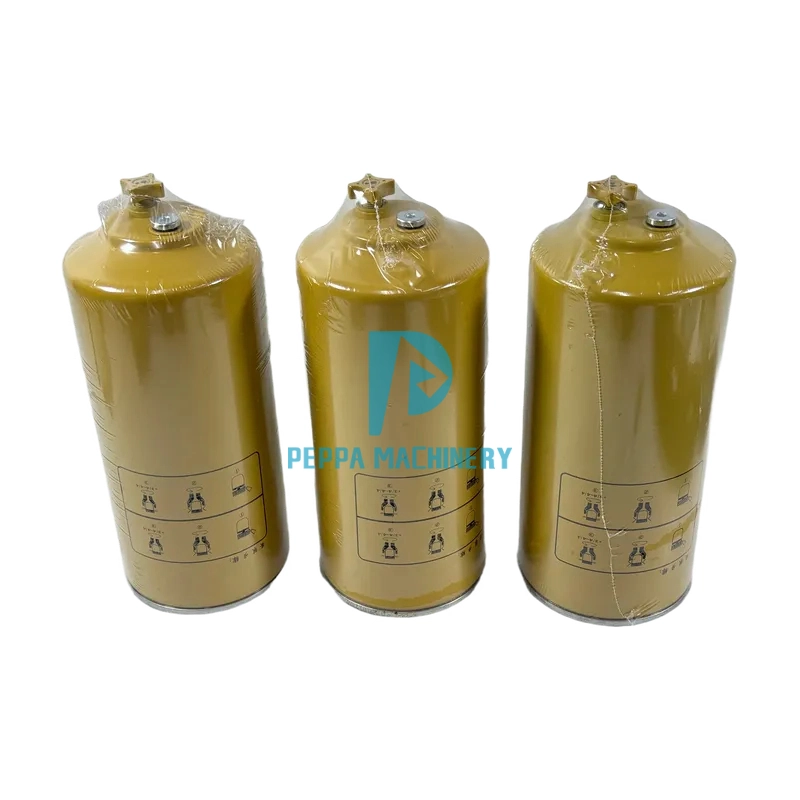
4385386 Fuel Water Separator Fuel Filter 382-0664 Oil-water Separator Hydraulic Oil Filter for CAT 312D2 320D2
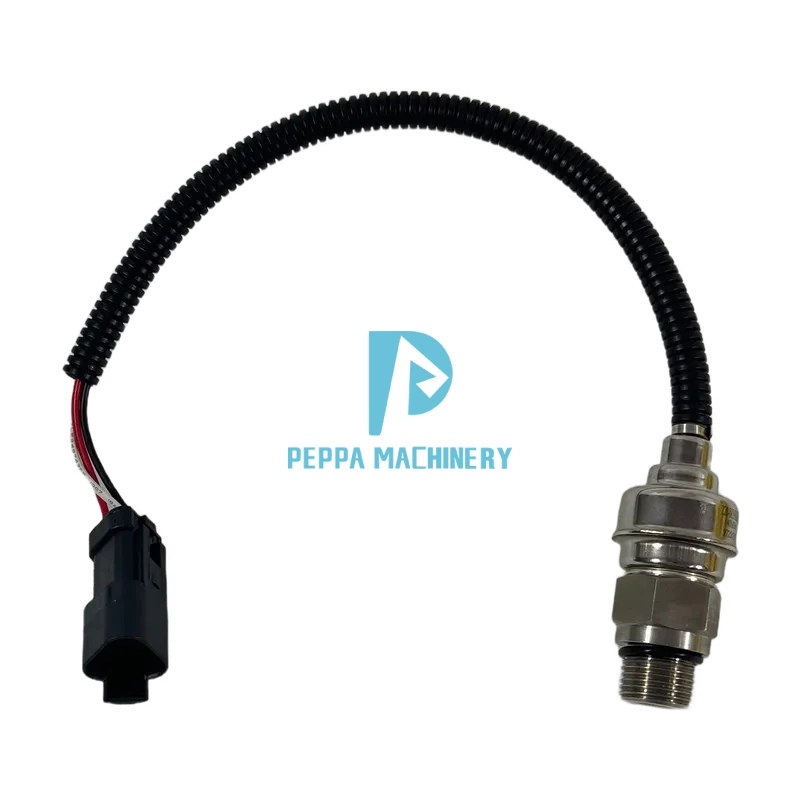
Pressure Sensor 221-8859 106-0178 for Caterpillar CAT 311B 311C 312C 314D 315B 320C 323D 324D 330C 336D 345B 385C
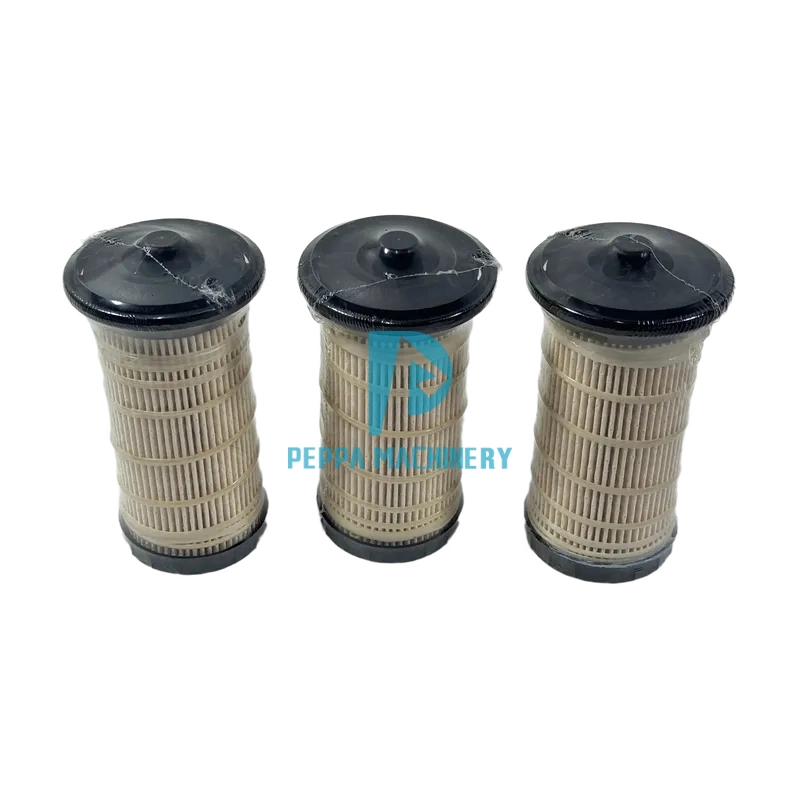
360-8960 Fuel Filter Element for Caterpillar C4.4 & C7.1 Engines | Fits 312D, 320D, 312E, 320E, 326D2, 336D2 Excavators
Get more information
Want to know more? Contact us today to get detailed product specifications, customized solutions, and a free consultation tailored to your needs.
Rest assured that your privacy is important to us, and all information provided will be handled with the utmost confidentiality.

Reliable Source for Quality Excavator Components.
Follow Us
Our Partners


Our Payment Methods


 High Quality
 7/24 Service
 Guaranteed Warranty
 Scan QR Code
Facebook
TikTok
YouTube
Pinterest
Twitter