








How does a new alternator impact excavator fuel efficiency?
- 1) How do I size a new alternator (amps/kW) for my 20‑ton excavator that now has extra LED work lights and a heated cab?
- 2) How does a new alternator actually change excavator fuel efficiency — can it save meaningful diesel per hour?
- 3) What immediate operational symptoms indicate my excavator will benefit from a new alternator rather than just a battery replacement?
- 4) Can I substitute a cheaper automotive 'new alternator' on my hydraulic excavator to save cost — what are the risks?
- 5) How do pulley size, belt condition and tension on a new alternator influence engine load and fuel burn?
- 6) When buying a new alternator for an excavator, what vendor documentation and tests should I insist on to ensure it's suited for construction duty cycles?
1) How do I size a new alternator (amps/kW) for my 20‑ton excavator that now has extra LED work lights and a heated cab?
Begin by listing continuous and peak electrical loads you run: engine ECU and CAN bus (typically 100–300 W), LED work lamps (each 20–200 W depending on type), cab heater/seat heater (if electric, 200–1,000 W), radio/telemetry (50–150 W), electric hydraulic controls or electric fan motors (500–3,000 W peak). Don’t forget battery charging current after long cranks and starting accessories.
Steps to size correctly:
- Compile steady loads (W) and peak/startup loads (W). Convert watts to amps at system voltage (excavators commonly 24 V; amps = W / 24 V). For 12 V systems use 12 V.
- Add a safety margin of 25–40% for alternator headroom to avoid continuous maxing out the alternator. Heavy‑duty duty cycles require higher margins (use 40%).
- Verify alternator duty rating: continuous vs intermittent output. Many alternators are rated for continuous output at specific RPMs (e.g., 100 A continuous at 2,000 rpm).
Example: if steady loads total 1,200 W on a 24 V system → 1,200/24 = 50 A. Peaks (fan start + lights) push to 150 A. With 40% headroom choose an alternator capable of ~210 A peak and ~90–100 A continuous.
Why this is important: undersized alternators constantly run at maximum, overheat, reduce life, and force the engine to work harder to supply mechanical power for charging—raising fuel consumption and causing electrical instability.
What to request from vendors: continuous output at rated RPM, ambient temperature derating curve, voltage regulation accuracy (+/- 0.5 V), and harmonic/distortion specifications if you use sensitive electronics.
2) How does a new alternator actually change excavator fuel efficiency — can it save meaningful diesel per hour?
Mechanics: an alternator converts mechanical power from the engine into electrical power. The engine must provide extra mechanical torque to produce electrical output; the fuel penalty relates to the mechanical power required and the engine’s fuel consumption per unit power (BSFC).
A simple calculation (conservative engineering method):
- Electrical power required (P_e) in kW = system voltage × charging current / 1000.
- Mechanical input required (P_m) = P_e / alternator_efficiency. Modern heavy‑duty alternators run roughly 50–75% efficiency across operating range (use 60% as a conservative middle value for aged systems; high‑quality heavy‑duty alternators can be higher).
- Diesel consumption increase (L/h) ≈ P_m (kW) × diesel_L_per_kWh. Typical diesel conversion used for calculations: 0.22–0.30 L/kWh depending on engine BSFC and load (use 0.25 L/kWh as a practical median).
Example: if electrical load is 2.0 kW (common when HVAC, lights and some electronics operate simultaneously):
- At 60% alternator efficiency, P_m = 2.0 / 0.60 = 3.33 kW.
- Fuel increase ≈ 3.33 kW × 0.25 L/kWh = 0.83 L/h.
If you upgrade from an old alternator that was 50% efficient to a new heavy‑duty alternator at 70% efficiency, mechanical input for 2 kW drops from 4.0 kW to 2.86 kW, and fuel burn drops from ~1.0 L/h to ~0.72 L/h — about 0.28 L/h saved in this example.
Key takeaways:
- Replacing a failing alternator that is inefficient or intermittently charging can reduce fuel waste, especially under high electrical load or during long idling periods.
- The absolute fuel savings depend on your electrical load profile. For light electrical loads (under 500 W), savings are small (<0.2 L/h). For multi‑kW electrical loads, savings scale up and can be meaningful.
- The biggest fuel wins come from reducing parasitic loads and avoiding repeated deep battery charging cycles (which increase alternator workload).
3) What immediate operational symptoms indicate my excavator will benefit from a new alternator rather than just a battery replacement?
Symptoms pointing to alternator problems (not just batteries):
- Voltage bounce or inconsistent charging voltage under changing RPM (e.g., 13.5–15.5 V expected on 24 V systems: 27–30 V). Wide swings indicate regulator or diode issues.
- Repeated dead batteries despite new batteries (alternator not charging properly under load or at idle).
- Dim or flickering lights when hydraulic load or RPM changes (alternator not holding voltage under transient load).
- Unusual alternator noise, excessive heat at the alternator housing, burned smell, or visible burnt diode traces.
- Error codes from engine management or telematics indicating charging system faults.
Diagnostic checks before replacing:
- Measure DC system voltage at idle and at elevated RPM (engine off vs. 1,200–1,800 rpm). Compare to manufacturer spec.
- Load‑test alternator: apply a measured electrical load and observe voltage drop and recovery. Many professional shops use electronic load banks.
- Check diode ripple with an oscilloscope (excessive AC ripple indicates rectifier failure).
If tests confirm alternator failure or significant underperformance, a new heavy‑duty alternator will restore stable voltage, reduce battery cycling and avoid the hidden fuel penalty of repeated battery charging.
4) Can I substitute a cheaper automotive 'new alternator' on my hydraulic excavator to save cost — what are the risks?
Short answer: usually not safe. Automotive alternators and heavy‑equipment alternators are engineered for different duty cycles, mechanical mounts, cooling, vibration, and continuous output characteristics.
Risks of automotive alternator substitution:
- Duty cycle mismatch: automotive units often assume intermittent high output at highway RPM and cool down at low loads; excavators operate long idles and high vibration.
- Cooling & enclosure: heavy equipment alternators often have improved cooling paths and protection (higher IP rating) for dusty, wet environments. Automotive units may overheat and fail quickly.
- Mechanical compatibility: pulley type, mounting flange, belt width, and shaft size can differ; incorrect pulley ratios change alternator RPM and can over‑spin or under‑spin the alternator.
- Regulation and transient response: excavator electronics and telematics demand stable voltage in low‑RPM and heavy hydraulic load events. Automotive regulators may not be tuned for this.
Recommendation: only fit alternators rated for heavy‑duty / construction equipment duty with similar electrical and mechanical specs and vibration ratings. If cost is an issue, source remanufactured heavy‑duty alternators from reputable suppliers with documented testing and warranty.
5) How do pulley size, belt condition and tension on a new alternator influence engine load and fuel burn?
Pulley ratio sets alternator RPM relative to engine RPM. Overspeeding the alternator (smaller alternator pulley or larger crank pulley) raises alternator RPM and can increase alternator output for a given engine speed — but it also increases mechanical losses, bearing stress, and risk of overspeed damage. Underspeeding reduces output at low engine RPM, forcing higher engine RPM or more battery draw.
Effects on engine load and fuel:
- Too high alternator RPM (overspeed) increases mechanical load and frictional losses; this raises engine torque demand slightly and therefore fuel use.
- Too low alternator RPM reduces charging at idle; that forces the alternator to work harder at higher RPMs or causes batteries to remain discharged, increasing repeated charging cycles and increasing average alternator load.
Belt condition and tension:
- Loose or glazed belts slip, causing heat and reduced mechanical transmission efficiency. Slipping belts can also require higher alternator pulley sizes to maintain output, increasing strain.
- Over‑tight belts increase bearing loads and friction losses, which can shorten alternator life and increase parasitic drag.
Best practice:
- Use manufacturer‑specified pulley ratio and belt type for the alternator model and excavator engine.
- Maintain recommended belt tension and replace belts with OEM or heavy‑duty equivalents at recommended intervals.
- Confirm alternator speed vs engine rpm curve from supplier data and ensure the alternator reaches rated output within normal working RPM range.
6) When buying a new alternator for an excavator, what vendor documentation and tests should I insist on to ensure it's suited for construction duty cycles?
Minimum documentation and test data to request:
- Rated output curve (amps vs RPM) showing continuous and peak outputs and the RPM at which each is achieved.
- Efficiency curve or table across RPM and load points (efficiency % helps estimate fuel penalty).
- Temperature derating chart (output at 25°C, 50°C, 80°C) — construction sites are hot; derating is typical.
- Vibration and shock compliance (e.g., ISO 10816 or SAE/ISO vibration specs) and IP enclosure rating (e.g., IP67 or IP65 depending on exposure).
- Voltage regulation tolerance and type (internal vs external regulator), and transient recovery times.
- Harmonic and ripple specifications (important if you have sensitive electronics, telemetry, or drives).
- Warranty terms (hours or years, warranty on bearings/diodes) and availability of service parts.
- Test certificates: bench test data showing output under simulated load and at working RPMs; if remanufactured, a full rebuild report.
Practical checklist during procurement:
- Cross‑reference OEM part numbers and mounting interfaces.
- Ask for field references for the same alternator model used on similar excavator fleets.
- If possible, request a short demonstration or a return policy allowing field testing under your duty cycle.
Conclusion
A correctly specified new alternator matched to your excavator’s electrical load reduces electrical instability, limits repeated deep battery charging, lowers parasitic mechanical losses, and can deliver measurable fuel savings when your machine operates with multi‑kilowatt electrical demands or long idle periods. Beyond fuel, benefits include fewer downtime events, longer battery life, improved telematics/ECU reliability and lower long‑term maintenance costs. When purchasing, insist on heavy‑duty alternator specifications, efficiency and derating curves, vibration/IP ratings, and a clear warranty.
For a customized quote and alternator selection tailored to your excavator make/model and electrical load profile, contact us at www.jbpartsgz.com or jbparts@aliyun.com. We provide OEM and heavy‑duty replacements with test reports and warranty support.

Isuzu SP 4JG1 4JG2 4JG3 Cylinder Liner 1876182070 1-87618207-0 1876182080 1-87618208-0 1876182100 1-87618210-0
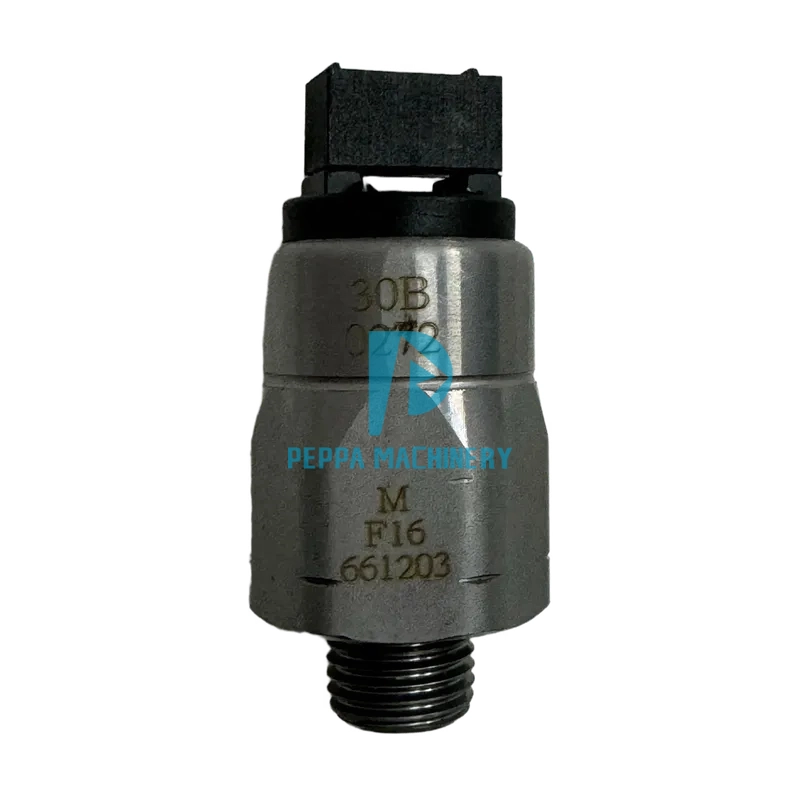
Sany Excavator Electric Oil Pressure Switch Hydraulic Oil Pressure Sensor for Engine Model 661203 661204 660404
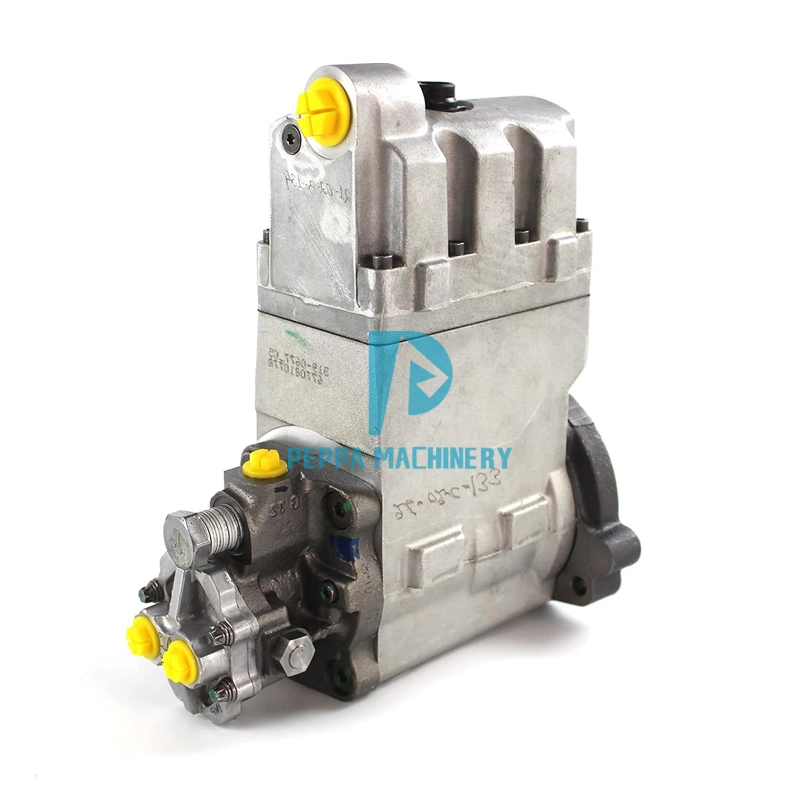
Fuel Feed / Transfer Pump Assembly for Caterpillar C7 & C9 Engines | Direct Replacement for OEM Parts #319-0678, 254-4358, 304-0678, 295-4778, 228-589
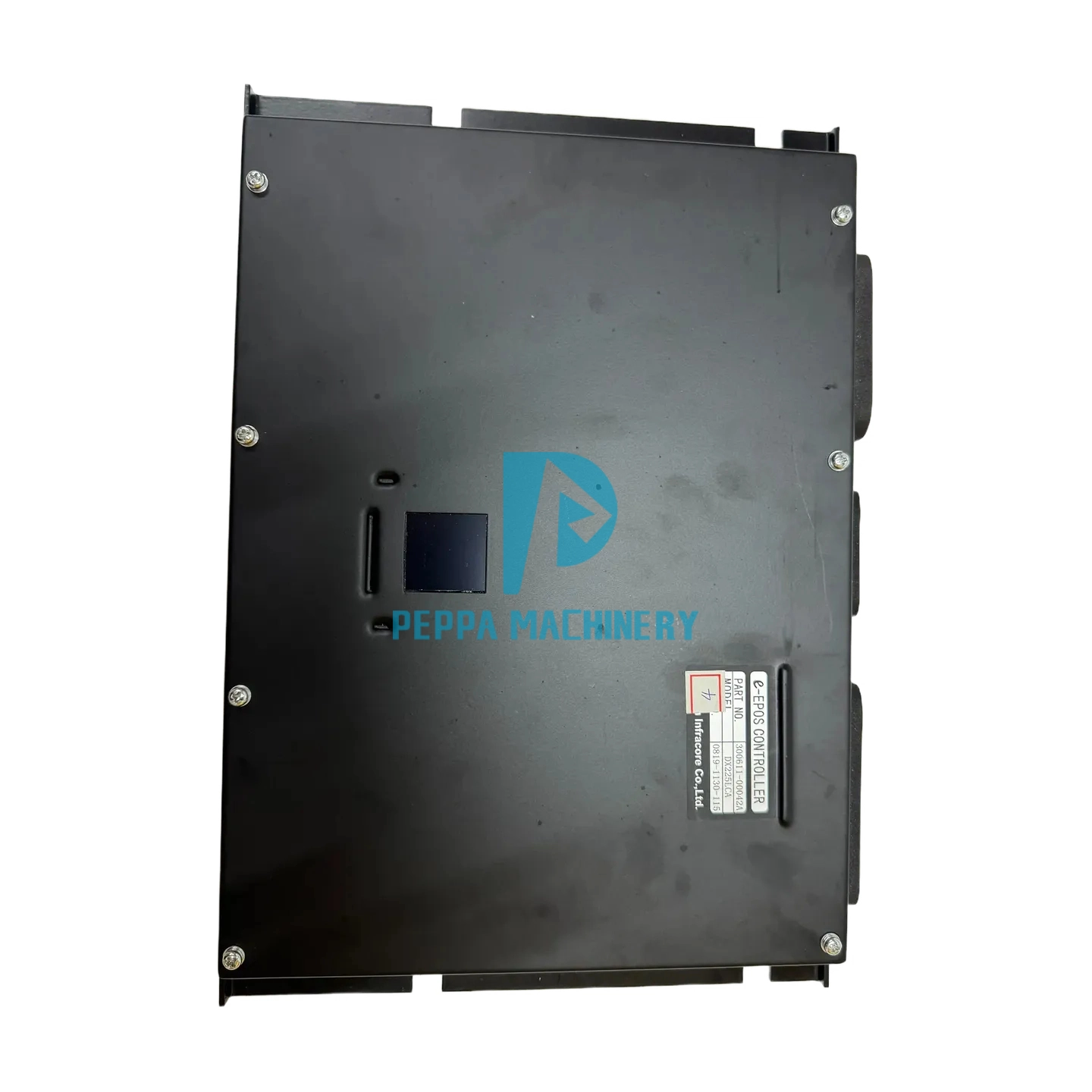
Excavator Accessories Excavator Controller DX225 DX225LCA E-EPOS Controller Computer Board 300611-00042 K1026740 K1001369C K1056425 ECU ECM
Excavator Parts
What types of parts do you mainly offer?
Our main product categories include:
• Engine parts (liner kits, crankshafts, water/oil pumps, etc.)
• Electrical parts (sensors, monitors, throttle motors, wiring harnesses)
• Hydraulic parts (pumps, valves, cylinders)
• Sealing kits (NOK, SKF, PQ brands, floating seals, O-rings)
What brands of excavator parts do you supply?
We supply a full range of parts compatible with major international and Chinese brands, including Caterpillar, Komatsu, Hitachi, Volvo, Doosan, Hyundai, Sany, Liugong, XCMG, Zoomlion, and more.
Can I get help choosing the right parts for my machine?
Yes. Our experienced sales team is here to provide professional recommendations and solutions based on your excavator model, part number, or specific requirements.
How can I verify compatibility before placing an order?
Please provide us with your machine brand, model number, and the part number (if available). Our team will double-check the compatibility to ensure you receive the correct parts.
Are your parts genuine or OEM?
We offer both genuine parts and high-quality OEM alternatives. You can choose according to your budget and application needs. All OEM products are tested to meet or exceed original specifications.
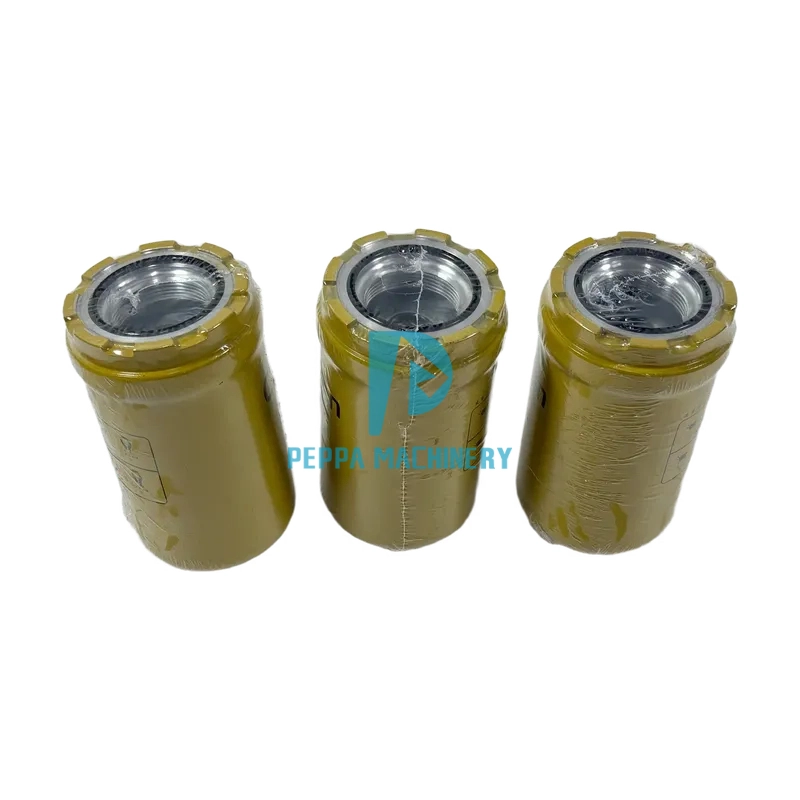
51-8670 Hydraulic Filter Applicable to HF35519 518670 2897836 518670X 1588987 Compatible with Caterpillar 352FVG 325CL
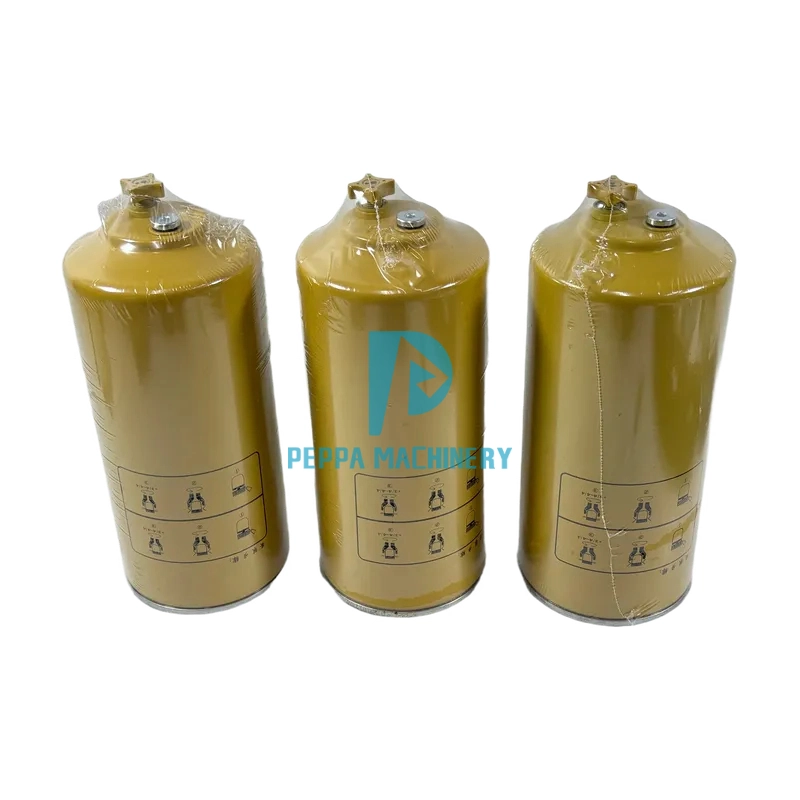
4385386 Fuel Water Separator Fuel Filter 382-0664 Oil-water Separator Hydraulic Oil Filter for CAT 312D2 320D2
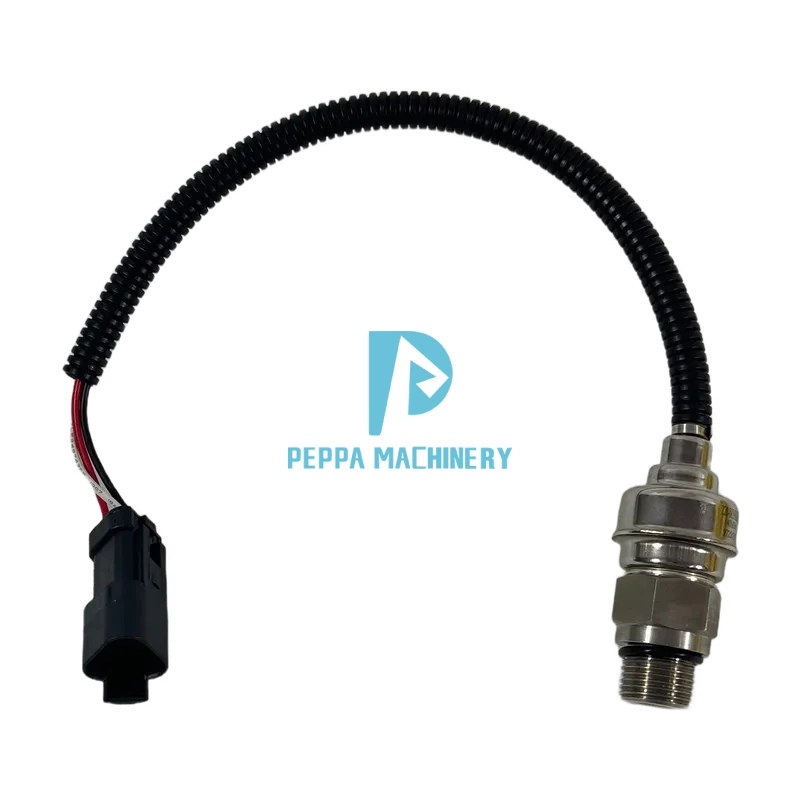
Pressure Sensor 221-8859 106-0178 for Caterpillar CAT 311B 311C 312C 314D 315B 320C 323D 324D 330C 336D 345B 385C
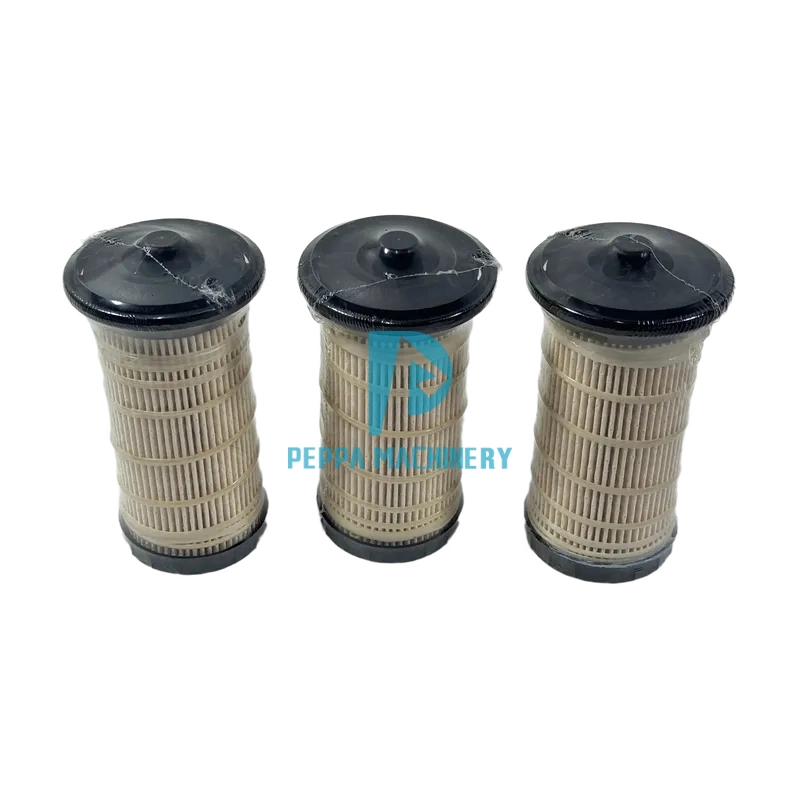
360-8960 Fuel Filter Element for Caterpillar C4.4 & C7.1 Engines | Fits 312D, 320D, 312E, 320E, 326D2, 336D2 Excavators
Get more information
Want to know more? Contact us today to get detailed product specifications, customized solutions, and a free consultation tailored to your needs.
Rest assured that your privacy is important to us, and all information provided will be handled with the utmost confidentiality.

Reliable Source for Quality Excavator Components.
Follow Us
Our Partners


Our Payment Methods


 High Quality
 7/24 Service
 Guaranteed Warranty
 Scan QR Code
Facebook
TikTok
YouTube
Pinterest
Twitter