








New alternator vs rebuilt: which is better for your excavator?
- 1. How can I tell whether intermittent low-voltage and rapid battery drain on my excavator mean I need a full new alternator replacement or a rebuild will suffice?
- 2. What measurable performance differences should I expect between an OEM new alternator and a remanufactured alternator for a mid-size excavator (in terms of amperage stability, heat tolerance, and efficiency)?
- 3. What hidden costs and warranty limitations should fleet managers expect when choosing a rebuilt alternator for heavy-duty duty cycles?
- 4. How does exposure to salt, dust, and continuous operation on coastal or winter-sites affect the lifespan difference between new and rebuilt alternators?
- 5. Can I safely upgrade to a higher-amperage aftermarket alternator to support additional lights, pumps, or telemetry systems on my excavator?
- 6. What commissioning and test protocols should my technician perform to verify a replacement alternator (new or rebuilt) is correctly installed and will handle excavator load profiles?
New Alternator vs Rebuilt: Which Is Better for Your Excavator?
As an industry-experienced excavator parts specialist, this article answers six critical, long-tail questions that beginners and fleet managers frequently face when choosing a new alternator or a rebuilt alternator for heavy equipment. The guidance below integrates charging-system performance, warranty and lifecycle realities, CAN/ECU compatibility, and real-world installation and testing protocols so you can buy with confidence.
1. How can I tell whether intermittent low-voltage and rapid battery drain on my excavator mean I need a full new alternator replacement or a rebuild will suffice?
Start with a systematic diagnosis before deciding to replace or rebuild. Key checks (use a calibrated multimeter and an inductive clamp ammeter):
- Battery State: Verify battery state-of-charge and perform a CCA (cold cranking amps) test. Weak batteries mimic alternator failures.
- Idle and Run Voltage: Measure voltage at the battery with engine off (resting voltage), at idle and at 1,500–2,000 rpm. Healthy charging typically reads ~13.5–14.8 V. Consistent readings below 13.3 V indicate undercharging; fluctuating voltage suggests regulator or diode problems.
- Ripple and Diode Test: Measure AC ripple on the DC output with an oscilloscope or true-RMS meter. Elevated ripple or erratic voltage implies failed diodes or rotor winding faults — often the primary cause of intermittent drain.
- Load Test: With accessories on, measure alternator output (amps). If output drops drastically under load, rotor slip rings, brushes, or bearings may be at fault.
- Thermal & Noise Inspection: Overheating, bearing noise, or oil/water ingress are physical signs pointing to mechanical failure.
When to choose rebuild:
- Failure is limited to brushes, bearings, or diode pack and the alternator housing/windings are intact.
- Visual inspection finds no rotor winding short or severe corrosion.
- Cost-benefit: If a qualified remanufacturer can replace worn brushes/diodes, perform rotor/field tests and provide a warranty covering heavy-duty use.
When to choose new:
- Rotor or stator windings show inter-turn shorts, heavy corrosion, or physical damage from overheating.
- Alternator has integrated electronics or a CAN-enabled regulator that is obsolete or non-reprogrammable safely (many OEM new units required in these cases).
- Rebuilt core cannot meet the duty cycle (continuous high-amp operations) expected in your application.
Practical tip: Record voltage and amp traces during failure events — live data tells whether the issue is electrical (diodes/brushes/regulator) or mechanical (bearings/oil contamination). If the alternator has an on-board regulator tied to the machine’s ECU, err toward OEM new units unless the remanufacturer explicitly supports programming and CAN compatibility.
2. What measurable performance differences should I expect between an OEM new alternator and a remanufactured alternator for a mid-size excavator (in terms of amperage stability, heat tolerance, and efficiency)?
Performance differences hinge on component quality and remanufacturing standards. Look for these measurable parameters during acceptance testing:
- Amperage Stability: OEM new alternators will typically meet original amperage ratings across the manufacturer’s duty cycle with <5% deviation under load. A well-remanufactured alternator should also meet rating but may show slightly wider variation if quality control is inconsistent.
- Voltage Regulation Accuracy: New OEM units often provide tighter regulation (e.g., holding 13.8–14.4 V under common loads). Remanufactured units should meet the same spec if the regulator was replaced or calibrated; otherwise expect somewhat larger swings.
- Thermal Performance: New units have new bearings, better seals, and fresh insulation, so they will tolerate operating temperatures and thermal cycling better. Rebuilt units’ heat tolerance equals new only if high-spec insulation and re-varnishing are performed; otherwise expect reduced long-term temperature resistance.
- Efficiency & Electrical Noise: New alternators generally have lower internal resistance and better diode/rectifier performance, producing less electrical noise (ripple). Excess ripple in remanufactured units may affect sensitive electronics on modern excavators.
How to measure:
- Measure charger voltage under controlled idle and high-load conditions.
- Use a battery load or current clamp to measure continuous amperage output and peak behavior.
- Use thermal imaging after a 30–60 minute heavy load to compare temperature rise at the housing, rectifier, and bearings.
Bottom line: For critical, continuous heavy-duty usage, OEM new alternators deliver the most predictable performance. A high-quality remanufactured alternator from a reputable remanufacturer can be an effective cost-saving option if it passes bench tests for amperage, voltage regulation, ripple, and thermal performance.
3. What hidden costs and warranty limitations should fleet managers expect when choosing a rebuilt alternator for heavy-duty duty cycles?
Hidden costs and limitations often overlooked:
- Core Charges & Turnaround: Rebuilt alternators typically require you to return the old core. If cores are not shipped promptly, you may incur additional charges. Core refunds vary by vendor and model; some OEMs require complete cores (with regulator module) to issue full credits.
- Warranty Hour Limits and Exclusions: Rebuilt alternators commonly carry shorter warranties (e.g., 90 days to 1 year or limited hours). Warranties may exclude high-temp/contaminant failures, off-road severe-duty cycles, or improper installation. OEM new alternators often have longer or more comprehensive coverage (1–3 years or specified service hours) and predictable claims processes.
- Downtime & Reliability Risk: Lower initial cost can be offset by increased downtime risk. For critical machines, the cost of an unplanned outage (lost production, towing, labor) frequently exceeds the price difference between rebuilt and new.
- Compatibility & ECU Issues: Modern excavators may require alternators with integrated CAN bus or specific regulator programming. Remanufactured units may not support reprogramming, leading to error codes, derate modes, or additional technician time and diagnostic fees.
- Installation-Related Costs: Rebuilt units sometimes come without all new mounting hardware, connectors, or protective boots; replacing these small items adds labor and parts costs.
Recommendation: Request a written remanufacturer warranty that specifies billable hours, coverage for heavy-duty cycles, and a clearly stated core return policy. For fleets with tight uptime requirements, factor in Mean Time To Repair (MTTR) and total cost of ownership rather than purchase price alone.
4. How does exposure to salt, dust, and continuous operation on coastal or winter-sites affect the lifespan difference between new and rebuilt alternators?
Environmental exposure accelerates failure modes common to alternators: bearing wear, connector corrosion, diode/rectifier corrosion, and insulation breakdown. Consider these specifics:
- Seals and Coatings: New alternators typically use fresh seals and factory-applied protective coatings that resist salt spray and fine dust. Rebuilt units may not always receive equivalent protective treatments unless the remanufacturer offers marine/coastal-grade servicing.
- Bearings & Lubricants: Bearings in new units are pre-lubricated with fresh grease optimized for equipment duty cycles. Rebuilt units should have new bearings and high-temperature grease; if remanufacturers reuse bearings, expect much shorter life on contaminated sites.
- Corrosion on Rectifiers and Terminals: Salt accelerates galvanic corrosion at terminals and connectors, increasing electrical resistance and heat. New parts reduce immediate risk; remanufactured units must include cleaned and plated terminals to be equivalent.
- Continuous Operation Duty: Continuous high-hour cycles compound wear. New alternators engineered for heavy-duty cycles will often include heavier-duty bearings and windings rated for extended operation; remanufactured units may only restore to nominal spec unless upgraded.
Mitigation strategies:
- Specify corrosion-resistant finishes and sealed harnesses when purchasing replacements for coastal sites.
- Install protective boots, dielectric grease on connectors, and improved housing shields for dust-prone environments.
- Consider preventive maintenance: schedule alternator inspections and vibration testing every 500–1,000 hours on harsh sites.
Conclusion on environment: In corrosive or continuous-operation environments, new alternators generally provide longer reliable service unless the remanufacturer offers explicit marine/coastal-grade reconditioning with warranties that cover those conditions.
5. Can I safely upgrade to a higher-amperage aftermarket alternator to support additional lights, pumps, or telemetry systems on my excavator?
Upgrading alternator amperage can work, but it is not a simple swap. Key considerations:
- Charging System Limits: The existing wiring harness, fuses, and battery cables must be sized to handle higher continuous current. Undersized wiring creates voltage drop and thermal hazards.
- Voltage Regulator & ECU Integration: Modern machines often rely on a controlled charging strategy by the ECU. Installing a higher-amperage unit with a different regulator curve or without ECU communication can cause charging conflicts, error codes, or overcharging.
- Physical Fit and Cooling: Higher-output alternators are often larger and generate more heat. Confirm mounting, belt drive capacity, and adequate ventilation. You may need a heavier-duty belt or modified pulleys.
- Battery Capacity & Charging Strategy: Batteries and battery management must be able to accept higher charge rates. Upgrading alternator output without upgrading battery capacity and charge acceptance can lead to repeated battery stress.
Safe upgrade path:
- Consult the excavator OEM electrical specifications or a qualified electrical engineer. Ensure wiring is up-rated (AMP rating + safety margin) and fuses are appropriate.
- Use an alternator with a regulator compatible with the machine’s charging strategy or capable of being programmed to the OEM voltage curve. For CAN-equipped machines, select alternators with documented compatibility.
- Verify cooling and mechanical fit; run thermal and electrical load tests after installation.
If requirements are modest (low-power LED lights or telemetry) consider adding a dedicated accessory battery and DC-DC converter with an intelligent isolation/charging system rather than increasing the main alternator output.
6. What commissioning and test protocols should my technician perform to verify a replacement alternator (new or rebuilt) is correctly installed and will handle excavator load profiles?
A documented commissioning checklist reduces callbacks and warranty disputes. Essential steps:
Pre-installation:
- Confirm part number, regulator type, and CAN/ECU compatibility.
- Inspect wiring harnesses, connectors, ground straps, belt condition, and pulleys.
During installation:
- Torque mounting bolts to OEM spec and verify correct belt tension (use a tension gauge). Improper belt tension causes slip, overheating, and premature bearing wear.
- Ensure proper grounding of alternator and battery negative to chassis.
- Replace any safety boots, seals, and corroded terminals.
Post-installation testing (document and save readings):
- Static Voltage Test: Engine off, measure battery voltage (resting). Then start engine and measure at idle and at 1,500–2,000 rpm; expected charging range is ~13.5–14.8 V depending on machine specification.
- Dynamic Load Test: Apply electrical load (lights, heater, pumps) and measure voltage regulation and alternator amperage with a clamp ammeter. Confirm alternator reaches rated output without excessive voltage drop.
- Ripple Test: Measure AC ripple on DC output (< specified limit per manufacturer; if unknown, compare to a known-good unit). High ripple indicates rectifier issues.
- Thermal Run: Run the machine under typical high-load conditions for 30–60 minutes; use a thermal camera to check housing, rectifier, and connector temperatures. Compare to baseline conditions or manufacturer limits.
- ECU Diagnostics: Scan for fault codes and verify the machine’s ECU reports correct charging status. Clear and monitor for reoccurrence during operational cycles.
- Road/Jobsite Validation: Observe machine during normal operations for a full shift if possible. Log voltage and amperage spikes during heavy hydraulic cycling.
Documentation: Record all meter readings, thermographs, and ECU logs. Provide these records with the warranty claim if needed.
Final practical advice: Hold the remanufacturer or parts supplier to bench-test results and request pre-shipment test certificates when possible. For critical assets, specify an acceptance test and a minimum on-machine performance guarantee in the purchase order.
Contact & Quote: For custom alternator solutions, compatibility checks, or a formal quote, contact us at jbparts@aliyun.com or visit www.jbpartsgz.com. We provide OEM and remanufactured alternators with documented testing for excavator applications.
Concluding summary of advantages: New alternators offer predictable OEM performance, longer expected life in corrosive and continuous-duty environments, and fuller warranty coverage—making them the best choice for mission-critical machines. Remanufactured alternators can provide strong value when sourced from reputable remanufacturers with documented bench testing, upgraded components (bearings, diode packs, seals), and clear warranty terms. For modern excavators with ECU-controlled charging or CAN-bus integration, favor new or remanufactured units that explicitly support programming and communication compatibility to avoid downtime.
Contact us for a quote: jbparts@aliyun.com | www.jbpartsgz.com

Isuzu SP 4JG1 4JG2 4JG3 Cylinder Liner 1876182070 1-87618207-0 1876182080 1-87618208-0 1876182100 1-87618210-0

4BG1 6BG1 Liner Set 1878141050 1-87814105-0 1878141060 1-87814106-0 1878141070 1-87814107-0 Genuine Engine Parts
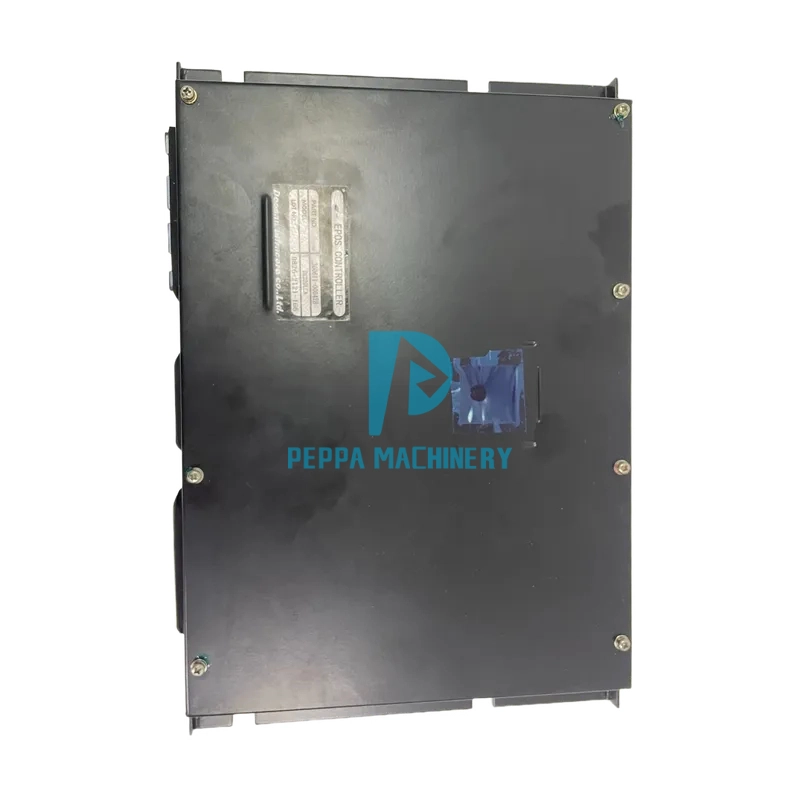
Direct-Injection Engine ECU Electric Controller 300611-00042B New Condition Iron Material for DX220LCA Excavator
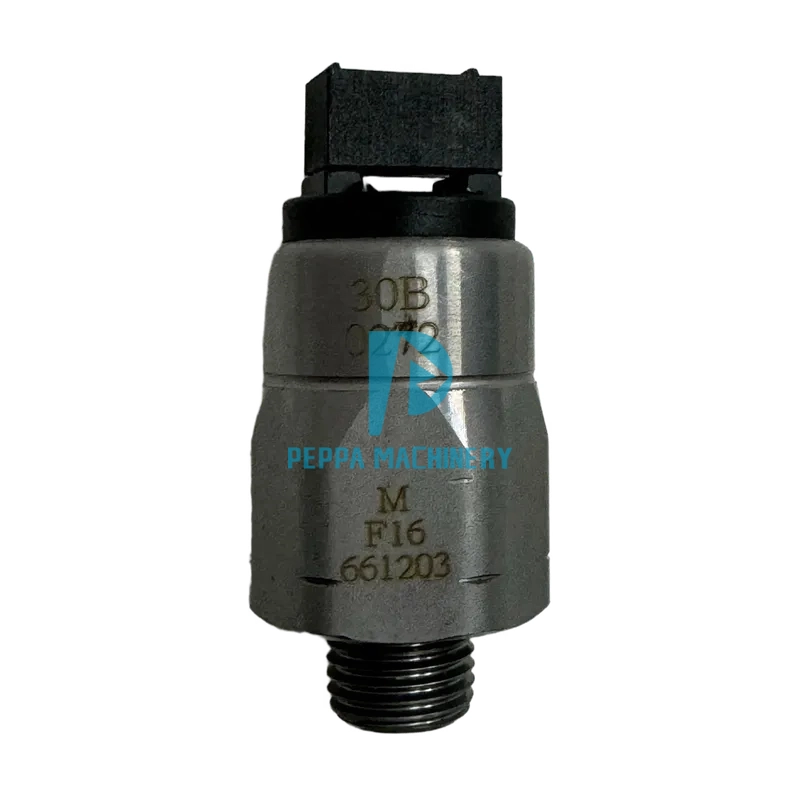
Sany Excavator Electric Oil Pressure Switch Hydraulic Oil Pressure Sensor for Engine Model 661203 661204 660404
Excavator Parts
What types of parts do you mainly offer?
Our main product categories include:
• Engine parts (liner kits, crankshafts, water/oil pumps, etc.)
• Electrical parts (sensors, monitors, throttle motors, wiring harnesses)
• Hydraulic parts (pumps, valves, cylinders)
• Sealing kits (NOK, SKF, PQ brands, floating seals, O-rings)
What brands of excavator parts do you supply?
We supply a full range of parts compatible with major international and Chinese brands, including Caterpillar, Komatsu, Hitachi, Volvo, Doosan, Hyundai, Sany, Liugong, XCMG, Zoomlion, and more.
Can I get help choosing the right parts for my machine?
Yes. Our experienced sales team is here to provide professional recommendations and solutions based on your excavator model, part number, or specific requirements.
Are your parts genuine or OEM?
We offer both genuine parts and high-quality OEM alternatives. You can choose according to your budget and application needs. All OEM products are tested to meet or exceed original specifications.
How can I verify compatibility before placing an order?
Please provide us with your machine brand, model number, and the part number (if available). Our team will double-check the compatibility to ensure you receive the correct parts.
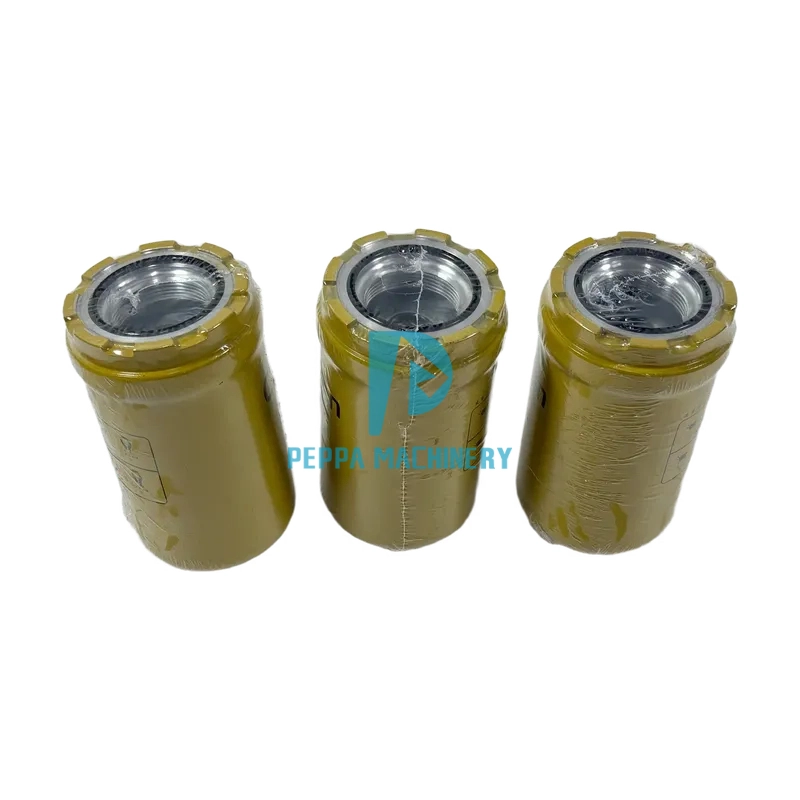
51-8670 Hydraulic Filter Applicable to HF35519 518670 2897836 518670X 1588987 Compatible with Caterpillar 352FVG 325CL
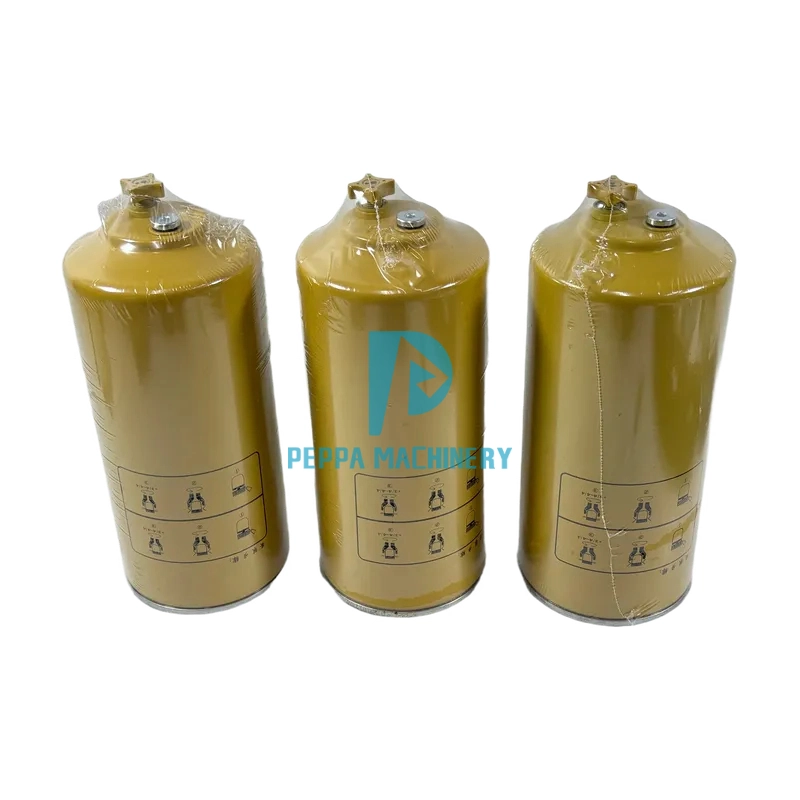
4385386 Fuel Water Separator Fuel Filter 382-0664 Oil-water Separator Hydraulic Oil Filter for CAT 312D2 320D2
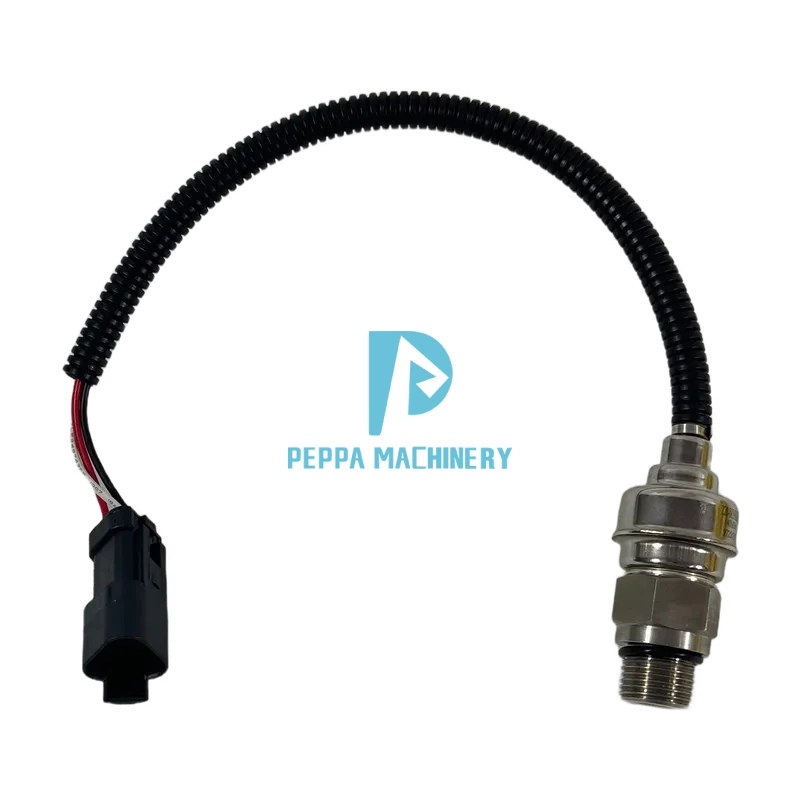
Pressure Sensor 221-8859 106-0178 for Caterpillar CAT 311B 311C 312C 314D 315B 320C 323D 324D 330C 336D 345B 385C
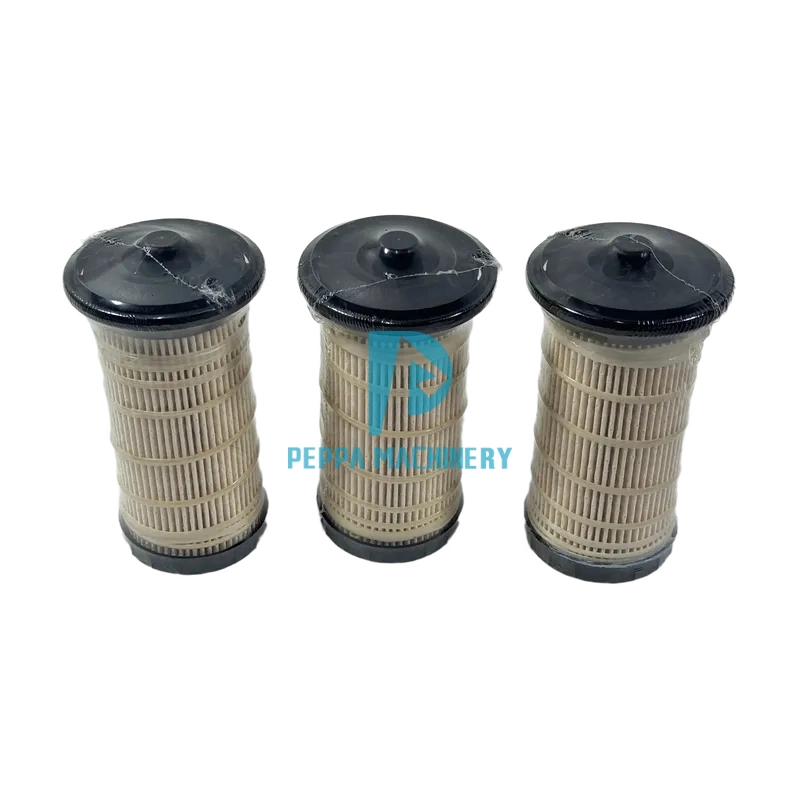
360-8960 Fuel Filter Element for Caterpillar C4.4 & C7.1 Engines | Fits 312D, 320D, 312E, 320E, 326D2, 336D2 Excavators
Get more information
Want to know more? Contact us today to get detailed product specifications, customized solutions, and a free consultation tailored to your needs.
Rest assured that your privacy is important to us, and all information provided will be handled with the utmost confidentiality.

Reliable Source for Quality Excavator Components.
Follow Us
Our Partners


Our Payment Methods


 High Quality
 7/24 Service
 Guaranteed Warranty
 Scan QR Code
Facebook
TikTok
YouTube
Pinterest
Twitter