








How to check compatibility of a new alternator with excavator models?
- How to verify a new alternator's voltage and amperage will support my excavator's peak hydraulic fan and cabin heater loads?
- How to match the alternator pulley size and rotation so a new alternator fits my model's belt drive without re-tuning?
- How to confirm the new alternator's electronic regulator and CANbus/ECU communication is compatible with modern excavator models?
- How to use OEM part numbers and cross-reference catalogs to ensure the new alternator fits my Komatsu/CAT/Hitachi model?
- How to bench-test a new alternator and validate it under load before installing on the excavator?
- How to check physical mounting, connector pinout, and environmental protection (IP rating) to ensure a new alternator survives field conditions?
How to verify a new alternator's voltage and amperage will support my excavator's peak hydraulic fan and cabin heater loads?
Why this matters: mismatched alternator output is the most frequent cause of intermittent charging, dimming lights or drained batteries after additional electrical accessories are added.
Step-by-step check:
- Find the machine's electrical system voltage: most compact and mini excavators use a 12V electrical system; mid-to-large construction excavators and some industrial machines often use 24V. Confirm in the operator's manual or decal on the machine.
- Build an electrical load list of continuous and peak loads: starter (brief), ECU/controls, lights, work lamps, hydraulic fan, heater blowers, radio, GPS, cameras. Use OEM specs for each device or measure current draw with a clamp meter (amps) while each device runs.
- Calculate required alternator continuous output: sum continuous loads and add a 25–30% margin for battery charging and future accessories. Example: continuous loads 40 A (12V system) + 30% margin → select alternator ≥ 52 A continuous.
- Check peak loads: alternators must handle momentary spikes (fan motor inrush etc.). Ensure the alternator's surge or peak rating covers these or that the battery absorbs the spike (battery capacity and CCA matter).
- Match battery and alternator: larger alternator output requires sufficient battery capacity and cabling. Confirm battery CCA and Ah align with OEM recommendations.
Tip: if you're adding high-power accessories (LED light bars, heated seats, aftermarket pumps), choose an alternator with at least 20–40% extra capacity beyond current needs to avoid overheating and voltage drop.
How to match the alternator pulley size and rotation so a new alternator fits my model's belt drive without re-tuning?
Why this matters: pulley mismatch causes wrong charging RPM, belt wear, noise, or inability to fit the belt.
Checks and measurements:
- Identify belt type: V-belt, multi-rib/serpentine or cogged belt. Note number of ribs and belt width. Replacing pulley type without converting the whole drive system is usually not feasible.
- Measure pulley diameter and groove count: remove or inspect the alternator pulley and record outside diameter (OD) and groove configuration. Use calipers or tape measure.
- Confirm rotation direction: some alternators are rotation-specific (CW or CCW). Check OEM alternator label or mark and match rotation to avoid incorrect bearing loading or regulator issues.
- Calculate alternator RPM: alternator RPM = engine RPM × (engine pulley diameter / alternator pulley diameter). Ensure alternator RPM at maximum engine RPM is within the alternator's rated RPM range stated by the manufacturer.
- If a direct match pulley isn't available, consider an alternator with the same mounting and shaft dimensions so a compatible pulley can be fitted professionally. Always maintain correct belt alignment and tension.
Note: changing pulley steps or swapping to an aftermarket pulley must be done by a technician to maintain belt alignment and safe operating RPM.
How to confirm the new alternator's electronic regulator and CANbus/ECU communication is compatible with modern excavator models?
Why this matters: many modern excavators use engine ECUs/CANbus to regulate charging. Plug-and-play replacement alternators without the correct regulator or communication interface can cause overcharge, no-charge, or fault codes.
How to confirm compatibility:
- Check whether your excavator alternator uses an internal or external voltage regulator. Older machines typically have internal regulators; some modern machines have external regulators or ECU-controlled regulation.
- Consult the machine's electrical schematic or dealer parts manual to see if the alternator communicates with the ECU (look for CAN H/L wiring, signal pins, or a field-wire that connects to the ECM).
- Match signal pins and protocols: if the OEM alternator uses an external regulator or communicates status to the ECU via a specific pin (e.g., L for lamp, IG for ignition, S for sense), ensure the replacement provides identical pin functions and voltage thresholds.
- When in doubt, source a replacement that is OEM-specified or explicitly states compatibility with the machine maker and model year. Third-party alternators intended for passenger vehicles may lack required ECU signaling or diagnostics.
- After installation, confirm no charging-related fault codes appear in the machine’s diagnostic tool. If the alternator requires software calibration or coding (some Volvo, Komatsu, and Caterpillar models), work with a dealer or qualified electrical technician.
Tip: Ask suppliers for a wiring pinout diagram and regulator type before buying. JB Parts can provide pinout details for most OEM replacements.
How to use OEM part numbers and cross-reference catalogs to ensure the new alternator fits my Komatsu/CAT/Hitachi model?
Why this matters: OEM part numbers remove ambiguity. Different model years and serial ranges often use different alternators even if machine model names are the same.
Practical steps:
- Locate the OEM alternator part number on the existing alternator label (stamped/printed). If the label is missing, record the machine serial number (MSN) and engine serial number and consult the parts manual.
- Use manufacturer parts catalogs or dealer portals (Komatsu SIS, Cat ET/Parts, Hitachi EPC) to input your machine serial number and find the exact alternator part number used for that serial range.
- Cross-reference with aftermarket catalogs and supplier cross-lists. Reputable suppliers show OEM-to-aftermarket cross-references and compatibility notes.
- Watch for superseded numbers: manufacturers may supersede part numbers; confirm the supersession tree in the parts catalog.
- Request the supplier's interchange list or confirmation in writing. Do not rely solely on model-year listings — always match by serial number ranges.
If you can't access OEM systems: send photos of the alternator label, mounting flange measurements, and connector close-ups to the supplier. Accurate images expedite correct cross-referencing.
How to bench-test a new alternator and validate it under load before installing on the excavator?
Why this matters: a bench test will catch defective units and prevent downtime after installation.
Bench testing steps (for professionals or service shops):
- Safety first: use battery clamps, fuses, and proper PPE. Alternators can produce damaging currents if shorted.
- Tools required: adjustable DC power supply or automotive battery, clamp meter, multimeter, resistive load bank or high-power headlamp/resistive load to simulate engine electrical loads.
- Static no-load test: connect alternator to battery (respect polarity). Spin alternator with drill or on a test bench to engine-equivalent RPM. For 12V systems, expected regulated output should be about 13.8–14.6V; for 24V systems expect about 27.6–29.2V. Verify stable voltage.
- Regulator response test: apply load and watch voltage regulation. Connect resistive loads to draw 50–70% of the alternator’s rated output. Voltage should remain within the regulated band and recover promptly when load is removed.
- Diode test: use a multimeter to check for diode leakage (reverse polarity test) and ripple. Excessive AC ripple indicates diode or rectifier failure.
- Noise and vibration: spin at rated RPM and listen for abnormal bearings or rubbing noises.
Note: bench tests are indicative but not a substitute for in-vehicle testing under real load and temperature. Always verify with a final run on the machine and monitor battery voltage at idle and under full engine RPM.
How to check physical mounting, connector pinout, and environmental protection (IP rating) to ensure a new alternator survives field conditions?
Why this matters: mechanical fit and environmental resistance prevent premature failure due to water intrusion, vibration, or incorrect electrical connection.
Checklist:
- Mounting flange and bolt pattern: measure center-to-center bolt distances, bolt sizes, and overall flange dimensions. Even small misalignment causes undue stress and failure.
- Shaft and bearing spec: confirm shaft diameter and length; ensure pulley fitment matches the shaft keyway or taper.
- Electrical connectors: compare OEM connector shape, pin count and pin functions (IG/L/S etc.). A mismatched connector can lead to no-charge or incorrect signaling.
- Wiring harness length and strain relief: ensure harness will reach without tension and has the same routing clamps to minimize vibration transfer.
- Ingress protection: for excavators used in wet/muddy environments, prefer alternators rated for higher environmental resistance (sealed housing, protective boots on connectors). Ask suppliers for IP ratings or field-proven corrosion-resistant finishes.
- Vibration qualification: heavy equipment alternators should meet high-vibration standards — ask for vendor test data or OEM part equivalence.
Tip: always inspect and, if necessary, replace the belt tensioner, idler pulleys and battery cables while replacing the alternator to ensure system reliability.
Concluding summary of advantages: Choosing a correctly compatible new alternator ensures reliable charging, reduces downtime, extends battery life, avoids ECU fault codes, and prevents costly repairs from incorrect fitment or undersized output. A properly matched alternator tailored to an excavator's voltage, amperage, pulley, regulator and environmental requirements improves electrical stability and field reliability.
For expert parts cross-referencing, pinout diagrams, and OEM alternator replacements for Caterpillar, Komatsu, Hitachi, Volvo and others, contact JB Parts. Visit www.jbpartsgz.com or email jbparts@aliyun.com for a quote and detailed fitment confirmation.

Isuzu SP 4JG1 4JG2 4JG3 Cylinder Liner 1876182070 1-87618207-0 1876182080 1-87618208-0 1876182100 1-87618210-0

4BG1 6BG1 Liner Set 1878141050 1-87814105-0 1878141060 1-87814106-0 1878141070 1-87814107-0 Genuine Engine Parts
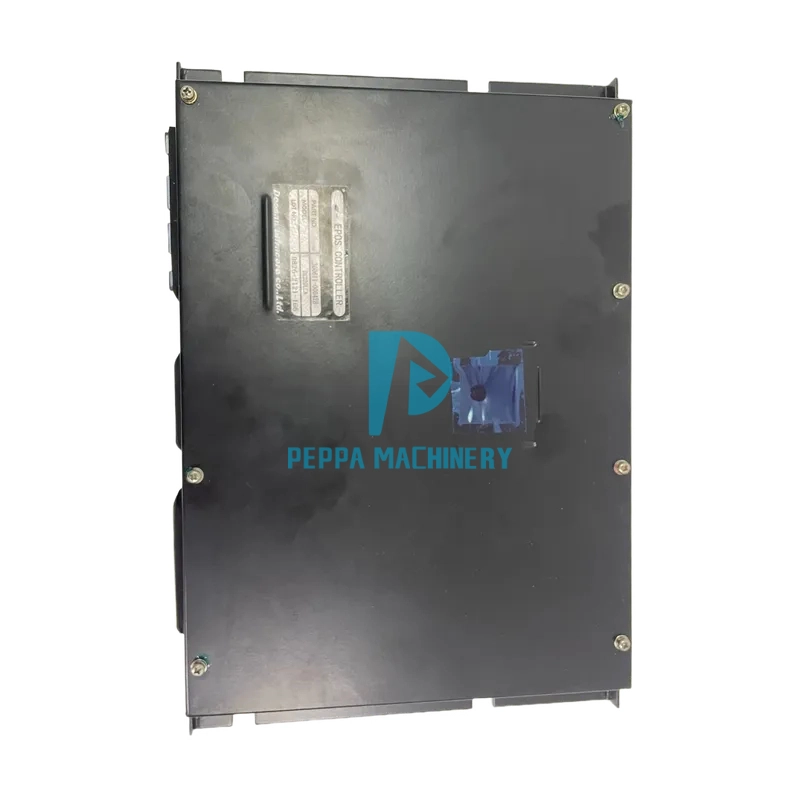
Direct-Injection Engine ECU Electric Controller 300611-00042B New Condition Iron Material for DX220LCA Excavator
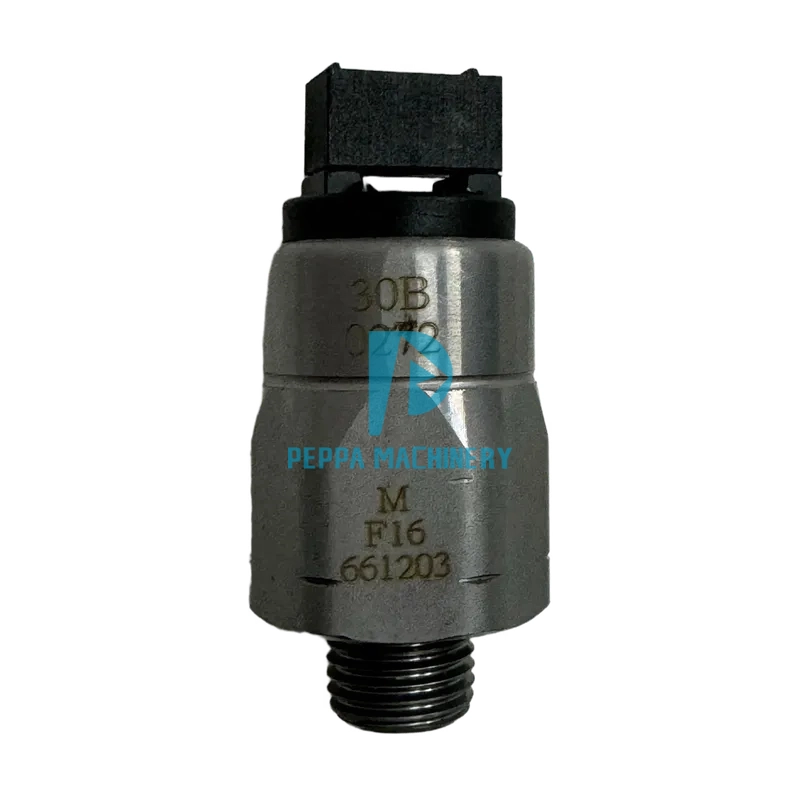
Sany Excavator Electric Oil Pressure Switch Hydraulic Oil Pressure Sensor for Engine Model 661203 661204 660404
Excavator Parts
How can I verify compatibility before placing an order?
Please provide us with your machine brand, model number, and the part number (if available). Our team will double-check the compatibility to ensure you receive the correct parts.
What brands of excavator parts do you supply?
We supply a full range of parts compatible with major international and Chinese brands, including Caterpillar, Komatsu, Hitachi, Volvo, Doosan, Hyundai, Sany, Liugong, XCMG, Zoomlion, and more.
Do you provide technical support or installation guidance?
While we do not offer on-site installation, we can provide basic technical advice, diagrams, or documentation to assist your technicians with installation and troubleshooting.
What types of parts do you mainly offer?
Our main product categories include:
• Engine parts (liner kits, crankshafts, water/oil pumps, etc.)
• Electrical parts (sensors, monitors, throttle motors, wiring harnesses)
• Hydraulic parts (pumps, valves, cylinders)
• Sealing kits (NOK, SKF, PQ brands, floating seals, O-rings)
Can I get help choosing the right parts for my machine?
Yes. Our experienced sales team is here to provide professional recommendations and solutions based on your excavator model, part number, or specific requirements.
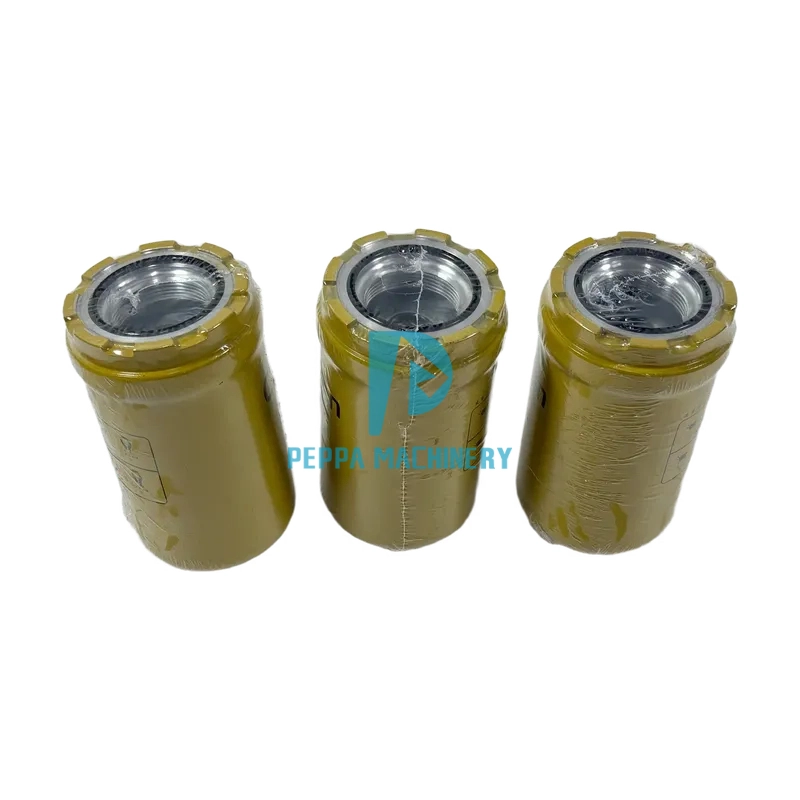
51-8670 Hydraulic Filter Applicable to HF35519 518670 2897836 518670X 1588987 Compatible with Caterpillar 352FVG 325CL
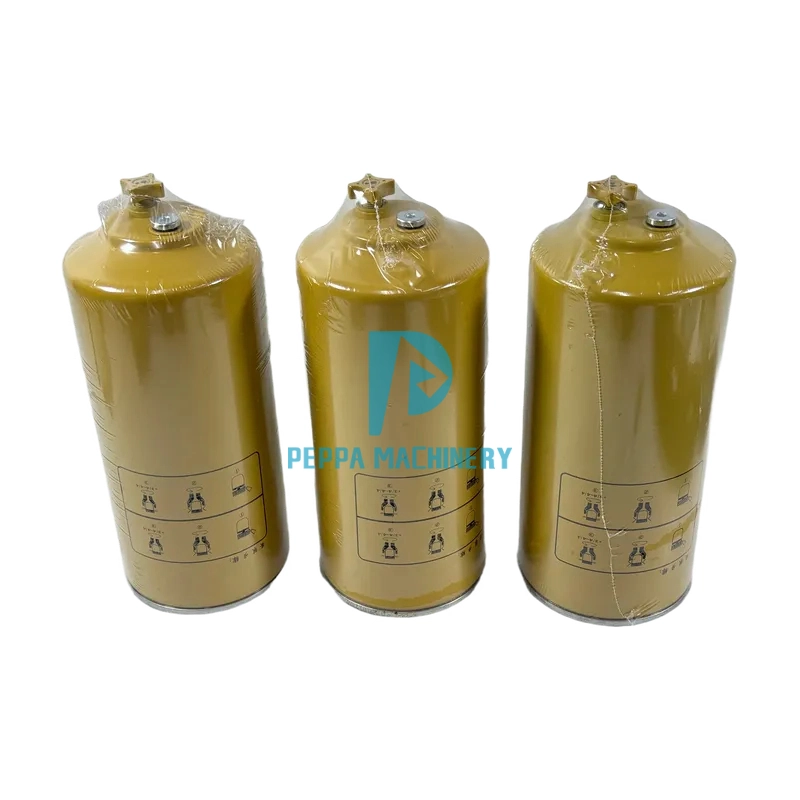
4385386 Fuel Water Separator Fuel Filter 382-0664 Oil-water Separator Hydraulic Oil Filter for CAT 312D2 320D2
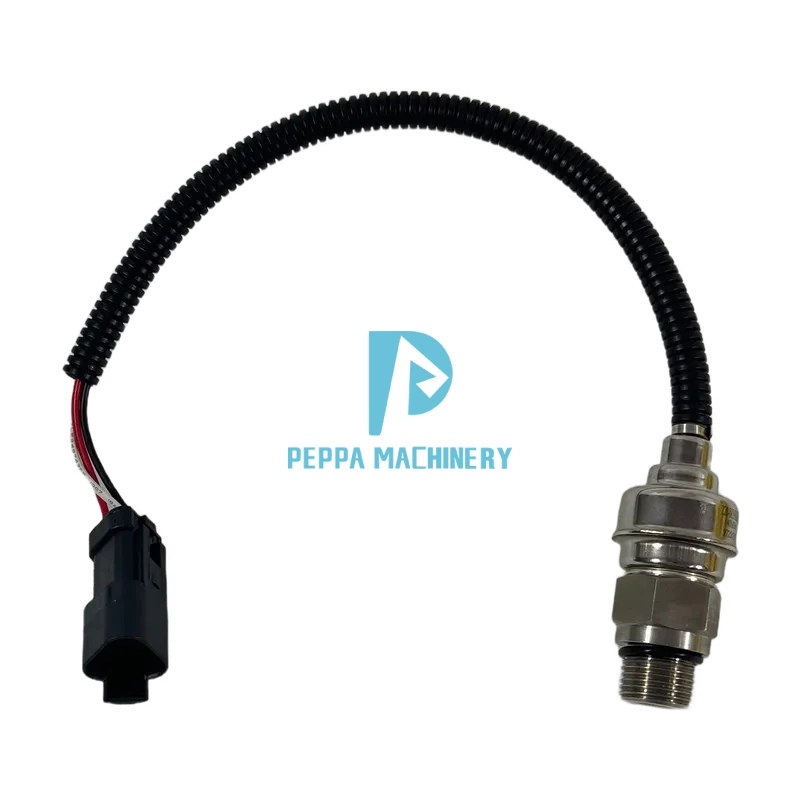
Pressure Sensor 221-8859 106-0178 for Caterpillar CAT 311B 311C 312C 314D 315B 320C 323D 324D 330C 336D 345B 385C
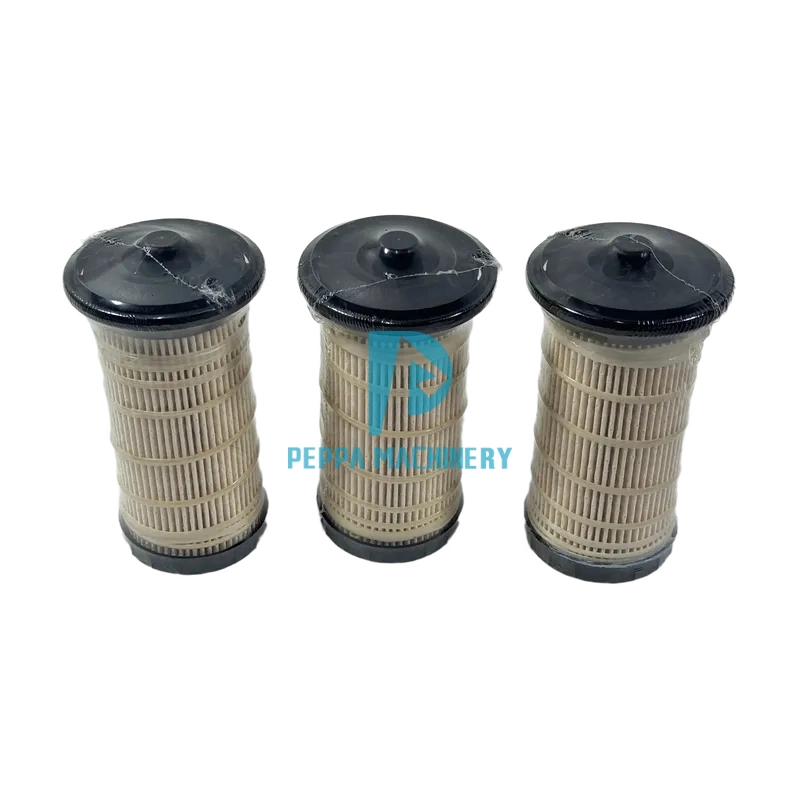
360-8960 Fuel Filter Element for Caterpillar C4.4 & C7.1 Engines | Fits 312D, 320D, 312E, 320E, 326D2, 336D2 Excavators
Get more information
Want to know more? Contact us today to get detailed product specifications, customized solutions, and a free consultation tailored to your needs.
Rest assured that your privacy is important to us, and all information provided will be handled with the utmost confidentiality.

Reliable Source for Quality Excavator Components.
Follow Us
Our Partners


Our Payment Methods


 High Quality
 7/24 Service
 Guaranteed Warranty
 Scan QR Code
Facebook
TikTok
YouTube
Pinterest
Twitter