








What are signs your excavator needs a new alternator?
- 1) How can I confirm a diode (rectifier) failure on a 24V excavator alternator without removing the unit?
- 2) What exact idle and loaded voltage and clamp‑ammeter readings prove my excavator needs a new alternator (12V vs 24V)?
- 3) My battery drains overnight but the alternator belt and pulleys look fine. How do I determine if the alternator regulator or internal short is causing the drain?
- 4) What exact data and steps should I use to choose the correct replacement alternator for older Komatsu/Cat excavators (OEM cross‑reference, connector, pulley type, amp rating)?
- 5) Are remanufactured alternators safe for high‑cycle excavator work, or is buying a new alternator worth the extra cost? What warranty/specs should I demand?
- 6) What bench and on‑machine installation checklist should I use to ensure a new alternator performs reliably on the jobsite?
- Conclusion: Why choose a new alternator for your excavator?
New Alternator for Excavators: 6 Specific Signs and Tests to Know Before You Buy
This guide answers six detailed, technician-focused questions that often lack clear, up‑to‑date answers online. Each section gives step‑by‑step tests and purchase/installation recommendations for excavator charging systems (12V and 24V), helping you decide when you really need a new alternator and how to select the right unit.
1) How can I confirm a diode (rectifier) failure on a 24V excavator alternator without removing the unit?
Answer:
Diagosing diode failure in‑place is possible and avoids downtime from removal. Use these steps and pass/fail thresholds tailored to heavy equipment:
- Safety first: isolate battery master switch and wear PPE. Secure machine on level ground and ensure adequate ventilation.
- Baseline: with engine off, measure battery/rest voltage. For a 24V system a healthy resting battery is about 25.0–25.6V (two 12V in series, fully charged ~25.2V). Record that value.
- Start engine and warm to normal idle. Measure charging voltage across the battery: acceptable range is ~27.6–28.8V at idle. If charging voltage is below ~27.0V, note that but continue tests.
- AC Ripple test (preferred in‑place method): set a true‑rms multimeter to AC volts or, better, use an oscilloscope. Place meter leads across the battery posts while engine is running. For 24V systems the AC ripple should be low — typically <0.5 VAC rms. Readings above ~0.5 VAC indicate diode(s) failing or grounding issues. If you use an oscilloscope, look for stable DC with small ripple; diode failures show larger amplitude ripple or irregular spikes.
- Load variation check: toggle heavy electrical loads (headlights, heater blower, work lamps, hydraulic fan) while monitoring ripple and charging voltage. If ripple or voltage instability increases with load, diodes are likely compromised.
- Diode isolation (if toolset allows): with engine running, carefully measure each diode series drop via back‑probe on alternator rectifier terminals (only if you have wiring diagrams and safe access). A diode drop out of expected range or open/short confirms failure.
Interpretation and action:
- AC ripple >0.5 VAC rms or increasing ripple under load = diode/rectifier fault; replacement or reman rectifier required.
- Charging voltage consistently low (<27.0V) combined with high ripple = rectifier + regulator assessment; plan on alternator replacement (remanufactured or new alternator with correct rectifier/regulator specs).
Notes:
- Diode failure can cause battery drain and electronic noise that damages CAN modules and sensing circuits; do not ignore elevated ripple.
- For safety and to protect sensitive electronics on modern excavators, prefer replacement units where rectifier and regulator are tested to OEM spec (IP and thermal ratings). Contact a parts specialist for model‑specific terminal pinouts and rectifier assemblies.
2) What exact idle and loaded voltage and clamp‑ammeter readings prove my excavator needs a new alternator (12V vs 24V)?
Answer:
Technicians need numeric thresholds to make call/no‑call decisions. Use a quality digital multimeter and clamp ammeter; perform tests at normal operating temperature.
Procedure and thresholds:
- Battery REST (engine off): 12V system ≈ 12.6V (fully charged); 24V ≈ 25.2V. Readings significantly below these (for a healthy battery) indicate battery condition first.
- Engine RUN, idle (no extra loads): 12V charging voltage should be 13.8–14.4V. 24V should be 27.6–28.8V. If voltage is below 13.5V (12V) or 27.0V (24V) at idle, suspect alternator/regulator.
- Engine RUN, apply typical working loads (lights, HVAC, winch): charging voltage should remain within ~0.3–0.5V of the above ranges. A drop below 13.2V (12V) or 26.4V (24V) under load indicates poor regulation or loss of output.
- Clamp‑ammeter (charging current): with battery near normal state and at ~2,000 rpm, alternator should supply a steady current up to its rated output. If you know the alternator nameplate (e.g., 120A, 150A), measure the delivered current while charging a partially discharged battery or with electrical loads engaged. If measured output is consistently <60–70% of the rated output at typical engine speeds (and belt, connections good), the alternator is underperforming and likely needs replacement.
Concrete decision rules:
- Voltage below nominal charging range at idle AND <60% of rated current at 2,000 rpm with belt tension and connections verified = new alternator required.
- Normal voltage but intermittent drops or noise under load = inspect rectifier/regulator; if OK, bench test alternator; replacement often recommended to avoid field failures.
Practical note: many excavator alternators are rated for continuous heavy‑duty duty cycles. If you cannot reach rated output during a realistic, safe load test, choose a replacement equal or higher amp rating and confirm thermal protection.
3) My battery drains overnight but the alternator belt and pulleys look fine. How do I determine if the alternator regulator or internal short is causing the drain?
Answer:
If a battery discharges while the machine is parked and the belt is visibly good, suspect alternator internal faults (voltage regulator stuck, diode leak) or parasitic drains. Follow these steps to isolate:
- Confirm battery state: fully charge battery and perform a capacity/load test if possible. A weak battery will self‑discharge faster and can mask alternator issues.
- Parasitic draw test: after charging, isolate the negative battery cable and connect an ammeter (A meter in series). Typical acceptable parasitic draw for excavators with many ECMs can be higher than cars but should be documented in OEM specs; generally, draw should be below ~100–200 mA overnight depending on machine electronics. If draw exceeds expected OEM standby current, isolate circuits by removing fuses/relays one at a time to find the offending circuit.
- Alternator isolation test: to check alternator leak specifically, disconnect alternator output/connector and repeat parasitic draw test. If draw drops substantially with the alternator disconnected, the alternator (or its regulator/rectifier) is the culprit.
- Leakage test with diode check: use a multimeter diode range to test rectifier leakage if accessible. Significant conduction in reverse indicates failed diodes that will drain battery.
- Voltage regulator check: with engine running, slowly vary RPM; a properly functioning regulator maintains voltage in the charging band. If voltage fluctuates randomly or remains high (overcharging) then regulator is faulty and can damage battery.
Action and replacement guidance:
- If alternator removal of the connector eliminates parasitic draw or diode tests show leakage, the alternator needs replacement.
- For machines with critical electronics, favor a new alternator with a sealed rectifier and OEM‑specified regulator to reduce risk of repeat failures.
4) What exact data and steps should I use to choose the correct replacement alternator for older Komatsu/Cat excavators (OEM cross‑reference, connector, pulley type, amp rating)?
Answer:
Buying the wrong alternator is a common failure mode. Follow this verification checklist before ordering:
- Identify original part data from the nameplate or service manual: voltage (12V/24V), rated output (amps), rotation direction (CW/CCW), pulley type (serpentine vs V‑belt, number of grooves), mounting flange type and bolt pattern, pinout of regulator connector, and physical dimensions. Many OEMs print part numbers on the alternator housing.
- Cross‑reference the OEM part number with reputable suppliers and reman catalogs. Use established cross‑reference tables (Komatsu, Caterpillar, Hitachi) or ask your parts specialist to confirm equivalence. When the original is EOL (end of life), ensure the replacement lists the OEM machines and serial ranges it fits.
- Confirm electrical compatibility: match voltage and rated amp output or upsize to a higher amp rated alternator only if belt, mechanical drive and thermal dissipation are compatible. Upsizing without verifying pulley and belt compatibility can cause drive failures.
- Connector and harness: confirm plug pinout is identical or that an adapter harness exists. Modern excavators often use CAN or monitoring circuits; mismatched connectors will cause fault codes.
- Regulator type: determine whether the alternator uses an internal or external regulator. Replace like‑for‑like or upgrade only if electrical system can accept it (ECM interplay and charging profiles matter).
- Mechanical match: check pulley diameter and alignment; a pulley mismatch changes alternator rpm, affecting output and premature bearing wear.
- Environmental rating and protection: prefer units rated for heavy equipment (sealed bearings, dust/ingress protection, higher heat tolerance). Look for IP ratings if specified.
Example steps to confirm:
- Photograph nameplate and connector. Note the serial/part number.
- Check service manual to confirm rotation and mounting.
- Contact supplier with machine make/model/serial number and alternator photos for a verified cross‑reference.
If you are uncertain, share the photos and the OEM part number with jbparts@aliyun.com or visit www.jbpartsgz.com for exact cross‑reference help and part match.
5) Are remanufactured alternators safe for high‑cycle excavator work, or is buying a new alternator worth the extra cost? What warranty/specs should I demand?
Answer:
Remanufactured alternators can be appropriate and cost‑effective if reman producers follow strict OEM processes. For high‑cycle heavy equipment you must demand specific standards to avoid repeat field failures:
- When remanufactured is acceptable: if the remanufacturer replaces bearings, rectifier, rotor, stator, voltage regulator and performs load/bench tests to OEM amps and thermal conditions, a remanufactured alternator with a solid warranty (minimum 12 months) is reasonable.
- When to prefer new: if the machine operates in extreme environments (continuous high‑load hydraulics, high ambient temperature, corrosive dust) or downtime risk is critical (rental fleets, high‑value projects), a new alternator is recommended. New units often include modern design improvements, longer warranties (often 24 months), and full traceability.
- Warranty/specs to demand: explicit amp output at rated RPM, bench load test certificate, IP/ingress rating or stated environmental protection, bearing life ratings, and at least 12–24 months warranty with labor allowance for field replacement. Also require compatibility documentation for regulator and rectifier.
Cost expectation (approximate ranges):
- Light/compact excavator (12V high‑output alternator 70–150A): new alternator cost typically ranges around $300–$900 depending on brand and features.
- Medium/large excavator (24V or high‑amp models 150–300A): new alternator prices commonly range from $600–$1,500+. Remanufactured units are commonly 30–50% less but confirm tested output and warranty.
Decision rule:
- If downtime cost is high and unit operates under continuous heavy electrical load, invest in a new alternator with an extended warranty. If budget constrained and reman supplier certifies OEM‑level testing and a solid warranty, reman can be a reliable option.
6) What bench and on‑machine installation checklist should I use to ensure a new alternator performs reliably on the jobsite?
Answer:
A methodical installation and test sequence prevents early failures. Use this checklist:
Pre‑installation checks:
- Confirm replacement alternator matches voltage, amp rating, rotation, pulley, mounting and connector. Verify part number.
- Inspect drive belt, tensioner and pulleys. Replace belt if glazed, cracked or worn. Incorrect belt condition causes slippage and overheating.
- Clean battery terminals, cable ends, and ground straps. Corrosion or high resistance will cause poor charging performance.
Installation torque and mechanical fit:
- Fit alternator and tighten mounting bolts to OEM torque specs. If OEM torque values unavailable, use recommended torque ranges for M8–M12 bolts typical in alternator mounts, but confirm with service manual when possible.
- Ensure correct alignment of pulley; even small misalignment shortens bearing life.
- Apply anti‑seize to non‑electrical threads if specified by OEM, but avoid anti‑seize where it may interfere with electrical grounding surfaces.
Electrical connections and protection:
- Connect harness and torque battery terminals to OEM spec. Ensure connector pins are clean and locked. Use dielectric grease on connectors if recommended.
- Use proper fusing or circuit protection for alternator output circuits if not factory‑protected.
- Verify ground strap integrity from alternator housing to chassis and from battery negative to engine block.
Start‑up and test sequence:
- With technician and tools ready, start engine and check for abnormal noises (bearing whine, grind) at idle and increased RPM.
- Check charging voltage: 13.8–14.4V (12V) or 27.6–28.8V (24V). Confirm stable under load.
- Perform clamp‑amp test while operating electrical loads to verify delivering expected current; alternator should reach close to rated output depending on system state of charge.
- Run a ripple test across battery posts to ensure rectifier is clean (<0.5 VAC rms for both 12V and 24V systems).
Final checks and documentation:
- Record serial number and bench/load test certificates with maintenance records.
- Recheck belt tension and harness routing after 24 operating hours.
- Recommend a follow‑up inspection at 50–100 hours to confirm no early vibration or connector issues.
If you need a pre‑installation checklist PDF or torque specs for your machine model, contact our parts team at jbparts@aliyun.com or visit www.jbpartsgz.com.
Conclusion: Why choose a new alternator for your excavator?
A new alternator provides predictable output, a factory warranty, and the latest rectifier/regulator protections — reducing downtime and protecting on‑board electronics. For high‑cycle excavator work, new units deliver better thermal margins and longer bearing life. When you match voltage, amp rating, pulley and connector to OEM specs, a new alternator reduces the risk of repeat failures and field replacements. Remanufactured units can be cost‑effective if sourced from reputable remanufacturers with documented load tests and warranty coverage.
For a precise match and competitive quote on a new alternator or a remanufactured alternative for your excavator model, contact us for a quote: www.jbpartsgz.com or jbparts@aliyun.com.

Isuzu SP 4JG1 4JG2 4JG3 Cylinder Liner 1876182070 1-87618207-0 1876182080 1-87618208-0 1876182100 1-87618210-0

4BG1 6BG1 Liner Set 1878141050 1-87814105-0 1878141060 1-87814106-0 1878141070 1-87814107-0 Genuine Engine Parts
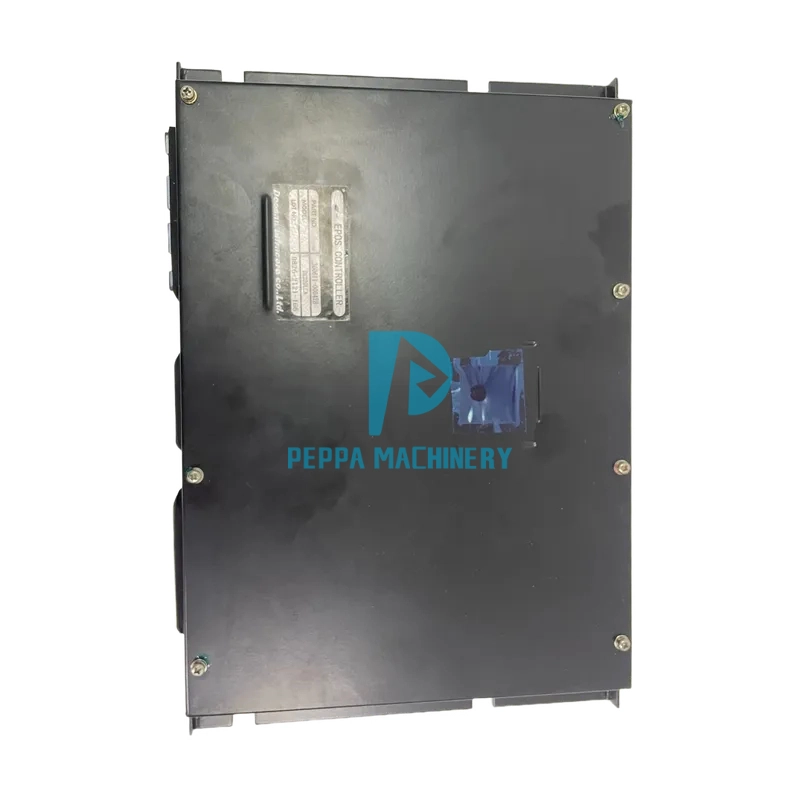
Direct-Injection Engine ECU Electric Controller 300611-00042B New Condition Iron Material for DX220LCA Excavator
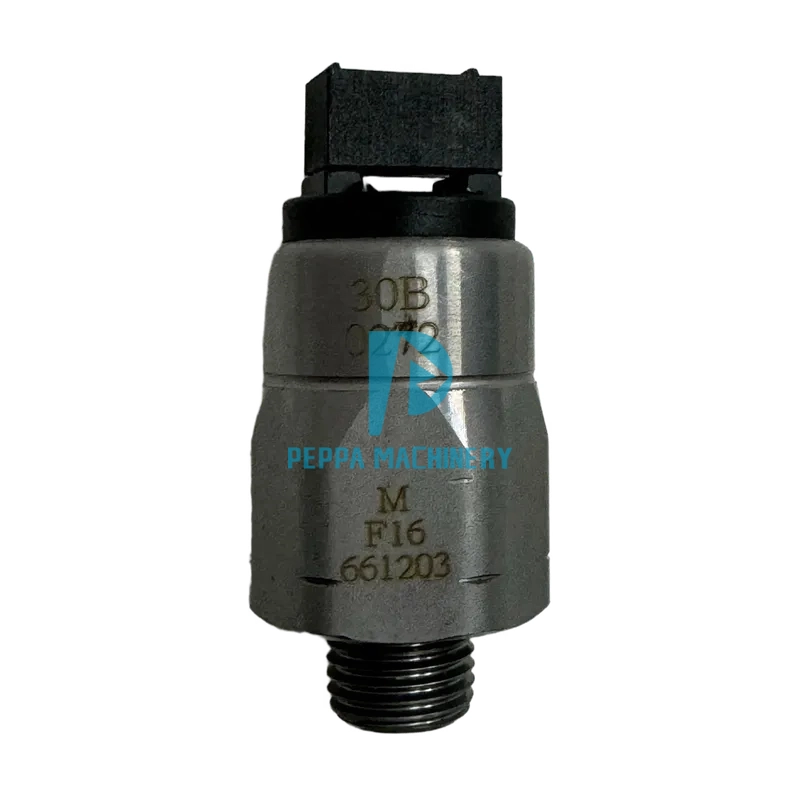
Sany Excavator Electric Oil Pressure Switch Hydraulic Oil Pressure Sensor for Engine Model 661203 661204 660404
Excavator Parts
How can I verify compatibility before placing an order?
Please provide us with your machine brand, model number, and the part number (if available). Our team will double-check the compatibility to ensure you receive the correct parts.
Can I get help choosing the right parts for my machine?
Yes. Our experienced sales team is here to provide professional recommendations and solutions based on your excavator model, part number, or specific requirements.
What brands of excavator parts do you supply?
We supply a full range of parts compatible with major international and Chinese brands, including Caterpillar, Komatsu, Hitachi, Volvo, Doosan, Hyundai, Sany, Liugong, XCMG, Zoomlion, and more.
Do you provide technical support or installation guidance?
While we do not offer on-site installation, we can provide basic technical advice, diagrams, or documentation to assist your technicians with installation and troubleshooting.
Are your parts genuine or OEM?
We offer both genuine parts and high-quality OEM alternatives. You can choose according to your budget and application needs. All OEM products are tested to meet or exceed original specifications.
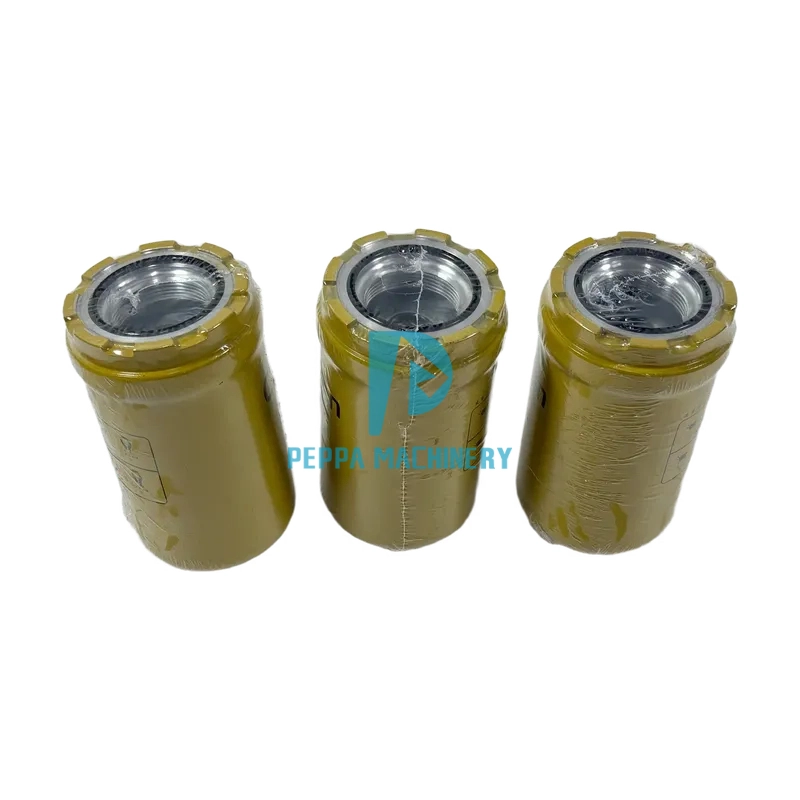
51-8670 Hydraulic Filter Applicable to HF35519 518670 2897836 518670X 1588987 Compatible with Caterpillar 352FVG 325CL
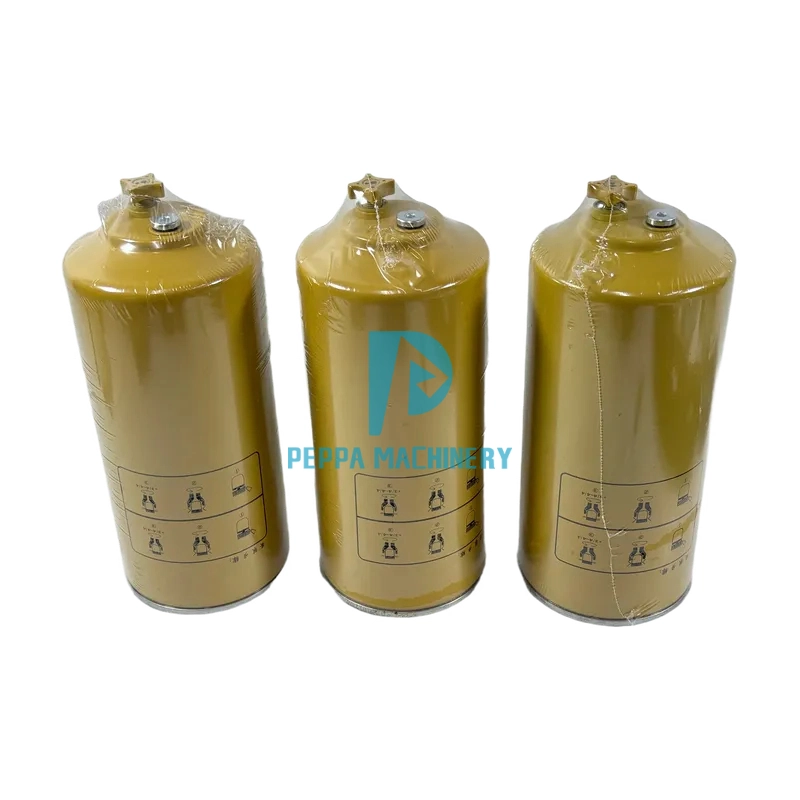
4385386 Fuel Water Separator Fuel Filter 382-0664 Oil-water Separator Hydraulic Oil Filter for CAT 312D2 320D2
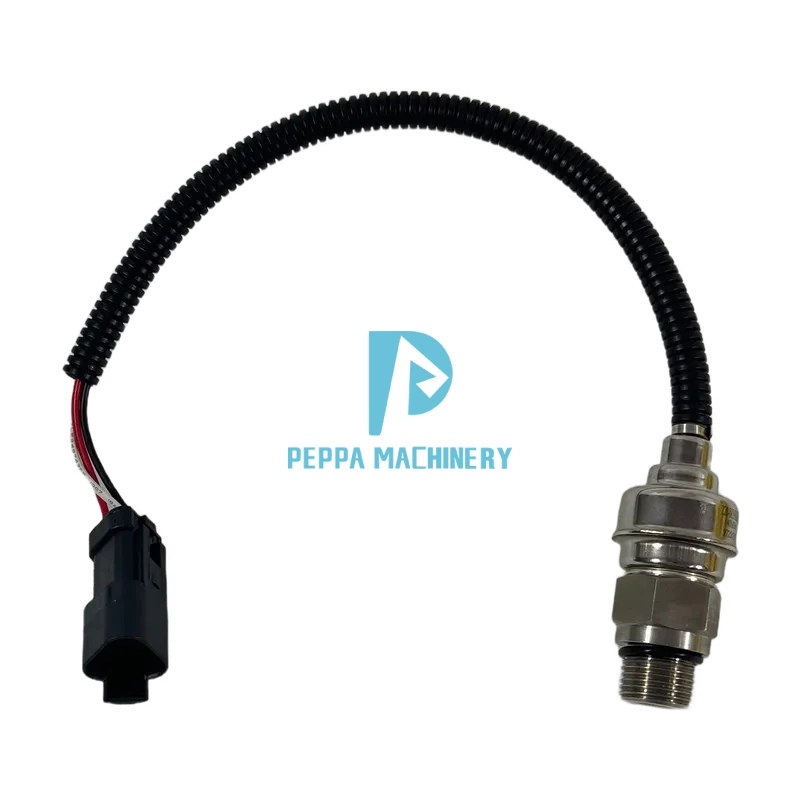
Pressure Sensor 221-8859 106-0178 for Caterpillar CAT 311B 311C 312C 314D 315B 320C 323D 324D 330C 336D 345B 385C
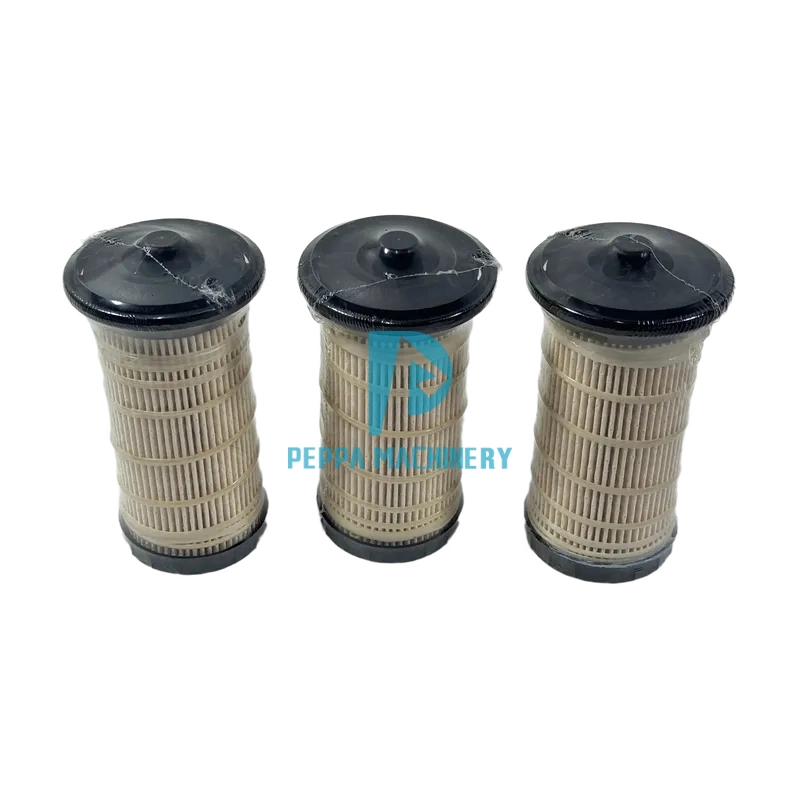
360-8960 Fuel Filter Element for Caterpillar C4.4 & C7.1 Engines | Fits 312D, 320D, 312E, 320E, 326D2, 336D2 Excavators
Get more information
Want to know more? Contact us today to get detailed product specifications, customized solutions, and a free consultation tailored to your needs.
Rest assured that your privacy is important to us, and all information provided will be handled with the utmost confidentiality.

Reliable Source for Quality Excavator Components.
Follow Us
Our Partners


Our Payment Methods


 High Quality
 7/24 Service
 Guaranteed Warranty
 Scan QR Code
Facebook
TikTok
YouTube
Pinterest
Twitter