








Is this new alternator compatible with my excavator model?
- 1. How can I confirm the correct voltage and amperage my excavator needs when the original alternator has no visible labels?
- 2. Can I install a higher-amperage new alternator on my excavator without upgrading the battery or wiring?
- 3. How do I match the pulley type, size and rotation of a new alternator to my excavator's belt drive?
- 4. Is a remanufactured alternator as reliable as a brand-new OEM alternator for heavy-use excavators?
- 5. How can I verify a new alternator's regulator and sensing wiring are compatible with my excavator's ECU or CAN charging system?
- 6. What physical measurements and bench tests should I perform before installing a new alternator to ensure fit and avoid downtime?
New Alternator: Is This New Alternator Compatible With My Excavator Model?
Buying a new alternator for an excavator involves more than matching part numbers. This guide answers six deep, beginner-focused questions — voltage and amperage checks, pulley and rotation matching, regulator/ECU compatibility, remanufactured vs new choices, and pre-install fit tests — so you get the right alternator and avoid costly downtime.
1. How can I confirm the correct voltage and amperage my excavator needs when the original alternator has no visible labels?
Why this matters: Using the wrong voltage (12V vs 24V) or underpowered amperage can cause battery failure, insufficient charging, or damage to electronic controls.
Step-by-step check:
- Find the machine identification: note the model, serial/VIN and engine serial. These are often printed on the cab door or chassis plate. The OEM parts catalog or service manual tied to that serial will list electrical specifications and OEM alternator part numbers.
- Measure system voltage with a multimeter across the battery terminals with engine off. A resting 12V system shows ~12.4–12.8V; a 24V system shows ~24.8–25.6V. This confirms system voltage if labels are missing.
- Measure charging voltage with engine running at idle: a healthy 12V charging system should read about 13.8–14.5V; a 24V system should read about 27.6–29V. If charging voltage is absent or abnormal, the old alternator is suspect.
- Estimate required amperage: list electrical consumers (starter size, lights, heater/AC blower, hydraulic control electronics, GPS/telemetry, auxiliary work lights, battery charging rate). Typical small/medium excavator alternators range from about 70–200 amps (12V); larger machines or 24V systems can require 100–300 amps or more. Use the OEM load table in the service manual; if unavailable, measure current draw with a clamp ammeter under normal operating conditions to size the alternator accordingly.
- Cross-reference: use the OEM alternator part number stamped on the old unit (if legible) or look up the machine in OEM parts catalogs and online databases. If the old tag is missing, provide the dealer the machine serial to get exact alternator specs.
Practical tips: never assume a higher-voltage alternator will work in a lower-voltage system or vice versa. Also, if your machine has added aftermarket accessories (lights, heater, radio, winches), add their steady-state and peak loads to the alternator sizing calculation.
2. Can I install a higher-amperage new alternator on my excavator without upgrading the battery or wiring?
Why this matters: People often think bigger is better, but mismatches can cause wiring overheating, blown fuses, belt slip, or unbalanced charging.
Key considerations:
- Wiring and fusible links: the alternator may be capable of higher output, but the battery cables, charging harness and main fusible links must be sized to carry higher continuous current. If wiring is undersized, it can overheat. Check OEM wiring gauge specs or visually inspect for heavy-gauge cables on high-output alternators.
- Battery acceptance and health: a battery in poor condition cannot accept high charge currents effectively; you may see excessive heat and shortened battery life. When increasing alternator output, verify battery condition and replace with a battery rated for the higher charge rate if necessary.
- Belt and pulley: higher output may require the alternator to work harder. Ensure the belt, tensioner and pulley diameters are compatible and can deliver the required drive speed without excessive slip. A pulley mismatch can limit alternator output and cause premature belt wear.
- Regulator constraints: many alternators have internal regulators that limit output. You may install a physically larger alternator, but if its regulator or charging algorithm differs from OEM expectations, it may not provide the expected continuous current or could conflict with machine electronics.
Conclusion: You can often fit a higher-amperage alternator, but only after verifying wiring gauge, main fuse ratings, pulley compatibility and battery condition. When in doubt, consult the OEM electrical diagrams or contact a parts specialist with your machine serial number.
3. How do I match the pulley type, size and rotation of a new alternator to my excavator's belt drive?
Why this matters: Wrong pulley type or direction causes belt misalignment, poor charging at idle/low RPM, noise, or alternator bearing overload.
Checklist to match pulleys and rotation:
- Identify belt type: is the machine using a single V-belt, multi-rib serpentine belt, or cogged belt? Match the alternator pulley groove count and profile exactly.
- Measure pulley diameter: effective pulley diameter affects alternator RPM. Alternators are designed to operate within specific RPM ranges. A significantly different pulley diameter can over-speed or underdrive the alternator at engine idle or max RPM.
- Check rotation direction: some alternators have rotation-sensitive cooling fans and brush orientation. Verify clockwise or counter-clockwise rotation by observing the belt path and the alternator shaft turning direction before removal, and match with the replacement part specification.
- Consider pulley on/off center and shaft length: ensure the replacement’s shaft length and spacer arrangement maintain belt alignment with adjacent accessories. Misalignment causes belt wear and accessory damage.
- If the machine uses an overdrive or undersized pulley to boost alternator RPM at idle, confirm the replacement alternator is rated for that higher RPM; excessive speed can damage bearings or the regulator.
Actionable steps: remove and measure the old pulley if unsure; photograph belt routing and take a caliper measurement of the pulley. If purchasing from a supplier, provide photos and dimensions so they can confirm pulley compatibility or provide the correct pulley option.
4. Is a remanufactured alternator as reliable as a brand-new OEM alternator for heavy-use excavators?
Why this matters: Excavators operate in harsh environments with heavy electrical demands; component reliability impacts uptime and lifecycle costs.
Comparing options:
- New OEM alternator: generally offers original-fit dimensions, regulator calibration and warranty. Best when machine electronics or warranty considerations require OEM-spec parts. Higher upfront cost but predictable lifecycle in heavy-duty applications.
- New aftermarket alternator: quality varies. High-quality aftermarket units from reputable manufacturers can equal OEM performance at lower cost. Verify that brushes, regulators and bearings are heavy-duty and rated for continuous duty cycles specific to construction equipment.
- Remanufactured alternator: quality depends on remanufacturer standards. A proper reman should replace wear items (bearings, brushes, regulator, rectifier diodes), balance the rotor and bench-test the unit under load. However, low-cost remans may cut corners.
Recommendations for heavy-use excavators:
- Choose new OEM or a documented heavy-duty aftermarket alternator when operating hours and electrical loads are high. They typically include robust bearings, reinforced cooling and long warranties.
- If selecting remanufactured, demand a dyno test report showing output at specified RPMs, a warranty of at least 6–12 months, and a transparent parts list of what was replaced.
- Consider total cost of ownership: downtime and replacement labor can exceed initial savings from low-cost remans.
5. How can I verify a new alternator's regulator and sensing wiring are compatible with my excavator's ECU or CAN charging system?
Why this matters: Modern excavators may use controlled charging strategies where the alternator communicates with the ECU or uses remote sense/field control wires. An incompatible alternator can trigger fault codes or prevent proper charging.
How to verify compatibility:
- Identify control architecture: check the service manual or cab wiring diagram to determine whether the machine uses a simple positive sense wire and ignition exciter, or a smarter system with voltage sense, field control and communication over CAN or LIN bus.
- Inspect the alternator connector: count pins and compare functions. Typical connectors include B+ (battery), D+/L (warning lamp/excitation), sense (S) and sometimes a field control or CAN connector. Match pin functions exactly; a physical mating plug with different signals can damage the ECU or alternator.
- Smart alternators: if your machine uses a smart alternator that accepts control signals from the ECM/ECU (e.g., charge requests or load-dependent charging), you must replace it with a like-for-like smart unit. Replacing a smart alternator with a basic unit can disable charging control and cause warning lights or reduced fuel/engine management features.
- Ask the supplier for the alternator wiring diagram and regulator type (internal vs external). If the OEM alternator had an external regulator module, the same architecture is required unless you retrofit the wiring and controls.
Action: provide your parts supplier or dealer with the excavator model, serial number and photos of the alternator connector. If necessary, request a pinout and confirm that the replacement's regulator and CAN/communication protocols match the machine's requirements.
6. What physical measurements and bench tests should I perform before installing a new alternator to ensure fit and avoid downtime?
Why this matters: Installing an alternator that's physically incompatible leads to immediate rework and downtime.
Pre-install checklist:
- Visual and dimensional checks: compare mounting flange bolt pattern, hole spacing, and shaft length. Measure overall length and width for clearance within the engine bay.
- Pulley and belt alignment: confirm pulley position relative to other driven accessories. Check belt centerlines to avoid misalignment after installation.
- Connector and harness match: verify the alternator connector pinout matches the machine harness. Confirm B+, ground, sense and exciter pins align one-to-one.
- Bench test or request test sheet: ask the supplier for an alternator bench test (dynamometer) showing output amperage across expected RPM range and voltage regulation under load. For 12V systems expect regulated voltage near 13.8–14.5V at normal operating RPMs; for 24V systems expect about 27.6–29V. A printed test sheet is valuable evidence.
- Mechanical inspection: verify the alternator cooling fan orientation, check for any shipping damage, and confirm accessory bracket compatibility if required.
- Plan installation steps: replace belt and tensioner if worn, clean and check battery and ground connections, use a torque wrench and follow OEM torque specifications for mounting bolts. After installation, verify charging voltage at the battery under idle and under increased electrical load.
Final installation note: after fitting the alternator, run a functional test under typical hydraulic loads and lights on to confirm stable voltage and absence of fault codes in the machine’s diagnostic system.
Conclusion: advantages of a correct new alternator and professional compatibility checks
Using a correctly matched new alternator ensures stable charging, longer battery life, prevention of electrical faults and reduced downtime. Verifying voltage, amperage, pulley/rotation, regulator type and ECU/CAN compatibility before purchasing prevents installation rework and potential electronic damage. For high-hour construction equipment, invest in OEM or high-quality heavy-duty alternators backed by test reports and warranties. Always document machine serials, alternator part numbers and connector pinouts when ordering.
For a fast quote and compatibility check, contact us at jbparts@aliyun.com or visit www.jbpartsgz.com.

Isuzu SP 4JG1 4JG2 4JG3 Cylinder Liner 1876182070 1-87618207-0 1876182080 1-87618208-0 1876182100 1-87618210-0
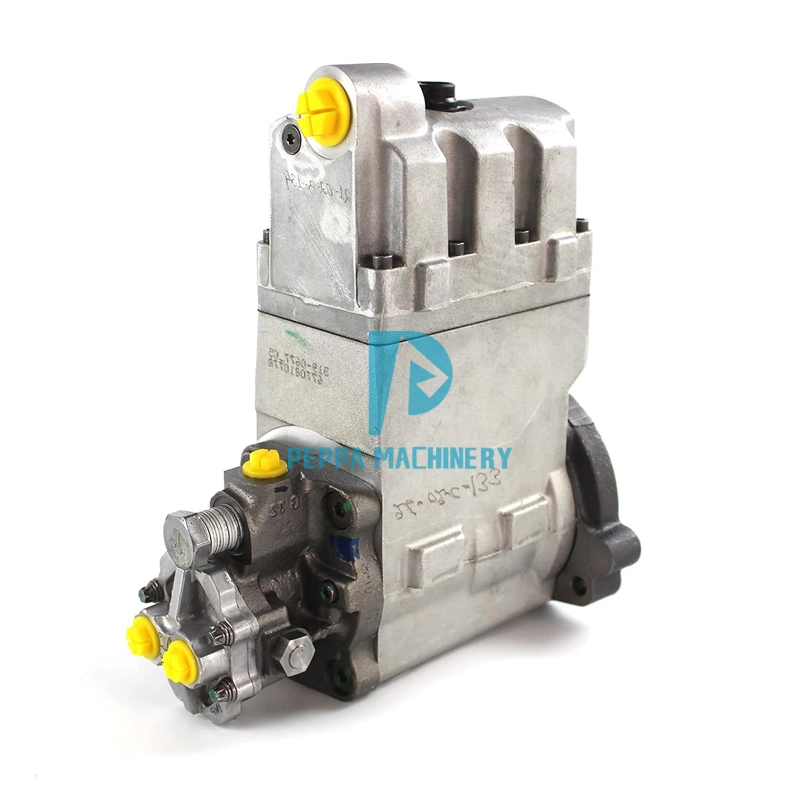
Fuel Feed / Transfer Pump Assembly for Caterpillar C7 & C9 Engines | Direct Replacement for OEM Parts #319-0678, 254-4358, 304-0678, 295-4778, 228-589
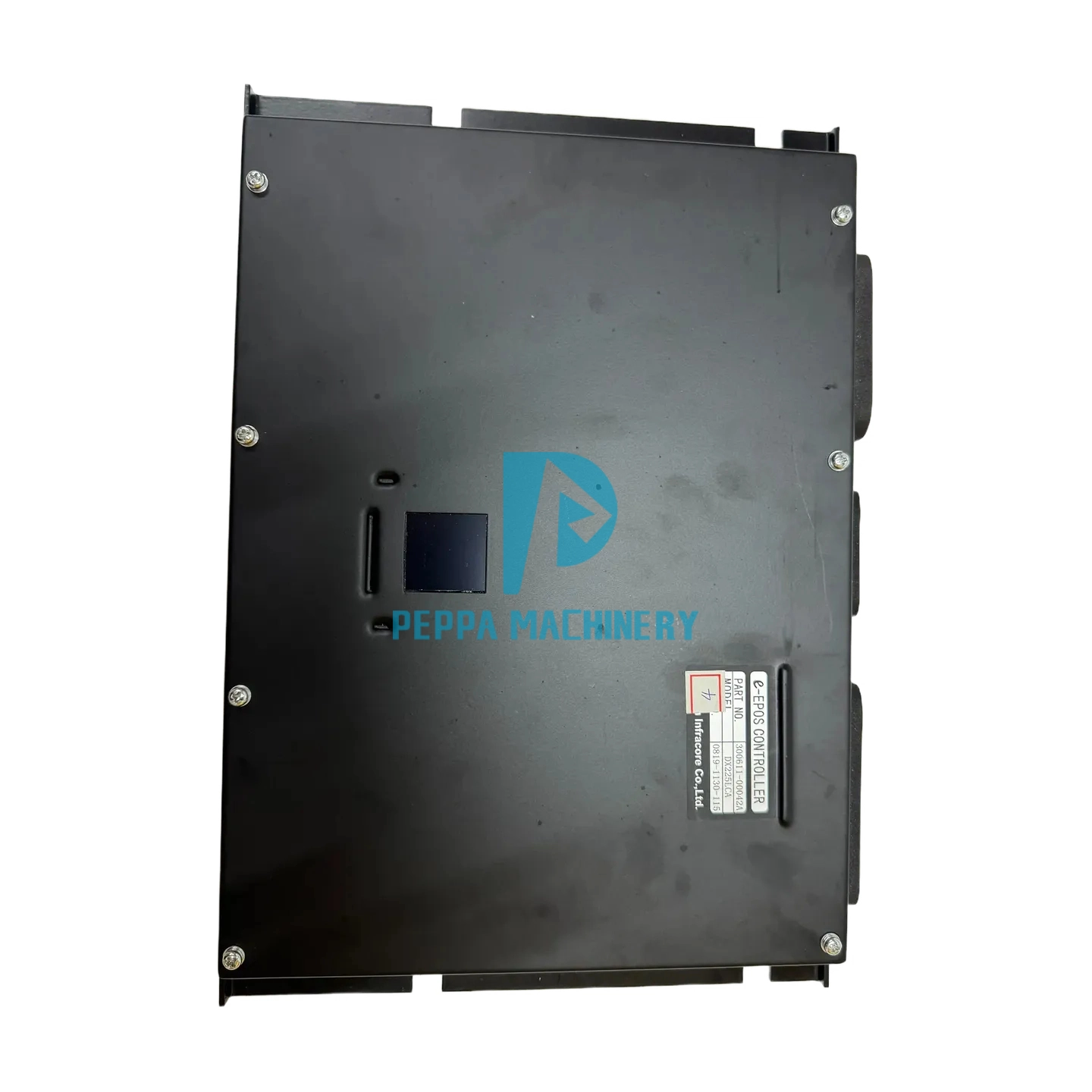
Excavator Accessories Excavator Controller DX225 DX225LCA E-EPOS Controller Computer Board 300611-00042 K1026740 K1001369C K1056425 ECU ECM

Isuzu Engine 6WG1 Turbo 1876183290 1-87618329-0 8981921861 8-98192186-1 14400-4441 1144004370 114400-4370 49188-018312 49188-11940
Excavator Parts
What brands of excavator parts do you supply?
We supply a full range of parts compatible with major international and Chinese brands, including Caterpillar, Komatsu, Hitachi, Volvo, Doosan, Hyundai, Sany, Liugong, XCMG, Zoomlion, and more.
Do you provide technical support or installation guidance?
While we do not offer on-site installation, we can provide basic technical advice, diagrams, or documentation to assist your technicians with installation and troubleshooting.
What types of parts do you mainly offer?
Our main product categories include:
• Engine parts (liner kits, crankshafts, water/oil pumps, etc.)
• Electrical parts (sensors, monitors, throttle motors, wiring harnesses)
• Hydraulic parts (pumps, valves, cylinders)
• Sealing kits (NOK, SKF, PQ brands, floating seals, O-rings)
How can I verify compatibility before placing an order?
Please provide us with your machine brand, model number, and the part number (if available). Our team will double-check the compatibility to ensure you receive the correct parts.
Can I get help choosing the right parts for my machine?
Yes. Our experienced sales team is here to provide professional recommendations and solutions based on your excavator model, part number, or specific requirements.
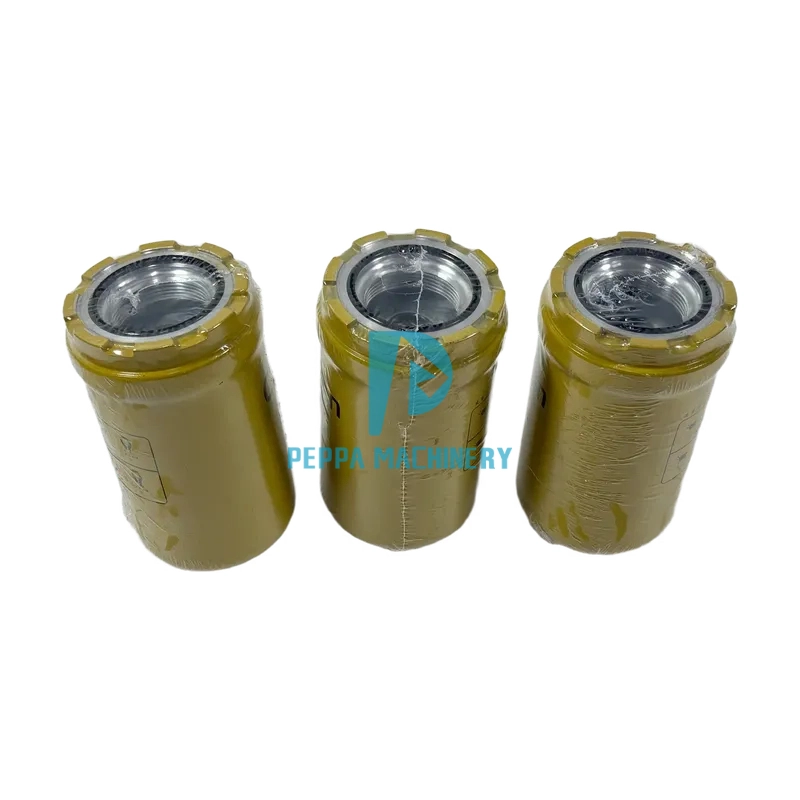
51-8670 Hydraulic Filter Applicable to HF35519 518670 2897836 518670X 1588987 Compatible with Caterpillar 352FVG 325CL
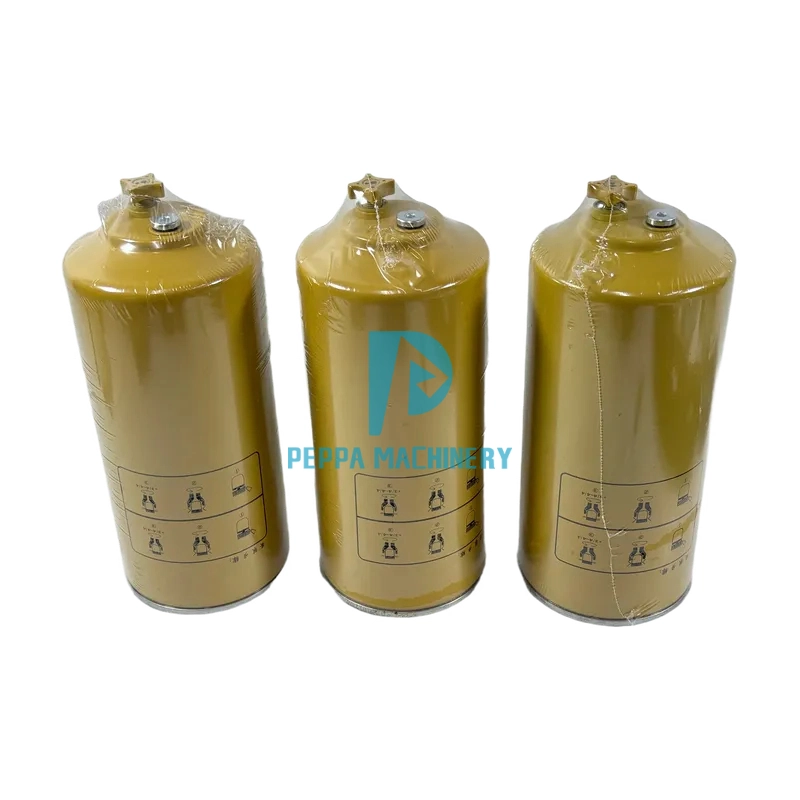
4385386 Fuel Water Separator Fuel Filter 382-0664 Oil-water Separator Hydraulic Oil Filter for CAT 312D2 320D2
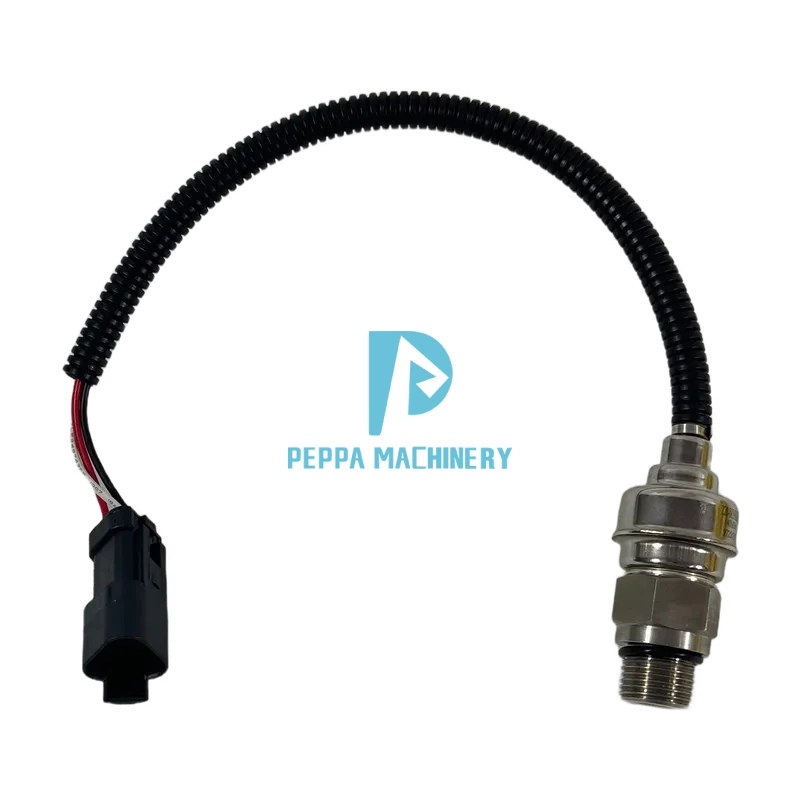
Pressure Sensor 221-8859 106-0178 for Caterpillar CAT 311B 311C 312C 314D 315B 320C 323D 324D 330C 336D 345B 385C
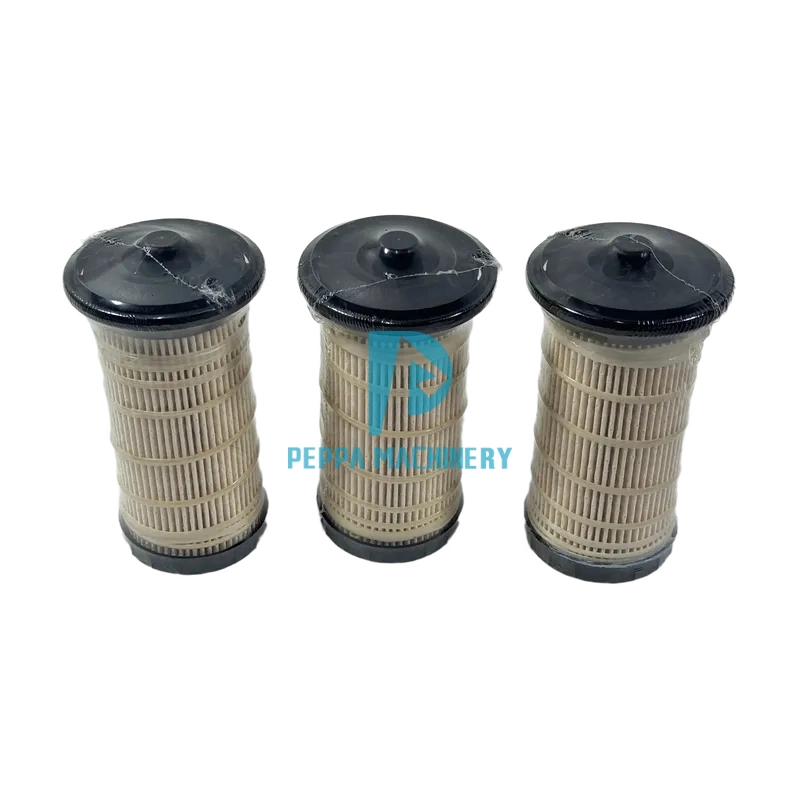
360-8960 Fuel Filter Element for Caterpillar C4.4 & C7.1 Engines | Fits 312D, 320D, 312E, 320E, 326D2, 336D2 Excavators
Get more information
Want to know more? Contact us today to get detailed product specifications, customized solutions, and a free consultation tailored to your needs.
Rest assured that your privacy is important to us, and all information provided will be handled with the utmost confidentiality.

Reliable Source for Quality Excavator Components.
Follow Us
Our Partners


Our Payment Methods


 High Quality
 7/24 Service
 Guaranteed Warranty
 Scan QR Code
Facebook
TikTok
YouTube
Pinterest
Twitter