








Which new alternator brands are reliable for heavy-duty excavators?
- 1) Which new alternator brands are reliable for heavy-duty excavators?
- 2) How do I match a new alternator's voltage and amp output to my excavator's low-idle charging needs?
- 3) What OEM part numbers, serial details and measurements do I need to order the correct new alternator for Cat/Komatsu/Hitachi excavators?
- 4) Can I replace a failed alternator with a higher-output new alternator without damaging the excavator's electrical system?
- 5) What are the red flags and serial checks to avoid counterfeit or poor-quality new alternators for heavy-duty excavators?
- 6) Is it better to buy a new alternator from an OEM (Cat/Komatsu) or aftermarket brands (Remy/Denso/Prestolite) for long-term uptime?
- Practical bench and field checks to validate a new alternator after installation
- Conclusion — Advantages of choosing a reliable new alternator brand for heavy-duty excavators
Which new alternator brands are reliable for heavy-duty excavators?
Buying a new alternator for a heavy-duty excavator is more than picking a name — it’s matching electrical performance, mounting, regulator type and environmental durability so the charging system keeps batteries charged, electronics stable and downtime minimal. Below are six common, specific long-tail questions beginners ask that frequently have incomplete answers online, followed by in-depth, practical responses you can use when purchasing alternator parts.
1) Which new alternator brands are reliable for heavy-duty excavators?
Reliable brands for heavy-duty excavators are those that supply OEM programs, have heavy-equipment product lines, and publish clear electrical/mechanical specifications. Widely used and trusted names in the industry include:
- Caterpillar Genuine / Cat Reman — direct OEM for Cat machines; strong warranty & fitment accuracy for Cat series excavators.
- Komatsu / Komatsu Genuine — OEM supplier for Komatsu excavators; use these where possible for guaranteed compatibility.
- Delco Remy (Remy) — long history in heavy-duty alternators; common in truck and equipment markets and used as OEM or aftermarket replacements.
- Prestolite Electric — large heavy-equipment alternator product line and remanufacturing; built for harsh duty cycles.
- DENSO / Mitsubishi Electric — common OEM suppliers for Japanese OEMs (e.g., Hitachi, Kobelco) and known for high-quality alternator engineering.
- Bosch & Valeo — strong reputations for robust alternators; often used by European OEMs and in aftermarket supply for excavators.
Why these brands? They have documented heavy-duty product lines, published electrical output curves, supply OEM part programs, and offer remanufactured options with controlled rebuild procedures. When selecting a replacement new alternator, prioritize brands that either supplied your machine originally or supply aftermarket units with explicit cross-reference to the OEM part number and published idle and rated RPM performance.
2) How do I match a new alternator's voltage and amp output to my excavator's low-idle charging needs?
This is a top practical pain point: machines spend much time at low idle, so peak output at high RPM isn’t the only metric — low-idle charging capability and the alternator’s charging curve matter.
Steps and specifics:
- Confirm system voltage first: mini and compact excavators commonly use 12 V systems; medium and heavy excavators frequently use 24 V systems. Check the operator’s manual or battery bank (two 12 V batteries in series = 24 V).
- Expected charging voltage ranges (typical): for 12 V systems: ~13.7–14.7 V when running; for 24 V systems: ~27.4–29.4 V when running. If you measure outside these ranges, charging/regulation or alternator health is suspect.
- Get the OEM alternator’s amperage curve (or datasheet). Important numbers: rated output at rated rpm (e.g., 100 A @ 2000–3000 rpm) and output at typical low idle (often specified at ~800–1200 rpm on equipment alternator datasheets). Choose an alternator whose low-idle output equals or exceeds your machine’s parasitic and charging needs (starter recharging, heater/glow plugs, control modules, telematics, lights, auxiliary hydraulics, etc.).
- If the OEM alternator provides 70 A at low idle but you have added accessories (extra lighting, high-power telematics, heated cab), select a new alternator rated higher at low-idle or with a flatter low-rpm output curve. Do not assume peak-rated output at high RPM solves low-idle deficits.
- When in doubt, pick a new alternator with equal voltage and slightly higher low-idle amperage rating from a reputable brand — but confirm regulator compatibility and mechanical fit. Increasing amperage without addressing belt, pulley and regulator limits can create other failures.
3) What OEM part numbers, serial details and measurements do I need to order the correct new alternator for Cat/Komatsu/Hitachi excavators?
Sourcing errors cause most fitment problems. Gather these exact items before ordering:
- Machine model and serial/VIN number (from the data plate). This lets suppliers cross-check electrical configurations tied to build options.
- OEM alternator part number stamped on the body or bracket. If the existing alternator is missing numbers, note key mechanical dimensions: mounting flange locations, bolt hole spacing (mm), shaft/pulley diameter and type (serpentine vs narrow V-groove), length from mounting surface to pulley center, and direction of rotation.
- Electrical connector style and pinout — many alternators use manufacturer-specific connectors and integrated regulators. Photograph the connector and wiring harness before removal.
- Record system voltage and battery bank configuration (series/parallel) and battery capacity (Ah). This helps match regulator characteristics to battery chemistry and capacity.
- State whether the alternator is internally or externally regulated. Some excavators use external regulators or ECM-controlled charging; replacing an internal-regulated unit with a different regulator type requires control-system checks or reprogramming.
Provide this information to your parts supplier (or use it on jbpartsgz.com) to obtain a new alternator that drops in mechanically and matches electrical connections and charging behavior.
4) Can I replace a failed alternator with a higher-output new alternator without damaging the excavator's electrical system?
Short answer: sometimes — but you must evaluate mechanical, electrical and thermal systems before upgrading.
Key considerations and safe procedure:
- Regulator compatibility: Alternator output is controlled by a voltage regulator. If you install a higher-output alternator with a different regulator characteristic (higher charging voltage or different regulation curve), you can overcharge batteries or upset electronic modules. Confirm the replacement alternator’s regulation voltage matches OEM (example: 14.4 V nominal for 12 V systems).
- Belt, pulley and accessory load: Higher-output alternators may have larger rotors or heavier pulleys that increase belt load. Check belt tensioner capacity and ensure pulleys align correctly to avoid premature belt or bearing failure.
- Wiring and fuse protection: Higher charging current requires heavier gauge output cabling, appropriately rated fusible links and connectors. Inspect and upgrade wiring if the new alternator can supply significantly higher current than the original wiring was designed for.
- Heat dissipation & mounting space: More capable alternators can run hotter and need adequate cooling and clearance. Verify mounting brackets and airflow are sufficient.
- ECM/CAN considerations: Some modern excavators have the charging function tied into the engine control module or battery management system. Upgrading output might require recalibration in those systems to avoid diagnostic faults.
Recommendation: match voltage setpoints exactly, choose modestly higher low-idle amp ratings if needed, and verify wiring and belt capacity. Consult the machine’s electrical manual or a trusted supplier (e.g., jbpartsgz.com) to confirm compatibility before upgrading.
5) What are the red flags and serial checks to avoid counterfeit or poor-quality new alternators for heavy-duty excavators?
Counterfeit or low-quality alternators are a major risk. Red flags and avoidance steps:
- Red flags: missing or inconsistent part numbers, generic packaging, unusually low price without supplier reputation, different weight/finish from OEM photos, cheap connectors or plastic housings where metal is expected.
- Verify serials and labels: OEM and reputable remanufacturers use verifiable part numbers and QR codes or traceable serial numbers. Ask suppliers for batch/serial verification and proof of cross-reference to the machine’s OEM part number.
- Documentation & datasheets: a reputable manufacturer provides datasheets showing rated amps at specific RPMs, regulator type, pinouts and mechanical drawings. Lack of datasheets is a red flag.
- Warranty & return policy: choose suppliers offering at least a 12-month warranty and clear RMA policies. Genuine OEMs and established remanufacturers commonly provide warranties — unknown sellers on marketplaces often do not.
- Buy channels: prefer OEM dealers, authorized distributors, or well-established heavy-equipment alternator remanufacturers. If buying aftermarket, ask for references of installations on your machine make/model.
- Bench testing: ask the supplier to bench test alternators (voltage/regulation and rectifier diode checks) and provide test reports. On-site, you can measure charging voltage and clamp-meter current at idle and at higher rpm as acceptance checks.
Following these steps reduces the chance of counterfeit or mis-specified new alternators entering your fleet and causing downtime.
6) Is it better to buy a new alternator from an OEM (Cat/Komatsu) or aftermarket brands (Remy/Denso/Prestolite) for long-term uptime?
Both options are valid; the best choice depends on priorities: fitment certainty, cost, warranty and available technical support.
Comparison points:
- OEM (Cat/Komatsu/etc.): Pros — guaranteed fit and wiring compatibility, factory calibration, and direct support via dealer networks. Cons — typically higher cost and potentially longer lead times depending on dealer inventory.
- Reputable aftermarket (Remy/Denso/Prestolite/Bosch): Pros — often better price-performance ratio, wide product lines that include upgraded low-idle output options, and reman/new choices. Many are OEM suppliers in other programs (meaning their engineering meets OEM standards). Cons — you must confirm exact cross-reference and that the aftermarket regulator/connector is compatible.
- Remanufactured OEM: Reman units from trusted remanufacturers can be cost-effective with testing/warranty backing; ensure reman certifications and rebuilt-to-spec documentation are provided.
Recommended approach: for critical machines where downtime cost is high and machine compatibility is nuanced, prefer OEM or OEM-specified replacements. For fleet maintenance where cost-to-performance and improved low-idle charging are priorities, a reputable aftermarket new alternator with matching OEM cross-reference and warranty is often the best balance. Always insist on published specs (amps @ rpm, voltage regulation curve) and a clear warranty/return policy.
Practical bench and field checks to validate a new alternator after installation
Check these items immediately after installing a new alternator to confirm correct operation:
- Initial static test: with engine off, battery voltage should read ~12.6–12.8 V (12 V system) or ~25.2 V (24 V bank) on a fully charged battery.
- Running voltage test: with engine at normal operating RPM, measure voltage at the battery terminals. Expect ~13.7–14.7 V (12 V) or ~27.4–29.4 V (24 V). Variations outside this range indicate regulator or wiring issues.
- Low-idle test: measure voltage and charging current at the machine’s typical idle. Confirm the alternator supplies sufficient charging current for battery recovery and accessories. Use the supplier’s low-rpm amp specification as a baseline.
- Load test: operate common electrical loads (lights, heater blowers, telematics) and confirm voltage remains stable. Voltage dips or erratic readings suggest regulator or alternator issues.
- Inspect wiring & connectors: under load, check for hot connectors or fuse links which indicate undersized wiring or poor contacts.
If any test fails, pull diagnostic trouble codes and contact your supplier. Proper bench testing (including diode and regulator checks) before installation prevents many field failures.
Conclusion — Advantages of choosing a reliable new alternator brand for heavy-duty excavators
Selecting a reputable new alternator brand and the correct specification delivers measurable benefits: reduced downtime, predictable low-idle charging performance, fewer warranty incidents, correct electrical compatibility (avoiding overcharge or CAN/ECM faults), and longer service life under harsh jobsite conditions. Prioritize brands that supply OEMs, provide datasheets (amps @ rpm and regulator type), and back parts with clear warranties and test documentation. When in doubt, match OEM part numbers and provide machine serial data to your supplier to ensure a drop-in solution.
For a competitive quote on the correct new alternator or OEM cross-reference, contact us at www.jbpartsgz.com or email jbparts@aliyun.com — we will verify fitment using your machine model and serial number and provide tested options with warranty and datasheets.

Isuzu SP 4JG1 4JG2 4JG3 Cylinder Liner 1876182070 1-87618207-0 1876182080 1-87618208-0 1876182100 1-87618210-0
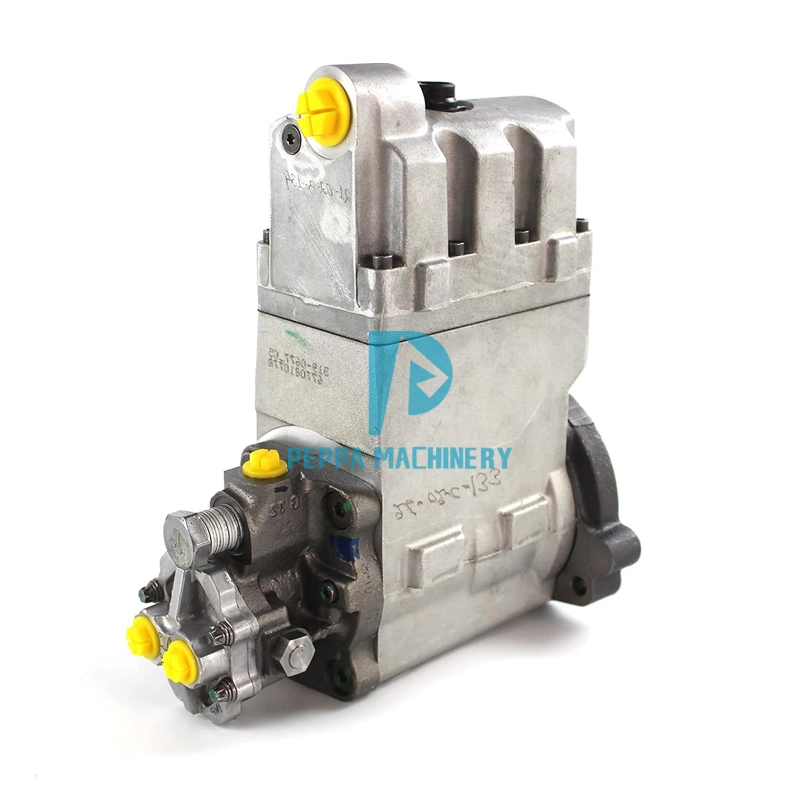
Fuel Feed / Transfer Pump Assembly for Caterpillar C7 & C9 Engines | Direct Replacement for OEM Parts #319-0678, 254-4358, 304-0678, 295-4778, 228-589
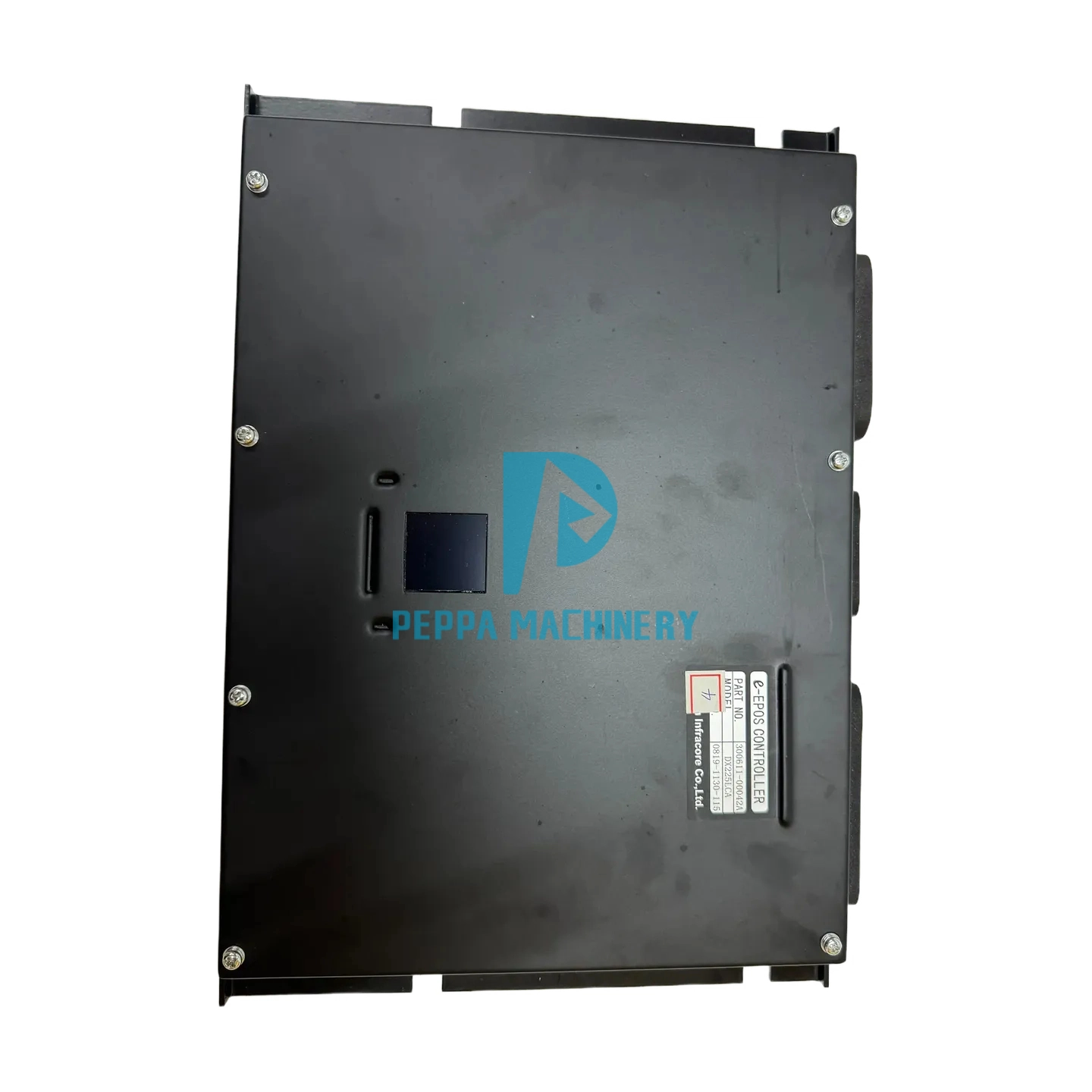
Excavator Accessories Excavator Controller DX225 DX225LCA E-EPOS Controller Computer Board 300611-00042 K1026740 K1001369C K1056425 ECU ECM

Isuzu Engine 6WG1 Turbo 1876183290 1-87618329-0 8981921861 8-98192186-1 14400-4441 1144004370 114400-4370 49188-018312 49188-11940
Excavator Parts
What types of parts do you mainly offer?
Our main product categories include:
• Engine parts (liner kits, crankshafts, water/oil pumps, etc.)
• Electrical parts (sensors, monitors, throttle motors, wiring harnesses)
• Hydraulic parts (pumps, valves, cylinders)
• Sealing kits (NOK, SKF, PQ brands, floating seals, O-rings)
Are your parts genuine or OEM?
We offer both genuine parts and high-quality OEM alternatives. You can choose according to your budget and application needs. All OEM products are tested to meet or exceed original specifications.
Do you provide technical support or installation guidance?
While we do not offer on-site installation, we can provide basic technical advice, diagrams, or documentation to assist your technicians with installation and troubleshooting.
How can I verify compatibility before placing an order?
Please provide us with your machine brand, model number, and the part number (if available). Our team will double-check the compatibility to ensure you receive the correct parts.
Can I get help choosing the right parts for my machine?
Yes. Our experienced sales team is here to provide professional recommendations and solutions based on your excavator model, part number, or specific requirements.
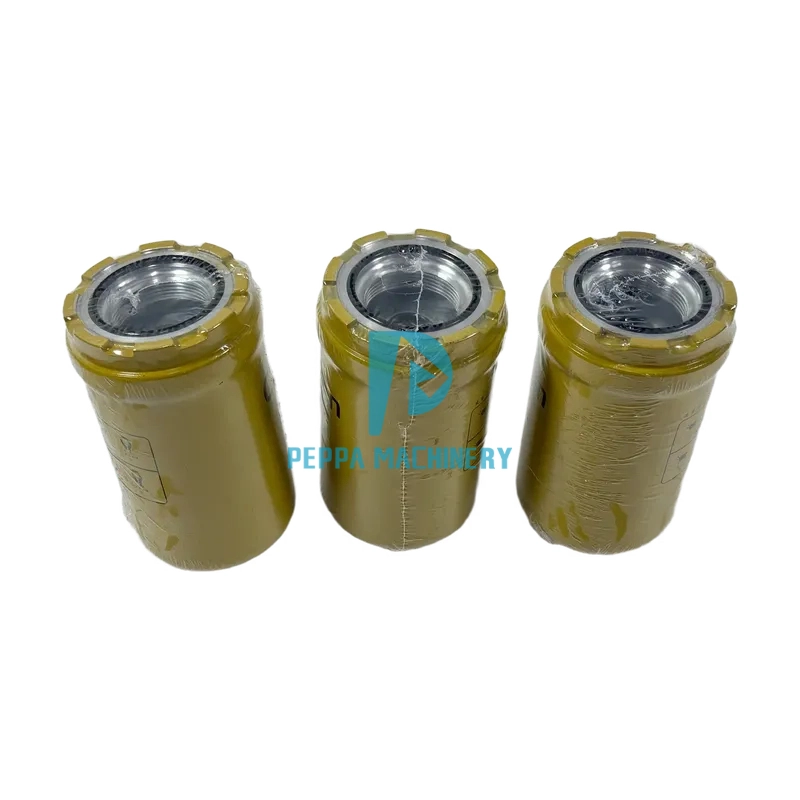
51-8670 Hydraulic Filter Applicable to HF35519 518670 2897836 518670X 1588987 Compatible with Caterpillar 352FVG 325CL
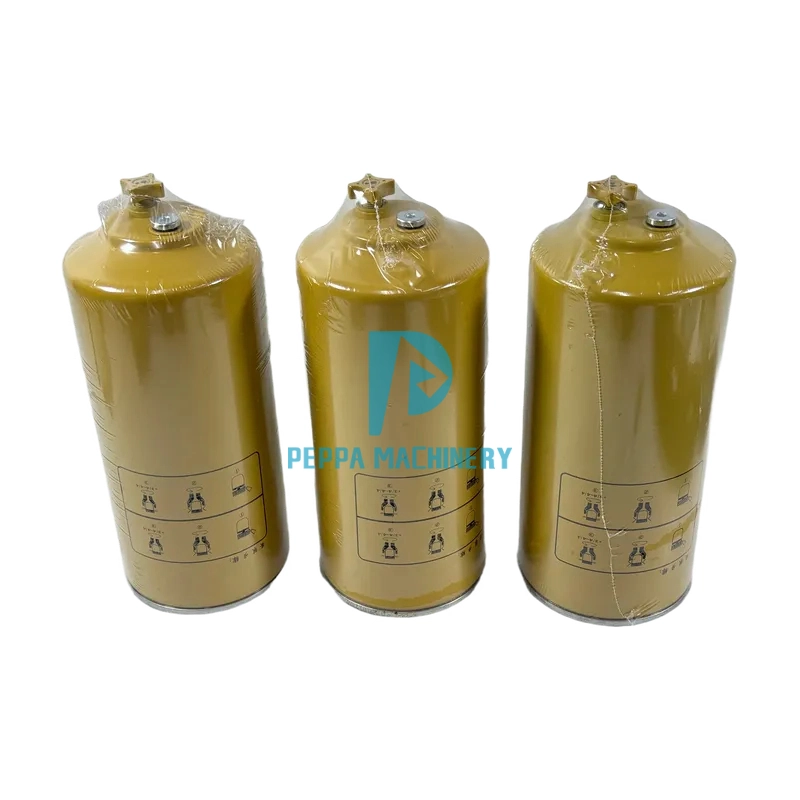
4385386 Fuel Water Separator Fuel Filter 382-0664 Oil-water Separator Hydraulic Oil Filter for CAT 312D2 320D2
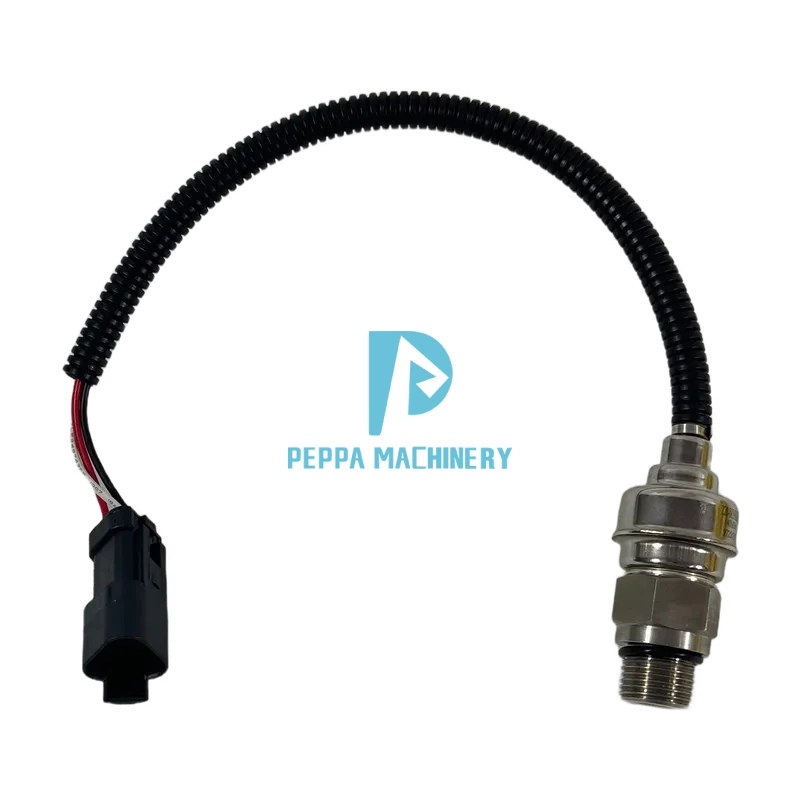
Pressure Sensor 221-8859 106-0178 for Caterpillar CAT 311B 311C 312C 314D 315B 320C 323D 324D 330C 336D 345B 385C
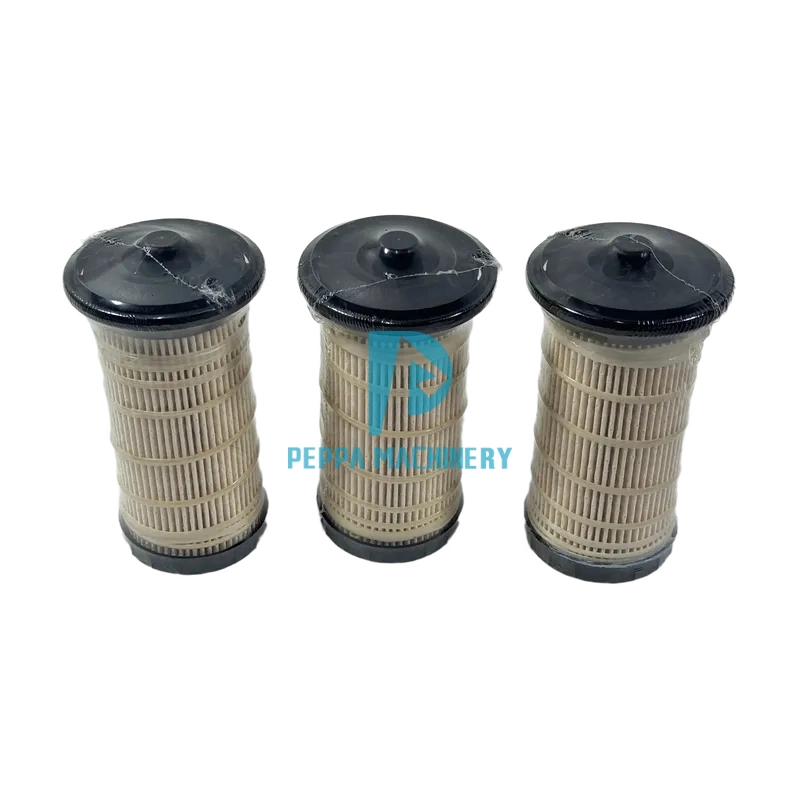
360-8960 Fuel Filter Element for Caterpillar C4.4 & C7.1 Engines | Fits 312D, 320D, 312E, 320E, 326D2, 336D2 Excavators
Get more information
Want to know more? Contact us today to get detailed product specifications, customized solutions, and a free consultation tailored to your needs.
Rest assured that your privacy is important to us, and all information provided will be handled with the utmost confidentiality.

Reliable Source for Quality Excavator Components.
Follow Us
Our Partners


Our Payment Methods


 High Quality
 7/24 Service
 Guaranteed Warranty
 Scan QR Code
Facebook
TikTok
YouTube
Pinterest
Twitter