








New alternator vs refurbished: which is better for excavators?
- 1. How do I choose the correct amperage and voltage new alternator for a 2012 CAT 320D excavator with multiple add-ons (heater, radio, LED worklights)?
- 2. Is a new brushless alternator worth the extra cost for excavators operating in muddy, high‑vibration environments?
- 3. When comparing new alternator vs refurbished, how do warranty terms and core charges affect lifecycle cost for a 20‑ton excavator?
- 4. How to verify compatibility of a replacement alternator's regulator and diode pack with my excavator's ECU and CANbus charging controls?
- 5. Can I extend alternator life on an excavator by modifying installation (anti‑vibration mounts, pre‑filtering) and what specs should I follow?
- 6. What's the best on‑site testing protocol to decide between replacing with new or refurbished after a field failure (which readings mean immediate replacement)?
- Conclusion — Advantages of new alternator vs refurbished for excavators
Choosing the right alternator for an excavator is a technical and economic decision. Below are six specific, pain‑point questions beginners and fleet managers frequently face when deciding between a new alternator and a refurbished/remanufactured unit. Each answer includes measurable checks, common part‑level failure modes, warranty and lifecycle considerations, and field testing steps to help you make an evidence‑based purchase.
1. How do I choose the correct amperage and voltage new alternator for a 2012 CAT 320D excavator with multiple add-ons (heater, radio, LED worklights)?
Why it matters: Undersized alternators cause chronic battery drain, slow cranking, and premature alternator overheating. Oversized units can be physically incompatible and need different drive pulleys or regulators.
Steps to size the alternator correctly:
- Check machine electrical system voltage: many mid‑size excavators like the CAT 320D use a 24V architecture on the starter/charging system for improved cranking; some smaller models use 12V. Refer to the machine’s electrical schematics or data plate.
- List electrical loads (start-up and continuous):
- Starter cranking is not supplied by the alternator but by the battery — still verify alternator can sustain accessory loads during idle.
- Continuous loads example: cabin heater blower 10–20 A, radio/telemetry 2–5 A, LED worklights 6–20 A per lamp, ECU/CAN modules 1–5 A each, hydraulic control electronics and sensors 2–8 A total.
- Calculate required charging output: Sum continuous loads and add a 20–30% headroom margin. Example: if continuous accessories draw 40 A (at 24V), choose an alternator rated for at least 50–60 A continuous output to avoid sustained overload.
- Check machine idle RPM/slow RPM charging: Alternators must produce rated current at typical operating RPM. Verify the alternator’s rated current at 1,000–1,200 RPM if your machine idles low — many aftermarket ratings are at 2,000–3,000 RPM and will underperform at low idle.
- Confirm physical compatibility: mounting flange, pulley type (V, multi‑groove), shaft spline, electrical plug pinout, and cooling orientation. Mismatched pulleys or spline counts commonly cause installation problems.
Typical ranges: small compact excavators (3–8 t) commonly use 12V alternators 70–120 A; mid to large excavators often use 24V alternators with outputs commonly from 50 A to 200 A depending on accessory loads. Always verify the OEM part number and alternator output curve for your model.
2. Is a new brushless alternator worth the extra cost for excavators operating in muddy, high‑vibration environments?
Why it matters: Brush wear and water ingress are major failure causes in field alternators. A design choice (brush vs brushless) affects maintenance, reliability and lifetime cost in harsh conditions.
Brushless advantages for heavy equipment:
- No carbon brushes or slip rings to wear — removes one common scheduled maintenance item and reduces field failures from brush contamination.
- Often incorporate sealed bearings and better sealing (higher ingress protection), reducing water and dust failure modes — important for mud and washdown conditions.
- Better heat handling with modern regulator electronics and higher continuous duty ratings, lowering risk of thermal degradation when running accessories at idle.
When a brushless new alternator is worth it:
- If the machine operates in wet, abrasive or high‑vibration conditions and the cost of downtime is high (typical for rental fleets and critical jobs), the reduction in maintenance intervals and failures often justifies the higher upfront cost.
- If your application runs lots of low‑speed idle with heavy electrical loads (worklights, heaters, telemetry), brushless units with better low‑RPM output curves reduce overheating and regulator stress.
Counterpoints: Brushless designs are more expensive up front and replacement/regulator electronics can be more costly to service if they fail. Evaluate lifecycle cost: new brushless alternator (higher capex, lower maintenance OPEX) vs brushed unit (lower capex, higher routine service and failure risk).
3. When comparing new alternator vs refurbished, how do warranty terms and core charges affect lifecycle cost for a 20‑ton excavator?
Why it matters: The cheapest initial purchase may not be cheapest over a 12–36 month window when factoring downtime, warranty coverage, and core charges.
Typical real‑world data points (industry norms):
- New OEM alternator warranties: commonly 12–36 months (or a fixed hour limit, e.g., 1,000–2,000 hours). Aftermarket new units frequently offer 12–24 months.
- Refurbished/remanufactured warranties: typically 6–12 months; some high‑quality remanufacturers offer 12 months when rebuilt to OEM spec and with new diode/regulator/brush kits.
- Core charge: reman programs often require a core deposit ($50–$500 depending on model) refundable on return of usable core. New parts typically have no core charge but higher sticker price.
How to compare lifecycle cost (simple expected cost model):
Expected total cost = Purchase price + (Probability of failure during warranty period × Downtime cost) + Maintenance costs − Core refund (if applicable)
Example framework (use your fleet data):
- Estimate downtime cost per hour (lost revenue + labor + transport). For many fleets this ranges $100–$400/hr depending on machine class and job. Plug your number.
- Use manufacturer failure rates or historical fleet data: if refurbished alternators historically fail at 2× the rate of new units over the first year, multiply accordingly.
- Include warranty response time: a 24‑month new part from an authorized distributor with same‑day shipping reduces average downtime versus a reman supplier who offers 48–72 hour turnaround.
Practical recommendation: For a 20‑ton excavator used on critical projects, if downtime cost exceeds the price difference between new and reman within projected failure probability, buy new. For low‑criticality machines or where budget constraints are tight, a high‑quality reman with a documented rebuild spec and 12‑month warranty can be cost‑effective.
4. How to verify compatibility of a replacement alternator's regulator and diode pack with my excavator's ECU and CANbus charging controls?
Why it matters: Modern excavators may use ECU‑managed charging strategies. A mismatch can cause over/under‑charging, fault codes, or even damage to vehicle electronics.
Verification steps:
- Identify machine architecture: determine if your machine uses a conventional internally regulated alternator or an externally commanded alternator with CAN/ECU communication (consult the service manual or the wiring diagram).
- Check part numbers and pinout: ensure the replacement alternator’s plug matches the OEM pinout for sense, excitation, CAN/Hold line, and ground. Pinout differences are common between models and years.
- Regulator compatibility: if your excavator uses an ECU‑controlled voltage setpoint, the alternator must support an external regulator command or CAN protocol. Some aftermarket alternators only have internal regulators and will not accept ECU commands.
- Diode pack and transient suppression: heavy equipment often experiences electrical transients. Ensure the replacement includes adequate transient voltage suppression (TVS) and that diodes are specified for the system voltage and expected ripple. Low‑quality diode packs fail under high vibration or thermal cycling.
- Confirm with diagnostic tools: after installation, use the OEM diagnostic tool or a CAN scanner to read charging setpoints and verify the ECU is communicating with the alternator. Check for stored codes (charging system, alternator communication errors) and measure voltage setpoints under different ECUs states (idle, engine rpm, high electrical load).
If you are unsure, request a compatibility declaration from the parts supplier and ask for a wiring diagram/pinout. Suppliers like JB Parts can confirm fitment using OEM part numbers and revision codes.
5. Can I extend alternator life on an excavator by modifying installation (anti‑vibration mounts, pre‑filtering) and what specs should I follow?
Why it matters: Alternators fail from bearing wear, vibration, water ingress, and contamination. Installation changes can significantly extend service life.
Effective field modifications and specs:
- Anti‑vibration mounting: use OEM or heavy equipment grade mounts designed for alternator loads. Isolation should reduce transmitted vibration but not misalign the pulley. Avoid soft mounts that allow pulley misalignment — ensure alignment specs (runout <0.5 mm where possible).
- Improved sealing: where feasible, install alternators with higher ingress protection (IP rating). For washdown/muddy conditions, choose alternators with better sealing (look for IP65/66 or component sealing; true IP67 is less common but available on some heavy‑duty brushless units).
- Heat management: maintain airflow paths and avoid installing heat sources adjacent to the alternator. High ambient heat accelerates diode/regulator degradation. Ensure fan ducts and cooling fins are clear of debris.
- Electrical protection: add appropriately rated inline fuses or circuit breakers, and transient voltage suppression (TVS) diodes if your system is exposed to high transient spikes (common when switching heavy solenoids). Correct ground routing reduces stray currents that corrode slip rings and bearings.
- Pre‑filtering and breather routing: re‑route air/oil breathers away from alternator air intake to reduce oil/fuel mist contaminating the alternator housing and cooling passages.
Maintenance tips: Inspect pulley alignment every 500 hours, check for loosened electrical connections and protective boots, and include alternator output checks in routine PMs (voltage and ripple checks). These steps reduce premature wear and electrical faults.
6. What's the best on‑site testing protocol to decide between replacing with new or refurbished after a field failure (which readings mean immediate replacement)?
Why it matters: Accurate in‑field diagnostics prevent unnecessary purchases and identify when a quick reman is viable or when only a new part will eliminate repeated failures.
On‑site diagnostic checklist (safe, quick, and decisive):
- Visually inspect for external damage: broken fan blades, burned connectors, oil contamination, seized pulley. Severe physical damage favors replacement with a new unit rather than reman.
- Battery & wiring baseline: measure battery voltage with engine off (resting voltage). A healthy 12V battery should read ~12.6–12.8 V fully charged; 24V systems ~25.2–25.6 V. Check for poor battery condition before alternator replacement.
- Idle and charge voltage test: with engine running at typical idle, measure voltage at battery positive:
- 12V systems: charging voltage should be 13.8–14.8 V; below 13.2 V indicates undercharging; above 15.0 V indicates overcharging and regulator fault.
- 24V systems: charging voltage should be 27.6–29.6 V (double the 12V tolerance).
- Load test with clamp meter: measure alternator output current at rated RPM and with accessories on. If alternator can’t supply expected current (compare to nameplate rating adjusted for RPM), it’s failing. Underperformance at low RPM may indicate worn brushes or poor field winding continuity.
- AC ripple and diode check: measure AC ripple (use multimeter in AC mode or an oscilloscope if available) across the battery while running. Excessive AC ripple (greater than ~1 V pp on a 12V system or significant irregular waveform) points to diode pack failure and often justifies a rebuild if housing and bearings are sound.
- Brush and bearing check (if accessible): worn brushes <3–4 mm or noisy bearings favor replacement. If only brushes/diodes/brush springs are worn and the housing, bearings and rotor are in good shape, a remanufacture with new diode/regulator/brush kit can be cost effective.
Decision rules:
- Immediate replacement with a new alternator: catastrophic mechanical damage, seized bearings, melted housing, or evidence of repeated diode/regulator burnouts due to transient damage.
- Consider reman/refurbish: electrical failures localized to diodes, brushes, or regulator where the housing and rotor are in good condition and the supplier documents OEM‑level rebuild procedures and warranty coverage.
Record test results and share with your parts supplier to get a justified recommendation rather than buying immediately. This reduces wrong parts, returns and unplanned downtime.
Conclusion — Advantages of new alternator vs refurbished for excavators
New alternator advantages: longest warranty (commonly 12–36 months), latest regulator and brushless technology options, consistent OEM spec performance, and lower probability of early failure — ideal for critical machines and high downtime cost situations. New units also remove uncertainty about previous abuse and repair quality.
Refurbished/reman advantages: material cost savings (often 30–60% less), faster availability for common cores, and good value when rebuilt to OEM specs (new diodes, regulator, brushes, bearings). Best for non‑critical machines, budget constraints, or when you have reliable core return and a trusted remanufacturer with documented processes.
Final purchase checklist: verify amperage and low‑RPM output curves, confirm regulator compatibility with ECU/CAN systems, check physical fit (pulley, spline, mounting), compare warranty lengths and response times, and quantify expected downtime cost to compare lifecycle expense rather than sticker price alone.
For an exact fit, certified rebuild spec or a tailored new alternator quote for your excavator, contact us for a quote at jbparts@aliyun.com or visit www.jbpartsgz.com.

Isuzu SP 4JG1 4JG2 4JG3 Cylinder Liner 1876182070 1-87618207-0 1876182080 1-87618208-0 1876182100 1-87618210-0
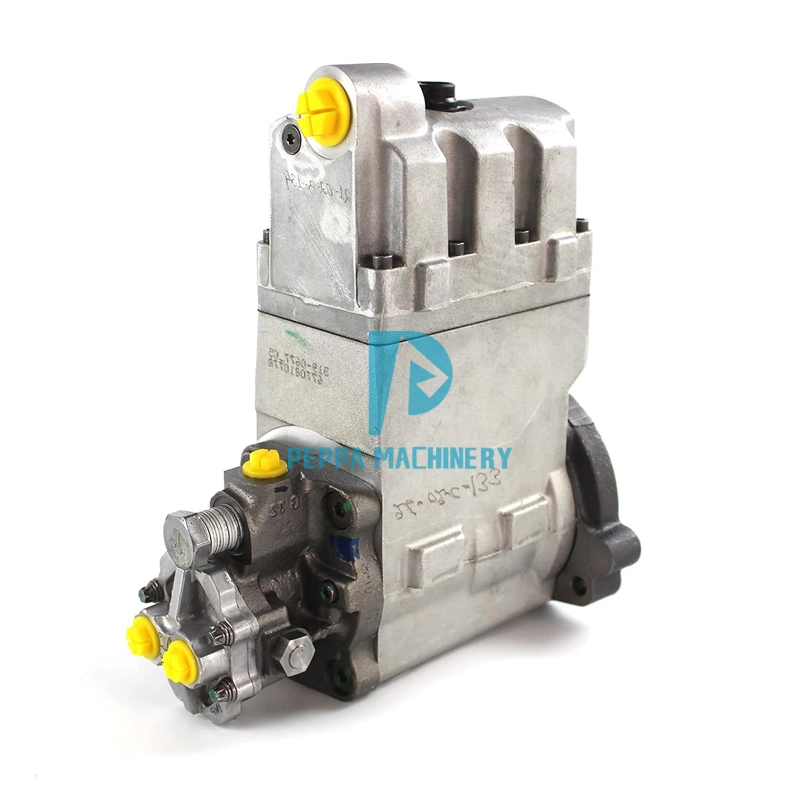
Fuel Feed / Transfer Pump Assembly for Caterpillar C7 & C9 Engines | Direct Replacement for OEM Parts #319-0678, 254-4358, 304-0678, 295-4778, 228-589
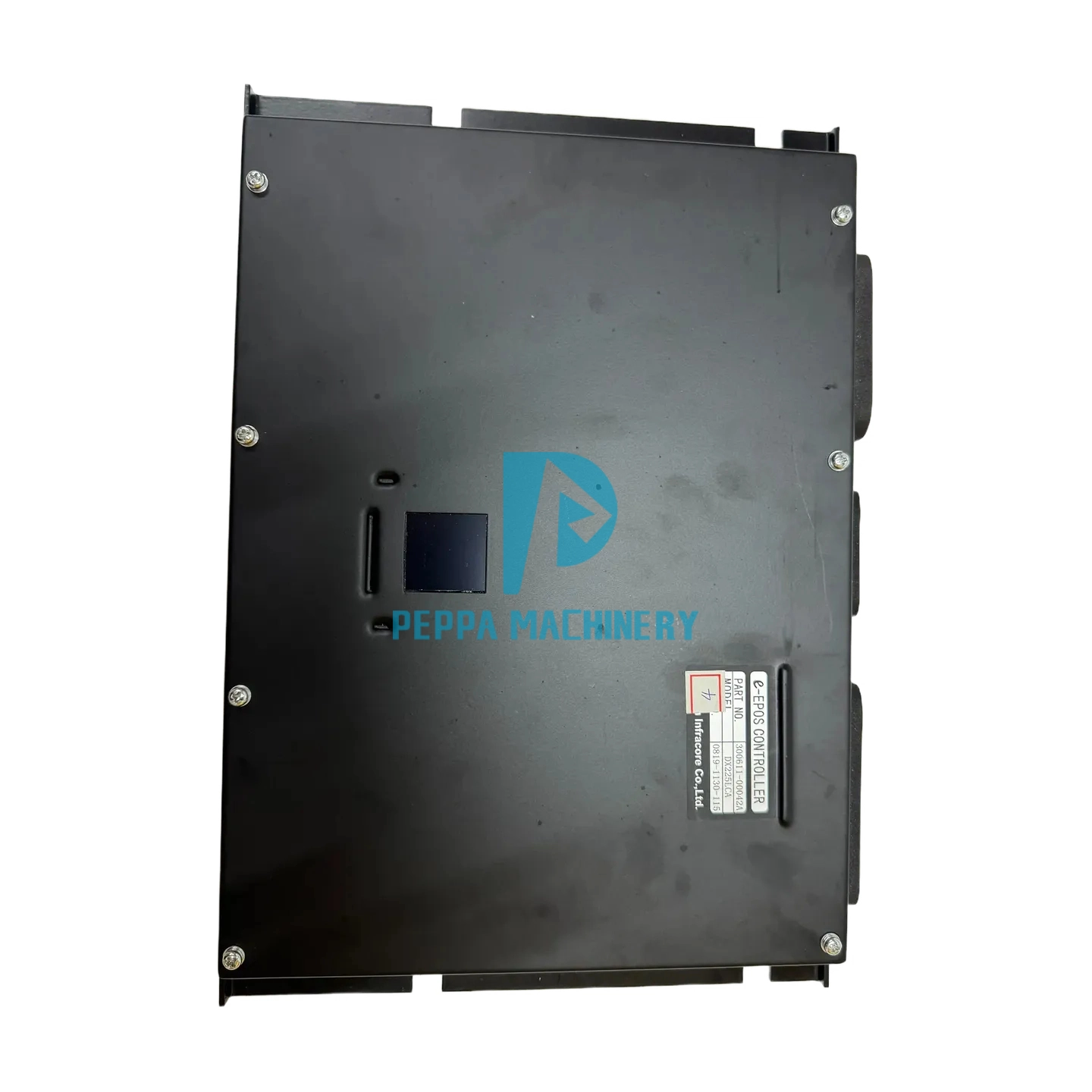
Excavator Accessories Excavator Controller DX225 DX225LCA E-EPOS Controller Computer Board 300611-00042 K1026740 K1001369C K1056425 ECU ECM

Isuzu Engine 6WG1 Turbo 1876183290 1-87618329-0 8981921861 8-98192186-1 14400-4441 1144004370 114400-4370 49188-018312 49188-11940
Excavator Parts
Can I get help choosing the right parts for my machine?
Yes. Our experienced sales team is here to provide professional recommendations and solutions based on your excavator model, part number, or specific requirements.
What brands of excavator parts do you supply?
We supply a full range of parts compatible with major international and Chinese brands, including Caterpillar, Komatsu, Hitachi, Volvo, Doosan, Hyundai, Sany, Liugong, XCMG, Zoomlion, and more.
Do you provide technical support or installation guidance?
While we do not offer on-site installation, we can provide basic technical advice, diagrams, or documentation to assist your technicians with installation and troubleshooting.
Are your parts genuine or OEM?
We offer both genuine parts and high-quality OEM alternatives. You can choose according to your budget and application needs. All OEM products are tested to meet or exceed original specifications.
How can I verify compatibility before placing an order?
Please provide us with your machine brand, model number, and the part number (if available). Our team will double-check the compatibility to ensure you receive the correct parts.
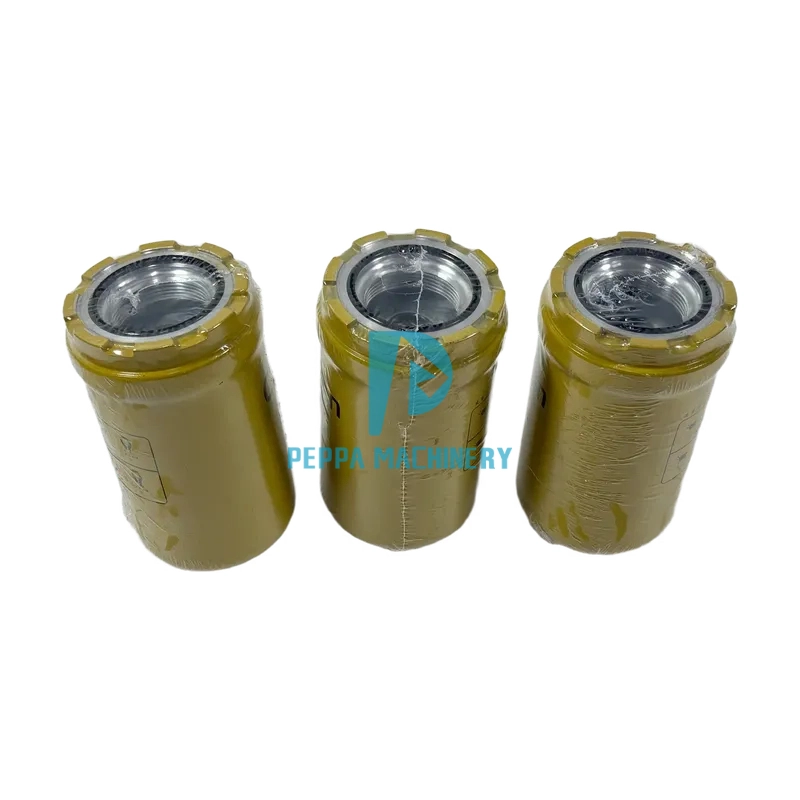
51-8670 Hydraulic Filter Applicable to HF35519 518670 2897836 518670X 1588987 Compatible with Caterpillar 352FVG 325CL
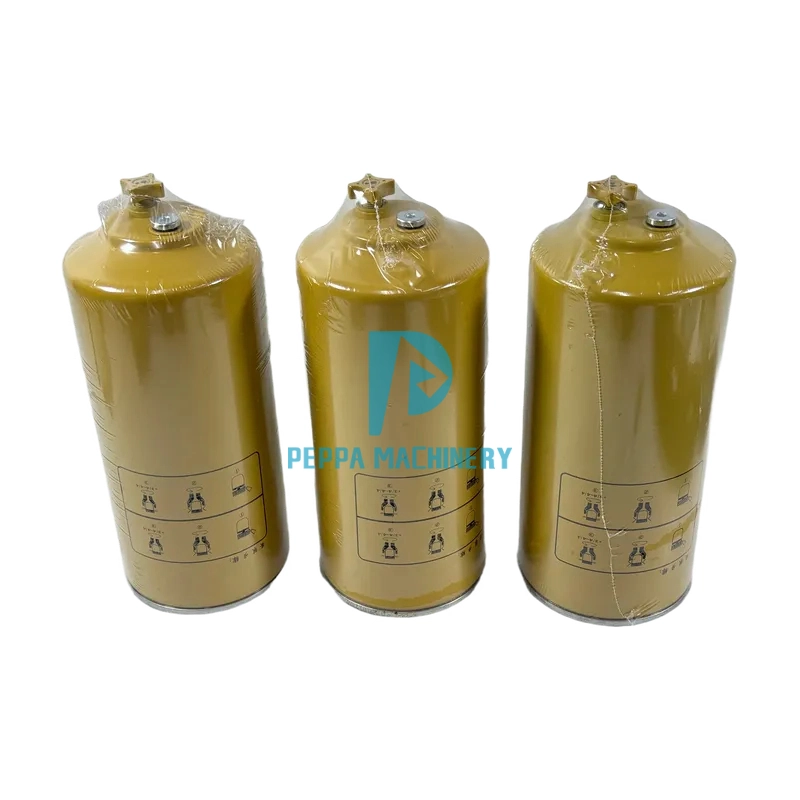
4385386 Fuel Water Separator Fuel Filter 382-0664 Oil-water Separator Hydraulic Oil Filter for CAT 312D2 320D2
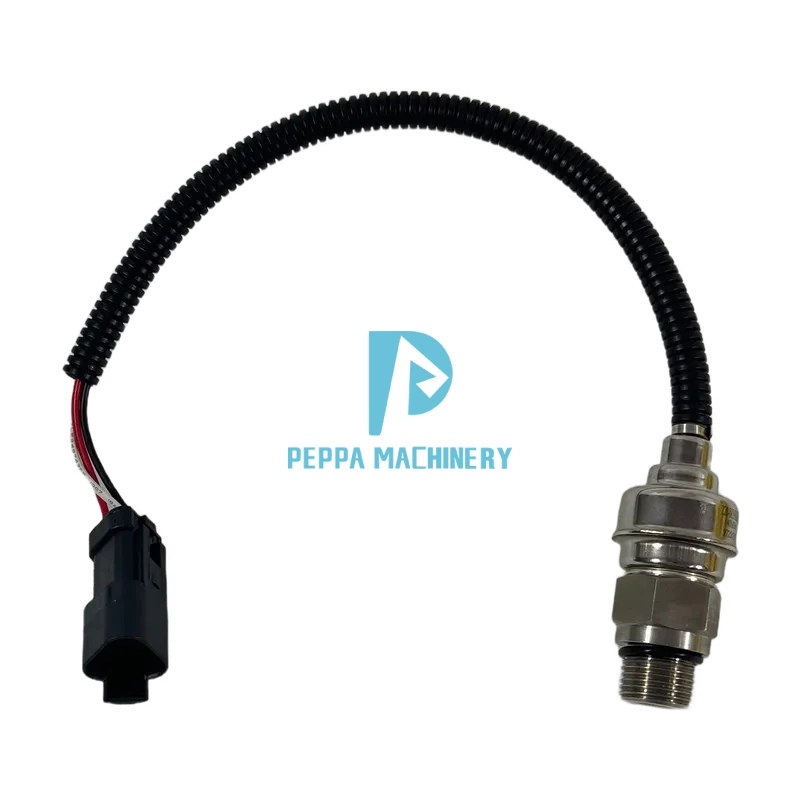
Pressure Sensor 221-8859 106-0178 for Caterpillar CAT 311B 311C 312C 314D 315B 320C 323D 324D 330C 336D 345B 385C
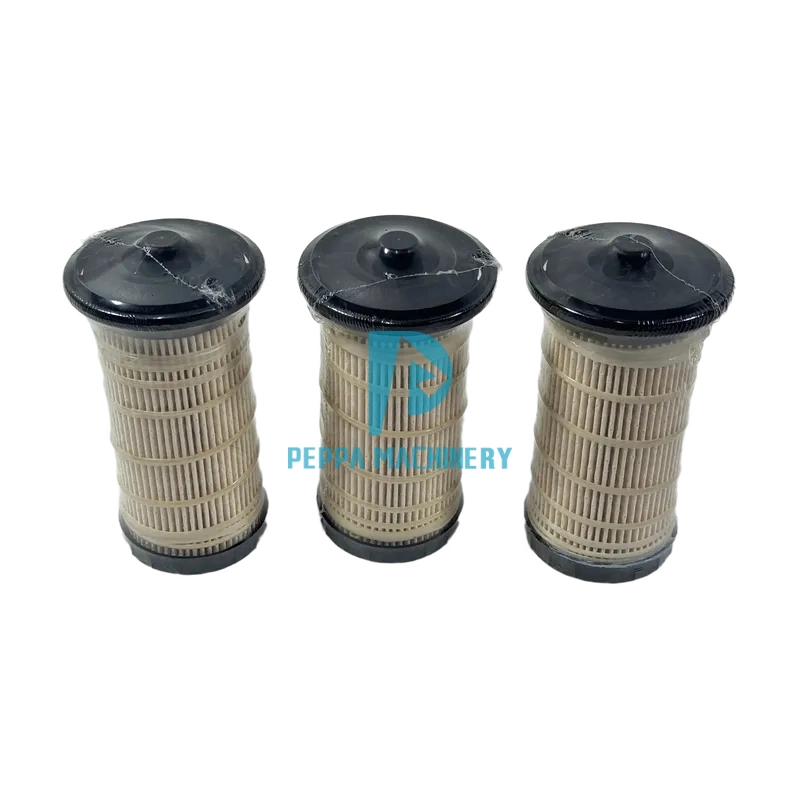
360-8960 Fuel Filter Element for Caterpillar C4.4 & C7.1 Engines | Fits 312D, 320D, 312E, 320E, 326D2, 336D2 Excavators
Get more information
Want to know more? Contact us today to get detailed product specifications, customized solutions, and a free consultation tailored to your needs.
Rest assured that your privacy is important to us, and all information provided will be handled with the utmost confidentiality.

Reliable Source for Quality Excavator Components.
Follow Us
Our Partners


Our Payment Methods


 High Quality
 7/24 Service
 Guaranteed Warranty
 Scan QR Code
Facebook
TikTok
YouTube
Pinterest
Twitter