








How to choose the best new alternator for your excavator?
- 1. How do I calculate the minimum alternator amperage required to avoid battery drain during hydraulic peak loads on a 20–40 ton excavator?
- 2. When OEM part numbers don’t match, how can I verify physical and electrical compatibility (pulley, mounting, connector, regulator) before buying a new alternator?
- 3. Can I replace a brush-type alternator with a brushless alternator on an older excavator? What wiring and regulator changes are required?
- 4. How can I test alternator diodes and voltage regulator in the field without removing the unit?
- 5. Are remanufactured alternators safe for high-hour excavators in dusty, high-temperature sites, and what inspection/warranty criteria should I insist on?
- 6. How do I read an alternator spec sheet (duty cycle, IP rating, temperature derating) to make sure a new alternator won’t overheat on mountain or desert job sites?
1. How do I calculate the minimum alternator amperage required to avoid battery drain during hydraulic peak loads on a 20–40 ton excavator?
Begin with a load audit. List continuous electrical consumers (ECU, telematics, heaters, lights, cab A/C blower motors, fuel/water heaters, and any electrically driven pumps or valves) and their rated currents. Add short-duration peak draws (starter motor current is irrelevant for alternator sizing, but electric heater and compressor clutch inrushes matter). Typical ranges: mini excavators often use 35–80A alternators; medium 6–20 ton machines commonly 80–150A; large 20–40 ton machines usually 120–250A. These are industry ranges — verify your model's harness and accessories.
Calculation steps:
- Sum continuous loads (A_cont).
- Add any sustained peak loads that may run for minutes (A_peak_continuous).
- Decide battery recharge requirement: if you want to recover X amp-hours (Ah) in Y minutes of runtime, required recharge current = (Ah × 60) / Y. For example, to restore 30 Ah in 60 minutes you need 30 A continuously.
- Minimum alternator amps = A_cont + A_peak_continuous + recharge_current.
- Apply a safety margin of 20–30% for aging, wiring losses, and future accessory additions.
Example: a machine with continuous 120A loads, occasional 60A heater for extended periods, and desire to top up 40 Ah in 1 hour: 120 + 60 + 40 = 220A. Add 25% margin → choose ~275A alternator (or 250A if constrained, but expect slower recharge and less margin). If that output exceeds your space/drive capacity, consider adding a high-capacity battery bank or staggering loads.
Why this matters: undersized alternators cause repeated deep discharges, sulfation on batteries, slow cranking and premature battery failure. Overspec provides resilience for telematics, LED lighting retrofits, or aftermarket electric accessories.
2. When OEM part numbers don’t match, how can I verify physical and electrical compatibility (pulley, mounting, connector, regulator) before buying a new alternator?
Don’t rely solely on part numbers. Verify these five physical and electrical points:
- Mounting pattern and ear-to-ear distances — measure center-to-center bolt spacings and compare to the replacement. Even a few millimeters difference prevents fitment.
- Pulley type, diameter and spline/count — check if your machine uses V-belt, multi-groove (serpentine) or single-groove pulleys; count grooves and measure diameter. Pulley diameter affects alternator RPM and thus output. If replacement pulley diameter differs, calculate alternator RPM: Alternator_RPM = Engine_RPM × (CrankPulleyDia / AltPulleyDia) × (CrankToAltRatio). Consult belt routing and tensioner allowances.
- Electrical connector and pinout — confirm B+ stud size, sense/field/excitation pins, and any CAN or ECU harness connections. Modern machines use sense wires or CAN messages; missing sense wiring can cause over/under charging.
- Voltage regulator type — internal vs external. If your machine's wiring relies on an internal regulator, an externally regulated alternator will need adapter wiring or harness changes; vice versa, an alternator expecting external regulator may not charge properly if left unconnected.
- Cooling and clearance — alternator length and fan placement must clear frames and hoses; also check air flow direction to avoid overheating in confined spaces.
Cross‑reference with physical measurements and alternator datasheets. If unsure, request photos of the alternator rear (connector side), front (pulley) and mounting bracket from the supplier, and ask for exact pinout diagrams. Always confirm the replacement supports the same nominal voltage (12V or 24V) and has compatible B+ stud rating (e.g., M8/M10) for your harness.
3. Can I replace a brush-type alternator with a brushless alternator on an older excavator? What wiring and regulator changes are required?
Yes, in many cases you can retrofit a brushless alternator, and benefits include longer service life (no brushes), lower maintenance and better heat tolerance. However, brushless alternators have different internal architectures and may require:
- Different excitation wiring or an external voltage regulator. Some brushless units include an internal regulator; others rely on an external regulator or a control module.
- A sense wire location — brushless units are often sensitive to correct voltage sensing. Ensure the sense wire ties into a true battery/starting circuit point, not a panel-switched output.
- Potential ground and shielding considerations — brushless alternators can be more sensitive to poor grounding; ensure solid chassis ground at the alternator body and battery negative.
Steps for a retrofit:
- Obtain the brushless unit’s wiring diagram and pinout from the supplier.
- Confirm mounting/pulley compatibility or order a matched pulley adapter.
- Install an external regulator if the alternator is externally regulated; wire the sense, ignition/excitation (if used), and B+ correctly.
- Run a controlled bench test or multimeter checks at idle and under load to confirm 13.8–14.8 V charging for 12V systems (27.6–29.6 V for 24V systems) across operating RPM range.
Caveats: Some older machines have ECU-driven smart charging (ECM controls alternator setpoint). Replacing with a brushless unit that lacks CAN/ECM integration can cause charging mismatches. In those cases you must choose an alternator that supports the machine’s communication protocol or retain the OEM controlled unit.
4. How can I test alternator diodes and voltage regulator in the field without removing the unit?
Useful in-field tests that require only a multimeter and a clamp ammeter (or multimeter capable of AC mV):
- Open-circuit battery voltage: with engine off, a healthy battery should show expected resting voltage (12.6–12.8V for 12V lead-acid). Significant shorts or a weak battery complicate diagnosis.
- Charging voltage test: start engine and measure at the battery terminals. Typical charging voltage at normal operating temperature and RPM: 13.8–14.8 V (12V systems). If voltage remains below ~13.0 V under load, the alternator/regulator likely fails to produce adequate output.
- AC ripple (diode test): set multimeter to AC mV and measure across battery terminals with engine at ~1500–2000 RPM. Good alternators typically show low ripple (<100–500 mV AC). Higher ripple (over ~0.5–1.0 Vrms) indicates diode failure or rectifier issues.
- Voltage drop and sense line test: measure voltage at alternator B+ terminal and compare to battery positive. A difference >0.5 V with heavy load suggests wiring or terminal issues. Also check the sense lead voltage at the alternator; if it's significantly different from battery voltage under load, the regulator may be mis-sensing.
- Field/Excitation check: with ignition on and engine off, measure for a small voltage at the excitation terminal if the alternator expects it. No excitation when required can prevent charging.
- Load test: put on roof lights, heaters, blower and measure alternator current with a clamp meter at the alternator output cable. If alternator current does not increase with electrical load, suspect regulator or rotor excitation problems.
For bearings: listen for grinding/whine at idle and check for lateral shaft play (with engine off) — >0.5 mm axial play or rough rotation indicates worn bearings and imminent failure.
When in doubt, remove the alternator and run it on a bench tester that checks stator continuity, diode blocks, insulation resistance and full-load output curves. Proper diagnosis avoids unnecessary replacements.
5. Are remanufactured alternators safe for high-hour excavators in dusty, high-temperature sites, and what inspection/warranty criteria should I insist on?
High-quality remanufactured alternators can be a cost-effective and reliable choice if reman standards are strict. Insist on these criteria:
- Core rebuild to replace brushes (if applicable), rectifier/diode pack, bearings, voltage regulator, rotor windings and stator rewinding checks. Diodes and regulators must be new or professionally tested to OEM specs.
- Pressure and spin testing at rated RPM and load testing to confirm the alternator reaches specified amperage without overheating. Ask for test reports or serial-numbered test certificates.
- Environmental resealing and corrosion protection — look for conformal coating on electronics, sealed bearing shields, and IP rating claims (e.g., IP65–IP67 for water/dust resistance) when operating in wet/dusty conditions.
- Warranty terms: aim for at least 6–12 months or 1,000–2,000 operating hours warranty with clear coverage for premature failure. OEM remanufactured units often come with longer warranties and are preferable for mission-critical machines.
- Replacement parts traceability: insist on a reman supplier that documents parts replaced (diodes, bearings, regulator part numbers) and offers support for cross-referencing OEM part numbers.
Why reman risks exist: poor reman shops may only change brushes and bearings while leaving aged windings or rectifiers. On heavy-duty sites with high ambient temps (>60°C) and heavy dust, choose reman units tested for the specific application or upgrade to a new OEM/aftermarket unit with higher duty and IP ratings.
6. How do I read an alternator spec sheet (duty cycle, IP rating, temperature derating) to make sure a new alternator won’t overheat on mountain or desert job sites?
Key spec sheet items to read and how they matter:
- Rated output and RPM point — alternator manufacturers specify maximum amperage at a given RPM (e.g., 150 A @ 2000 RPM). Ensure the alternator reaches required output at your machine’s idle and typical operating RPMs, not only at high RPM.
- Continuous vs intermittent rating — continuous rating is the amperage the alternator can supply indefinitely at a specified ambient (often 25°C) and RPM. Intermittent (30 min) ratings can be higher but will overheat if used continuously.
- Temperature derating curve — alternator output falls as ambient temperature rises. Manufacturers provide derating curves (e.g., full output to 50°C, then linear derate to 75% at 80°C). If you operate at high altitudes or >50°C, choose a unit with better high-temp specs or higher base output to account for derating.
- IP and ingress ratings — an IP65–IP67 alternator offers robust protection against dust and splashing/water ingress. For extremely wet or dusty environments insist on IP66+ and corrosion-resistant finishes.
- Thermal protection and cooling method — check if the alternator has internal thermal protection, forced-air cooling direction, or external cooling fins. Enclosed engine bays with poor airflow require alternators with stronger cooling or lowered operating temperature specs.
- Transient and EMC ratings — modern machines with sensitive electronics need alternators with transient suppression and EMC compliance to avoid upsetting ECUs and telematics equipment.
Practical tip: ask the supplier for the derating table and confirm the alternator’s continuous rating at your expected ambient temperature and RPM. If the spec sheet only shows peak output without clear continuous/duty specs, request clarification — that’s a red flag.
Concluding summary — advantages of choosing the right new alternator
Selecting the right new alternator — based on correct amperage calculation, confirmed mechanical and electrical compatibility, appropriate IP and thermal specifications, and verified test data — reduces downtime, extends battery life, prevents ECU faults, and lowers total cost of ownership. For harsh sites, prefer alternators with higher continuous ratings, proper derating data, IP sealing, and documented testing. When considering remanufactured units, insist on full rebuild documentation and a solid warranty; for modern machines with ECU-controlled charging, buy alternators that support CAN or sense wiring as required.
If you need help matching an alternator to a specific excavator model, parts cross-reference, or a quotation for OEM/new/reman alternators, contact JB Parts at www.jbpartsgz.com or email jbparts@aliyun.com for a quote and technical support.

Isuzu SP 4JG1 4JG2 4JG3 Cylinder Liner 1876182070 1-87618207-0 1876182080 1-87618208-0 1876182100 1-87618210-0
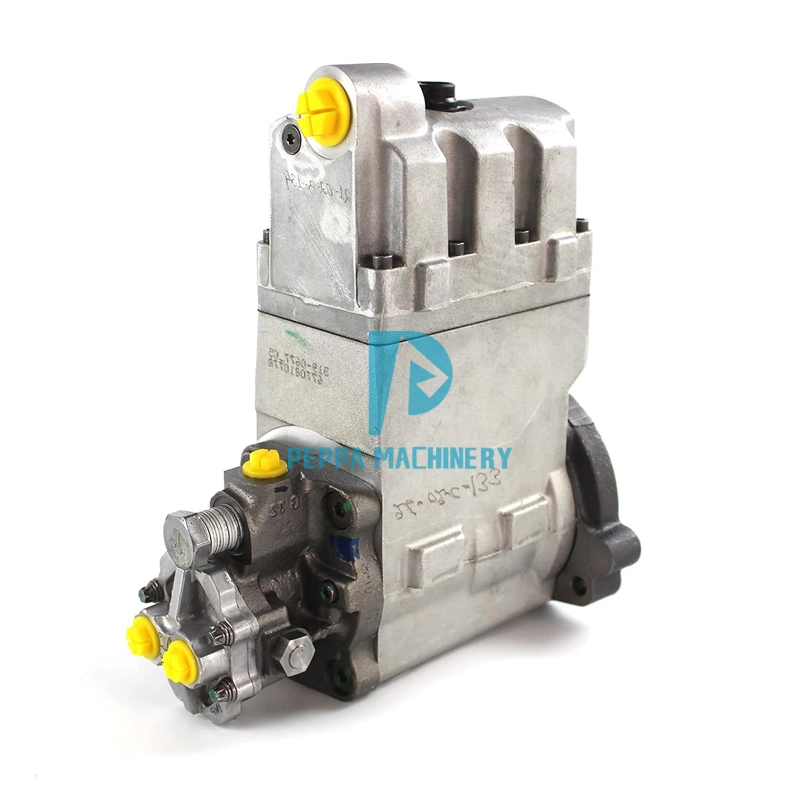
Fuel Feed / Transfer Pump Assembly for Caterpillar C7 & C9 Engines | Direct Replacement for OEM Parts #319-0678, 254-4358, 304-0678, 295-4778, 228-589
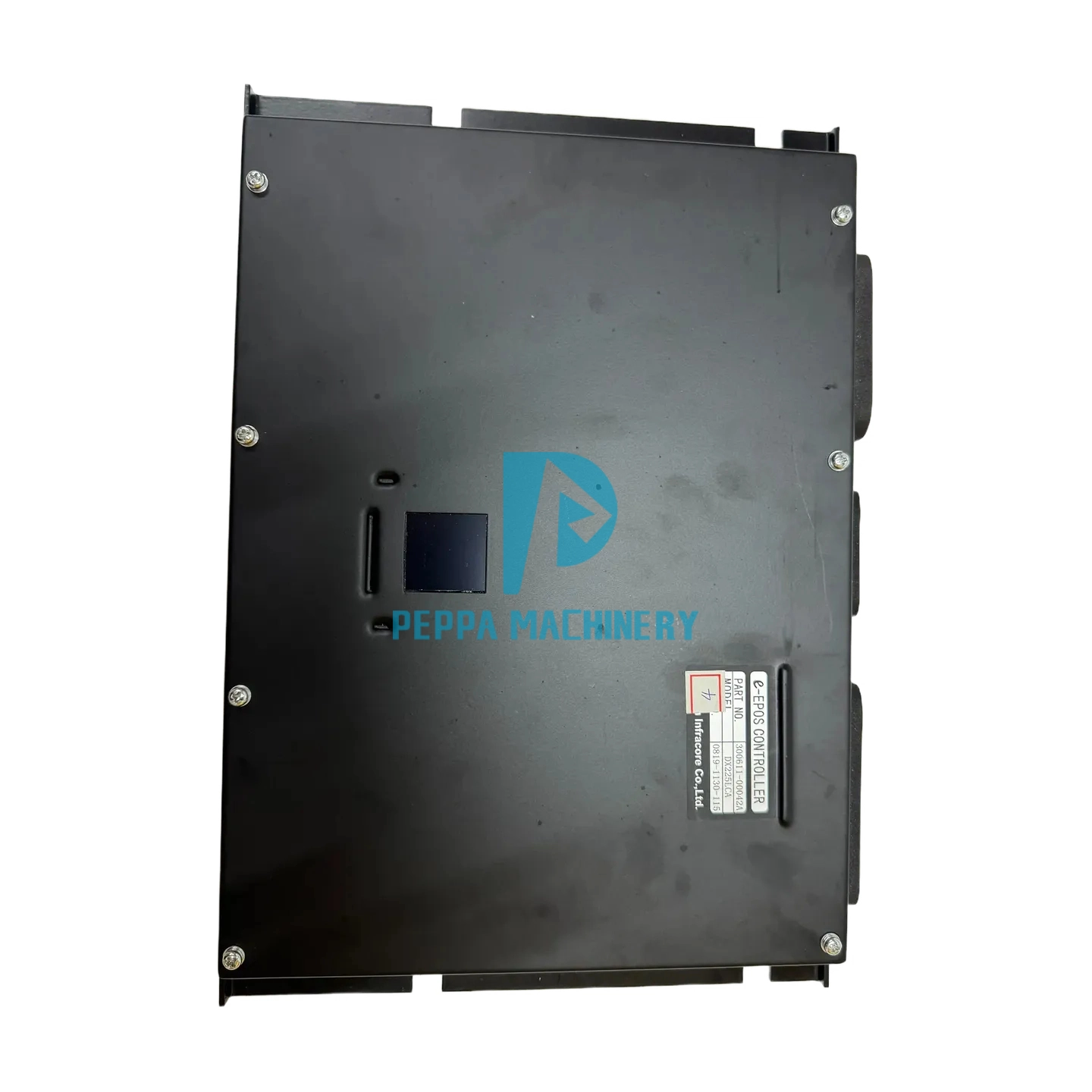
Excavator Accessories Excavator Controller DX225 DX225LCA E-EPOS Controller Computer Board 300611-00042 K1026740 K1001369C K1056425 ECU ECM

Isuzu Engine 6WG1 Turbo 1876183290 1-87618329-0 8981921861 8-98192186-1 14400-4441 1144004370 114400-4370 49188-018312 49188-11940
Excavator Parts
What brands of excavator parts do you supply?
We supply a full range of parts compatible with major international and Chinese brands, including Caterpillar, Komatsu, Hitachi, Volvo, Doosan, Hyundai, Sany, Liugong, XCMG, Zoomlion, and more.
How can I verify compatibility before placing an order?
Please provide us with your machine brand, model number, and the part number (if available). Our team will double-check the compatibility to ensure you receive the correct parts.
Can I get help choosing the right parts for my machine?
Yes. Our experienced sales team is here to provide professional recommendations and solutions based on your excavator model, part number, or specific requirements.
What types of parts do you mainly offer?
Our main product categories include:
• Engine parts (liner kits, crankshafts, water/oil pumps, etc.)
• Electrical parts (sensors, monitors, throttle motors, wiring harnesses)
• Hydraulic parts (pumps, valves, cylinders)
• Sealing kits (NOK, SKF, PQ brands, floating seals, O-rings)
Do you provide technical support or installation guidance?
While we do not offer on-site installation, we can provide basic technical advice, diagrams, or documentation to assist your technicians with installation and troubleshooting.
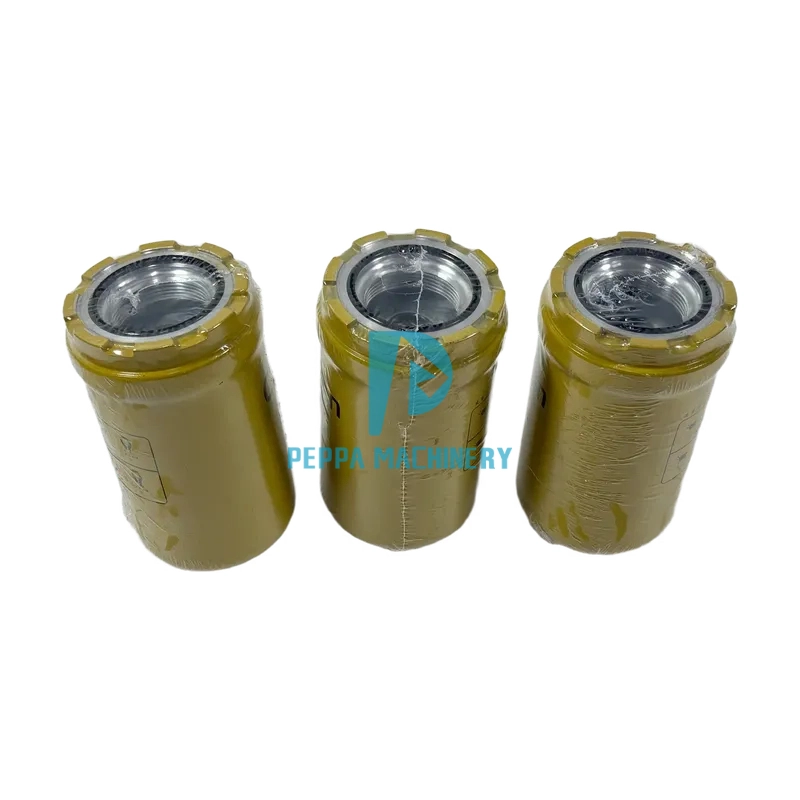
51-8670 Hydraulic Filter Applicable to HF35519 518670 2897836 518670X 1588987 Compatible with Caterpillar 352FVG 325CL
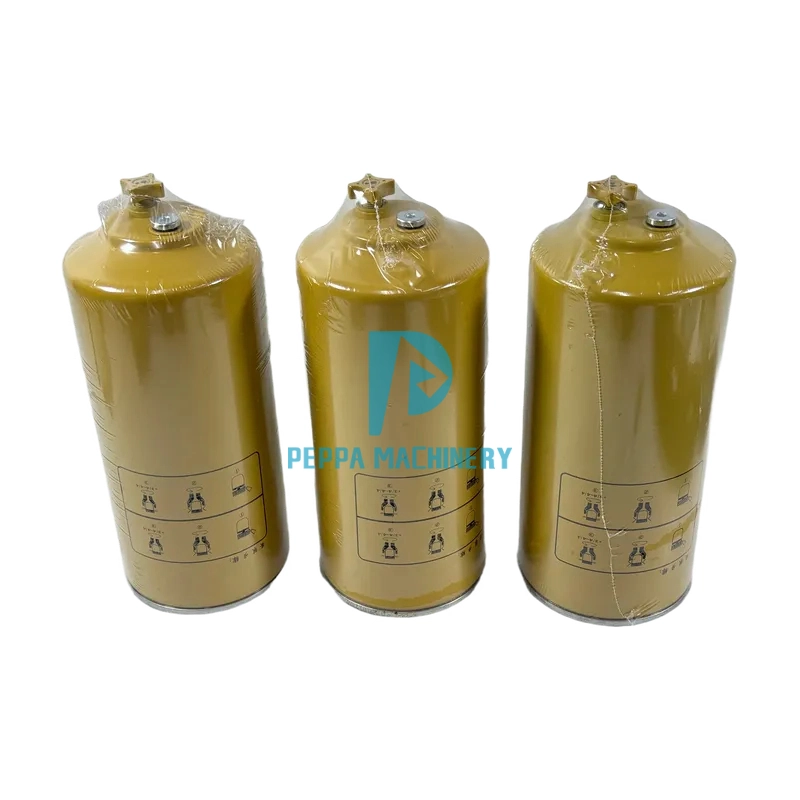
4385386 Fuel Water Separator Fuel Filter 382-0664 Oil-water Separator Hydraulic Oil Filter for CAT 312D2 320D2
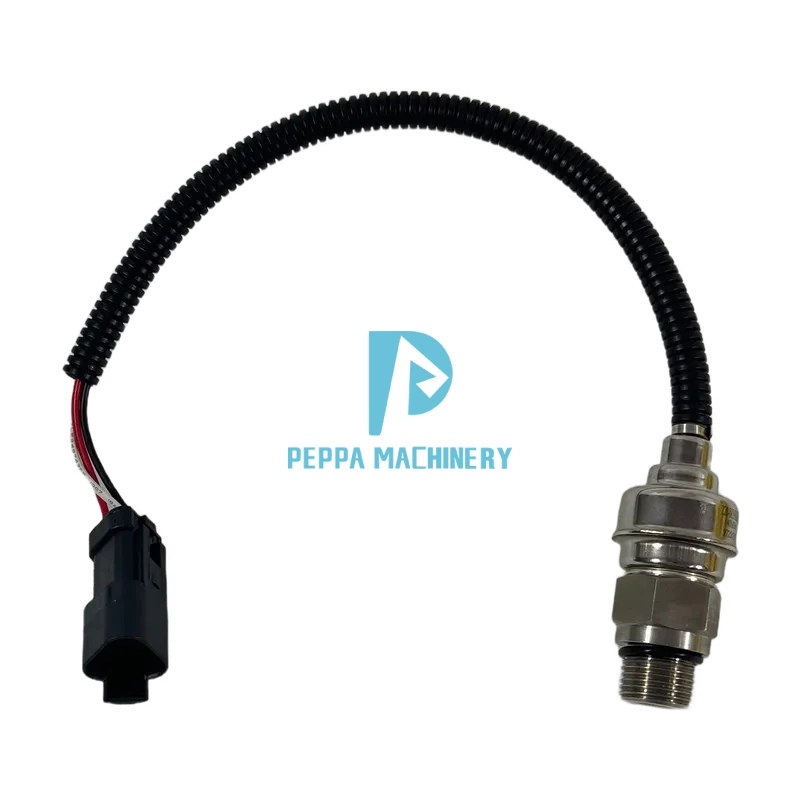
Pressure Sensor 221-8859 106-0178 for Caterpillar CAT 311B 311C 312C 314D 315B 320C 323D 324D 330C 336D 345B 385C
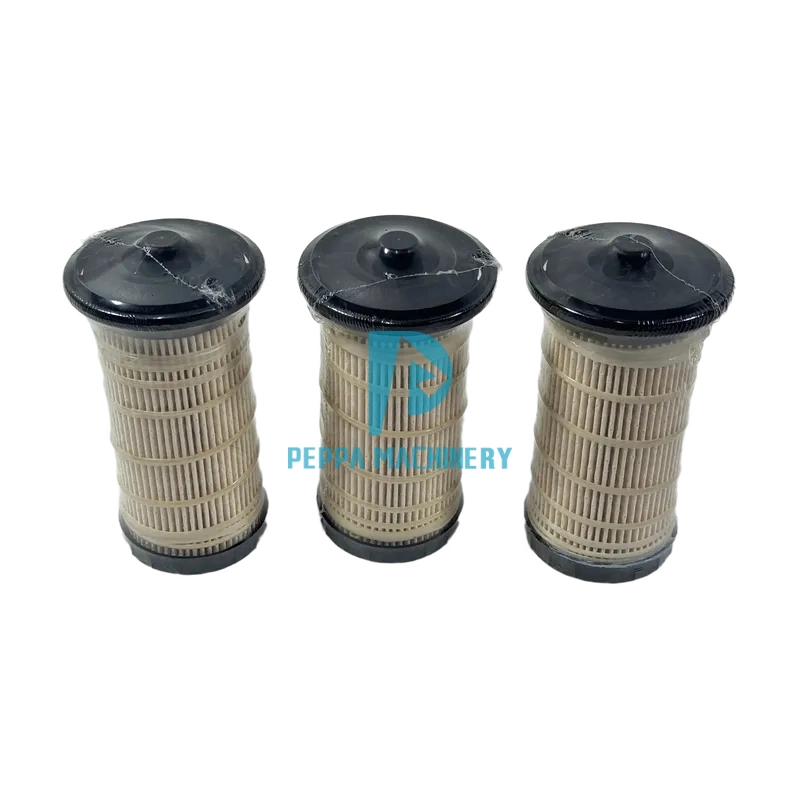
360-8960 Fuel Filter Element for Caterpillar C4.4 & C7.1 Engines | Fits 312D, 320D, 312E, 320E, 326D2, 336D2 Excavators
Get more information
Want to know more? Contact us today to get detailed product specifications, customized solutions, and a free consultation tailored to your needs.
Rest assured that your privacy is important to us, and all information provided will be handled with the utmost confidentiality.

Reliable Source for Quality Excavator Components.
Follow Us
Our Partners


Our Payment Methods


 High Quality
 7/24 Service
 Guaranteed Warranty
 Scan QR Code
Facebook
TikTok
YouTube
Pinterest
Twitter