








Where to buy durable high output alternators for heavy equipment?
- 1. How can I verify a rated 150A high output alternator will sustain 150A at 2,000 RPM on a 24V excavator without overheating?
- 2. What wiring, connector and fuse upgrades are required when installing a high-amperage alternator on an excavator to avoid voltage drop and failure?
- 3. How to decide between a remanufactured and a new high output alternator when downtime and lifecycle costs are critical?
- 4. Which mounting and pulley modifications are required if swapping from a 12V alternator to a 24V high output alternator on older excavators?
- 5. What bench and in-vehicle test procedures reliably confirm a high output alternator's health (diodes, regulator and full-load capability) before installation?
- Bench tests (for alternator out of machine)
- In-vehicle tests
- 6. Where to buy durable high output alternators for heavy equipment that include dynamometer testing, warranty and core exchange?
1. How can I verify a rated 150A high output alternator will sustain 150A at 2,000 RPM on a 24V excavator without overheating?
Manufacturers often publish peak or maximum output at a specific RPM, but real-world sustained current depends on cooling, duty cycle and ambient conditions. For heavy-duty excavators (most use 24V systems), typical high-amperage alternators are rated from roughly 100A up to 300A continuous. To verify sustained output you should:
- Request the alternator's continuous output curve from the supplier — a proper datasheet shows amperage vs RPM and temperature. Look for continuous (not intermittent) amperage at 2,000 RPM.
- Confirm the cooling method: air-cooled units need adequate engine bay ventilation; many heavy-equipment alternators use forced airflow or oil-cooled housings. Ask whether the unit has thermal protection or an over-temperature shutdown.
- Check duty cycle rating. Alternators designed for mobile equipment are often rated for high duty (continuous heavy loads). Suppliers should state thermal rise and allowable continuous current at specified ambient temperatures (e.g., continuous at 40°C).
- Require dynamometer test data. Reputable OEMs and remanufacturers will supply dynamometer curves showing sustained output for a range of rpm and temperatures — this proves the unit can deliver 150A continuously at 2,000 RPM.
- Factor battery and system temperature effects. A discharged or overheated battery increases alternator load and temperature; good practice is to test on-vehicle with a known-good battery and measure temperature rise at the alternator housing during sustained runs.
Practical acceptance criteria: voltage regulation within specification (for 24V systems, typical charging voltage is ~27.6–29.2V under load), no thermal derating during a sustained 30–60 minute high-load test, and bearing/brush temperatures within manufacturer's limits. If the supplier cannot provide continuous output curves and dynamometer reports, treat the rating as suspect.
2. What wiring, connector and fuse upgrades are required when installing a high-amperage alternator on an excavator to avoid voltage drop and failure?
Many installation failures are caused by undersized cabling and weak connections rather than the alternator itself. For high-amperage alternators you must upgrade the whole charge path:
- Use appropriately gauged battery/charge cables. For 150–300A continuous on 24V systems, use heavy gauge cables (e.g., welded or braid copper, often 35–2 AWG equivalents or heavier). Cable selection must be based on continuous current, allowable voltage drop (aim <3% in the charge path), and length. If in doubt, overspec the cable to reduce heating.
- Upgrade fusible links or circuit breakers. Fuses should protect wiring and conductive parts (use high-energy slow-blow or ISO-rated circuit breakers sized slightly above the alternator’s maximum continuous output). Never rely on an undersized fuse as a testing indicator — it should be correctly sized to protect the harness.
- Use high-quality lugs and braid termination methods. Crimped and heat-shrink-sealed lugs or marine-grade compression connectors resist corrosion and heating. Avoid stacked connectors with poor contact area.
- Confirm ground integrity. A poor engine/alternator ground causes diode heating and erratic regulation. Use a dedicated heavy ground strap from alternator housing to chassis and battery negative.
- Ensure the regulator and sense wiring is proper. For externally regulated alternators or units with remote-sense, run the sense lead directly to the battery positive terminal to minimize voltage sensing errors and avoid overvoltage at load.
Before full operation, perform voltage-drop tests between alternator B+ and battery positive with 50–100A load to ensure drop is minimal. Replace any connector or cable showing >0.2–0.3V drop under load on a 24V system.
3. How to decide between a remanufactured and a new high output alternator when downtime and lifecycle costs are critical?
This decision should weigh initial cost, warranty, documented testing, expected life, and downtime risk. Points to evaluate:
- Quality controls: Prefer remanufacturers certified to ISO 9001 or similar and that provide dynamometer testing, new electrical components (diode packs, regulators), new brushes/bearings, and rotor/shaft balancing. A high-quality reman with full dyno testing will often match new OEM performance at a lower price.
- Warranty and service: New OEM units commonly have 12–24 month warranties; reputable remanufactured units often offer 12–18 months. For critical equipment where downtime costs exceed part price, prioritize longer warranty and fast local availability (same-day ship) over upfront cost savings.
- Core exchange and availability: A reman program with core exchange improves lifecycle cost and may reduce lead times. Verify that the supplier maintains local inventory or regional warehouses to avoid long shipping delays.
- Compatibility and upgrade options: Reman suppliers sometimes offer upgraded internals (heavy-duty bearings, improved diode packs, enhanced cooling) for hard-service machines. If your machine operates in high-dust or high-temp environments, these upgrades can increase MTBF (mean time between failures).
- Traceability: Request batch test reports and serial-number traceability. For fleet operators, recorded dynamometer curves and production QC logs improve E-E-A-T and reduce risk.
Rule of thumb: for fleets with predictable service windows, a quality reman with validated test reports is cost-effective. For single critical units without backup, a new OEM alternator with a longer warranty and local support may be preferable.
4. Which mounting and pulley modifications are required if swapping from a 12V alternator to a 24V high output alternator on older excavators?
A direct voltage change often necessitates mechanical and electrical modifications:
- Pulley ratio and belt compatibility. 24V alternators may have different pulley diameters or multi-groove designs. Ensure the pulley gives correct speed ratio so alternator turns at intended RPM across engine idle and max. Check for interference with adjacent components when changing pulley size.
- Belt type and tension system. High-output alternators can require higher torque; upgrade belts (serpentine vs V-belt) or tensioners to handle increased load and prevent slip. Multi-rib serpentine belts with correct tensioners improve longevity.
- Mounting flange and bracket alignment. Confirm the alternator's mounting holes and shaft alignment match factory brackets. Some upgrades require spacer plates or custom brackets; ensure the alternator shaft centerline aligns to avoid belt mis-tracking and excessive bearing loads.
- Electrical system compatibility. Converting 12V to 24V requires changing batteries (two 12V batteries in series or proper 24V battery), starter compatibility and other 12V accessories must be converted or isolated. Ensure all system grounds are consolidated and fusing is updated to 24V rated components.
- Cooling and clearance. Heavier alternators or different housings may reduce clearance; verify airflow to alternator and avoid heat soak from exhaust or hydraulics.
Always follow OEM torque specs for mounting fasteners and confirm belt alignment after installation. If extensive mechanical changes are needed, consider buying an alternator that is form-fit for your machine or a conversion kit from a reputable supplier to reduce fabrication risk.
5. What bench and in-vehicle test procedures reliably confirm a high output alternator's health (diodes, regulator and full-load capability) before installation?
Testing before and after installation prevents repeated failures. Recommended steps:
Bench tests (for alternator out of machine)
- Dynamometer load test: The gold standard — simulates rpm and current draw. Confirms continuous output, voltage regulation and thermal behavior. Suppliers should provide dyno reports showing output at 1,200–3,000 RPM.
- Diode and rectifier test: Use an AC millivolt test or diode tester. A bad diode shows AC ripple or fails forward/reverse bias checks. Acceptable ripple on a healthy alternator is typically very low; any significant AC ripple at the output indicates diode leakage.
- Insulation resistance test: Verify rotor and stator insulation using a megohmmeter where appropriate per manufacturer guidance.
- Mechanical check: Bearing play, noise, and shaft runout. Excessive axial or radial play indicates imminent failure.
In-vehicle tests
- Battery state verification first: A weak battery can mask alternator faults. Ensure battery is fully charged and within capacity.
- Idle and high-rpm voltage check: For 24V systems, measure at battery terminals — expect ~27.6–29.2V with engine at idle-to-mid RPM and up to the manufacturer design at higher rpm. For 12V systems, expect ~13.8–14.6V.
- Load test: Turn on high-draw accessories (lights, heater blowers, hydraulic fans) and observe voltage drop and alternator output with a clamp ammeter. Voltage should remain within regulation and the alternator should provide rated current without voltage collapse.
- Voltage ripple check: With an AC clamp or oscilloscope, measure AC ripple on the DC output under load — excessive ripple suggests diode failure.
- Thermal check: Monitor alternator housing temperature during a 20–30 minute high-load run. Temperatures exceeding manufacturer limits or noticeable derating indicate cooling problems or internal faults.
Document all test values and keep dyno reports or bench-test certificates with the alternator serial number — this is important for warranty claims and fleet maintenance records.
6. Where to buy durable high output alternators for heavy equipment that include dynamometer testing, warranty and core exchange?
For durable, field-proven high-output alternators for excavators, use a tiered sourcing approach:
- OEM dealers — For exact-fit, new alternators with manufacturer warranty and complete parts traceability. OEM parts are best when you need guaranteed fit-and-function and factory support.
- Authorized remanufacturers — Many specialized remanufacturers (often independent or brand-affiliated) offer heavy-duty rebuilds with upgraded internals, full dynamometer testing, and core-exchange programs. Look for ISO 9001 processes, test certificates, and at least a 12-month warranty. These often offer the best lifecycle cost for fleets.
- Specialized heavy-equipment parts suppliers — Distributors that focus on construction equipment (excavators, loaders, dozers) commonly stock heavy-duty alternators and perform pre-shipment testing. They can advise on wiring upgrades, mounting kits, and conversion components.
- Local/regional warehouses or authorized resellers — For fast turnaround, select suppliers with regional stock. Long shipping times are a leading cause of downtime cost escalation.
- Quality online marketplaces and B2B platforms — When buying online, verify supplier certifications, read dynamometer test availability, and prefer vendors who publish QC documentation and return policies. Avoid listings with only basic specifications and no test or warranty info.
Selection checklist when buying:
- Ask for a dynamometer test certificate and continuous output curve.
- Confirm mechanical fitment (mounting, pulley, shaft, rotation) or request a form-fit replacement.
- Get explicit warranty terms (minimum 12 months recommended) and clear core-exchange conditions.
- Verify that replacement parts (diode packs, regulators) are new and not reused unless documented.
- Request shipping ETA and local support options to minimize downtime.
For excavator fleets operating in Asia and China supply chains, local remanufacturers and suppliers with ISO-certified processes and dynamometer labs are available. If you want a supplier that provides tested, durable high-amperage alternators with clear warranty and core exchange, we can supply test reports, fitment verification and a competitive quote.
Contact us for a tailored quote and dyno-backed unit selection: www.jbpartsgz.com or email jbparts@aliyun.com.
Concluding summary — advantages of high output alternators for heavy equipment
High output alternators designed for heavy equipment deliver the continuous amperage needed to run hydraulics, electric fans, lighting and vehicle electronics without battery sag. When properly specified (correct continuous rating, cooling, and heavy-duty internals), and when installed with appropriately upgraded wiring, pulleys and fusing, they reduce battery cycling, prevent on-site downtime and extend overall electrical system life. Buying from suppliers that provide dynamometer testing, ISO-quality reman processes, and meaningful warranties minimizes risk and lifecycle cost.
For a quote, dyno reports and compatibility checks for your excavator model, contact us at www.jbpartsgz.com or jbparts@aliyun.com.

Isuzu SP 4JG1 4JG2 4JG3 Cylinder Liner 1876182070 1-87618207-0 1876182080 1-87618208-0 1876182100 1-87618210-0
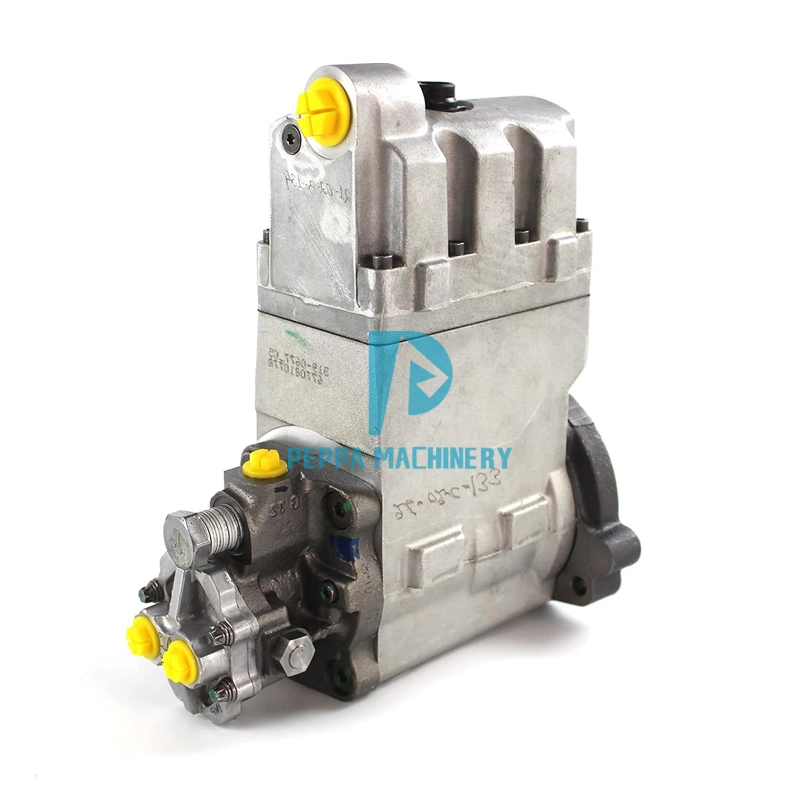
Fuel Feed / Transfer Pump Assembly for Caterpillar C7 & C9 Engines | Direct Replacement for OEM Parts #319-0678, 254-4358, 304-0678, 295-4778, 228-589
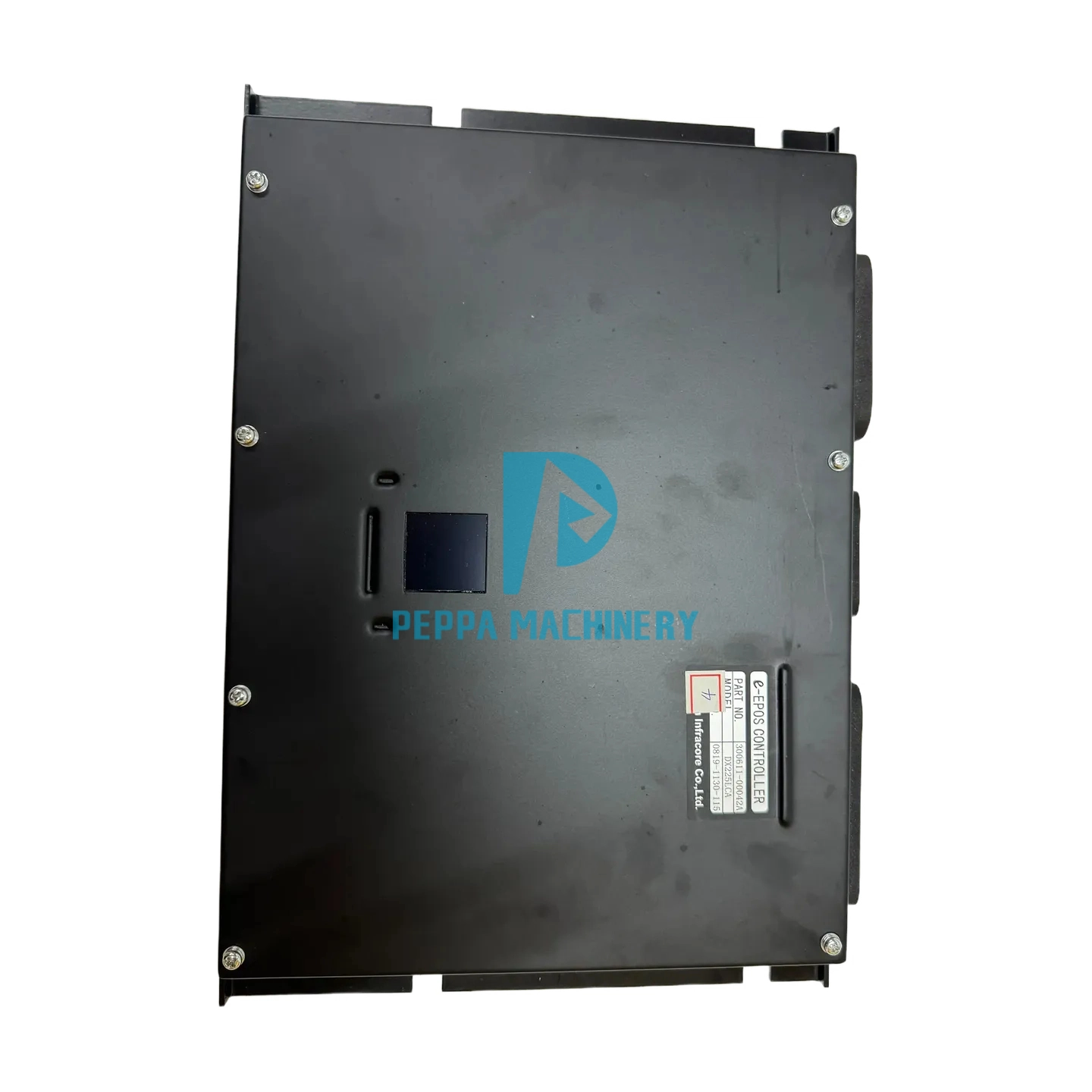
Excavator Accessories Excavator Controller DX225 DX225LCA E-EPOS Controller Computer Board 300611-00042 K1026740 K1001369C K1056425 ECU ECM

Isuzu Engine 6WG1 Turbo 1876183290 1-87618329-0 8981921861 8-98192186-1 14400-4441 1144004370 114400-4370 49188-018312 49188-11940
Excavator Parts
How can I verify compatibility before placing an order?
Please provide us with your machine brand, model number, and the part number (if available). Our team will double-check the compatibility to ensure you receive the correct parts.
What brands of excavator parts do you supply?
We supply a full range of parts compatible with major international and Chinese brands, including Caterpillar, Komatsu, Hitachi, Volvo, Doosan, Hyundai, Sany, Liugong, XCMG, Zoomlion, and more.
Do you provide technical support or installation guidance?
While we do not offer on-site installation, we can provide basic technical advice, diagrams, or documentation to assist your technicians with installation and troubleshooting.
Can I get help choosing the right parts for my machine?
Yes. Our experienced sales team is here to provide professional recommendations and solutions based on your excavator model, part number, or specific requirements.
What types of parts do you mainly offer?
Our main product categories include:
• Engine parts (liner kits, crankshafts, water/oil pumps, etc.)
• Electrical parts (sensors, monitors, throttle motors, wiring harnesses)
• Hydraulic parts (pumps, valves, cylinders)
• Sealing kits (NOK, SKF, PQ brands, floating seals, O-rings)
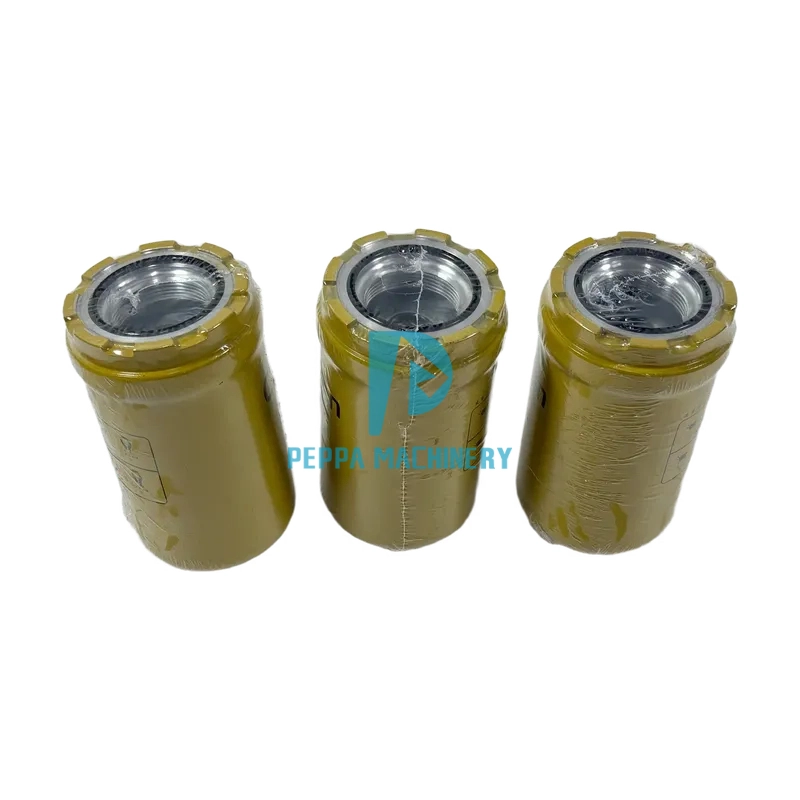
51-8670 Hydraulic Filter Applicable to HF35519 518670 2897836 518670X 1588987 Compatible with Caterpillar 352FVG 325CL
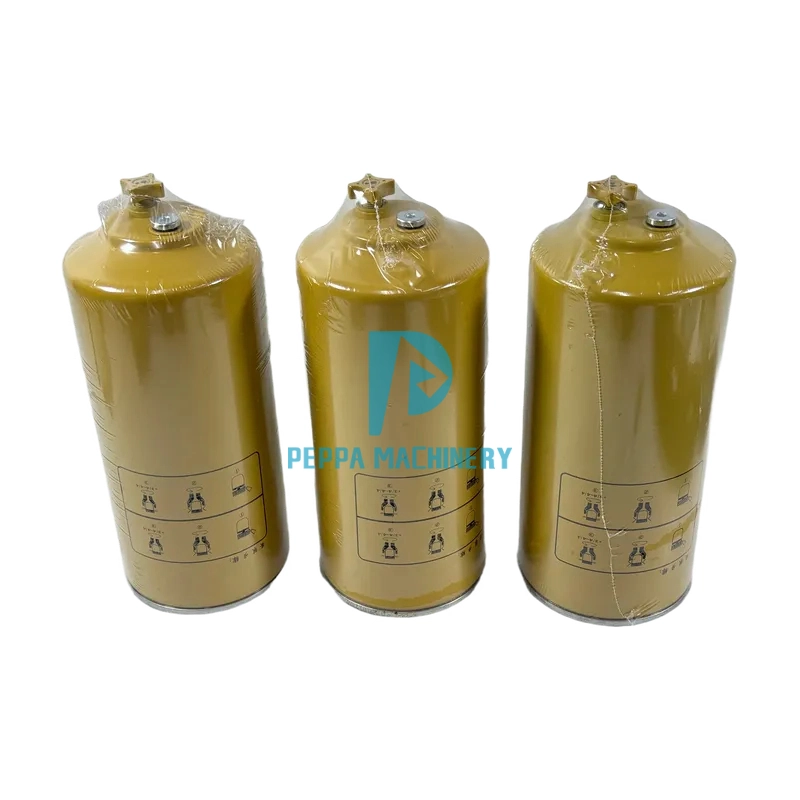
4385386 Fuel Water Separator Fuel Filter 382-0664 Oil-water Separator Hydraulic Oil Filter for CAT 312D2 320D2
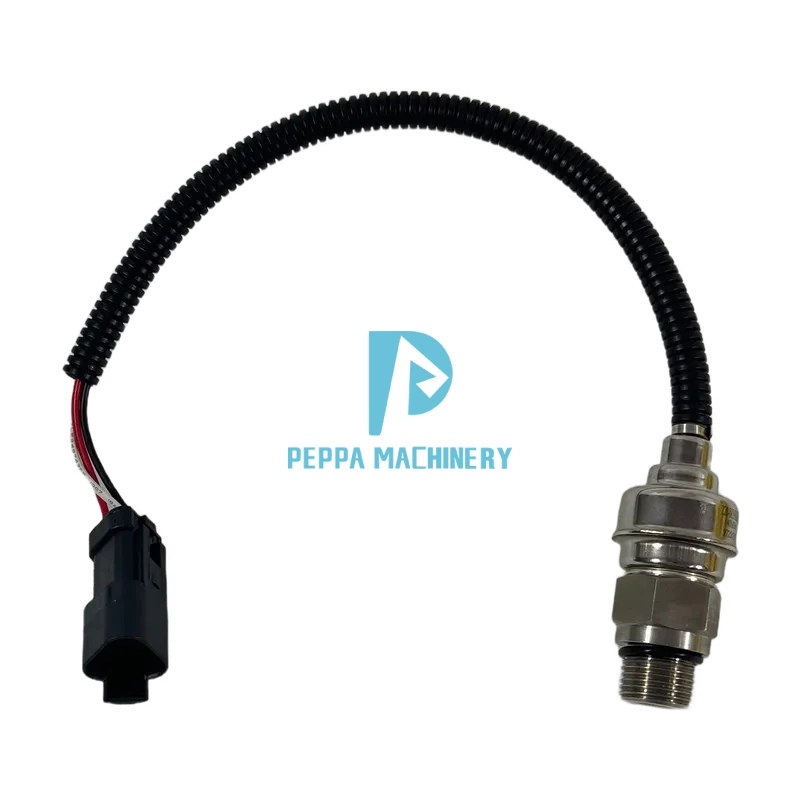
Pressure Sensor 221-8859 106-0178 for Caterpillar CAT 311B 311C 312C 314D 315B 320C 323D 324D 330C 336D 345B 385C
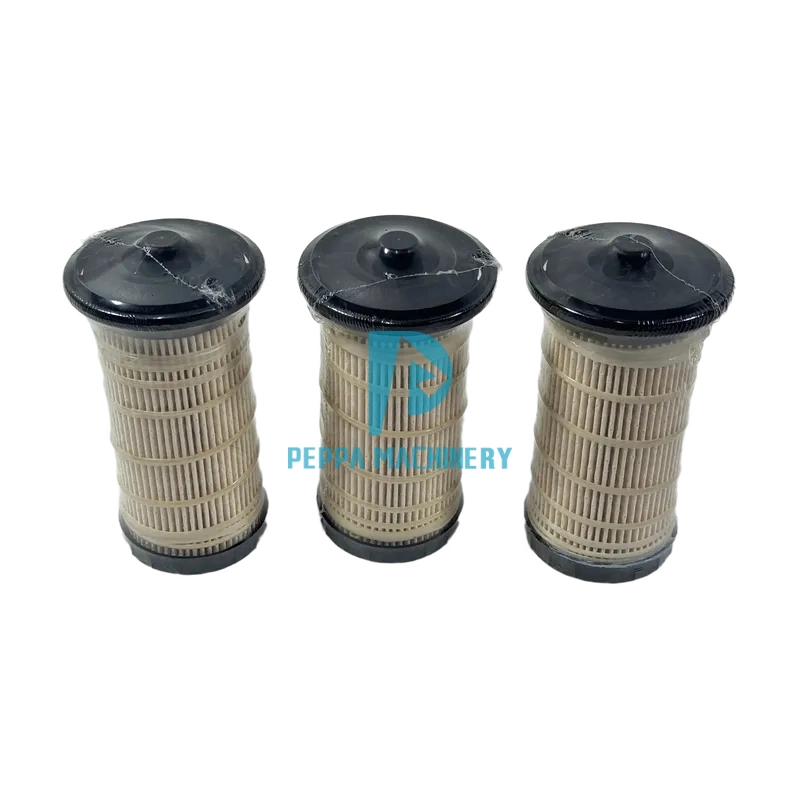
360-8960 Fuel Filter Element for Caterpillar C4.4 & C7.1 Engines | Fits 312D, 320D, 312E, 320E, 326D2, 336D2 Excavators
Get more information
Want to know more? Contact us today to get detailed product specifications, customized solutions, and a free consultation tailored to your needs.
Rest assured that your privacy is important to us, and all information provided will be handled with the utmost confidentiality.

Reliable Source for Quality Excavator Components.
Follow Us
Our Partners


Our Payment Methods


 High Quality
 7/24 Service
 Guaranteed Warranty
 Scan QR Code
Facebook
TikTok
YouTube
Pinterest
Twitter