








Can aftermarket high output alternators match OEM quality?
- How do I verify an aftermarket high output alternator’s continuous amp rating at my excavator’s typical idle RPM instead of relying on peak specs?
- What thermal derating and cooling information must I confirm for an aftermarket high output alternator in hot and dusty jobsite conditions?
- How can I ensure the aftermarket alternator’s voltage regulator and rectifier are electrically compatible with my excavator’s ECU, battery bank, and telematics systems?
- Can aftermarket high output alternators match OEM quality and durability for heavy-duty excavator use?
- Which mechanical fitment details (shaft spline, pulley ratio, mounting flange, fan direction) should I verify to ensure true plug-and-play compatibility when swapping an alternator on an excavator?
- How do I test an installed high output alternator on an excavator in the field to confirm real-world charging performance and avoid early failures?
How do I verify an aftermarket high output alternator’s continuous amp rating at my excavator’s typical idle RPM instead of relying on peak specs?
Beginners often get misled by peak amp numbers. A high output alternator advertised as “300A” usually refers to a short-duration peak at a high test speed. For excavators the critical figure is the continuous amperage at your engine’s working RPM (often much lower than engine dyno RPM). To verify:
- Obtain the alternator datasheet from the supplier and ask for continuous amp curves vs RPM, not just peak values. The continuous curve shows usable charging current at 800–1,200 RPM (typical idle/low load working RPM for many excavators).
- Field-test with an amp clamp and multimeter: with batteries at normal temperature and state-of-charge, run the machine to its normal working RPM and measure charging current under typical operating electrical load (lights, HVAC, cameras, telemetry, hydraulic controls). A properly rated alternator should sustain near its continuous rating for the job cycle without overheating or hitting regulator cutback.
- Compare continuous rating to your maximum expected parasitic and accessory loads plus battery recharge requirement. Always leave a safety margin (20–30%) to avoid continuous operation at rated limit which shortens life.
Example benchmarks: many 12V excavator alternators used in small-to-medium machines provide 60–200A continuous in practical use; larger or 24V systems require proportionally higher continuous outputs. If the supplier cannot provide continuous amp vs RPM curves, treat peak numbers as marketing claims, not acceptance criteria.
What thermal derating and cooling information must I confirm for an aftermarket high output alternator in hot and dusty jobsite conditions?
High output alternators generate more heat. In excavator bays with high ambient temperature and restricted airflow, thermal derating determines real-life performance and longevity. Ask the supplier for:
- Temperature derating curves (output vs ambient temperature). A quality alternator will specify continuous current at 25°C and show the reduction at 40–85°C.
- Cooling method and heater load limits — is the alternator cooled by engine-driven airflow, external ducting, or forced fan? Confirm if fins, airflow passages, and venting are designed for dusty environments and if they require routine cleaning.
- IP or sealing class for dust/water exposure and whether the rectifier/diodes are protected against ingress.
- Recommended duty cycle in percentage (continuous, intermittent) and recommended maintenance intervals under heavy-duty cycles.
On-site verification: after installation, monitor alternator case temperature with an infrared thermometer during typical operation. If case temps exceed supplier’s rated maximum (commonly in the 90–120°C range for heavy-duty alternators), you must improve ventilation or choose a unit with higher thermal margin.
How can I ensure the aftermarket alternator’s voltage regulator and rectifier are electrically compatible with my excavator’s ECU, battery bank, and telematics systems?
Compatibility is both electrical and communication-based. Modern excavators often include sensitive electronics and telematics that expect stable charging characteristics.
- Identify system voltage (12V or 24V) and battery type (lead-acid, AGM, gel). The regulator must provide the correct float and bulk voltages (e.g., ~13.8–14.8V for 12V lead-acid charging; ~27.6–29.6V for 24V systems). Obtain voltage setpoint data from the supplier.
- Confirm regulator type: internal vs external, fixed vs programmable. If the OEM alternator used a CAN/ISO communication line or smart regulator for battery management, the aftermarket unit must support the same interface or come with an adapter and configuration instructions.
- Check rectifier and ripple specifications. Excessive AC ripple (often >200–300 mV peak-to-peak) will stress ECUs and shorten battery life. Request ripple test data under load from the supplier.
- Ask for compatibility statements and reference machines or serial numbers where the alternator is already in service. Cross-reference OEM part numbers and wiring pinouts to ensure plug-and-play or identify needed harness adapters.
If you have telematics or engine control modules, require the supplier to provide an electrical integration checklist and perform a bench or in-vehicle test before full deployment.
Can aftermarket high output alternators match OEM quality and durability for heavy-duty excavator use?
Short answer: Yes — but only when the aftermarket product demonstrates test data and traceability comparable to OEM units. Matchmaking requires evidence rather than marketing claims.
- Look for objective evidence: dyno-tested continuous output curves, thermal derating charts, vibration and shock test reports, and salt/dust ingress protection ratings. Reputable suppliers share these documents.
- Warranties and service network: OEMs often back parts with 12–24 month warranties and regional support. Top-tier aftermarket manufacturers will offer similar warranties, spares availability, and technical support. A short or limited warranty is a red flag.
- Materials and manufacturing traceability: quality alternators use robust diode stacks, abrasion-resistant brushes (or brushless designs), reinforced stator windings, and proper insulation systems. Ask for factory certifications (ISO 9001) and batch traceability for critical components like rectifier diodes and regulators.
- Field references: request case studies or references from other excavator owners operating in comparable duty cycles (cycles per hour, ambient conditions).
Practical advice: insist on testing one unit in the field for a trial period under your working conditions, monitoring output, case temperature, and any ECU/noise issues. If the unit sustains continuous requirements and the supplier supports returns/RMA, aftermarket options can match or exceed OEM value at a lower cost — but due diligence is mandatory.
Which mechanical fitment details (shaft spline, pulley ratio, mounting flange, fan direction) should I verify to ensure true plug-and-play compatibility when swapping an alternator on an excavator?
Mechanical differences are the most common cause of failed swaps. Verify all of the following with exact measurements or OEM cross-reference:
- Shaft diameter and spline count (or keyed shaft) and shaft length — mismatches cause misalignment and bearing failure.
- Pulley type and groove profile (V-belt vs ribbed/serpentine), pulley diameter (affects alternator speed), and rotation direction. A pulley ratio that increases slip or overspeeds the alternator at high RPM will reduce life.
- Mounting hole pattern and flange thickness — ensure the alternator sits at the correct belt centerline to avoid mis-tensioning belts.
- Cooling fan orientation (internal/external) and any cover clearance needed for adjacent components.
Tip: get a mechanical fitment checklist from the supplier and cross-verify by measuring the OEM alternator or the engine bracket. If harness pinouts differ, plan for a harness adapter with proper fusing and secure connections to preserve EMI/EMP protection and volt sensing accuracy.
How do I test an installed high output alternator on an excavator in the field to confirm real-world charging performance and avoid early failures?
Follow a structured test protocol that replicates your normal duty cycle:
- Pre-checks: verify battery state-of-charge and health (conductance test or CCA), inspect wiring and fuses, and ensure belt tension is within spec.
- At idle and at typical working RPM, measure battery voltage at the battery posts. Expected range while charging: 13.8–14.8V for 12V systems, 27.6–29.6V for 24V systems. Voltage significantly above or below these ranges indicates regulator or wiring issues.
- With an amp clamp, measure alternator output under no-extra-load and under full accessory load (lights, HVAC, hydraulic controls). Compare results to the continuous amp rating. Watch for regulator cutback or thermal roll-off.
- Measure AC ripple across the battery using a true-RMS meter or oscilloscope if available; excessive ripple (>200–300mV) suggests diode issues.
- Temperature check: measure alternator case temperature after a typical work cycle and compare with supplier maximum. Also monitor for hot spots at connectors or diodes.
- Road/field run-in: after 50–100 hours, re-check all parameters and inspect brushes (if applicable), mounting bolts, and harness connectors. Document performance trends (amps vs RPM, temp vs time).
Record the test data and demand comparable test reports from the supplier for factory acceptance. If performance drops during the trial, invoke warranty testing or swap to a verified unit.
In all interactions with suppliers insist on documented specifications: continuous amp curves vs RPM, thermal derating charts, ripple and regulator setpoints, mechanical drawings, and warranty/service terms. These are required to meet industry best practices and to ensure the alternator will stand up to heavy-duty excavator cycles.
Conclusion — Advantages of buying a properly specified high output alternator for excavators
When you choose a high output alternator validated by continuous amp curves, thermal derating data, regulator compatibility confirmation, mechanical fitment checks, and field-test reports, you gain higher uptime, stable charging under heavy accessory loads, longer battery life, and lower total cost of ownership. A vetted aftermarket alternator can match OEM quality if it provides documentation, warranty parity, and local support. Always pilot-test a unit in your operating environment before fleet-wide adoption.
Contact us for a quote and technical support: www.jbpartsgz.com or jbparts@aliyun.com

Isuzu SP 4JG1 4JG2 4JG3 Cylinder Liner 1876182070 1-87618207-0 1876182080 1-87618208-0 1876182100 1-87618210-0
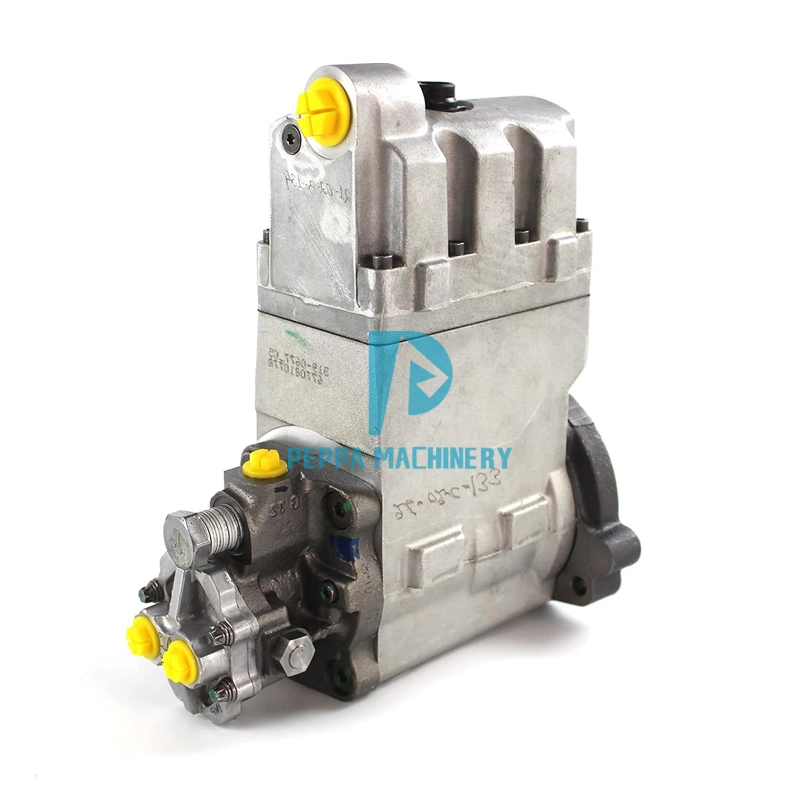
Fuel Feed / Transfer Pump Assembly for Caterpillar C7 & C9 Engines | Direct Replacement for OEM Parts #319-0678, 254-4358, 304-0678, 295-4778, 228-589
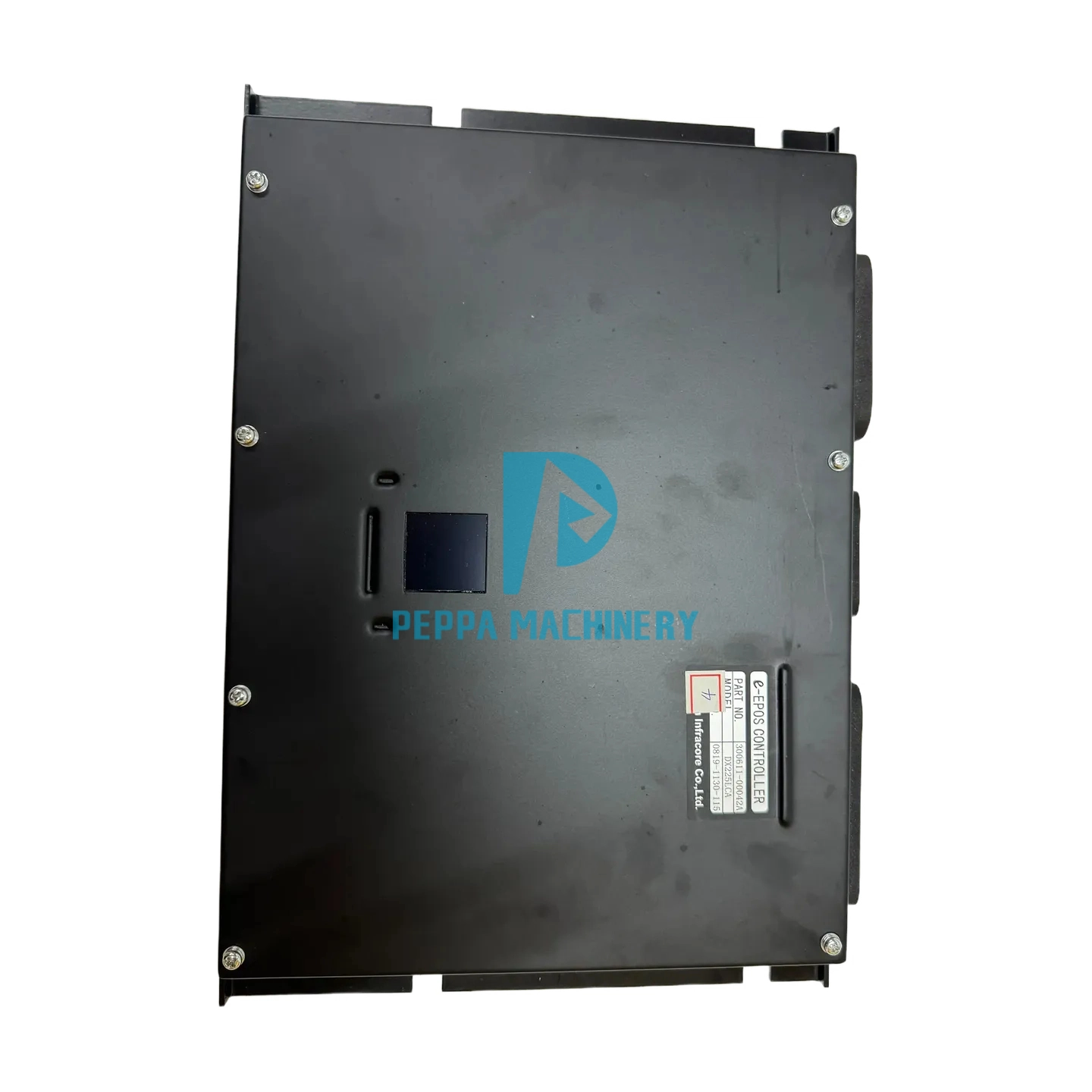
Excavator Accessories Excavator Controller DX225 DX225LCA E-EPOS Controller Computer Board 300611-00042 K1026740 K1001369C K1056425 ECU ECM

Isuzu Engine 6WG1 Turbo 1876183290 1-87618329-0 8981921861 8-98192186-1 14400-4441 1144004370 114400-4370 49188-018312 49188-11940
Excavator Parts
Are your parts genuine or OEM?
We offer both genuine parts and high-quality OEM alternatives. You can choose according to your budget and application needs. All OEM products are tested to meet or exceed original specifications.
What brands of excavator parts do you supply?
We supply a full range of parts compatible with major international and Chinese brands, including Caterpillar, Komatsu, Hitachi, Volvo, Doosan, Hyundai, Sany, Liugong, XCMG, Zoomlion, and more.
Do you provide technical support or installation guidance?
While we do not offer on-site installation, we can provide basic technical advice, diagrams, or documentation to assist your technicians with installation and troubleshooting.
What types of parts do you mainly offer?
Our main product categories include:
• Engine parts (liner kits, crankshafts, water/oil pumps, etc.)
• Electrical parts (sensors, monitors, throttle motors, wiring harnesses)
• Hydraulic parts (pumps, valves, cylinders)
• Sealing kits (NOK, SKF, PQ brands, floating seals, O-rings)
Can I get help choosing the right parts for my machine?
Yes. Our experienced sales team is here to provide professional recommendations and solutions based on your excavator model, part number, or specific requirements.
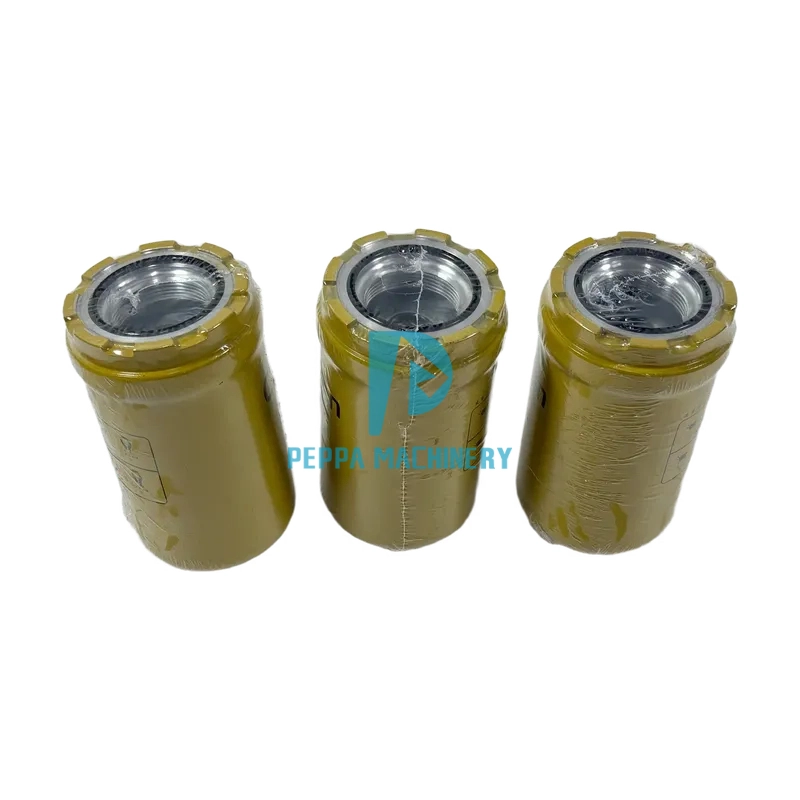
51-8670 Hydraulic Filter Applicable to HF35519 518670 2897836 518670X 1588987 Compatible with Caterpillar 352FVG 325CL
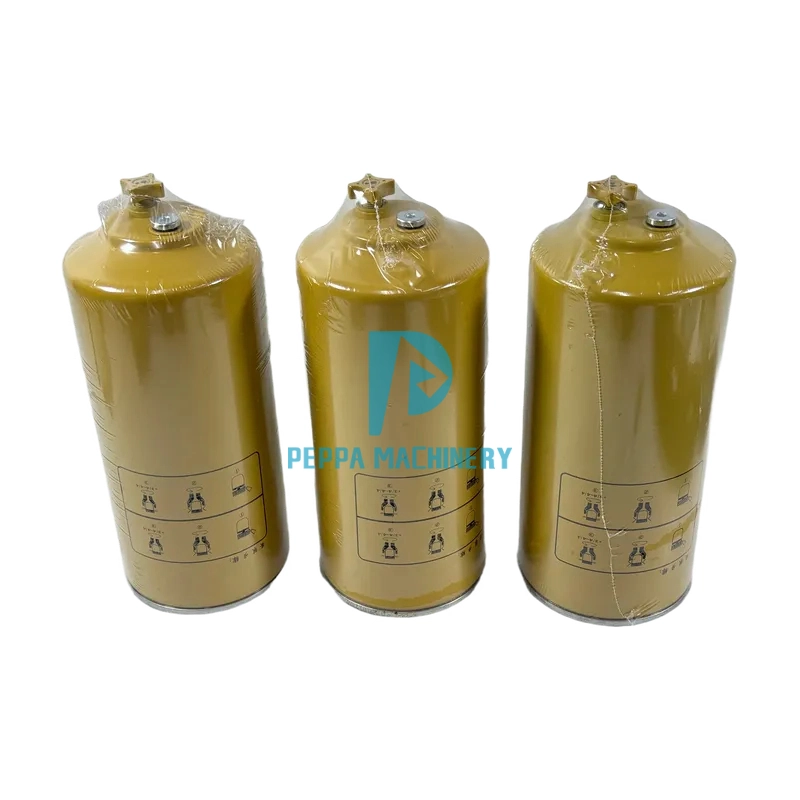
4385386 Fuel Water Separator Fuel Filter 382-0664 Oil-water Separator Hydraulic Oil Filter for CAT 312D2 320D2
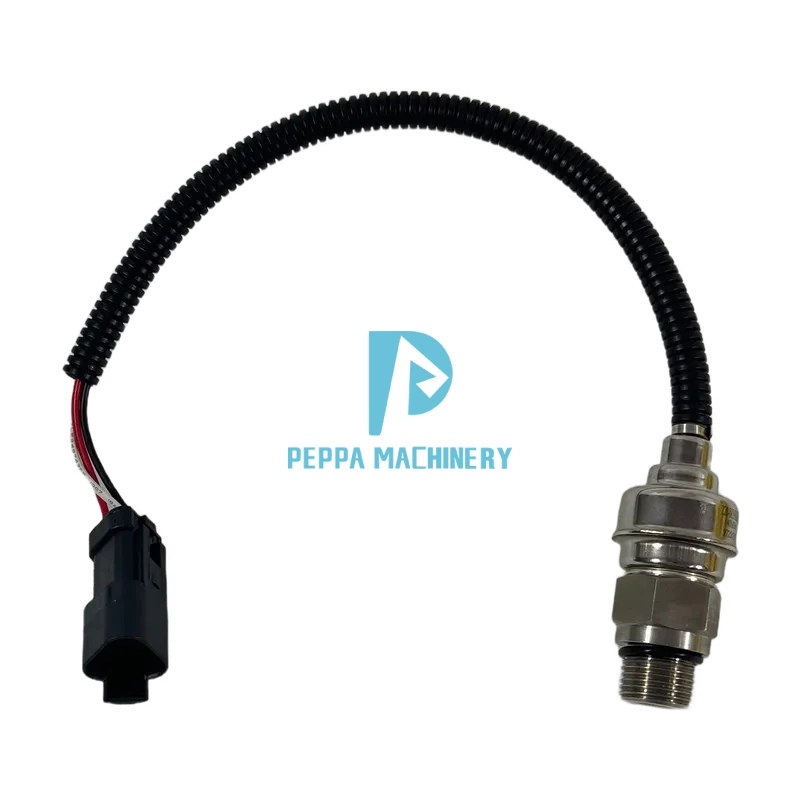
Pressure Sensor 221-8859 106-0178 for Caterpillar CAT 311B 311C 312C 314D 315B 320C 323D 324D 330C 336D 345B 385C
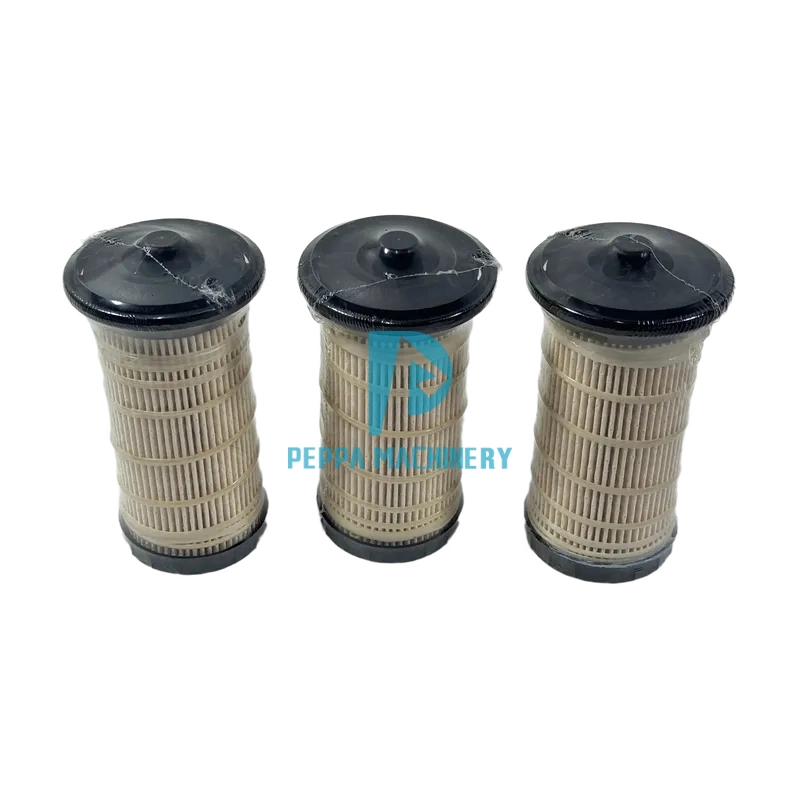
360-8960 Fuel Filter Element for Caterpillar C4.4 & C7.1 Engines | Fits 312D, 320D, 312E, 320E, 326D2, 336D2 Excavators
Get more information
Want to know more? Contact us today to get detailed product specifications, customized solutions, and a free consultation tailored to your needs.
Rest assured that your privacy is important to us, and all information provided will be handled with the utmost confidentiality.

Reliable Source for Quality Excavator Components.
Follow Us
Our Partners


Our Payment Methods


 High Quality
 7/24 Service
 Guaranteed Warranty
 Scan QR Code
Facebook
TikTok
YouTube
Pinterest
Twitter