








How to choose a high output alternator for hydraulic excavators?
- How to calculate the exact alternator amperage I need when my excavator runs hydraulic fans, LED work lights, heater blowers and a winch at the same time?
- How do I verify an alternator’s rated output at low idle RPM (400–800 rpm) — what spec should I request from suppliers for excavator duty?
- When retrofitting an older excavator, should I choose a brushless alternator or a brushed unit, and internal or external voltage regulator?
- How do I confirm mechanical compatibility (mounting flange, pulley ratio, belt capacity and pinout) before buying a high output alternator for my excavator?
- How can I be sure the alternator has sufficient thermal protection and IP rating for high-dust, high-temperature jobsite conditions?
- When upgrading to a high output alternator, how should I size batteries and wiring to enable fast charging and protect the system?
How to calculate the exact alternator amperage I need when my excavator runs hydraulic fans, LED work lights, heater blowers and a winch at the same time?
Start with an itemized electrical-load audit. List every electrical device that can run simultaneously and convert watts to amps using I (A) = P (W) / V (system voltage). For 12V systems divide by 12; for 24V systems divide by 24. Example device loads (typical ranges): LED light bar 50–200W, cabin heater/blower 200–1000W, hydraulic control valves/ECU 30–100W, auxiliary electric pump 500–1500W, electric winch 1500–6000W (peak). Add continuous loads, then add a 25–40% safety margin to size for long-term reliability and to cover inrush currents (winches, pumps).
Also separate continuous vs peak loads. Alternators are rated for continuous output at specified RPM; some devices create short peaks (starter, winch pull) that should be supplied from the battery. Your target alternator continuous output should meet or exceed the total continuous load at typical operating RPM (or at idle if you often work at low rpm). Example: If continuous loads sum to 3000W on a 24V machine → 3000/24 = 125A. Add 30% margin → specify ~160A continuous alternator output.
Key practical steps: obtain watt ratings for added accessories from manufacturers, measure real currents with a clamp meter during operations, and size alternator continuous rating >= measured continuous current + safety margin. If you can’t measure, use conservative watt estimates and consult OEM electrical schematics.
How do I verify an alternator’s rated output at low idle RPM (400–800 rpm) — what spec should I request from suppliers for excavator duty?
Suppliers should provide a performance curve: amps vs. engine speed (RPM) at a specified voltage and ambient temperature. For excavators you must request the alternator’s continuous output at a realistic low-idle engine speed (often 800–1000 rpm depending on machine). Important specs to request: continuous amps at 800 rpm, continuous amps at 1500–2000 rpm, and peak amps at rated engine speed, plus the test voltage (12V or 24V).
Accept nothing less than a curve or tabulated data. Example requirement language for a purchase order: “Provide continuous rated output ≥ X A at 800 ±50 rpm (12V/24V system) and thermal de-rating curve up to 100°C ambient.” If the vendor cannot provide low-idle performance, treat the claim of “200A” with caution — many alternators only reach nameplate amps at high rpm. For machines that spend significant time at idle, prioritize measured low-idle output over peak ratings.
When retrofitting an older excavator, should I choose a brushless alternator or a brushed unit, and internal or external voltage regulator?
Brushless alternator advantage: fewer wearable parts (no brushes), higher thermal tolerance, better endurance under heavy dust and vibration, and often higher continuous output per package size. Brushed alternators are cheaper and easier to repair in-field if you can replace brushes and slip rings, but they require more maintenance.
Voltage regulator choice: internal regulators simplify wiring and are common on OEM replacements. External (remote) regulators give you better thermal separation, easier access for diagnostics and tuning (charging voltage for AGM/flooded batteries), and are preferred when you retrofit into cramped or high-heat locations. For high output applications and sensitive battery chemistries (AGM/gel), an external, programmable regulator is often superior because it can provide optimized multi-stage charging profiles and temperature compensation.
Decision matrix: if you want lowest maintenance and higher reliability in dusty/hot jobsite conditions → choose a brushless alternator with an external regulator. If you need a direct OEM drop-in and on-site repairability is a priority, a brushed alternator with internal regulator may fit better.
How do I confirm mechanical compatibility (mounting flange, pulley ratio, belt capacity and pinout) before buying a high output alternator for my excavator?
Mechanical compatibility checklist:
- Mounting points and bracket geometry — verify bolt pattern, centerline, and belt alignment with the engine front cover. Request detailed dimensional drawings or 3D models.
- Pulley type and diameter — alternator output depends on pulley ratio to engine crank speed. Request alternator output curves at the specific pulley ratio or request matching pulleys from supplier. For retrofits, ensure the alternator pulley does not overspeed the alternator at max engine rpm.
- Belt type and capacity — heavy-duty high-output alternators increase belt load. Confirm the existing belt (serpentine or V-belt) and tensioner can handle the higher torque; you may need a wider belt or an additional belt run. Check torque calculations: Alternator torque (N·m) = (Voltage × Current) / (2π × RPM / 60) approximated; consult belt manufacturer tables for capacity.
- Electrical pinout and harness — confirm connector type, pin assignments, field terminal location, and whether the alternator uses a separate sense wire for voltage regulation. Obtain the wiring diagram from the supplier to ensure plug-and-play or plan harness adapters.
- Clearances and cooling airflow — verify cooling ducts, fan clearance and whether the alternator’s cooling fan direction matches the engine-driven airflow.
Always request an OEM cross-reference and dimensional drawing. If possible, perform a trial-fit before finalizing the purchase or ask the supplier for a returnable test unit.
How can I be sure the alternator has sufficient thermal protection and IP rating for high-dust, high-temperature jobsite conditions?
Look for explicit environmental ratings: ingress protection (IP) at least IP54, ideally IP65–IP67 for frequent dust and wash-down environments. Thermal specifications should include maximum operating temperature (e.g., rated to 105°C or 125°C) and thermal derating curves showing output vs. ambient temperature.
Other protective features to request:
- Over-temperature protection (automatic current reduction or shutdown at a specified temperature).
- Overspeed protection or mechanical safeguards if the pulley ratio could make the alternator exceed safe rpm.
- Sealed bearings and high-temp grease designed for heavy equipment duty cycles.
- Protected rectifier diodes and surge suppression to withstand spikes from winch and pump loads.
Ask for component-level details: diode type (silicon carbide or Schottky where used), regulator thermal management, and bearing ratings. Suppliers should supply test reports or certificates demonstrating compliance with industrial temperature (IEC 60068) and ingress tests where available.
When upgrading to a high output alternator, how should I size batteries and wiring to enable fast charging and protect the system?
Wiring and battery sizing are often overlooked. Key rules:
- Wiring gauge: follow ampacity tables for continuous current. Use copper marine/automotive stranded cable rated for the environment. For example, a 200A continuous alternator on a 24V system typically requires cables in the 35–50 mm² (2/0–4/0 AWG equivalent) range for main charge wiring, but always calculate based on run length and allowable voltage drop (<3%).
- Voltage drop: keep end-to-end voltage drop under 3% at maximum continuous current. Use Vdrop = I × R; choose conductor size accordingly.
- Battery bank sizing: batteries act as buffers for peaks and store charge. For frequent heavy accessory use, increase battery capacity (Ah) and CCA so the battery can absorb alternator charge pulses and supply inrush currents. For instance, a 24V work machine using high accessory loads may need 200–400 Ah equivalent capacity depending on duty cycle. Match chemistry: AGM batteries accept higher charge rates but require proper regulator settings.
- Charging control: use a regulator with temperature compensation and appropriate charging algorithms for your battery chemistry. For multi-battery systems, add a battery isolator or smart charging distribution to prevent cross-discharge.
- Protective devices: install appropriately rated fuses or circuit breakers near the battery positive terminal, and use charge pre-charge resistors or soft-start for large alternator-to-battery inrush when coupling large banks.
Work through a wiring diagram that includes main positive/negative runs, sense wires, regulator control wires, and auxiliary loads. If in doubt, have the alternator and wiring sized by an electrical engineer familiar with mobile/heavy equipment installations and local electrical codes.
Concluding summary — advantages of selecting the correct high output alternator
Choosing the right high output alternator for hydraulic excavators improves machine uptime, reduces battery stress, enables safe operation of multiple heavy accessories, and lowers long-term ownership costs. Properly matched alternator output (especially at low idle), correct regulator type, mechanical compatibility, thermal protection and appropriately sized wiring and batteries together deliver reliable heavy equipment charging and reduce field failures.
For expert assistance, OEM cross-references, and quotes for high output alternators compatible with your excavator make and model, contact JB Parts at www.jbpartsgz.com or jbparts@aliyun.com. We can provide dimensional drawings, performance curves, and on-request testing documentation to meet jobsite specs.

Isuzu SP 4JG1 4JG2 4JG3 Cylinder Liner 1876182070 1-87618207-0 1876182080 1-87618208-0 1876182100 1-87618210-0
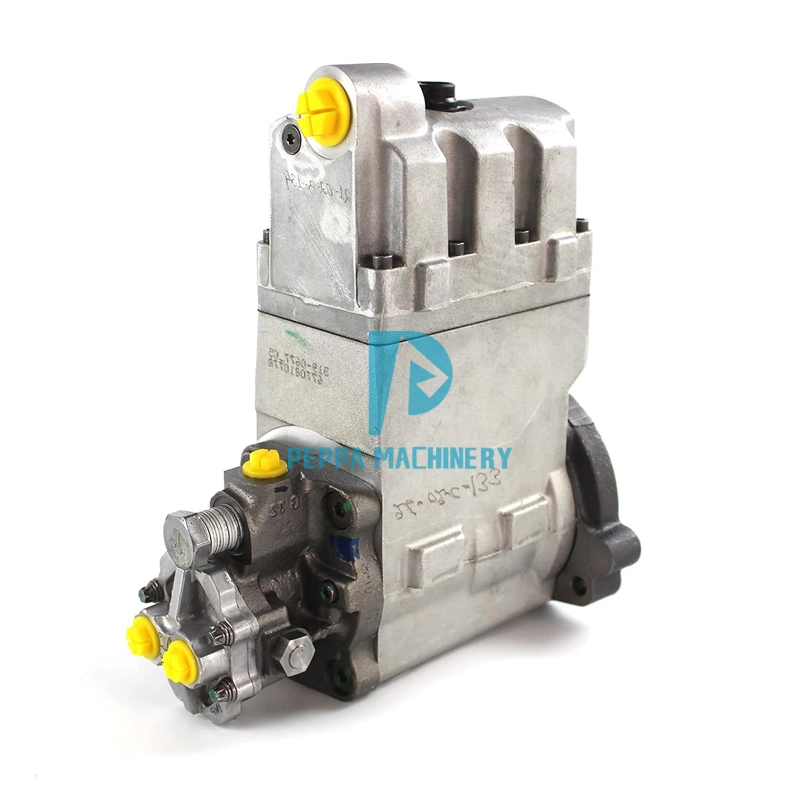
Fuel Feed / Transfer Pump Assembly for Caterpillar C7 & C9 Engines | Direct Replacement for OEM Parts #319-0678, 254-4358, 304-0678, 295-4778, 228-589
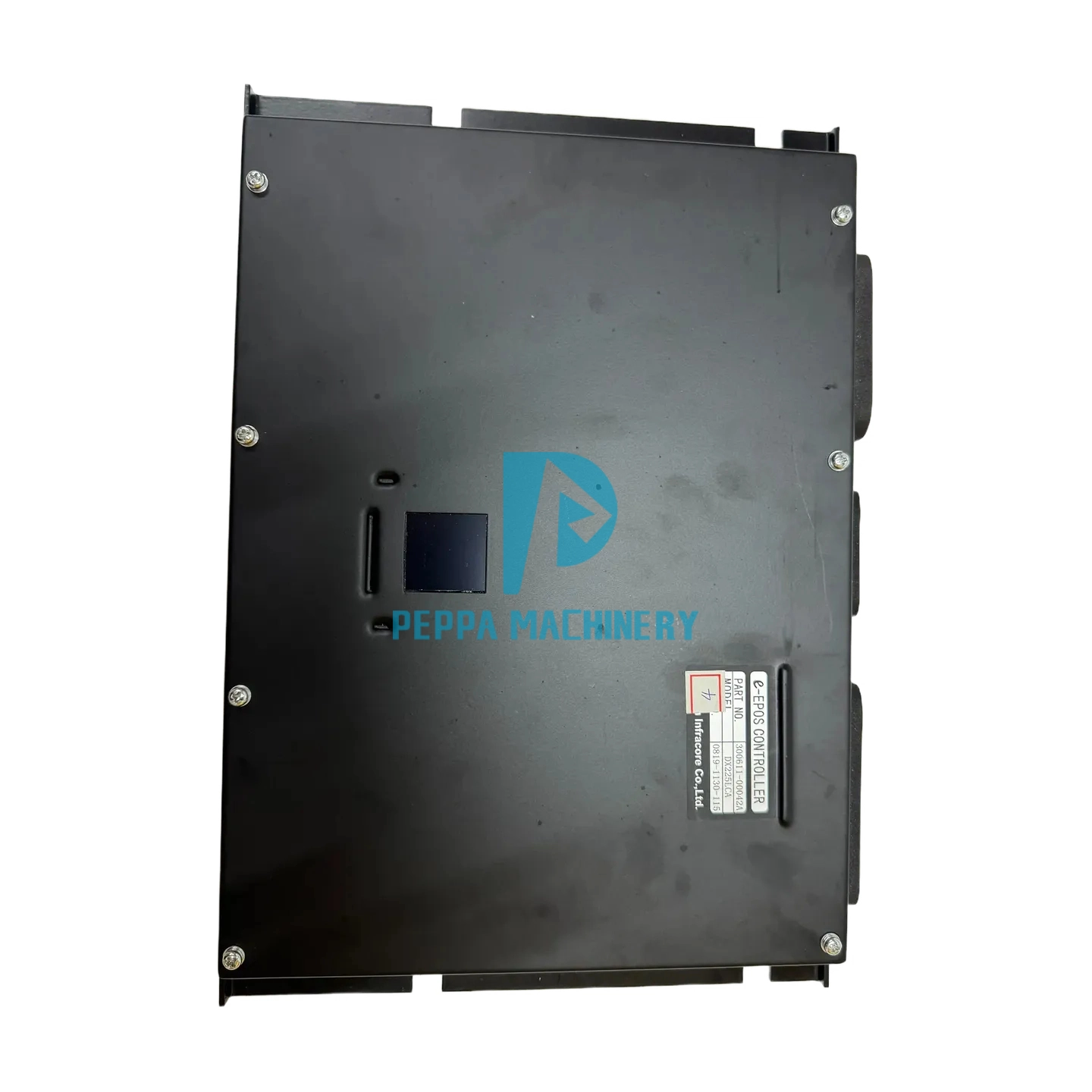
Excavator Accessories Excavator Controller DX225 DX225LCA E-EPOS Controller Computer Board 300611-00042 K1026740 K1001369C K1056425 ECU ECM

Isuzu Engine 6WG1 Turbo 1876183290 1-87618329-0 8981921861 8-98192186-1 14400-4441 1144004370 114400-4370 49188-018312 49188-11940
Excavator Parts
How can I verify compatibility before placing an order?
Please provide us with your machine brand, model number, and the part number (if available). Our team will double-check the compatibility to ensure you receive the correct parts.
What types of parts do you mainly offer?
Our main product categories include:
• Engine parts (liner kits, crankshafts, water/oil pumps, etc.)
• Electrical parts (sensors, monitors, throttle motors, wiring harnesses)
• Hydraulic parts (pumps, valves, cylinders)
• Sealing kits (NOK, SKF, PQ brands, floating seals, O-rings)
Can I get help choosing the right parts for my machine?
Yes. Our experienced sales team is here to provide professional recommendations and solutions based on your excavator model, part number, or specific requirements.
Do you provide technical support or installation guidance?
While we do not offer on-site installation, we can provide basic technical advice, diagrams, or documentation to assist your technicians with installation and troubleshooting.
What brands of excavator parts do you supply?
We supply a full range of parts compatible with major international and Chinese brands, including Caterpillar, Komatsu, Hitachi, Volvo, Doosan, Hyundai, Sany, Liugong, XCMG, Zoomlion, and more.
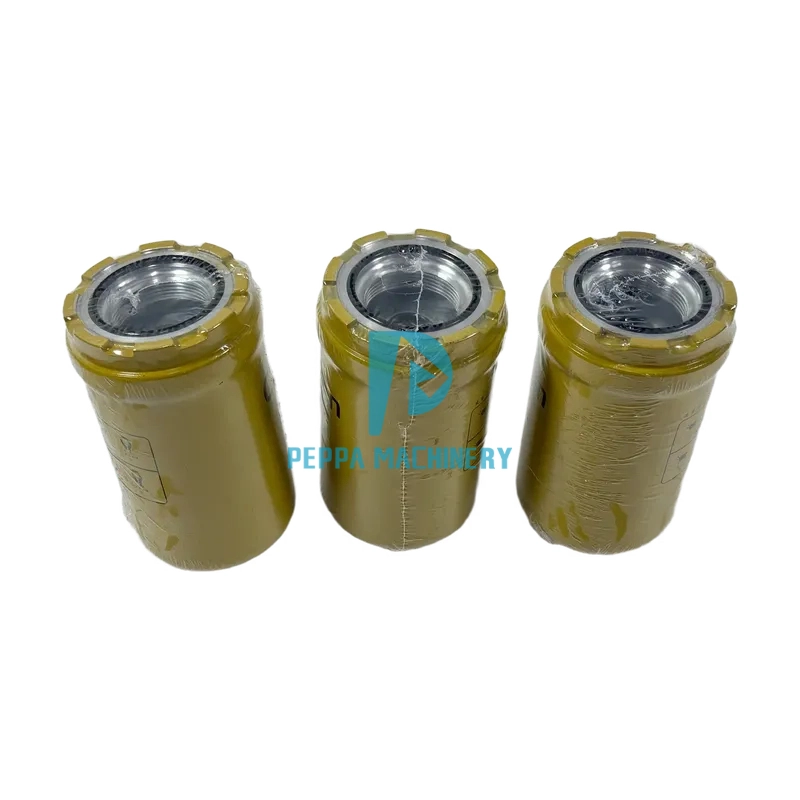
51-8670 Hydraulic Filter Applicable to HF35519 518670 2897836 518670X 1588987 Compatible with Caterpillar 352FVG 325CL
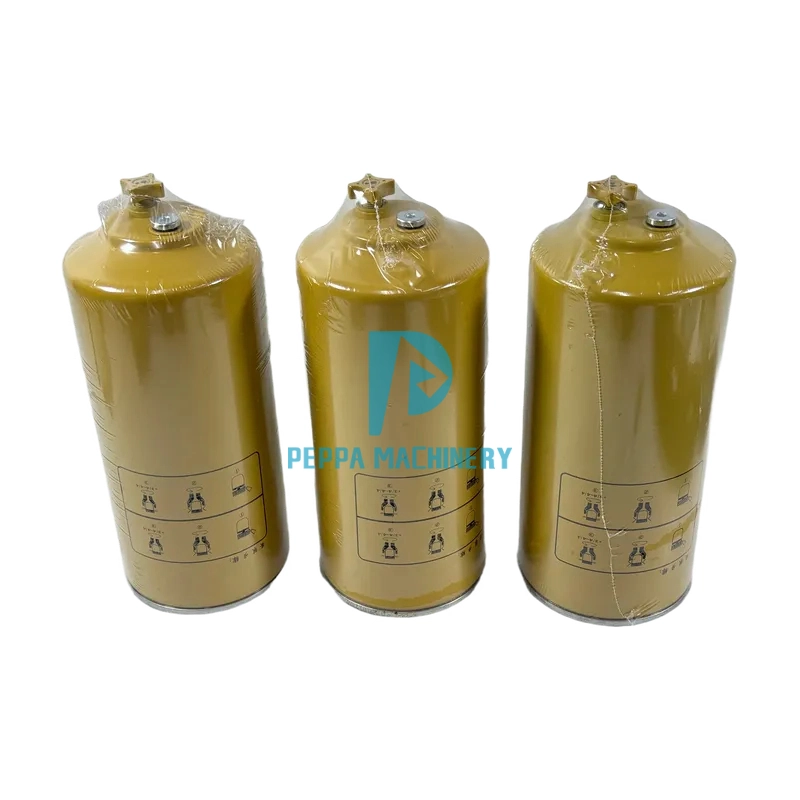
4385386 Fuel Water Separator Fuel Filter 382-0664 Oil-water Separator Hydraulic Oil Filter for CAT 312D2 320D2
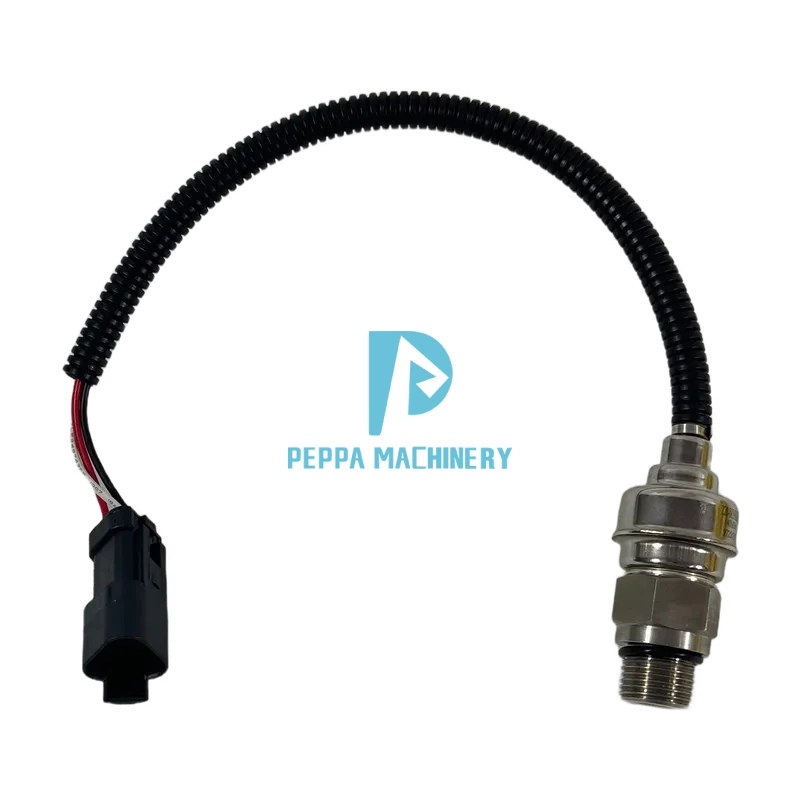
Pressure Sensor 221-8859 106-0178 for Caterpillar CAT 311B 311C 312C 314D 315B 320C 323D 324D 330C 336D 345B 385C
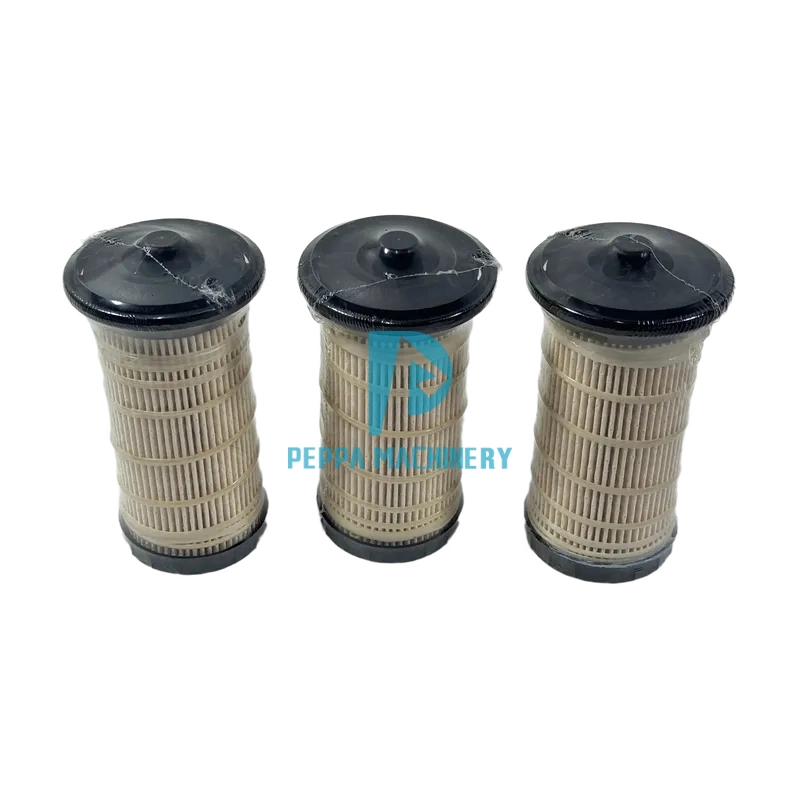
360-8960 Fuel Filter Element for Caterpillar C4.4 & C7.1 Engines | Fits 312D, 320D, 312E, 320E, 326D2, 336D2 Excavators
Get more information
Want to know more? Contact us today to get detailed product specifications, customized solutions, and a free consultation tailored to your needs.
Rest assured that your privacy is important to us, and all information provided will be handled with the utmost confidentiality.

Reliable Source for Quality Excavator Components.
Follow Us
Our Partners


Our Payment Methods


 High Quality
 7/24 Service
 Guaranteed Warranty
 Scan QR Code
Facebook
TikTok
YouTube
Pinterest
Twitter