








How to install a high output alternator on an excavator safely?
- 1) How do I size a high output alternator for an excavator that runs hydraulic heaters, LED lights and telematics at low idle?
- 2) Which wiring gauge, connectors and fuse type are required when upgrading to a 200 A high output alternator on a 12 V excavator?
- 3) How to adapt the engine accessory drive and pulley ratio to avoid alternator overspeed while still improving low‑RPM charging?
- 4) What are the safe steps to install and wire an external regulator for a high output alternator on an excavator?
- 5) How can I prevent overheating and premature bearing failure in high output alternators operating in hot, dusty excavator environments?
- 6) How to test and verify charging performance at low RPM after installing a high output alternator — what readings indicate correct operation?
- How to install a high output alternator on an excavator safely?
How to Install a High Output Alternator on an Excavator Safely
Upgrading to a high output alternator improves battery charging, supports hydraulic warmers, LED work lights, fuel heaters and telematics on modern excavators. This guide answers six specific, practical questions operators and shop technicians frequently face when buying and installing high‑amperage alternators on excavators.
Note on terminology: throughout this article I use terms common in heavy equipment electrical work — high output alternator, heavy‑duty alternator, alternator regulator, charging system, and low‑RPM output — and recommend you confirm final specifications with the OEM or alternator vendor.
1) How do I size a high output alternator for an excavator that runs hydraulic heaters, LED lights and telematics at low idle?
Why this matters: Many excavator operators find their batteries drain overnight or the battery is starved at idle despite a “high output” alternator. The key is matching continuous charge capacity at real-world engine idle RPM and estimating total electrical load with headroom.
Step‑by‑step approach:
- Inventory all electrical loads (amps at operating voltage) — examples: cab heater/defroster fans, LED light bars, electric seat heaters, fuel/water heaters, radios/telematics, battery chargers, camera systems. Use nameplate amps or measure current draw if unknown.
- Determine system voltage (12V or 24V). Most medium excavators use 12V; large machines may be 24V. All calculations must use the machine voltage.
- Estimate continuous load at idle and peak transient loads (starting motors, inrush to heaters/lights). Continuous loads matter for alternator sizing; inrush affects fusing and cabling.
- Choose an alternator rated for the continuous amp requirement at the engine idle RPM typical for that machine (not only the manufacturer’s peak rating at 2,000–3,000 RPM). Many heavy‑duty alternators specify low‑RPM output curves; select a model with strong low‑RPM output. For excavators, target an alternator that delivers at least 20–40% more continuous amperage than your continuous load to allow battery recovery and system losses.
Practical numbers (industry practice): high output alternators for excavators commonly range from about 120 A to 300+ A peak. However, pay attention to the amperage curve: a 200 A alternator that only delivers 25–30 A at 800 RPM will not solve low‑idle charging issues. Seek alternators or regulator options optimized for low RPM (external regulators or series wound designs) or consider an auxiliary alternator dedicated to battery charging if prolonged low‑rpm operation is required.
Verification: After installation, measure charging amps at typical idle with a clamp meter and battery voltage under load. If the alternator cannot supply the required continuous current at idle, consider smaller pulley changes (to increase alternator RPM) or a different low‑speed model.
2) Which wiring gauge, connectors and fuse type are required when upgrading to a 200 A high output alternator on a 12 V excavator?
Why this matters: Improper cable sizing and lack of proper fusing are leading causes of failures and fire risk when installing high‑amperage alternators. Heavy currents require correct battery cables, terminations and ANL/bolted fuses or DC circuit breakers located at the battery.
General guidance (verify with OEM and local code):
- Use dedicated battery positive cable from alternator output to main battery positive; minimize length and route away from hot or rotating parts.
- Cable sizing (approximate industry practice for 12 V systems):
- 100 A ≈ 2 AWG
- 150 A ≈ 1/0 AWG
- 200 A ≈ 2/0 AWG
- 250 A ≈ 3/0 AWG
- 300 A ≈ 4/0 AWG
- Install an ANL or bolted DC fuse/circuit breaker sized to protect the cable and alternator output as close to the battery positive as practicable (typically within 6–12 inches of battery). The fuse rating should be equal to or slightly above the alternator continuous rating and be coordinated with downstream distribution.
- Use quality marine/automotive ring terminals sized to the conductor and the stud diameter. Crimp and heat‑shrink, or solder and seal per best practice. Inspect and retorque after initial run‑in.
- Ground return: ensure a low resistance chassis/battery negative ground. For high currents, consider a dedicated battery negative cable to the engine block or alternator ground point if the machine’s frame ground path is corroded or thin.
Safety notes: Never rely on chassis paths or painted surfaces for high current return. Always fuse the output near the battery to prevent a cable‑short fire if the alternator cable is damaged.
3) How to adapt the engine accessory drive and pulley ratio to avoid alternator overspeed while still improving low‑RPM charging?
Why this matters: Changing pulley diameters is a common tactic to increase alternator RPM at low engine speed, but it risks overspeeding the alternator at high engine RPM, accelerating bearing wear and causing regulator/diode failures.
Rules and steps:
- Get the alternator’s maximum safe RPM from the manufacturer. Typical alternators have maximum permissible shaft speeds — exceeding that voids warranty and causes failure.
- Calculate target pulley ratio: desired alternator RPM = engine RPM × (engine pulley diameter / alternator pulley diameter). Use the machine’s minimum and maximum engine RPM (idle and rated). Choose pulley sizes so alternator RPM at idle provides sufficient output but at maximum engine RPM remains below the alternator’s published max RPM by a safe margin (~20% margin recommended).
- Consider variable solutions: some installers use a slightly smaller alternator pulley rather than a much smaller one, or choose an alternator with a built‑in over‑speed clutch (rare). For machines with wide RPM ranges, a multi‑stage charging strategy or an alternator with better low‑RPM design is preferred.
- Belt selection and alignment: when changing pulley size, ensure belt length and tension remain within specifications; use the correct section (serpentine vs V‑belt). Incorrect tension leads to slippage and heat.
Practical alternative: if pulley changes are not safe or sufficient, choose a high output alternator with an internal design suited for low RPM (e.g., higher field turn count, different regulator mapping) or add an auxiliary alternator dedicated to battery charging with an independent drive.
4) What are the safe steps to install and wire an external regulator for a high output alternator on an excavator?
Why this matters: External/regulator upgrades are often required to tailor charging setpoints, support temperature compensation, and control multiple alternators. Improper wiring can cause alternator shutdown, poor charge, or damage.
Installation checklist:
- Choose a regulator rated for the alternator model and system voltage. For heavy‑duty use, pick a regulator that supports remote voltage sensing, temperature compensation and alternator field current limiting.
- Mount the regulator in a vibration‑isolated, weather‑protected area with good airflow; keep wiring runs short and use shielded control wires if in noisy electrical environments.
- Typical wiring points:
- B+ (main output) — heavy cable to battery + (fused at battery)
- Field/DF — connection from regulator to alternator field terminal (observe correct polarity)
- Sensing lead — run a dedicated wire from battery positive (or main distribution bus) to the regulator sense terminal to avoid voltage drop errors
- Ignition or sense input — regulator may need an ignition-switched turn-on signal
- Temp sensor — optional, for temperature compensation near battery or alternator
- Install protective devices: fuses for control circuits, and transient voltage suppression as recommended by regulator manufacturer.
- After installation, program or set the regulator’s output voltage according to battery type (flooded, AGM, GEL) and system voltage. Typical setpoints are 13.6–14.8 V for 12 V flooded/AGM systems (higher charge voltages are used for equalization; follow battery manufacturer instructions). For 24 V systems double these values.
Verification: With a clamp meter and voltmeter, confirm the regulator is controlling field current and maintaining voltage under load and during engine speed changes. If multiple alternators are present, ensure proper paralleling or master/slave control is configured per manufacturer instructions.
5) How can I prevent overheating and premature bearing failure in high output alternators operating in hot, dusty excavator environments?
Why this matters: Excavator duty cycles expose alternators to dust, high ambient temperatures and intermittent loads. Overheating shortens diode life and damages bearings.
Mitigation measures:
- Choose alternators with heavy‑duty sealing and robust bearings rated for heavy equipment; vendors often list IP rating (ingress protection) and bearing life under load. For dusty, wet environments look for higher IP ratings and sealed bearings.
- Improve cooling: ensure the alternator has free air circulation, avoid placing it in an enclosed compartment without forced ventilation. If space limits airflow, add small forced‑air fans or ducting to channel engine bay airflow across the alternator housing.
- Reduce high ambient stress: avoid placing alternator cables or harnesses that trap heat against the alternator housing. Use heat shields where needed.
- Service intervals: inspect and clean alternator cooling fins, check belt alignment and tension, and listen for bearing noise. Replace belts at scheduled intervals; slipping belts increase alternator heat dramatically.
- Consider overspeed protection and soft start features in the regulator if alternator field currents cause excessive heating during prolonged heavy loads.
If frequent hot starts or repeated high‑current events occur (charging heavy batteries after long discharge), choose alternators with higher continuous duty ratings or staged charging solutions to spread heat load.
6) How to test and verify charging performance at low RPM after installing a high output alternator — what readings indicate correct operation?
Why this matters: Post‑install verification confirms the alternator and installation are performing as intended and prevents surprises in the field.
Testing procedure and acceptable readings:
- Safety first: secure the machine, set parking brake, chock tracks, and follow lockout/tagout procedures. Wear eye protection and gloves.
- Measure system resting voltage (engine off): fully charged 12 V battery should be ~12.6–12.8 V; 24 V systems ~25.2–25.6 V. If rest voltage is low, charge the battery prior to testing.
- Start engine and warm to typical operating temperature. Measure battery voltage at idle (with loads on and off). For 12 V systems a healthy charging system normally shows 13.6–14.8 V under charge. For 24 V systems double those numbers (27.2–29.6 V). If the regulator has temperature compensation settings, expect slightly different values per battery type.
- Use a clamp meter on the alternator output wire to measure charging current at idle and at higher engine speed. Compare measured current to expectations from the alternator’s low‑RPM output curve. If measured current is significantly below expected, check voltage drop in cables, regulator settings, belt slip, or poor ground.
- Voltage drop checks: measure voltage at alternator B+ and at battery positive while under load. Acceptable total voltage drop should be minimal — ideally less than 0.2–0.5 V across the cable/run at full charge current. Larger drops indicate undersized cable or poor connections.
- Load testing: with typical working loads applied (lights, heaters, heated mirrors, telematics), confirm the voltage remains in the charging band and that battery voltage recovers after engine speed increase. If voltage collapses under load, investigate regulator, alternator health, or battery condition.
Document all readings and retest after a few hours of operation to verify there are no heating‑related performance degradations.
How to install a high output alternator on an excavator safely?
Step‑by‑step safety‑focused install checklist (condensed):
- Review the excavator OEM manual and alternator vendor installation instructions; confirm mount and drive compatibility.
- Disconnect negative battery cable(s) and tag out. Remove accessories and cover exposed live terminals.
- Support alternator weight during removal/installation. Replace any worn belt tensioners and ensure pulleys align. Use torque specs from alternator and machine manuals when tightening mount bolts.
- Install properly sized main output cable, secure with approved lugs, and route away from heat and moving parts. Install an ANL/bolted fuse or DC breaker within 6–12 inches of battery positive.
- Wire the regulator and sense lines per wiring diagram. Use heat‑resistant, abrasion‑resistant wiring and protect runs with conduit or loom. Secure ground connections with clean metal contact points.
- Reattach battery negative last. Start engine and perform the tests described above: voltage at battery, alternator current, voltage drops and temperature checks.
- Run the machine under normal working loads and recheck belt tension, terminations and temperature after 30–60 minutes of operation. Re‑torque electrical terminations after initial warm‑up if required.
If at any point you encounter unusual noises, excessive heat, or voltages outside expected ranges, stop and troubleshoot before returning the machine to service. When in doubt, consult the alternator vendor or an authorized service center.
Concluding summary: Upgrading to a high output alternator — when correctly sized, wired, mounted and tested — brings reliable charging at low RPMs, supports added electric accessories, reduces battery cycling and downtime, and improves cold‑start reliability. The advantages include higher continuous charging capacity, better support for hydraulic heaters and telematics, and greater headroom for future electrification on the machine.
For specification matching and quotation, contact us for a tailored high‑output alternator solution and installation guidance: visit www.jbpartsgz.com or email jbparts@aliyun.com.

Isuzu SP 4JG1 4JG2 4JG3 Cylinder Liner 1876182070 1-87618207-0 1876182080 1-87618208-0 1876182100 1-87618210-0
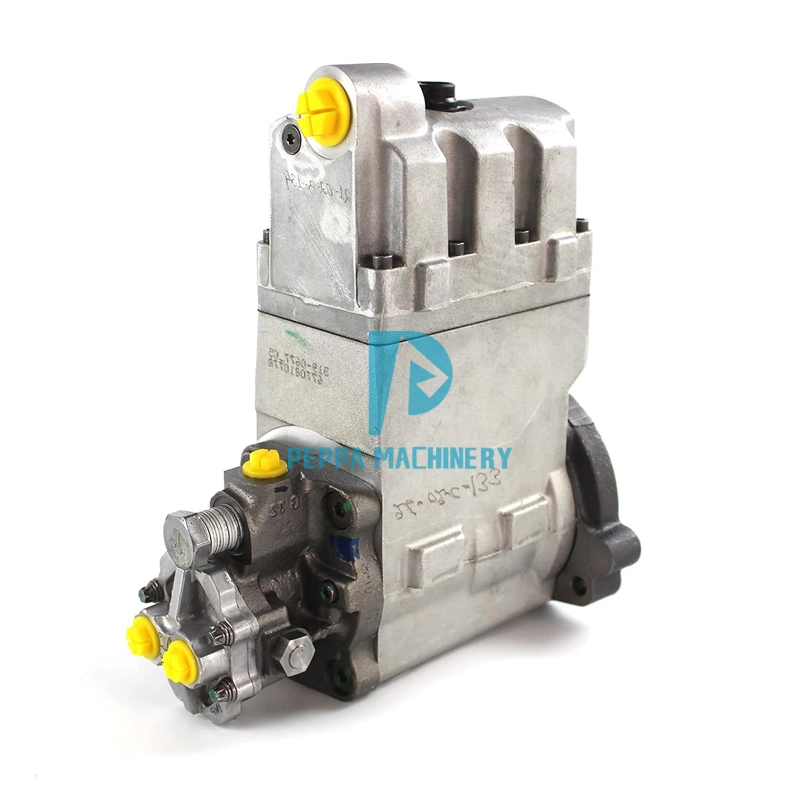
Fuel Feed / Transfer Pump Assembly for Caterpillar C7 & C9 Engines | Direct Replacement for OEM Parts #319-0678, 254-4358, 304-0678, 295-4778, 228-589
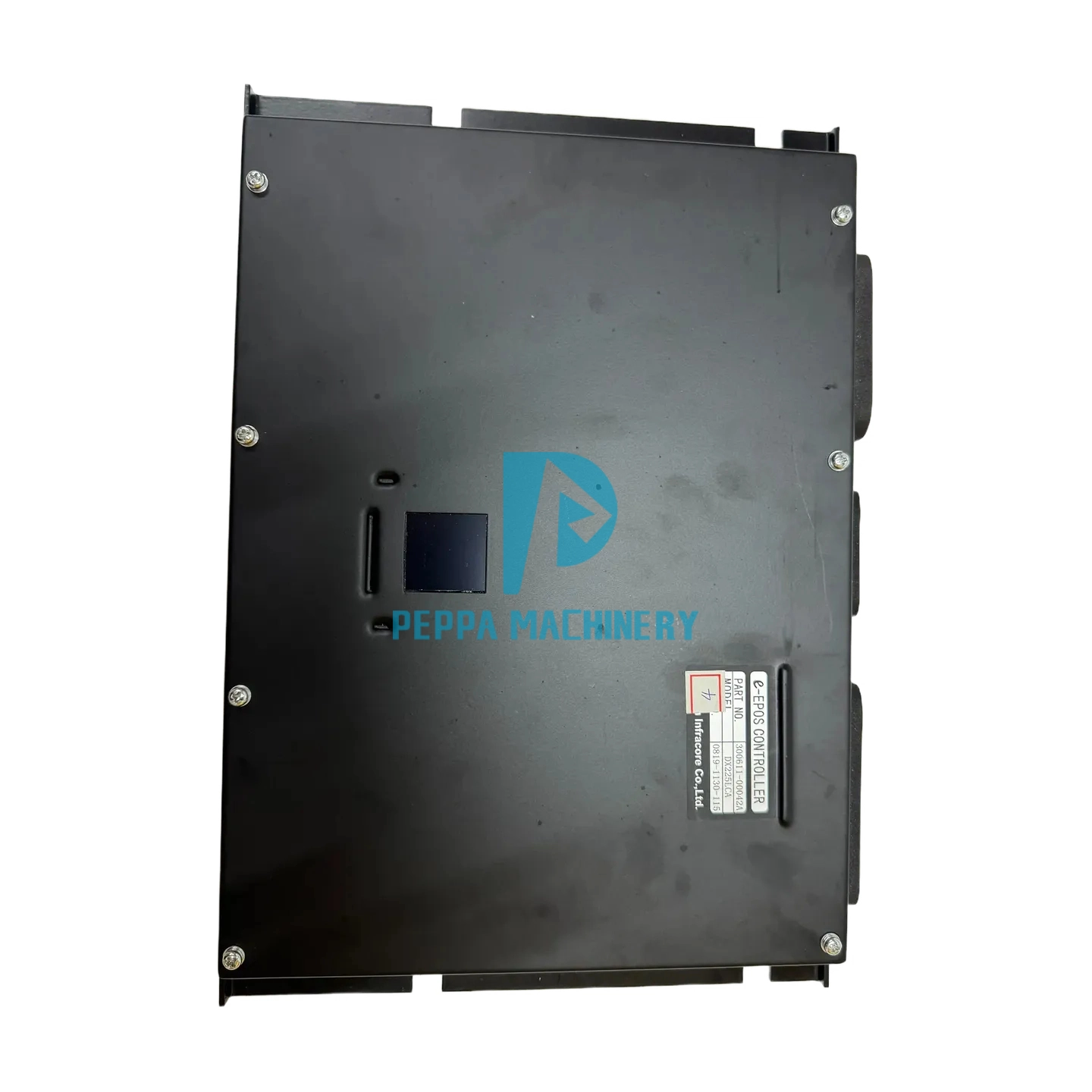
Excavator Accessories Excavator Controller DX225 DX225LCA E-EPOS Controller Computer Board 300611-00042 K1026740 K1001369C K1056425 ECU ECM

Isuzu Engine 6WG1 Turbo 1876183290 1-87618329-0 8981921861 8-98192186-1 14400-4441 1144004370 114400-4370 49188-018312 49188-11940
Excavator Parts
How can I verify compatibility before placing an order?
Please provide us with your machine brand, model number, and the part number (if available). Our team will double-check the compatibility to ensure you receive the correct parts.
What types of parts do you mainly offer?
Our main product categories include:
• Engine parts (liner kits, crankshafts, water/oil pumps, etc.)
• Electrical parts (sensors, monitors, throttle motors, wiring harnesses)
• Hydraulic parts (pumps, valves, cylinders)
• Sealing kits (NOK, SKF, PQ brands, floating seals, O-rings)
Are your parts genuine or OEM?
We offer both genuine parts and high-quality OEM alternatives. You can choose according to your budget and application needs. All OEM products are tested to meet or exceed original specifications.
Do you provide technical support or installation guidance?
While we do not offer on-site installation, we can provide basic technical advice, diagrams, or documentation to assist your technicians with installation and troubleshooting.
What brands of excavator parts do you supply?
We supply a full range of parts compatible with major international and Chinese brands, including Caterpillar, Komatsu, Hitachi, Volvo, Doosan, Hyundai, Sany, Liugong, XCMG, Zoomlion, and more.
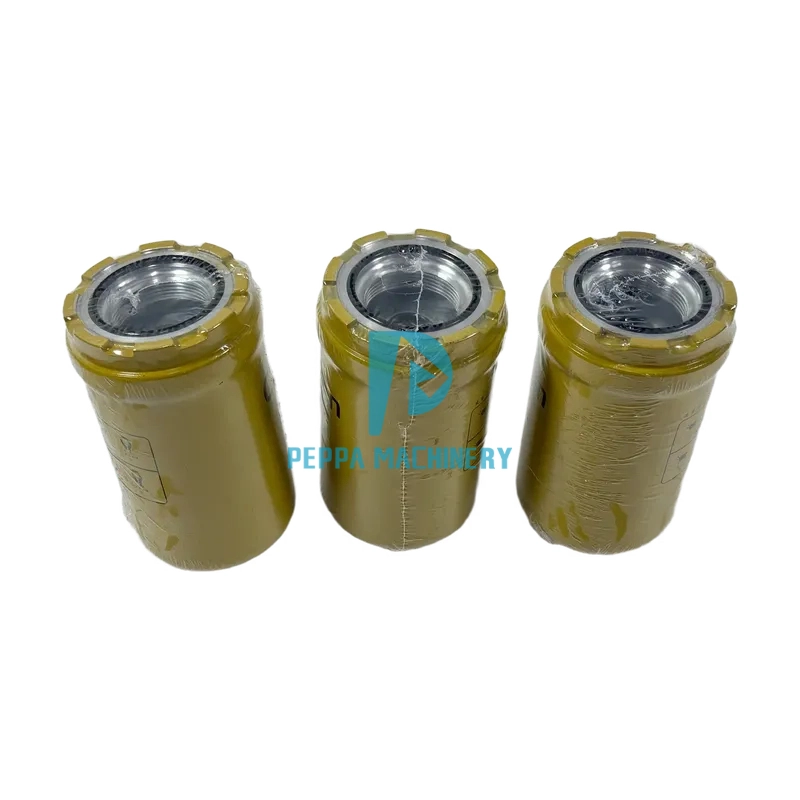
51-8670 Hydraulic Filter Applicable to HF35519 518670 2897836 518670X 1588987 Compatible with Caterpillar 352FVG 325CL
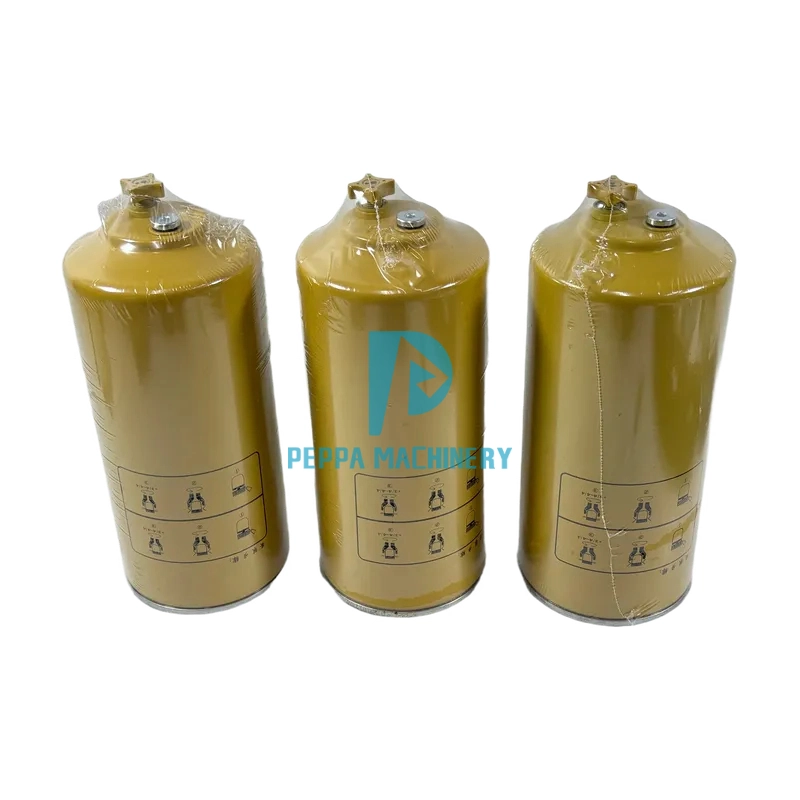
4385386 Fuel Water Separator Fuel Filter 382-0664 Oil-water Separator Hydraulic Oil Filter for CAT 312D2 320D2
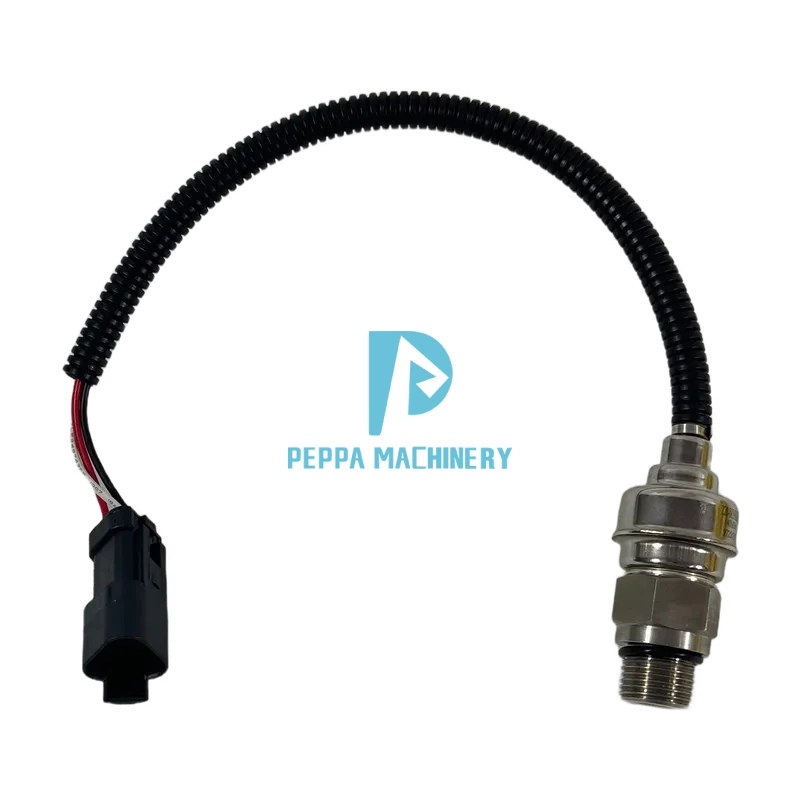
Pressure Sensor 221-8859 106-0178 for Caterpillar CAT 311B 311C 312C 314D 315B 320C 323D 324D 330C 336D 345B 385C
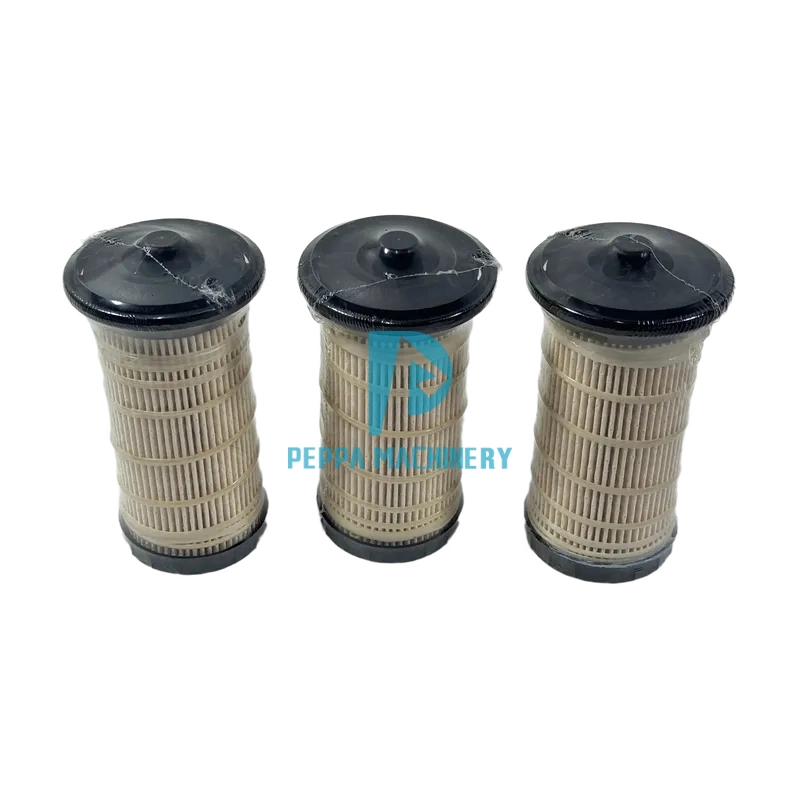
360-8960 Fuel Filter Element for Caterpillar C4.4 & C7.1 Engines | Fits 312D, 320D, 312E, 320E, 326D2, 336D2 Excavators
Get more information
Want to know more? Contact us today to get detailed product specifications, customized solutions, and a free consultation tailored to your needs.
Rest assured that your privacy is important to us, and all information provided will be handled with the utmost confidentiality.

Reliable Source for Quality Excavator Components.
Follow Us
Our Partners


Our Payment Methods


 High Quality
 7/24 Service
 Guaranteed Warranty
 Scan QR Code
Facebook
TikTok
YouTube
Pinterest
Twitter