








Which hydraulic pump motor brands are best for heavy excavators?
- 1. How do I verify a replacement hydraulic pump motor will physically and functionally fit my 30–50 ton excavator (mounting, shaft, displacement, control type)?
- 2. Which hydraulic pump motor brands are best for heavy excavators operating in high-temperature, dusty mining conditions and why?
- 3. How can I diagnose early wear or imminent failure in an axial piston hydraulic pump motor before catastrophic breakdown?
- 4. Can remanufactured or aftermarket hydraulic pump motors match OEM performance for heavy excavators, and what specific inspection points should I require when buying remanufactured units?
- 5. What hydraulic oil viscosity grades, additive types and filtration cleanliness levels should I use to maximize pump motor life in heavy excavators?
- 6. What realistic service life can I expect from hydraulic pump motors under heavy-cycle loading, and what proactive maintenance intervals and spare parts should I plan for?
Hydraulic Pump Motor Guide: Which Brands Are Best for Heavy Excavators?
This technical guide answers six detailed, beginner-focused questions that are often missing clear, actionable answers online. It embeds practical terms like axial piston pump, swashplate, displacement, flow rate, load-sensing control and OEM replacement so you can evaluate, buy and maintain hydraulic pump motors for heavy excavators with confidence.
1. How do I verify a replacement hydraulic pump motor will physically and functionally fit my 30–50 ton excavator (mounting, shaft, displacement, control type)?
Begin with the OEM part number, then confirm five concrete compatibility checks:
- Mounting flange and bolt pattern: Measure flange type (SAE B, ISO, etc.), bolt circle diameter and bolt size. Many pumps use standardized SAE flanges but excavator OEMs sometimes use proprietary patterns—don’t assume interchangeability.
- Shaft geometry and coupling: Confirm shaft diameter, spline count/pitch or keyway details. A mismatched spline will fit neither coupling nor torque requirements and will cause premature wear.
- Displacement (cc/rev) and flow rate: Compare the pump’s displacement to the original to ensure the same flow at given swashplate angle. If you swap to a pump with higher/lower displacement, hydraulic speeds, control behavior and heat generation will change. For variable-displacement axial piston pumps, verify max cc/rev and that the control linkages/pilot lines match.
- Pressure rating and relief/porting: Check maximum working pressure (often 250–350 bar in modern heavy excavators) and port positions. Verify whether the pump is designed for open-center, closed-center or load-sensing systems and whether the relief valves are pilot-operated—mismatches break control logic.
- Control type and electronics/pilots: Many modern pumps use electro-hydraulic controls or pilot-operated load-sensing. Ensure electrical connectors, solenoid voltages and pilot port pressures match. If the pump is variable with an electronic controller, you may need the OEM controller or a matched retrofit.
Action checklist: retrieve the OEM part number and serial; obtain pump mechanical drawings or take precise field measurements; confirm displacement in cc/rev and maximum pressure; confirm control topology (fixed vs variable, pilot vs electronic). Always run a bench test for flow, pressure and leakage before final installation.
2. Which hydraulic pump motor brands are best for heavy excavators operating in high-temperature, dusty mining conditions and why?
Instead of one-size-fits-all, assess brands by application strengths. For heavy mining duty you want high mechanical robustness, proven swashplate/piston metallurgy, excellent sealing, and strong global service. Brands that consistently meet those criteria include:
- Kawasaki (KPM): Known for rugged axial piston pumps and motors with durable swashplate designs and strong performance under heavy loads. Widely used in Japanese-built machines and mining fleets for their resistance to shock loads and high ambient temperatures.
- Bosch Rexroth: High-efficiency piston pumps and advanced control options (load-sensing, electro-hydraulic). Rexroth pumps are chosen where precise flow control and thermal efficiency—lower heat generation—matter, improving reliability in high-temp environments.
- Komatsu (OEM): OEM-matched units are engineered to Komatsu’s system pressures, flow curves and control logic—minimizing integration risk. For Komatsu excavators in extreme conditions, OEM units offer the cleanest integration and warranty support.
- Parker/Eaton (Vickers lineage): Strong aftermarket and reman support networks and proven piston pump platforms. Good when serviceability and ready parts availability matter on remote sites.
- Nachi: Japanese manufacturer with compact, durable designs suitable for high-cycle applications and good cost-to-performance ratio.
Key selection factors for mining: thermal stability (materials, bearing life), contamination tolerance (clearance design, bearing/lubrication strategy), service network in your region, and accessory robustness (filters, breathers, coolers). For very high-temperature sites, prioritize pumps with higher temperature-rated seals (FKM with high-temp spec or specialized compounds) and proven cooling strategies.
3. How can I diagnose early wear or imminent failure in an axial piston hydraulic pump motor before catastrophic breakdown?
Early detection saves thousands. Focus on measurable symptoms and quick tests:
- Performance symptoms: Gradual loss of flow or system speed, increased internal leakage (reduced efficiency), intermittent loss of power under load. These usually precede catastrophic failure.
- Acoustic and vibration cues: New rasping, grinding or metallic knocking often indicates piston skirt or swashplate spalling, worn shoe plates, or bearing failure. Use handheld vibration meters or FFT analysis on recurring faults.
- Thermal rise: Pump casing or oil temperature rising above normal operating band (compare with baseline) indicates internal friction from wear or clearance increase, or wrong viscosity oil.
- Contamination signs: Metal particles in suction strainers or filters (ferrous flakes, dark metallic dust). Perform particle analysis—black ferrous content is a red flag. If you find >100 mg/kg ferrous content or abnormal particle counts, inspect pump internals.
- Pressure tests: Run a calibrated flow/pressure bench test—measure volumetric efficiency (leakage under pressure) vs expected curve. Excessive leakage at rated pressure indicates worn pistons, cylinder bores, or seat wear.
Recommended routine: monthly visual + acoustic checks; weekly filter check; oil particle count or spectrometric analysis every 250–500 hours depending on duty; and full bench test whenever efficiency drops >10% or unusual noise/temperature appears. Early replacement of shaft seals and wear plates often prevents piston/cylinder scoring and catastrophic failure.
4. Can remanufactured or aftermarket hydraulic pump motors match OEM performance for heavy excavators, and what specific inspection points should I require when buying remanufactured units?
Remanufactured units can match OEM performance if reman shops follow OEM tolerances and replace all wear items. Key inspection and assurance items to demand from any remanufacturer or aftermarket supplier:
- Complete teardown and non-destructive testing (NDT): Crank bores, housings and shafts should be magnafluxed or otherwise inspected for micro-cracks after machining.
- Parts replaced to tolerance: Piston assemblies, swashplate shoes, cylinder block, bearings, wear plates/valves and all seals must be replaced. Ask for measured tolerances (clearance values) post-assembly.
- Surface finish and honing specs: Cylinder bore surface finish and piston skirt/honing tolerances must meet OEM design; poor finishes increase leakage and reduce life.
- Testing: flow, pressure, noise and leakage: Each unit should be run on a calibrated test bench to confirm flow curves at several swash angles, pressure capability, volumetric efficiency, and acceptable noise/vibration thresholds. Request test reports with serial numbers.
- Warranty and traceability: Minimum 6–12 month warranty with core exchange options. Guarantee parts traceability and provide a list of replaced components.
Beware of remans that only swap seals or do cosmetic repair. For heavy excavators subject to high cycle loading, insist on full reman with bench-tested performance curves. Properly rebuilt units from reputable remanufacturers can approach OEM life at substantially lower cost—but their reliability hinges on the reman shop’s QA processes.
5. What hydraulic oil viscosity grades, additive types and filtration cleanliness levels should I use to maximize pump motor life in heavy excavators?
Oil and cleanliness choices depend on ambient temperature, system design and OEM recommendations, but the following professional guidelines apply:
- Viscosity: Most heavy excavators use industrial anti-wear hydraulic oils. Typical ISO VG grades are 46 or 68—ISO VG 46 for moderate ambient temperatures, ISO VG 68 for high-temperature or heavy-load applications. Always follow the machine’s operator manual; thicker oil increases film strength but can reduce cold-start responsiveness.
- Additives: Use anti-wear (AW) hydraulic fluids with appropriate oxidative and thermal stability. Avoid engine oils—hydraulic formulations include additives tuned to valve compatibility and seal life.
- Filtration cleanliness (particle contamination): Target ISO 4406 cleanliness codes consistent with OEM guidance. For main pumps in heavy duty applications, aim for 18/16/13 or better at the pump inlet; more critical servo/control valves require 16/14/11 or cleaner. Maintain contamination control with breathers, return-line filtration (10 µm absolute typical) and particle-count monitoring.
- Pressure-line and return filters: Use a coarse filter on the suction (to protect against cavitation from debris), a high-efficiency return filter (10 µm nominal or better), and a fine pressure filter/element where OEM specifies (3–10 µm). Replace filters per runtime and particle-count trend, typically every 250–500 hours under heavy dust conditions.
- Oil sampling: Implement routine oil analysis every 500–1,000 hours for wear metals, moisture and viscosity drift. Early detection of increased ferrous particles or viscosity change allows intervention before pump scoring.
Summary: pick ISO VG per ambient/heat load, use AW hydraulic fluids rated for high thermal stability, and maintain strict particle control and proactive oil analysis to extend pump motor life.
6. What realistic service life can I expect from hydraulic pump motors under heavy-cycle loading, and what proactive maintenance intervals and spare parts should I plan for?
Service life varies by brand, duty cycle, contamination control and maintenance quality. Reasonable industry ranges and proactive schedules are:
- Typical life expectancy: With good contamination control and proper oil, many heavy-excavator main pumps reach 4,000–10,000 operating hours. Expect the lower end of the range under poor filtration, overheating or frequent extreme shock loads; higher life is achievable with strict maintenance.
- Proactive maintenance intervals:
- Filters: visual/element check weekly in heavy dust; change return filters every 250–500 hours or sooner if particle counts rise.
- Oil: sample every 500–1,000 hours; full oil change 1,000–2,000 hours depending on contamination and oxidation.
- Minor inspections: shaft seal and external leak checks monthly; belt/coupling checks every 250 hours.
- Full pump inspection/bench check: 3,000–5,000 hours or earlier if symptoms appear (noise, temperature rise, reduced efficiency).
- Spare parts to stock: seals and O-rings, suction strainers, wear plates, replacement filters, a spare pump shaft seal kit, and at least one reman core or OEM-replacement pump for critical machines. For fleets, plan spare pumps based on downtime cost calculations—an immediate swap with a tested reman pump reduces lost productivity.
Documented maintenance and oil-analysis history is the strongest predictor of pump life. Machines with strict particle control and scheduled oil changes can significantly outperform averages.
Concluding summary — advantages of choosing OEM-quality and top-brand hydraulic pump motors: Selecting pumps from reputable brands (Bosch Rexroth, Kawasaki, Komatsu, Parker/Eaton, Nachi) or properly remanufactured units delivers predictable displacement and pressure curves, certified bench-testing, global service networks and access to correct control components. Combined with correct hydraulic fluid (ISO VG per ambient), strict filtration (targeted ISO 4406 cleanliness), and predictive maintenance (oil analysis, vibration checks), these choices minimize unplanned downtime, improve volumetric efficiency and extend MTBF in harsh mining/excavation environments.
For a reliable quote on OEM, remanufactured or aftermarket hydraulic pump motors, or assistance verifying fitment and bench-test reports, contact us at www.jbpartsgz.com or jbparts@aliyun.com. We provide measured test reports, compatibility checks and warranty-backed reman options.

Isuzu SP 4JG1 4JG2 4JG3 Cylinder Liner 1876182070 1-87618207-0 1876182080 1-87618208-0 1876182100 1-87618210-0
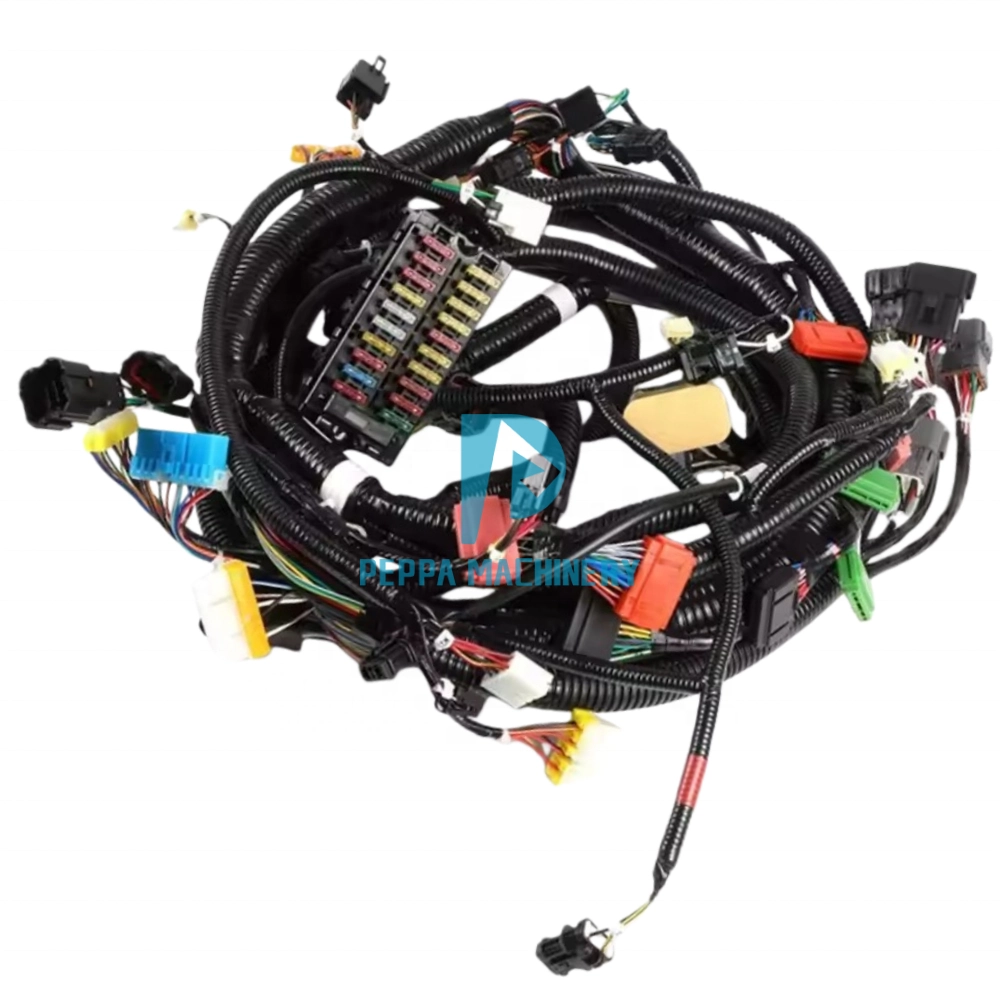
Internal Wiring Harness Assembly for Komatsu PC200-7 to PC270-7 Series Excavators | Direct OEM Replacement Part #20Y-06-31110 (20Y0631110)
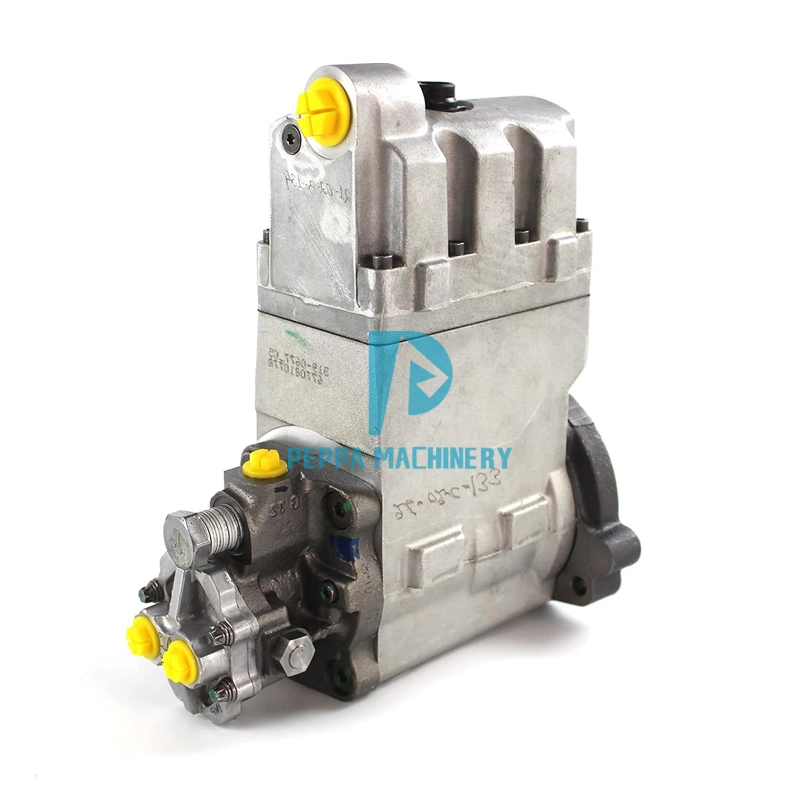
Fuel Feed / Transfer Pump Assembly for Caterpillar C7 & C9 Engines | Direct Replacement for OEM Parts #319-0678, 254-4358, 304-0678, 295-4778, 228-589
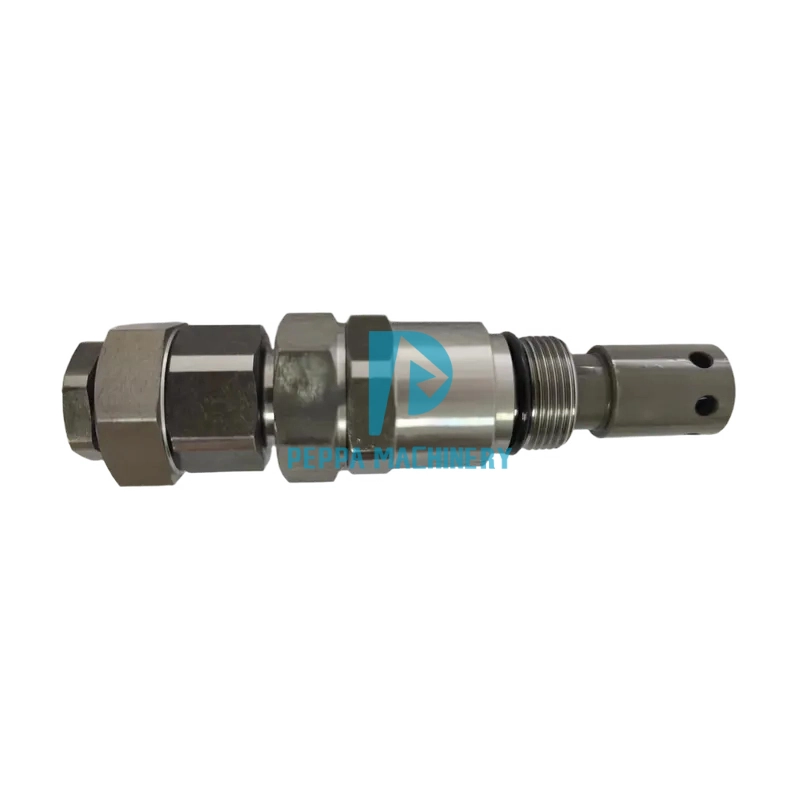
DH220-5 Main Control Valve Relief Valve 2420-1225 for Daewoo Doosan Excavator Solenoid Valve Hydraulic Accessories
Excavator Parts
Can I get help choosing the right parts for my machine?
Yes. Our experienced sales team is here to provide professional recommendations and solutions based on your excavator model, part number, or specific requirements.
Do you provide technical support or installation guidance?
While we do not offer on-site installation, we can provide basic technical advice, diagrams, or documentation to assist your technicians with installation and troubleshooting.
Are your parts genuine or OEM?
We offer both genuine parts and high-quality OEM alternatives. You can choose according to your budget and application needs. All OEM products are tested to meet or exceed original specifications.
What brands of excavator parts do you supply?
We supply a full range of parts compatible with major international and Chinese brands, including Caterpillar, Komatsu, Hitachi, Volvo, Doosan, Hyundai, Sany, Liugong, XCMG, Zoomlion, and more.
What types of parts do you mainly offer?
Our main product categories include:
• Engine parts (liner kits, crankshafts, water/oil pumps, etc.)
• Electrical parts (sensors, monitors, throttle motors, wiring harnesses)
• Hydraulic parts (pumps, valves, cylinders)
• Sealing kits (NOK, SKF, PQ brands, floating seals, O-rings)
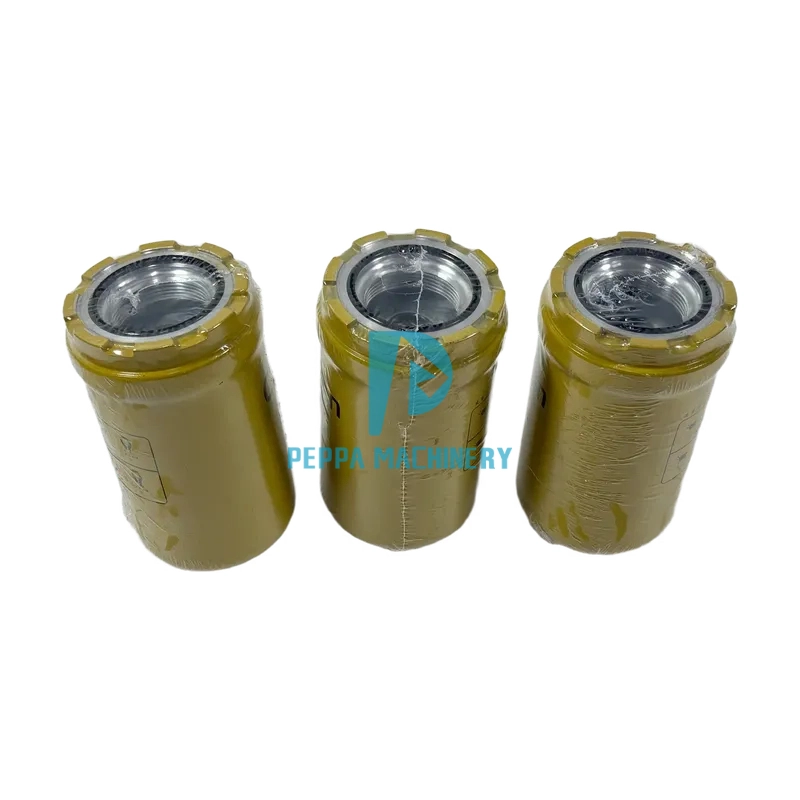
51-8670 Hydraulic Filter Applicable to HF35519 518670 2897836 518670X 1588987 Compatible with Caterpillar 352FVG 325CL
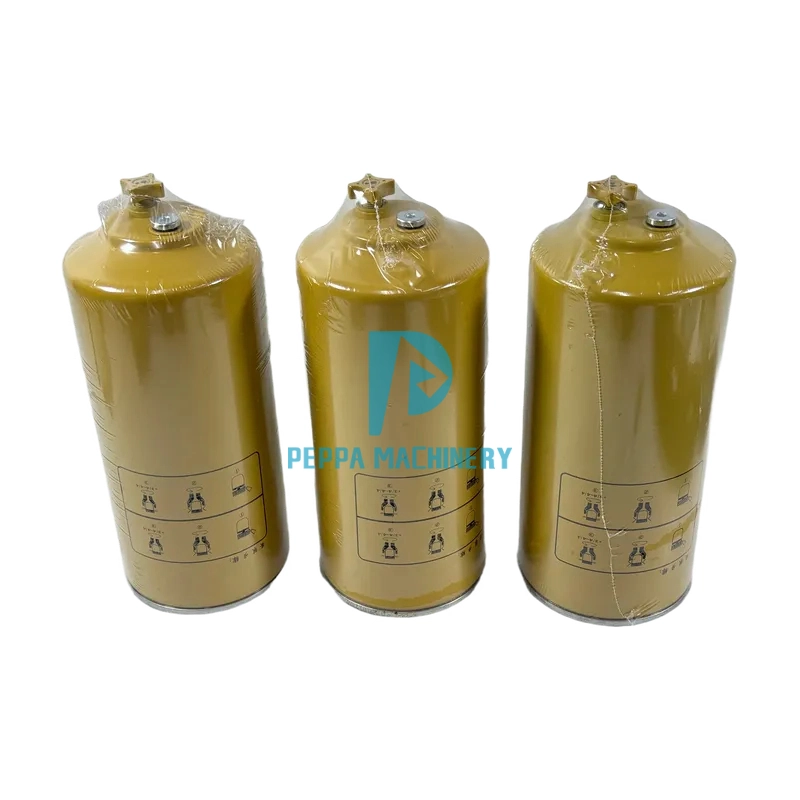
4385386 Fuel Water Separator Fuel Filter 382-0664 Oil-water Separator Hydraulic Oil Filter for CAT 312D2 320D2
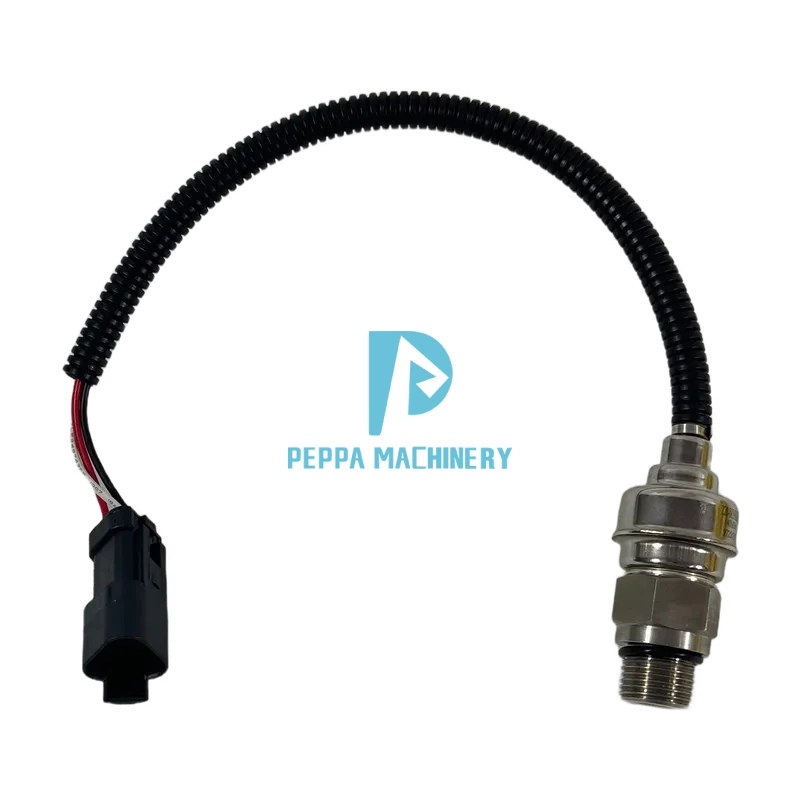
Pressure Sensor 221-8859 106-0178 for Caterpillar CAT 311B 311C 312C 314D 315B 320C 323D 324D 330C 336D 345B 385C
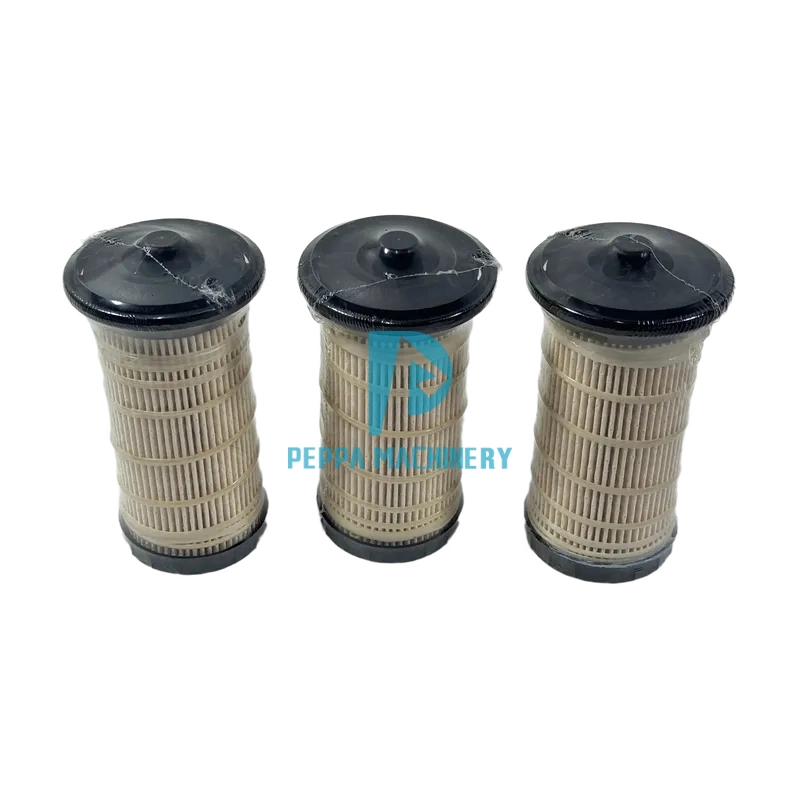
360-8960 Fuel Filter Element for Caterpillar C4.4 & C7.1 Engines | Fits 312D, 320D, 312E, 320E, 326D2, 336D2 Excavators
Get more information
Want to know more? Contact us today to get detailed product specifications, customized solutions, and a free consultation tailored to your needs.
Rest assured that your privacy is important to us, and all information provided will be handled with the utmost confidentiality.

Reliable Source for Quality Excavator Components.
Follow Us
Our Partners


Our Payment Methods


 High Quality
 7/24 Service
 Guaranteed Warranty
 Scan QR Code
Facebook
TikTok
YouTube
Pinterest
Twitter