








Hydraulic pump motor vs gear pump: which suits my excavator?
- 1. Can I retrofit an axial‑piston hydraulic pump motor into an older excavator built for a gear pump without changing valves or mounts?
- 2. How do I correctly size a hydraulic pump motor for high‑Duty attachments (breaker, tiltrotator) to avoid overheating and shortened life?
- 3. My hydraulic motor hums and loses torque under load—how to diagnose whether it’s cavitation, aeration, internal wear or wrong displacement?
- 4. Hydraulic pump motor vs gear pump: which suits my excavator swing motor—do I need high torque at low speed or high speed with braking?
- 5. In dusty, high‑temperature sites what maintenance intervals and oil cleanliness specs should I follow to prevent catastrophic hydraulic pump motor failure?
- 6. How can I verify a replacement hydraulic pump motor is genuine and fully compatible with the OEM part number to avoid counterfeit or under‑rated units?
1. Can I retrofit an axial‑piston hydraulic pump motor into an older excavator built for a gear pump without changing valves or mounts?
Short answer: Not without careful verification and likely system changes. Axial‑piston variable‑displacement pumps and piston motors (commonly called hydraulic pump motors in excavator applications) have different control, mounting and hydraulic characteristics than fixed‑displacement gear pumps.
Key checks and steps before retrofit:
- Mechanical mounting and shaft: verify SAE flange type, bolt pattern and shaft spline/diameter. Many excavator pumps use SAE A/B/C flanges; mismatch requires adapter plates or custom couplings.
- Displacement and flow: compare the required flow (L/min) and the replacement pump's displacement (cc/rev). Piston pumps commonly offer variable displacement (flow controlled by swashplate angle) while gear pumps are fixed. If the new pump delivers higher peak flow at the same engine speed, you may over‑drive actuators unless control valves are adjusted.
- System pressure rating: modern axial piston units are often rated for 250–350 bar continuous. Confirm both pump and system relief valve settings and ensure the new unit’s max pressure rating equals or exceeds your excavator’s working pressure.
- Control type compatibility: gear pumps feed proportional or spool valves expecting steady fixed flow. Variable axial piston pumps use pressure compensation or electronic displacement control. If your valve spools rely on a fixed flow pattern or sequencers, you may need pilot pressure recalibration or an electronic controller for a variable‑displacement pump.
- Suction conditions and cavitation: piston pumps are more sensitive to poor inlet conditions (aeration, long suction lines). Ensure the suction strainer size, reservoir height and hose route meet the piston pump manufacturer’s recommendations to avoid cavitation and premature wear.
- Cooling and filtration: variable displacement piston pumps can generate different heat profiles. Verify reservoir capacity, cooler size and filter ratings are sufficient for the new pump’s duty cycle.
Practical recommendation: obtain the pump/motor datasheet and match displacement, max pressure, mounting flange and control type to the OEM hydraulic schematic. Plan for valve pilot/relief adjustments and a bench test where possible. For retrofit projects, many professional shops perform a test fit and pressure/flow mapping at the target engine RPM to confirm proper behavior.
2. How do I correctly size a hydraulic pump motor for high‑Duty attachments (breaker, tiltrotator) to avoid overheating and shortened life?
Start by establishing attachment requirements: peak and continuous pressure (bar) and flow (L/min) at the desired operating speed. For a breaker or tiltrotator, manufacturers often give recommended flow ranges and nominal pressures (e.g., breakers commonly 80–180 bar and 30–80 L/min; tiltrotators 40–120 L/min depending on model).
Sizing steps:
- Calculate continuous vs peak demand: identify the attachment’s continuous flow (for duty cycles >30%) and peak (short bursts). Size the pump/motor displacement so the pump can supply continuous flow without overheating. Using a motor/pump that runs at near‑max displacement continuously increases oil temperature and reduces life.
- Match displacement to engine speed: compute flow = displacement (cc/rev) × RPM / 1000. If your pump at engine idle or low RPM does not meet the attachment’s minimum flow, you’ll have slow response or need a higher displacement. Conversely, excessive flow at high RPM causes over‑speed and heat unless a relief or flow control is used.
- Consider cooling capacity and hydraulic oil: ensure the cooling circuit and reservoir can remove the continuous heat load. Use recommended hydraulic fluid (many excavators use ISO VG 46) and maintain recommended cleanliness to protect pump bearings and swashplate surfaces.
- Duty cycle and safety margin: for prolonged attachment use, select a pump/motor rated for greater continuous output than the attachment’s nominal requirement (often 10–30% margin). If tool work is intermittent, a variable displacement pump with load sensing can reduce heat generation by supplying only required flow.
- Protection and sequence control: include sequence/priority valves to avoid overpressurizing attachments and relief valves sized to allow safe pressure spikes without burning excessive energy into heat.
Example: a tiltrotator needing 60 L/min continuous at 200 bar on a machine that idles at 1200 RPM. Required displacement ≈ (60 L/min × 1000) / 1200 RPM ≈ 50 cc/rev. Choose a pump/motor that provides that displacement at your engine speed, or use a variable displacement unit with displacement control to hit the target flow without overheating.
3. My hydraulic motor hums and loses torque under load—how to diagnose whether it’s cavitation, aeration, internal wear or wrong displacement?
Humming and torque loss are common symptoms with several root causes. Use a methodical diagnostic procedure:
- Observe oil temperature and color. Very hot oil increases viscosity loss and aeration; milky or foamy oil indicates air entrainment.
- Check inlet conditions: low inlet pressure or vacuum at the pump inlet causes cavitation. Inspect suction hoses, look for collapsed hoses, blocked suction strainers, or long suction lines. A pressure gauge at the pump inlet will show negative pressure or large pressure swings indicating cavitation.
- Filtration and contamination: contaminated oil causes accelerated wear of gears, pistons and swashplates, resulting in internal leakage and loss of torque. Check particle counts if available; clean filters or perform oil analysis to ISO 4406 cleanliness codes used for mobile hydraulics.
- Air in system: loose reservoir caps, damaged seal vents, or leak points on suction side can pull air. Aeration often produces a soft knocking or popping and reduced torque under load—tighten vent lines and replace failed seals.
- Internal wear or incorrect displacement: internal scuffing in piston motors or clearance increases in gear pumps reduce volumetric efficiency. Compare actual flow and pressure under load to the pump/motor’s performance curve. If volumetric efficiency has fallen substantially (you see lower flow at given displacement and RPM), internal wear is likely.
- Valve and relief settings: an incorrectly low relief setting will dump pressure during load and cause apparent torque loss. Conversely, an overly high relief causes stress and noise. Verify relief and counterbalance valves are set to OEM specs.
Testing steps: install pressure gauges on the inlet and outlet, verify flow with a flowmeter at set RPM, and compare to the manufacturer’s pump curve. If cavitation is present, fix suction/pumping conditions first. If internal leakage is high despite good suction and clean oil, rebuild or replace the motor. For critical excavator components, bench testing at a hydraulic shop gives a definitive diagnosis.
4. Hydraulic pump motor vs gear pump: which suits my excavator swing motor—do I need high torque at low speed or high speed with braking?
The swing function on most excavators benefits from high controllable torque at low speed and efficient holding/braking. This typically makes variable‑displacement axial piston motors or piston-type swing motors the preferred choice for modern excavators, not fixed‑displacement gear motors.
Comparison points:
- Torque and controllability: axial piston motors (especially bent‑axis or swashplate designs) deliver higher torque densities and finer speed/torque control than gear motors, which are simpler but have lower torque per volume.
- Efficiency: piston motors typically have higher volumetric and mechanical efficiency at high pressures (commonly 85–95% total in good condition) versus gear motors (often lower, depending on type and wear). Higher efficiency means less heat and better fuel/engine economy for swing tasks under heavy loads.
- Braking and holding: swing systems require precise holding and shock absorption. Piston motors combined with multi‑disc brakes or hydrostatic locking valves provide smooth holding and controlled swing. Gear motors can be used in simple systems but may need additional braking elements and can be less smooth under precision control.
- Cost and simplicity: gear motors are simpler, cheaper and easier to service. For small mini‑excavators with light swing loads, a gear motor may suffice. For mid‑size and large excavators where high swing torque and efficiency matter, a piston motor is standard.
Recommendation: for swing applications on medium and large excavators choose a piston hydraulic motor or an axial piston pump/motor arrangement designed for swing, especially if the machine operates at high pressures (200–350 bar) and demands precise control. For small machines or cost‑sensitive retrofits with limited torque needs, gear motors remain a viable option.
5. In dusty, high‑temperature sites what maintenance intervals and oil cleanliness specs should I follow to prevent catastrophic hydraulic pump motor failure?
Environmental extremes accelerate wear. Follow a conservative maintenance plan tailored to mobile hydraulics in harsh conditions:
- Initial and regular oil changes: many OEMs recommend an initial oil/filter change (break‑in) at ~50 hours for new machines, then inspections and oil changes at intervals such as 250–500 hours depending on load and contamination. In dusty, hot environments, favor the shorter interval and monitor oil condition regularly.
- Filtration and cleanliness: maintain return and pressure filtration according to manufacturer recommendations and consider upgrading to finer return filters if contamination is severe. A target cleanliness for mobile hydraulics is commonly expressed to meet ISO 4406 codes appropriate for the machine—use manufacturer guidance, and when in doubt aim for improved cleanliness vs OEM baseline.
- Suction strainer and breathers: inspect and clean suction strainers every 250 hours or sooner if contamination is present. Replace or use desiccant breather caps to reduce moisture and dust ingress, particularly on dusty sites.
- Temperature control: ensure coolers are clean and fans functioning. High operating oil temperatures (>80–90 °C) accelerate seal and oil breakdown. Consider increasing reservoir size or improving cooling if operating consistently at high temperatures.
- Oil analysis: implement periodic oil sampling (e.g., every 250–500 hours initially) to test viscosity, water content, and particle counts. Oil analysis provides early warning of wear metals from pump/motor internals and helps avoid catastrophic failures.
- Seal and hose inspection: visually inspect hose fittings, flange seals and shaft seals every 250 hours. Replace seals showing hardening, extrusion or visible seepage—small leaks often precede major failures.
Adopt a proactive parts program for pump/motor bearings, swashplate seals, and control cartridges; replace these items at first signs of wear rather than waiting for complete failure when working in harsh climates.
6. How can I verify a replacement hydraulic pump motor is genuine and fully compatible with the OEM part number to avoid counterfeit or under‑rated units?
Counterfeit or mismatched pumps are a leading cause of early hydraulic failures. Use the following verification checklist when buying replacements:
- Cross‑reference OEM part numbers: start with the machine’s parts manual and confirm the exact OEM part number, displacement, maximum pressure and mounting specifications.
- Request datasheets and performance curves: genuine parts have manufacturer datasheets showing displacement (cc/rev), flow vs RPM curves, volumetric/mechanical efficiency curves, and allowable pressure/temperature ranges. Compare these to the OEM spec.
- Inspect physical markings and serial numbers: genuine units normally have stamped model/serial plates, laser marks, or QR codes to verify origin. Ask the supplier to provide serial verification and production traceability.
- Ask for test certificates: reputable suppliers provide factory test records showing pressure, flow and leakage tests. For critical applications, request a bench test video or a stamped test sheet.
- Check warranty and support: OEM suppliers or accredited aftermarket brands provide clear warranty terms and technical support contact points. Short or vague warranty terms are a red flag.
- Compare weight and dimensions: counterfeit parts can differ in weight (indicative of inferior materials) and internal construction. Use the OEM datasheet to check.
- Buy from authorized channels: use dealers, OEM aftermarket subsidiaries, or trusted suppliers that can provide certificates of conformity (CE/ISO) and documented supply chains.
When in doubt, ask for a direct comparison of the replacement pump/motor on a test bench under load and confirm that pressure/flow/leakage meet the equipment manufacturer’s tolerances before installation.
Concluding summary: Advantages of piston (hydraulic pump motor) vs gear pump for excavators
Axial‑piston hydraulic pump motors (variable or fixed) deliver higher torque density, superior efficiency at high pressure, and finer controllability—making them the preferred choice for swing functions, main pumps on mid‑to‑large excavators, and heavy‑duty attachment supply. Gear pumps and gear motors are simpler, more compact and cheaper, making them appropriate for small machines, auxiliary circuits or lower‑pressure duties where cost and simplicity matter.
Selection must be based on real parameters: required flow (L/min), working pressure (commonly 200–350 bar on modern excavators), mounting/flange compatibility, control type, and the duty cycle and ambient conditions (dust/temperature). Maintain correct oil cleanliness (use recommended hydraulic oil such as ISO VG 46 where specified), regular oil analysis and filter service to extend service life.
For reliable replacement parts, cross‑check OEM part numbers, request datasheets and factory test records, and purchase through authorized channels. For retrofit or sizing advice, our team can provide bench matching, pump/motor curves and compatibility checks.
Contact us for a quote or compatibility check: www.jbpartsgz.com or jbparts@aliyun.com.

Isuzu SP 4JG1 4JG2 4JG3 Cylinder Liner 1876182070 1-87618207-0 1876182080 1-87618208-0 1876182100 1-87618210-0
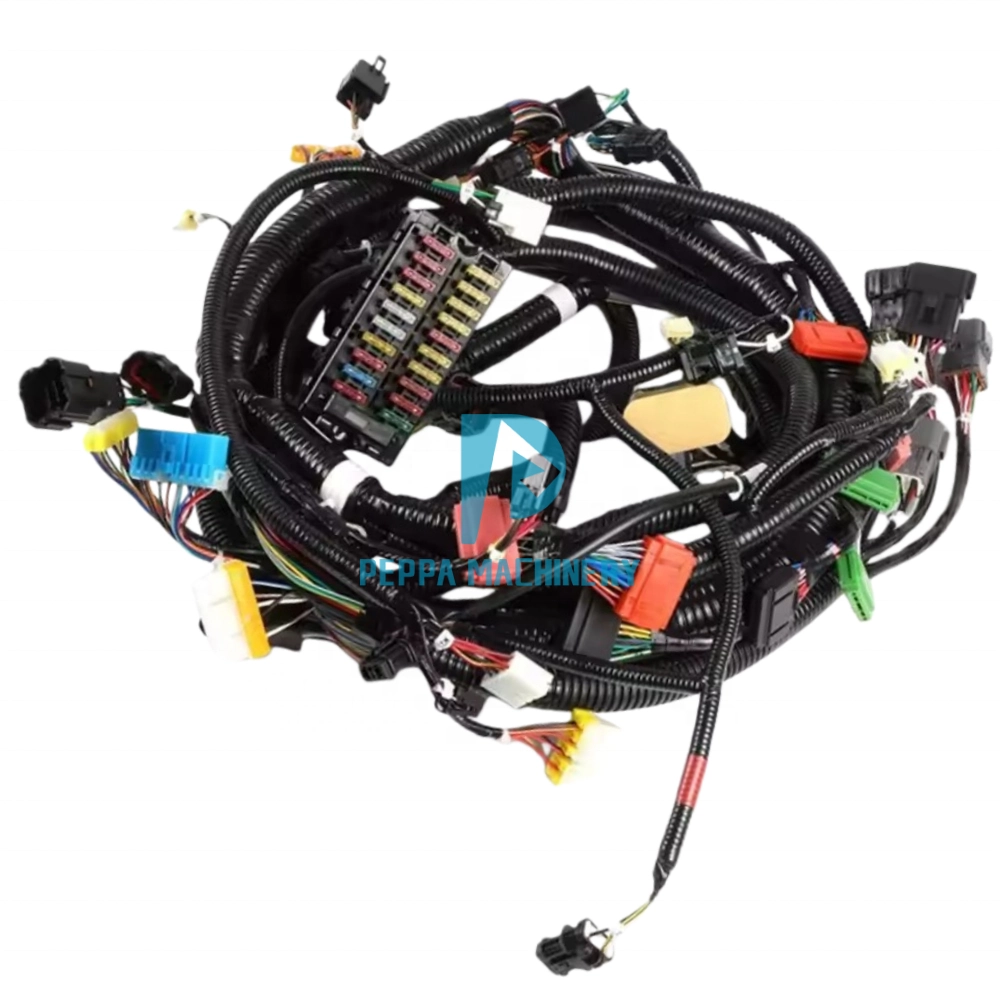
Internal Wiring Harness Assembly for Komatsu PC200-7 to PC270-7 Series Excavators | Direct OEM Replacement Part #20Y-06-31110 (20Y0631110)
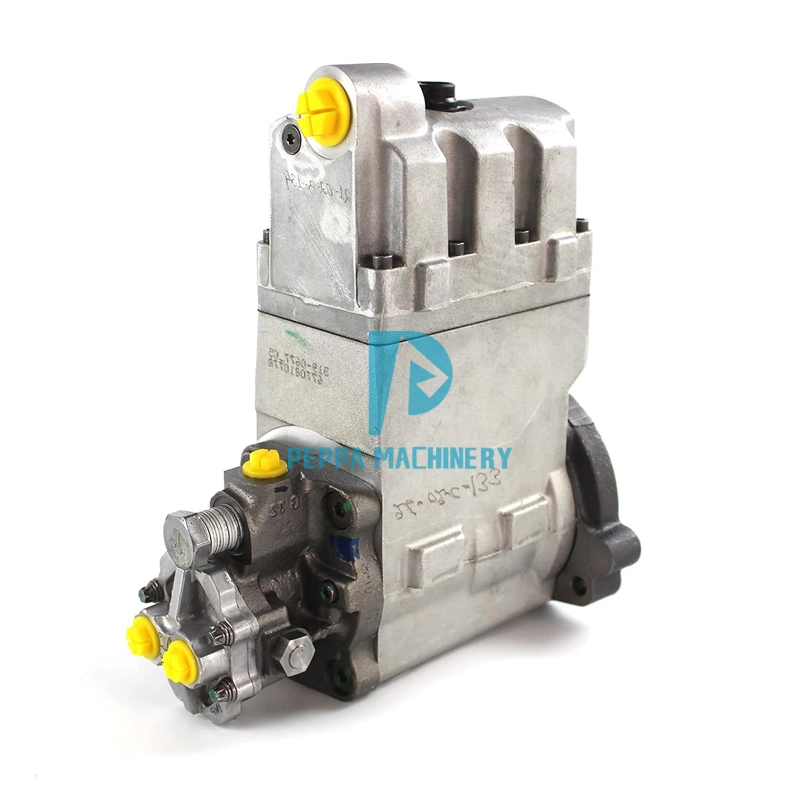
Fuel Feed / Transfer Pump Assembly for Caterpillar C7 & C9 Engines | Direct Replacement for OEM Parts #319-0678, 254-4358, 304-0678, 295-4778, 228-589
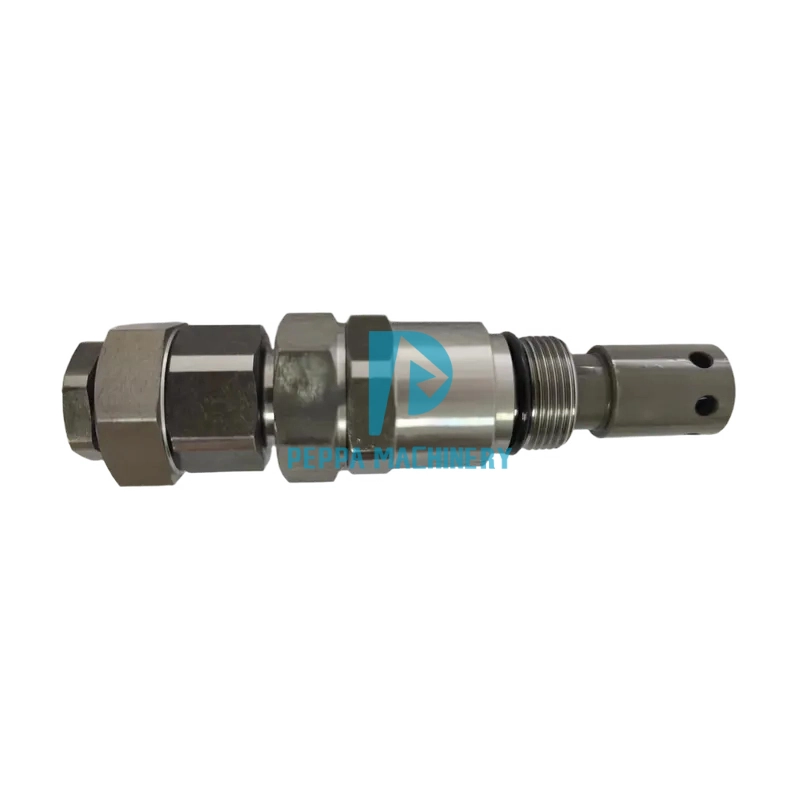
DH220-5 Main Control Valve Relief Valve 2420-1225 for Daewoo Doosan Excavator Solenoid Valve Hydraulic Accessories
Excavator Parts
Do you provide technical support or installation guidance?
While we do not offer on-site installation, we can provide basic technical advice, diagrams, or documentation to assist your technicians with installation and troubleshooting.
Can I get help choosing the right parts for my machine?
Yes. Our experienced sales team is here to provide professional recommendations and solutions based on your excavator model, part number, or specific requirements.
Are your parts genuine or OEM?
We offer both genuine parts and high-quality OEM alternatives. You can choose according to your budget and application needs. All OEM products are tested to meet or exceed original specifications.
What brands of excavator parts do you supply?
We supply a full range of parts compatible with major international and Chinese brands, including Caterpillar, Komatsu, Hitachi, Volvo, Doosan, Hyundai, Sany, Liugong, XCMG, Zoomlion, and more.
What types of parts do you mainly offer?
Our main product categories include:
• Engine parts (liner kits, crankshafts, water/oil pumps, etc.)
• Electrical parts (sensors, monitors, throttle motors, wiring harnesses)
• Hydraulic parts (pumps, valves, cylinders)
• Sealing kits (NOK, SKF, PQ brands, floating seals, O-rings)
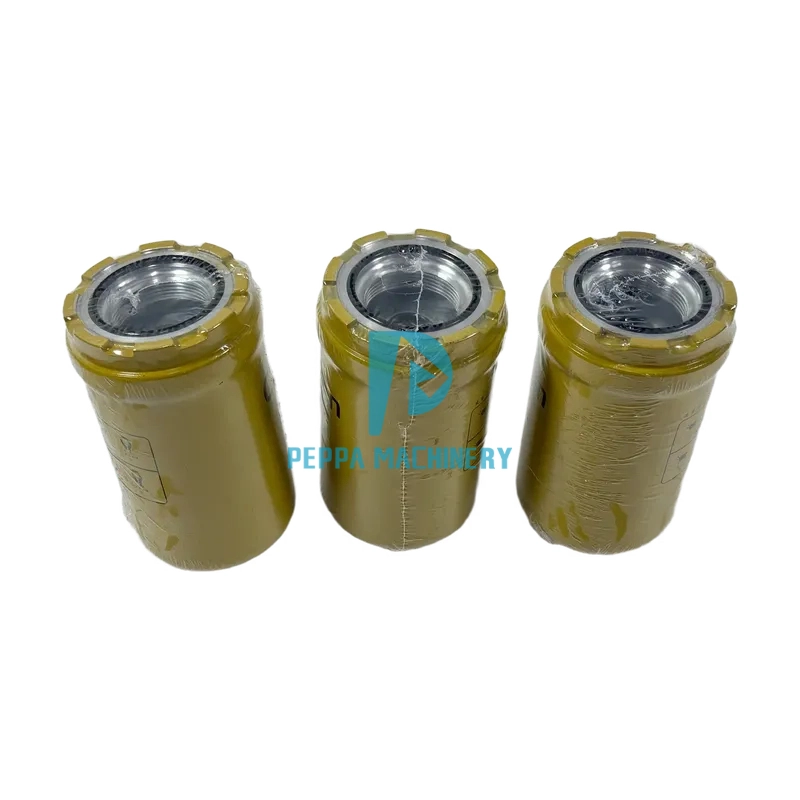
51-8670 Hydraulic Filter Applicable to HF35519 518670 2897836 518670X 1588987 Compatible with Caterpillar 352FVG 325CL
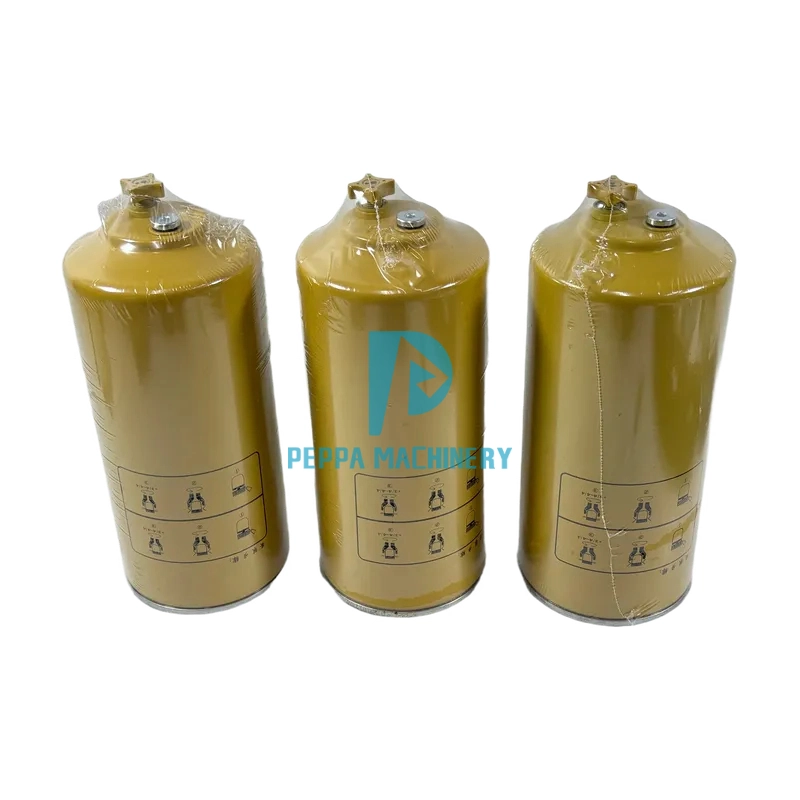
4385386 Fuel Water Separator Fuel Filter 382-0664 Oil-water Separator Hydraulic Oil Filter for CAT 312D2 320D2
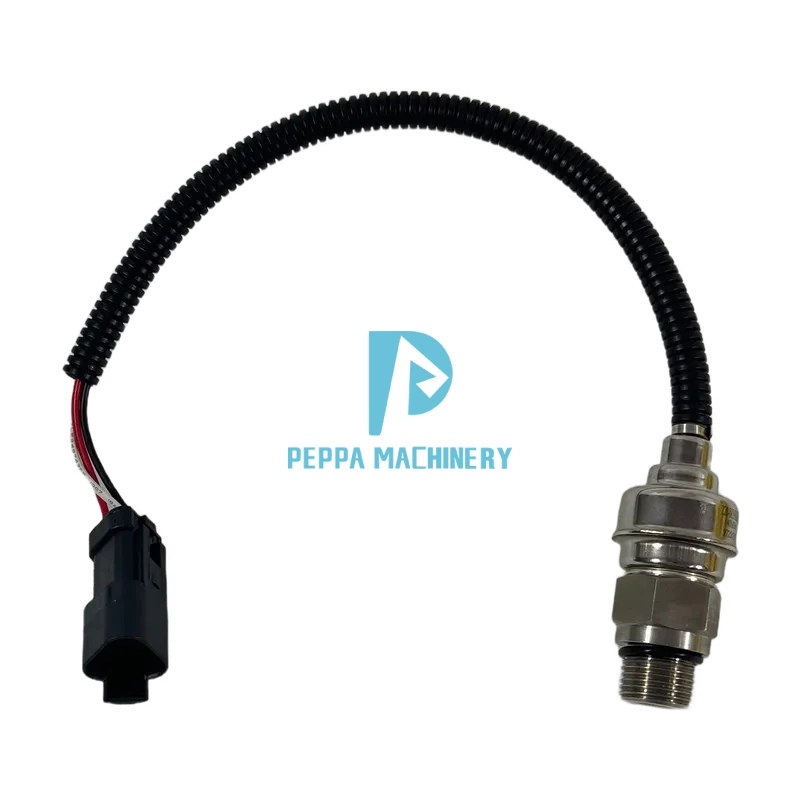
Pressure Sensor 221-8859 106-0178 for Caterpillar CAT 311B 311C 312C 314D 315B 320C 323D 324D 330C 336D 345B 385C
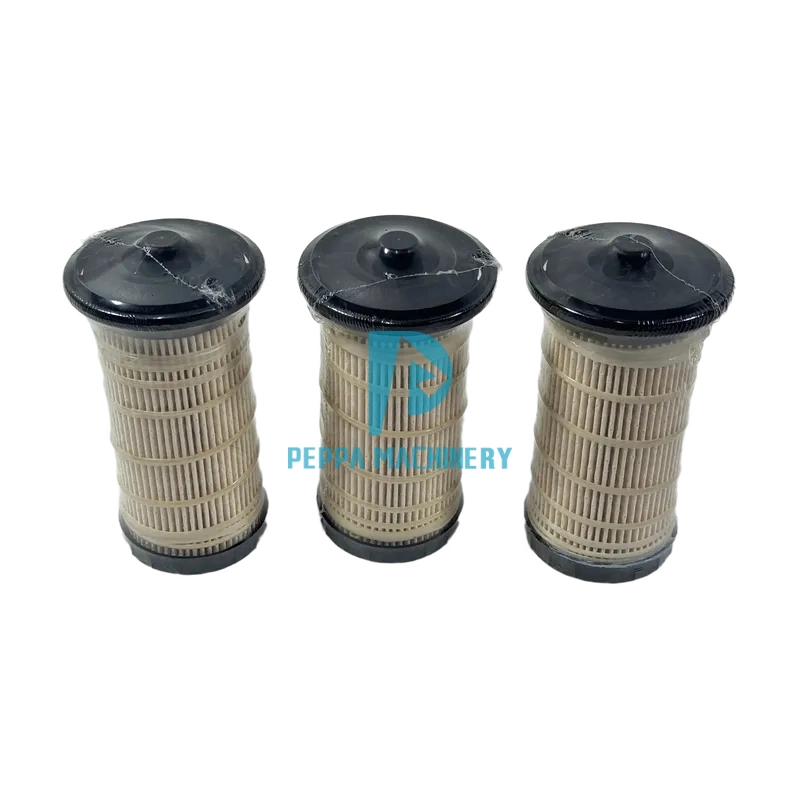
360-8960 Fuel Filter Element for Caterpillar C4.4 & C7.1 Engines | Fits 312D, 320D, 312E, 320E, 326D2, 336D2 Excavators
Get more information
Want to know more? Contact us today to get detailed product specifications, customized solutions, and a free consultation tailored to your needs.
Rest assured that your privacy is important to us, and all information provided will be handled with the utmost confidentiality.

Reliable Source for Quality Excavator Components.
Follow Us
Our Partners


Our Payment Methods


 High Quality
 7/24 Service
 Guaranteed Warranty
 Scan QR Code
Facebook
TikTok
YouTube
Pinterest
Twitter