








Are aftermarket hydraulic pump motors reliable for excavators?
- 1) How can I verify an aftermarket hydraulic pump motor’s displacement and pressure rating will truly match my excavator’s original pump when the supplier provides limited specs?
- 2) What specific bench tests and performance certificates should I demand for a remanufactured or aftermarket hydraulic pump motor to ensure it won't fail within the first 1,000 hours?
- 3) Can cheaper aftermarket hydraulic pump motors cause hydraulic fluid contamination and how can I detect and prevent it after installation?
- 4) Are aftermarket hydraulic pump motors compatible with electronic controls (ECU/pilot signals) on modern excavators, and what integration steps are needed?
- 5) What warranty terms, return policies, and service guarantees should I insist on when buying an aftermarket hydraulic pump motor for heavy excavators to mitigate downtime risk?
- 6) Are aftermarket hydraulic pump motors reliable for excavators?
- Concluding summary: Advantages of quality aftermarket hydraulic pump motors and how to minimize risk
Hydraulic Pump Motor: Are Aftermarket Hydraulic Pump Motors Reliable for Excavators?
As an excavator parts specialist with experience in OEM and remanufactured hydraulic components, this article answers six detailed, buyer-focused questions about hydraulic pump motor selection, testing, contamination control, electronic compatibility, warranties, and practical verification steps you won't find covered in superficial product pages. Semantic terms such as excavator hydraulic pump, axial piston pump, variable displacement, flow rate, pressure rating, remanufactured pump, OEM replacement, bench testing, ISO 4406 cleanliness, contamination control, and shaft seal are used throughout to help you evaluate real-world risk and reliability.
1) How can I verify an aftermarket hydraulic pump motor’s displacement and pressure rating will truly match my excavator’s original pump when the supplier provides limited specs?
Why this matters: Incorrect displacement (cc/rev) or pressure rating causes poor machine performance, overheating, cavitation, or premature component wear.
Concrete verification steps:
- Locate the OEM part tag or service manual: most excavator main pumps/motors have a model/tag number and nominal displacement. If the excavator's service manual is available, it lists required maximum working pressure (commonly 250–350 bar for medium to heavy excavators) and pump displacement ranges (small compact machines 40–70 L/min, mid-size 70–150 L/min, large 150–300+ L/min depending on system design).
- Cross-reference numbers: use the OEM model number and cross-reference tables from reputable suppliers. If a supplier uses an internal part number only, require the OEM cross-reference and engineering drawing or dimension sheet.
- Ask for measured displacement: reputable aftermarket vendors should provide measured displacement (cc/rev or L/min at specified rpm). If not provided, request a bench test report that records flow at defined rpm and pressure.
- Confirm pressure ratings and relief settings: ensure the aftermarket unit is rated at or above your excavator’s maximum system pressure. Request test certificates showing the unit sustained the rated pressure without leaks or abnormal leakage path—many systems operate near 280–350 bar; components under-rated to 250 bar for a machine that runs at 320 bar will fail.
- Measure shaft and flange dimensions: verify mechanical fit—shaft diameter, keyway, bolt pattern, and spline details must match. Mismatches can cause misalignment and bearing failure even if hydraulic specs match.
- Insist on an installation checklist: supplier should confirm fluid viscosity range, recommended filtration (micron rating), and initial break-in procedure to reduce risk of early failure.
2) What specific bench tests and performance certificates should I demand for a remanufactured or aftermarket hydraulic pump motor to ensure it won't fail within the first 1,000 hours?
Why this matters: early life failures are usually due to poor rebuild quality, leftover contamination, or inadequate testing.
Essential documents and tests to request:
- Flow vs. pressure curve: a test report showing flow (L/min) at multiple pressures and rpm values. Matches to OEM curves demonstrate correct displacement and control characteristics.
- Leakage test at rated pressure: internal and external leakage measured and documented at maximum operating pressure. Excess internal leakage reduces system efficiency and raises temperatures.
- Endurance/run-in test: many reputable remanufacturers perform a minimum 8–24 hour run-in at reduced and rated loads to detect early failures in bearings or seals—request the duration and conditions of the test.
- Efficiency and torque data: power draw (kW) and torque at defined operating points. A unit consuming more power for the same flow indicates internal wear or friction problems.
- Material and hardness certificates: for critical components like swash plates, pistons, and shafts, request material traceability or supplier statements that they meet OEM hardness and tolerances.
- Cleanliness and fluid compatibility certificate: particle counts (ISO 4406 code) for the unit's internal flushing process and confirmation of compatible hydraulic fluid types/viscosity ranges. Many systems aim for 18/16/13 or cleaner on new components.
- Serial numbers and test traceability: every unit should have a unique serial number tied to its individual test reports and technician sign-off.
Red flags: verbal test claims without documentation, vague load/testing conditions, or test certificates that lack serial-number traceability.
3) Can cheaper aftermarket hydraulic pump motors cause hydraulic fluid contamination and how can I detect and prevent it after installation?
Why this matters: contamination is the #1 cause of hydraulic component failure. Poorly machined or inadequately cleaned aftermarket units can introduce metallic particles, seal fragments, or leftover machining swarf into the system.
How contamination can occur from aftermarket units:
- Insufficient cleaning after machining or assembly, leaving metal chips or abrasive residues.
- Low-quality bearings or seals shedding particles during early operation.
- Poor surface finishing on internal parts causing accelerated wear and microparticle generation.
Detection methods:
- Oil analysis immediately after installation and at 25–50 hours: particle counting (ISO 4406) and ferrous wear debris tests (ferrography or PQ index) will reveal fresh wear issues.
- Visual checks and filter inspection: examine inlet and return filters for metal flakes; magnetic trap inspection will show ferrous particles.
- Monitor operating temperature and unusual noises: increased temperature and metallic grinding noises indicate internal abrasion.
Prevention steps before and after fitting an aftermarket pump motor:
- Flush the hydraulic lines and reservoir thoroughly. Use controlled flushing velocities and disposable filters; confirm flush cleanliness targets by particle count.
- Replace the main filters and bypass filter elements with correct micron ratings (often 10–25 micron absolute for excavator systems depending on component sensitivity).
- Use new O-rings and coupling seals to avoid contamination from old hardware.
- Run the system at low load initially and re-check oil cleanliness after 25–50 hours. Maintain target cleanliness (for many modern hydraulic components ISO 16/14/11 or 18/16/13 depending on sensitivity) recommended by the pump manufacturer.
- Insist your supplier provides a 'clean build' certificate showing the unit was assembled in a controlled environment and bottled or capped appropriately to prevent ingress during transport.
4) Are aftermarket hydraulic pump motors compatible with electronic controls (ECU/pilot signals) on modern excavators, and what integration steps are needed?
Why this matters: modern excavators increasingly use electronically controlled variable displacement pumps and closed-circuit pump-motors. Mismatched electronic interfaces will cause poor control, fault codes, or loss of fine operation (creep, proportional control).
Compatibility checklist:
- Confirm control type: is your pump a mechanical pilot, hydraulic pilot, or electro-hydraulic (EHC) with electronic displacement control? Aftermarket suppliers must specify controller compatibility for EHC pumps.
- Connector and signal matching: ensure the aftermarket unit uses the same electrical connectors, signal voltage ranges (e.g., 0–5V, 4–20mA), and feedback sensor types (position sensors, Hall-effect, potentiometer). Without exact matches you’ll need adapters or ECU reprogramming.
- Calibration and mapping: electronic pumps often require calibration to the machine’s ECU. Confirm whether the aftermarket vendor supplies calibration files or will support ECU parameter updates. Some systems prevent third-party pump control without OEM software access.
- CANbus and safety protocols: on machines where pumps communicate over CANbus, verify message IDs and protocols. Third-party pumps may require a gateway or custom firmware for full integration.
- Fail-safe behavior and warnings: ensure the aftermarket pump’s behavior under signal loss or fault conditions matches OEM safety expectations (e.g., defaults to a safe displacement or provides clear diagnostic codes).
Recommendation: for electronically controlled systems, work with aftermarket vendors who provide explicit compatibility statements, wiring diagrams, and on-site calibration support. If in doubt, favor remanufactured OEM units or aftermarket units that include ECU integration services.
5) What warranty terms, return policies, and service guarantees should I insist on when buying an aftermarket hydraulic pump motor for heavy excavators to mitigate downtime risk?
Why this matters: warranty and service coverage directly affect cost of ownership and downtime exposure. Aftermarket warranties vary widely—short coverage or no-core return policies shift risk to the buyer.
p>Key warranty and policy items to require:
- Minimum warranty period: aim for at least 12 months or 1,000 operating hours (whichever comes first) for new aftermarket units; reputable remanufactured units typically offer 6–24 months depending on supplier and part.
- Clear scope: ensure the warranty explicitly covers manufacturing defects, internal component failure, and provides clear exclusions (improper installation, contamination from the machine, or misuse should be defined).
- Core exchange and RMA process: if the vendor requires a core return, clarify the core charge, acceptable condition for core return, and timeline for crediting. Some reputable suppliers offer exchange pumps to minimize downtime.
- On-site support and replacement logistics: for heavy equipment, ask if expedited shipping or on-site swap services are available to reduce machine downtime. Confirm lead times for replacement units.
- Warranty transferability and record-keeping: ensure serial-numbered units have traceable test reports and that warranty registration is straightforward. This simplifies claims processing.
Red flags: nebulous warranty language, no documented RMA process, or vendors unwilling to commit to a reasonable warranty period or provide performance test documentation.
6) Are aftermarket hydraulic pump motors reliable for excavators?
Short answer: They can be—if you pick the right supplier, verify engineering and testing, and follow proper installation and contamination-control practices. However, reliability varies widely across the aftermarket.
Nuanced considerations:
- Quality spectrum: the aftermarket spans low-cost clones to high-quality remanufactures rebuilt to OEM tolerances. Reliable outcomes are typical when suppliers use original-equivalent materials, strict machining tolerances, and documented bench testing to OEM curves.
- New vs. remanufactured: new aftermarket pumps built to equivalent specs can perform as well as OEM parts if manufactured to similar material and tolerance standards. Remanufactured OEM cores—when rebuilt by certified shops and bench-tested—often achieve near-OEM reliability at lower cost. The chief risks are poor rebuild practices and inadequate cleanliness controls.
- How to ensure reliability: require ISO 9001-compliant quality processes, request individual test reports (flow, pressure, leakage), verify cleanliness and run-in procedures, and check for third-party certifications or references from fleet operators. Also verify the supplier’s parts warranty and local support network for rapid field service.
- Cost vs. downtime calculus: for critical machines where downtime costs exceed part savings, the safer choice is either OEM or high-quality remanufactured units with solid service agreements. For lower-risk or older machines, reputable aftermarket parts can be a cost-effective and reliable option.
Bottom line: aftermarket hydraulic pump motors are reliable when sourced from vendors who provide technical transparency—measured displacement, pressure testing, cleanliness results (ISO 4406), materials traceability, and a meaningful warranty. Avoid buying solely on price.
Concluding summary: Advantages of quality aftermarket hydraulic pump motors and how to minimize risk
Quality aftermarket or remanufactured hydraulic pump motors offer several advantages: lower upfront cost compared with OEM, reduced lead times if local stocks exist, and environmental benefits through remanufacturing. You can achieve OEM-like performance if you (1) verify displacement and pressure specs; (2) demand bench test reports and ISO 4406 cleanliness certificates; (3) perform system flushing and change filters at installation; (4) confirm electronic control compatibility for EHC pumps; and (5) insist on clear warranties, core-exchange procedures, and local service support. These steps reduce the risk of contamination, misfit, poor control response, and early failure, delivering reliable excavator hydraulic performance at better value.
For a confidential quote, part cross-reference, or to request individual bench-test reports and warranty terms, contact us at www.jbpartsgz.com or email jbparts@aliyun.com.

Isuzu SP 4JG1 4JG2 4JG3 Cylinder Liner 1876182070 1-87618207-0 1876182080 1-87618208-0 1876182100 1-87618210-0
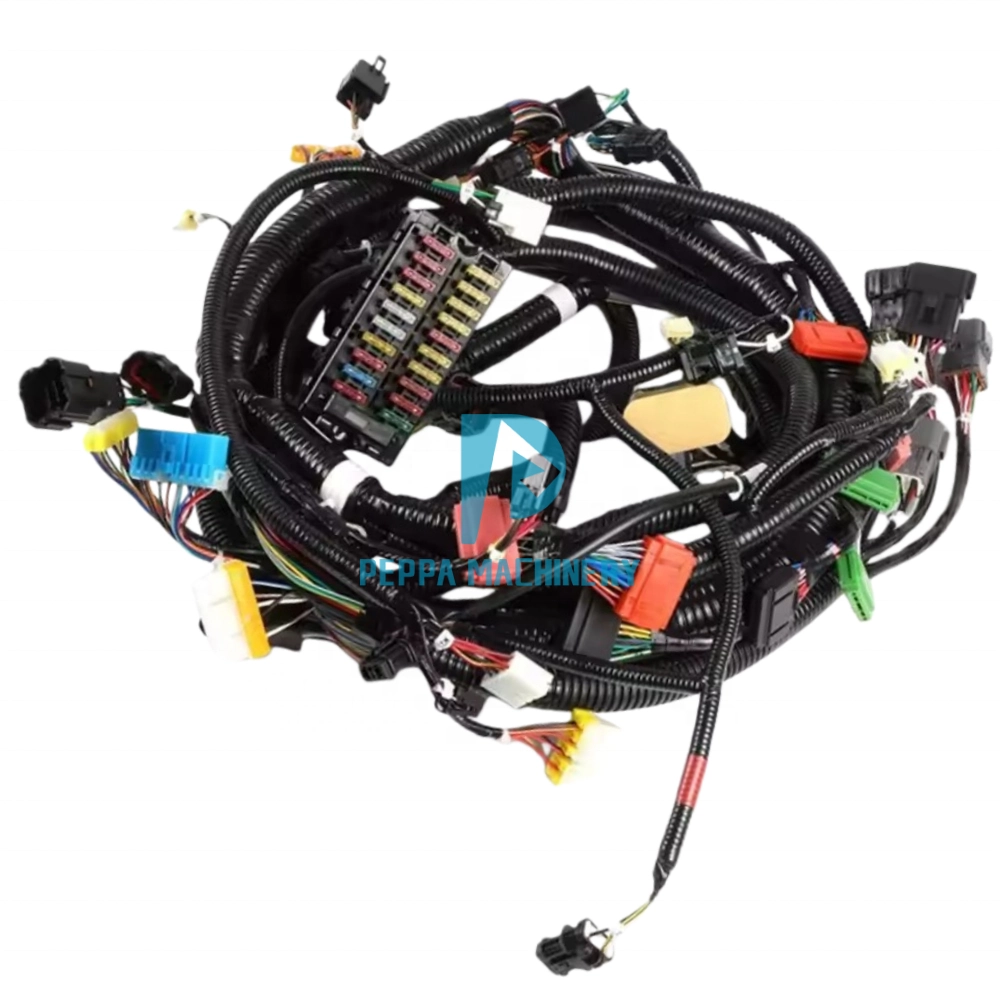
Internal Wiring Harness Assembly for Komatsu PC200-7 to PC270-7 Series Excavators | Direct OEM Replacement Part #20Y-06-31110 (20Y0631110)
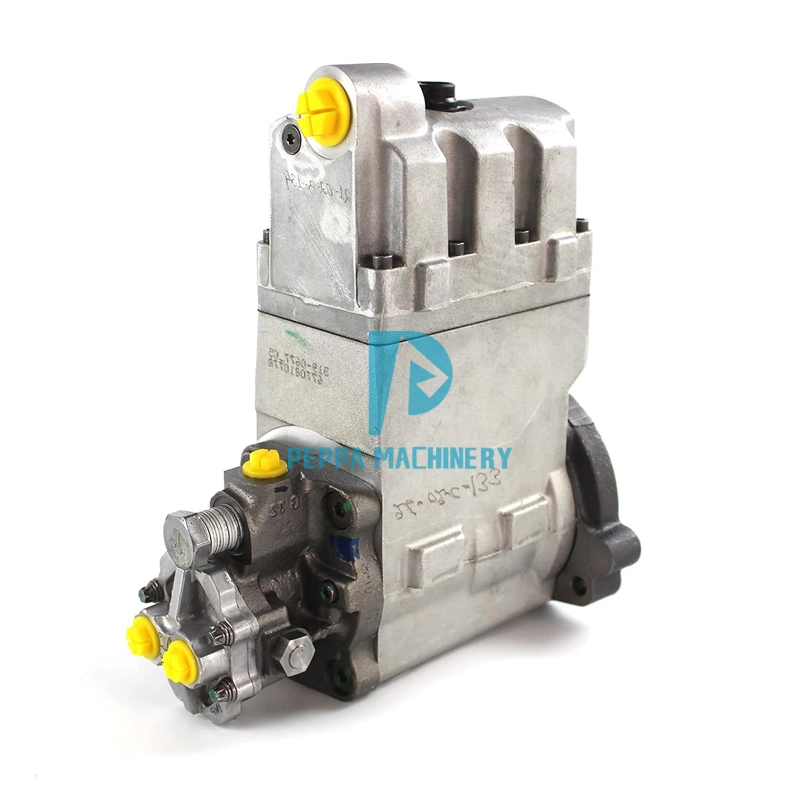
Fuel Feed / Transfer Pump Assembly for Caterpillar C7 & C9 Engines | Direct Replacement for OEM Parts #319-0678, 254-4358, 304-0678, 295-4778, 228-589
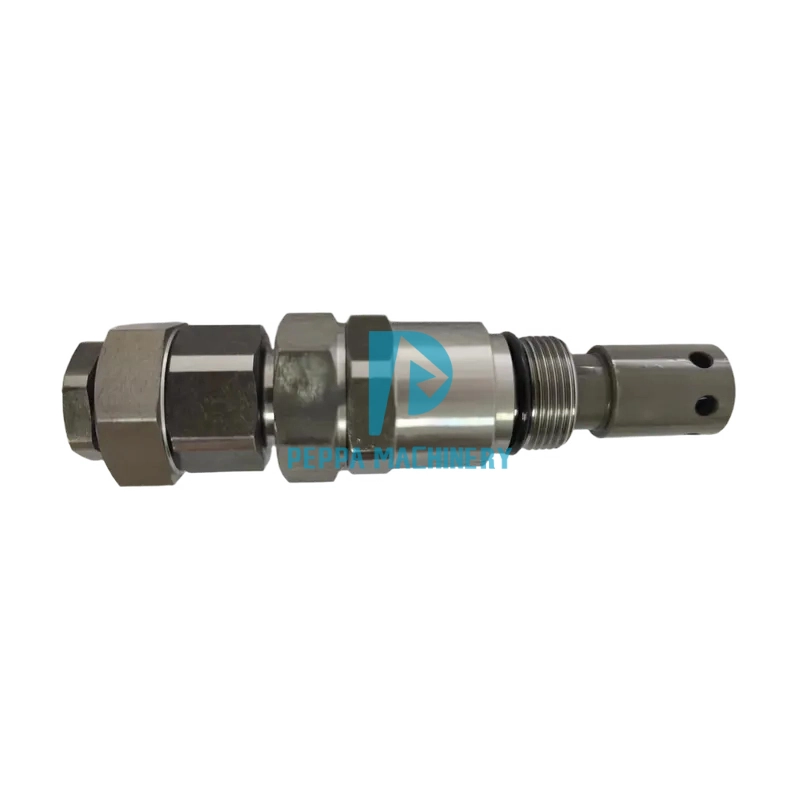
DH220-5 Main Control Valve Relief Valve 2420-1225 for Daewoo Doosan Excavator Solenoid Valve Hydraulic Accessories
Excavator Parts
What types of parts do you mainly offer?
Our main product categories include:
• Engine parts (liner kits, crankshafts, water/oil pumps, etc.)
• Electrical parts (sensors, monitors, throttle motors, wiring harnesses)
• Hydraulic parts (pumps, valves, cylinders)
• Sealing kits (NOK, SKF, PQ brands, floating seals, O-rings)
Can I get help choosing the right parts for my machine?
Yes. Our experienced sales team is here to provide professional recommendations and solutions based on your excavator model, part number, or specific requirements.
Are your parts genuine or OEM?
We offer both genuine parts and high-quality OEM alternatives. You can choose according to your budget and application needs. All OEM products are tested to meet or exceed original specifications.
How can I verify compatibility before placing an order?
Please provide us with your machine brand, model number, and the part number (if available). Our team will double-check the compatibility to ensure you receive the correct parts.
What brands of excavator parts do you supply?
We supply a full range of parts compatible with major international and Chinese brands, including Caterpillar, Komatsu, Hitachi, Volvo, Doosan, Hyundai, Sany, Liugong, XCMG, Zoomlion, and more.
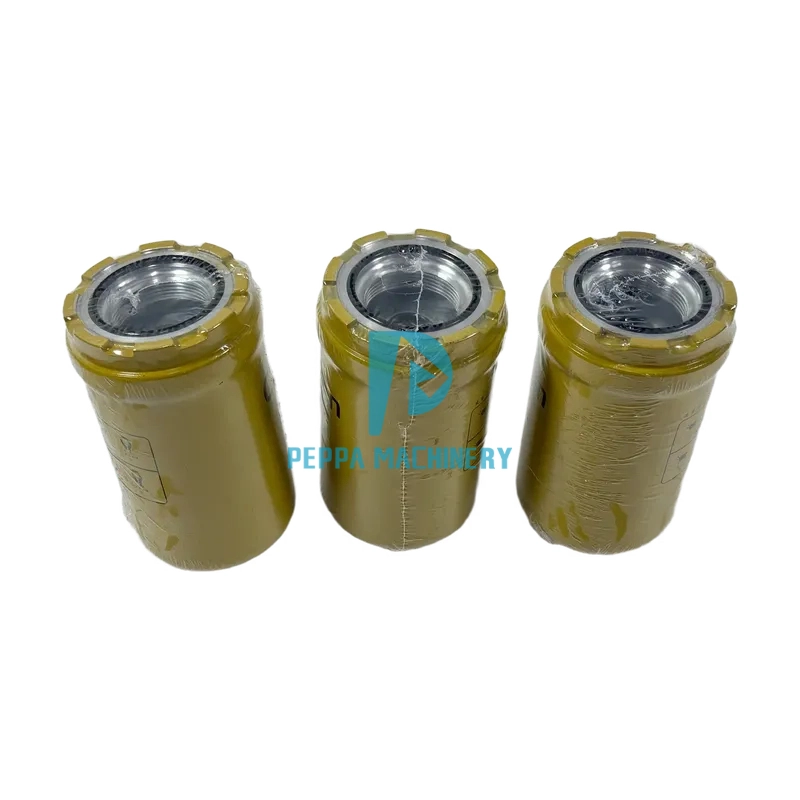
51-8670 Hydraulic Filter Applicable to HF35519 518670 2897836 518670X 1588987 Compatible with Caterpillar 352FVG 325CL
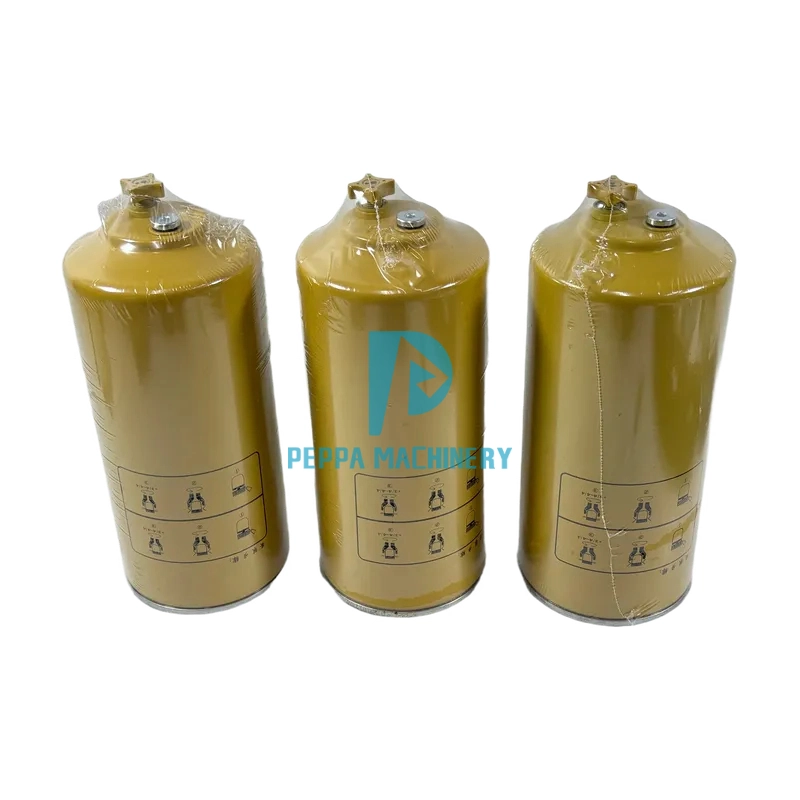
4385386 Fuel Water Separator Fuel Filter 382-0664 Oil-water Separator Hydraulic Oil Filter for CAT 312D2 320D2
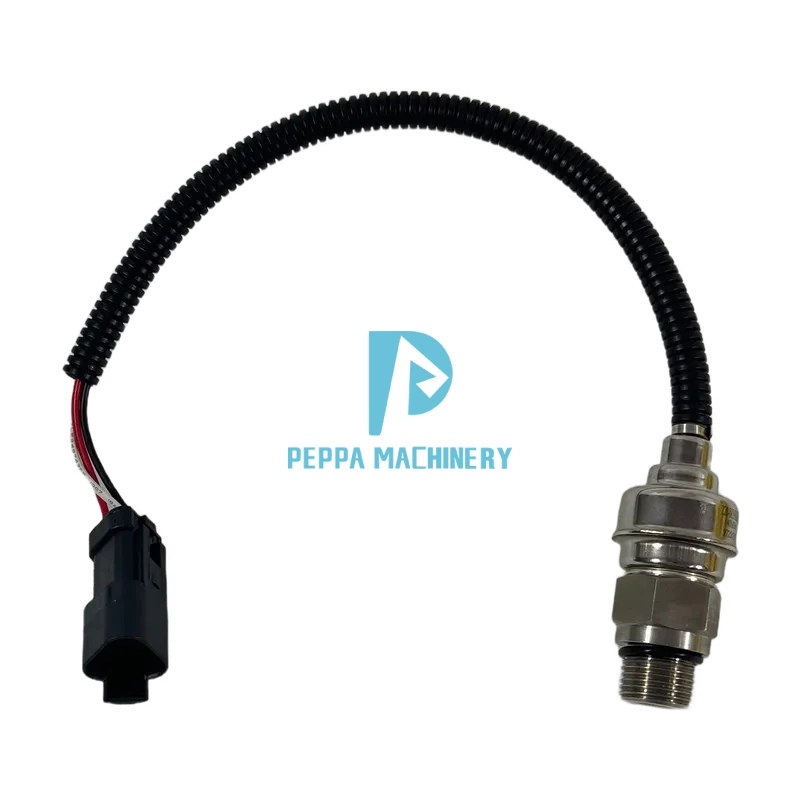
Pressure Sensor 221-8859 106-0178 for Caterpillar CAT 311B 311C 312C 314D 315B 320C 323D 324D 330C 336D 345B 385C
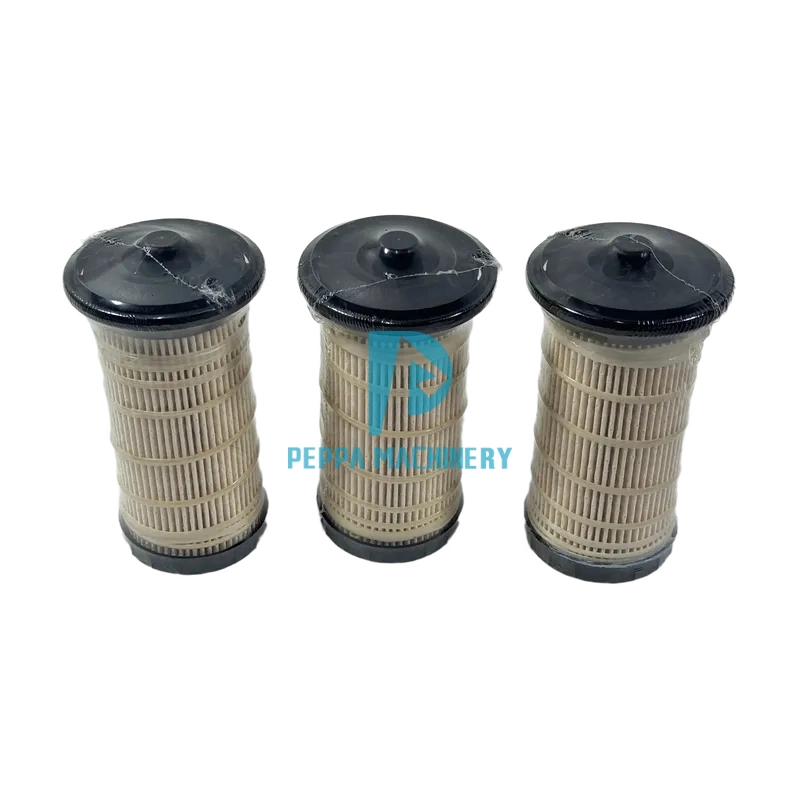
360-8960 Fuel Filter Element for Caterpillar C4.4 & C7.1 Engines | Fits 312D, 320D, 312E, 320E, 326D2, 336D2 Excavators
Get more information
Want to know more? Contact us today to get detailed product specifications, customized solutions, and a free consultation tailored to your needs.
Rest assured that your privacy is important to us, and all information provided will be handled with the utmost confidentiality.

Reliable Source for Quality Excavator Components.
Follow Us
Our Partners


Our Payment Methods


 High Quality
 7/24 Service
 Guaranteed Warranty
 Scan QR Code
Facebook
TikTok
YouTube
Pinterest
Twitter