








How to Test an Excavator Alternator on the Job Site?
- 1. How to test an excavator alternator on the job site without removing it (minimize downtime)?
- 2. What exact voltage, current and ripple thresholds should I expect on a 24V excavator alternator under idle and heavy hydraulic load?
- 3. How to pinpoint diode/rectifier failures when multimeter DC voltage checks look normal?
- 4. How to measure alternator field current and diagnose internal regulator faults on-site without a bench tester?
- 5. How to decide between rebuilding the alternator vs. buying a replacement (OEM vs. quality aftermarket) for older excavators?
- 6. How to reproduce a charging failure that only occurs under heavy hydraulic load (boom/crowd) on-site so I can reliably test and demonstrate the fault?
- Conclusion — Advantages of following structured on-site alternator testing and choosing quality replacements
As excavator technicians and fleet managers know, an alternator failure means lost productivity. This guide answers six specific, high-value questions beginners and field techs often search for but rarely find deeply answered online. Each section uses common diagnostic tools (multimeter, clamp meter, oscilloscope where available), focuses on real-world thresholds, and links testing decisions to buying or rebuilding choices. Remember: always refer to the OEM service manual for model-specific tolerances and safety procedures.
1. How to test an excavator alternator on the job site without removing it (minimize downtime)?
Why this matters: Removing a heavy-duty alternator can cost hours and crane/time; accurate on-vehicle diagnosis saves parts and time.
Step-by-step on-vehicle test (safe, minimal tools):
- Safety first: Park on level ground, key off, chock tracks, wear PPE. Work with batteries disconnected for visual/connection checks. Reconnect only for live tests.
- Visual & mechanical pre-check (5–10 minutes): Inspect V-belts/multi-rib belts, pulleys, tensioner, and drive alignment. Look for glazing, cracks, or oil contamination. If belts slip, charging voltage will be low even if alternator is fine.
- Battery baseline: With engine off, measure battery voltage at terminals. For a healthy charged 12V battery expect ~12.6–12.8V; for 24V systems expect ~25.2–25.6V (two 12V in series). A weak battery can mask alternator faults.
- Static charging check with engine running: Start the engine, let it idle to normal temperature. Measure voltage at battery terminals: expected charging voltage is 13.8–14.6V for 12V systems and 27.6–29.2V for 24V systems. If voltage is within this band, the voltage regulator and rectifier are likely functioning at idle.
- Load check (on-vehicle): Turn on high electrical loads — headlights, work lights, heater blower, defroster, cab AC — and watch voltage. Voltage should remain in the expected charging band and not collapse below ~13.2V (12V systems) or ~26.4V (24V systems). A drop indicates insufficient charging or high internal resistance (bad diode/rectifier, worn brushes, weak rotor field).
- Charge current check: Use a clamp meter around the alternator output cable (B+) to measure charging current. Under heavy load the alternator should produce current up to its nameplate continuous rating. If output current is near zero despite correct charging voltage at idle, suspect intermittent rectifier or regulator issues.
- Ripple/diode quick check: With engine running, set a multimeter to AC volts and measure AC ripple across battery terminals. Acceptable AC ripple is low — typically under 1.0 VAC (rms) for heavy equipment; under 0.5 VAC is preferable. Excessive ripple suggests diode/rectifier failure.
When to remove the alternator: Persistent low output under proper belt tension, excessive AC ripple, burning smell, or visible brush/slip-ring wear. Otherwise, many common faults can be detected and sometimes temporarily mitigated on-site.
2. What exact voltage, current and ripple thresholds should I expect on a 24V excavator alternator under idle and heavy hydraulic load?
Why this matters: Many field guides give 12V values only. Mid-size and larger excavators commonly use 24V systems — knowing correct limits prevents misdiagnosis.
Expected thresholds (typical — always verify OEM spec):
- Idle charging voltage: 27.6–29.2V (nominal 28.0–29.0V is common). If regulator is PWM, voltage may pulse but average should sit in this band.
- Operational voltage under heavy electrical + hydraulic load: Should not fall below ~26.4V. Brief dips when cranking or heavy simultaneous loads are normal, but sustained low voltage indicates undercharging.
- Charging current: Depends on alternator rating. A working alternator should supply current up to its nameplate continuous rating (e.g., 80–200 A for OEM 24V alternators on medium excavators). If measured charging current is well below rating while voltage is low, suspect rotor/field issues or rectifier losses.
- AC ripple/noise: Acceptable is generally <1.0 VAC (rms) measured across battery terminals at idle and under load. Ripple above 1.0 VAC often indicates bad diodes or poor grounding.
Testing tips: Use an oscilloscope for a definitive ripple waveform; a digitizing meter gives a reasonable field check. Also confirm heavy hydraulic loads are applied (boom/crowd movement) during test if the failure appears only under load — hydraulic pump load can cause engine RPM/transient voltage shifts that expose regulator or rotor weakness.
3. How to pinpoint diode/rectifier failures when multimeter DC voltage checks look normal?
Why this matters: A partial diode failure can let DC voltage look acceptable at idle but create AC ripple, heat, and intermittent failures under load. Simple DC checks can miss it.
Stepwise diagnostics for rectifier/diode faults:
- AC ripple measurement: As above, measure AC volts across battery terminals with engine running. High ripple (>1.0 VAC) is the most reliable field indicator of diode failure.
- Diode forward/reverse check (engine off): Remove alternator wiring harness. Use the multimeter diode test on rectifier diodes if accessible; forward voltage ~0.4–0.8V typical. Diodes should read open one direction and forward in the other. Be cautious — some rectifiers incorporate thermistors or transient suppression that affect readings; consult service manual.
- Temperature differential test: Run the engine for 10–15 minutes, then carefully check rectifier/alternator temperatures (non-contact IR gun). A failed diode often runs hotter than the rest of the housing.
- Load-vs-ripple correlation: Apply a steady electrical load (lights, heater) and observe ripple and voltage simultaneously. If voltage holds at idle but ripples and drops with increased load, it points to diodes failing under current load.
- Bench test when removed: On a bench tester or with a dedicated alternator tester, run the alternator through its rpm range and measure DC output, AC ripple, and diode conduction under controlled load. This is the definitive test.
Field workaround: If diodes are borderline and removal isn't possible immediately, reduce peak charging demand and schedule replacement — partial diode failure often worsens quickly and can damage battery and regulator.
4. How to measure alternator field current and diagnose internal regulator faults on-site without a bench tester?
Why this matters: Regulators (internal or external) and the rotor field winding determine excitation. Measuring field circuit behavior tells you whether lack of excitation or regulator failure is the root cause.
On-vehicle method:
- Locate the field/control terminal(s) on the alternator harness — often labeled F, L, or D+ depending on manufacturer. Consult wiring diagram.
- With engine running and battery connected, use a clamp meter capable of measuring small DC currents (many standard clamp meters measure down to 0.1–1 A). Clamp around the field feed wire (not the entire harness). Typical field current varies but is often a few amps (1–10 A) on large alternators depending on design and regulator mode. Consult OEM spec.
- Observe field current as you change engine RPM and electrical load. A functioning regulator varies field current to hold system voltage: if voltage drops and field current does not increase, suspect regulator/connection fault. If field current is zero but the regulator commands charge (indicator lamp behavior), check the exciter/ignition feed and wiring for open circuits.
- Indicator lamp test: On many machines, turning ignition to AUX/ON will light a charge lamp if field circuit is open. If the lamp does not light but field current is zero, you have an excitation wiring or shunt issue, not necessarily alternator internals.
- Resistance checks (engine off): Measure rotor (field) winding resistance across slip rings; expect low ohms (fractions to a few ohms). Open or infinite resistance indicates broken field winding; near-zero suggests short. Compare to OEM value.
Note: Some modern alternators are controlled by CAN or PWM regulators. In those systems, use a scan tool to read regulator commands and field duty cycle. If you lack a scanner, rely on voltage behavior and field wire current changes to infer regulator action.
5. How to decide between rebuilding the alternator vs. buying a replacement (OEM vs. quality aftermarket) for older excavators?
Why this matters: Rebuild vs. replace decisions affect downtime, cost, warranty, and long-term reliability — especially in harsh construction environments.
Decision checklist:
- Cost comparison: Get quotes for a rebuilt core and a new or remanufactured replacement. Factor in crane/lift time, labor, and expected downtime. For many excavators, a remanufactured alternator with warranty is often within 10–30% of the rebuild+labor total.
- Condition assessment: If the stator, rotor, or housing is physically damaged (cracked housing, contaminated windings, heavy corrosion on slip rings), replacement is usually better. If only brushes, diodes, or bearings are worn, a rebuild can be cost-effective.
- Availability of parts and lead time: OEM new units may have long lead times. Quality aftermarket or remanufactured units can get you back to work faster. Ensure the aftermarket supplier provides matching electrical characteristics (voltage, current rating, mounting, pulley ratio) and a warranty.
- Warranty & testing: Prefer suppliers that bench-test alternators to nameplate and supply a warranty (at least 6–12 months). JB Parts (www.jbpartsgz.com) offers tested reman and new alternators with traceable part numbers and warranty options — this reduces risk versus an untested rebuild.
- Long-term fleet strategy: For fleets, standardizing on a single supplier for remanufactured alternators with consistent quality helps reduce spare inventory complexity and simplifies maintenance training.
Guidance: If the alternator has catastrophic internal damage or the rebuild cost approaches ~60–70% of the price of a new/reman unit (including labor), replacement is usually the best value. For older machines nearing end-of-life, a lower-cost aftermarket part can be appropriate if it meets specs.
6. How to reproduce a charging failure that only occurs under heavy hydraulic load (boom/crowd) on-site so I can reliably test and demonstrate the fault?
Why this matters: Some charging faults only show under real hydraulic load when engine RPM, alternator rpm, and electrical load interact. Reproducing the condition is necessary for accurate diagnosis and for proof to parts suppliers or warranty claims.
Reproduction and testing protocol:
- Start with baseline live tests at idle and with electrical loads to ensure basic function.
- Instrument the system: Battery voltage, alternator B+ voltage, charging current (clamp), and AC ripple. If possible, capture data with a multimeter that logs or a simple data logger/oscilloscope.
- With the machine parked and safety measures in place, operate hydraulic functions (boom swing, raise/lower) to apply typical working load while monitoring engine RPM. Many alternator issues appear as RPM drops or oscillations under hydraulic load that cause regulator/field instability.
- Observe: Does the charging voltage dip or ripple when hydraulics are loaded? Does the alternator output current drop? Note the exact behavior: transient dips vs sustained collapse. Also note if the charge lamp flickers or if warning messages appear on the instrument cluster.
- Differentiate engine/ECU behavior: Some machines reduce alternator load or derate charging when ECM detects low engine torque margin. Use a diagnostic scanner to check for ECM-driven alternator control (CAN) that reduces duty cycle under heavy hydraulic demand.
- Replicate at controlled RPM: If charging drops during hydraulic load because engine RPM falls, repeat the test holding engine at a constant, slightly higher RPM. If charging returns when RPM is held, the root cause may be engine fueling/idle control rather than alternator internals.
- Document and escalate: Capture screenshots or data logs to demonstrate the fault to remanufacturer or supplier. This evidence accelerates warranty/repair decisions.
Conclusion — Advantages of following structured on-site alternator testing and choosing quality replacements
Following the structured, data-driven methods above minimizes misdiagnosis, reduces downtime, and protects batteries and electrical components. On-site voltage, AC ripple, field-current, and load-reproduction tests rapidly separate wiring, regulator, diode, and mechanical drive issues. When replacement is required, choosing remanufactured or new alternators with verified testing and warranty minimizes repeat failures. Benefits include lower fleet downtime, predictable spare-part costs, and fewer secondary failures caused by undercharging or excessive ripple.
For a fast quote on OEM or remanufactured excavator alternators and guidance matched to your machine make/model, contact us at www.jbpartsgz.com or email jbparts@aliyun.com.
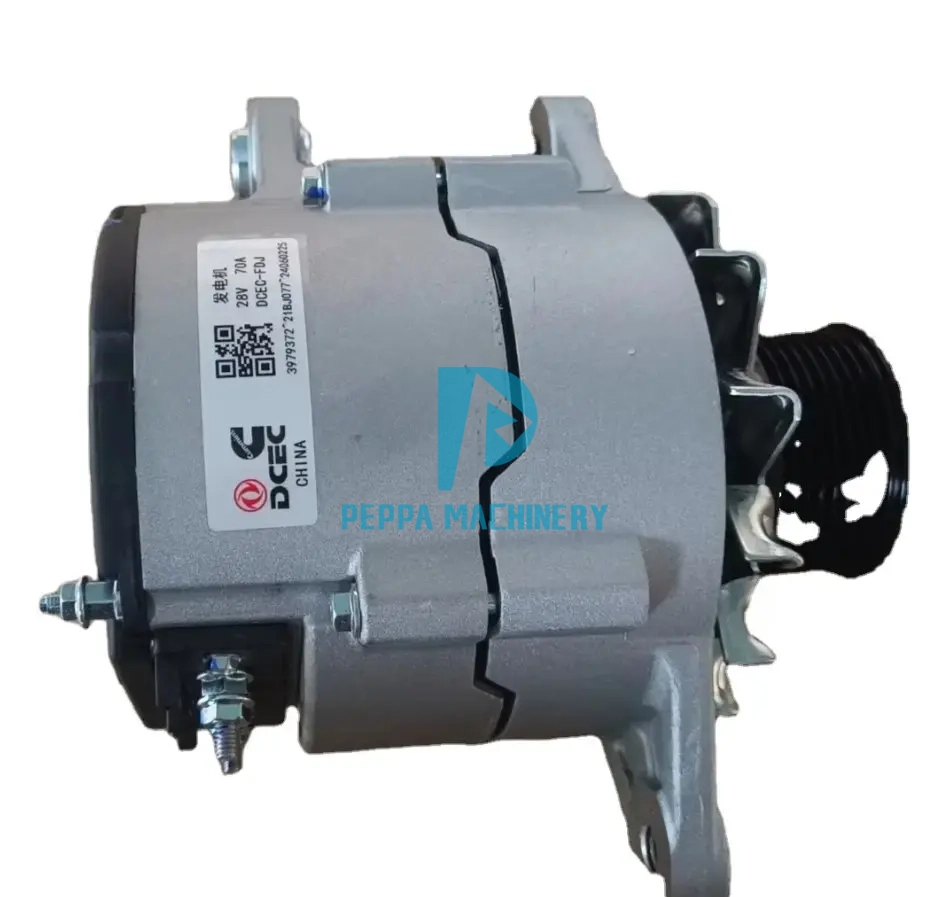
Cummins 24V AC Alternator - Genuine OEM Part #3979372 | Fits Mining & Construction Equipment
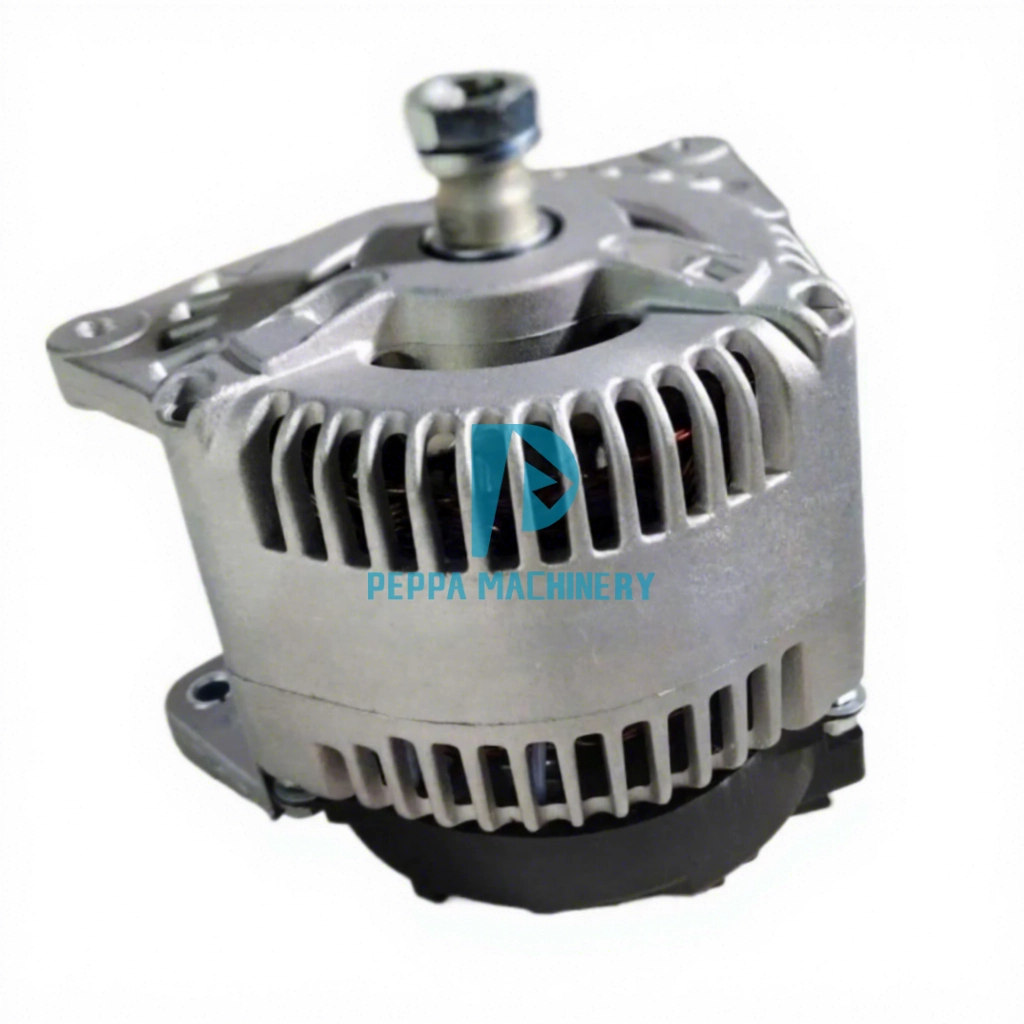
Direct Replacement Alternator for Caterpillar C4.4 & 3054C Industrial Engines | Part #4246821
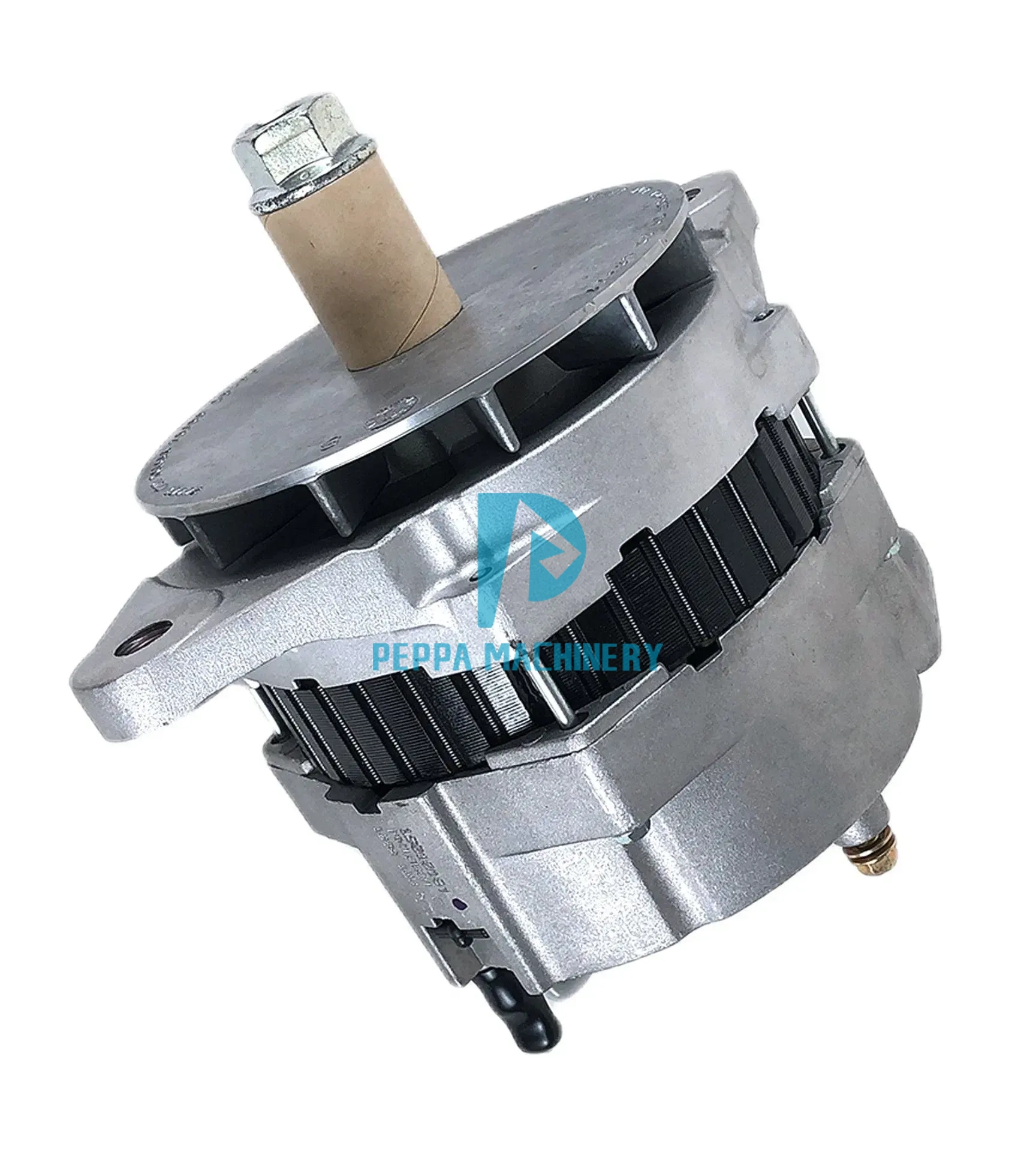
19010108 OEM Replacement Alternator for Diesel Engine Models | Fits Select Trucks & Excavators
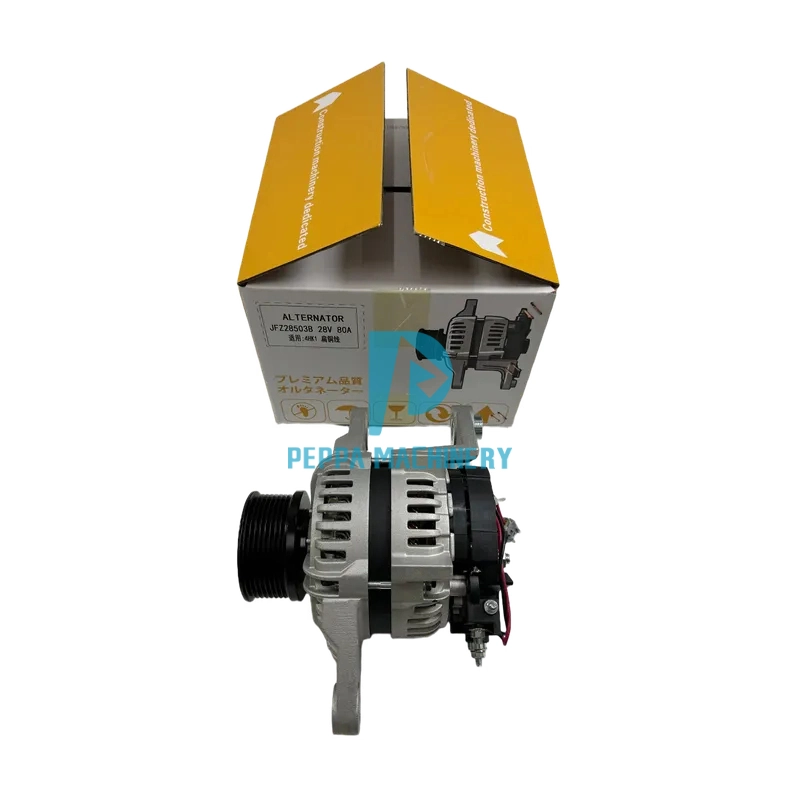
Excavator parts Alternator JF728503B for 4HK1
Excavator Parts
What types of parts do you mainly offer?
Our main product categories include:
• Engine parts (liner kits, crankshafts, water/oil pumps, etc.)
• Electrical parts (sensors, monitors, throttle motors, wiring harnesses)
• Hydraulic parts (pumps, valves, cylinders)
• Sealing kits (NOK, SKF, PQ brands, floating seals, O-rings)
Are your parts genuine or OEM?
We offer both genuine parts and high-quality OEM alternatives. You can choose according to your budget and application needs. All OEM products are tested to meet or exceed original specifications.
Can I get help choosing the right parts for my machine?
Yes. Our experienced sales team is here to provide professional recommendations and solutions based on your excavator model, part number, or specific requirements.
What brands of excavator parts do you supply?
We supply a full range of parts compatible with major international and Chinese brands, including Caterpillar, Komatsu, Hitachi, Volvo, Doosan, Hyundai, Sany, Liugong, XCMG, Zoomlion, and more.
How can I verify compatibility before placing an order?
Please provide us with your machine brand, model number, and the part number (if available). Our team will double-check the compatibility to ensure you receive the correct parts.
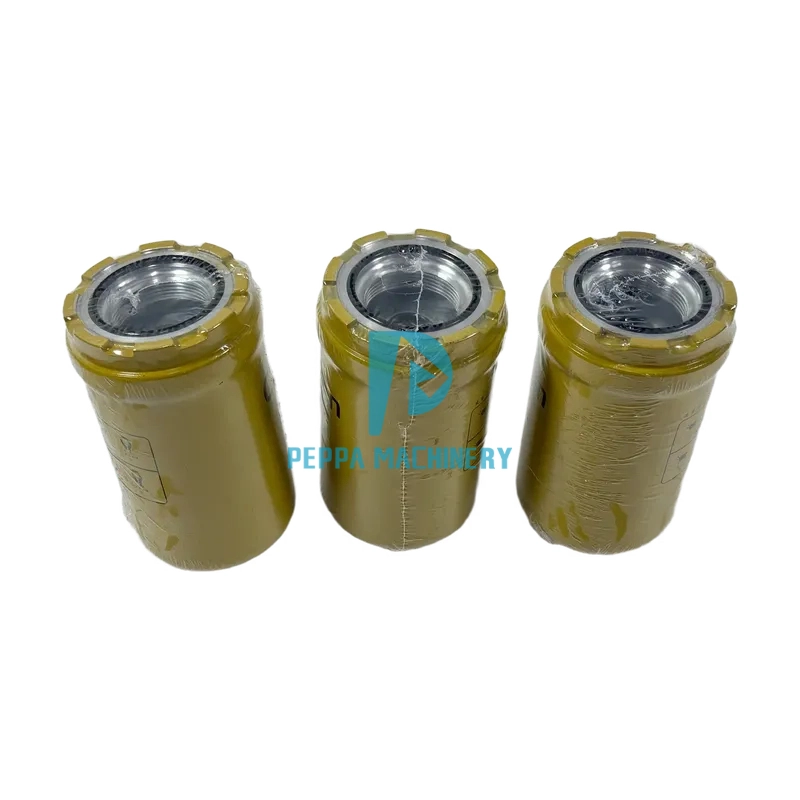
51-8670 Hydraulic Filter Applicable to HF35519 518670 2897836 518670X 1588987 Compatible with Caterpillar 352FVG 325CL
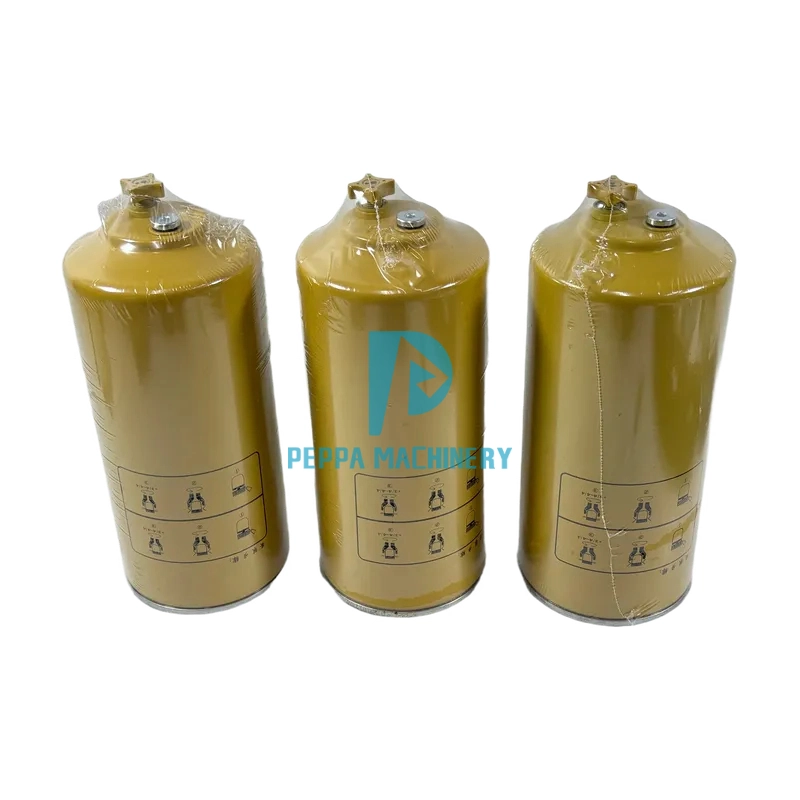
4385386 Fuel Water Separator Fuel Filter 382-0664 Oil-water Separator Hydraulic Oil Filter for CAT 312D2 320D2
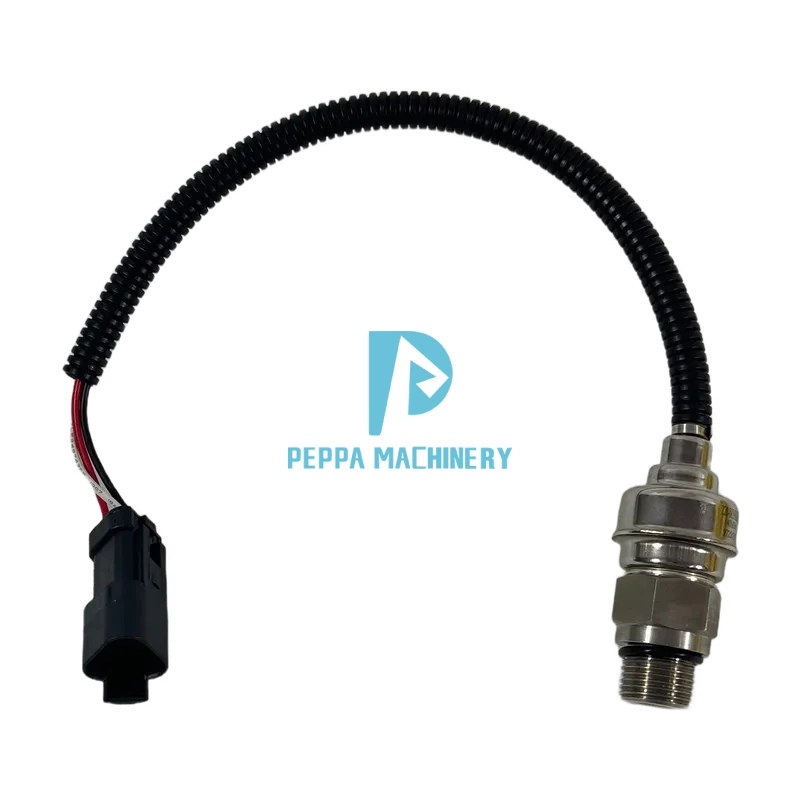
Pressure Sensor 221-8859 106-0178 for Caterpillar CAT 311B 311C 312C 314D 315B 320C 323D 324D 330C 336D 345B 385C
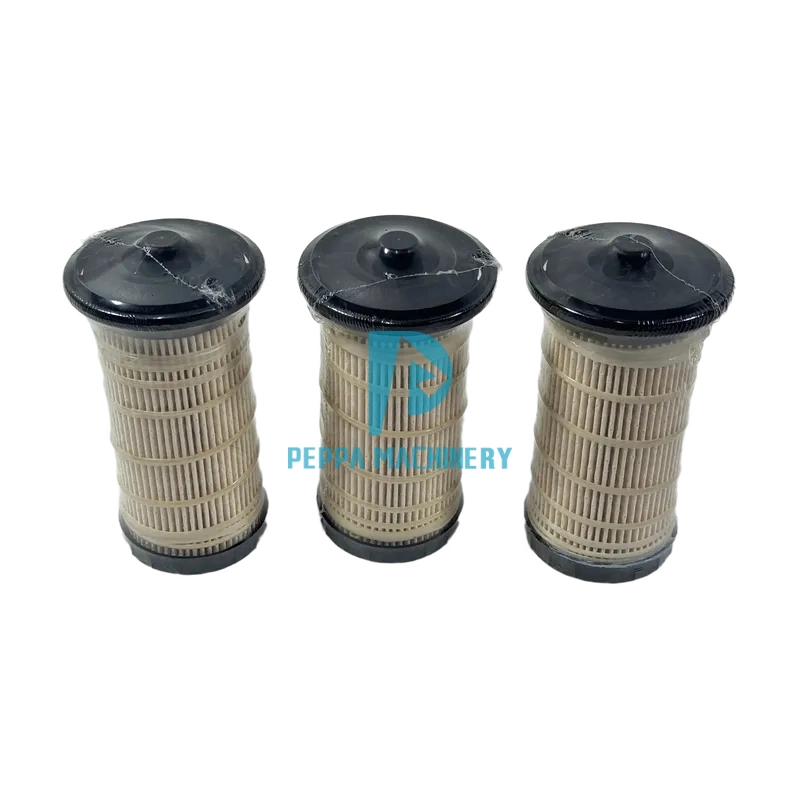
360-8960 Fuel Filter Element for Caterpillar C4.4 & C7.1 Engines | Fits 312D, 320D, 312E, 320E, 326D2, 336D2 Excavators
Get more information
Want to know more? Contact us today to get detailed product specifications, customized solutions, and a free consultation tailored to your needs.
Rest assured that your privacy is important to us, and all information provided will be handled with the utmost confidentiality.

Reliable Source for Quality Excavator Components.
Follow Us
Our Partners


Our Payment Methods


 High Quality
 7/24 Service
 Guaranteed Warranty
 Scan QR Code
Facebook
TikTok
YouTube
Pinterest
Twitter