








Excavator alternator replacement: DIY or professional service?
- How do I accurately test an excavator alternator on-site (12V & 24V) without removing it?
- When buying a remanufactured excavator alternator, what core issues, required rebuild processes, and warranty terms should I insist on?
- What are the real cost and downtime differences between DIY alternator replacement and hiring a professional for a 20-ton excavator?
- How can I identify counterfeit or incompatible alternators for CAT 320, Komatsu PC200 and similar excavators using serials, pinouts and physical markers?
- What causes alternator failure unique to excavator operation (hydraulic contamination, low idle, heat) and how can I prevent them?
- Step-by-step safe alternator replacement procedure for tracked excavators in tight engine bays (tools, hoisting, electrical isolation, verification)
How do I accurately test an excavator alternator on-site (12V & 24V) without removing it?
On-site testing lets you determine whether the alternator, voltage regulator, diodes, or wiring is at fault before removal. Many excavators run a 24V charging system (two 12V batteries in series), though some compact models use 12V. Follow a safe, methodical test sequence:
- Safety first: park on level ground, engage parking brake, remove jewelry, wear eye protection, and follow lock-out for the starting system. For 24V systems, treat the pack as a single high-voltage source and isolate both batteries if removing them.
- Baseline battery check (engine off): with a digital multimeter (DMM) set to DC volts, measure battery bank voltage at the battery terminals. Expect ~12.4–12.8V per 12V battery at rest (12V systems: ~12.4–12.8V; 24V systems: ~24.8–25.6V). Significantly lower values indicate weak batteries that can mask alternator health.
- Charging voltage test (engine running): start the engine and let it reach normal operating temperature. Measure across the battery(s) at idle, then ~1,500–2,000 rpm. Expected charging voltages:
- 12V systems: ~13.8–14.6V (typical industry spec 13.8–14.4V)
- 24V systems: ~27.6–29.2V (double the 12V spec)
- Voltage under load: switch on major electrical loads (cab lights, heater blower, work lamps). Charging voltage should remain within ~0.5V of the no-load charging voltage. A voltage collapse with load suggests weak alternator output, poor connections, or battery problems.
- AC ripple test (diode/rectifier check): set the DMM to AC volts and measure across the battery while engine runs. For heavy equipment charging systems, AC ripple should be low—ideally <0.5VAC. Higher AC indicates diode failure in the rectifier pack.
- Output current check (if you have a clamp meter): measure alternator output current at the alternator output lead while operating big loads. Compare to the alternator rated amperage stamped on the nameplate (typical excavator alternators: 50–200A depending on model). If measured current is well below rating but voltage looks OK, internal faults or regulator limiting may be present.
- Diode/continuity checks with DMM (engine off): use diode test across rectifier diodes per the service manual or measure resistance in both directions to find shorted diodes. Also inspect connectors and ground continuity (low-ohm connection from alternator housing to chassis).
Document all measurements and compare to OEM charging specs in the service manual. If results are marginal, consider a bench dynamometer test after removal; many suppliers offer dynamo testing to rated current and heat soak validation.
When buying a remanufactured excavator alternator, what core issues, required rebuild processes, and warranty terms should I insist on?
Remanufactured alternators are common for heavy equipment, but quality varies. Insist on the following to avoid premature failures:
- Complete rebuild to OEM tolerances: new brushes, bearings, rectifier (diode pack), voltage regulator (if externalized), slip rings or rotor rewinding as needed, and replacement of worn fasteners. Ask whether the stator/rotor were measured for insulation breakdown (megger) and balanced after rewind.
- Dynamometer testing: the unit should be tested at rated voltage and at or above rated amperage for a minimum runtime (e.g., 30–60 minutes) to verify thermal stability and output under load. Request the test report.
- Core handling and credit: confirm core charge, core acceptance criteria, and return window. Document that the remanufacturer will accept your core and provide a statement if core is rejected with the reason.
- Traceability and part number matching: provide OEM part number or serial, and insist the remanufacturer cross-references to exact mounting, pulley type, connector pinout, and amperage. Ask for photos of the remanufactured unit before shipment.
- Warranty terms: typical reputable remanufacturers offer 6–24 months. Verify warranty covers both parts and labor (if applicable) and whether warranty is pro‑rated or full replacement. Also confirm shipping and diagnosis process if a unit fails under warranty.
- New-component policy: confirm whether critical wear items (brushes, bearings, rectifier) are always replaced rather than reconditioned, and whether thermal protective features (e.g., temperature-coded windings) are restored to OEM spec.
Insist on written documentation and a return/test certificate. Vendors that refuse dynamometer proof or won't disclose core criteria should be avoided; saving on a cheaper unit often costs more in downtime and repeat replacements.
What are the real cost and downtime differences between DIY alternator replacement and hiring a professional for a 20-ton excavator?
Costs and downtime vary by model, access to tools, and local labor rates. Below are realistic ranges and considerations based on industry norms (figures are ranges; always get quotes for your specific machine):
- Parts cost:
- Remanufactured alternator: $300–$900
- New aftermarket: $600–$1,500
- OEM new: $1,000–$3,000+
- Labor & equipment:
- DIY: no shop labor but expect to spend 4–10 hours on a medium-sized excavator (tight engine bays). You may need rental tools (engine hoist, torque wrench, serpentine tool) and a safe work area.
- Professional service: shop labor for a qualified heavy-equipment mechanic typically 2–6 hours depending on access; field service adds travel time. Typical labor rates vary widely ($80–$180/hr US/Europe; higher in-field call-out rates).
- Downtime impact:
- DIY: potential delays if you encounter seized bolts, damaged wiring, or lack of a hoist. Risk of repeat downtime if testing and installation aren't perfect.
- Professional: faster turnaround in most cases due to experience, factory tools, and access to tested reman/new inventory; you also get formal testing (dynamo) and warranty, minimizing repeat downtime.
- Hidden costs & risks for DIY:
- Incorrect connector wiring can damage new alternator quickly.
- Improper belt tension or misalignment shortens alternator/bearing life.
- Warranty issues: some vendors require professional installation to honor labor warranties.
Example scenario: replacing a remanufactured alternator ($600) with a mechanic (4 hours at $120/hr) = ~$1,080 total, plus any travel. DIY might save ~$480 but introduces risk. For mission-critical machines or tight fleets, the value of reduced downtime and warranty-backed work often makes professional service the better business decision.
How can I identify counterfeit or incompatible alternators for CAT 320, Komatsu PC200 and similar excavators using serials, pinouts and physical markers?
Counterfeit or incompatible alternators are a serious issue — wrong pinout, mismatched regulator, or incorrect mounting can cause immediate failure. Use these verification steps before purchase or installation:
- Confirm OEM part number and prefix: obtain the OEM part number from the parts manual (e.g., CAT, Komatsu). Compare the supplier’s part number and any cross-reference. Beware of look-alikes that omit suffixes indicating output rating or modification.
- Inspect nameplate data: verify rated voltage, amperage, serial number, and manufacturer stamp. The nameplate should match OEM data for your model’s electrical system and accessory demand.
- Compare mounting points & pulley: visually and dimensionally compare the unit to the old alternator — bolt hole spacing, shaft diameter, and pulley type (V, serpentine, or clutch) must match exactly.
- Connector & pinout verification: count pins and map functions (B+, D+/L terminal, regulator sense). Ask for the alternator’s wiring diagram from the seller and compare pin numbering and functions against the excavator wiring schematic. A swapped sense lead or missing ground will cause erratic charging.
- Weight and casting quality: counterfeits often feel lighter and have poor casting finish. Check for consistent serial fonts, laser-etched stamps, and manufacturing marks that align with known OEM patterns.
- Supplier verification & documentation: insist on supplier certifications, photos of the actual unit, and a test report. Contact OEM or authorized dealer to cross-check serials if in doubt.
If you suspect a counterfeit, do not install it — document evidence and notify the supplier. Counterfeit parts put engines and electrical systems at risk and may void insurance or equipment warranties.
What causes alternator failure unique to excavator operation (hydraulic contamination, low idle, heat) and how can I prevent them?
Excavators face harsher conditions than on-road vehicles. The following root causes are common, with preventive steps:
- Hydraulic/oil contamination: oil from leaking lines or blown seals can contaminate belt drives and alternator housings, causing slip, bearing contamination, and electrical shorts. Prevention: route hoses away from alternator, repair leaks promptly, install protective shields, and clean engine bays during scheduled maintenance.
- Prolonged low RPM / idling: frequent low-speed operation prevents adequate alternator cooling and reduces RPM-based charging, accelerating brush and bearing wear. Prevention: periodically run engine at higher idle according to OEM guidance, and install temperature monitoring if available.
- High ambient temperature and heat soak: alternators mounted near exhaust components or inside cramped engine bays can overheat. Prevention: add heat shields, ensure airflow, and use high-temp-rated alternators or components specified for your machine’s duty cycle.
- Vibration and shock: tracked machines transmit high vibration; loose mounts cause bearing failure or lead breakage. Prevention: inspect and secure alternator mounts and brackets, replace worn isolation bushings, and use anti-vibration mounts when specified.
- Debris and dust ingress: abrasive dust and mud get into brushes and bearings. Prevention: use protective shrouding, air filters for compartments, and regular cleaning intervals tailored to jobsite conditions.
- Electrical system faults: poor grounding, corroded connectors, or battery problems feed back into alternator stress and regulator overstress. Prevention: maintain battery condition, clean connectors, verify ground straps, and use proper fuses and circuit protection.
Regular inspection checklists (monthly visual, quarterly electrical testing) tailored to machine hours significantly reduce alternator-related downtime.
Step-by-step safe alternator replacement procedure for tracked excavators in tight engine bays (tools, hoisting, electrical isolation, verification)
Follow these steps to replace an alternator safely and reliably. Always consult the machine’s service manual for model-specific instructions, torque values, and safety warnings.
- Prepare tools and PPE: socket set, torque wrench, long-reach ratchets, pry bars, engine hoist or lifting strap if needed, multimeter, clamp ammeter, insulating gloves, eye protection.
- Electrical isolation: shut off engine, engage park, isolate starting batteries. For 24V systems, remove ground from both batteries or disconnect both battery negative terminals to prevent shorts. Tag and label all connectors before removal.
- Access and clearances: remove engine covers, shrouds, and any obstructing components (air intake ducting, hoses) to gain access. Keep hardware organized and photographed for reassembly orientation.
- Belt removal and marking: mark belt routing and remove the belt by releasing tension via the tensioner. Inspect belt for wear; replace if reusing the belt is not recommended.
- Support and remove alternator: support alternator with a strap or hoist to prevent sudden drop. Remove electrical connections (B+, sense, ground). Unbolt mounting fasteners and carefully lower the unit out of the engine bay.
- Pre-install checks on new/reman unit: verify part number, connector pinout, pulley direction/size, and nameplate amperage. Bench test if possible.
- Install new alternator: position and hand-thread bolts, align bracket and secure per OEM torque specs in the service manual. Reconnect electrical leads with clean terminals and tight connections; ensure chassis ground is solid.
- Belt installation and tension: reinstall belt and set tension per belt manufacturer or OEM specification. Incorrect tension causes slippage or bearing overload.
- Initial verification: reconnect batteries, start engine, and watch for charging system warning lights. Measure charging voltage at idle and ~1,500–2,000 rpm to confirm expected charging range (12V system ~13.8–14.6V; 24V system ~27.6–29.2V).
- Load and ripple test: with major electrical loads on, verify voltage holds steady. Check AC ripple and, if possible, measure alternator output current with a clamp meter to ensure it meets nameplate rating under load.
- Post-install inspection: re-check mounting bolt torque after a short run-in (per service schedule), inspect for fluid leaks or belt tracking issues, tidy wiring, and update equipment maintenance records with part numbers and serials.
If you cannot perform dynamometer testing in-house, have the alternator tested at a reputable rebuild shop or supplier as an extra verification step.
Concluding summary — advantages of professional alternator replacement: Professional replacement offers diagnostic depth (dynamometer and ripple testing), correct OEM part matching, warranty on parts and labor, faster turnaround for critical machines, and reduced risk of repeated failures due to improper installation. For fleet operations or mission-critical excavators, the combination of documented testing and warranty-backed work typically outweighs the upfront labor savings of DIY.
For a reliable quote, certified reman units, or OEM alternators with documented testing, contact us at www.jbpartsgz.com or email jbparts@aliyun.com — we will provide a detailed parts and service estimate.

Isuzu SP 4JG1 4JG2 4JG3 Cylinder Liner 1876182070 1-87618207-0 1876182080 1-87618208-0 1876182100 1-87618210-0
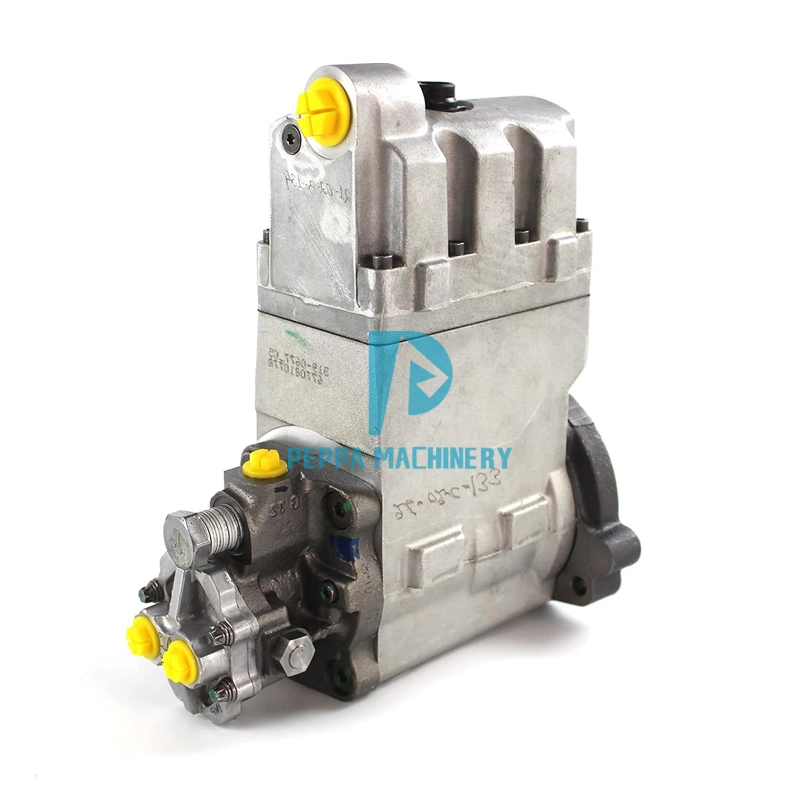
Fuel Feed / Transfer Pump Assembly for Caterpillar C7 & C9 Engines | Direct Replacement for OEM Parts #319-0678, 254-4358, 304-0678, 295-4778, 228-589
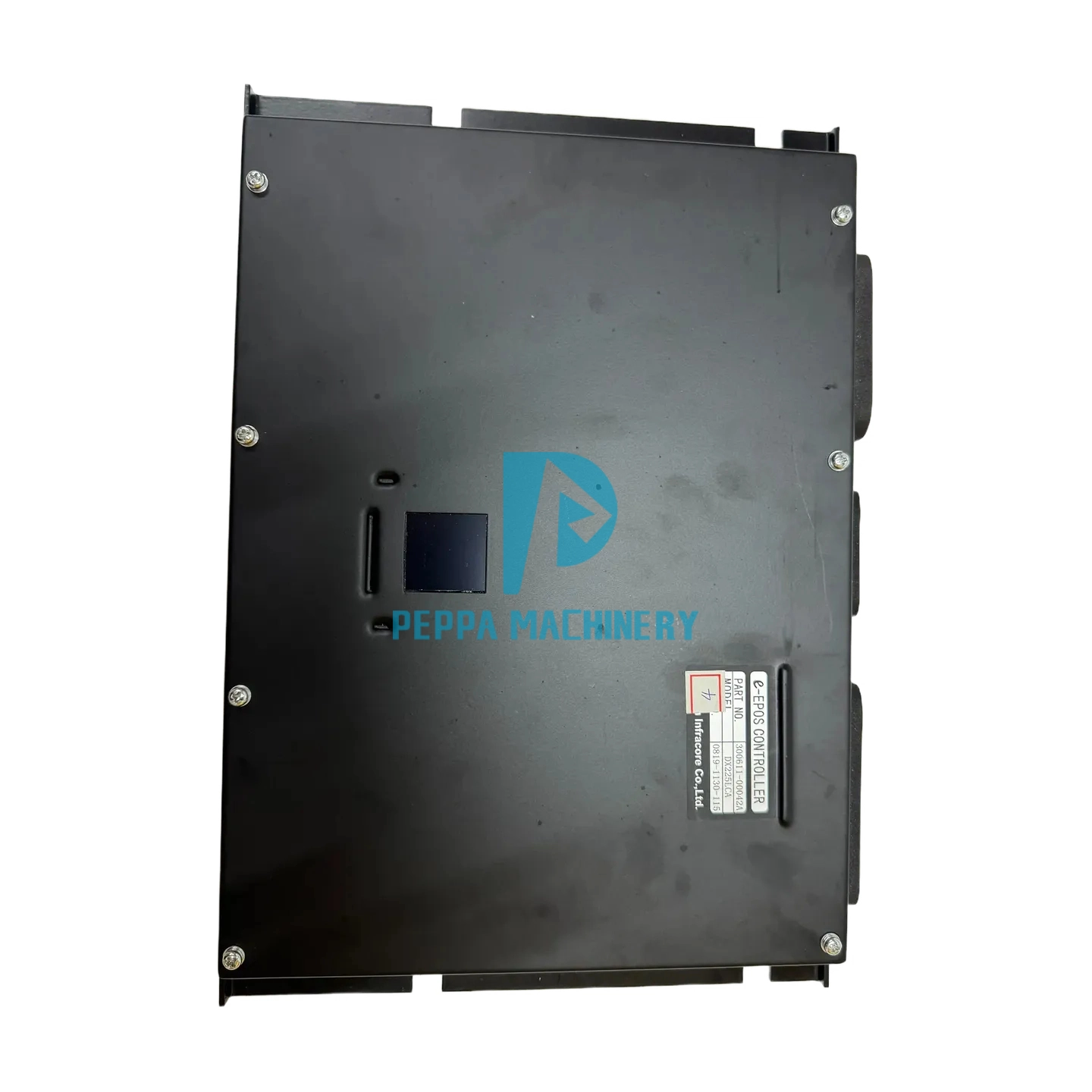
Excavator Accessories Excavator Controller DX225 DX225LCA E-EPOS Controller Computer Board 300611-00042 K1026740 K1001369C K1056425 ECU ECM

Isuzu Engine 6WG1 Turbo 1876183290 1-87618329-0 8981921861 8-98192186-1 14400-4441 1144004370 114400-4370 49188-018312 49188-11940
Excavator Parts
Are your parts genuine or OEM?
We offer both genuine parts and high-quality OEM alternatives. You can choose according to your budget and application needs. All OEM products are tested to meet or exceed original specifications.
How can I verify compatibility before placing an order?
Please provide us with your machine brand, model number, and the part number (if available). Our team will double-check the compatibility to ensure you receive the correct parts.
What types of parts do you mainly offer?
Our main product categories include:
• Engine parts (liner kits, crankshafts, water/oil pumps, etc.)
• Electrical parts (sensors, monitors, throttle motors, wiring harnesses)
• Hydraulic parts (pumps, valves, cylinders)
• Sealing kits (NOK, SKF, PQ brands, floating seals, O-rings)
Can I get help choosing the right parts for my machine?
Yes. Our experienced sales team is here to provide professional recommendations and solutions based on your excavator model, part number, or specific requirements.
What brands of excavator parts do you supply?
We supply a full range of parts compatible with major international and Chinese brands, including Caterpillar, Komatsu, Hitachi, Volvo, Doosan, Hyundai, Sany, Liugong, XCMG, Zoomlion, and more.
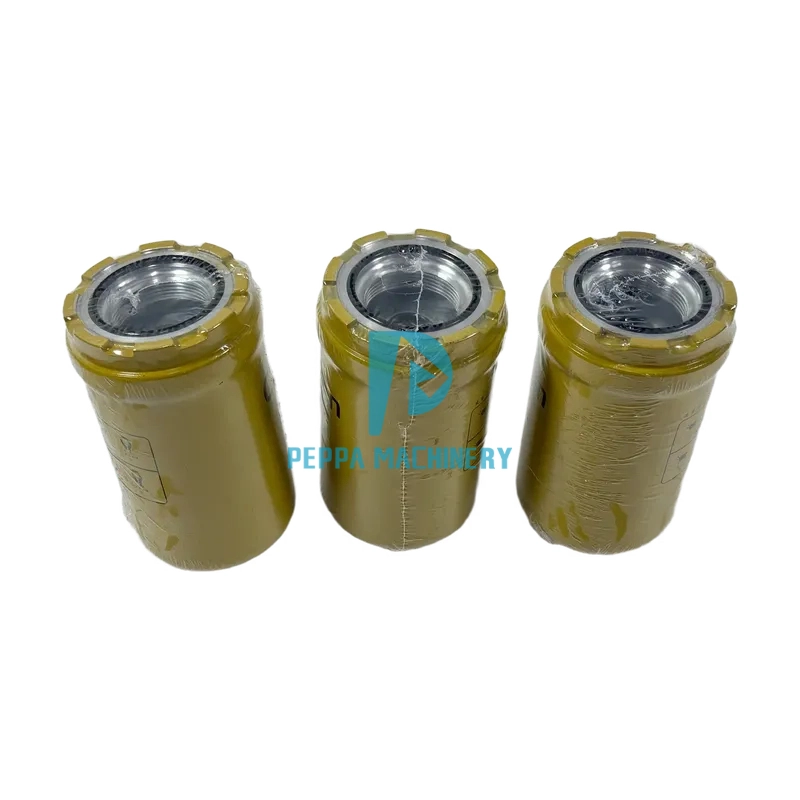
51-8670 Hydraulic Filter Applicable to HF35519 518670 2897836 518670X 1588987 Compatible with Caterpillar 352FVG 325CL
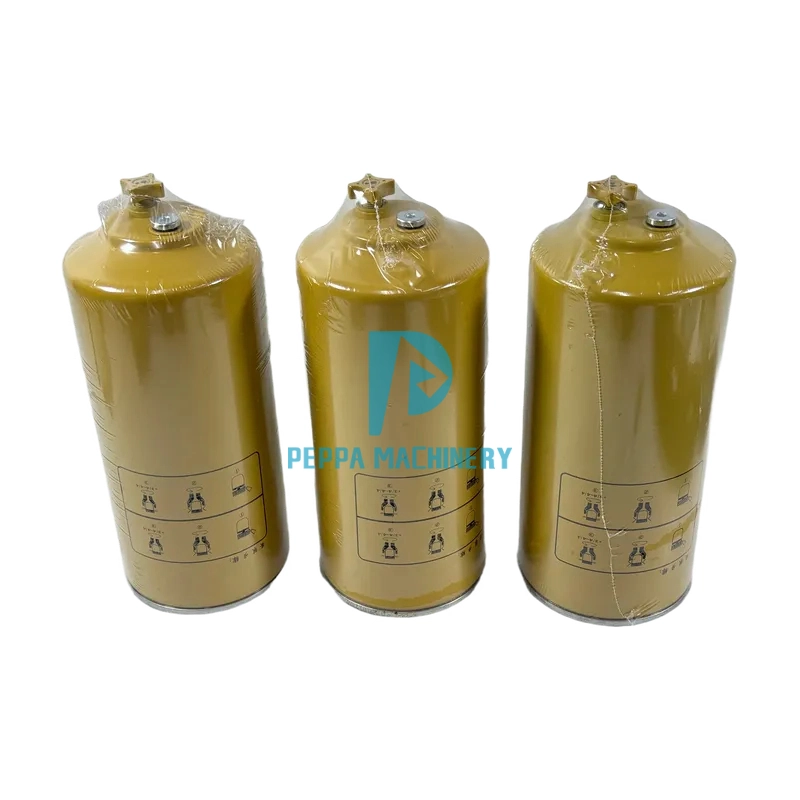
4385386 Fuel Water Separator Fuel Filter 382-0664 Oil-water Separator Hydraulic Oil Filter for CAT 312D2 320D2
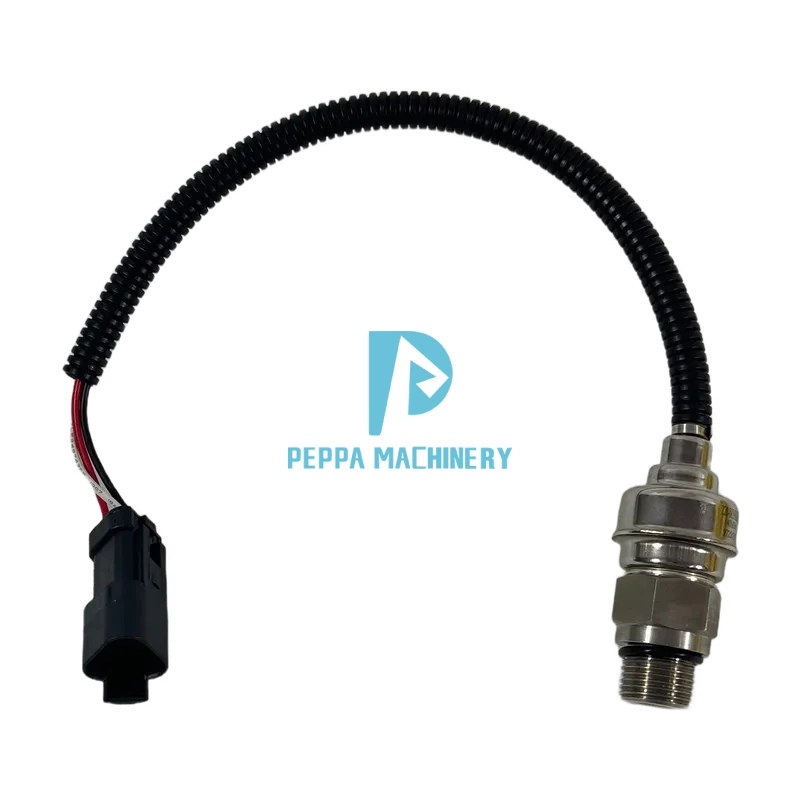
Pressure Sensor 221-8859 106-0178 for Caterpillar CAT 311B 311C 312C 314D 315B 320C 323D 324D 330C 336D 345B 385C
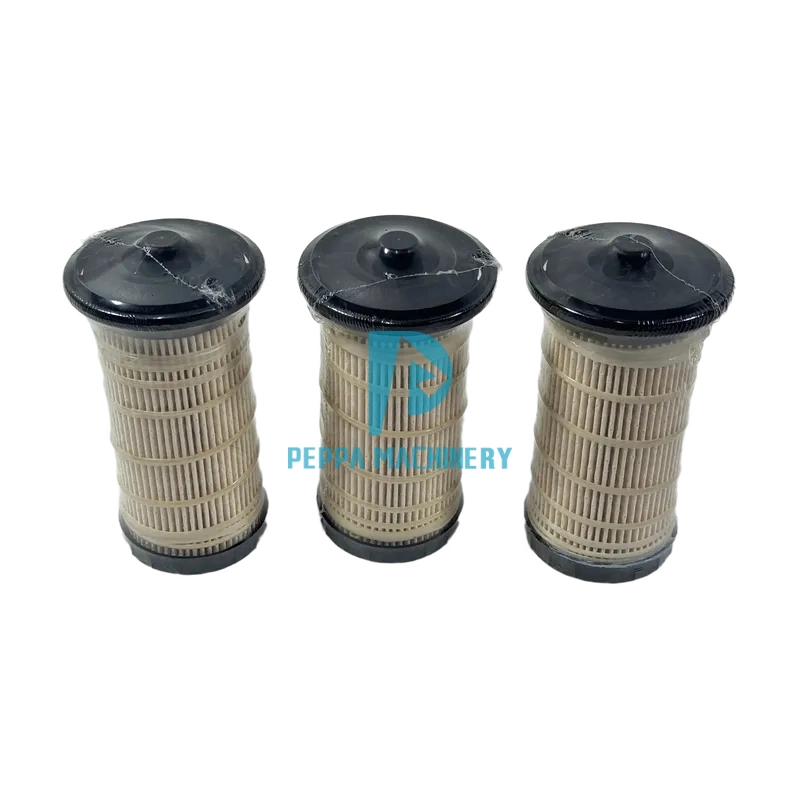
360-8960 Fuel Filter Element for Caterpillar C4.4 & C7.1 Engines | Fits 312D, 320D, 312E, 320E, 326D2, 336D2 Excavators
Get more information
Want to know more? Contact us today to get detailed product specifications, customized solutions, and a free consultation tailored to your needs.
Rest assured that your privacy is important to us, and all information provided will be handled with the utmost confidentiality.

Reliable Source for Quality Excavator Components.
Follow Us
Our Partners


Our Payment Methods


 High Quality
 7/24 Service
 Guaranteed Warranty
 Scan QR Code
Facebook
TikTok
YouTube
Pinterest
Twitter