








Which alternator excavator brands give the best ROI?
- 1) How do I size an excavator alternator (amperage and voltage) to handle added LED lighting, GPS, radio and telemetry without overtaxing the battery?
- 2) Can I use a remanufactured alternator on a Caterpillar 320 without risking hydraulic control electronics or late-life regulator failure?
- 3) Which alternator excavator brands give the best ROI for fleets working in dusty mines (Caterpillar, Komatsu, Hitachi, Volvo, Doosan, Hyundai)?
- 4) What on-machine diagnostic steps can confirm the alternator regulator is failing (not the battery) on a Hitachi or similar excavator without removing parts?
- 5) How can I safely modify pulley/belt ratios to increase low-idle charging on a Volvo EC220 without shortening alternator life?
- 6) What warranty, core-exchange and availability issues should I plan for when sourcing alternators for legacy Komatsu PC200-series machines in remote regions?
Authoritative guide from a parts specialist with field service experience, OEM cross-reference knowledge, and fleet ROI analysis. Answers are based on OEM service manuals, supplier datasheets and fleet maintenance benchmarks through 2024. For a tailored quote, contact us at www.jbpartsgz.com or jbparts@aliyun.com.
1) How do I size an excavator alternator (amperage and voltage) to handle added LED lighting, GPS, radio and telemetry without overtaxing the battery?
Problem: Many operators simply swap an alternator or add electronics without calculating total electrical load. Result: chronic undercharge, dead batteries, or regulator overheating.
Step-by-step method to properly size a replacement alternator excavator system:
- Inventory continuous and peak loads: list each accessory and its draw. Typical ranges (for estimation only): LED work lights 10–40A per bar, cab HVAC/blower 5–20A, telematics/GPS 1–3A, stereo/radio 5–15A. Confirm actual device labels or measure with a clamp meter.
- Calculate house load + engine/baseload: include ECM/ECU loads (2–8A), electronic hydraulic controls (2–10A), and alternator self-draw. Add 25–30% safety margin to allow for inrush currents and accessory expansions.
- Use battery charging needs: if you need to recover battery state-of-charge after long idle or starting heavy loads, add required charging current. For a typical 12V start battery, a long-term charging target of 20–30% of battery AH helps recovery; e.g., a 200 AH battery benefits from 40–60A sustained charging when depleted.
- Match alternator rated output to idle RPM behavior: heavy-equipment alternator specs often give rated amperage at ~2000–3000 rpm. At low idle the output can drop significantly (often 30–60% of rated). Ensure rated output at working idle RPM meets your continuous loads. If not, choose a higher-rated or high-output alternator designed for low-idle charging.
- Check voltage regulator and system voltage: most excavators use 12V systems (nominal 13.6–14.8V charging). Confirm your machine; if your machine is 24V or dual-battery, select a compatible alternator excavator unit or a converter/charger solution.
- Allow wiring and connector capacity: ensure cable gauge, fuses and grounding are sized for the increased amperage. Voltage drop of more than 0.2–0.5V can reduce effective charging at the battery; measure voltage at the alternator output and battery during load to check drops.
Practical example: If cabin lights (30A), telematics (2A), radio (10A), ECM (5A) = 47A continuous, plus 30% margin → ~61A. If alternator output drops to 50% at idle, you need an alternator rated ~120–140A to guarantee charging at low RPM. When in doubt, choose the next standard higher OEM/reman model and upgrade wiring accordingly.
2) Can I use a remanufactured alternator on a Caterpillar 320 without risking hydraulic control electronics or late-life regulator failure?
Problem: Operators fear remanufactured alternators may cause transient spikes, diode failures or poor EMC (electromagnetic compatibility) that damage sensitive hydraulic controllers.
Short answer: Yes — but only if the remanufactured alternator meets or exceeds OEM specifications for regulator stability, diode bridge testing, insulation and EMC suppression, and is supplied under a reputable reman program with warranty and core controls.
What to check before using a reman alternator excavator unit:
- Supplier credentials: prefer remanufacturers certified to ISO 9001 or automotive/heavy-equipment reman standards and with documented rebuild processes (rotor/field rewinding, new brushes, new voltage regulator, new diode pack, dynamic balancing).
- Voltage regulation stability: ask for regulator set-points and ripple data. Acceptable charging voltage for 12V systems is typically 13.8–14.8V. Excessive voltage spikes (>0.5V transient) risk electronics.
- Diode and AC ripple testing: good remans test diode leakage and AC ripple under load. Excessive AC ripple (>0.5–1.0 VAC measured at the battery) can cause ECU communication errors and sensor noise.
- EMC and screening: confirm the alternator has proper shielding and surge suppression (MOVs, capacitors) where the OEM required them — especially on machines with CANbus and sensitive hydraulic controls.
- Warranty & core policy: choose reman with at least 12 months warranty and a clear core-exchange policy. Reputable remans often provide a 12–24 month warranty and bench-tested units only shipped after full functional verification.
Field tip: if you install a reman, bench-test it first on a regulated load bank and verify voltage and ripple at idle and at 2000 rpm. Trace harness grounds and battery cables to minimize ground loops. If your excavator runs CANbus hydraulic controls, avoid cheap, untested remans — use OEM or high-quality reman with EMC documentation.
3) Which alternator excavator brands give the best ROI for fleets working in dusty mines (Caterpillar, Komatsu, Hitachi, Volvo, Doosan, Hyundai)?
Problem: Fleet managers need brands that minimize downtime, service cost and total cost of ownership (TCO) under extreme dust/heat conditions.
Key ROI drivers in mining/dusty environments:
- Sealing and ingress protection: look for alternator units with high IP ratings or proven dust exclusion designs; sealed bearings and connector boots extend life significantly.
- Brushless vs brushed designs: brushless alternators reduce brush wear and maintenance in dusty environments; many heavy-duty suppliers offer brushless high-output models.
- Service network and parts availability: local distributor stock, rapid core-exchange programs and regional reman centers reduce downtime and logistic costs.
- Warranty and documented MTBF: prefer suppliers that publish field failure rates or offer extended warranties for mining fleets.
Brands and practical ROI guidance (industry-observed trends to 2024):
- Delco Remy / Remy: longstanding heavy-duty supplier with a strong reman/core program and broad dealer network. High ROI where reman and rapid core exchange reduce replacement costs and downtime.
- Prestolite / Mech-Partners: known in heavy equipment for robust bearing housings and heavy-duty rectifier assemblies. Good ROI in harsh sites when combined with preventive spare stocking.
- Denso / Bosch: these major OEM-level suppliers often provide alternators to excavator manufacturers and offer compact, efficient designs. ROI is high where OEM compatibility and electrical efficiency reduce fuel/idle time and warranty concerns.
- High-output aftermarket specialists: some aftermarket providers offer purpose-built high-output, low-idle alternators with reinforced housings. These can give excellent ROI if validated by field trials and backed by warranty.
How to quantify ROI for your fleet:
- Calculate downtime cost per hour (lost production + crew costs). Even a single alternator-related downtime per year per machine can justify a higher initial unit cost if it halves the failure rate.
- Include parts, labor and freight. Core exchange credits (commonly 30–60%) lower net replacement cost for reman programs—ask suppliers for effective net cost after core credits.
- Consider mean time between failures (MTBF) from field data—good suppliers will share representative failure rates for similar duty cycles.
Practical recommendation: For dusty mines, prioritize alternator excavator units from Delco Remy/Remy or Prestolite where local reman/core support exists, or OEM-sourced Denso/Bosch units where OEM fitment and warranty are critical. Pilot a 6–12 machine trial and track failures, repair time, and net cost to determine fleet-specific ROI before full conversion.
4) What on-machine diagnostic steps can confirm the alternator regulator is failing (not the battery) on a Hitachi or similar excavator without removing parts?
Problem: Replacing batteries wastes money if the alternator/regulator is the real fault. Field techs need a quick, reliable test sequence.
Diagnostic steps (multimeter and clamp meter required; oscilloscope and scan tool if available):
- Battery static voltage: with engine off and accessories off, measure battery voltage. A healthy 12V battery reads ~12.6V fully charged. Significantly lower values indicate battery state-of-charge, but not alternator health.
- Charging voltage test: start engine and measure voltage at the battery. Normal charging is 13.8–14.8V. If it’s below ~13.5V or higher than ~15.0V, suspect alternator/regulator problems.
- Idle vs high RPM: measure voltage at idle and at increased RPM (engine rpm used during operation). If voltage rises to normal only at high RPM, the alternator may be undersized for low-idle charging or pulleys/wiring may restrict output.
- Load test: turn on high-current accessories (headlights, heater fan, work lights). If voltage collapses under load, suspect alternator/regulator inability to provide current or poor connections. Use a clamp meter on alternator output cable if accessible to see charging current.
- AC ripple test: set multimeter to AC volts and measure across battery terminals while running. Excessive AC voltage (>0.5 VAC) indicates diode rectifier failure. If you have an oscilloscope, look for smooth DC; diode issues produce significant ripple.
- Voltage transient test: with engine running, switch high loads on/off and watch for voltage spikes. Spikes over ~1V above nominal are suspect; the regulator or surge suppression components may be faulty.
- Obtain fault codes: if the machine has a service tool (e.g., Hitachi Service Diagnostic), check for alternator/charging system-related DTCs which can indicate regulator or exciter circuit faults.
- Check wiring and grounds: voltage drop can mimic alternator failure. Measure voltage at alternator case and battery negative to confirm good ground; measure at alternator output terminal and battery positive to quantify drop.
If these tests point to alternator/regulator faults (low charging at all RPMs, excessive ripple, high voltage spikes), remove or bench-test the alternator to confirm. Always rule out poor connections, corroded terminals, or failed batteries before replacing alternator excavator units.
5) How can I safely modify pulley/belt ratios to increase low-idle charging on a Volvo EC220 without shortening alternator life?
Problem: Operators try smaller alternator pulleys or oversized crank pulleys to speed the alternator at idle, but this can overstress bearings and regulators and void warranties.
Safe modification strategy:
- Prefer alternator upgrade over pulley mods: the best practice is to install a purpose-built low-idle high-output alternator designed for sustained higher output at low engine rpms. This prevents excessive bearing and regulator stress.
- If pulley change is necessary, keep RPM increase modest: manufacturers and experienced shops recommend limiting alternator RPM increase to a maximum of 10–15% above OEM pulley ratio. Excessive increases raise bearing loads and centrifugal stresses on the rotor and fan.
- Upgrade bearings and cooling: if you increase pulley speed, choose alternators with heavy-duty bearings, better lubrication and improved ventilation to handle higher RPM and ambient temps.
- Check regulator thermal rating and output curve: regulators have thermal limits. Higher RPM increases heat; ensure the regulator is rated for the anticipated higher continuous output and operating temperature.
- Verify belt life and tension: higher pulley speeds can increase belt wear and vibration. Use the correct belt type and increase inspection frequency. Adjust tension according to manufacturer guidance to avoid slippage or premature wear.
- Validate with dyno or controlled field tests: measure alternator temperature, bearing temperature, and output over an extended period at low idle after modification. If bearing temperature or regulator temperature rises beyond safe levels, revert changes.
Alternative: install a step-up charging booster or DC-DC converter that increases charge current at low RPM without increasing alternator speed. These solutions add cost but avoid mechanical stress and often preserve warranty.
6) What warranty, core-exchange and availability issues should I plan for when sourcing alternators for legacy Komatsu PC200-series machines in remote regions?
Problem: Remote operations face long lead times and risk of long downtime if alternator spares and core returns aren’t managed.
Plan around these procurement elements:
- Core exchange policies: many reman suppliers offer core credits typically between 30–60% depending on part condition and supplier. For legacy parts, expect higher net cost if cores are missing or in poor condition.
- Lead times and regional stock: legacy Komatsu parts may not be stocked regionally. Confirm lead times (often 2–6+ weeks for shipped units) and explore local reman centers or cross-referenced aftermarket part numbers to reduce downtime.
- Warranty terms: OEM new units commonly have 12 months; reman warranties vary 6–24 months. For fleets, negotiate extended warranty or on-site support for critical machines. Verify whether warranty requires OEM dealer installation or allows third-party fitment.
- Cross-reference part numbers: use OEM service manuals to get original alternator part numbers and any known cross-reference equivalents (Delco Remy, Denso, Prestolite). Share photos and serials with suppliers to ensure correct fitment for PC200 variants (differences occur across model years and electrical options).
- Local repair capability: identify trustworthy local shops that can bench-test and reman alternators to OEM tolerances. Holding one or two repaired cores per machine fleet can cut downtime dramatically.
Practical procurement checklist for remote fleets:
- Stock at least one spare alternator per 4–6 machines if operating remotely with >48hr resupply lead time.
- Negotiate core credits and return logistics upfront; include shipping and customs contingencies in cost modeling.
- Request supplier failure data on similar machine duty cycles; prioritize suppliers with regional reman centers to shorten MTTR (mean time to repair).
These steps reduce unplanned downtime and improve overall ROI for legacy Komatsu PC200 fleets in remote locations.
Concluding summary — advantages of choosing the right alternator excavator solution
Selecting the correct alternator excavator unit — whether OEM, quality remanufactured, or a purpose-built high-output model — reduces downtime, protects sensitive hydraulic/electronic controls, and optimizes charging at low idle. For harsh and dusty environments, prioritize sealed designs, strong reman/core support, and suppliers (Remy/Prestolite/Denso/Bosch) with demonstrated field service and regional availability. Calculate ROI using net replacement cost after core credits, expected MTBF, and downtime cost per hour to make a data-driven choice for your fleet.
For tailored alternator excavator recommendations, part cross-references, or a competitive quote, contact us at www.jbpartsgz.com or email jbparts@aliyun.com.

Isuzu SP 4JG1 4JG2 4JG3 Cylinder Liner 1876182070 1-87618207-0 1876182080 1-87618208-0 1876182100 1-87618210-0
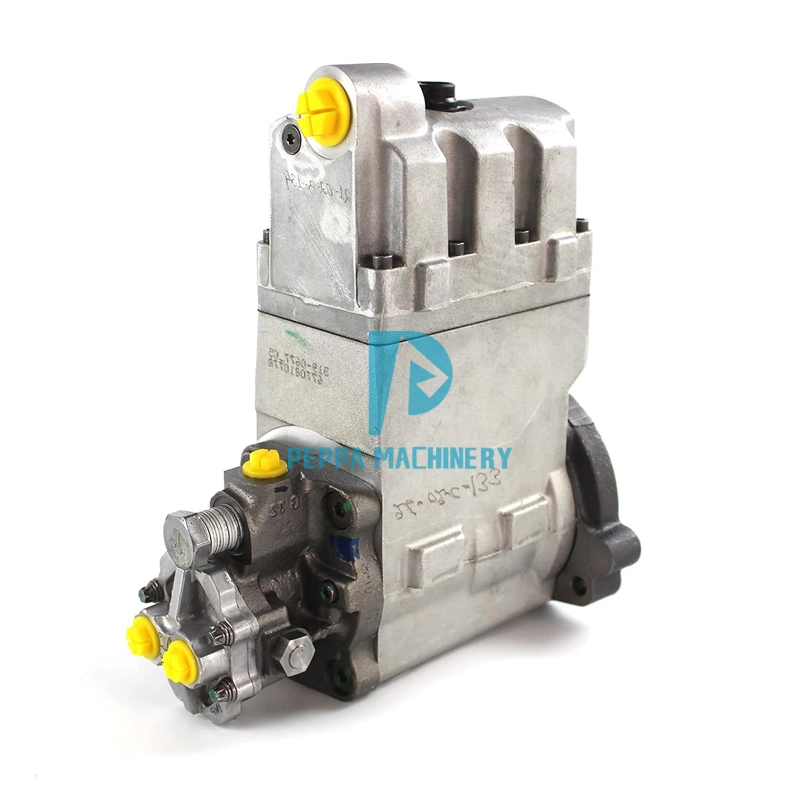
Fuel Feed / Transfer Pump Assembly for Caterpillar C7 & C9 Engines | Direct Replacement for OEM Parts #319-0678, 254-4358, 304-0678, 295-4778, 228-589
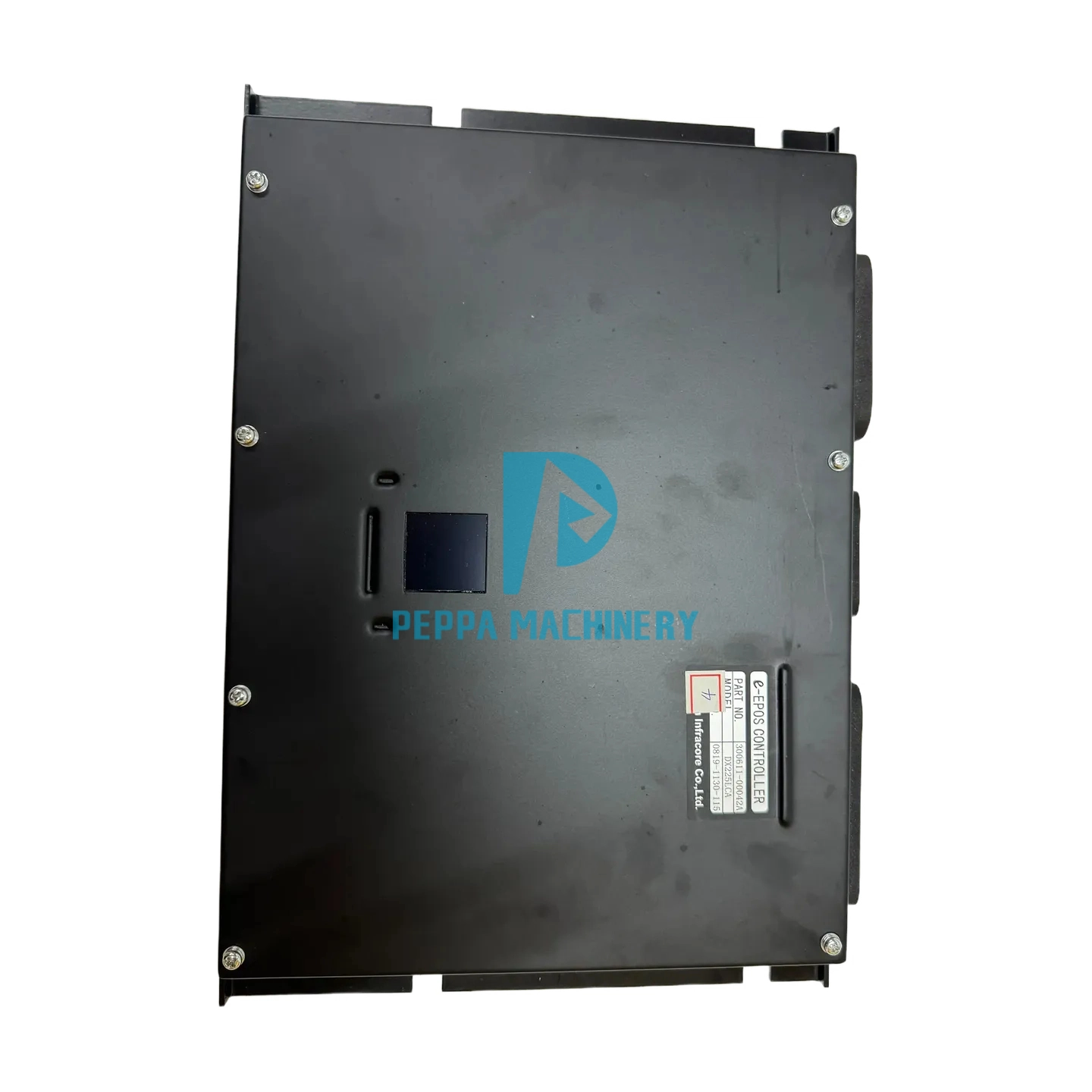
Excavator Accessories Excavator Controller DX225 DX225LCA E-EPOS Controller Computer Board 300611-00042 K1026740 K1001369C K1056425 ECU ECM

Isuzu Engine 6WG1 Turbo 1876183290 1-87618329-0 8981921861 8-98192186-1 14400-4441 1144004370 114400-4370 49188-018312 49188-11940
Excavator Parts
What types of parts do you mainly offer?
Our main product categories include:
• Engine parts (liner kits, crankshafts, water/oil pumps, etc.)
• Electrical parts (sensors, monitors, throttle motors, wiring harnesses)
• Hydraulic parts (pumps, valves, cylinders)
• Sealing kits (NOK, SKF, PQ brands, floating seals, O-rings)
What brands of excavator parts do you supply?
We supply a full range of parts compatible with major international and Chinese brands, including Caterpillar, Komatsu, Hitachi, Volvo, Doosan, Hyundai, Sany, Liugong, XCMG, Zoomlion, and more.
Do you provide technical support or installation guidance?
While we do not offer on-site installation, we can provide basic technical advice, diagrams, or documentation to assist your technicians with installation and troubleshooting.
Can I get help choosing the right parts for my machine?
Yes. Our experienced sales team is here to provide professional recommendations and solutions based on your excavator model, part number, or specific requirements.
Are your parts genuine or OEM?
We offer both genuine parts and high-quality OEM alternatives. You can choose according to your budget and application needs. All OEM products are tested to meet or exceed original specifications.
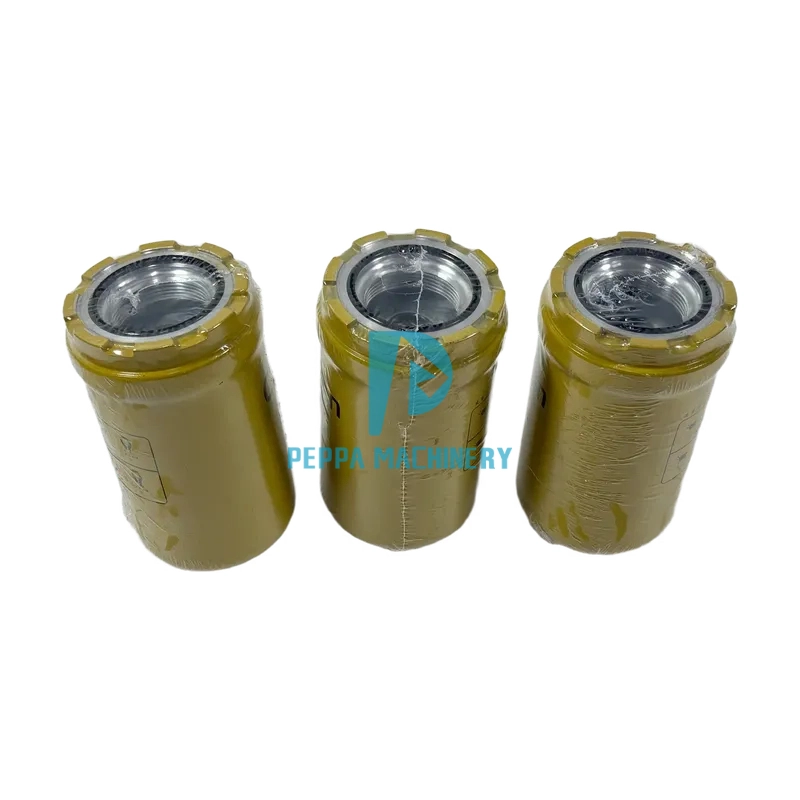
51-8670 Hydraulic Filter Applicable to HF35519 518670 2897836 518670X 1588987 Compatible with Caterpillar 352FVG 325CL
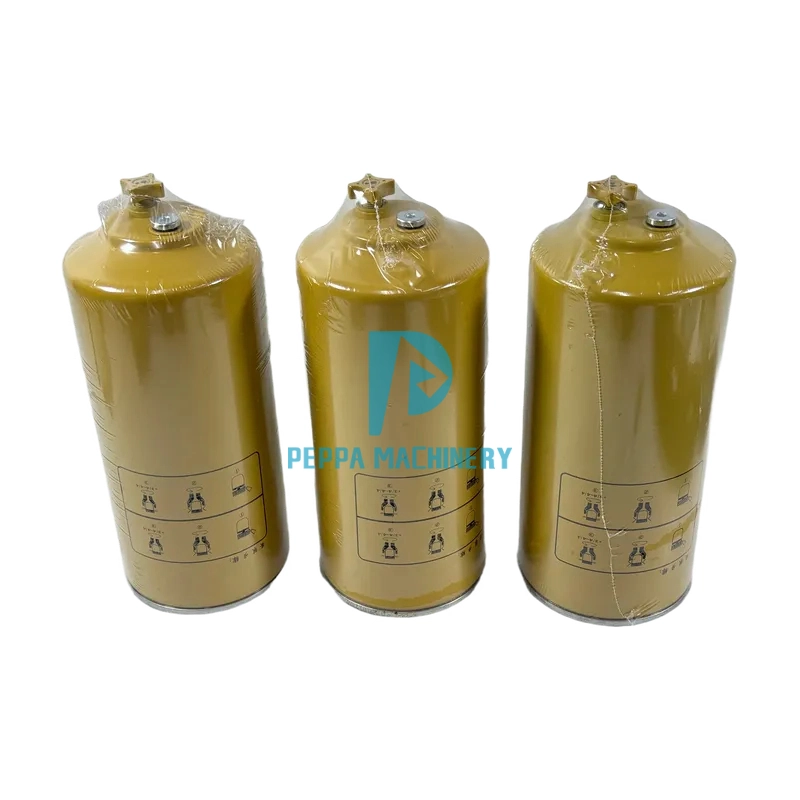
4385386 Fuel Water Separator Fuel Filter 382-0664 Oil-water Separator Hydraulic Oil Filter for CAT 312D2 320D2
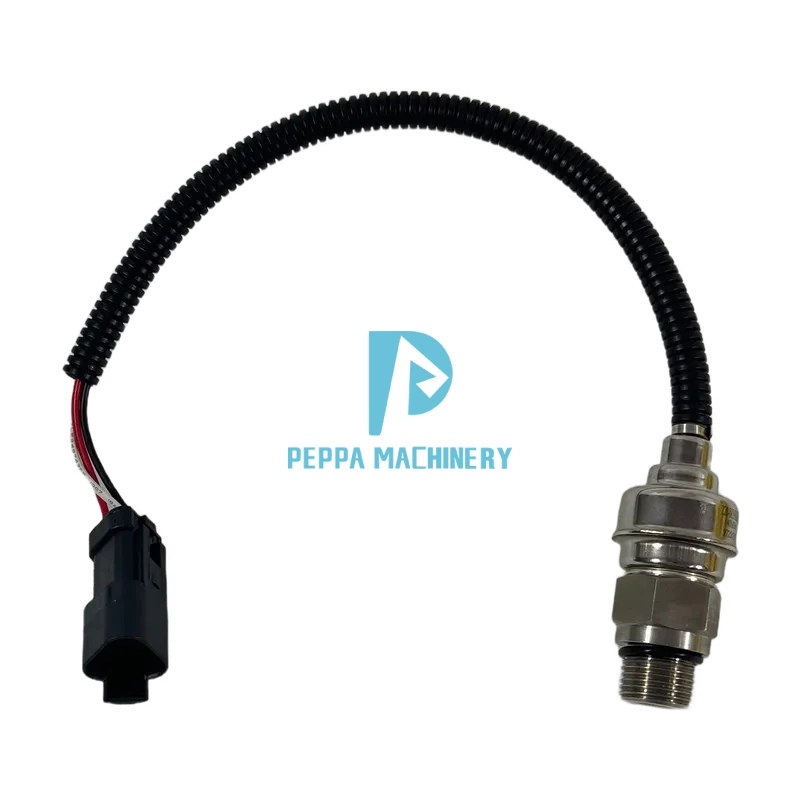
Pressure Sensor 221-8859 106-0178 for Caterpillar CAT 311B 311C 312C 314D 315B 320C 323D 324D 330C 336D 345B 385C
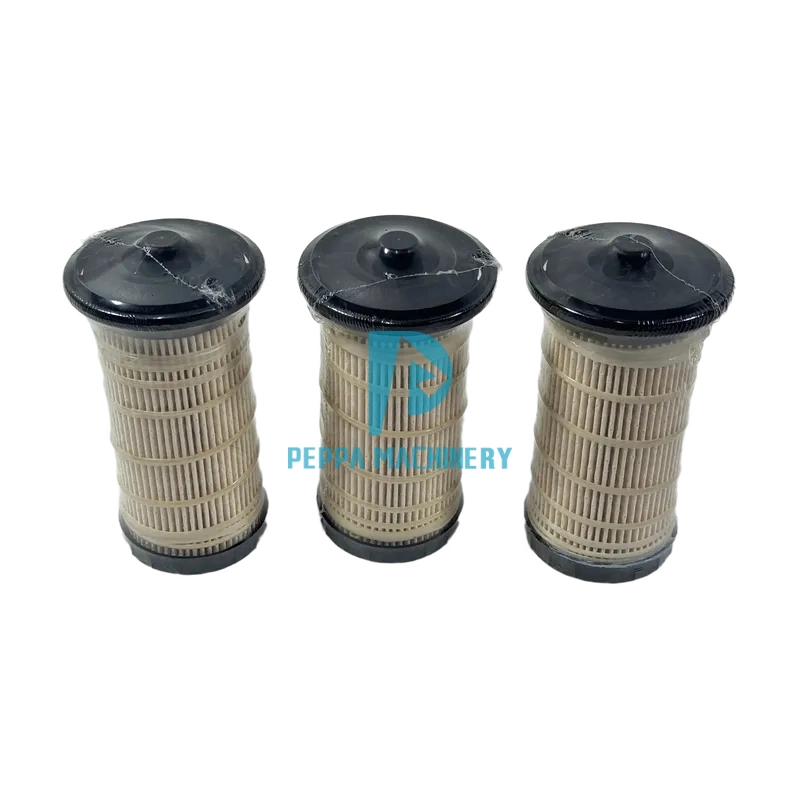
360-8960 Fuel Filter Element for Caterpillar C4.4 & C7.1 Engines | Fits 312D, 320D, 312E, 320E, 326D2, 336D2 Excavators
Get more information
Want to know more? Contact us today to get detailed product specifications, customized solutions, and a free consultation tailored to your needs.
Rest assured that your privacy is important to us, and all information provided will be handled with the utmost confidentiality.

Reliable Source for Quality Excavator Components.
Follow Us
Our Partners


Our Payment Methods


 High Quality
 7/24 Service
 Guaranteed Warranty
 Scan QR Code
Facebook
TikTok
YouTube
Pinterest
Twitter