








Can aftermarket alternator excavator parts match OEM quality?
- 1. How can I verify an aftermarket alternator excavator will provide sufficient low-speed charging for idle-heavy hydraulic loads?
- 2. Are remanufactured alternator excavator units as reliable as new OEM alternators in high-vibration mining or marine environments?
- 3. Which internal components in an aftermarket alternator excavator most often cause premature failure, and how can I inspect them before purchase?
- 4. Can aftermarket alternator excavator parts match OEM electrical connectors, mounting tolerances and pulley alignment to avoid belt wear and charging issues?
- 5. How should I compare warranties, testing certificates, and field performance data between aftermarket alternators and OEM alternators?
- 6. What are realistic cost-savings and lifecycle cost comparisons for choosing aftermarket alternator excavator parts over OEM replacements?
1. How can I verify an aftermarket alternator excavator will provide sufficient low-speed charging for idle-heavy hydraulic loads?
Why it matters: Excavators spend a lot of time at low engine rpm (idle or creep). If the alternator’s amp output falls off sharply at low rpm, batteries won’t recharge, heaters, sensors and telematics will falter and machine uptime drops.
What to ask the supplier and test for:
- Request an output curve: a chart of alternator amp delivery vs engine/alternator rpm (amps at 700–1,200 rpm is most relevant for many hydraulic excavators). Reliable aftermarket alternator manufacturers supply curves rather than a single max amp number.
- Confirm the type of voltage regulator used (internal vs external) and the voltage regulation curve. Modern excavators often benefit from smart/regulating control that limits field current at low rpm to maintain stable charging.
- Insist on a dynamometer or bench test report showing performance at low speed and under simulated loads (lights, heaters, ECU/telemetry). If possible, request on-machine load test data or a third-party bench test.
- Compare duty ratings and thermal limits—alternators specified for heavy off-road duty will have better heat dissipation and higher continuous amp capacity at low rpm.
Practical checks on delivery: a good aftermarket alternator should include a published amps-vs-rpm curve and a warranty that covers low-speed failure. Typical excavator alternator outputs vary by class — roughly 50–200 A depending on machine size and accessory load — so match the curve to the machine’s electrical demand, not just the max amp rating.
2. Are remanufactured alternator excavator units as reliable as new OEM alternators in high-vibration mining or marine environments?
Why it matters: Remanufactured alternators can be cost-effective, but in high-vibration, high-corrosion environments (mining, marine) component quality and reassembly practices determine longevity.
Key differences and what to validate:
- Core selection: high-quality remanufacturers select cores with undamaged laminations and minimal wear. Ask for core acceptance criteria.
- Replacement of wear items: bearings, brushes, slip rings, diode packs, and regulators should be replaced with new parts (preferably equivalent to OEM parts). Bearings must be vibration-rated; seals and coatings should be used where corrosion is a risk.
- Rotor balancing and electrical re-insulation: successful remans re-balance rotors to OEM tolerances and re-insulate windings to original thermal class to avoid premature failure under heat/vibration.
- Testing protocol: a remanufactured unit should have a full bench test (no-load and full-load at multiple rpms), insulation resistance test (megger), and ideally vibration/thermal cycling test reports or at least process documentation.
Real-world guidance: High-quality remans can approach or match OEM performance if the remanufacturer replaces critical wear parts, follows OEM tolerances for balancing, and provides a multi-month warranty. For extreme environments, insist on vibration-rated bearings, corrosion-resistant finishes, and documented test results.
3. Which internal components in an aftermarket alternator excavator most often cause premature failure, and how can I inspect them before purchase?
Problem components: diode bridge (rectifier), voltage regulator, bearings, rotor/stator windings, slip rings and brushes. Failure modes include diode shorting (thermal stress), bearing seizure (vibration/contamination), regulator failure from voltage spikes, and winding insulation breakdown.
What to verify with the supplier:
- Diode quality: ask for diode supplier or spec (e.g., rugged, avalanche-rated diodes) and whether the rectifier has heat-sinking to manage thermal loads.
- Regulator type and surge protection: ensure the regulator includes transient protection appropriate for off-road electrical noise and alternator switching.
- Bearing specification: request bearing brands/specs and whether bearings are sealed for contamination and lubricated for continuous high-load operation.
- Winding material and insulation class: copper windings with class H or F-rated insulation are preferred for high-heat service cycles; confirm winding connection quality and varnish/impregnation processes.
- Slip rings and brush design: thicker slip rings and high-quality carbon brushes reduce wear; check brush life estimates and brush-hold design.
How to inspect at receipt: open the alternator only if allowed by warranty terms; otherwise, require supplier-provided internal photos, test certificates and part numbers for internals. For remans, insist on a list of replaced parts. Avoid units that do not disclose diode/regulator brands or bearing specs.
4. Can aftermarket alternator excavator parts match OEM electrical connectors, mounting tolerances and pulley alignment to avoid belt wear and charging issues?
Mechanical and electrical interchangeability is as important as electrical output. Mismatched mounting or pulley alignment can cause belt slip, premature wear, misalignment stress and reduced charging efficiency.
Checklist to ensure fit and function:
- Mounting dimensions: request CAD/technical drawings or explicit mounting dimensions (bolt spacing, shaft offset) and compare to OEM service manual tolerances.
- Pulley specification: confirm pulley groove count, width, pitch and concentricity. A wrong pulley profile (serpentine vs V) or misaligned pulley can overload accessory belts.
- Electrical connectors and harness compatibility: confirm pinout, connector type (AMP/Tyco, Deutsch, etc.), and whether pigtails/adapters are provided. Many excavators use sealed Deutsch connectors — an aftermarket unit should match or supply compatible adapters.
- Rotation direction and shaft length: verify rotation (CW/CCW), shaft diameter and keyway details to avoid mismatch.
Practical tip: request a one-to-one interchange certificate or sample to verify fit before bulk purchase. High-quality aftermarket suppliers will post dimensional drawings and offer a return/exchange policy if fitment issues arise.
5. How should I compare warranties, testing certificates, and field performance data between aftermarket alternators and OEM alternators?
Warranties and certifications reflect both confidence and quality control. Don’t compare only length—compare coverage, terms and test backing.
What to evaluate:
- Warranty scope: length (months/years) is important, but also ask whether the warranty covers labor, shipping, and consequential damages (downtime). OEMs often provide factory-backed, broader coverage.
- Testing certificates: ask for bench test reports (amps vs rpm), insulation resistance (megger), thermal cycling, vibration tests, and salt-spray or corrosion tests if applicable. Look for supplier ISO 9001 quality management registration and product test reports.
- Field performance data: request failure rate data (e.g., return rate per 1,000 units), mean time between failures (MTBF) where available, and customer references in similar machine classes and environments.
- Traceability and serial numbers: reputable suppliers provide serial-number traceability for each unit’s test record—valuable for warranty claims and fleet management.
Decision framework: if an aftermarket alternator offers comparable test data, clear warranty terms (including labor/replacement), and documented field references in the same operating environment, it may match OEM value while saving cost. If such data are absent or the warranty is narrowly limited, OEM remains the safer choice for critical applications.
6. What are realistic cost-savings and lifecycle cost comparisons for choosing aftermarket alternator excavator parts over OEM replacements?
Short answer: aftermarket alternators can be 20–50% cheaper up-front, but total cost depends on failure rates, downtime cost, and warranty support.
How to calculate lifecycle cost (simple model):
- Initial purchase price (P).
- Expected service life (L) in years or operating hours—use supplier MTBF or historical fleet data.
- Average downtime cost per failure (D) — includes lost machine hours, labor and any expedited shipping.
- Repair/refurbishment cost per failure (R), or full replacement cost if not repairable.
- Warranty recovery rate (W) — percentage of failures covered by warranty.
Total cost over period T can be approximated as: P + (failure_rate × (D + (1 − W)×R) × number_of_failures_over_T). Replace failure_rate with observed return rates. Use OEM and aftermarket data side-by-side.
Real-world example (illustrative): if an aftermarket alternator saves 30% on P but has a 5% higher annual failure probability that causes costly downtime, the extra downtime may negate savings. For fleets where downtime is costly, prioritize proven reliability, warranty coverage and quick local support.
Practical purchasing strategy: for non-critical units use cost-effective aftermarket or reman; for critical machines in harsh environments or where downtime is very expensive, either OEM or a vetted High Quality aftermarket provider with demonstrable test data and on-site warranty support is preferable.
Conclusion: Advantages of choosing high-quality aftermarket alternator excavator parts
When selected with diligence, aftermarket alternator excavator parts can deliver significant advantages: lower upfront cost, faster availability, and tailored upgrades (improved bearings, enhanced regulators) while matching OEM performance. To realize these benefits, require amp-vs-rpm curves, component specs (diode/regulator/bearing/winding), dimensional interchange drawings, bench and field test reports, and clear warranty terms. For critical or harsh-environment machines, place extra weight on vibration-rated internals, corrosion protection and documented field performance.
For an on-machine recommendation or a competitive quote on alternator excavator parts — new, remanufactured or aftermarket — contact us: www.jbpartsgz.com or jbparts@aliyun.com.

Isuzu SP 4JG1 4JG2 4JG3 Cylinder Liner 1876182070 1-87618207-0 1876182080 1-87618208-0 1876182100 1-87618210-0
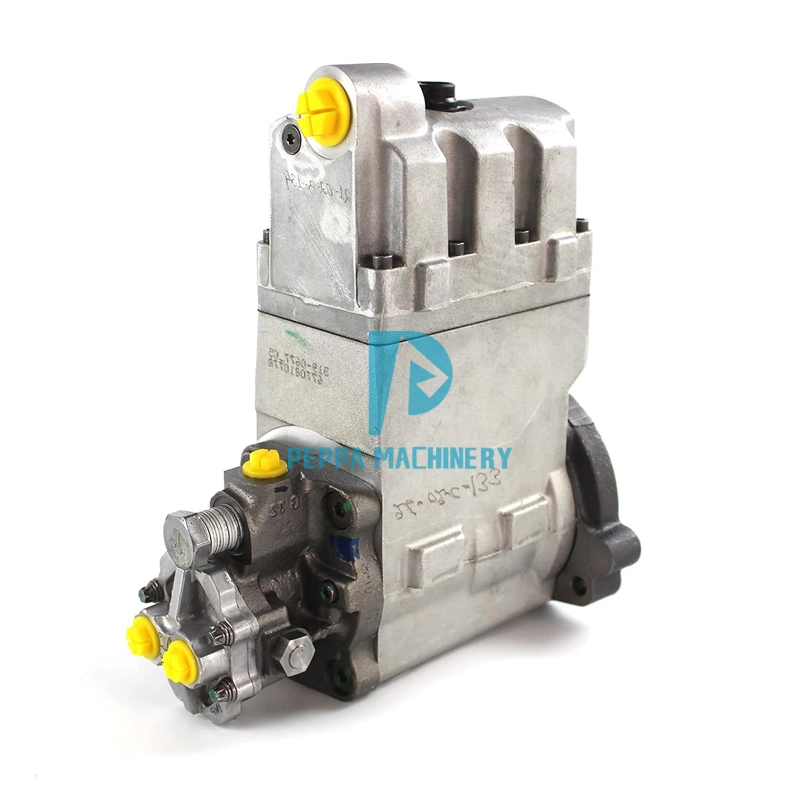
Fuel Feed / Transfer Pump Assembly for Caterpillar C7 & C9 Engines | Direct Replacement for OEM Parts #319-0678, 254-4358, 304-0678, 295-4778, 228-589
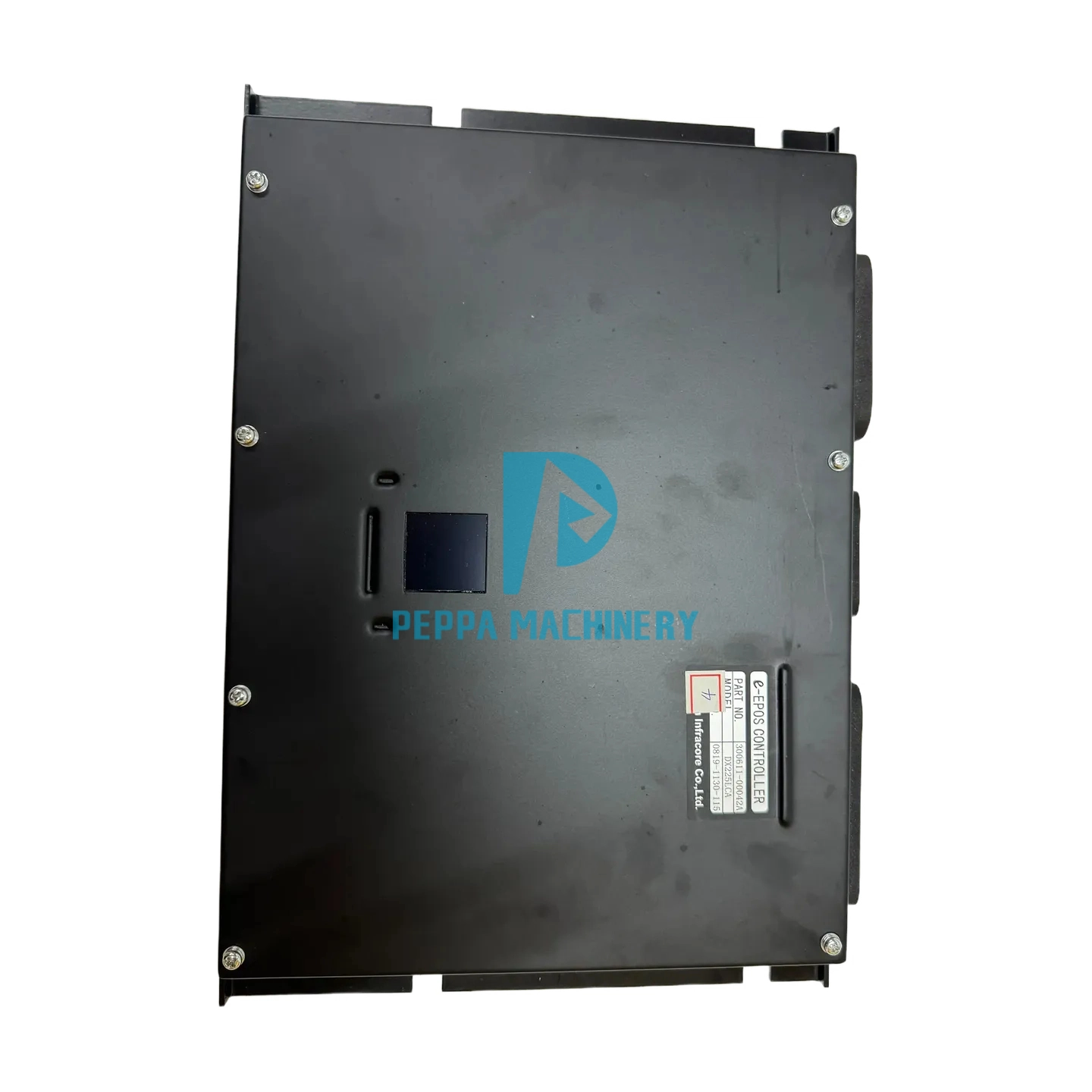
Excavator Accessories Excavator Controller DX225 DX225LCA E-EPOS Controller Computer Board 300611-00042 K1026740 K1001369C K1056425 ECU ECM

Isuzu Engine 6WG1 Turbo 1876183290 1-87618329-0 8981921861 8-98192186-1 14400-4441 1144004370 114400-4370 49188-018312 49188-11940
Excavator Parts
Do you provide technical support or installation guidance?
While we do not offer on-site installation, we can provide basic technical advice, diagrams, or documentation to assist your technicians with installation and troubleshooting.
What types of parts do you mainly offer?
Our main product categories include:
• Engine parts (liner kits, crankshafts, water/oil pumps, etc.)
• Electrical parts (sensors, monitors, throttle motors, wiring harnesses)
• Hydraulic parts (pumps, valves, cylinders)
• Sealing kits (NOK, SKF, PQ brands, floating seals, O-rings)
What brands of excavator parts do you supply?
We supply a full range of parts compatible with major international and Chinese brands, including Caterpillar, Komatsu, Hitachi, Volvo, Doosan, Hyundai, Sany, Liugong, XCMG, Zoomlion, and more.
How can I verify compatibility before placing an order?
Please provide us with your machine brand, model number, and the part number (if available). Our team will double-check the compatibility to ensure you receive the correct parts.
Are your parts genuine or OEM?
We offer both genuine parts and high-quality OEM alternatives. You can choose according to your budget and application needs. All OEM products are tested to meet or exceed original specifications.
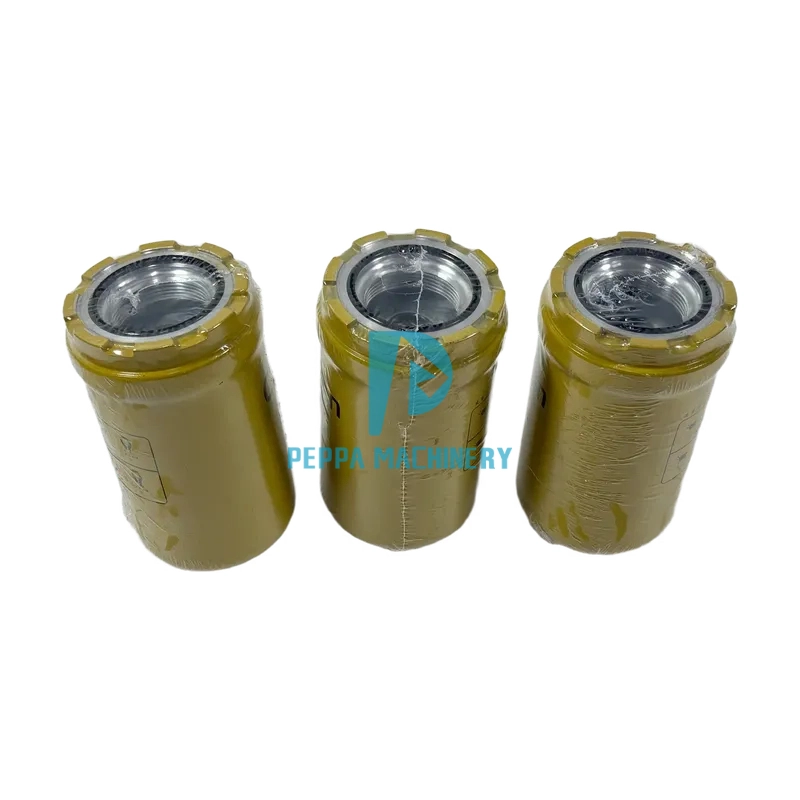
51-8670 Hydraulic Filter Applicable to HF35519 518670 2897836 518670X 1588987 Compatible with Caterpillar 352FVG 325CL
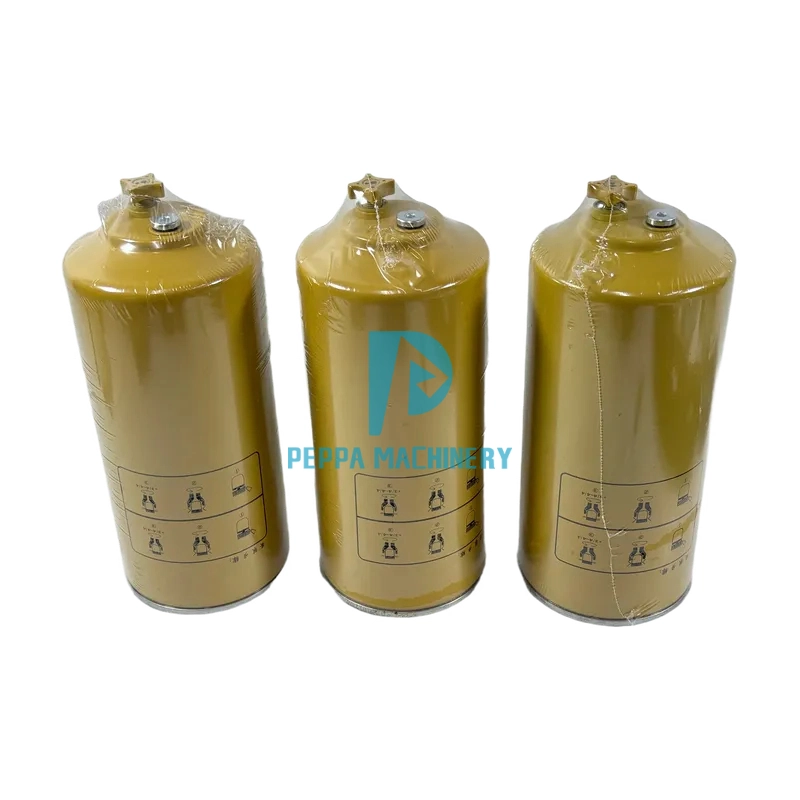
4385386 Fuel Water Separator Fuel Filter 382-0664 Oil-water Separator Hydraulic Oil Filter for CAT 312D2 320D2
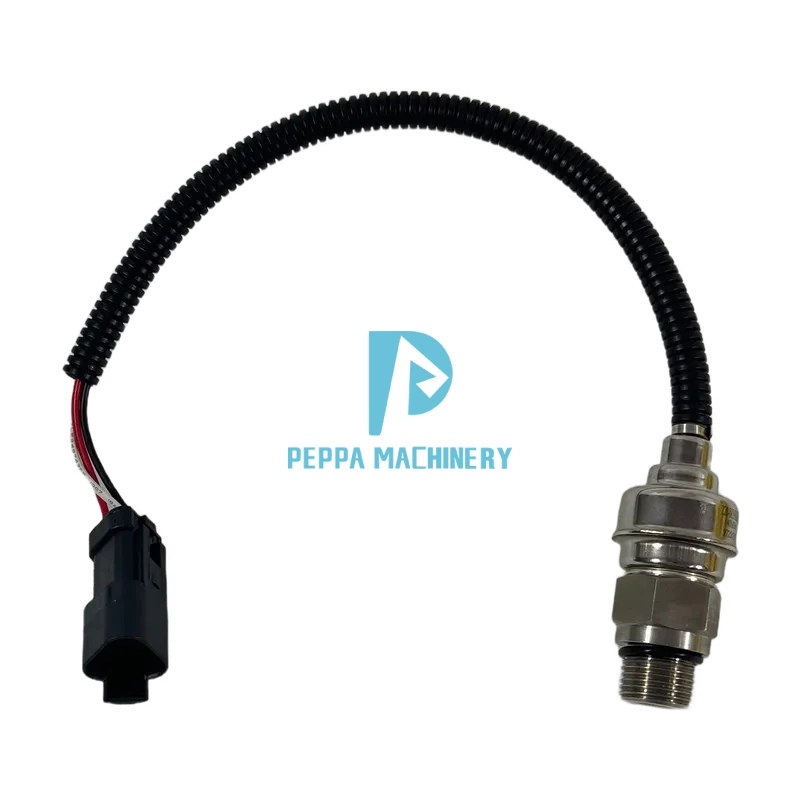
Pressure Sensor 221-8859 106-0178 for Caterpillar CAT 311B 311C 312C 314D 315B 320C 323D 324D 330C 336D 345B 385C
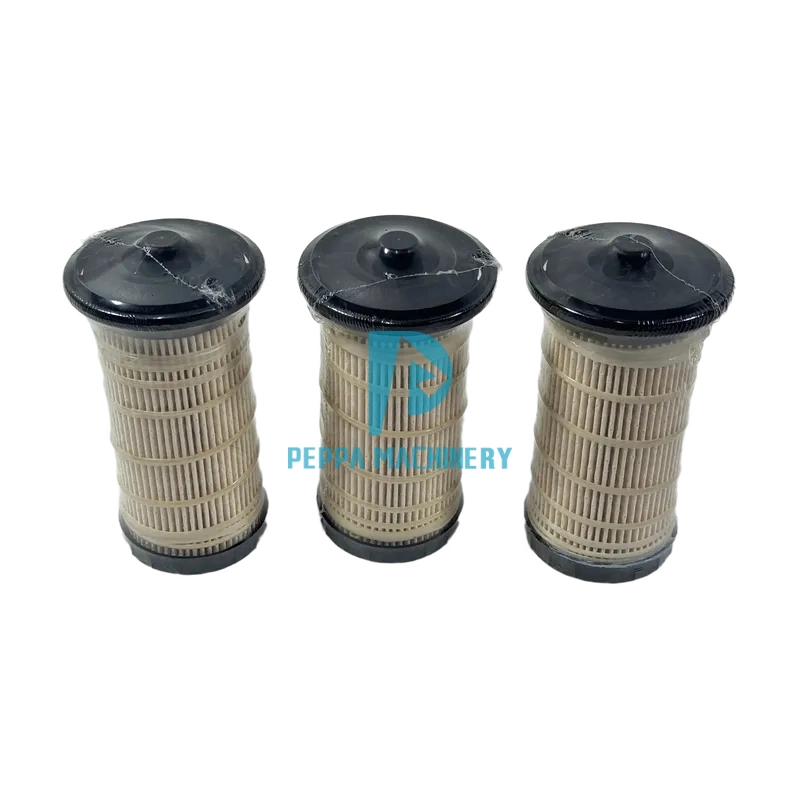
360-8960 Fuel Filter Element for Caterpillar C4.4 & C7.1 Engines | Fits 312D, 320D, 312E, 320E, 326D2, 336D2 Excavators
Get more information
Want to know more? Contact us today to get detailed product specifications, customized solutions, and a free consultation tailored to your needs.
Rest assured that your privacy is important to us, and all information provided will be handled with the utmost confidentiality.

Reliable Source for Quality Excavator Components.
Follow Us
Our Partners


Our Payment Methods


 High Quality
 7/24 Service
 Guaranteed Warranty
 Scan QR Code
Facebook
TikTok
YouTube
Pinterest
Twitter