








How to test alternator excavator performance on the jobsite?
- 1. How can I verify an excavator alternator is actually delivering rated amperage on the jobsite without a bench tester?
- 2. What specific voltage and voltage-drop tests diagnose wiring or connector losses on an excavator alternator system?
- 3. How to detect failing diodes or regulator faults on an excavator alternator without removing it?
- 4. What jobsite-friendly method verifies whether low alternator output is caused by engine idle RPM limits or by alternator failure?
- 5. How to test alternator performance under transient loads (e.g., starter assist, winches, hydraulic fans) without expensive instrumentation?
- 6. When replacing an excavator alternator, what specific specifications and compatibility checks should I insist on to avoid repeated failures?
1. How can I verify an excavator alternator is actually delivering rated amperage on the jobsite without a bench tester?
Answer:
- Tools needed: clamp meter (DC), digital multimeter (DMM), tachometer (or reliable engine RPM reference), basic hand tools, and PPE.
- Why this matters: alternator nameplate amperage is the actual work-capacity to recharge batteries and run electrical systems under load. Bench tests are ideal, but you can accurately confirm output on-site.
- Step-by-step:
- Confirm battery state: with engine off, a healthy 12V battery reads ~12.6–12.8V fully charged. For 24V systems, ~25.2–25.6V. If the battery is weak, alternator output readings will be misleading—charge or swap to a known-good battery first.
- Stabilize engine RPM: run the engine to the manufacturer’s rated testing RPM (check engine manual) or a known working RPM (typical working range ~1,500–2,000 rpm on many excavators). Readings vary with RPM.
- Measure output current: clamp the DC amp clamp around the big alternator B+ cable only (not multiple wires). Compare measured amps with the alternator’s rated output. On-site, expect the alternator to supply close to its rated current at specified RPM and while battery is absorbing or system is under heavy load.
- Induce a controlled load: turn on headlamps, heater blower, work lights and other electrical loads to force the alternator toward rated current. Monitor the clamp meter—if it never approaches rated amps while loads are large, suspect internal failure, regulator limitation, or wiring restriction.
- Cross-check voltage: while under load, battery terminal voltage should remain in the charging band (roughly 13.8–14.8V for 12V systems). If amps are high but voltage low, check voltage drop and battery condition.
- Practical thresholds: if measured output is continuously below 70–80% of rated amperage at working RPM under load, plan replacement or bench testing. Always confirm with the alternator’s nameplate/rating.
- Notes: integrated regulators can limit output if overheating or sensing faults. Clamp readings are the safest and fastest on-site way to quantify output without removing the unit.
2. What specific voltage and voltage-drop tests diagnose wiring or connector losses on an excavator alternator system?
Answer:
- Why it matters: poor charging often comes from high resistance in cables, corroded connectors, or bad ground—these are cheaper fixes than replacing an alternator.
- Tools: high-quality DMM, backprobe or insulated lead, wire brush, and terminal cleaner.
- Tests and acceptable limits:
- Resting battery voltage (engine off): fully charged 12V battery ≈ 12.6V. If <12.2V, charge and retest.
- Running voltage at battery positive (engine running at working RPM): expected 13.8–14.8V (12V systems). For 24V systems, ~27.6–29.4V. If running voltage is low, it could be alternator, regulator, or wiring.
- B+ stud to battery positive voltage drop (while under load): connect DMM positive to alternator B+ post and negative to battery positive post; while under load, voltage drop should be very small—ideally <0.2V. If drop >0.3–0.5V, suspect high-resistance cable or lug.
- Alternator case to battery negative (ground circuit): with engine running and loads on, measure voltage between alternator case and battery negative terminal. Acceptable drop is <0.2V; higher indicates poor ground.
- Field/regulator control wire voltage drop: backprobe the regulator/control plug and measure voltage between the plug and battery positive while switching loads; excessive drop indicates connector resistance.
- Fixes: clean and re-torque battery terminals, replace corroded lugs, replace undersized or damaged B+ cable, improve chassis ground strap or add a direct ground run.
- Jobsite tip: use star washers and dielectric grease after cleaning to help prevent re-corrosion; always torque to spec.
3. How to detect failing diodes or regulator faults on an excavator alternator without removing it?
Answer:
- Symptoms: battery warning light illuminated intermittently, fluctuating or noisy voltage, high AC ripple on the DC output, or parasitic battery drain when engine is off.
- Tools: DMM with AC mV function, oscilloscope if available, and a diode checker or bench tester if removal is possible later.
- Tests:
- Ripple test (AC on DC output): set DMM to AC mV, measure across battery terminals with engine at working RPM. Healthy alternators usually produce low AC ripple—typically under 200–500 mV AC depending on equipment. If AC ripple exceeds ~0.5V (500 mV), diodes are likely failing and producing AC leakage.
- Voltage stability test: monitor voltage while applying and removing heavy loads. A failing regulator may show unstable voltage swings or not maintain set voltage. Voltage that drifts above 15V or below 13V under load suggests regulator issues.
- Reverse-current/diode leakage check on the bench: when possible, remove and use a diode checker or bench alternator tester. On-site, you can isolate by disconnecting the alternator and measuring battery drain—if drain disappears, alternator diodes may leak.
- Practical diagnosis: excessive ripple + unstable voltage = high likelihood of diode pack or rectifier failure. If the regulator is external or separate, check harness and ECM/compatibility; many modern excavator alternators have onboard regulators—replace with correct part number.
4. What jobsite-friendly method verifies whether low alternator output is caused by engine idle RPM limits or by alternator failure?
Answer:
- Problem: excavators often idle low to save fuel; at low RPM many alternators cannot reach full output. Operators mistake this for alternator failure.
- How to distinguish:
- Check rated RPM: read the alternator nameplate or manufacturer data sheet to find the RPM at which rated amperage is specified. Commonly rated at higher RPMs than engine idle.
- Measure output vs RPM: use a tachometer and clamp meter. Increase engine speed from idle to working RPM and note current and voltage change. If output climbs significantly with RPM and reaches expected amperage near rated RPM, the alternator is functioning but undersized or limited at idle.
- Simulate working load: while at higher RPM, apply loads and ensure charging voltage remains within spec. If output remains low even at rated RPM, suspect alternator or regulator faults.
- Practical guidance: if the excavator routinely operates with heavy electrical loads at idle (e.g., radio, HVAC, many lights), consider upsizing the alternator, adding an auxiliary alternator, or changing duty cycles to avoid battery depletion.
5. How to test alternator performance under transient loads (e.g., starter assist, winches, hydraulic fans) without expensive instrumentation?
Answer:
- Why transient loads matter: short, heavy loads can cause voltage dips, excessive heating, or regulator tripping—intermittent problems that steady-state tests miss.
- On-site method:
- Prepare: ensure battery is fully charged and connections are tight.
- Baseline: measure battery voltage at rest and at running idle.
- Create transient load: operate the accessory (winch, starter, hydraulic fan) while a helper monitors battery and alternator voltage with DMM. Note the minimum voltage reached and the recovery time back to charging voltage.
- Acceptable behavior: voltage dip under transient should be brief and recover to charging range within a few seconds; if voltage stays low for long or alternator overheats/fuses blow, suspect alternator can't handle transient demand.
- Use of an inexpensive data-logging DMM or clamp meter that records min/max values helps capture short events.
- Interpretation: long recovery times or repeated dips indicate insufficient alternator capacity, weakened regulator responsiveness, or poor battery buffering. A good battery will buffer transients—if battery is weak, replace battery first and retest.
6. When replacing an excavator alternator, what specific specifications and compatibility checks should I insist on to avoid repeated failures?
Answer:
- Mandatory checks before purchase:
- Voltage system: confirm whether the machine is 12V or 24V. Installing the wrong voltage alternator will cause immediate damage.
- Rated output (amps): match or exceed the OEM amperage rating. Check nameplate or parts manual; choose an alternator rated for continuous duty at expected working RPM, not just peak amps.
- Pulley type and size: CDI vs serpentine, number of grooves, and belt alignment—incorrect pulley causes belt slip or rapid wear.
- Mounting points and shaft dimension: physical fit must match; engine vibrations and misalignment cause premature bearing failure.
- Internal vs external regulator: some alternators have built-in regulators; others rely on external control from ECM—match the electrical architecture.
- Connector pinout and harness compatibility: ensure plug wiring and sense wires match the machine harness; wrong sensing location causes over/under-charging.
- Cooling and duty rating: heavy-duty excavator use needs alternators with robust cooling (fans, larger frames) and better bearings.
- Warranty and remanufacture standard: prefer suppliers with reman standards, documented core refurb processes, and at least 12 months warranty.
- Supplier due diligence: request datasheet, ripple current specification, pinout diagram, and bench test report when buying from aftermarket sellers. Verify certifications (ISO9001 for the remanufacturing facility is a plus).
- Jobsite procurement tip: keep a small spreadsheet of OEM part numbers, alternator amperage, pulley spec and connector details for the fleet—this reduces compatibility errors when ordering replacement excavator alternator units.
Conclusion:Thorough on-site testing of an alternator excavator system—combining clamp-amp output checks, DMM voltage and voltage-drop tests, ripple/diode checks, and RPM-based verification—lets technicians identify true alternator failures versus wiring, regulator or battery issues. The advantages of proper testing and buying the correct excavator alternator parts include reduced downtime, longer battery life, safer machines, and lower lifetime cost. For a quick parts quote or to match the exact alternator excavator specifications for your fleet, contact us at www.jbpartsgz.com or email jbparts@aliyun.com. We provide OEM-matching alternators, datasheets, and warranty-backed reman units.

Isuzu SP 4JG1 4JG2 4JG3 Cylinder Liner 1876182070 1-87618207-0 1876182080 1-87618208-0 1876182100 1-87618210-0
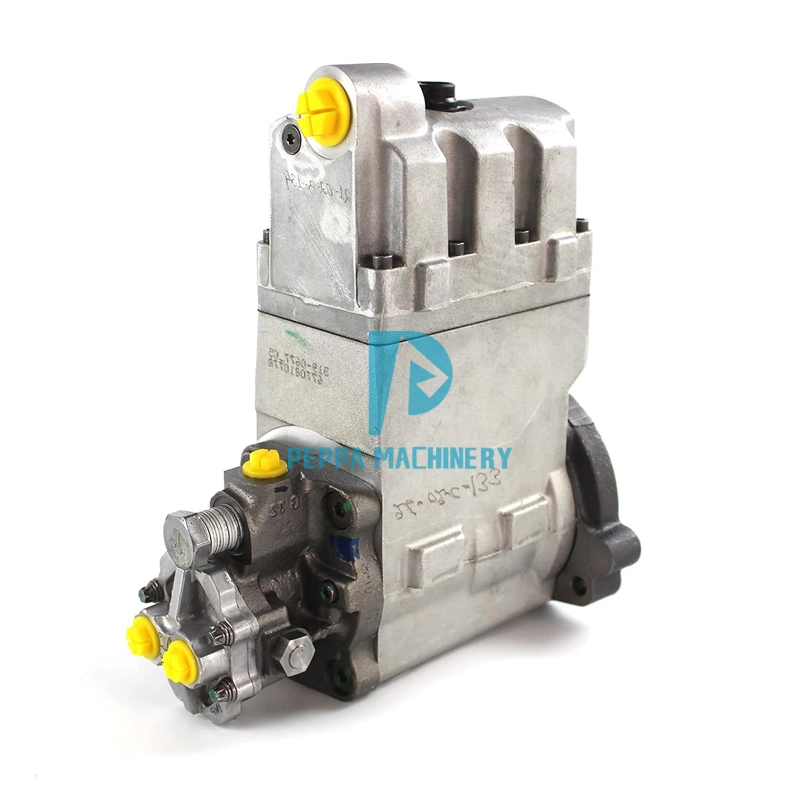
Fuel Feed / Transfer Pump Assembly for Caterpillar C7 & C9 Engines | Direct Replacement for OEM Parts #319-0678, 254-4358, 304-0678, 295-4778, 228-589
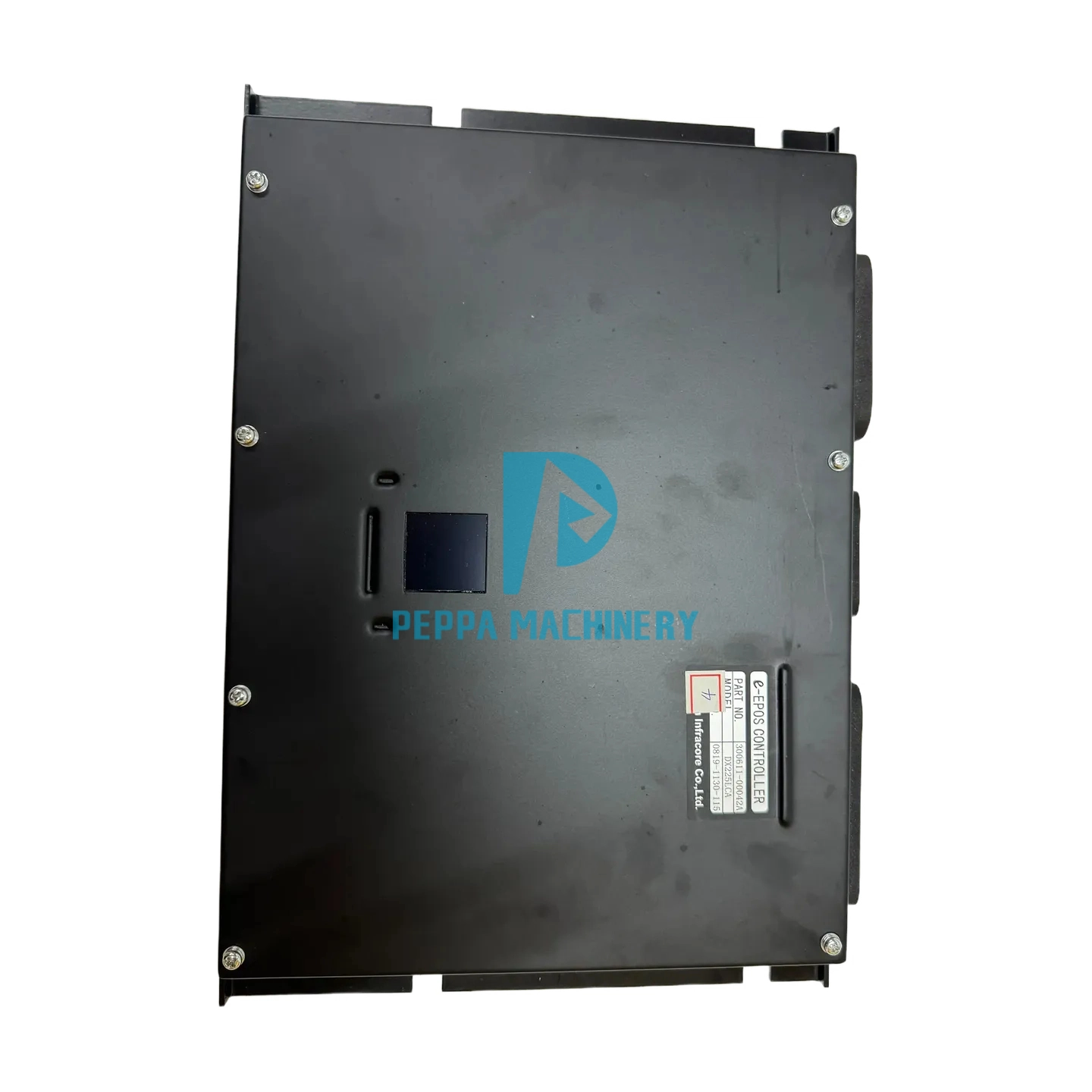
Excavator Accessories Excavator Controller DX225 DX225LCA E-EPOS Controller Computer Board 300611-00042 K1026740 K1001369C K1056425 ECU ECM

Isuzu Engine 6WG1 Turbo 1876183290 1-87618329-0 8981921861 8-98192186-1 14400-4441 1144004370 114400-4370 49188-018312 49188-11940
Excavator Parts
Do you provide technical support or installation guidance?
While we do not offer on-site installation, we can provide basic technical advice, diagrams, or documentation to assist your technicians with installation and troubleshooting.
Are your parts genuine or OEM?
We offer both genuine parts and high-quality OEM alternatives. You can choose according to your budget and application needs. All OEM products are tested to meet or exceed original specifications.
What types of parts do you mainly offer?
Our main product categories include:
• Engine parts (liner kits, crankshafts, water/oil pumps, etc.)
• Electrical parts (sensors, monitors, throttle motors, wiring harnesses)
• Hydraulic parts (pumps, valves, cylinders)
• Sealing kits (NOK, SKF, PQ brands, floating seals, O-rings)
Can I get help choosing the right parts for my machine?
Yes. Our experienced sales team is here to provide professional recommendations and solutions based on your excavator model, part number, or specific requirements.
What brands of excavator parts do you supply?
We supply a full range of parts compatible with major international and Chinese brands, including Caterpillar, Komatsu, Hitachi, Volvo, Doosan, Hyundai, Sany, Liugong, XCMG, Zoomlion, and more.
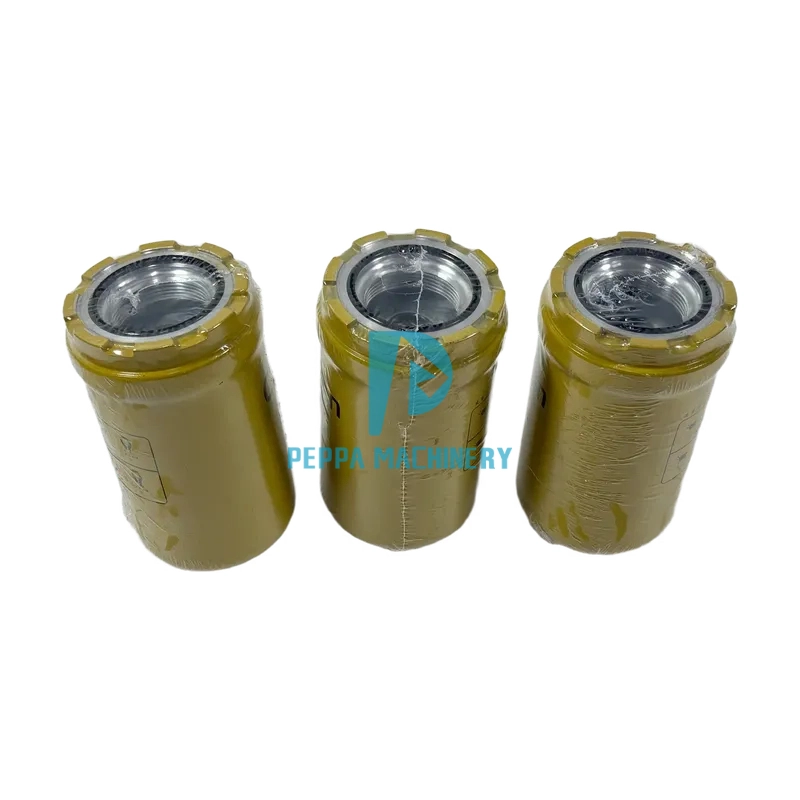
51-8670 Hydraulic Filter Applicable to HF35519 518670 2897836 518670X 1588987 Compatible with Caterpillar 352FVG 325CL
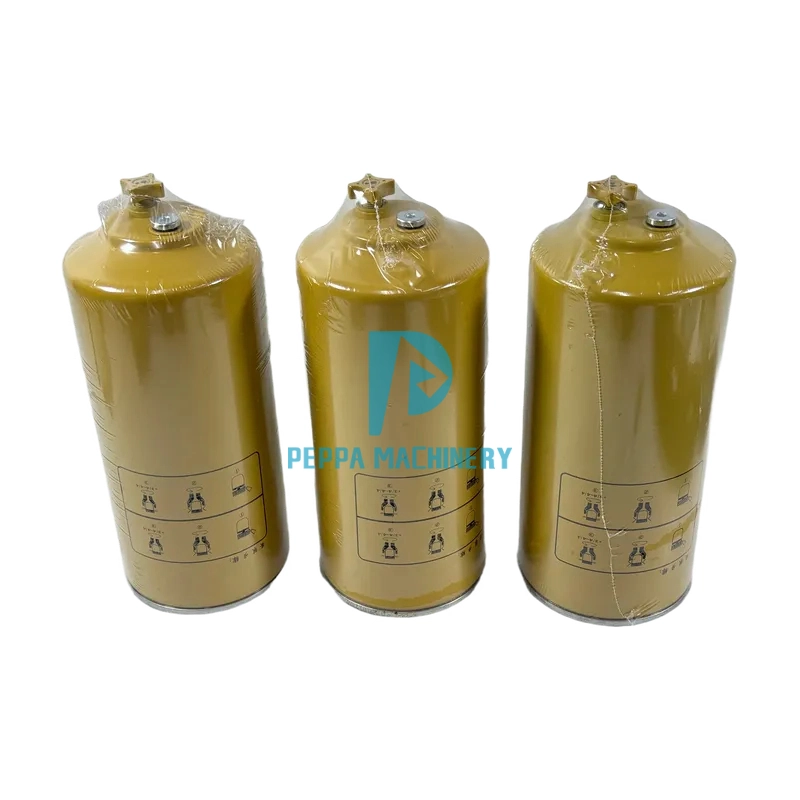
4385386 Fuel Water Separator Fuel Filter 382-0664 Oil-water Separator Hydraulic Oil Filter for CAT 312D2 320D2
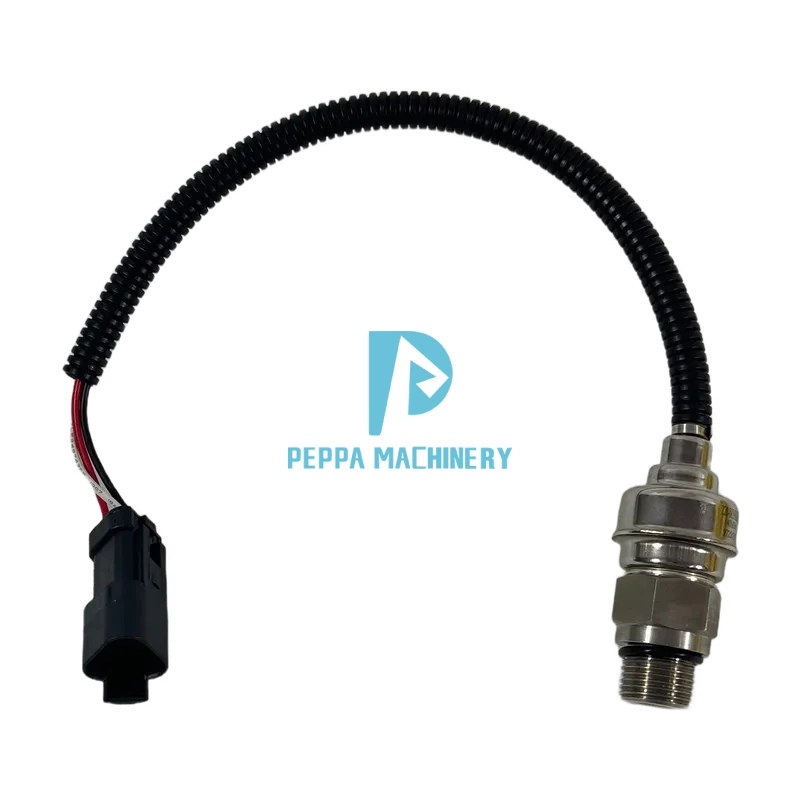
Pressure Sensor 221-8859 106-0178 for Caterpillar CAT 311B 311C 312C 314D 315B 320C 323D 324D 330C 336D 345B 385C
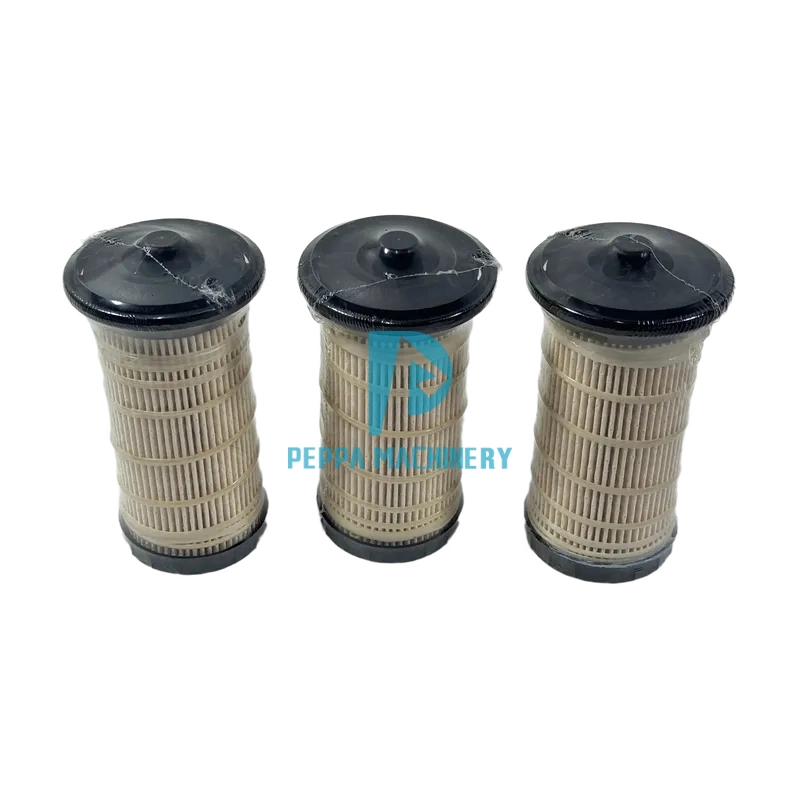
360-8960 Fuel Filter Element for Caterpillar C4.4 & C7.1 Engines | Fits 312D, 320D, 312E, 320E, 326D2, 336D2 Excavators
Get more information
Want to know more? Contact us today to get detailed product specifications, customized solutions, and a free consultation tailored to your needs.
Rest assured that your privacy is important to us, and all information provided will be handled with the utmost confidentiality.

Reliable Source for Quality Excavator Components.
Follow Us
Our Partners


Our Payment Methods


 High Quality
 7/24 Service
 Guaranteed Warranty
 Scan QR Code
Facebook
TikTok
YouTube
Pinterest
Twitter