








OEM vs aftermarket excavator alternator: which to buy?
- 1) How do I determine the correct alternator amperage and voltage for my excavator under heavy hydraulic and electrical load?
- 2) Can I swap a 12V aftermarket alternator onto a 24V excavator (or vice versa) without modifying the system?
- 3) What measurable diagnostics separate alternator failure from battery or harness problems when lights dim or engines struggle under hydraulic load?
- 4) When comparing OEM vs aftermarket excavator alternator, what warranty, testing, and traceability requirements should I demand to avoid early failures?
- 5) Are remanufactured alternators a safe middle ground between OEM and cheap aftermarket for excavators in high-dust, high-vibration jobs?
- 6) How do I confirm mechanical fit and electrical pinout compatibility when replacing an alternator for an older excavator with scarce documentation?
- Concluding summary: advantages of OEM, aftermarket and remanufactured alternator options
1) How do I determine the correct alternator amperage and voltage for my excavator under heavy hydraulic and electrical load?
A correct replacement alternator is not just a physical fit — it must meet the electrical demand profile of your excavator under real working conditions. Excavator charging systems vary: mini machines often use 12V systems (typical alternator outputs 40–100 A), mid-size machines commonly use 12V or 24V with outputs of 70–150 A, and large excavators use 24V systems with alternators rated 100–300 A or higher. To determine the right alternator:
- Check OEM plates and the machine’s electrical diagram first. The OEM part number and electrical spec sheet are authoritative.
- Inventory loads: list all constant and intermittent electrical consumers (engine ECU, fuel/water heaters, work lights, cabin electronics, hydraulic valve solenoids, battery chargers, telematics).
- Measure in-situ: with a clamp ammeter, measure alternator output at idle and rated engine speed while the machine runs with typical hydraulic loads (boom cycle, full payload). If you cannot measure, use OEM typical values for your model class.
- Add a safety margin: size the alternator at least 25–30% above your measured peak charging current to cover cold starts, inrush to heaters and accessories, and aging loss. For example, if measured peak is 110 A, choose a 140–150 A alternator.
- Match system voltage: never replace a 24V alternator with a 12V unit (or vice versa). Voltage mismatch will damage electronics and batteries.
Key checks: rated output (A) at specified RPM, rated voltage (12/24 V), and regulator type (internal vs external). These parameters ensure the alternator will maintain 13.8–14.8 V (for 12V systems) or 27.6–29.6 V (for 24V systems) under load. Embedding proper alternator output and voltage regulator characteristics avoids chronic battery discharge and premature battery/alternator failure in heavy-duty excavator charging systems.
2) Can I swap a 12V aftermarket alternator onto a 24V excavator (or vice versa) without modifying the system?
No. Voltage is fundamental. A 12V alternator on a 24V electrical system cannot charge the battery bank and will quickly fail; a 24V alternator on a 12V system will overcharge and destroy batteries and sensitive electronics. Reasons:
- Voltage regulator and diode bridge architecture are built for a single system voltage.
- Battery configuration (numbers and series wiring) is different, and starters/ECUs expect a defined nominal voltage.
- Connectors, fusing and harness gauge are sized to expected currents; wrong voltage changes current flow and heat generation.
If you must convert voltage (rare and expensive), do a full system redesign: battery bank reconfiguration, new harness, starter compatibility, instrument cluster recalibration, and safety devices. That is a major engineering change and not a simple alternator swap. For replacements, source an alternator rated for the excavator’s original system voltage and OEM part number or an exact cross-reference to avoid catastrophic failure.
3) What measurable diagnostics separate alternator failure from battery or harness problems when lights dim or engines struggle under hydraulic load?
Symptoms overlap (dim lights, slow cranking, warning lamps). Use objective tests to isolate the alternator:
- Static voltage test: With engine running at normal idle, measure battery voltage at battery terminals. Healthy alternator: 13.8–14.8 V (12V system), 27.6–29.6 V (24V system). If voltage is below these ranges, alternator/regulator may be undercharging.
- Load test: Turn on major electrical loads (lights, heaters, cab fan) and re-measure voltage. Drop greater than 0.5 V under load suggests the alternator is failing to maintain regulation.
- Clamp-meter output: Measure alternator output current with a DC clamp while the machine is running and under hydraulic load. Compare to the alternator’s rated output at that RPM. If measured output is <80% of rated under equivalent RPM/load, suspect alternator degradation (brushes, slipped rotor, bad diodes).
- Ripple/diode test: Use a multimeter set to AC millivolts or, ideally, an oscilloscope to measure AC ripple on the DC output. Excessive ripple (>0.5 Vrms on 12V systems as a rule of thumb) indicates rectifier diode failure.
- Voltage regulator and wiring checks: Inspect for loose grounds, corroded terminals, and connector damage. Bad grounds or high-resistance connections mimic alternator failure.
- Thermal and mechanical cues: Excessive alternator bearing noise, oil contamination, or overheating during operation are physical failure indicators.
Follow this diagnostic order: verify connectors and battery health first (batteries with low cold-cranking amps can mask good alternator behavior), then clamp output, then diode/ripple testing. That approach avoids unnecessary alternator replacements and targets the true failure mode in the charging system.
4) When comparing OEM vs aftermarket excavator alternator, what warranty, testing, and traceability requirements should I demand to avoid early failures?
Beginners often compare price only. For heavy-equipment alternators, insist on documented quality controls and warranty terms:
- Warranty length and scope: ask for a minimum 12-month (or 1,000–2,000 hours) warranty for high-use equipment; OEMs often provide 12–24 months. Confirm whether labor and downtime are covered or only part replacement.
- 100% bench testing documentation: require test reports showing full-load output at specified RPMs, temperature cycling, and regulator function. Bench tests should include current output verification, voltage regulation, and diode/insulation checks.
- Traceability and component origin: request parts lists (e.g., diode supplier, regulator manufacturer, bearings brand) and ISO/TS or equivalent quality certificates. Traceability reduces the risk of counterfeit components in aftermarket units.
- Environmental testing: in heavy dust, salt, and vibration environments, alternator units should be tested for vibration endurance, IP or ingress protection if applicable, and thermal stability.
- Core handling and rebuild standards (if reman): ensure the remanufacturer uses new bearings, new rectifier/regulator modules, and reconditions rotors to OEM tolerance.
- Return and exchange policy: require clear RMA, core-credit, and rapid-exchange options to minimize downtime.
Always request the alternator’s datasheet and bench test sheet before purchase. For mission-critical excavators or fleet operations, paying a High Quality for an alternator with documented testing and longer warranty typically reduces life-cycle cost despite higher upfront price.
5) Are remanufactured alternators a safe middle ground between OEM and cheap aftermarket for excavators in high-dust, high-vibration jobs?
Remanufactured alternators can be a good compromise when quality processes are followed. Key pros and cons:
Pros:
- Cost savings vs full new OEM unit (often 20–40% less) while retaining OEM fit and core component quality when reman is well-performed.
- Environmentally responsible: reuse of housings and cores reduces waste.
- If remanufacturer replaces brushes, bearings, regulator, and rectifier and performs full bench testing, performance can match OEM.
Cons/Risks:
- Variable quality between remanufacturers. Some reuse worn housings or skip critical tests.
- Exposure to harsh environments (dust, oil contamination) makes cleaning and sealing critical; poor remans can leave contamination that shortens life.
Acceptance criteria for remanufactured alternators:
- New bearings, new rectifier bridge, new voltage regulator, new brushes or verified brush life, insulation tested to OEM spec, and bench-test data provided.
- Warranty at least equal to commercial aftermarket standards (12 months).
- Core-sourcing transparency and the ability to provide a full parts list.
For high-dust, high-vibration applications, choose remanufactured units from vendors who show evidence of vibration testing, have clear refurbishment SOPs, and provide a full bench-test report. If you can afford it, new OEM alternators with heavy-duty seals and bearings are the most reliable solution for the harshest jobs.
6) How do I confirm mechanical fit and electrical pinout compatibility when replacing an alternator for an older excavator with scarce documentation?
When OEM documentation is missing, validate fitment and pinout by these practical steps:
- Obtain physical measurements: measure mounting bolt spacing, shaft diameter and spline count, pulley type and width (V-belt vs serpentine), and overall clocking orientation. Record dimensions in millimeters.
- Photograph mating surfaces and connector pin shapes/positions. Count and label connector pins and note keyed positions.
- Cross-reference OEM part numbers where possible. Use part-number cross-reference databases or ask a supplier to verify compatibility against machine VIN/serial number.
- Confirm regulator type: is the alternator internally regulated (common on modern machines) or externally regulated? This affects wiring and control signals.
- Ask the supplier for dimensional drawings and electrical pinout diagrams; reputable vendors will provide them. If buying an aftermarket unit, require a test-fit guarantee or return allowance.
- If still uncertain, remove the alternator and bring it to the supplier for direct comparison. This avoids incorrect purchases and potential engine downtime.
Checklist to request from supplier: dimensional drawing/PDF, connector pinout diagram, pulley and spline spec, part-number cross reference, and a bench-test report. That level of verification reduces wrong-part returns and ensures reliable alternator fit and function in older excavators.
Concluding summary: advantages of OEM, aftermarket and remanufactured alternator options
- OEM alternator advantages: exact fit and published specifications, original quality-controlled components, predictable compatibility and typically longer factory warranties. Best for mission-critical equipment and operators who prefer lowest downtime risk.
- Quality aftermarket alternator advantages: lower cost, faster availability, and sometimes improved features (higher output options or improved cooling). Choose only reputable suppliers that provide test data and traceability.
- Remanufactured alternator advantages: cost-effective middle ground—can meet OEM performance if remanufactured under strict quality controls (new bearings, diodes, regulators, and bench testing). Ideal when cost is a concern but you still need OEM-level specifications.
Decision framework: size alternator to measured electrical loads + 25–30% margin, always match system voltage, require documented bench testing and warranty, and verify fit/pinout for older machines. For fleets and heavy-duty sites, prioritize tested units with clear traceability even if initial cost is higher—this lowers life-cycle expense.
For professional quotes, dimensional drawings, part cross-references, and bench-test reports please contact us for a tailored recommendation and pricing. Visit www.jbpartsgz.com or email jbparts@aliyun.com for a quote.

Isuzu SP 4JG1 4JG2 4JG3 Cylinder Liner 1876182070 1-87618207-0 1876182080 1-87618208-0 1876182100 1-87618210-0
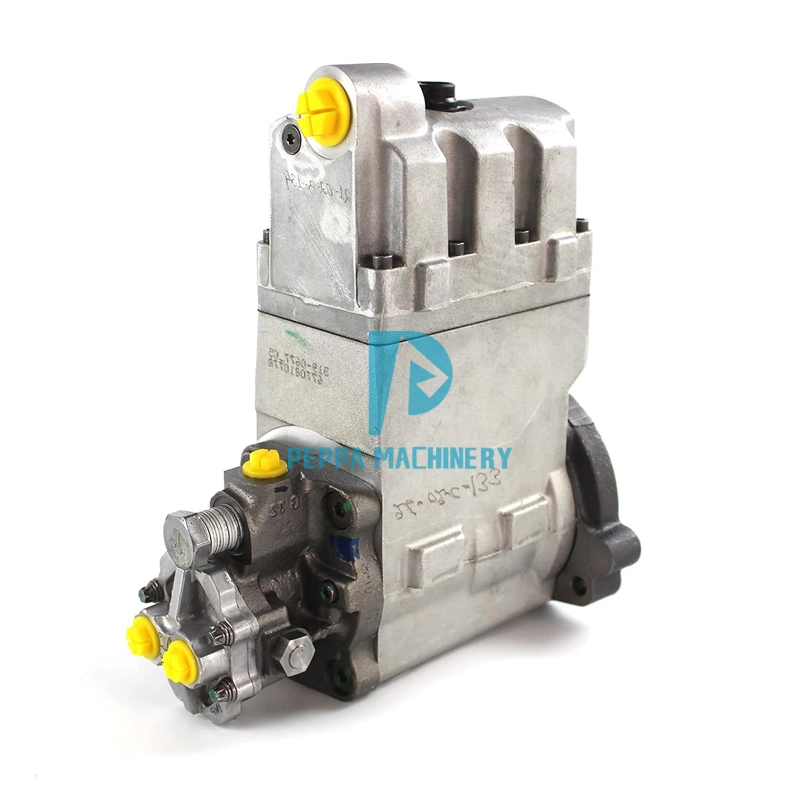
Fuel Feed / Transfer Pump Assembly for Caterpillar C7 & C9 Engines | Direct Replacement for OEM Parts #319-0678, 254-4358, 304-0678, 295-4778, 228-589
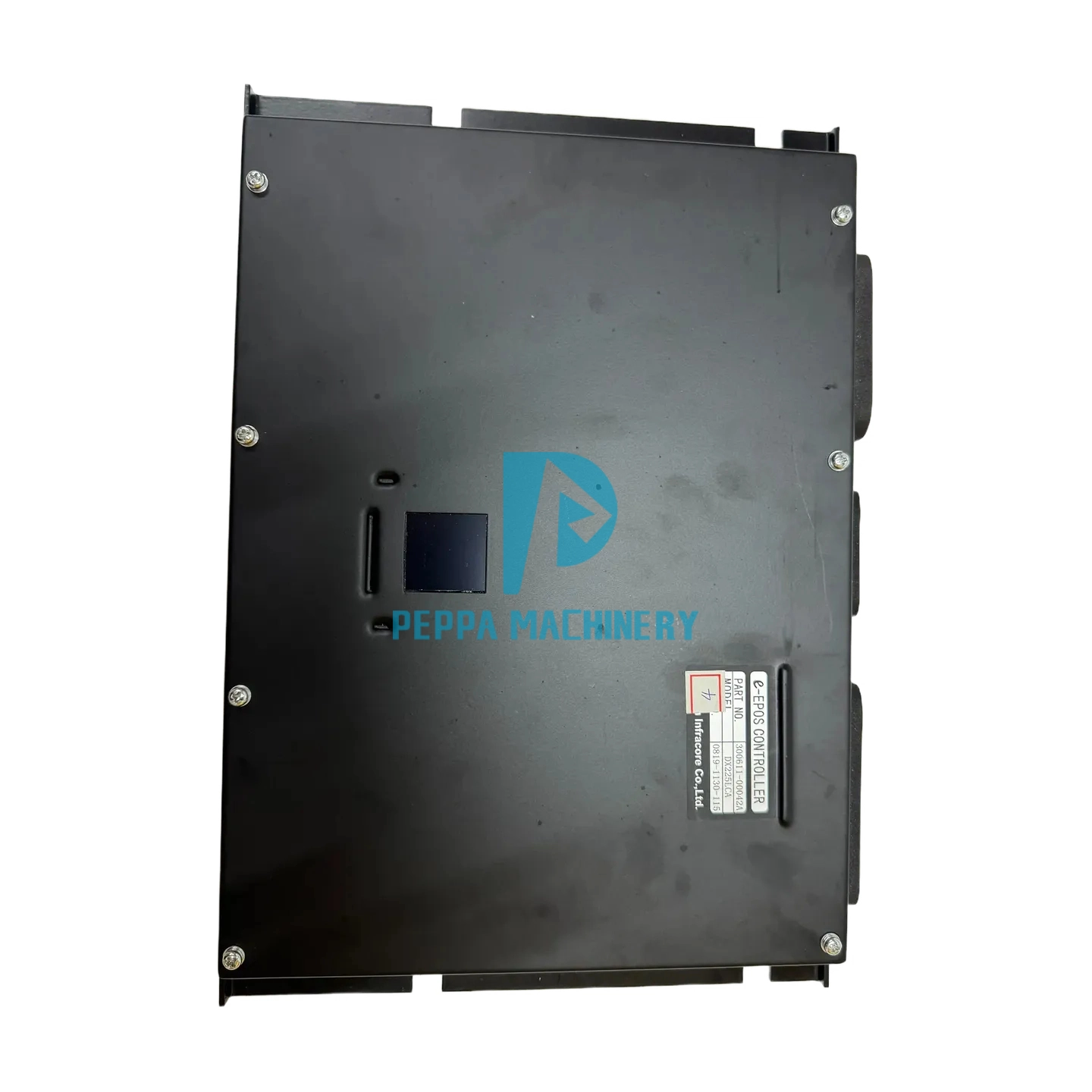
Excavator Accessories Excavator Controller DX225 DX225LCA E-EPOS Controller Computer Board 300611-00042 K1026740 K1001369C K1056425 ECU ECM

Isuzu Engine 6WG1 Turbo 1876183290 1-87618329-0 8981921861 8-98192186-1 14400-4441 1144004370 114400-4370 49188-018312 49188-11940
Excavator Parts
Can I get help choosing the right parts for my machine?
Yes. Our experienced sales team is here to provide professional recommendations and solutions based on your excavator model, part number, or specific requirements.
How can I verify compatibility before placing an order?
Please provide us with your machine brand, model number, and the part number (if available). Our team will double-check the compatibility to ensure you receive the correct parts.
Do you provide technical support or installation guidance?
While we do not offer on-site installation, we can provide basic technical advice, diagrams, or documentation to assist your technicians with installation and troubleshooting.
What brands of excavator parts do you supply?
We supply a full range of parts compatible with major international and Chinese brands, including Caterpillar, Komatsu, Hitachi, Volvo, Doosan, Hyundai, Sany, Liugong, XCMG, Zoomlion, and more.
Are your parts genuine or OEM?
We offer both genuine parts and high-quality OEM alternatives. You can choose according to your budget and application needs. All OEM products are tested to meet or exceed original specifications.
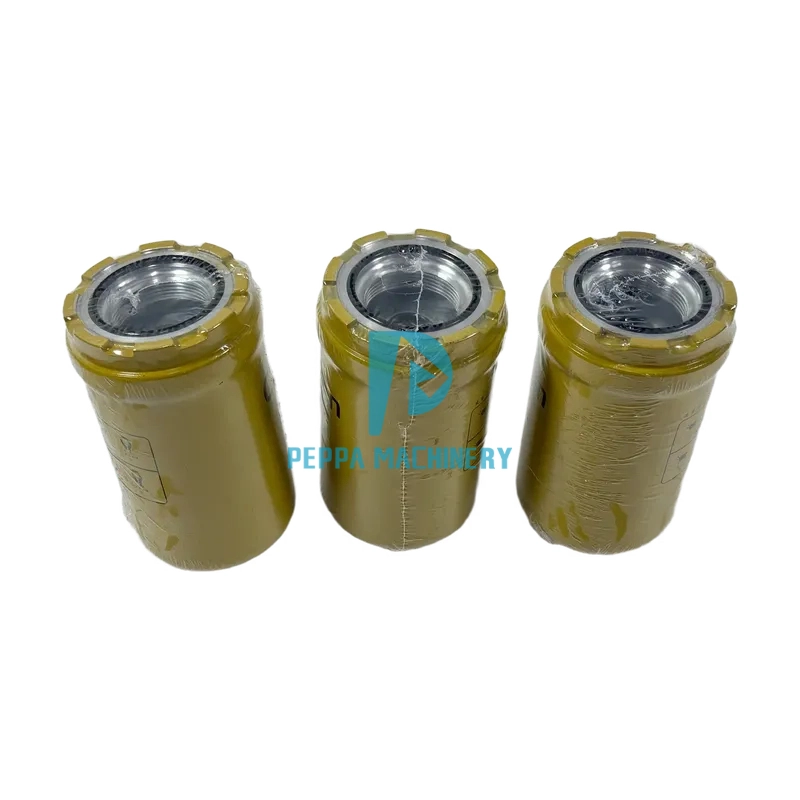
51-8670 Hydraulic Filter Applicable to HF35519 518670 2897836 518670X 1588987 Compatible with Caterpillar 352FVG 325CL
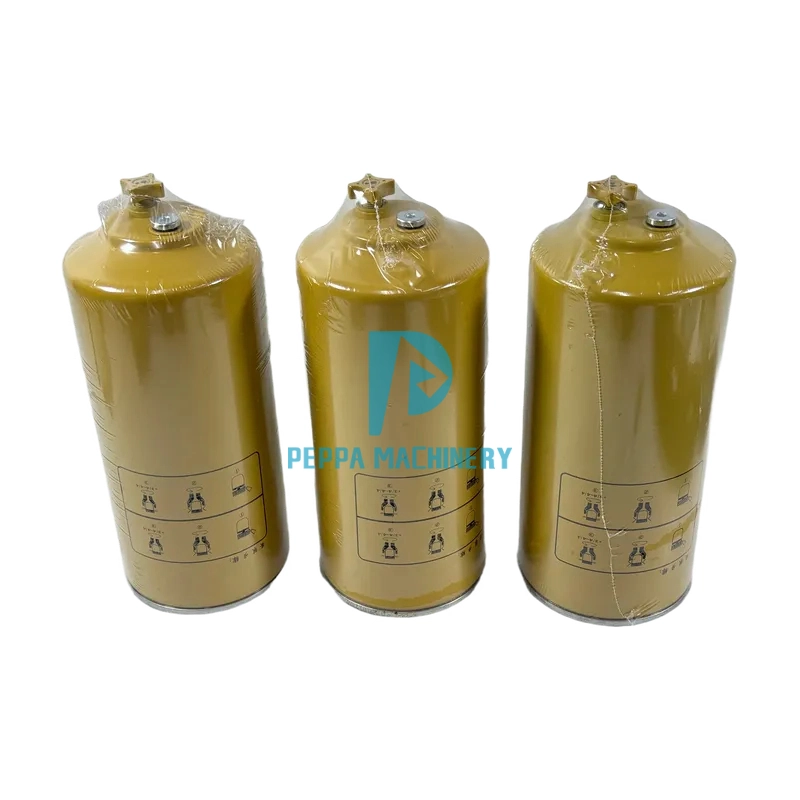
4385386 Fuel Water Separator Fuel Filter 382-0664 Oil-water Separator Hydraulic Oil Filter for CAT 312D2 320D2
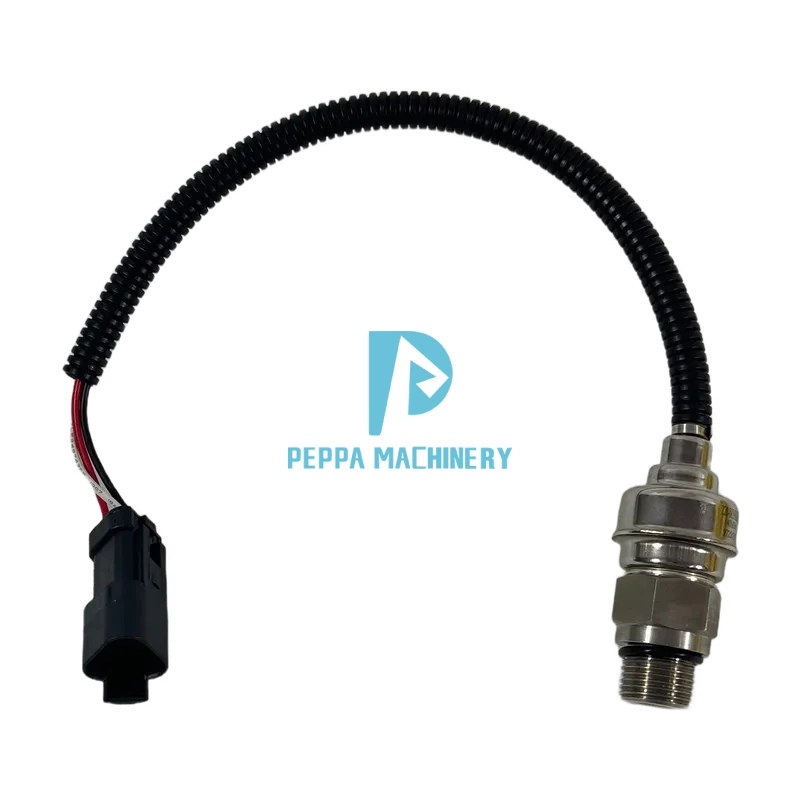
Pressure Sensor 221-8859 106-0178 for Caterpillar CAT 311B 311C 312C 314D 315B 320C 323D 324D 330C 336D 345B 385C
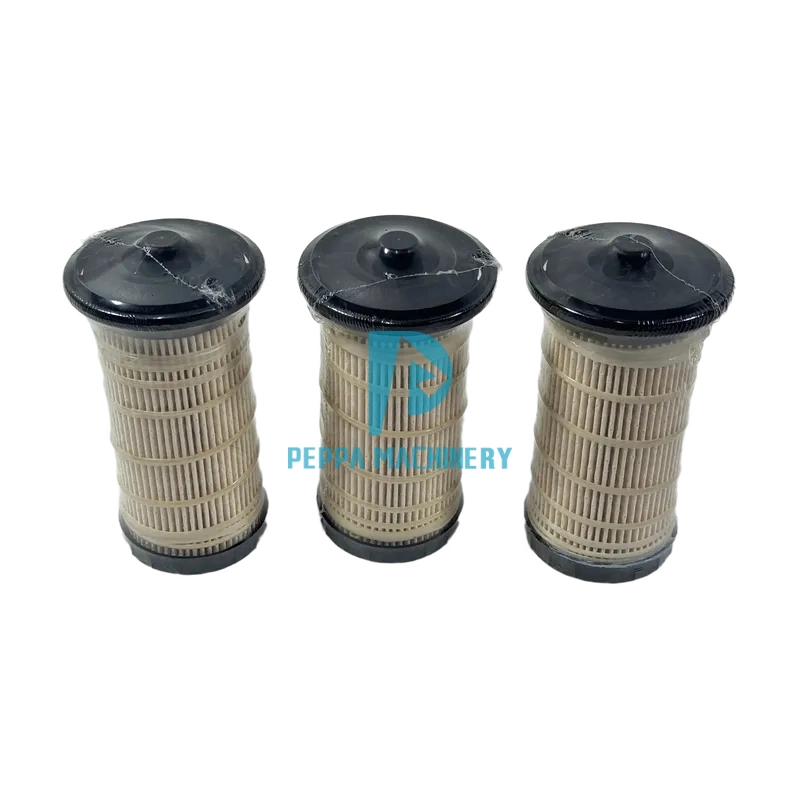
360-8960 Fuel Filter Element for Caterpillar C4.4 & C7.1 Engines | Fits 312D, 320D, 312E, 320E, 326D2, 336D2 Excavators
Get more information
Want to know more? Contact us today to get detailed product specifications, customized solutions, and a free consultation tailored to your needs.
Rest assured that your privacy is important to us, and all information provided will be handled with the utmost confidentiality.

Reliable Source for Quality Excavator Components.
Follow Us
Our Partners


Our Payment Methods


 High Quality
 7/24 Service
 Guaranteed Warranty
 Scan QR Code
Facebook
TikTok
YouTube
Pinterest
Twitter