








Which alternator fits my excavator model: a quick guide?
- 1. How do I confirm alternator voltage and regulator type (internal vs external) on older Komatsu/Hitachi/Terramac excavators before ordering a replacement?
- 2. What alternator amp rating do I need for my excavator after adding LED work lights, a heater, and radio — how to calculate required charging capacity?
- 3. Can I fit a high-output aftermarket alternator on an excavator with a low-idle engine without modifying the belt/pulley setup?
- 4. How can I verify alternator pinout and wiring compatibility to avoid ECM faults or CAN-bus errors on modern excavators?
- 5. What mounting and rotation details (CW/CCW, foot locations, pulley type) should I check to avoid returns or rework when replacing an excavator alternator?
- 6. How to test an excavator alternator under real working load (low RPM, hydraulic load) to confirm it's the fault, not battery or wiring?
- Conclusion — Advantages of choosing the correct alternator for your excavator
Which alternator fits my excavator model: a quick guide?
As excavator technicians and fleet managers increasingly retrofit accessories and run machines at low idle, finding the right alternator (alternator excavator) has become more complex. Below are six specific, frequently asked long-tail questions beginners and field techs struggle to find accurate answers for online — each followed by an in-depth, practical answer you can apply today.
1. How do I confirm alternator voltage and regulator type (internal vs external) on older Komatsu/Hitachi/Terramac excavators before ordering a replacement?
Why this matters: Ordering a replacement alternator with the wrong voltage or regulator configuration causes charging failure, ECU faults, or wiring damage.
Step-by-step method:
- Locate the battery system voltage: Read the battery label or measure at the battery terminals with a multimeter. Nominal readings of ~12.6–12.8V indicate a 12V system; ~25.2–25.6V indicate a 24V system. These are industry-standard resting voltages.
- Inspect the alternator case and harness: Older excavators often use alternators with an external voltage regulator mounted near the alternator or on the engine harness. If the alternator housing has a harness with a single sense wire and a heavy stud plus one small control terminal, it may rely on an external regulator. Alternators with a multi-pin connector and an integrated electronic module are typically internal-regulator types.
- Check service or parts manual: The manufacturer parts manual or engine serial-platform supplement lists alternator part numbers and notes internal/external regulator. Cross-reference the alternator serial tag on the old unit if present.
- Measure terminals: With the engine off and battery connected, trace the small control wires. If you find a separate small harness going to a relay or module away from the alternator, the regulator is likely external.
- When in doubt, photograph the unit and harness and compare with OEM/remanufacturer photos or consult a supplier with OEM cross-reference capability (provide machine make/model and engine serial).
Practical caution: Replacing an alternator that originally used an external regulator with an off-the-shelf unit having an internal regulator can misroute control wiring; conversely, fitting an external-regulator alternator where the machine wiring expects an internal regulator will leave the regulator unpowered. Always match regulator type or rewire with an approved conversion kit and test charging at idle.
2. What alternator amp rating do I need for my excavator after adding LED work lights, a heater, and radio — how to calculate required charging capacity?
Why this matters: Undersized alternators cause slow battery discharge, electronic erratic behavior, and repeated battery replacements.
Calculation steps:
- List steady-state electrical loads (amps): example items — LED work lights (per lamp), heater/defrost blower, radio/monitor, beacon, hydraulic control modulators, chargers. Use the equipment spec for each accessory or measure current draw with a clamp meter.
- Estimate duty cycles: Work lights may be on 50–100% while working; HVAC fans vary. Multiply each device's amp draw by estimated duty cycle to get average amps.
- Sum average accessory amps and add background system draw: modern ECUs, sensors, and control modules often draw 2–6 A continuous on 12V systems (higher on 24V). Use OEM service literature if available.
- Add a safety margin: add 20–30% to the total to cover transient spikes and future accessories. For harsh environments or frequent cold starts, use 30–50% margin.
- Result is required continuous charging current. Choose an alternator with a rated continuous output equal to or greater than this number at typical operating RPM. Note: alternator rated output is usually specified at a particular RPM (e.g., 2000 rpm), but excavators often idle lower—see next section about low-RPM performance.
Example (practical): Three LED flood lamps at 6 A each (18 A), radio/monitor 2 A, heated seat 5 A average, ECU + sensors 4 A => average ~29 A. With 30% margin => 38 A continuous. Buy an alternator capable of ~40–60 A continuous at the machine's typical working RPM.
3. Can I fit a high-output aftermarket alternator on an excavator with a low-idle engine without modifying the belt/pulley setup?
Why this matters: Excavators often run hydraulically loaded at low engine RPM. A standard automotive alternator may not produce sufficient charge at 800–1000 rpm.
Key considerations:
- Alternator low-RPM performance: Look for alternators specified for low-speed charging or with built-in low-RPM regulators. Heavy-equipment alternators are often designed for higher output at 1,000 rpm than automotive units.
- Pulleys and belt ratio: Alternator charging depends on rotor speed which is pulley-driven. If you install a higher-output alternator designed to reach rated output at the same pulley ratio, you may not need modifications. However, many retrofit installs use a larger-diameter alternator pulley (or change pulley ratio) to increase alternator rpm relative to engine rpm when geometry permits.
- Belt type and clearance: Ensure belt width, type (V-belt vs serpentine), and alignment are compatible. Higher alternator speeds increase belt wear; upgrade to higher-rated belts if needed.
- Thermal and mechanical fit: Higher-output alternators may be heavier or need different mounting feet. Verify engine bracket clearance and that the mounting face, bolt pattern, and rotation direction match.
Recommendation: If you frequently operate at low idle, choose an alternator explicitly rated for low-rpm charging or consult a supplier to identify a high-output/low-speed alternator that matches your excavator’s mounting and pulley. Minor pulley ratio changes can help but should be done considering belt life and tensioner capacity.
4. How can I verify alternator pinout and wiring compatibility to avoid ECM faults or CAN-bus errors on modern excavators?
Why this matters: Modern machines may use controlled charging via the ECM or alternators that communicate over CAN or use sense and lamp circuits. Mismatched wiring leads to fault codes and limp modes.
Verification process:
- Obtain wiring diagram or connector pinout: Manufacturer service manuals list alternator connectors and roles (sense, lamp, field, CAN+/-). If you don’t have the manual, photograph the connector and count pins; note color codes and any neighbor modules with matching connectors.
- Identify functional pins: Typical pins include B+ (large output stud), ground, sense (battery voltage feedback), field/regulator control, warning lamp/ECU signal, and in some modern units CAN H/L. Label each.
- Match signal levels: CAN lines are differential and must connect to a CAN-enabled alternator or adapter. Do NOT tie a CAN alternator’s pins into simple regulator wires. Similarly, sense wires must be connected to the battery positive or designated sense point, not an accessory-fed point.
- Confirm internal regulator vs external: If the machine’s ECM expects to control field current, a replacement alternator with an internal regulator may not accept control signals unless specifically designed for ECM control. Conversely, an alternator with remote regulation must have the remote regulator present.
- Use OEM or approved harness adapters: If a reman or aftermarket alternator’s connector differs, use an adapter harness specifically made for that model or have a harness fabricated matching OEM pinout and using correct gauge wires and fused circuits.
Testing before full installation: With the alternator disconnected from the mechanical drive, bench-check signals using a jumper and multimeter per wiring specs, or consult an authorized technician to prevent ECM alarms. When fitted, monitor for fault codes and charging voltage at idle under load.
5. What mounting and rotation details (CW/CCW, foot locations, pulley type) should I check to avoid returns or rework when replacing an excavator alternator?
Why this matters: Alternator physical fit is as critical as electrical compatibility—wrong rotation or mislocated mounting feet prevents installation or causes belt alignment issues.
Checklist before ordering:
- Rotation direction: Confirm whether the alternator rotates clockwise (CW) or counter-clockwise (CCW) looking at the pulley from the front. Many heavy-equipment alternators are specified for a rotation — mismatching can prevent proper cooling or lead to bearing failure.
- Mounting feet pattern and center-to-center: Measure the bolt hole pattern (edge-to-edge and center distances). Note whether the alternator uses two or three mounting feet and if any are adjustable tensioner slots.
- Pulley specification: Determine whether the machine uses a V-belt, multi-rib (serpentine), or cogged pulley. Note pulley diameter, number of ribs, and groove profile. Some alternators have interchangeable pulleys; confirm availability.
- Belt alignment and clearance: Measure the centerline distance to the other drive pulleys to ensure belt length and tensioner position remain correct. Check for interference with hoses, brackets, or guards.
- Accessory drive load: For machines with PTO drives or front-mounted power takeoffs, ensure the alternator’s mechanical rating and mounting arrangement handle vibration and shock loads.
Tip: Photograph the alternator from multiple angles including the pulley, mounting feet, tag/serial plate, and connector. Share these photos with the parts supplier to get an exact or compatible replacement and reduce return risk.
6. How to test an excavator alternator under real working load (low RPM, hydraulic load) to confirm it's the fault, not battery or wiring?
Why this matters: Alternator failures are often mistaken for battery faults; performing a correct under-load test prevents unnecessary part swaps.
Field test procedure:
- Safety first: Park on level ground, engage park brake, and use lockout/tagout if required. Use PPE and insulated tools.
- Initial battery check: With engine off, measure battery resting voltage. A healthy 12V battery should read ~12.6–12.8V; 24V systems ~25.2–25.6V. If resting voltage is very low, charge or isolate the battery first — a very discharged battery can give misleading alternator readings.
- Start engine and warm to normal temperature. Measure voltage at the battery with engine at idle and then at working rpm. For 12V systems look for 13.8–14.4V; for 24V systems 27.6–28.8V (industry standard charging ranges). If voltage is below these ranges, the alternator may not be producing sufficient charge.
- Simulate electrical load: Turn on all major electrical consumers — lights, heater blowers, monitors — and observe voltage at low engine RPM (typical working idle). Voltage should remain within the charging range. If voltage drops significantly under load, the alternator output is insufficient or the regulator is failing.
- Measure alternator output current: Use a suitable clamp meter around the alternator output cable or install an inline ammeter (ensure correct type and safety). Compare measured current to the alternator’s rated output at that RPM. If measured output is low, suspect alternator or mechanical drive (pulley slip).
- Check for wiring and connection issues: Inspect B+ output stud, battery cable, ground straps, and fusible links for corrosion, high resistance, or loose terminals. High-resistance connections mimic alternator failures.
- Advanced check: If available, use an oscilloscope or harmonics-capable meter to look for rectifier diode failure (AC ripple on DC output). Excessive ripple or noise can indicate internal diode issues causing charging loss and electronic interference.
When to replace vs repair: If the alternator fails to hold voltage under realistic working loads after wiring is confirmed good, and measured output current is below spec at working RPM, replacement or professional reman/repair is warranted. Consider remanufactured OEM alternators or OEM-equivalent heavy-duty units rated for low-RPM operation.
Embedded practical tips and semantic guidance: Use alternator-excavator fitment charts, OEM cross-references, mounting templates, and ask suppliers about low-idle charging curves, regulator type (internal/external), and CAN compatibility. When retrofitting high-output alternators, verify pulley ratio, belt type, and alternator thermal protection to avoid overheating and premature bearing failure.
All technical voltage ranges and test practices above reflect standard industry electrical practices used in professional service manuals and diagnostic procedures.
Conclusion — Advantages of choosing the correct alternator for your excavator
Selecting the correct alternator for your excavator—matching voltage, regulator type, mounting, rotation, wiring pinout, and low-RPM performance—reduces downtime, avoids ECU faults, extends battery life, and ensures reliable charging under hydraulic load. Using OEM or properly remanufactured heavy-equipment alternators designed for low-idle operation improves charging performance and component longevity. Trusted suppliers can cross-reference part numbers, provide mounting and harness support, and offer technical guidance so installations work first time.
For a fast, accurate quote on the right alternator for your excavator model, contact us at www.jbpartsgz.com or jbparts@aliyun.com — we’ll match the correct alternator excavator fit and provide installation guidance.

Isuzu SP 4JG1 4JG2 4JG3 Cylinder Liner 1876182070 1-87618207-0 1876182080 1-87618208-0 1876182100 1-87618210-0
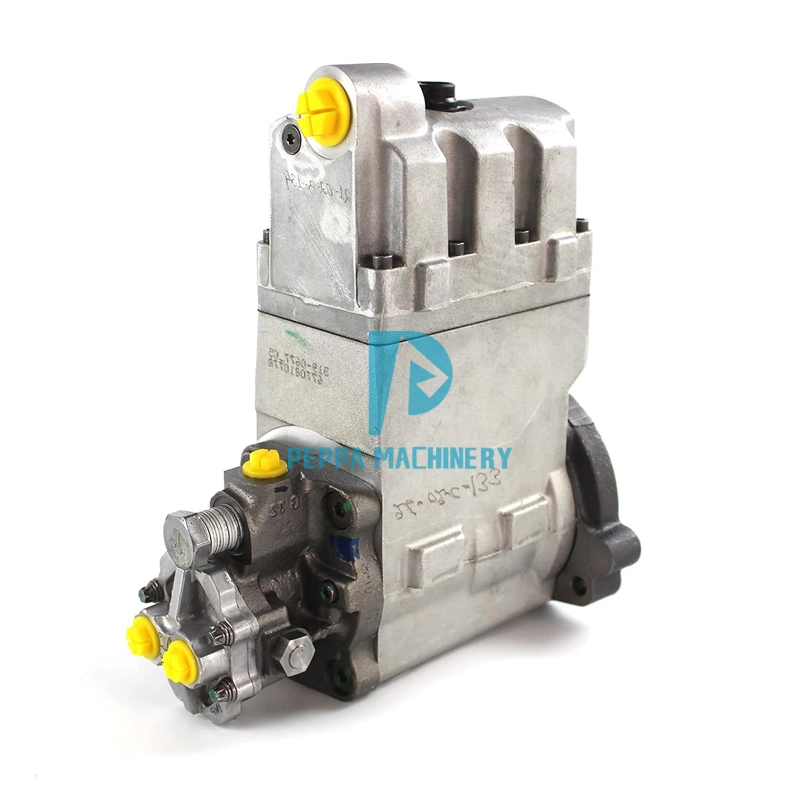
Fuel Feed / Transfer Pump Assembly for Caterpillar C7 & C9 Engines | Direct Replacement for OEM Parts #319-0678, 254-4358, 304-0678, 295-4778, 228-589
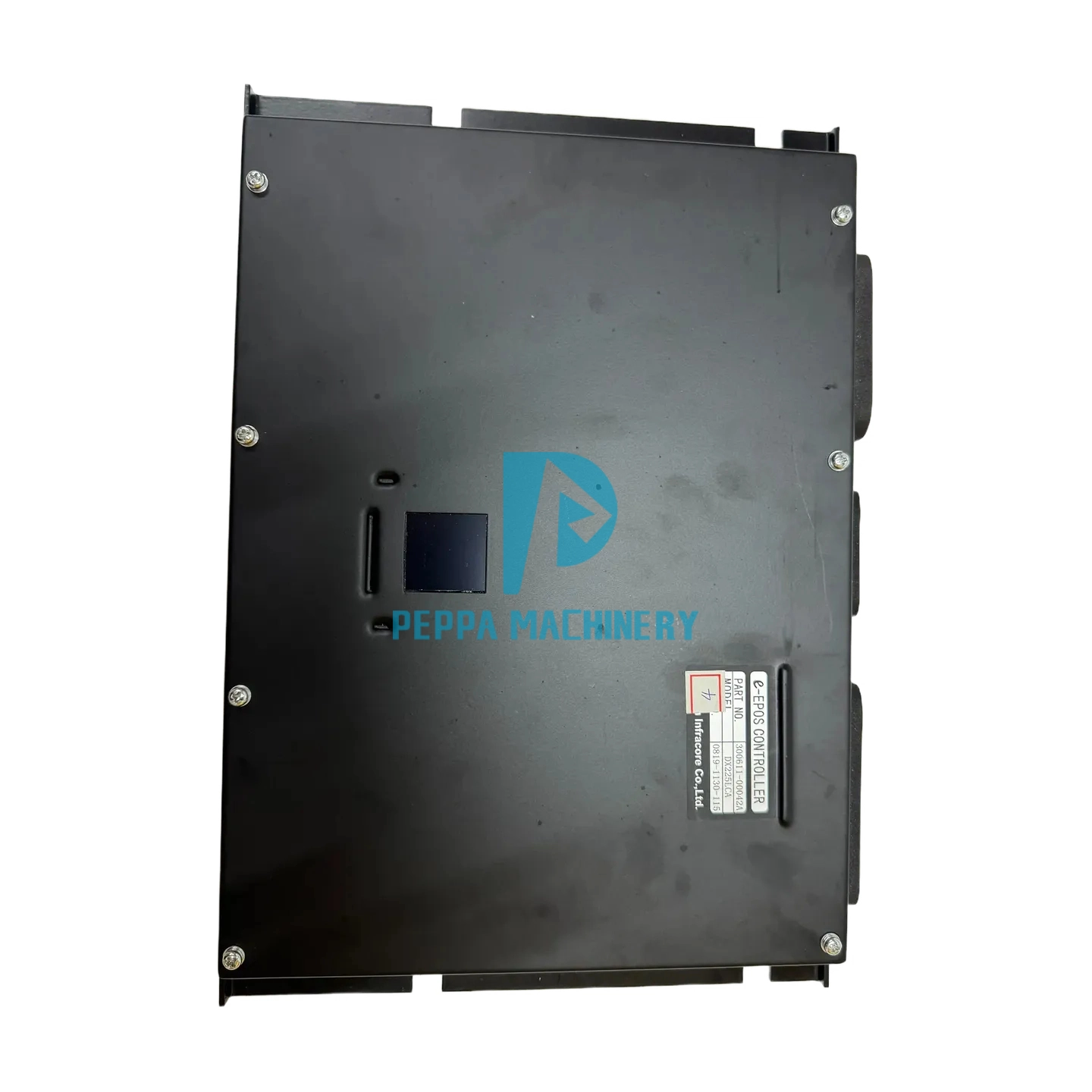
Excavator Accessories Excavator Controller DX225 DX225LCA E-EPOS Controller Computer Board 300611-00042 K1026740 K1001369C K1056425 ECU ECM

Isuzu Engine 6WG1 Turbo 1876183290 1-87618329-0 8981921861 8-98192186-1 14400-4441 1144004370 114400-4370 49188-018312 49188-11940
Excavator Parts
How can I verify compatibility before placing an order?
Please provide us with your machine brand, model number, and the part number (if available). Our team will double-check the compatibility to ensure you receive the correct parts.
What types of parts do you mainly offer?
Our main product categories include:
• Engine parts (liner kits, crankshafts, water/oil pumps, etc.)
• Electrical parts (sensors, monitors, throttle motors, wiring harnesses)
• Hydraulic parts (pumps, valves, cylinders)
• Sealing kits (NOK, SKF, PQ brands, floating seals, O-rings)
Are your parts genuine or OEM?
We offer both genuine parts and high-quality OEM alternatives. You can choose according to your budget and application needs. All OEM products are tested to meet or exceed original specifications.
Do you provide technical support or installation guidance?
While we do not offer on-site installation, we can provide basic technical advice, diagrams, or documentation to assist your technicians with installation and troubleshooting.
What brands of excavator parts do you supply?
We supply a full range of parts compatible with major international and Chinese brands, including Caterpillar, Komatsu, Hitachi, Volvo, Doosan, Hyundai, Sany, Liugong, XCMG, Zoomlion, and more.
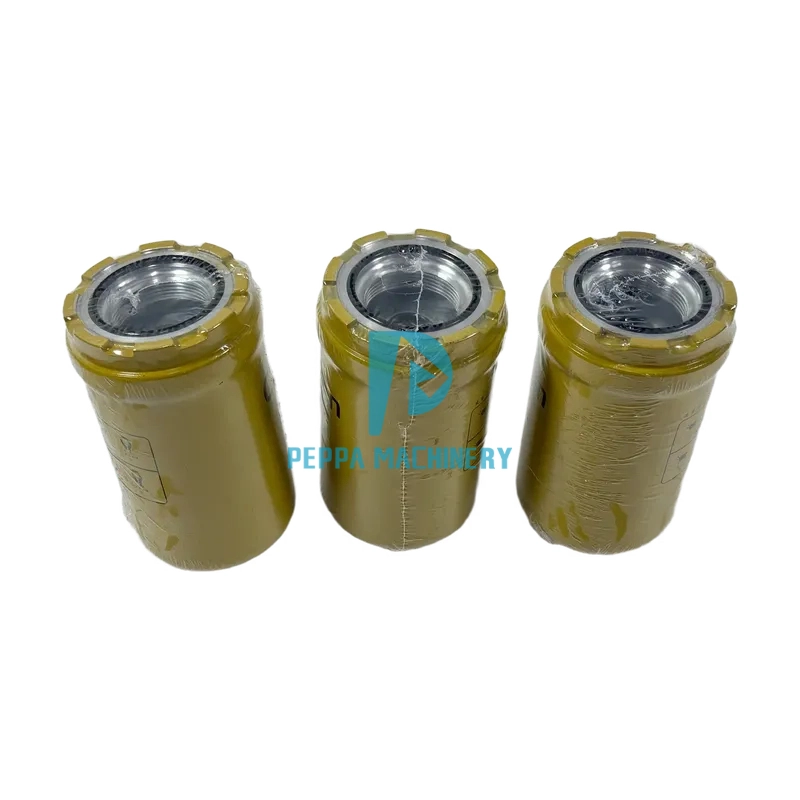
51-8670 Hydraulic Filter Applicable to HF35519 518670 2897836 518670X 1588987 Compatible with Caterpillar 352FVG 325CL
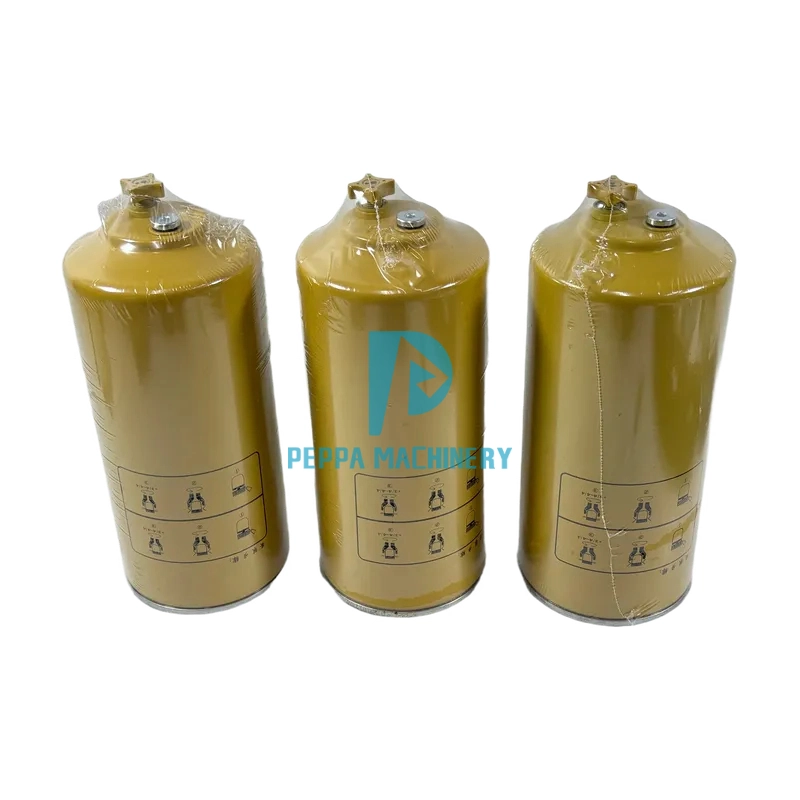
4385386 Fuel Water Separator Fuel Filter 382-0664 Oil-water Separator Hydraulic Oil Filter for CAT 312D2 320D2
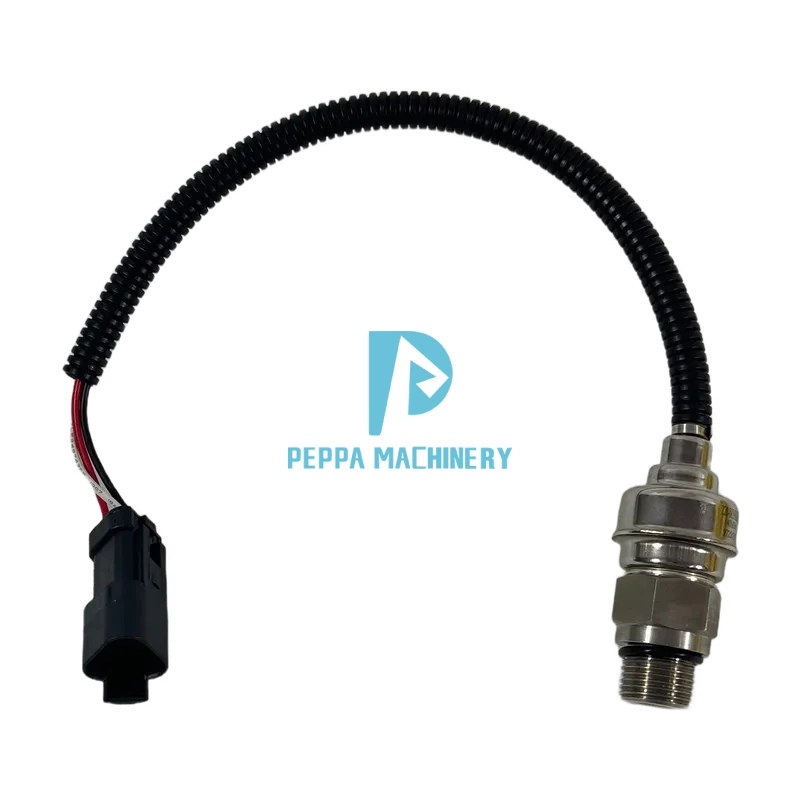
Pressure Sensor 221-8859 106-0178 for Caterpillar CAT 311B 311C 312C 314D 315B 320C 323D 324D 330C 336D 345B 385C
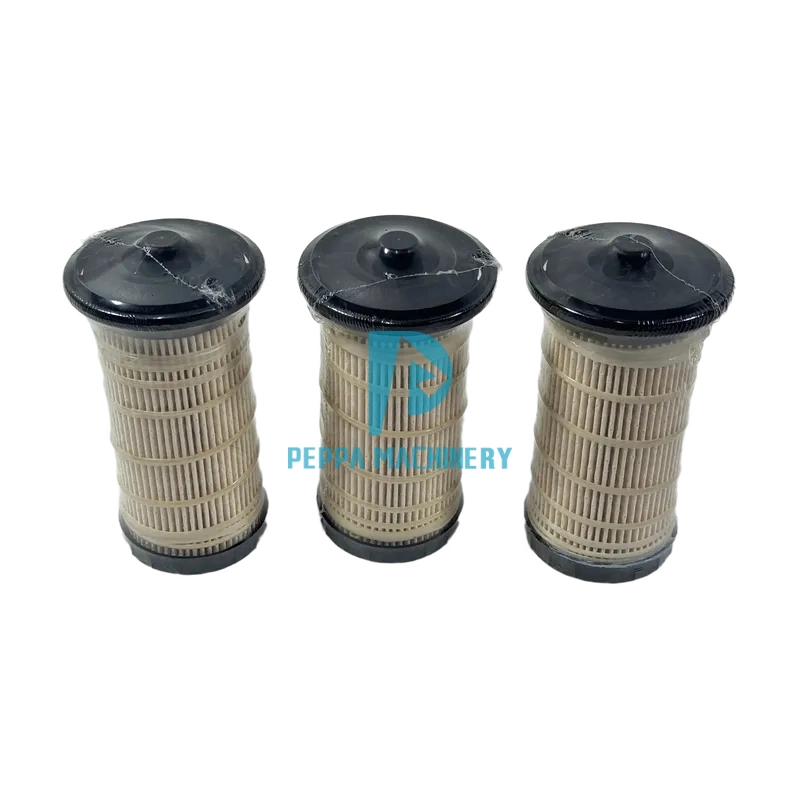
360-8960 Fuel Filter Element for Caterpillar C4.4 & C7.1 Engines | Fits 312D, 320D, 312E, 320E, 326D2, 336D2 Excavators
Get more information
Want to know more? Contact us today to get detailed product specifications, customized solutions, and a free consultation tailored to your needs.
Rest assured that your privacy is important to us, and all information provided will be handled with the utmost confidentiality.

Reliable Source for Quality Excavator Components.
Follow Us
Our Partners


Our Payment Methods


 High Quality
 7/24 Service
 Guaranteed Warranty
 Scan QR Code
Facebook
TikTok
YouTube
Pinterest
Twitter