








How to choose the right excavator oil pump for your model?
- 1. How can I match an excavator oil pump to my machine when the OEM part number is missing or worn off?
- 2. Can I replace a failed axial piston pump with a remanufactured 'direct-fit' pump, and what bench tests confirm compatibility?
- 3. What oil viscosity and contamination targets should I use for excavator oil pumps working in extreme cold or very dusty environments?
- 4. When should I rebuild an excavator oil pump instead of replacing it with a new unit? What measurable criteria determine that choice?
- 5. How do I identify internal pump wear patterns (pitting, scoring, cavitation) from system symptoms and oil analysis results?
- 6. What are the correct installation and commissioning steps — including torque, bleeding, and relief setting — that mechanics commonly skip and that cause premature pump failure?
- Conclusion: Advantages of choosing the correct excavator oil pump
How to Choose the Right Excavator Oil Pump for Your Model
Selecting the correct excavator oil pump can make the difference between reliable field performance and repeated downtime. Below are six long-tail, beginner-focused questions that often lack in-depth answers online, with practical, technically accurate solutions based on industry best practices and component-level diagnostics.
1. How can I match an excavator oil pump to my machine when the OEM part number is missing or worn off?
When the OEM part number is unreadable, cross-reference by measuring and documenting physical and hydraulic characteristics. Required checks and measurements:
- Model plate and machine serial number: start by checking the excavator serial on the cab or chassis and then consult the OEM parts manual or dealer database (Komatsu, Hitachi, Volvo, Caterpillar, etc.).
- Shaft and coupling: count spline teeth, measure shaft diameter and length, note keyway or tapered shaft style. Many pumps share spline patterns across families, but spline count and major diameter are critical for direct-fit replacement.
- Mounting flange pattern and bolt circle: record bolt count, bolt circle diameter and pilot diameter. Flange pattern distinguishes families (SAE 2-bolt, 4-bolt, custom flanges).
- Port thread and type: identify pressure/return port types (UNF, BSPP, ORFS) and size; pressure port orientation matters for hose routing and manifold fitment.
- Displacement and flow: measure pump displacement in cc/rev printed on housing or deduce by measuring flow at a known RPM using a flow meter. Flow per pump at engine idle and rated RPM helps confirm the pump group (e.g., small gear pump vs large axial piston pump).
- Pressure rating and relief valve settings: check stamped max pressure or test at a calibrated gauge. Excavator main pumps typically operate at system working pressures in roughly the 200–350 bar range depending on model; confirm with OEM spec.
- Electrical/electronic controls: note presence of solenoid-controlled swash plate or electronic displacement control (common on newer variable pumps).
Combine the above data to search manufacturer cross-reference catalogs, aftermarket databases, and reman suppliers. If uncertain, send clear photos of the pump face, shaft, and ports plus machine serial to a qualified supplier for verification. At JB Parts we verify fitment against dimensional and hydraulic specs before shipping replacements.
2. Can I replace a failed axial piston pump with a remanufactured 'direct-fit' pump, and what bench tests confirm compatibility?
Remanufactured direct-fit pumps can be appropriate if they match critical specs. Prior to installation, request or perform bench tests to confirm functionality and compatibility:
- Dimensional and mechanical fit check: verify spline engagement, flange alignment, shaft runout and port locations physically match the original.
- No-load spin test: check for smooth rotation, abnormal noise or binding which could indicate internal faults.
- Flow test at specified RPMs: measure L/min at idle and rated RPM to confirm displacement. Acceptable tolerance is typically within ±5-10% of OEM spec for newly remanufactured pumps.
- Pressure/relief test: bring pump to expected system pressure (per OEM) and observe for stable relief behaviour and no sudden pressure drop or leakage. Variable-displacement pumps should hold commanded pressure and respond to displacement control inputs.
- Internal leakage test: measure case drain and internal bypass at rated pressure. Excessive leakage (bench-measured) indicates worn pistons/cylinders or swash assembly problems and is a rejection criterion.
Only install remans that provide a test report showing these results. Beware generic 'universal' pumps that fit physically but have different displacement, relief settings, or control characteristics which can upset valve timing and boom performance.
3. What oil viscosity and contamination targets should I use for excavator oil pumps working in extreme cold or very dusty environments?
Hydraulic fluid selection and cleanliness are among the top factors in pump life. Practical guidance:
- Follow OEM hydraulic oil spec first. Many mid-size excavators recommend mineral hydraulic oil in the ISO VG 46 family for temperate climates, but acceptable ranges can be ISO VG 32 to ISO VG 68 depending on ambient temperatures and machine design.
- Cold climates: use lower viscosity grades or multi-grade/synthetic hydraulic fluids engineered for low-temperature start-up. For severe cold (below -20C) consider synthetic or polyalphaolefin (PAO) based fluids which maintain fluidity and film strength, and use pre-heaters to reduce startup shear stress on piston pumps.
- Hot/dusty climates: maintain a stable viscosity that preserves film strength at operating temperature. Higher-viscosity or high VI (viscosity index) fluids resist thinning at temperature and reduce wear in boundary conditions.
- Filtration and cleanliness: target hydraulic cleanliness and filtration suited for tight-clearance pumps. Aim for an ISO 4406 cleanliness level of 18/16/13 or better as a practical target for most excavators; critical systems or OEM guidance may call for cleaner (for example 16/13/11). Use high-efficiency return and pressure filters, and change breathers and seals frequently in dusty conditions.
- Cold start procedural controls: use block heaters, pre-warm fluid or follow OEM cold-start procedures (slow lever movement until fluid warms) to reduce high-viscosity startup loading on an axial piston pump.
When in doubt, consult your machine service manual and documented OEM oil spec and cleanliness targets. Lab analysis and field monitoring (oil temperature, pressures, servo response) will confirm if the chosen fluid and filtration are protecting the pump.
4. When should I rebuild an excavator oil pump instead of replacing it with a new unit? What measurable criteria determine that choice?
Deciding between rebuild and replacement depends on measurable wear, cost, and expected remaining life. Use these diagnostic thresholds:
- Performance loss: bench-tested flow drop greater than about 15-20% compared with the pump's original displacement or compared with another identical pump under the same test conditions typically indicates significant internal wear and is a candidate for replacement rather than a partial repair.
- Internal leakage: if leakage measured during a bench leak test or system returns shows case/port leakage above OEM allowable limits, internal components (pistons, cylinder block, valve plate) are likely worn beyond economical repair.
- Wear debris and oil analysis: high iron and copper readings plus presence of large ferrous particles indicate severe wear of sliding surfaces. If oil analysis shows rapid progressive wear trends, replacement may be preferable to a rebuild that only addresses superficial faults.
- Corrosion, pitting, cavitation damage: visible pitting on pistons, cylinder bores, or severe scoring on valve plates signals deep material loss; rebuilding with standard kits may not restore original tolerances and performance.
- Cost and downtime: compare remanufactured (factory reman) assemblies with a quality rebuild. For large pumps or machines with high uptime cost, factory remans (with warranty and test reports) often offer better lifecycle value. For older machines out of production, a local rebuild may be the only option.
Always run a bench report (flow vs rpm, relief/pressure test, leakage test) and oil analysis before deciding. JB Parts supplies test documentation with reman units to support this evaluation.
5. How do I identify internal pump wear patterns (pitting, scoring, cavitation) from system symptoms and oil analysis results?
Symptoms, when correlated with oil analysis and component inspection, usually identify wear modes:
- Cavitation: symptoms include noise (a distinct gravelly or 'marble' sound), spiking suction pressure, and pitted surfaces on inlet-side components. Oil analysis may show elevated dissolved gases and fine abrasive particles from rapid vapor collapse. Examine inlet hoses, suction strainer, and check for starved suction conditions or excessive suction line length.
- Hydraulic fluid aeration/foaming: leads to erratic control response and higher temperatures; often associated with cavitation or poor reservoir design. Look for air entrainment sources (cracked filler cap, loose breathers) and confirm with visual foam or entrained air test cups.
- Scoring and abrasion: metallic particles in oil analysis (high iron counts, presence of hard particles) plus visual scoring on pistons, cylinder bores and swash plate. Often caused by contamination, poor filtration, or inadequate oil conditioning. Particle shape analysis (microscopy) can distinguish hard abrasive particles from fibrous wear.
- Corrosion and fretting: copper or brass particles indicate valve plate or bushing wear; combined with acidic oil oxidation can cause chemical corrosion. Check additives and oxidation levels in lab reports.
- Progressive bearing wear: vibration, overheating and rising noise levels; oil analysis will show elevated ferrous debris correlated with bearing element materials.
Practical workflow: take an oil sample to a reputable lab, request elemental spectrometry, particle sizing and count (ISO 4406), and report trending. Combine lab data with pump bench measurements to diagnose root cause accurately and select the correct corrective action.
6. What are the correct installation and commissioning steps — including torque, bleeding, and relief setting — that mechanics commonly skip and that cause premature pump failure?
Many premature failures stem from skipped or rushed commissioning steps. Follow this procedure checklist:
- Pre-install inspection: verify new or reman pump is clean, capped and free of shipping debris. Confirm part number, displacement and pressure rating match machine requirements.
- Clean fluid pathway: flush reservoir, lines and manifold to remove debris. Install clean suction strainer and new filters. Contaminants introduced during installation are a common cause of failure.
- Mechanical fit and torque: align pump face to the mounting flange, ensure shaft engagement and coupling alignment. Use OEM-specified torque values for flange bolts and pump mounting fasteners; incorrect torque or misalignment leads to bearing overload. If you do not have OEM torque specs for your specific pump, consult the pump or machine manufacturer — values vary by model and bolt pattern and cannot be universally prescribed safely.
- Hydraulic connections: use correct port fittings and torque for hydraulic fittings to prevent leaks and air ingress. Replace seals and O-rings with OEM-grade components.
- Priming and bleeding: prime the pump if required and fill the system slowly while venting trapped air from high points and control valves. Operate the machine at low speed to circulate fluid and purge air before applying heavy load.
- Set relief and pilot pressures: set system reliefs and pilot pressures per OEM instructions. Verify relief valve stability at operating temperature. Improper relief adjustments cause excessive internal load and cavitation risk.
- Initial run-in: follow OEM recommended break-in cycles (moderate loads and varied operation) to seat moving surfaces. Monitor temperature, suction/pressure gauges and case drain flow during the first hours of operation.
- Post-install oil check and filter change: after initial run-in, replace the filter elements and check oil condition to remove any break-in debris. Re-test for leaks, noise and performance.
Skipping any of these steps risks introducing contamination, misalignment, or incorrect settings that reduce pump life. Proper commissioning and a documented bench test report are especially important for remanufactured or used pumps.
Conclusion: Advantages of choosing the correct excavator oil pump
Choosing the right excavator oil pump—correct displacement, pressure rating, control type, correctly matched oil and cleanliness standards—delivers measurable advantages: reduced downtime, longer component life, predictable hydraulic responsiveness, improved fuel efficiency, and lower total cost of ownership. Accurate identification, bench testing, correct fluid selection (including viscosity and ISO 4406 cleanliness), and disciplined commissioning are the most effective ways to achieve those advantages.
If you need help identifying, testing, or sourcing a direct-fit, remanufactured or new excavator hydraulic oil pump, contact JB Parts for a verified quote and test documentation. Visit www.jbpartsgz.com or email jbparts@aliyun.com for parts verification and fast reman quotes.

Isuzu SP 4JG1 4JG2 4JG3 Cylinder Liner 1876182070 1-87618207-0 1876182080 1-87618208-0 1876182100 1-87618210-0
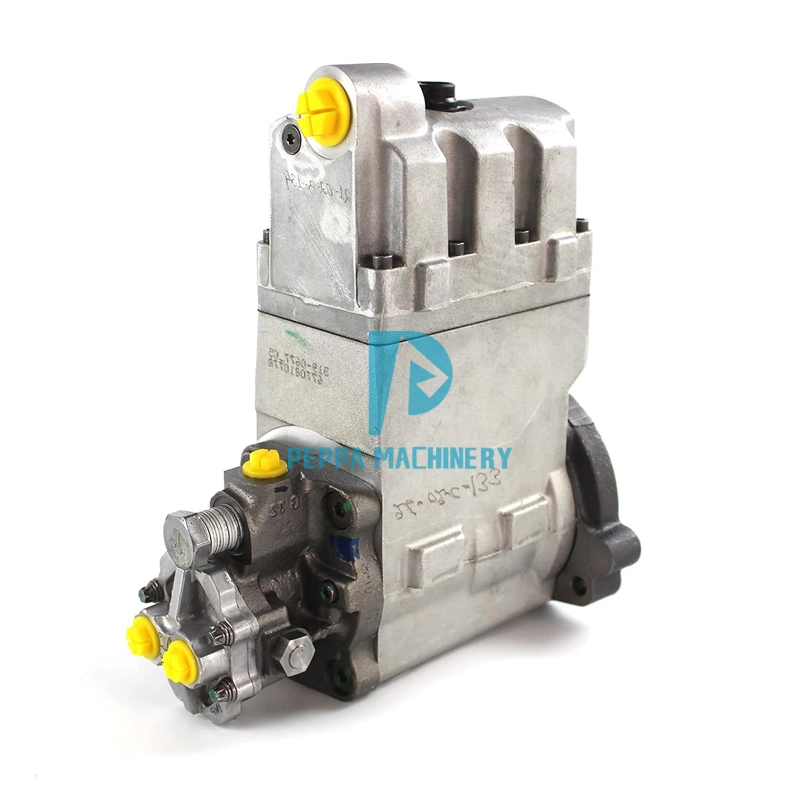
Fuel Feed / Transfer Pump Assembly for Caterpillar C7 & C9 Engines | Direct Replacement for OEM Parts #319-0678, 254-4358, 304-0678, 295-4778, 228-589
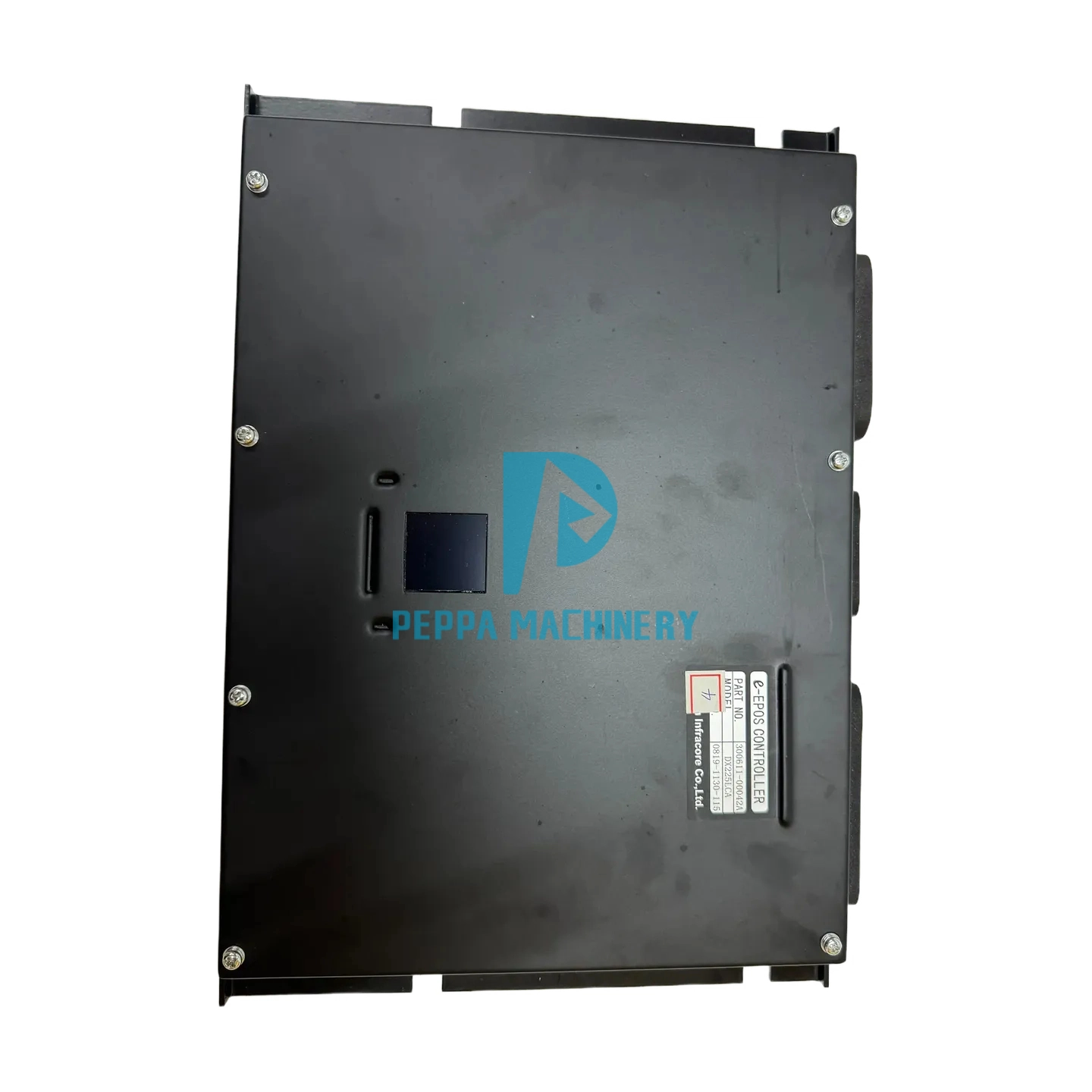
Excavator Accessories Excavator Controller DX225 DX225LCA E-EPOS Controller Computer Board 300611-00042 K1026740 K1001369C K1056425 ECU ECM

Isuzu Engine 6WG1 Turbo 1876183290 1-87618329-0 8981921861 8-98192186-1 14400-4441 1144004370 114400-4370 49188-018312 49188-11940
Excavator Parts
Are your parts genuine or OEM?
We offer both genuine parts and high-quality OEM alternatives. You can choose according to your budget and application needs. All OEM products are tested to meet or exceed original specifications.
Do you provide technical support or installation guidance?
While we do not offer on-site installation, we can provide basic technical advice, diagrams, or documentation to assist your technicians with installation and troubleshooting.
What types of parts do you mainly offer?
Our main product categories include:
• Engine parts (liner kits, crankshafts, water/oil pumps, etc.)
• Electrical parts (sensors, monitors, throttle motors, wiring harnesses)
• Hydraulic parts (pumps, valves, cylinders)
• Sealing kits (NOK, SKF, PQ brands, floating seals, O-rings)
Can I get help choosing the right parts for my machine?
Yes. Our experienced sales team is here to provide professional recommendations and solutions based on your excavator model, part number, or specific requirements.
How can I verify compatibility before placing an order?
Please provide us with your machine brand, model number, and the part number (if available). Our team will double-check the compatibility to ensure you receive the correct parts.
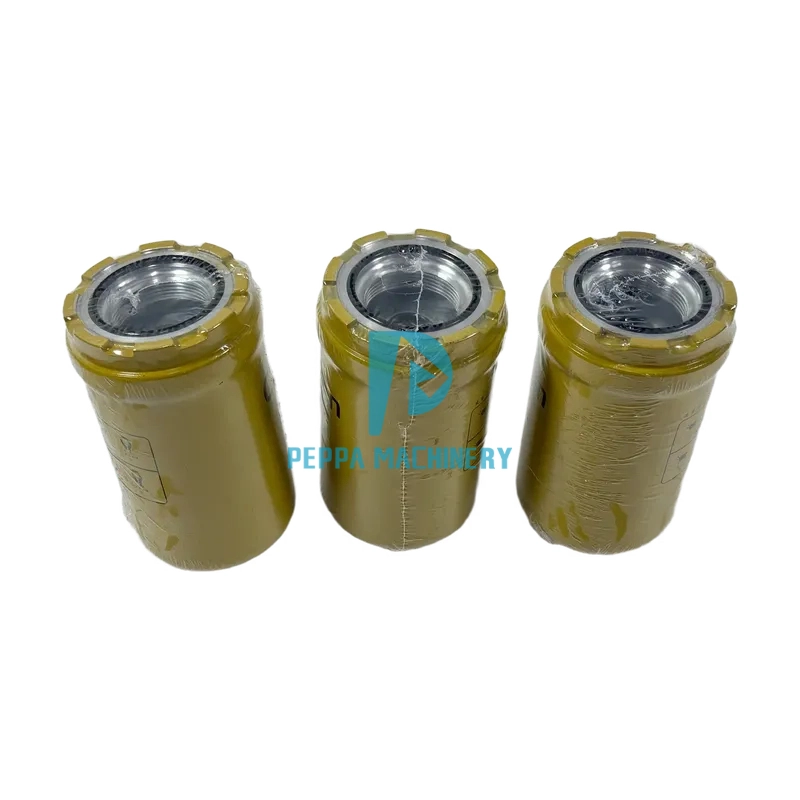
51-8670 Hydraulic Filter Applicable to HF35519 518670 2897836 518670X 1588987 Compatible with Caterpillar 352FVG 325CL
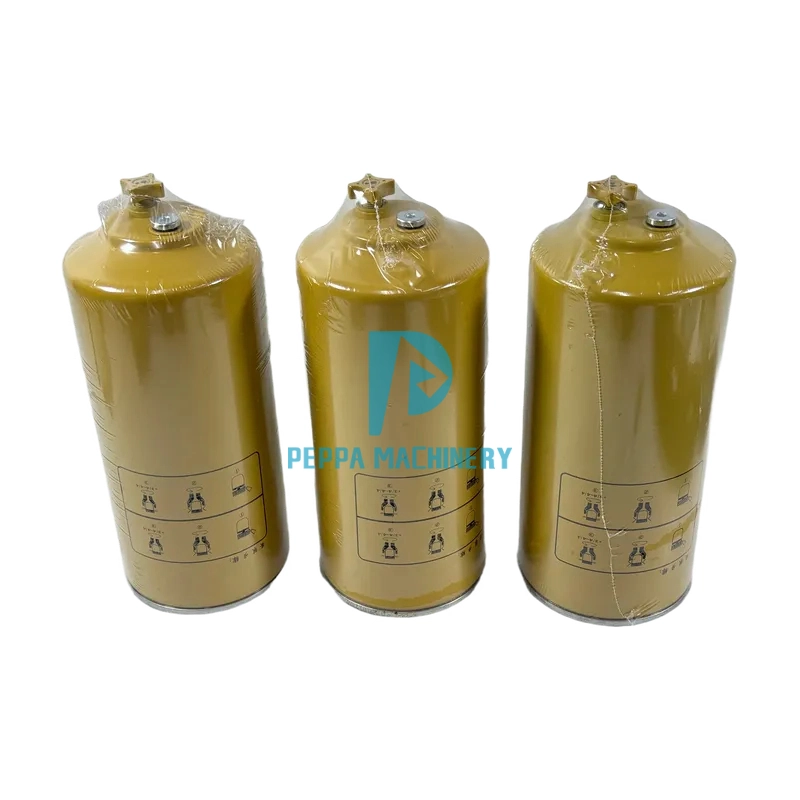
4385386 Fuel Water Separator Fuel Filter 382-0664 Oil-water Separator Hydraulic Oil Filter for CAT 312D2 320D2
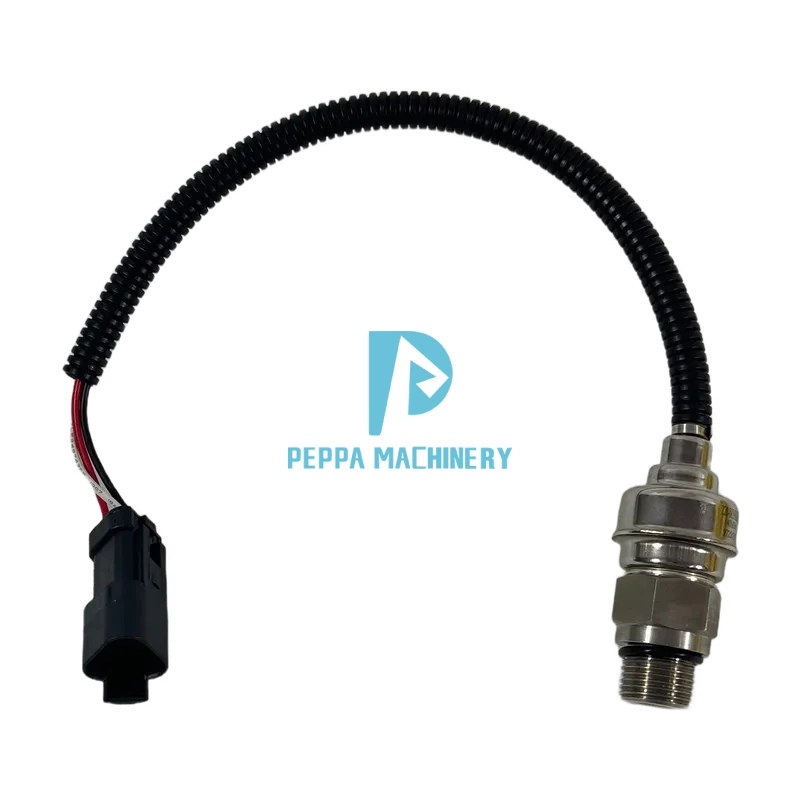
Pressure Sensor 221-8859 106-0178 for Caterpillar CAT 311B 311C 312C 314D 315B 320C 323D 324D 330C 336D 345B 385C
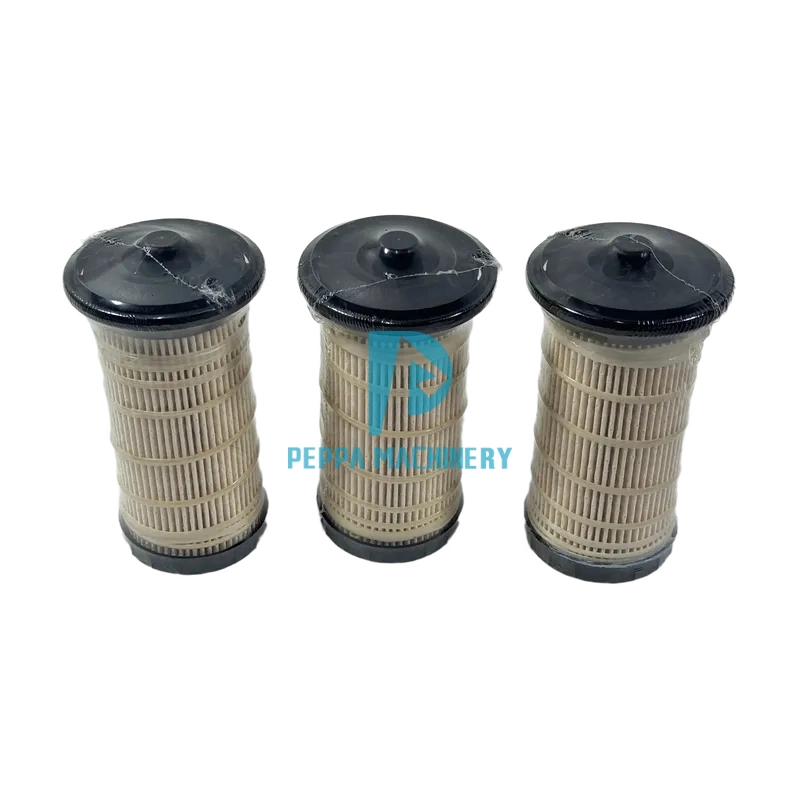
360-8960 Fuel Filter Element for Caterpillar C4.4 & C7.1 Engines | Fits 312D, 320D, 312E, 320E, 326D2, 336D2 Excavators
Get more information
Want to know more? Contact us today to get detailed product specifications, customized solutions, and a free consultation tailored to your needs.
Rest assured that your privacy is important to us, and all information provided will be handled with the utmost confidentiality.

Reliable Source for Quality Excavator Components.
Follow Us
Our Partners


Our Payment Methods


 High Quality
 7/24 Service
 Guaranteed Warranty
 Scan QR Code
Facebook
TikTok
YouTube
Pinterest
Twitter